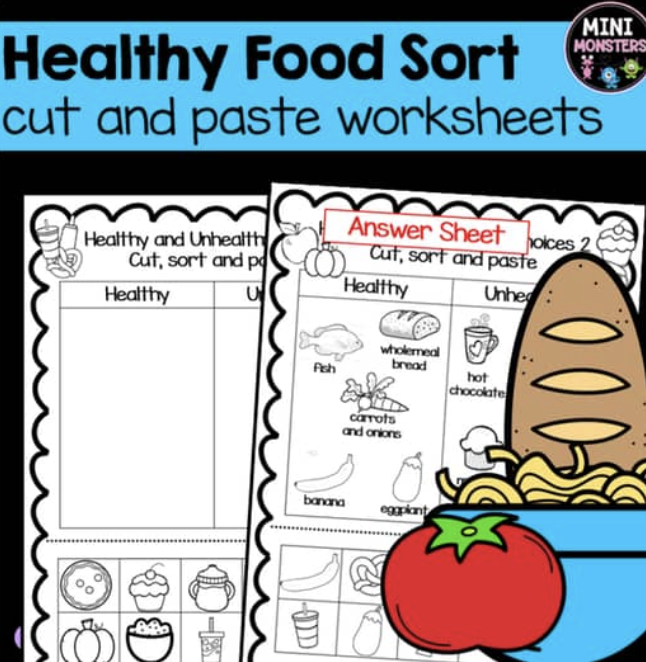
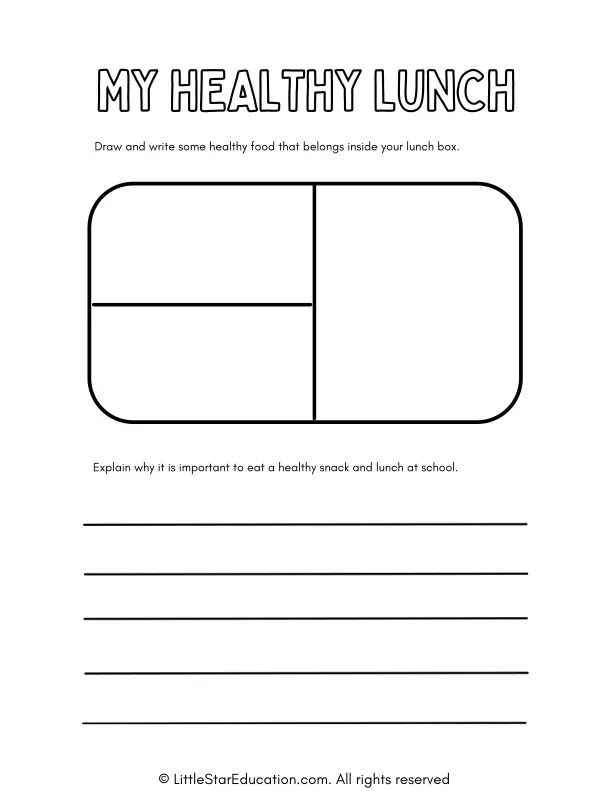
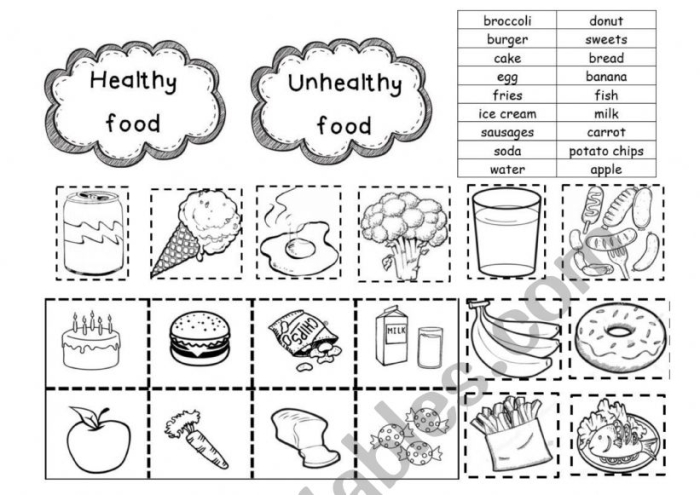
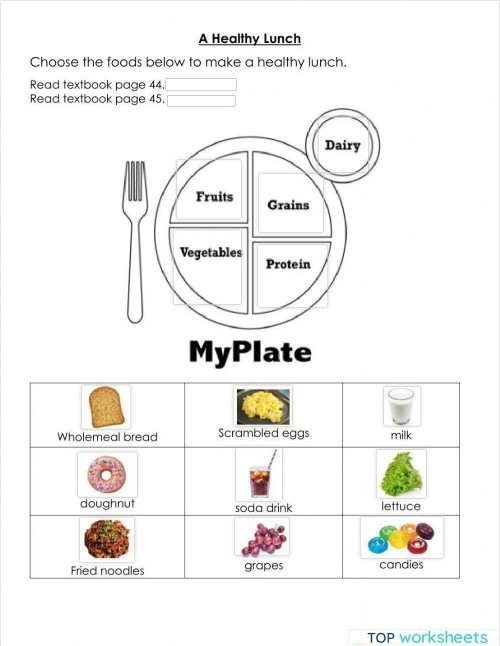
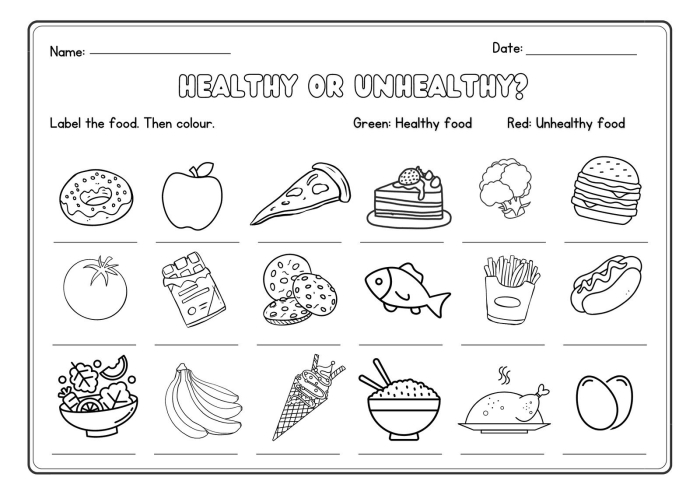
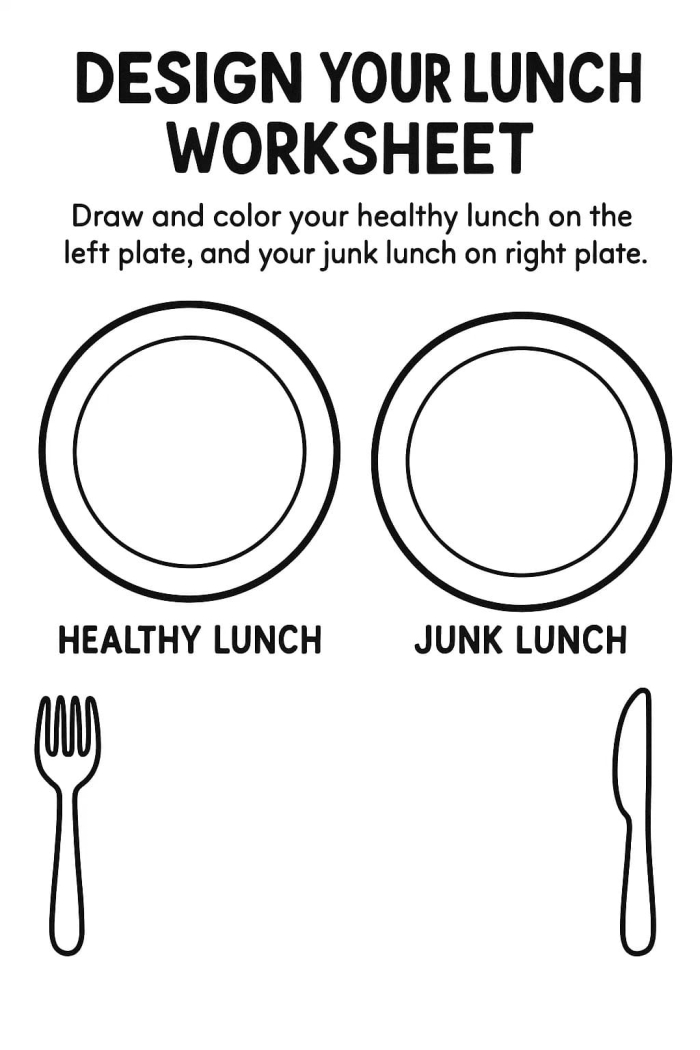
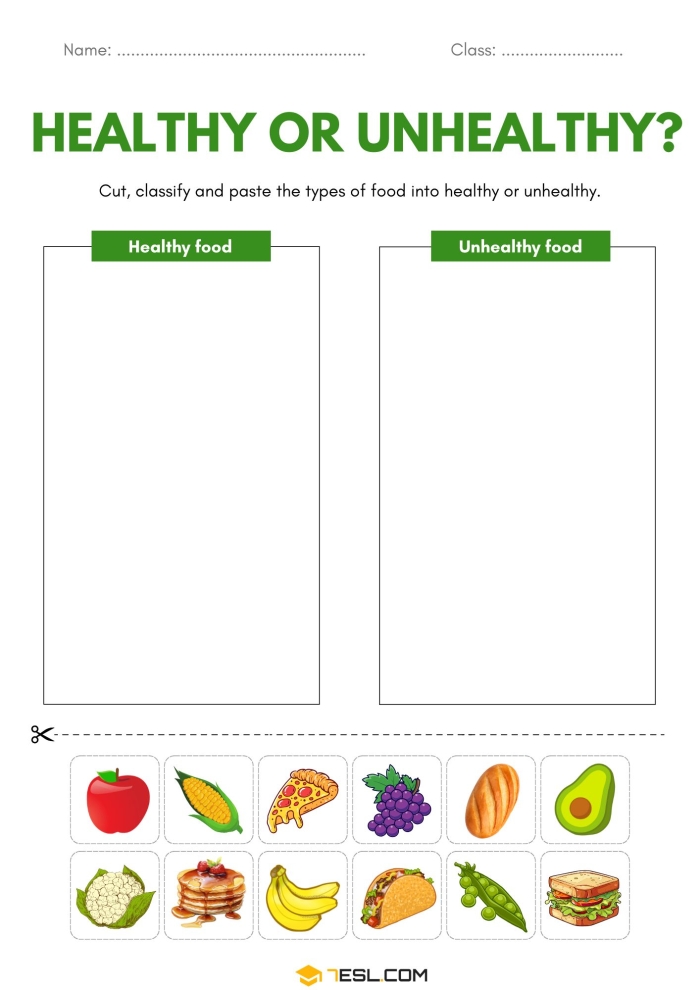
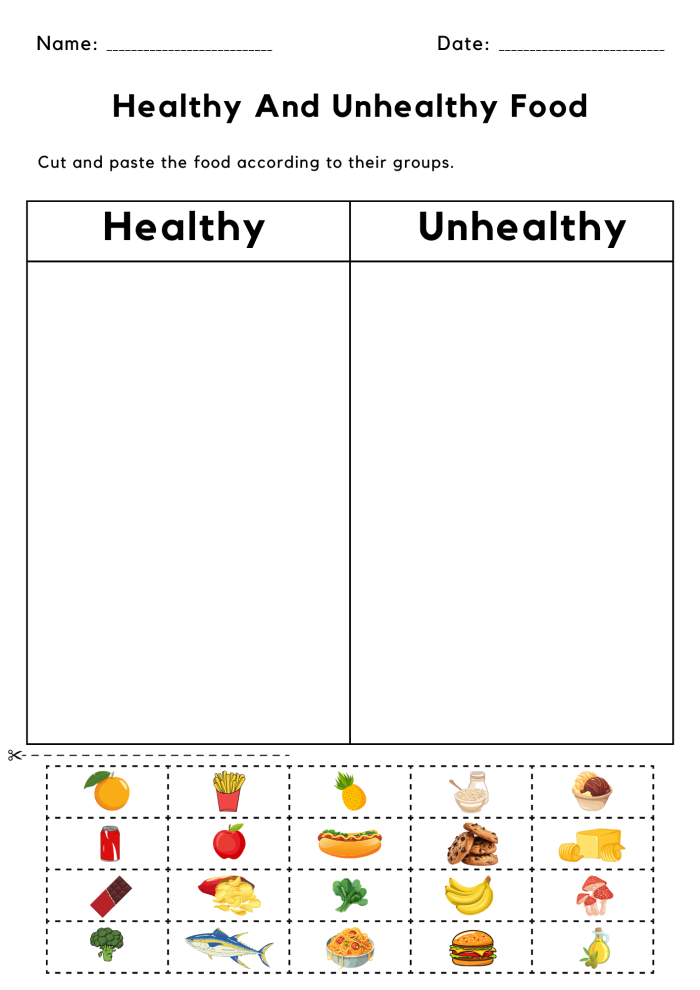
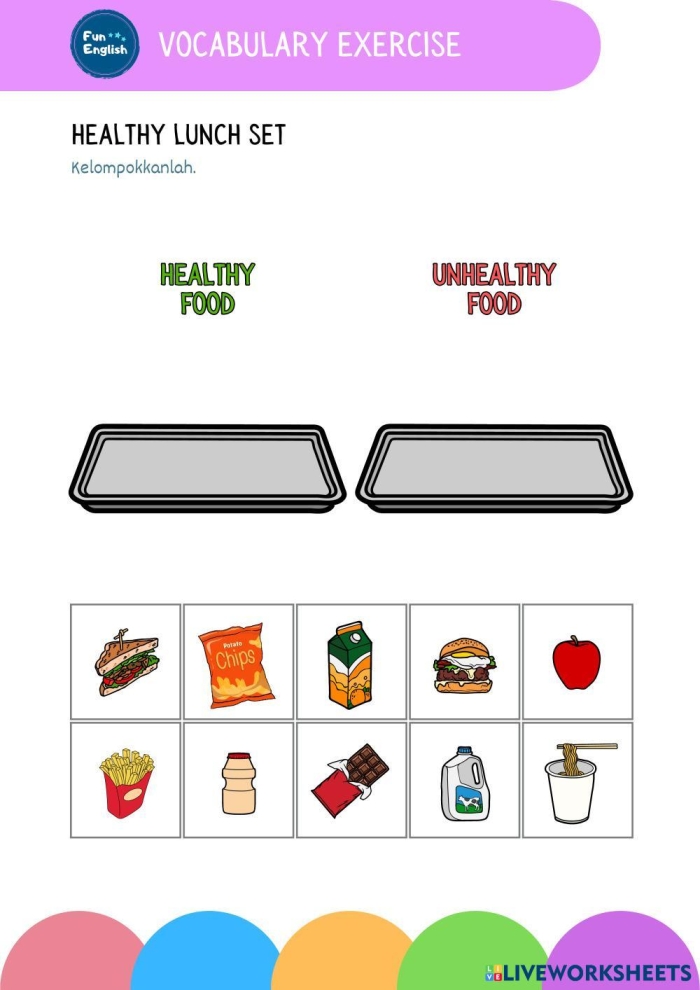
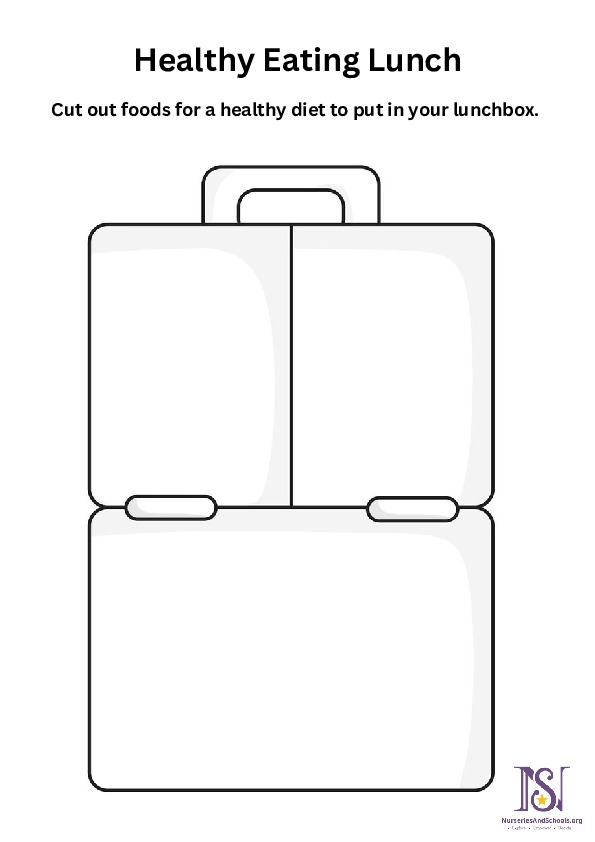
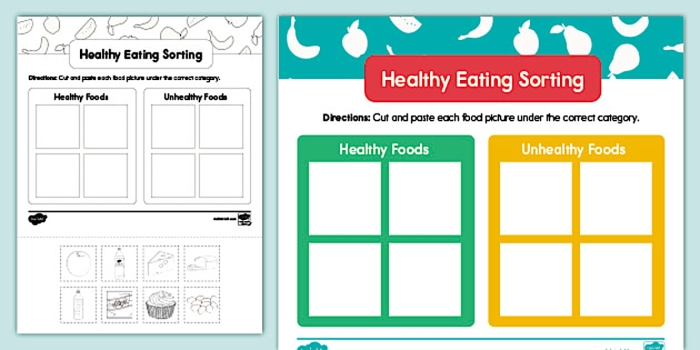
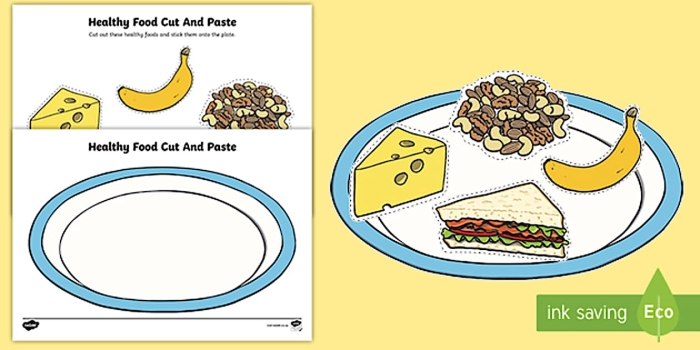
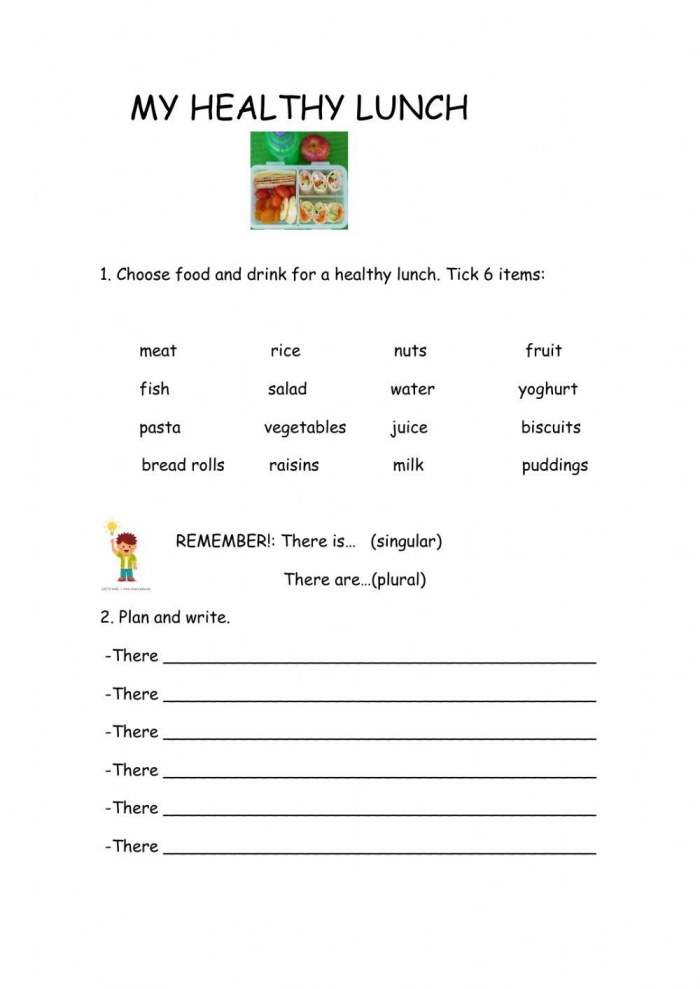
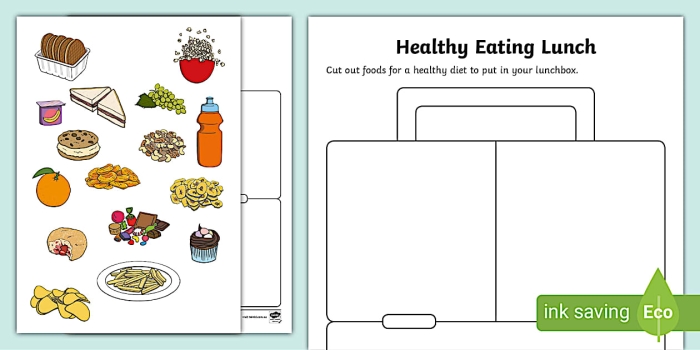
Getting a preschooler excited about nutrition is tough when they’d rather play than listen to a lecture about vegetables. But the moment you hand them scissors and colorful paper, something shifts. Suddenly, building a healthy lunch becomes a game instead of a lesson.
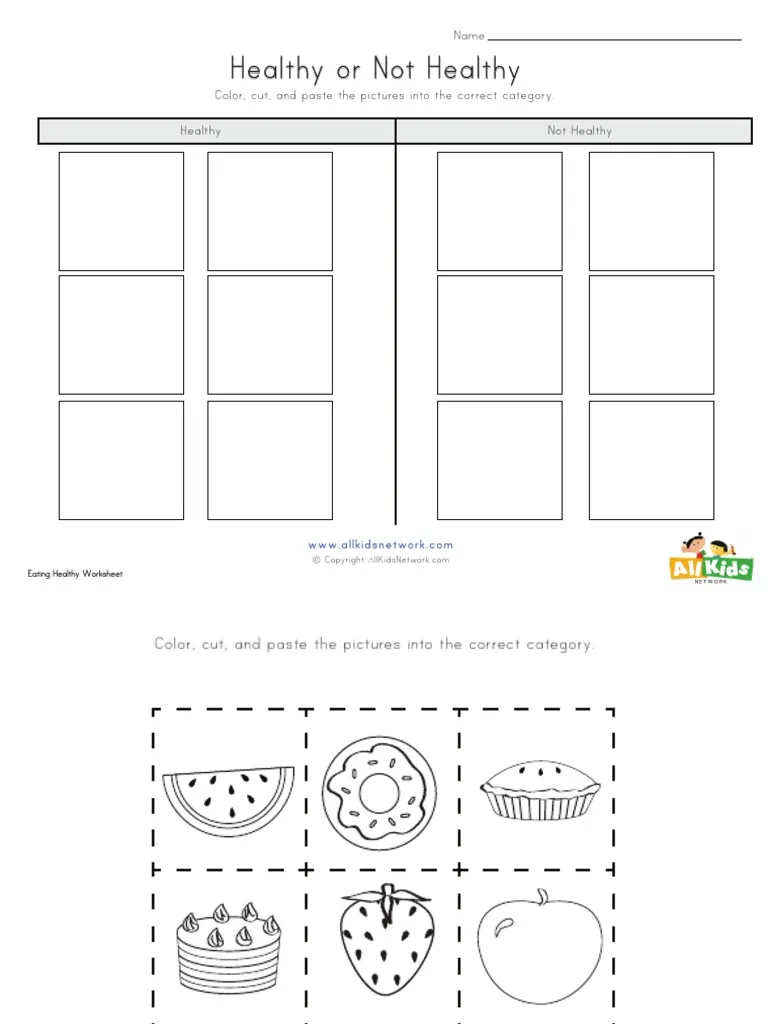
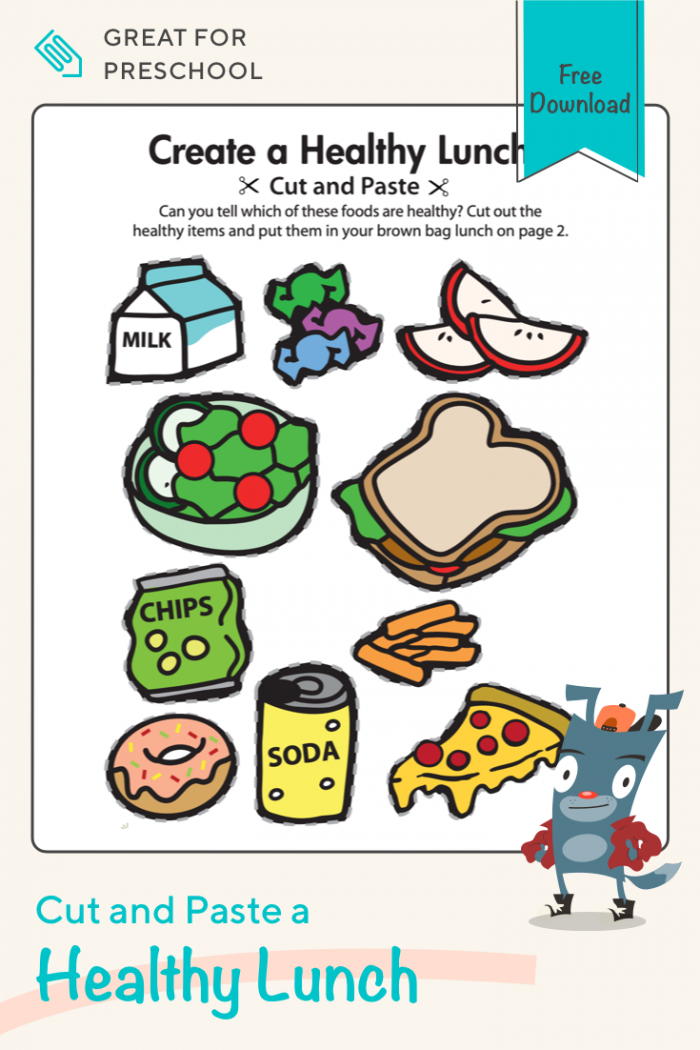
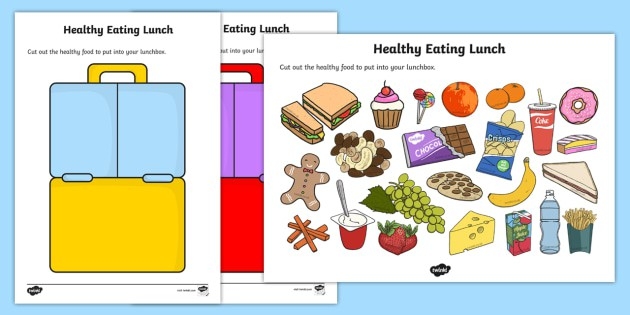
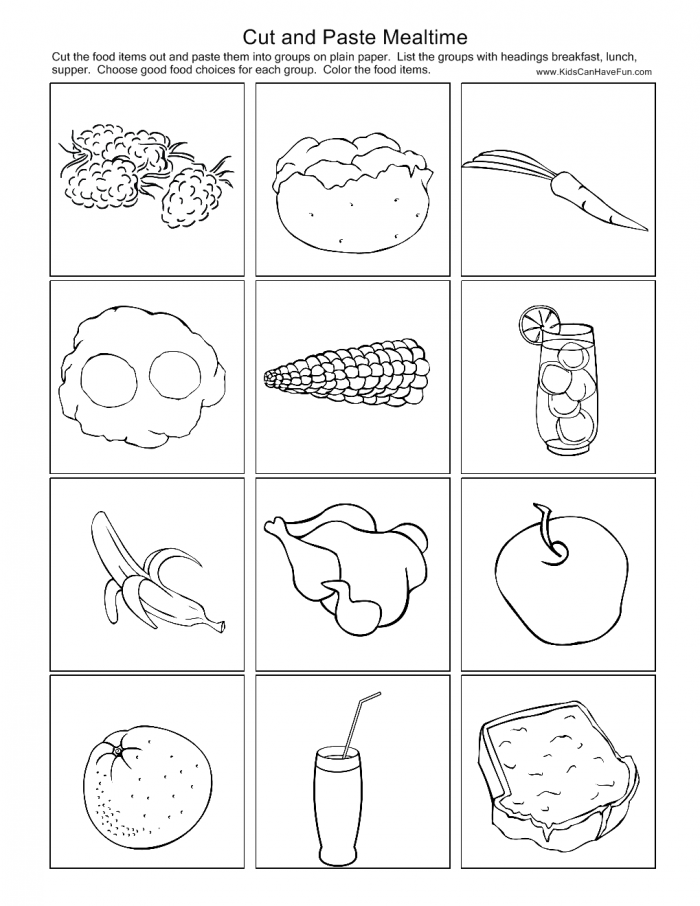
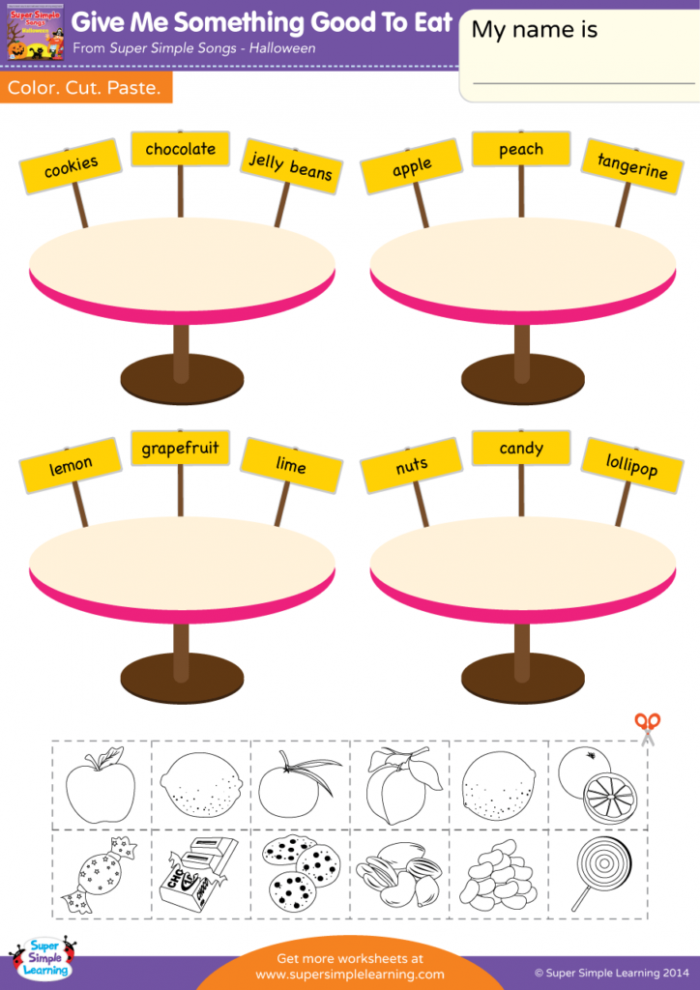
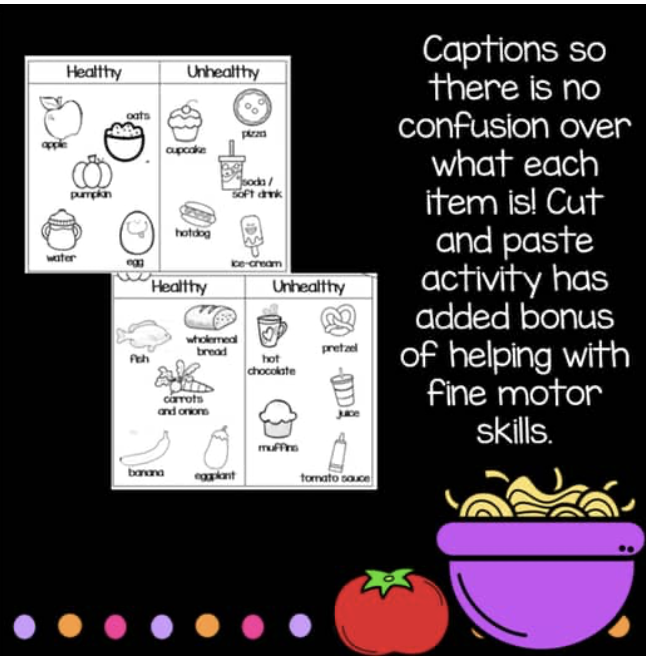
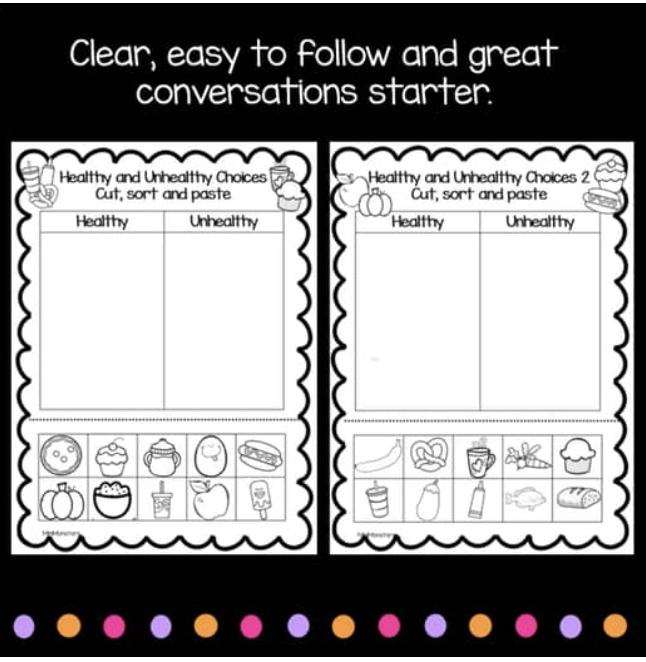
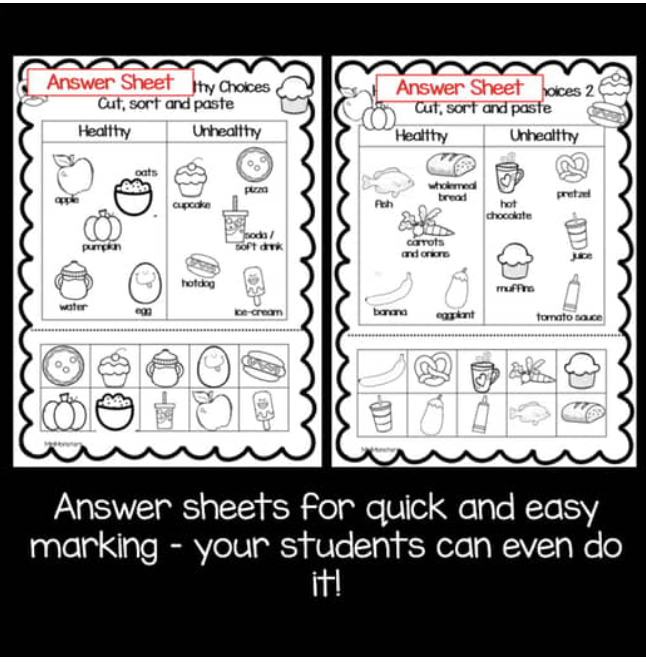
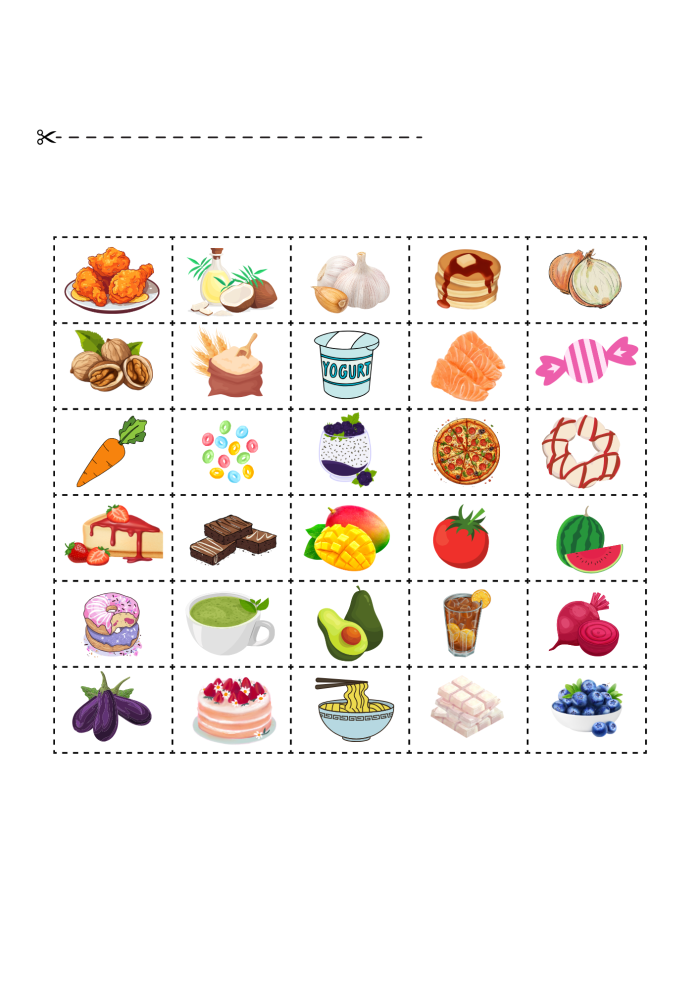
Cut and paste activities work because they tap into what preschoolers actually enjoy: creating, cutting, and arranging things with their hands. When you combine this natural interest with food education, you’re not forcing nutrition information down their throat. Instead, you’re letting them discover it themselves through play. A cut and paste activity about building a healthy lunch does exactly this, turning a simple paper project into a memorable learning moment.
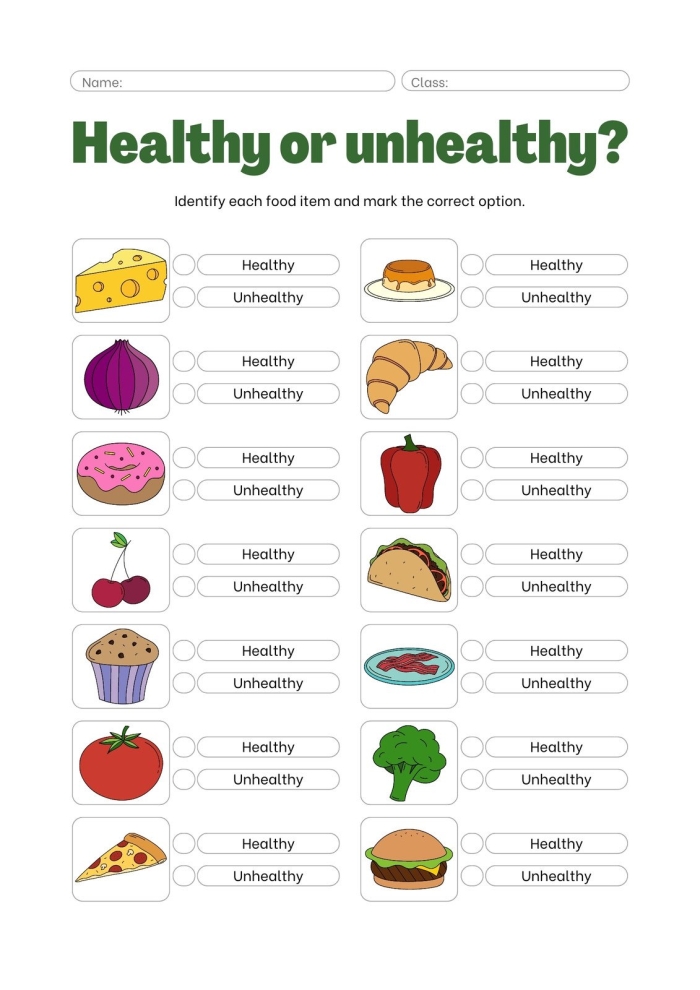
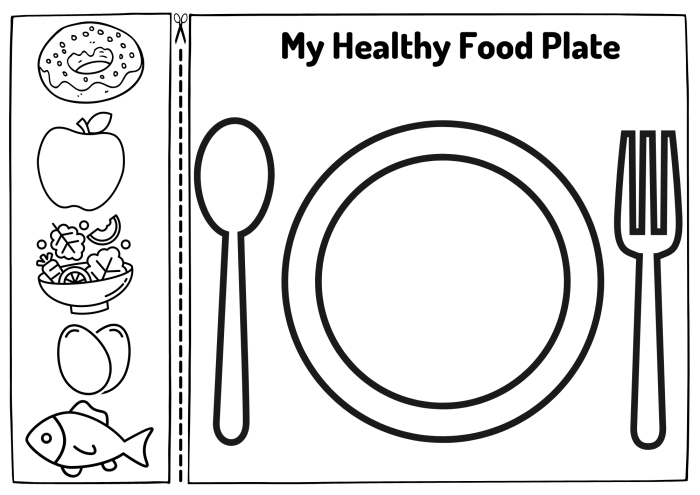
The beauty of this approach is that it works for Pre-K learners who are still developing fine motor skills. Cutting along lines strengthens hand coordination while pasting teaches cause and effect. They’re practicing real skills while learning that a balanced meal includes different food groups. When they arrange paper images of fruits, proteins, and grains on a plate, they’re making choices about nutrition without realizing they’re being taught.
These worksheets also create a natural conversation starter. As your child cuts and pastes, you can ask simple questions: “What color is that apple? Do you like eating carrots?” This back-and-forth builds vocabulary and reinforces healthy eating habits through dialogue rather than instruction.
The finished product gives preschoolers something tangible to be proud of. They created it. They made the choices about what went on that plate. That ownership makes them more likely to actually eat those foods later. Pair this activity with other engaging Pre-K worksheets, like color by number fruit activities, and you’ve built a small curriculum around healthy eating that feels like pure fun.
Start Practicing with These Worksheets