Understanding rhymes is a crucial step in early literacy development for Pre-K students. Rhymes not only make language fun but also enhance phonemic awareness, which is essential for reading. Does your student know what a rhyme is and how to create one? This is where a targeted assessment can be immensely helpful.
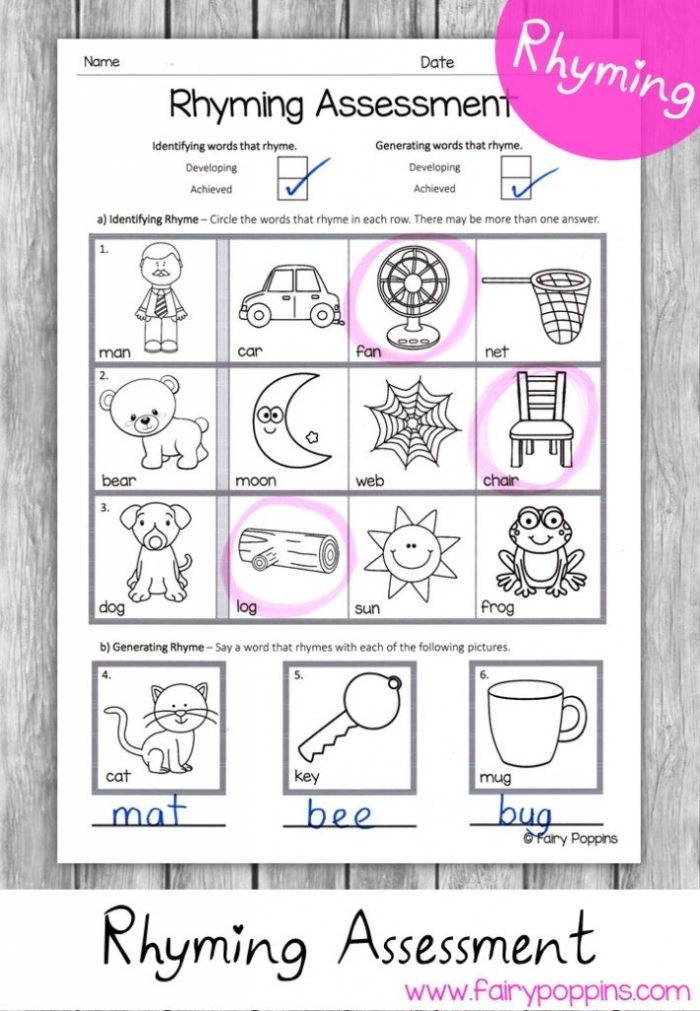
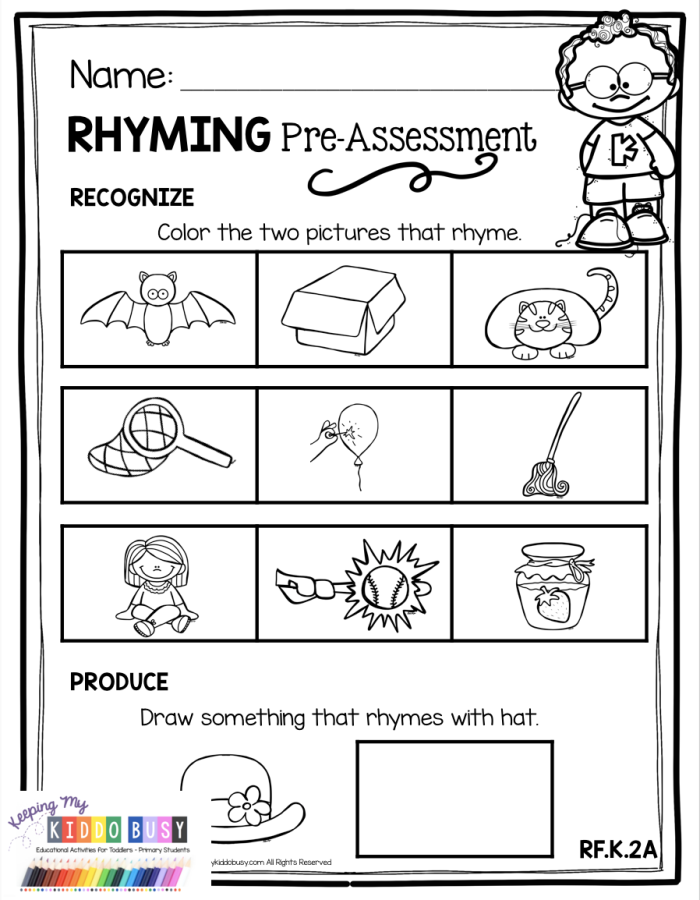
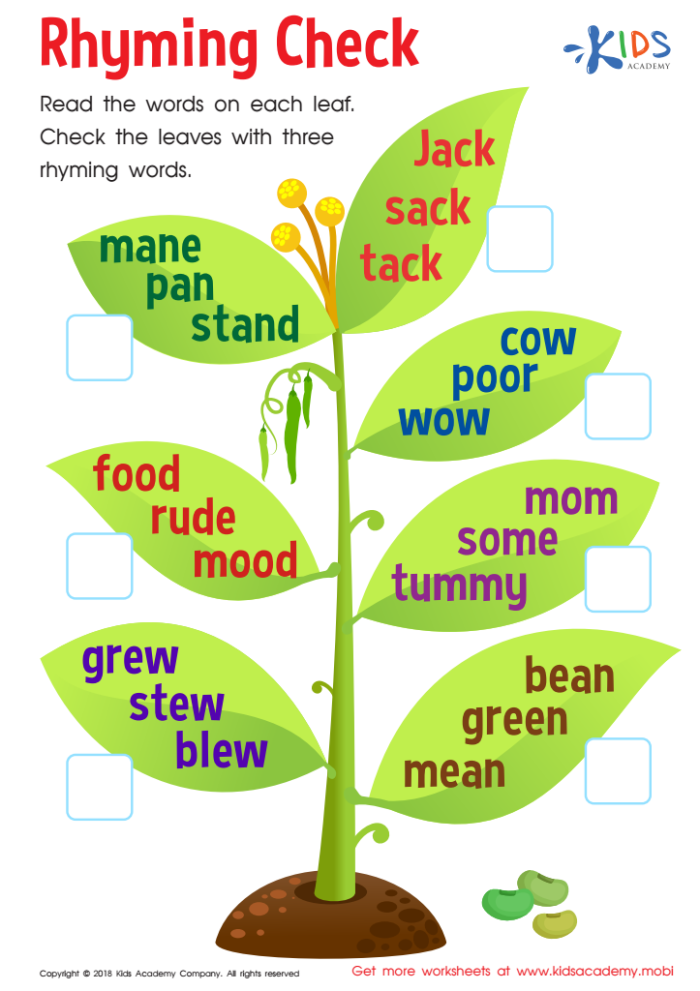
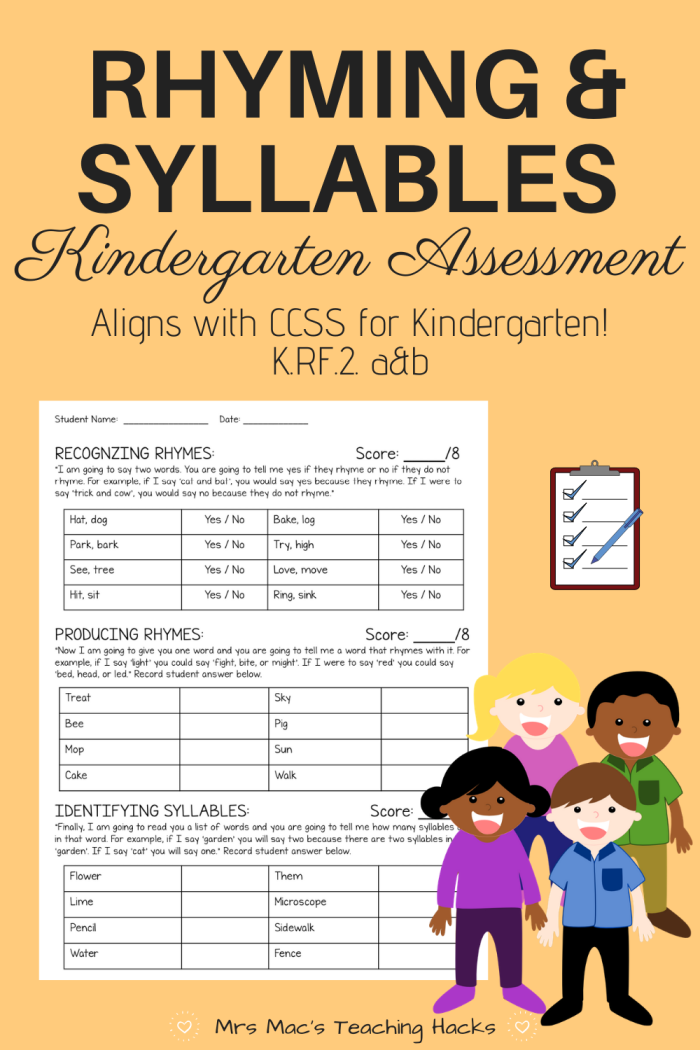
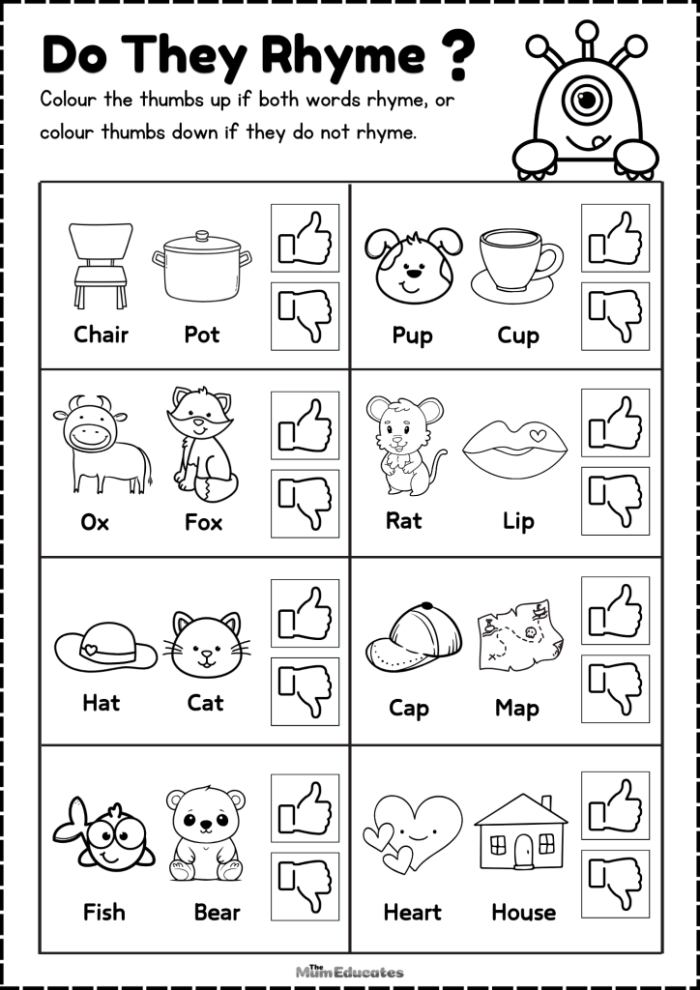
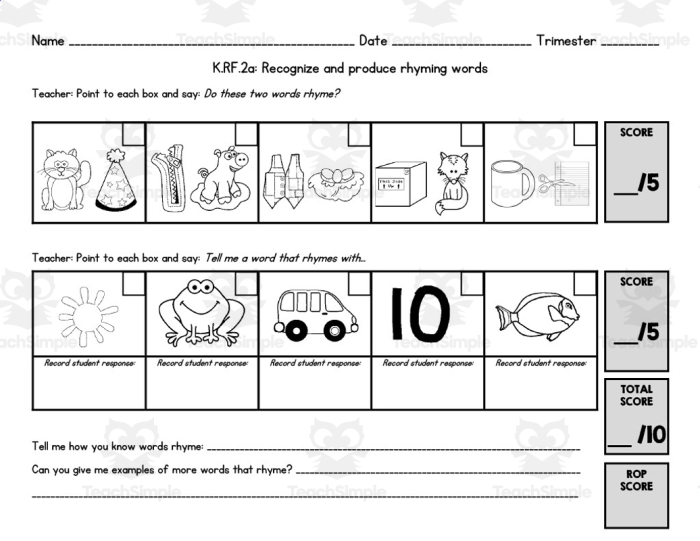
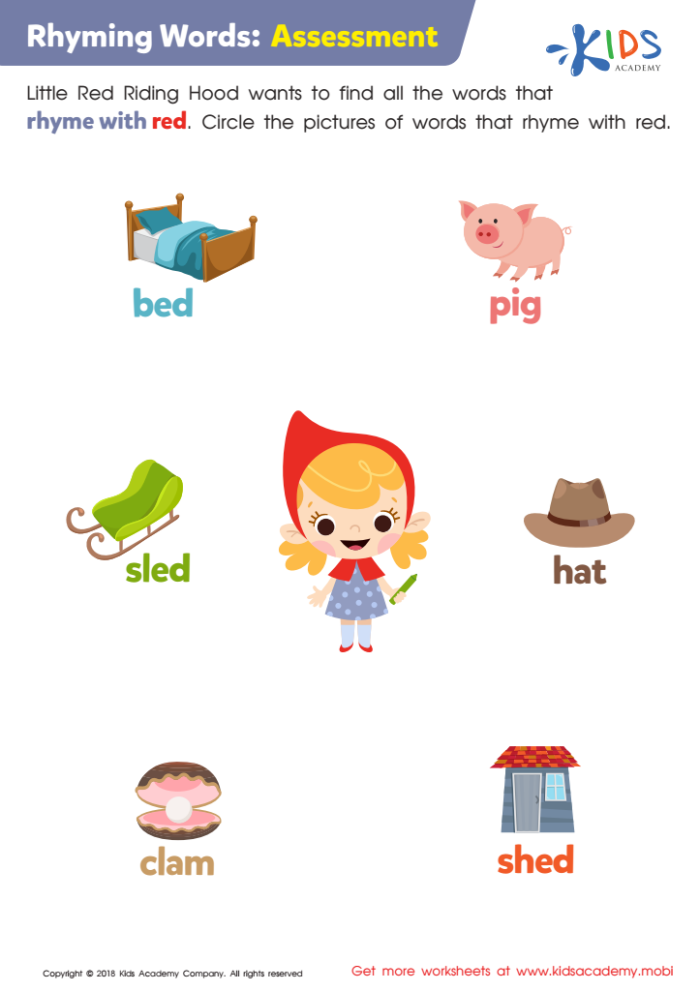
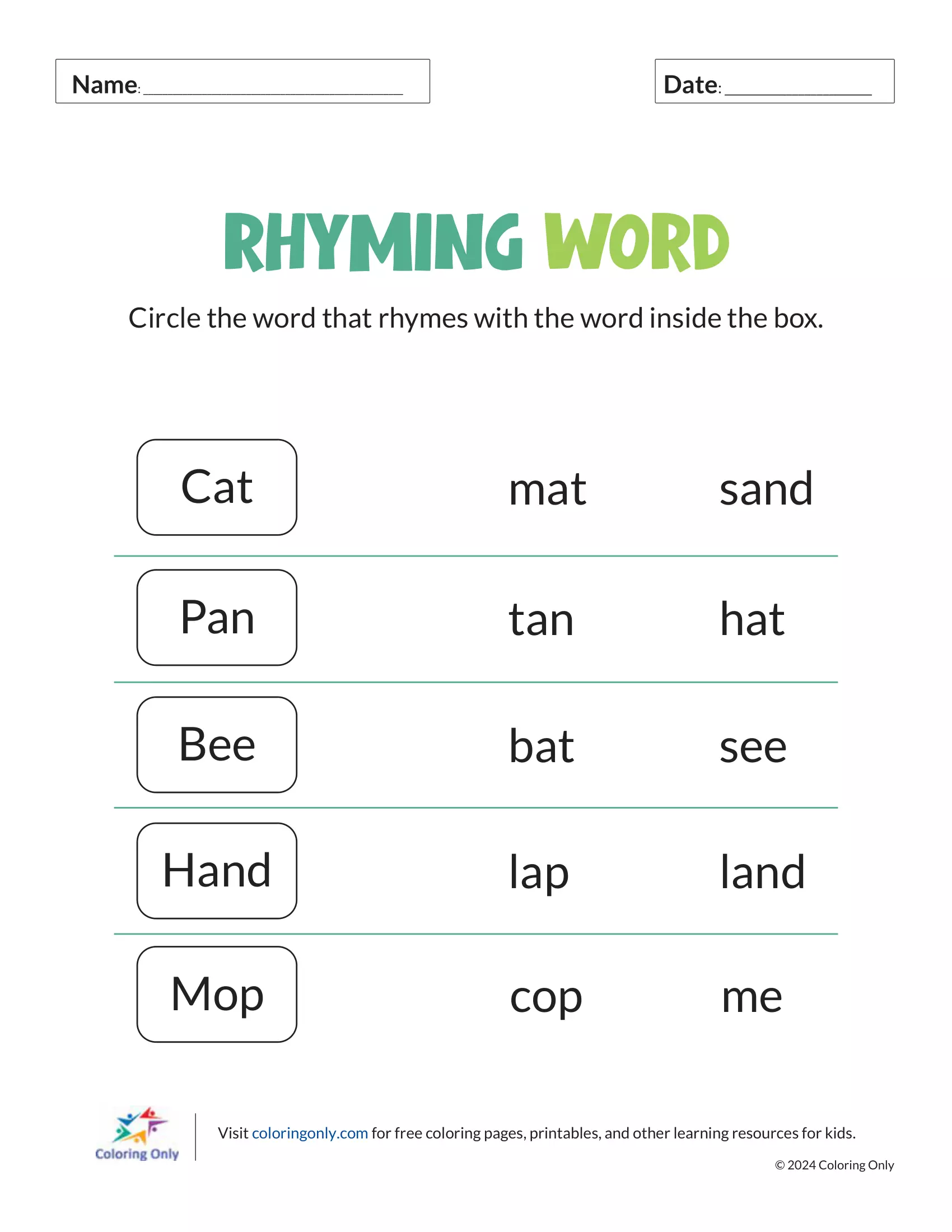
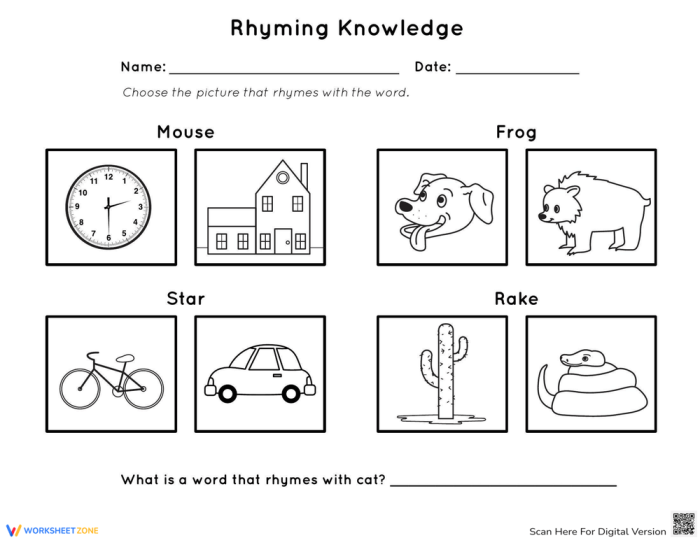
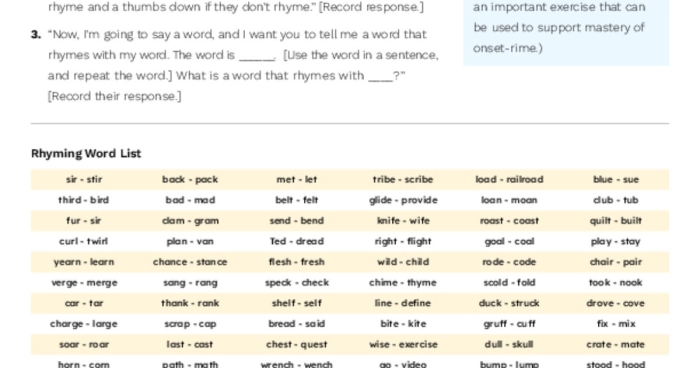
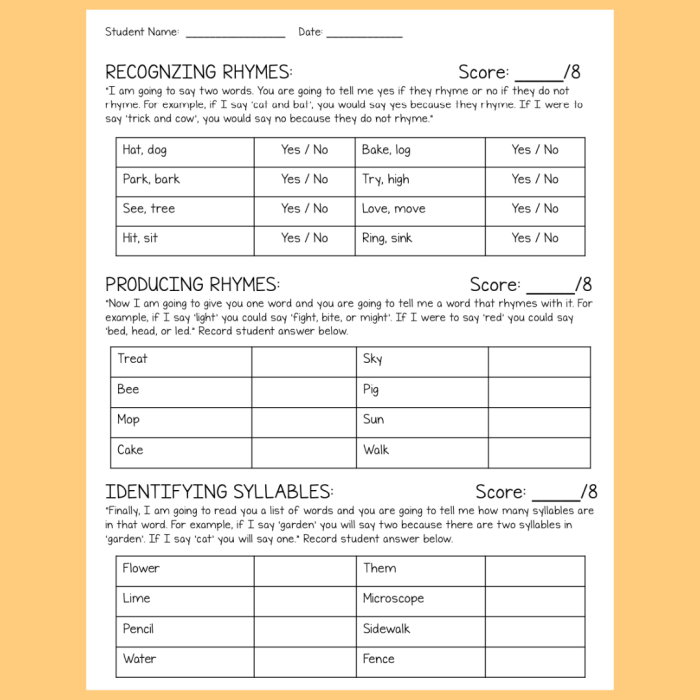
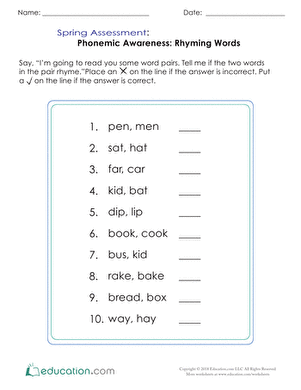
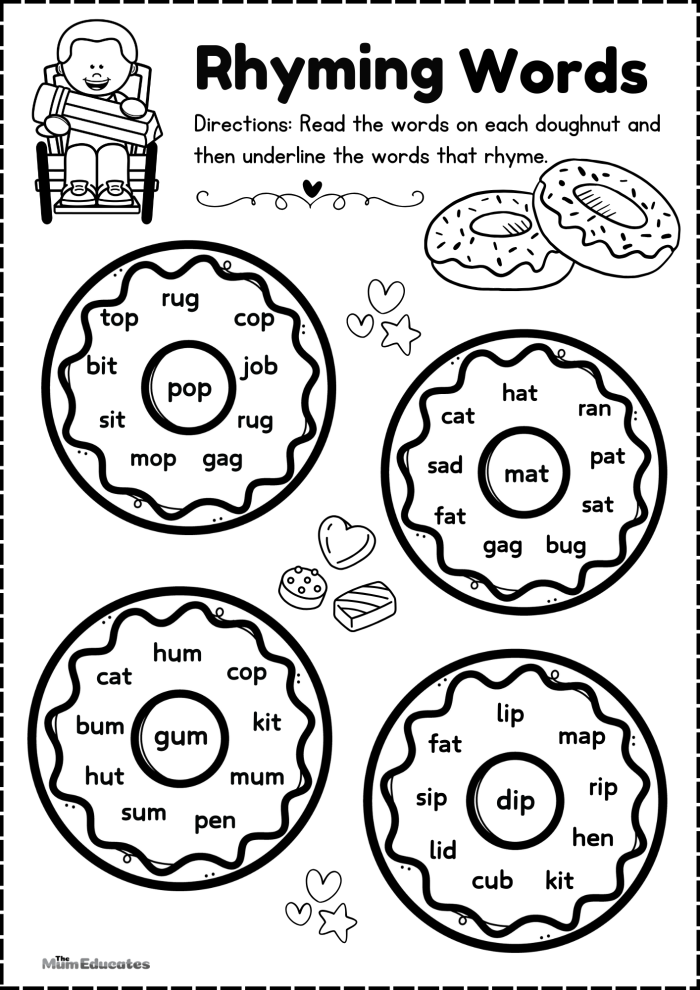
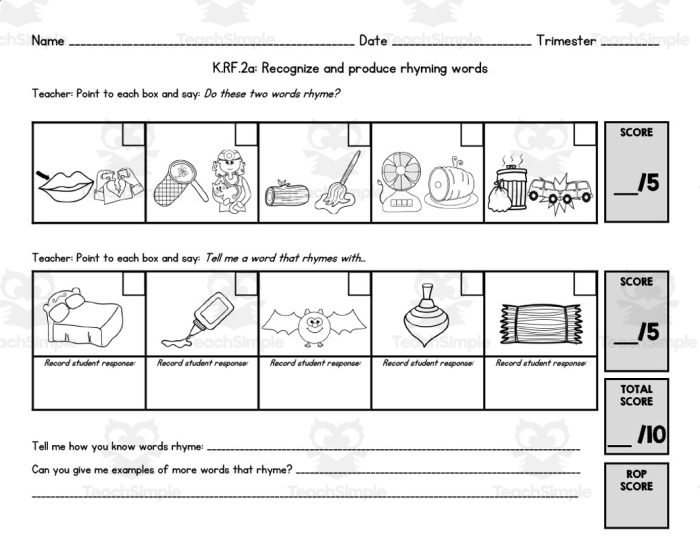
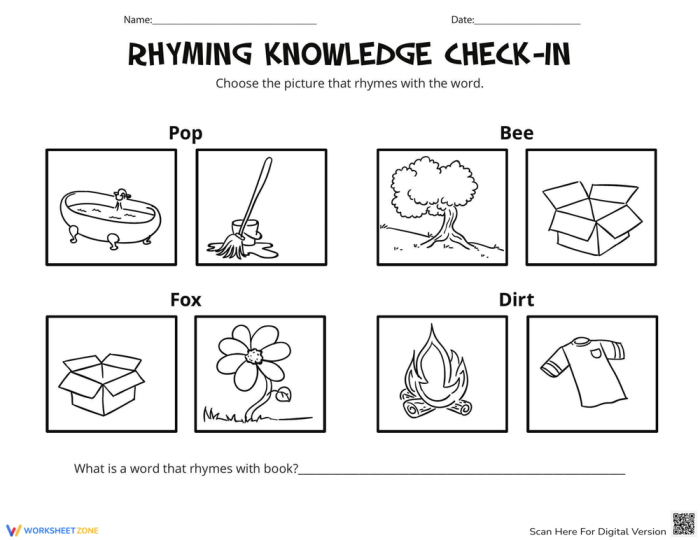
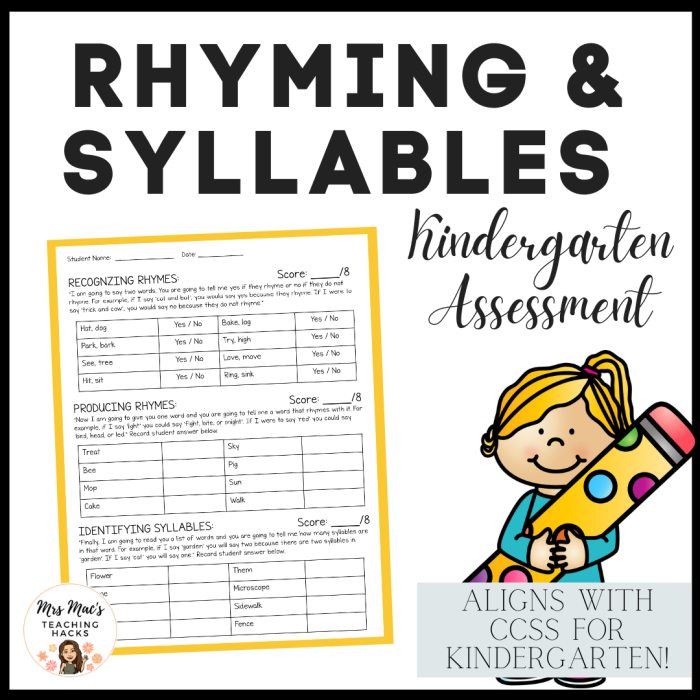
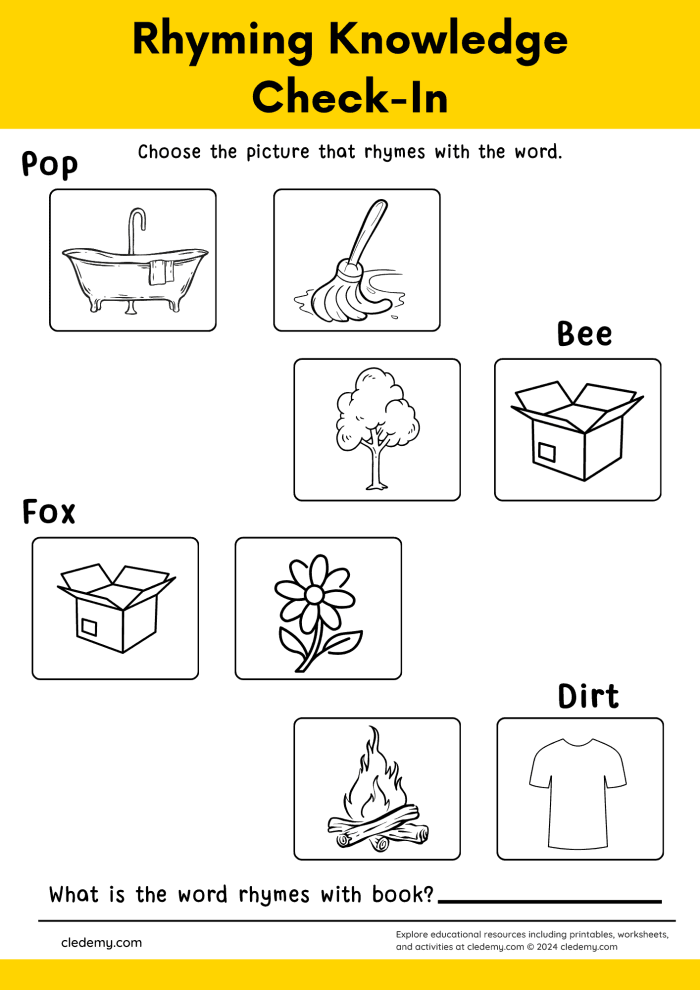
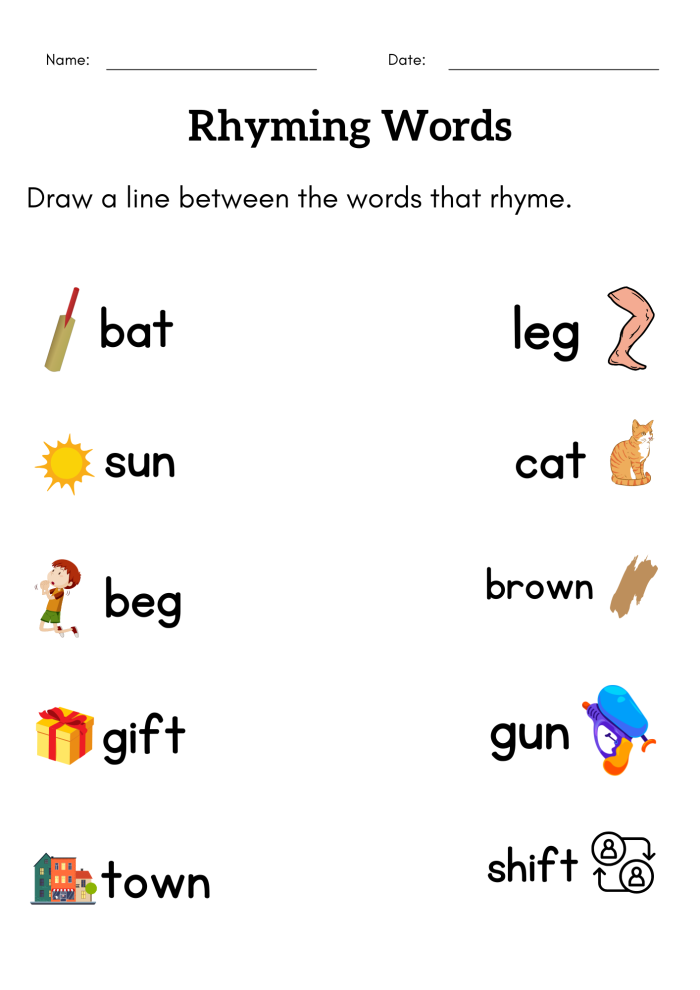
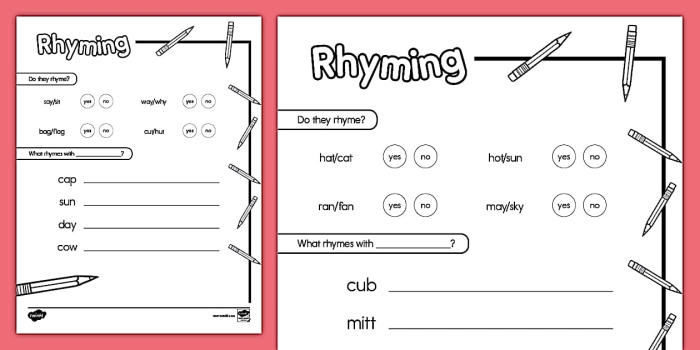
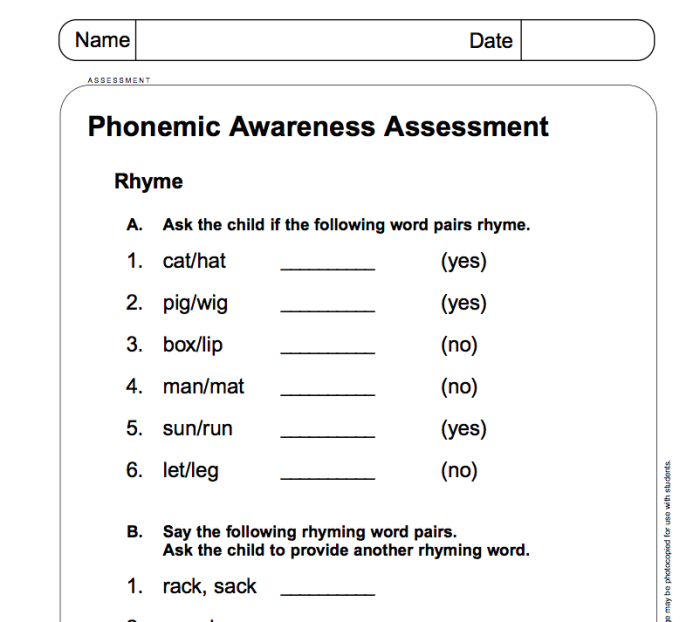
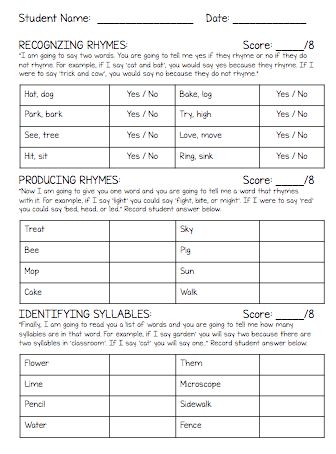
A Rhyming Knowledge Assessment worksheet can effectively gauge your student’s grasp of rhymes. The worksheet typically includes various activities that prompt children to identify rhymes, match words that sound alike, and even create their own rhymes. By engaging with these tasks, students can develop a deeper understanding of sound patterns in language.
For example, a simple exercise might ask children to fill in the blanks with words that rhyme with “cat.” This type of activity not only solidifies their understanding but also encourages creativity. Kids love the challenge of making silly rhymes, which can lead to laughter and a desire to explore more about language.
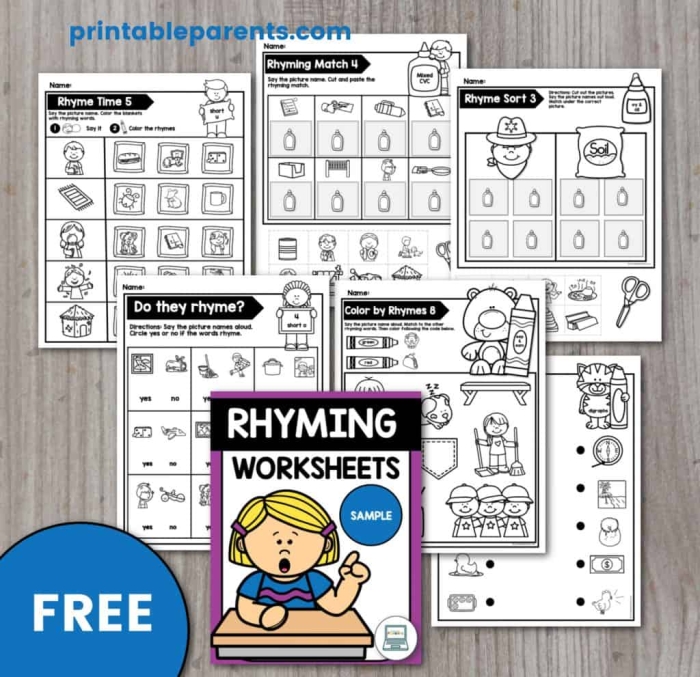
Additionally, incorporating rhyming into daily activities can further enhance learning. Reading books filled with rhyming text, singing songs, or playing rhyming games can all reinforce the concept in a lively manner. Resources like Printable Rhyming Knowledge Assessment Worksheets can provide a structured way to practice these skills.
When assessing your student’s rhyming knowledge, pay attention to their ability to recognize and generate rhymes independently. This skill can be pivotal as they progress in their literacy journey. To support this, you might also explore other worksheets, such as those focusing on sight words or foundational reading skills, like those found at this link.
Ultimately, by using a rhyming assessment, you can identify areas where your student excels or may need additional support. This targeted approach ensures that your Pre-K learners have a solid foundation in grammar and mechanics, setting them up for future success in reading and writing.
Printable Worksheets for Practice