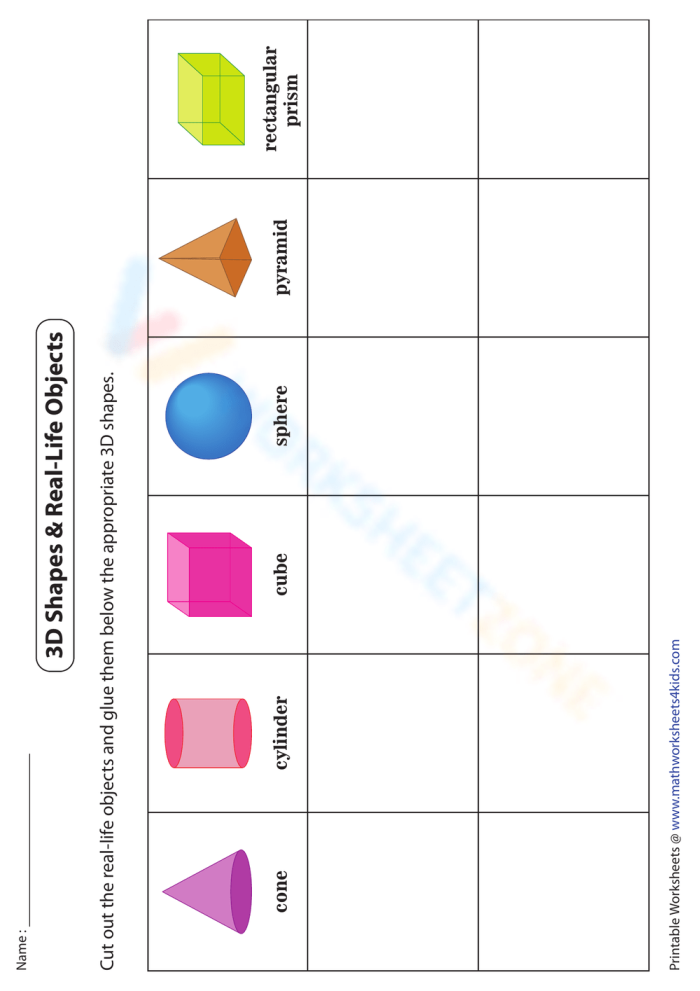
Understanding 3D shapes can be both fun and educational for young children. One effective way to help your child grasp these concepts is by encouraging them to connect geometric shapes to real-world objects. This hands-on approach not only makes learning engaging but also helps solidify their understanding of shapes in a practical context.
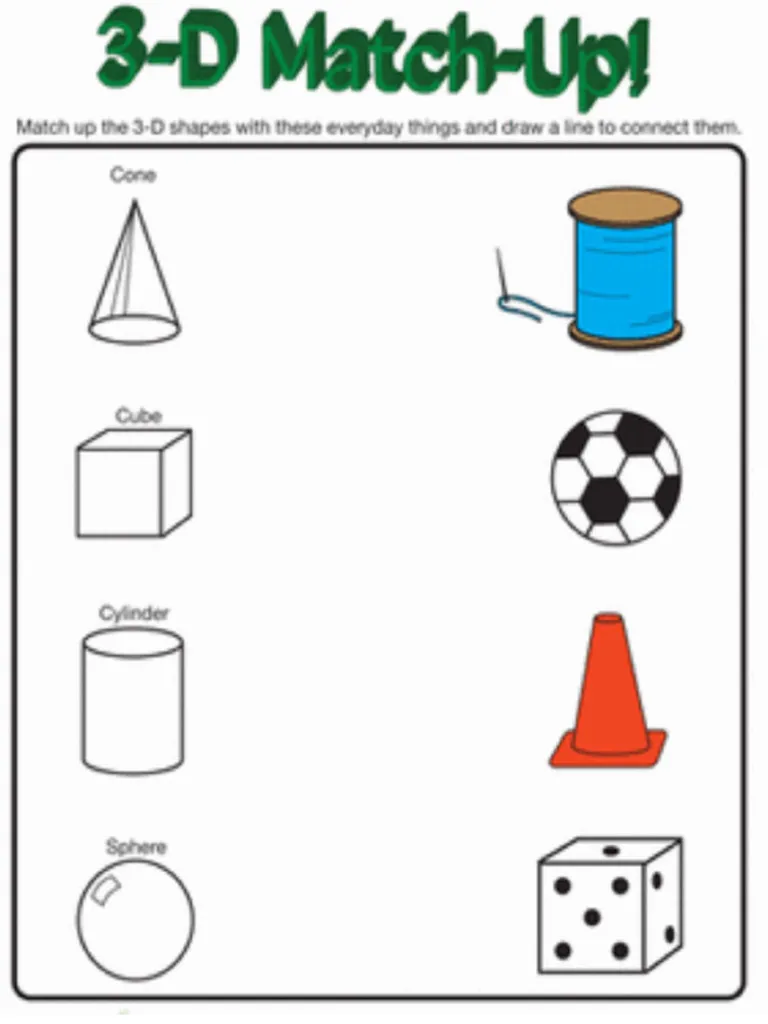
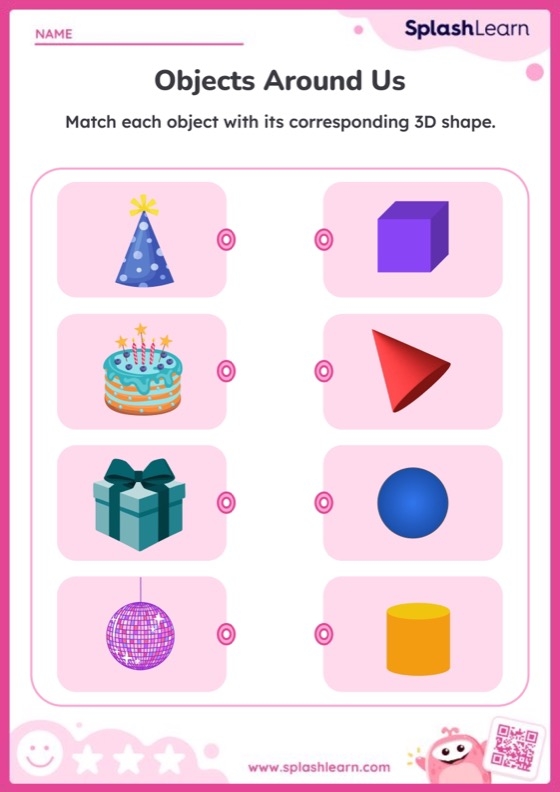
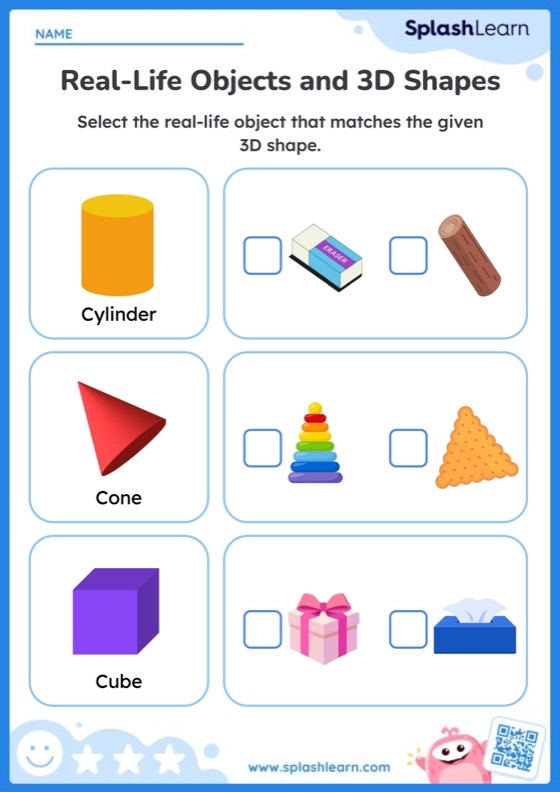
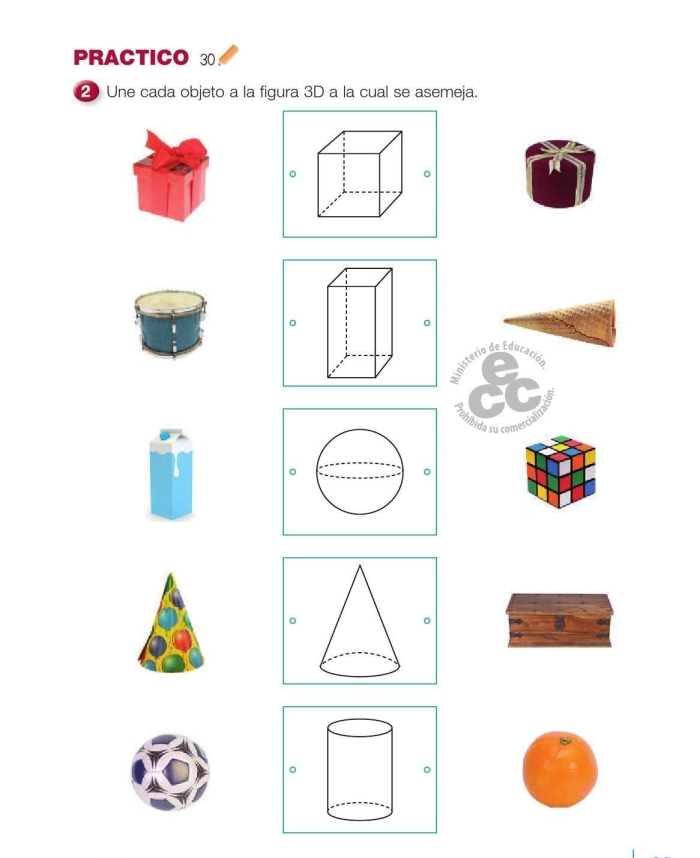
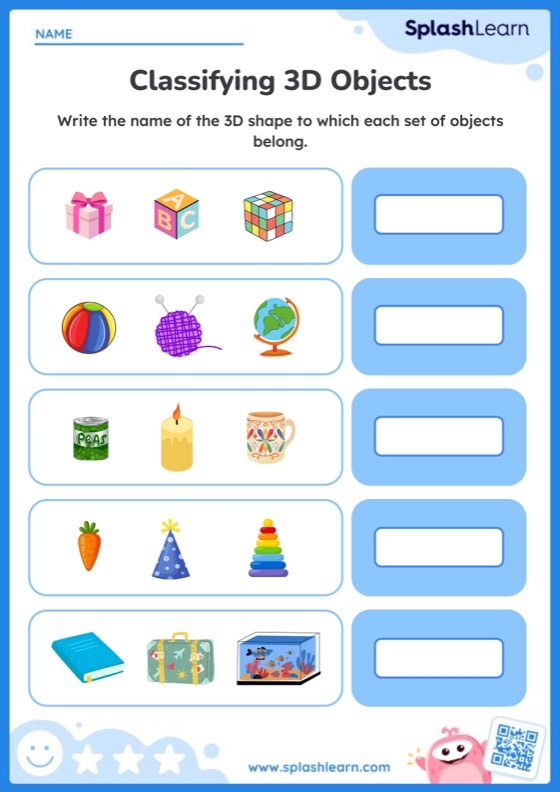
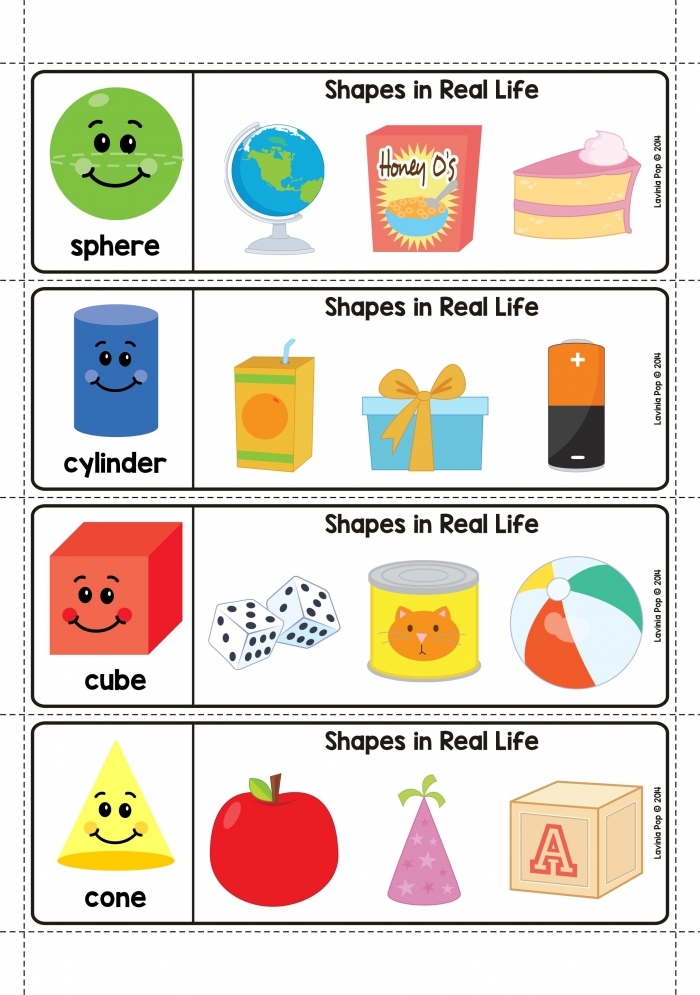
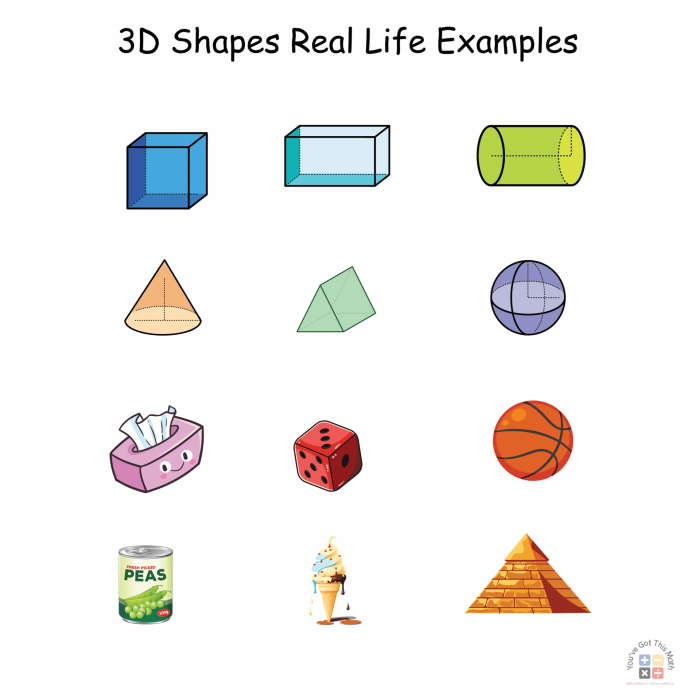
For instance, ask your child to identify a cube in their surroundings. They might point out a dice or even a box. Similarly, a sphere can be found in a basketball or a globe. This exercise can spark conversations about the characteristics of these shapes—how many faces they have, their edges, and vertices. By relating shapes to everyday items, kids can better visualize and remember what they look like and how they function.
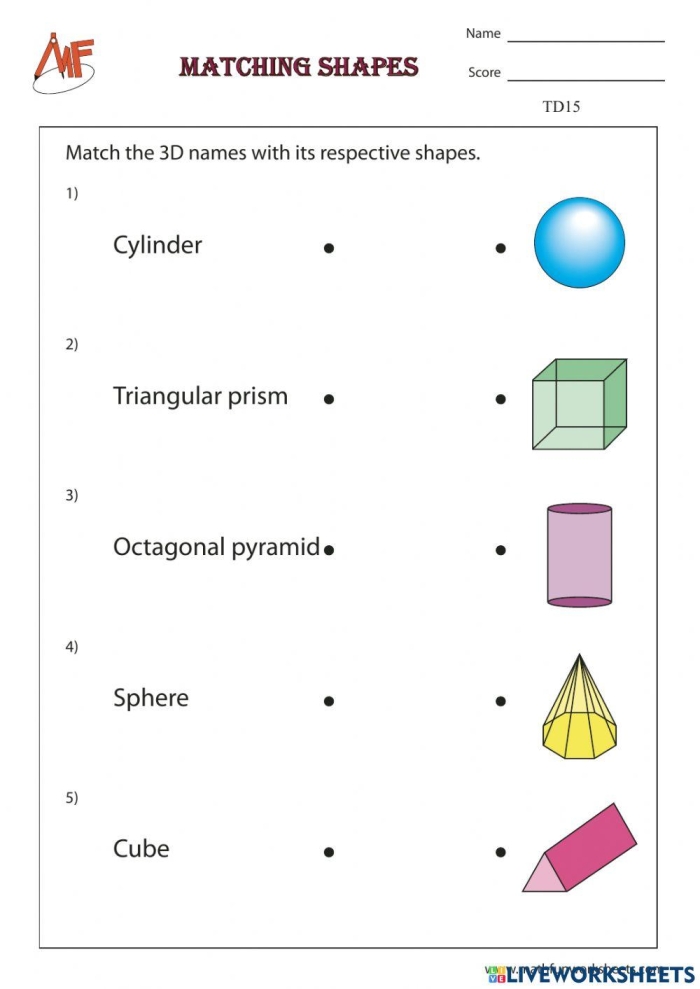
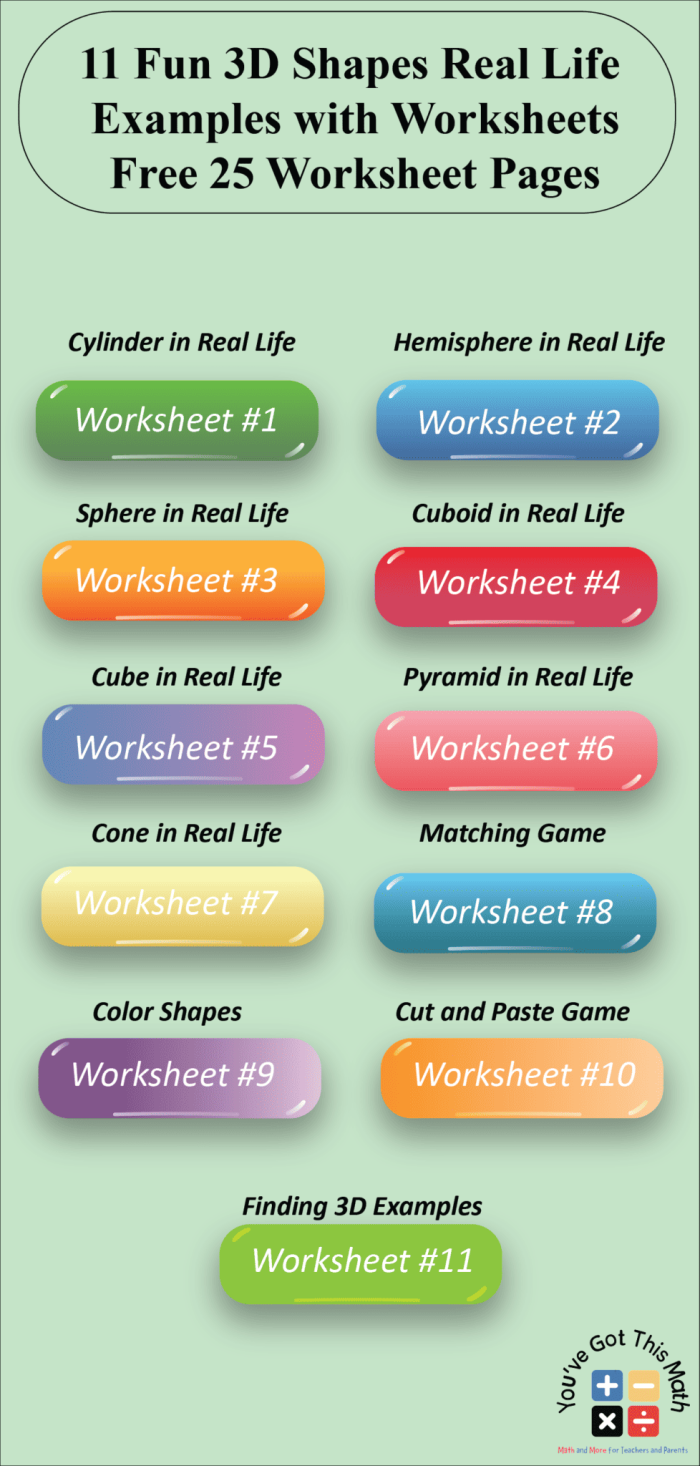
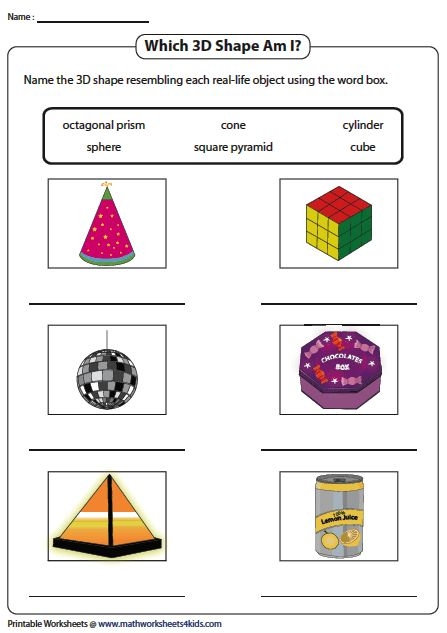
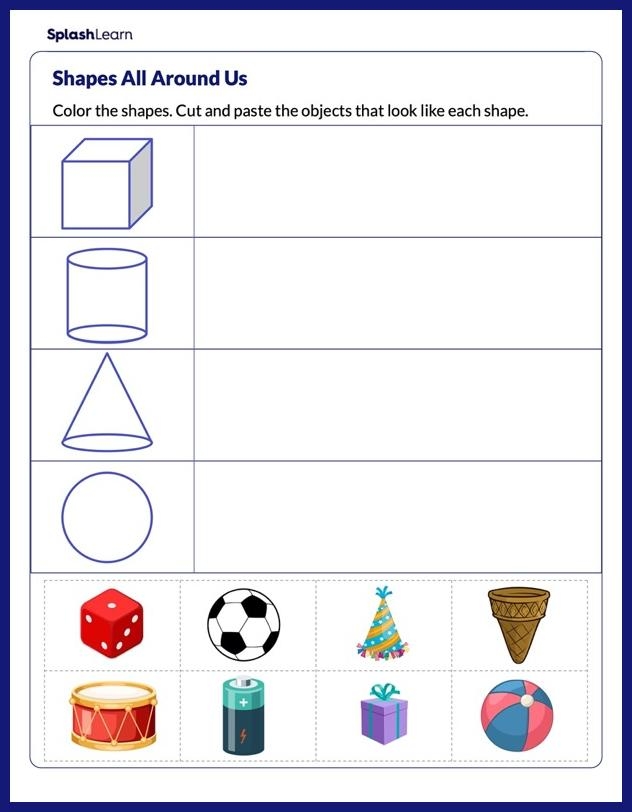
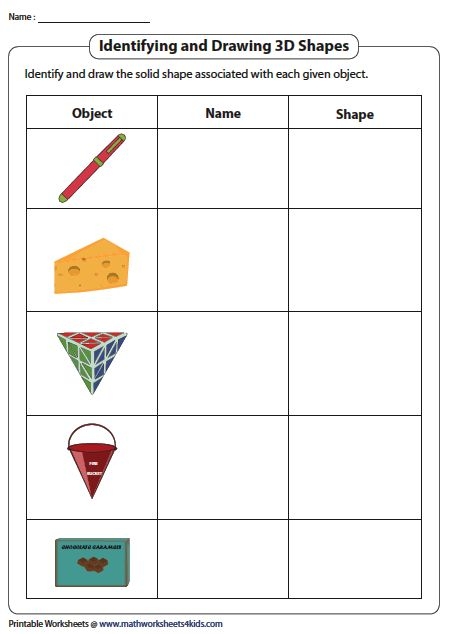
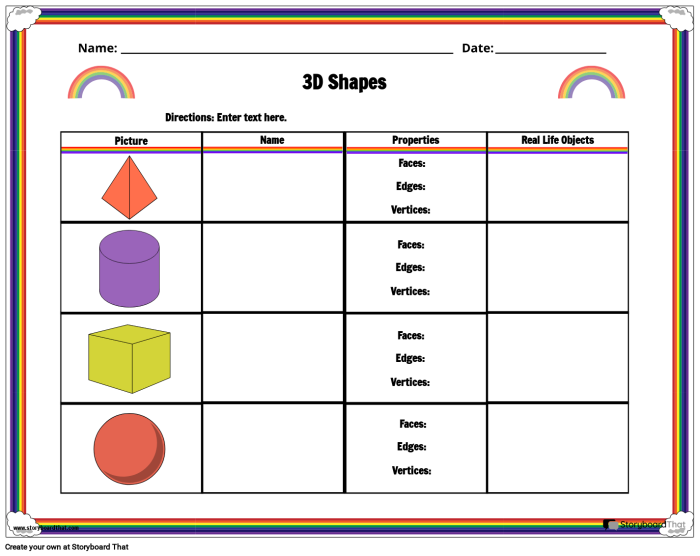
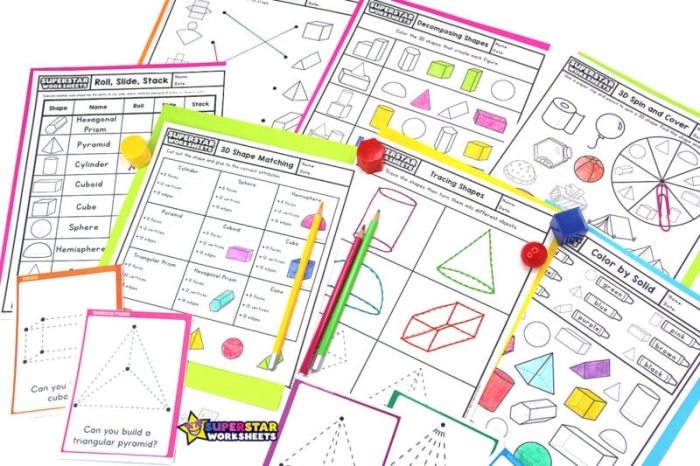
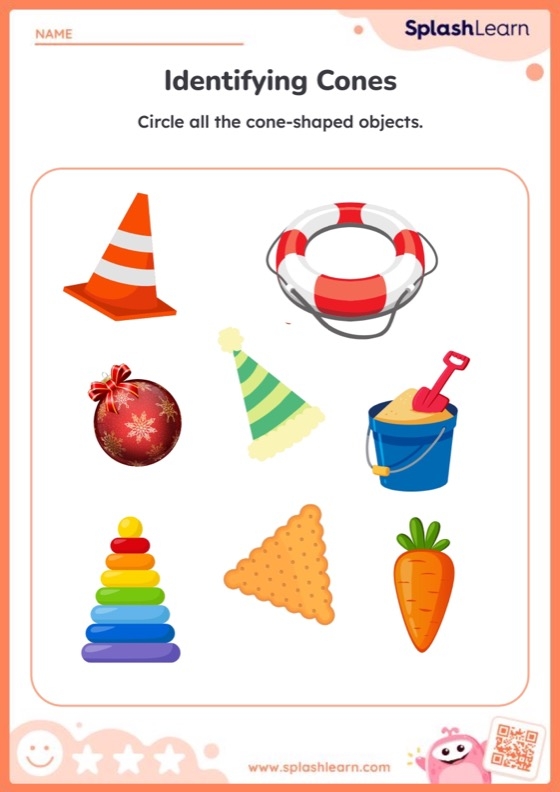
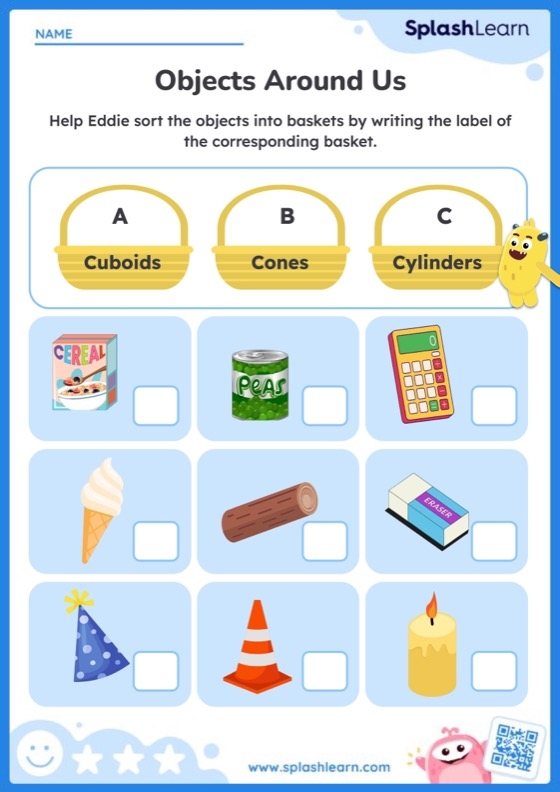
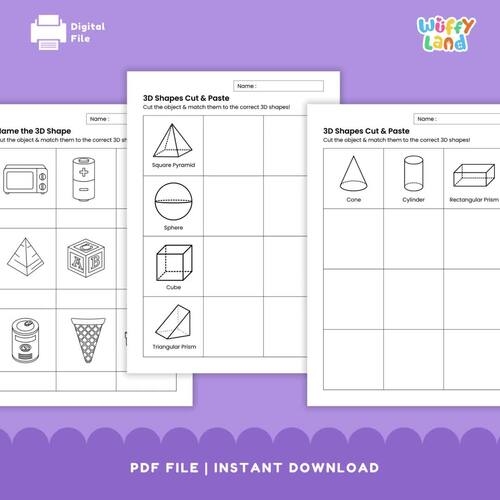
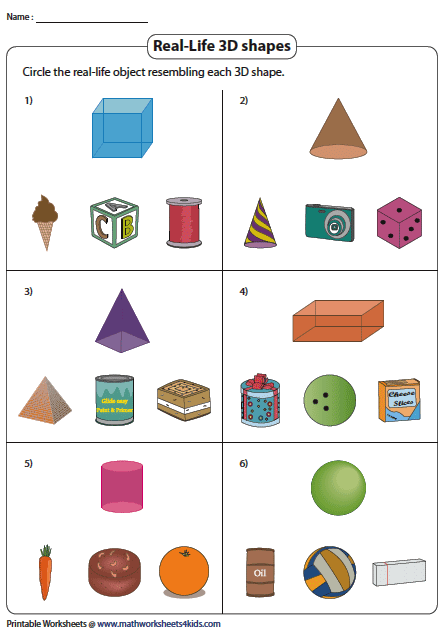
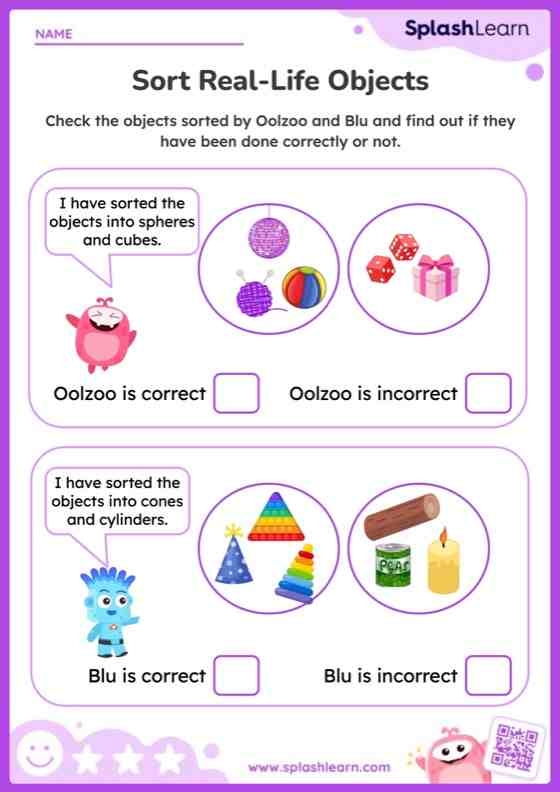
You can enhance this learning experience with activities that involve sorting or matching. Create a simple game where your child selects items from around the house and groups them based on their shapes. This not only reinforces their learning but also encourages critical thinking. Moreover, you can find resources like Printable 3D Shapes in Real Life Worksheets to support their practice at home. These worksheets can provide additional structure and fun exercises that complement real-world exploration.
Encouraging kids to explore 3D shapes in their environment builds a strong foundation for future mathematical concepts. As they learn about shapes, they also develop spatial awareness and problem-solving skills—important abilities for their academic journey. By linking learning to tangible objects, you create a rich, immersive experience that fosters curiosity and joy in learning. So next time you’re out and about, take a moment to point out the shapes you see together; it’s a simple yet powerful way to reinforce their understanding of 3D shapes.
Use These Worksheets Today