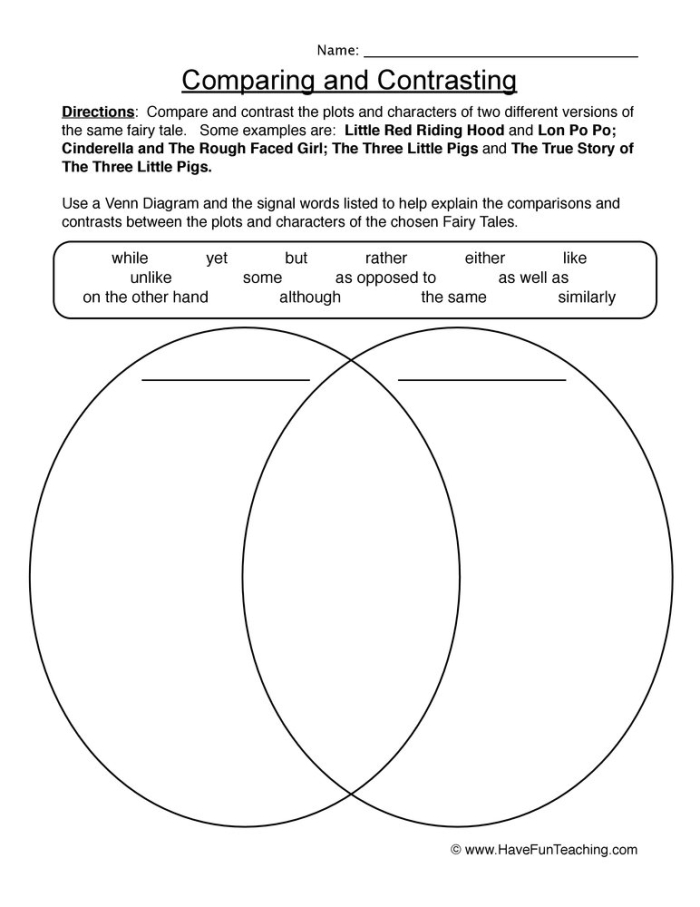
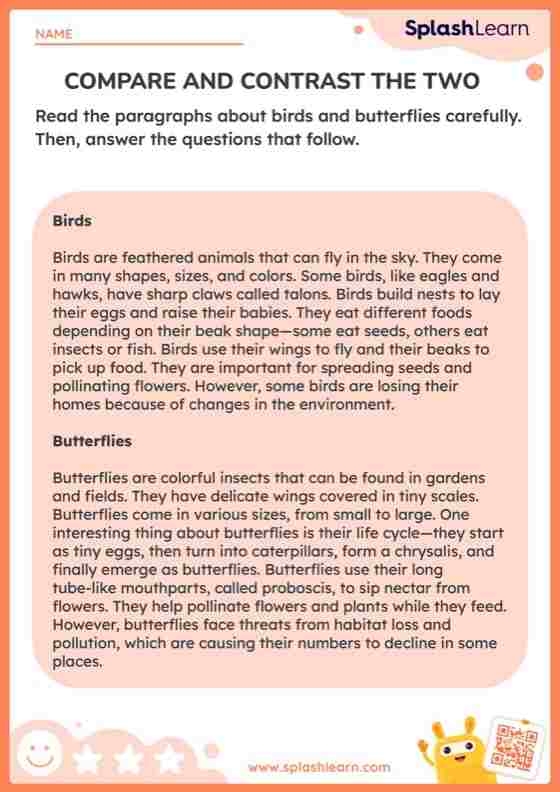
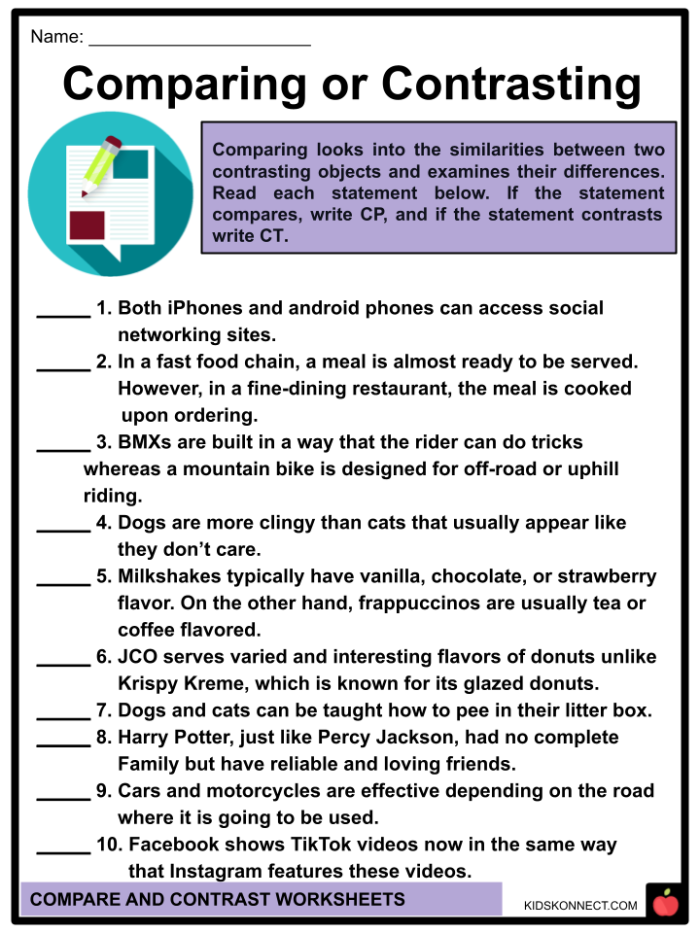
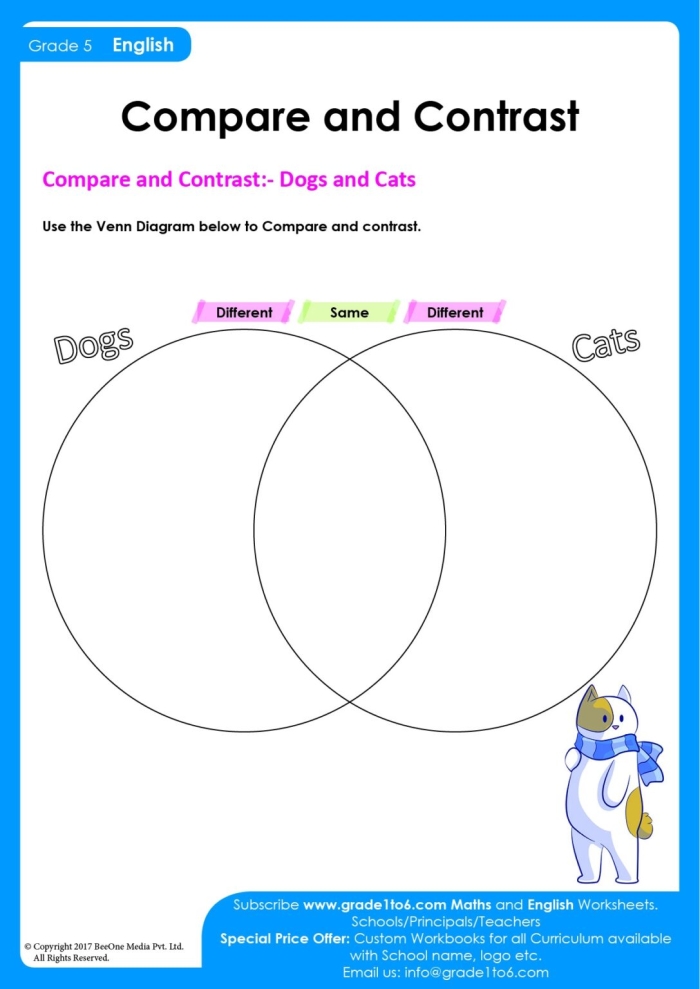
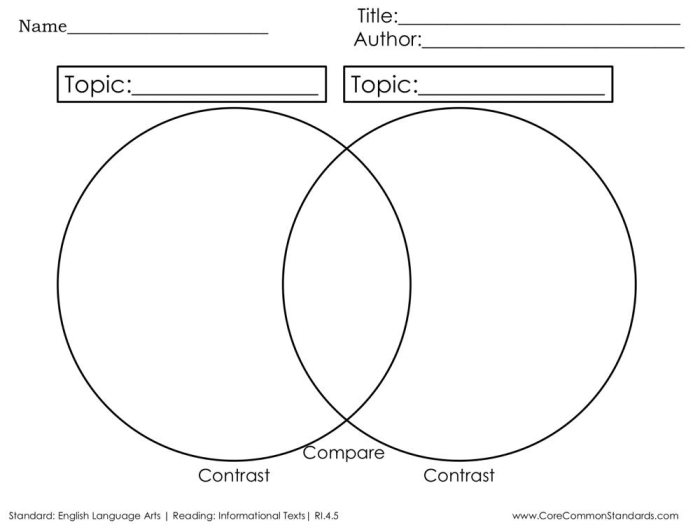
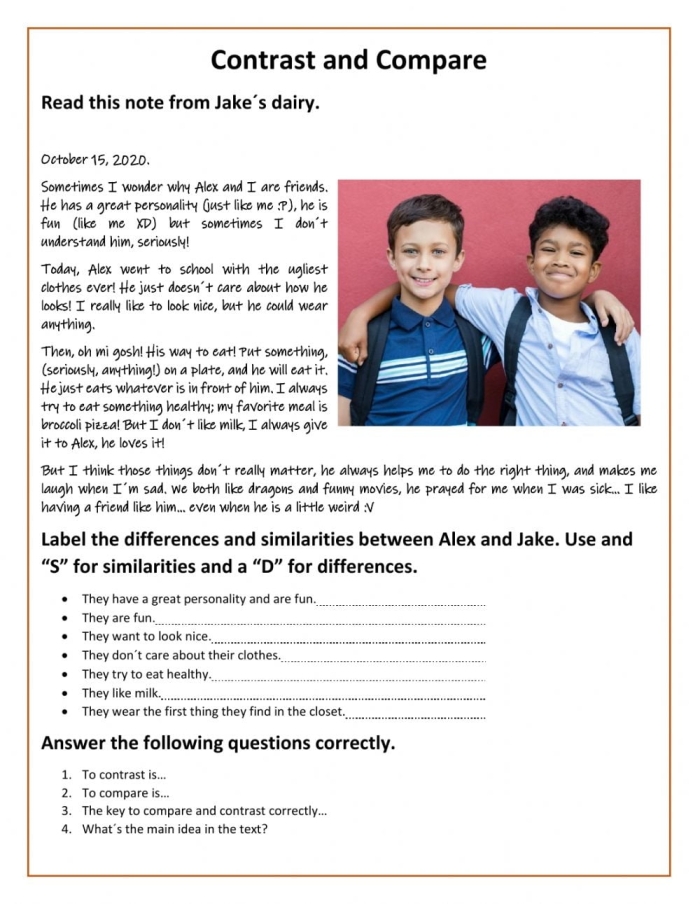
When students engage in research, it’s essential for them to not only gather information but also to analyze and synthesize it effectively. A graphic organizer can serve as a powerful tool for sixth graders to compare and contrast information from various sources while delving into a relevant topic. This process encourages critical thinking and helps students understand how different perspectives can shape their understanding of a subject.
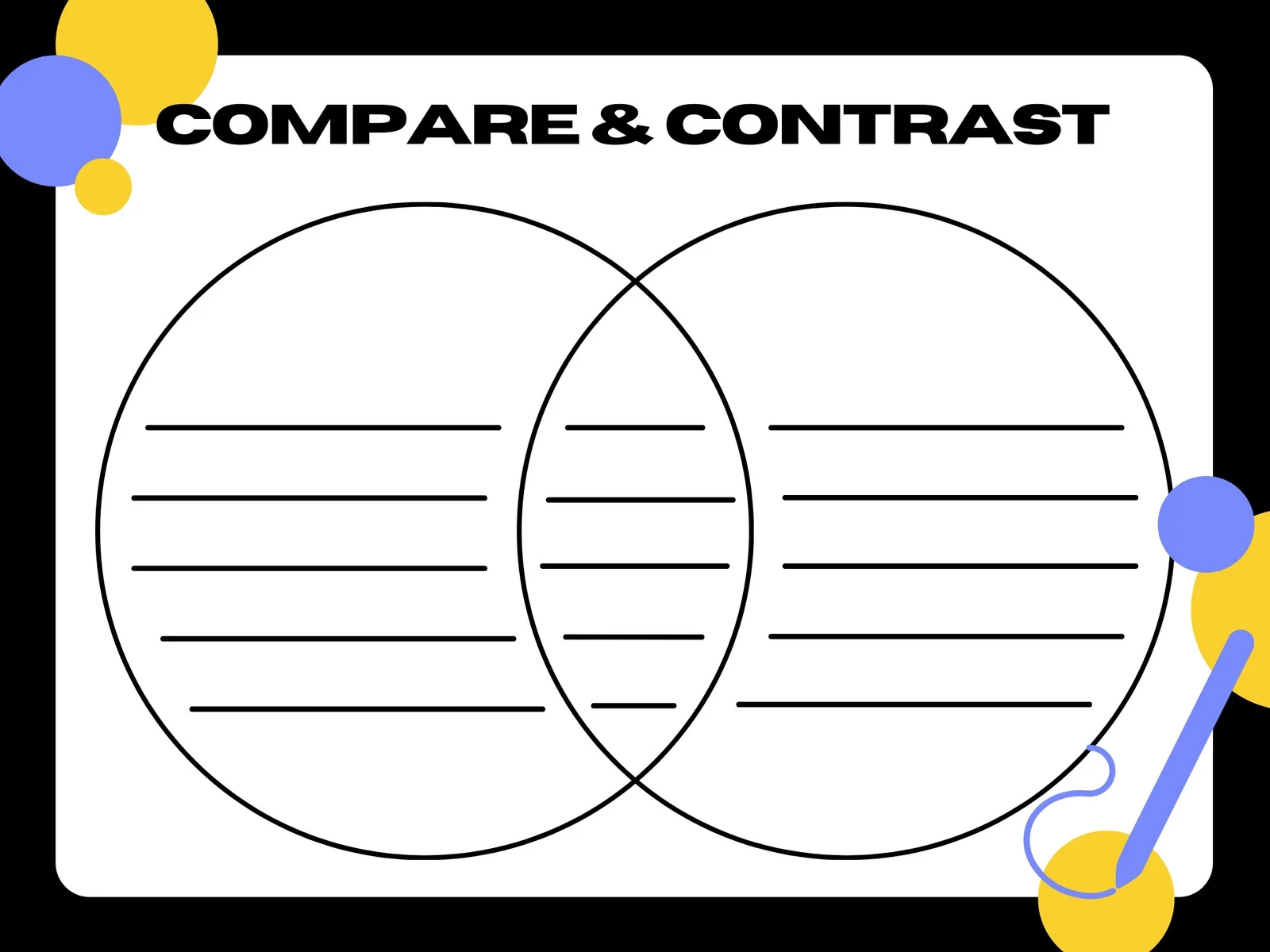
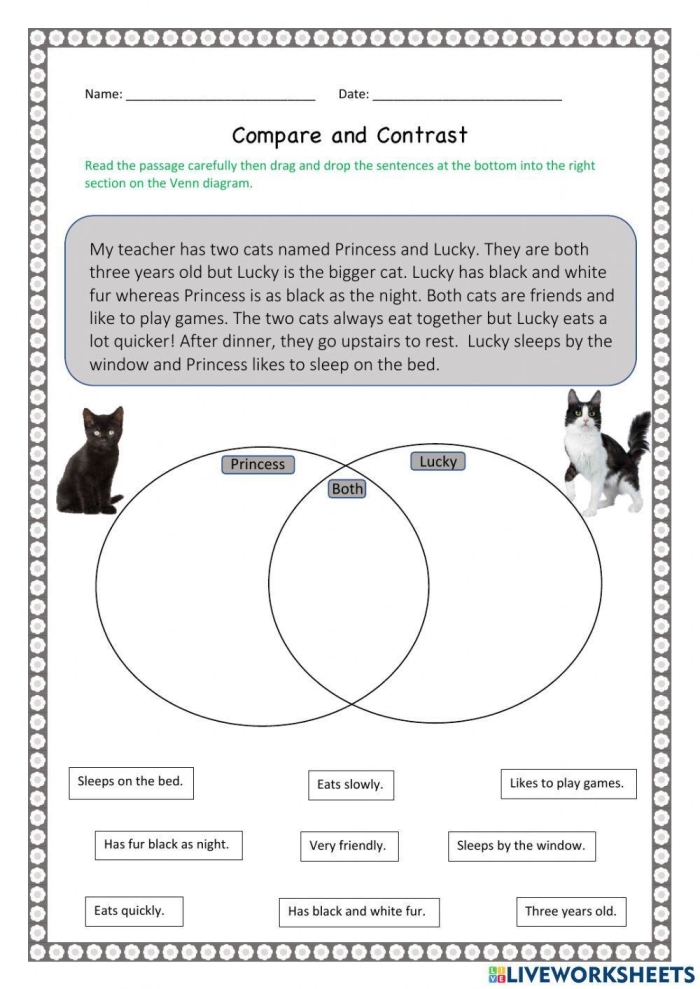
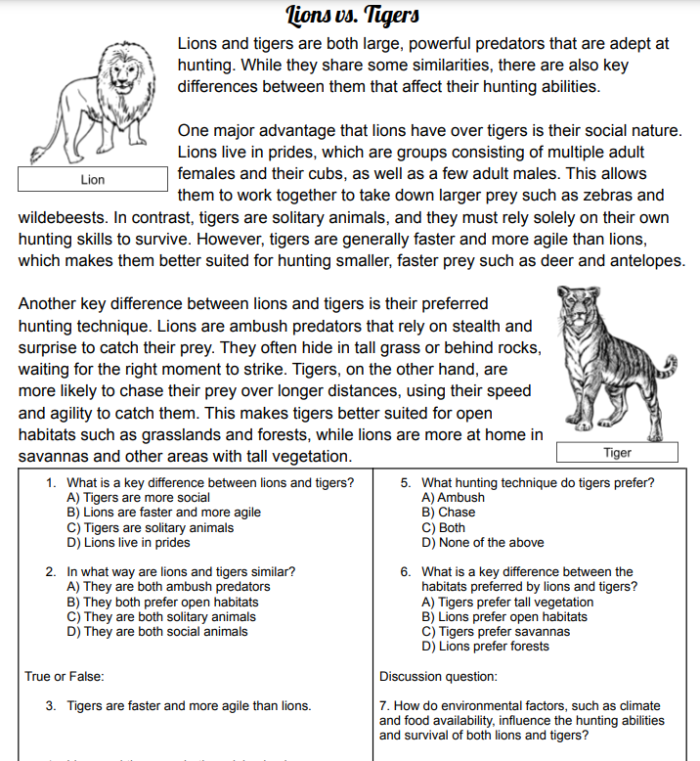
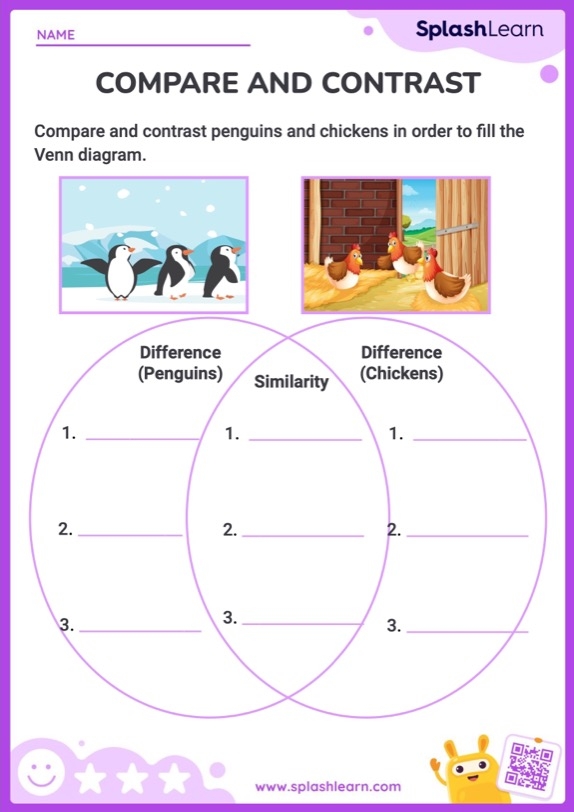
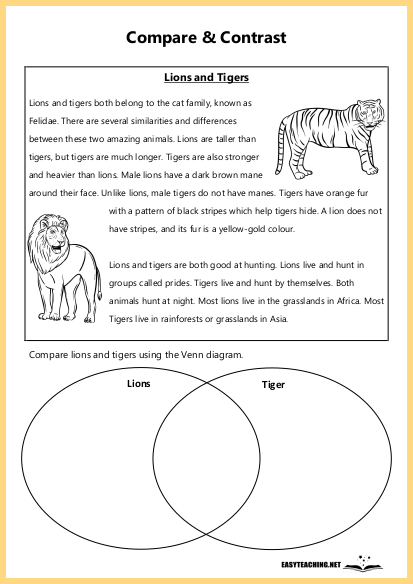
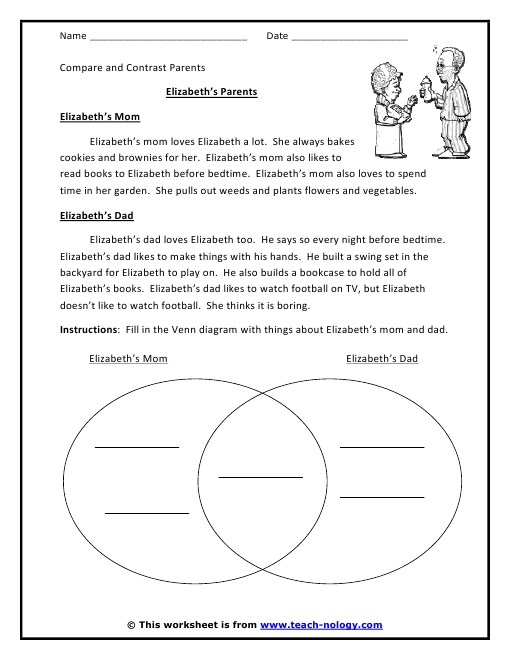
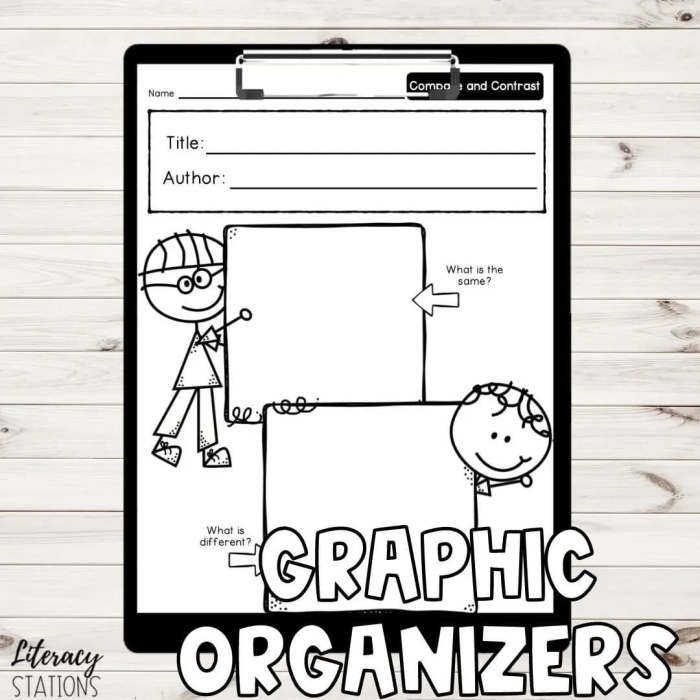
Using a graphic organizer allows students to visually map out similarities and differences between their sources. For instance, if they are researching the United States Constitution, they might look at different articles and amendments from reliable websites, books, or educational videos. By filling out a graphic organizer, they can clearly see how each source presents information, which can lead to deeper insights.
One of the key benefits of this approach is that it encourages active engagement with the material. Rather than passively absorbing information, students learn to evaluate the credibility of their sources. They can ask questions such as: What arguments are being made? Are there any biases present? How does the information from one source support or contradict another? This skill is crucial, especially when navigating online resources where misinformation can be common.
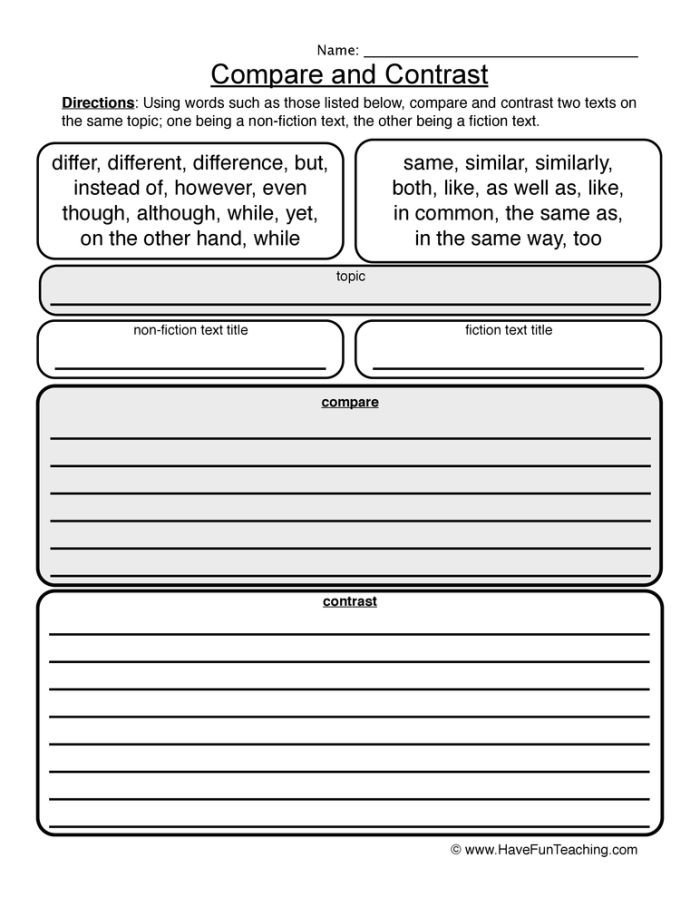
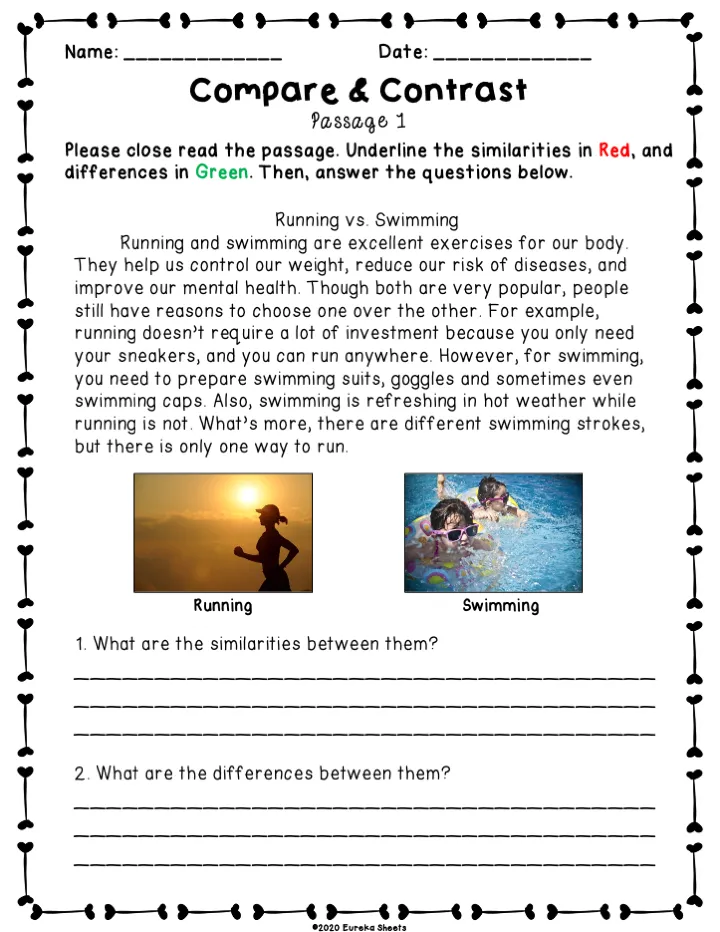
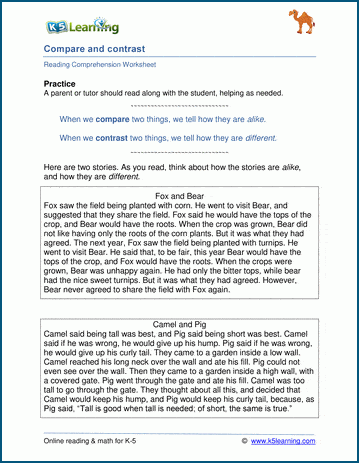
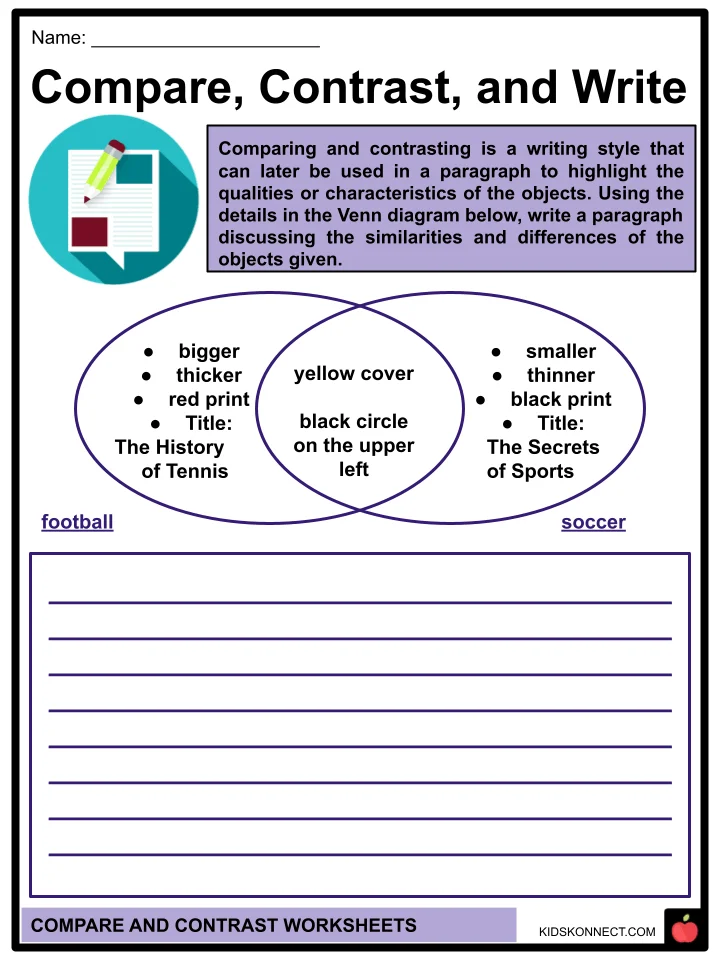
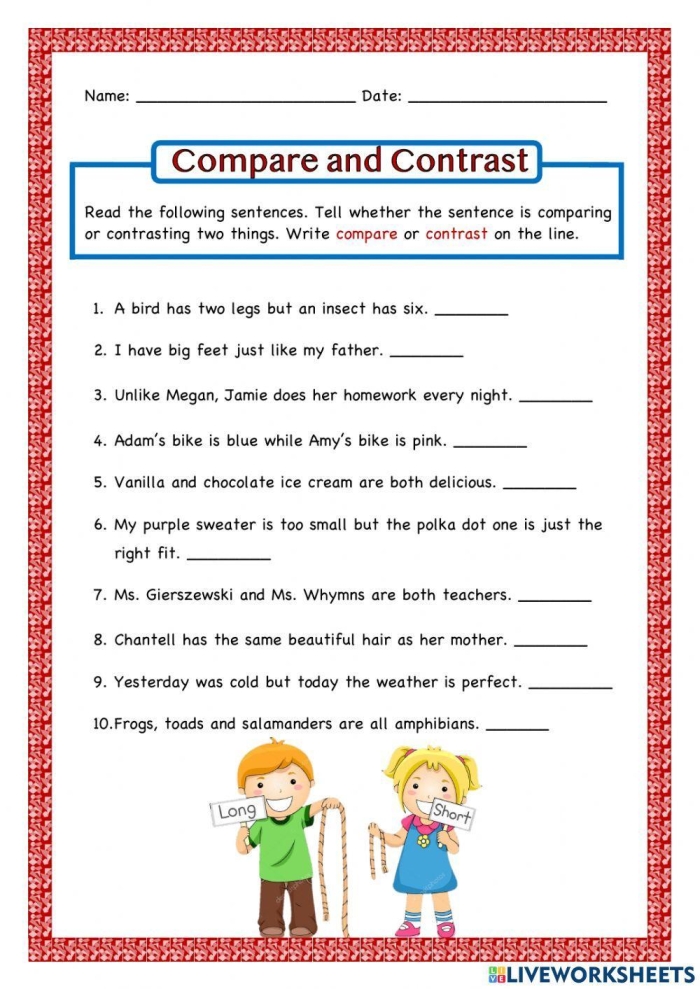
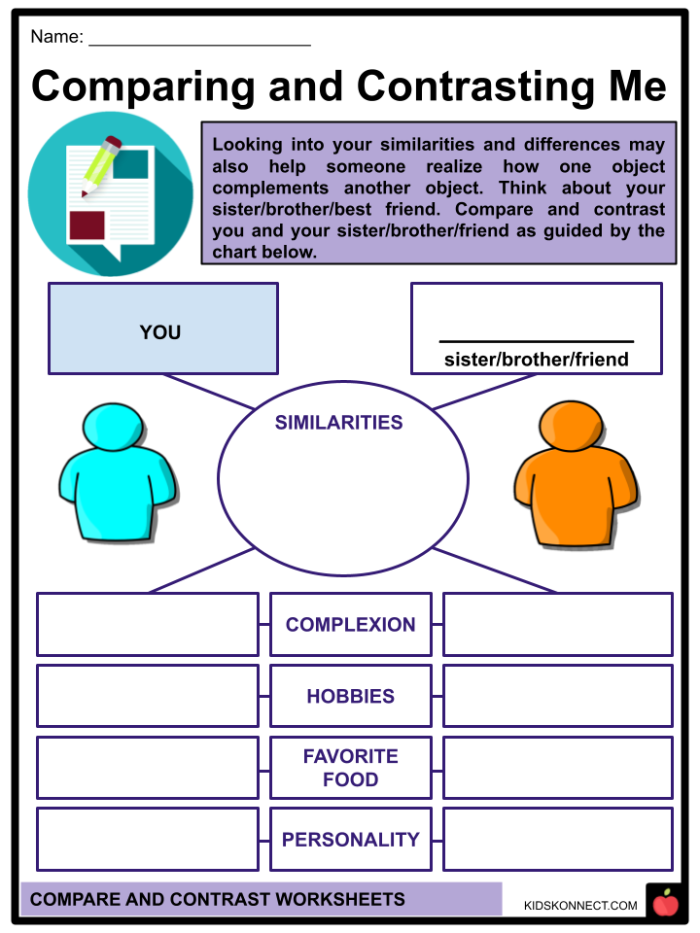
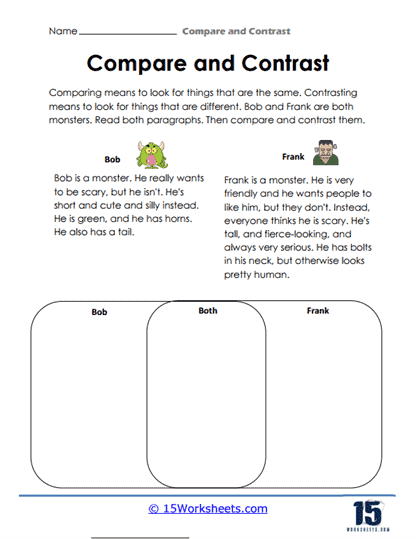
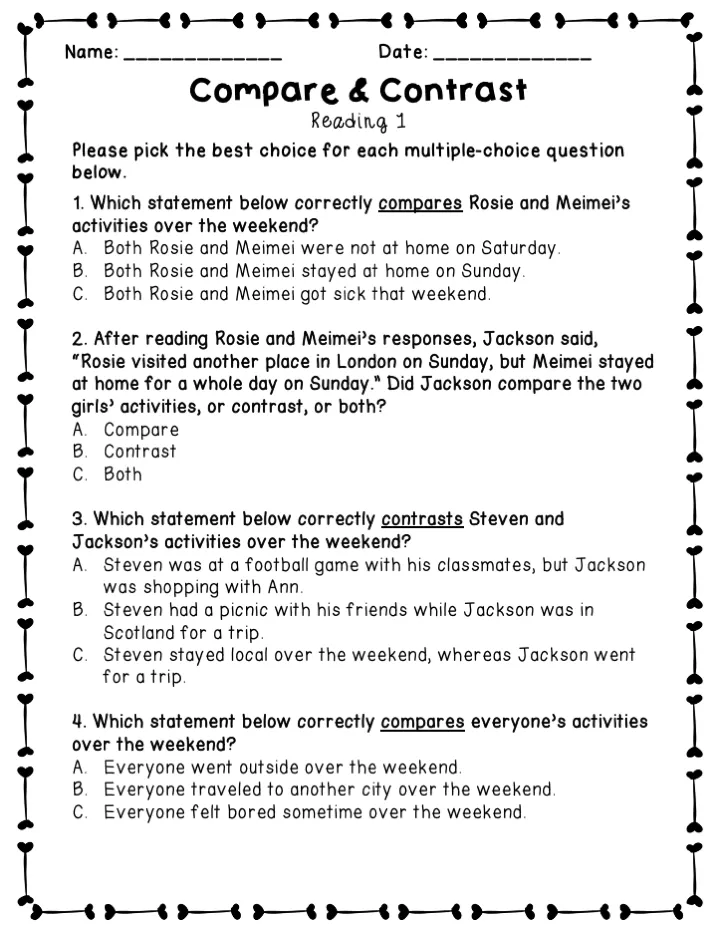
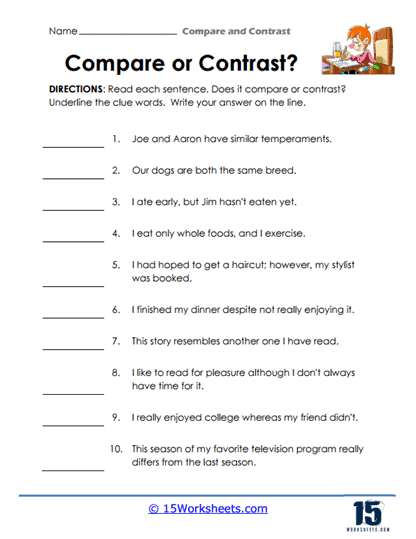
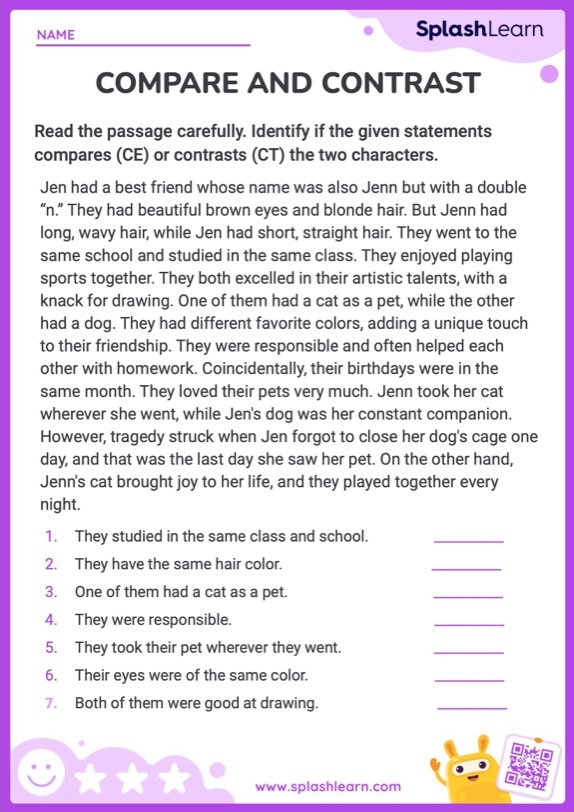
For educators, providing printable compare and contrast worksheets can streamline the process. These worksheets can be tailored to specific topics, such as fractions, allowing students to practice comparing data sets and understanding mathematical concepts. This not only enhances their research skills but also reinforces their understanding of fractions in a real-world context.
Ultimately, using a graphic organizer to compare and contrast information fosters essential skills in sixth graders. It prepares them for more complex analyses in future studies, building a foundation for critical thinking that is vital in today’s information-rich world.
Try These Printable Worksheets