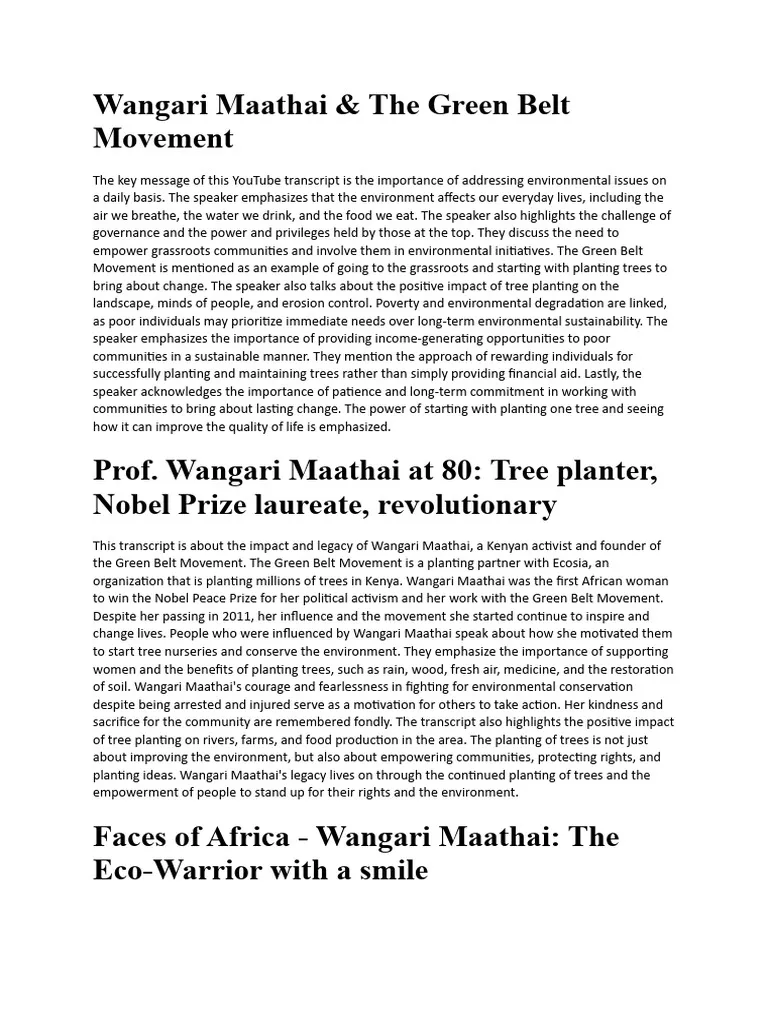
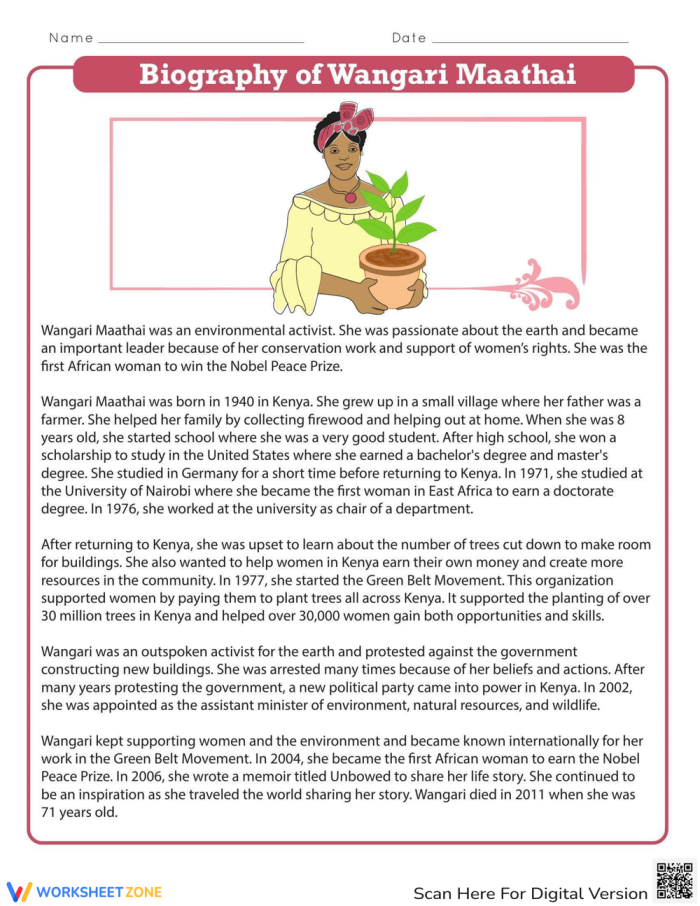
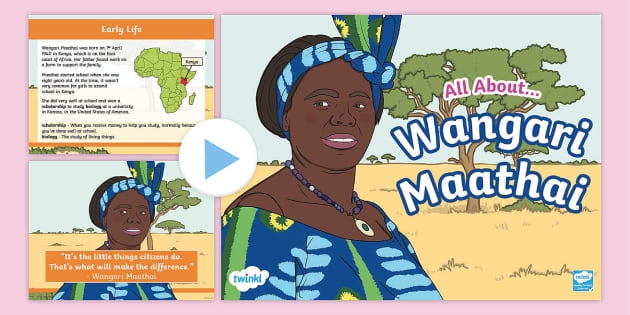
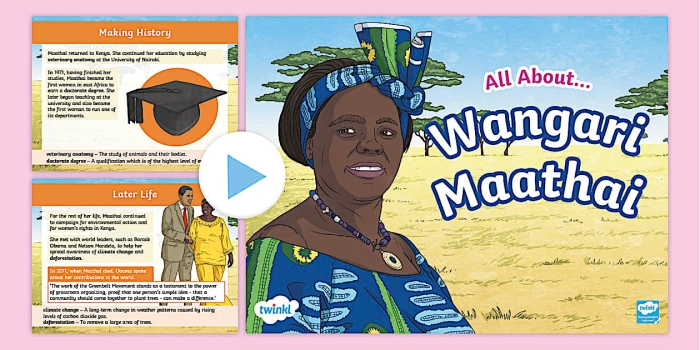
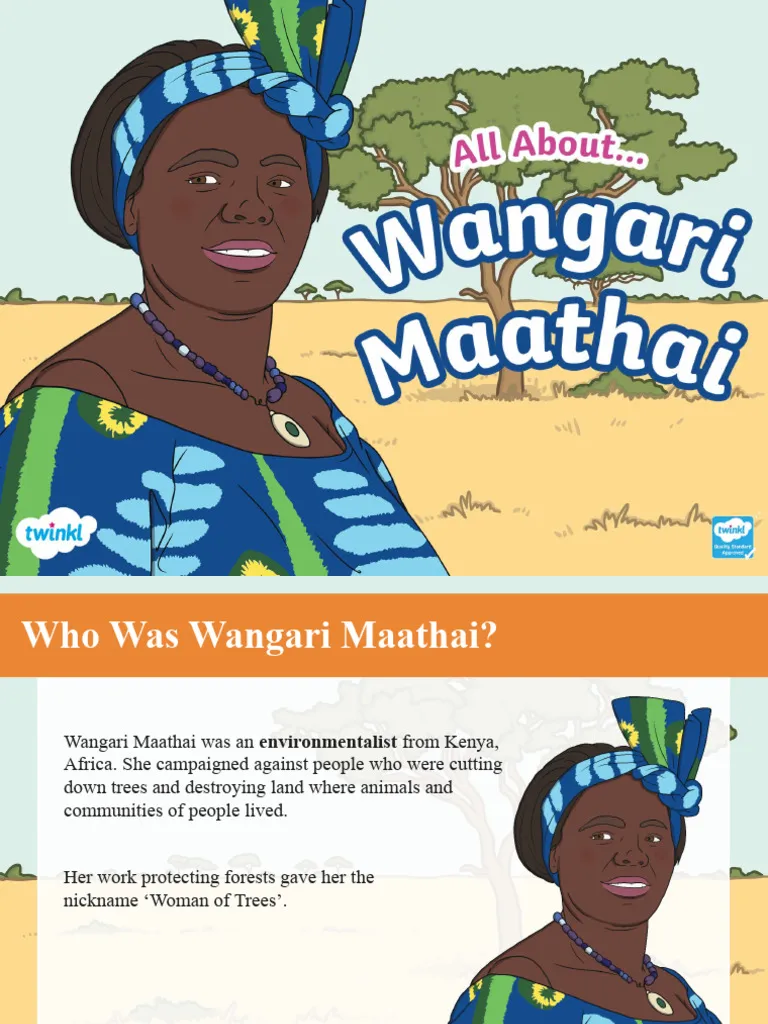
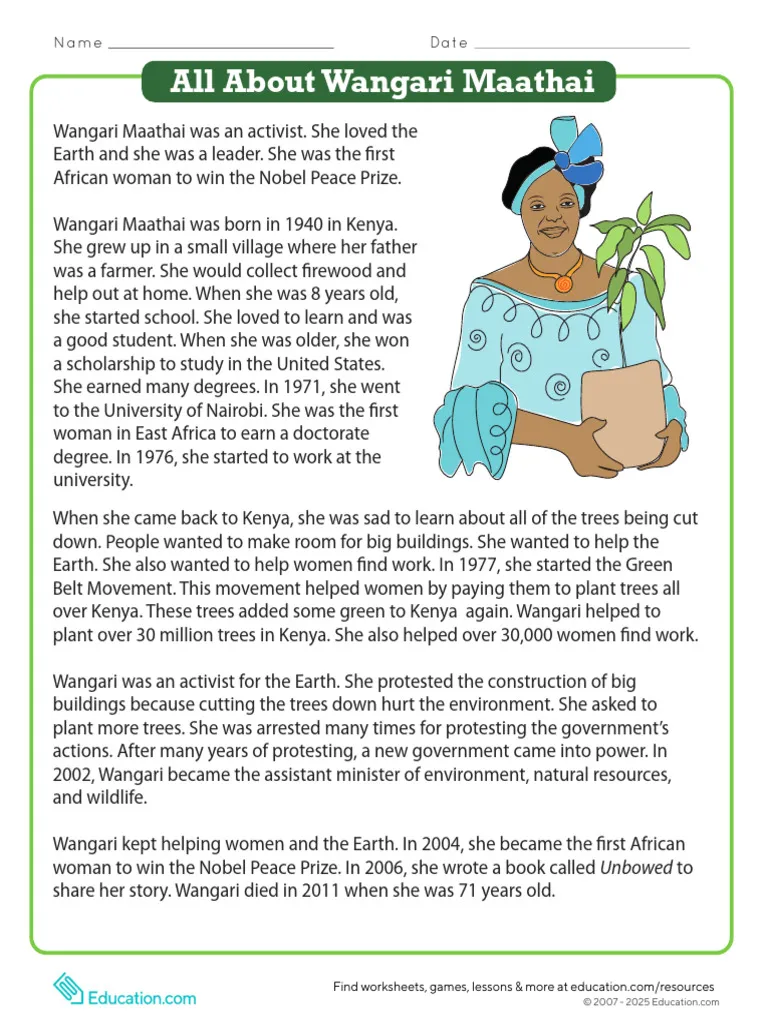
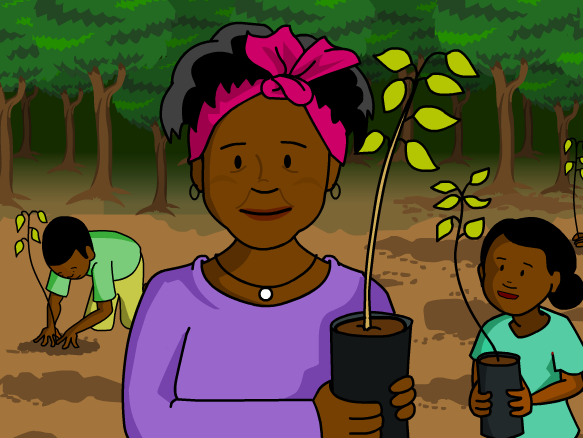
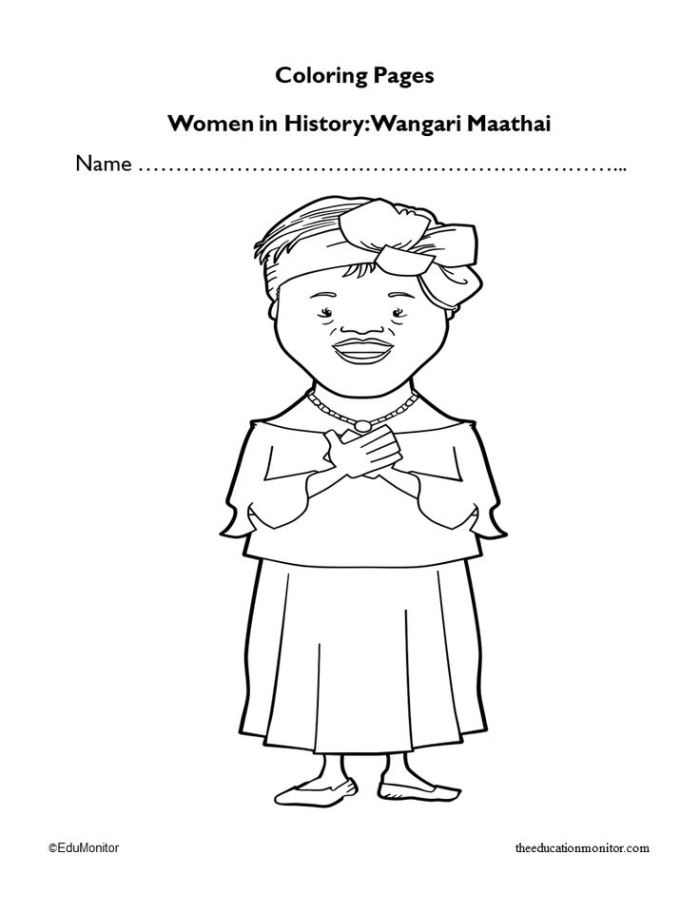
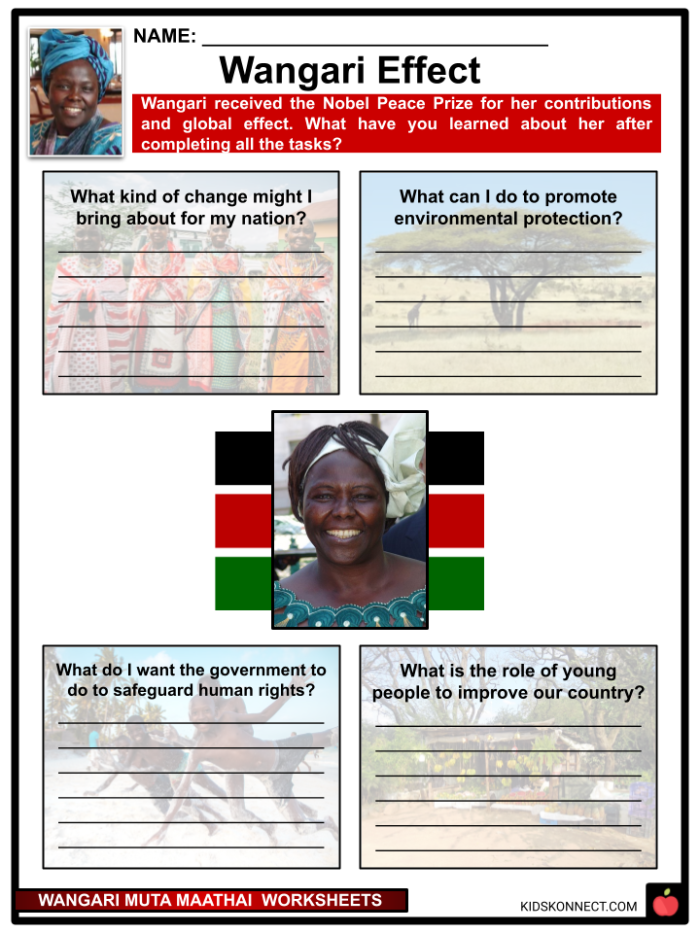
Wangari Maathai’s story is one of resilience and inspiration, making her an essential figure for students to learn about. As the first African woman to receive the Nobel Peace Prize, her contributions to environmental activism and women’s rights are remarkable. Born in Kenya in 1940, Maathai founded the Green Belt Movement in 1977, which focused on tree planting, environmental conservation, and women’s empowerment. This grassroots organization has led to the planting of over 51 million trees, demonstrating how one person’s passion can lead to significant change.
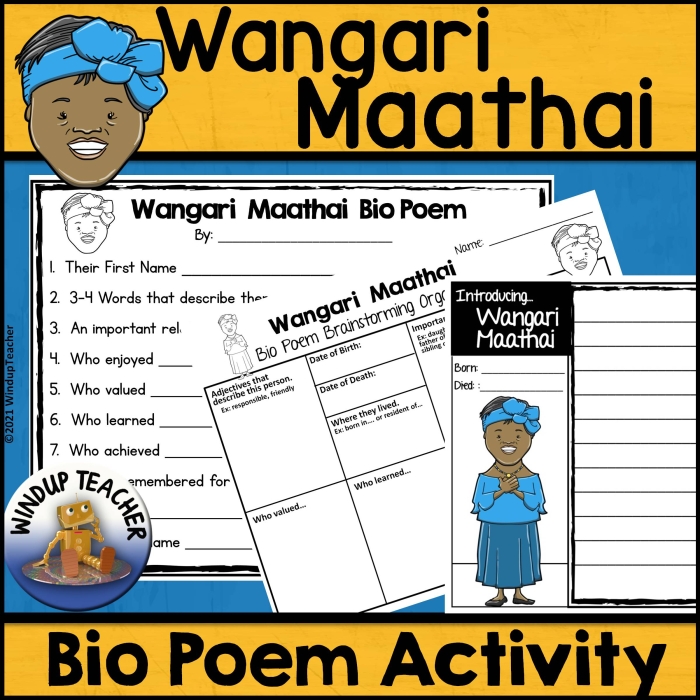
Introducing students to Maathai opens the door to discussions about environmental stewardship and social justice. Through a short biography, children can grasp the importance of taking care of our planet while also understanding the role of women in leadership. Her life story encourages young learners to think about how they can contribute positively to their communities. By answering nonfiction comprehension questions about her life and work, students will enhance their reading skills and critical thinking abilities.
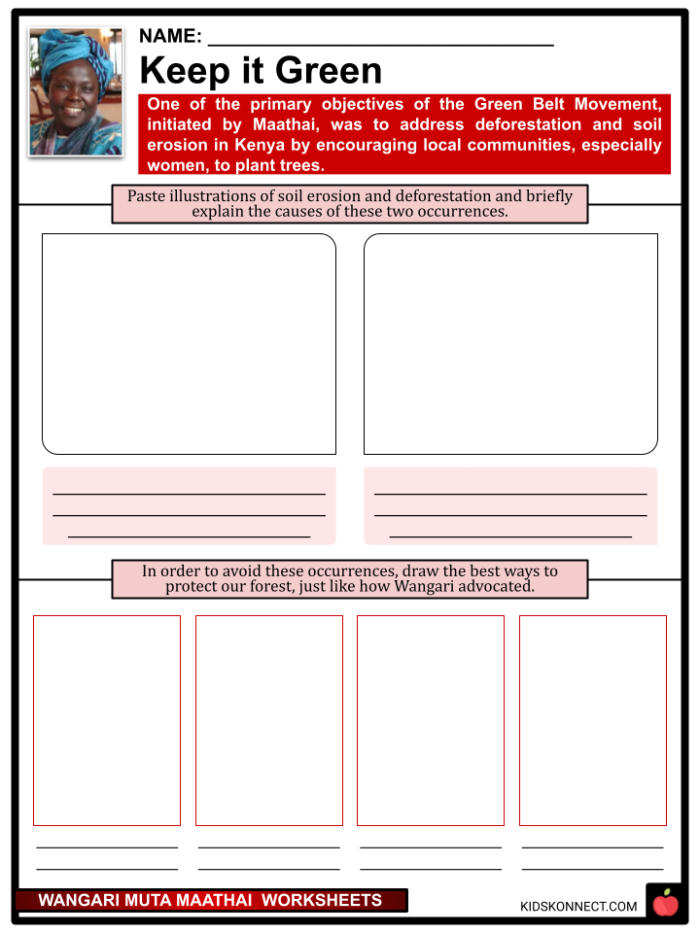
For second graders, engaging with topics like those surrounding Maathai can be a gateway to exploring geometry in nature. They can examine the shapes found in trees, leaves, and the environment, connecting their studies in geometry to real-world applications. Using worksheets that incorporate these themes can help solidify their understanding of geometric concepts while reinforcing the importance of environmental activism.
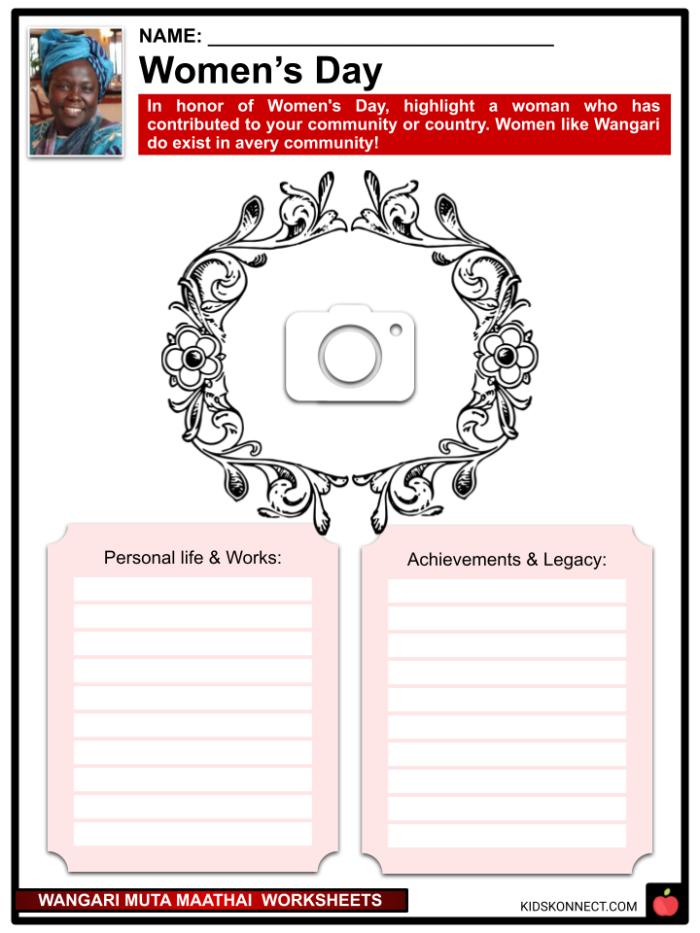
Wangari Maathai’s legacy is not just about trees; it’s about nurturing a sense of responsibility in the next generation. By learning about her contributions, children can see the impact of individual actions on the world around them. They can also relate her story to their own lives, discovering how they can be advocates for change in their communities.
Grab These Worksheets Now