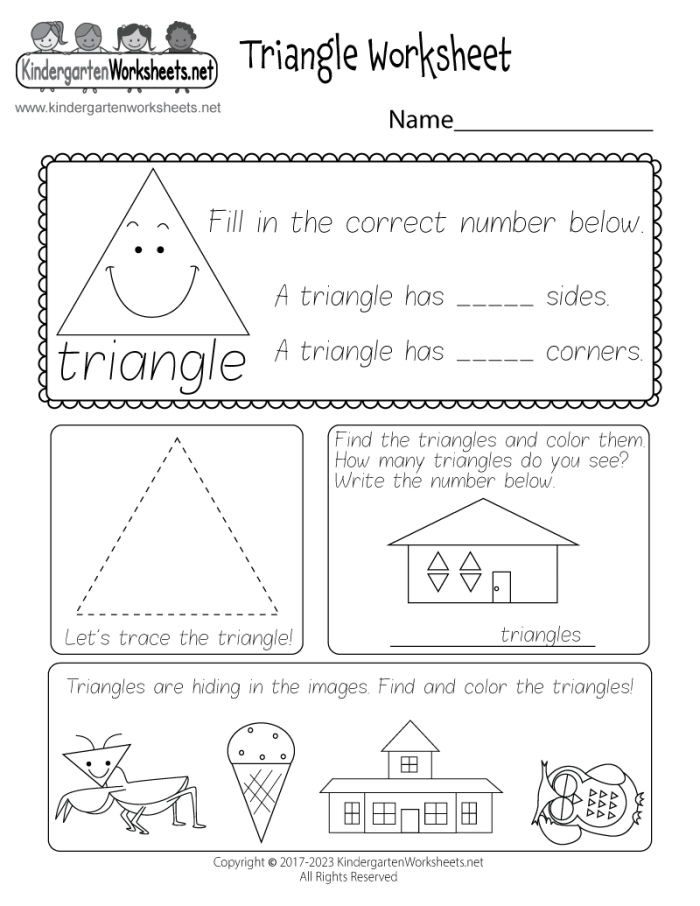
Understanding the relationship between the side lengths and angle measures of triangles is a fundamental concept in geometry that seventh-grade students tackle through engaging worksheets. This exploration not only sharpens their reasoning skills but also lays the groundwork for advanced mathematical concepts.
When students examine a triangle, they learn that the sum of its internal angles always equals 180 degrees. This fact becomes a powerful tool as they solve various problems. For instance, if they know two angles, they can easily find the third by subtracting the sum of the known angles from 180. This straightforward calculation demonstrates how geometry is not just about memorizing rules but about applying logic and reasoning.
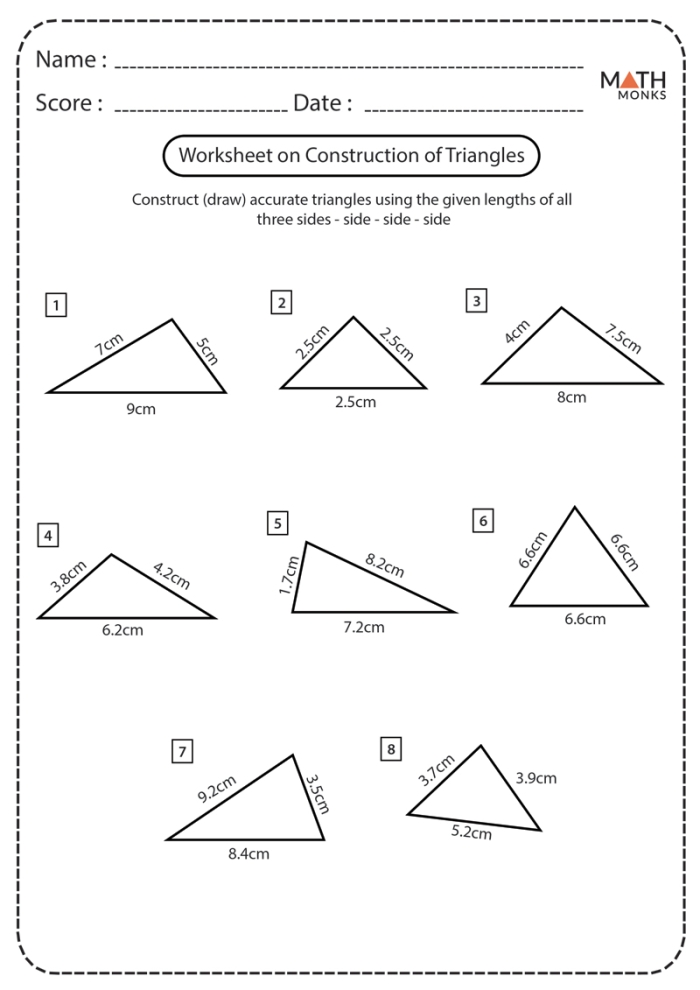
The relationships between angles and sides are equally fascinating. The triangle inequality theorem states that the sum of the lengths of any two sides of a triangle must be greater than the length of the third side. This principle allows students to determine whether a given set of lengths can form a triangle. For example, if students are presented with three lengths—3, 4, and 8—they can quickly conclude that these do not form a triangle, as 3 + 4 is not greater than 8.
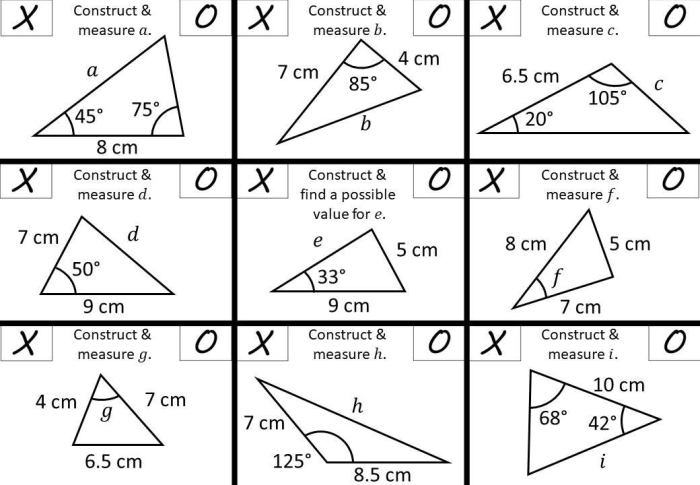
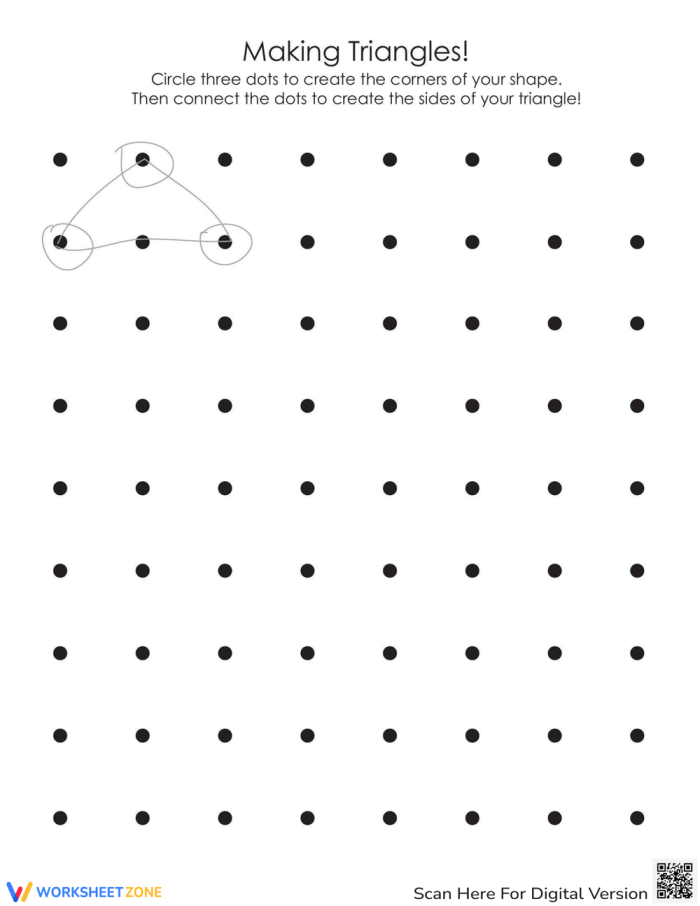
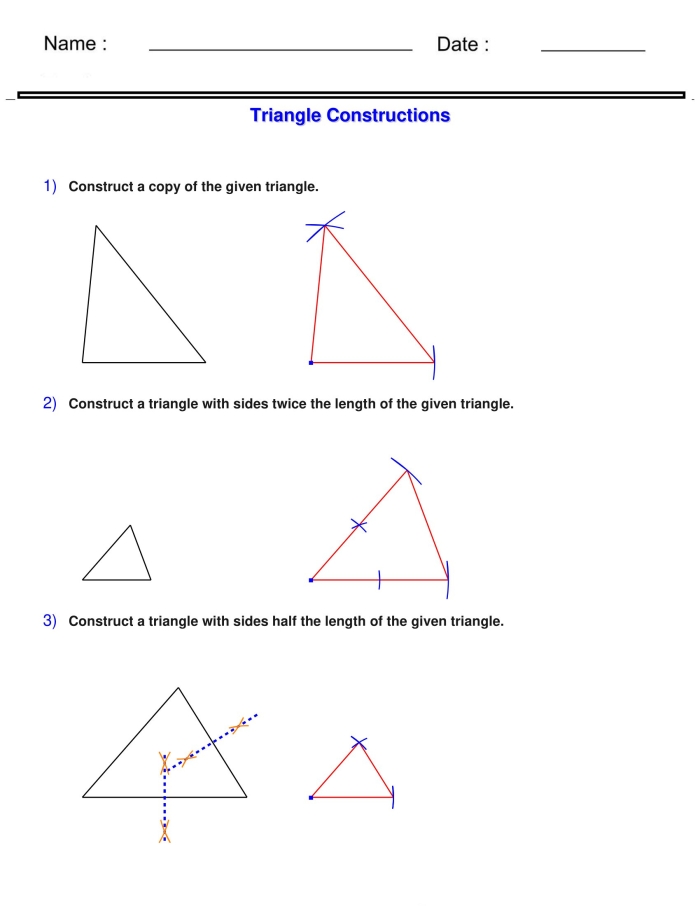
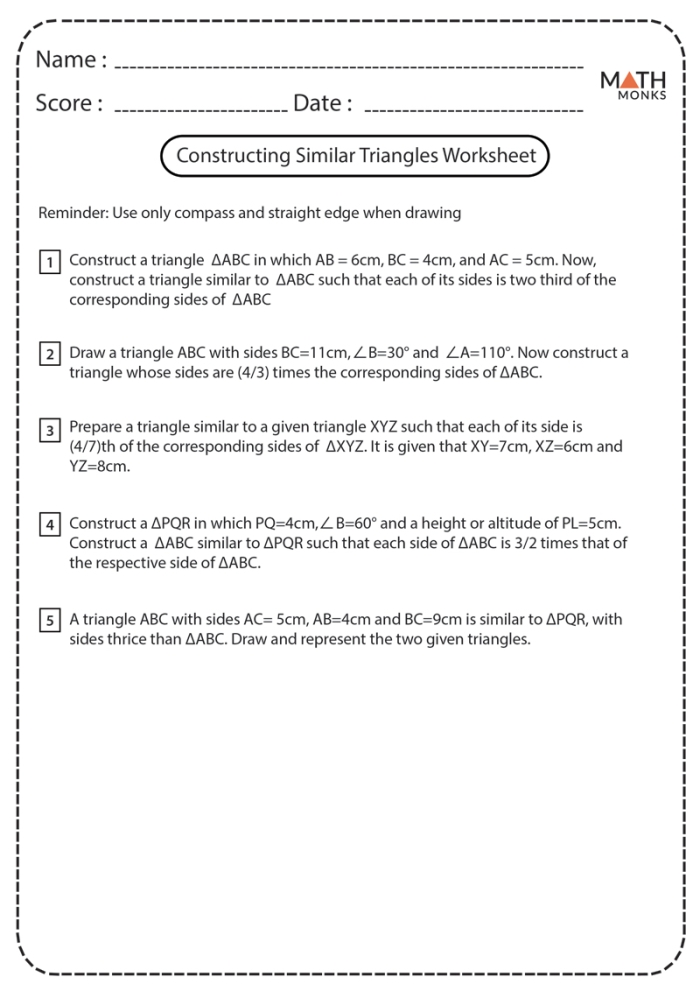
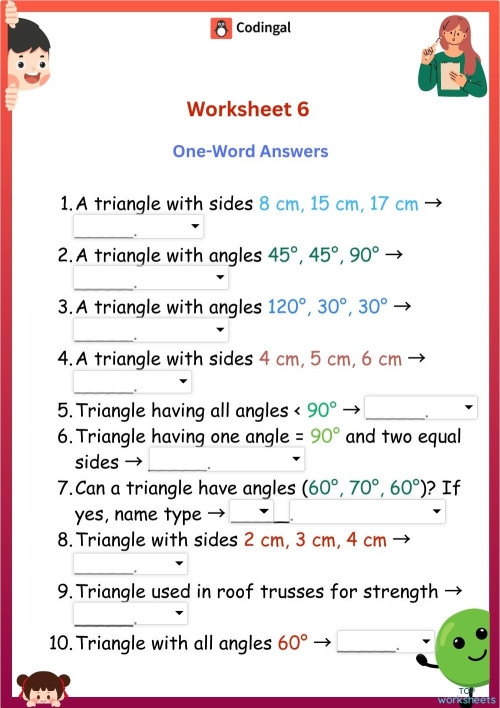
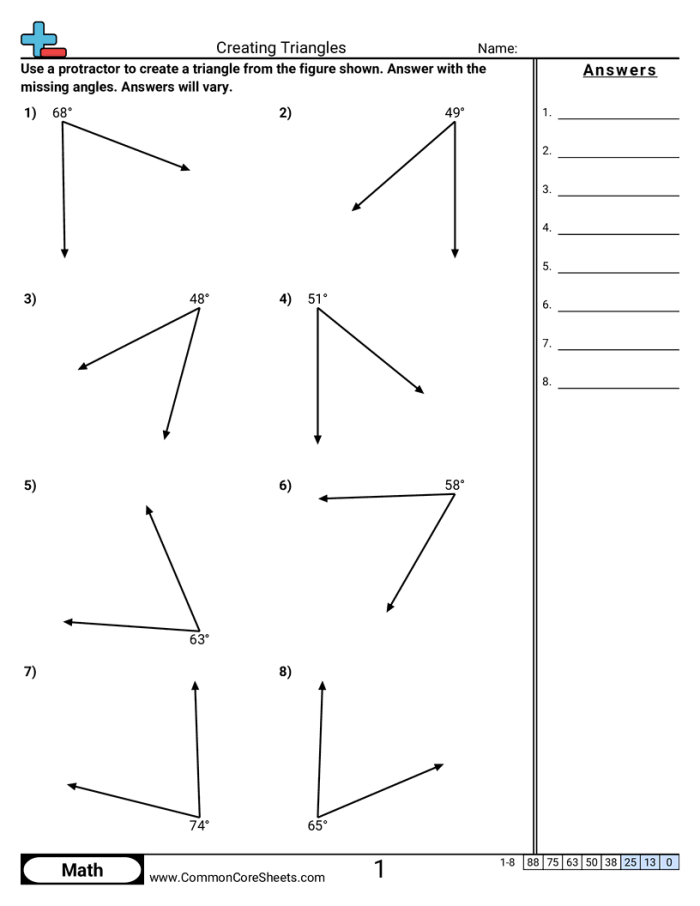
Worksheets designed for seventh graders often include problems that encourage them to visualize these relationships. By drawing triangles and measuring angles, students gain a hands-on understanding of how side lengths affect angle measures and vice versa. This practical approach fosters deeper comprehension and encourages them to ask questions about the shapes they encounter.
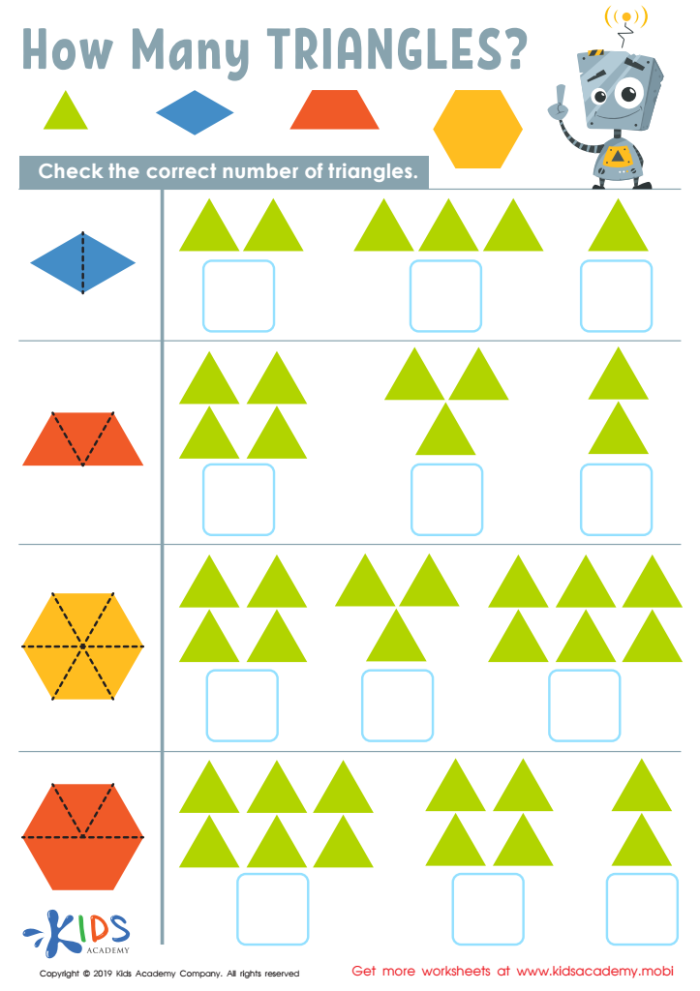
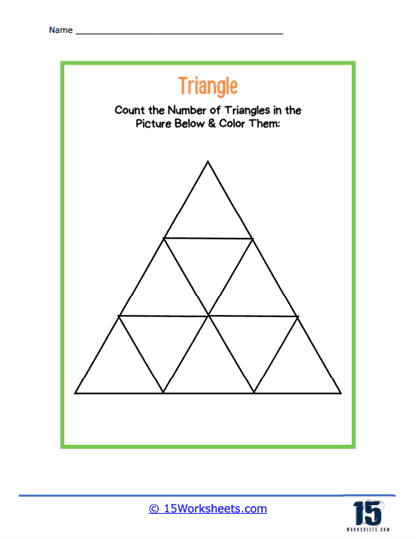
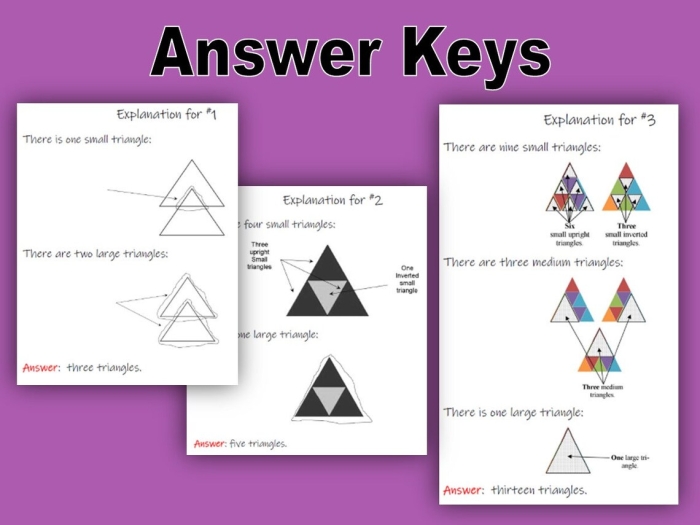
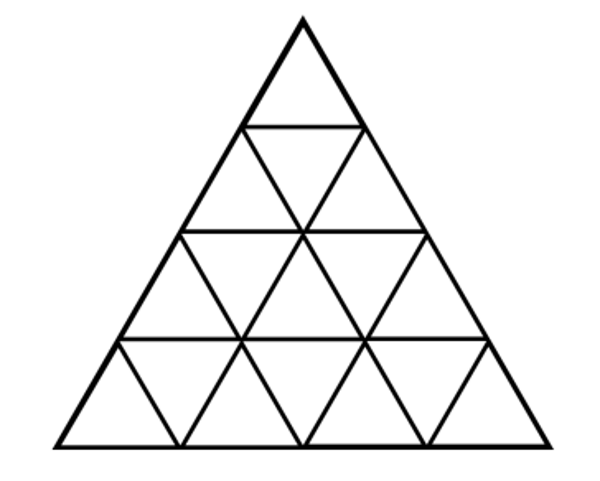
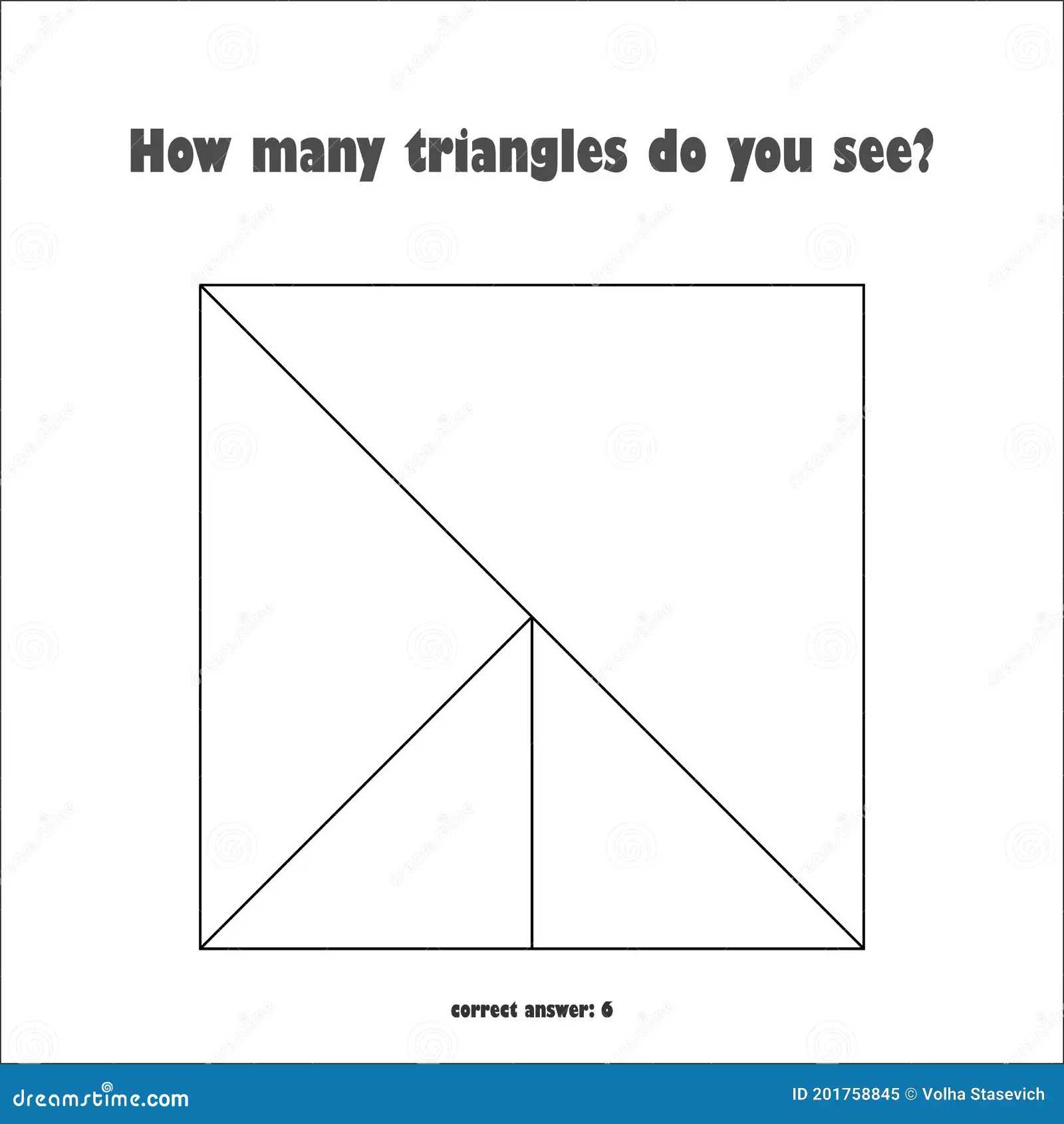
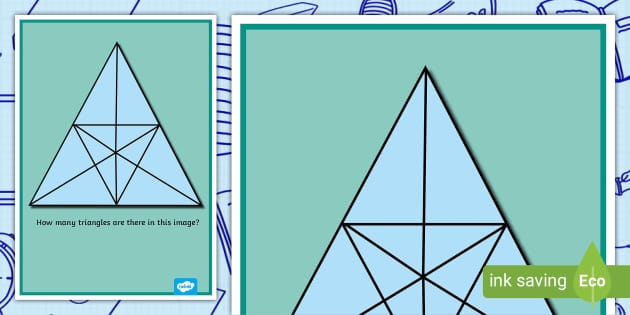
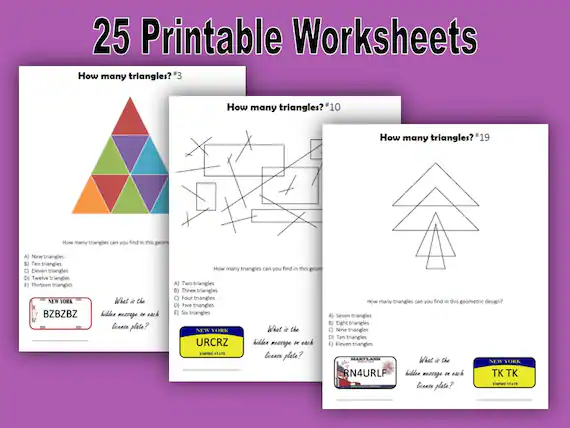
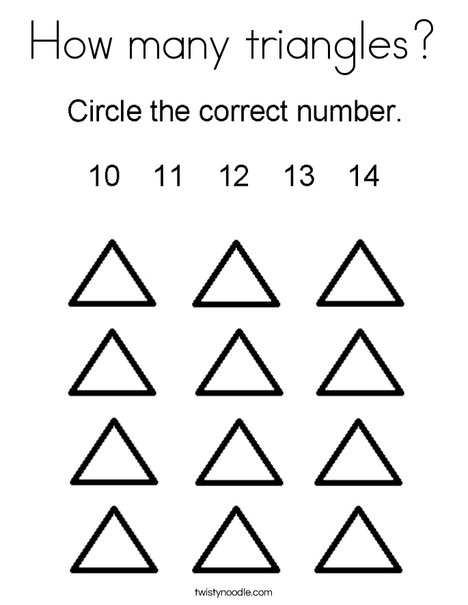
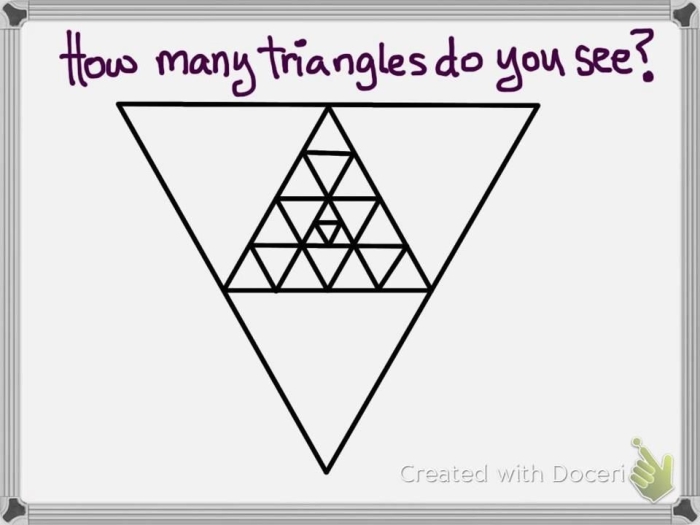
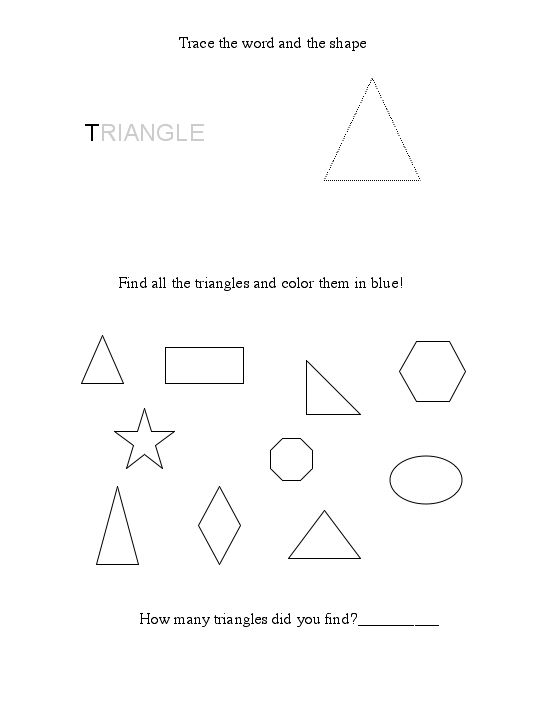
For those interested in further exploring these concepts, resources like printable worksheets on how many triangles can be created provide additional practice. Such worksheets not only reinforce the fundamental principles of ratios and proportions but also make learning interactive and enjoyable.
Hands-On Worksheet Activities