Middle school writers often find themselves searching for ways to make their writing more engaging and vivid. One powerful technique they can employ is personification, which breathes life into inanimate objects or abstract concepts by attributing human qualities to them. This not only spices up their sentences but also invites readers into a more imaginative world.
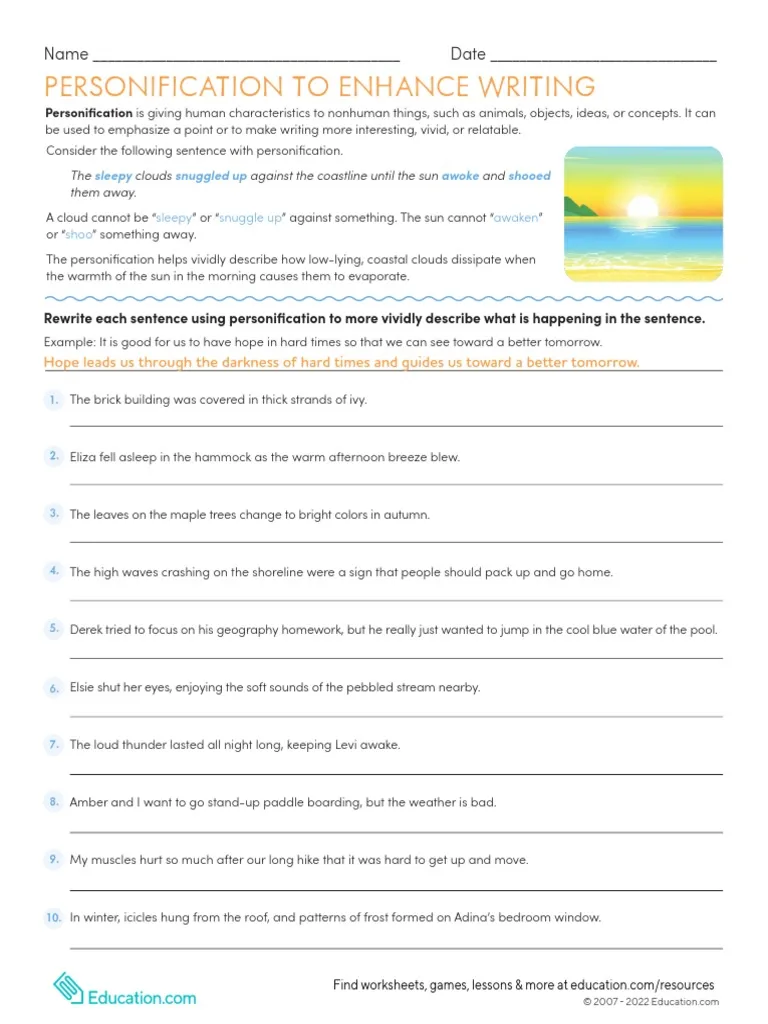
When students practice rewriting sentences using personification, they discover how to transform mundane statements into vibrant descriptions. For example, instead of saying, “The wind blew through the trees,” a writer might say, “The wind danced through the trees, whispering secrets to the leaves.” This subtle shift creates a more dynamic image and evokes emotions, making the writing more exciting.
Incorporating personification helps sixth graders tap into their creativity while honing their writing skills. It encourages them to think beyond the literal meanings of words and consider how they can convey feelings and imagery through their descriptions. As they practice, they learn to identify opportunities for personification in their own writing and develop a deeper understanding of how language can evoke mood and tone.
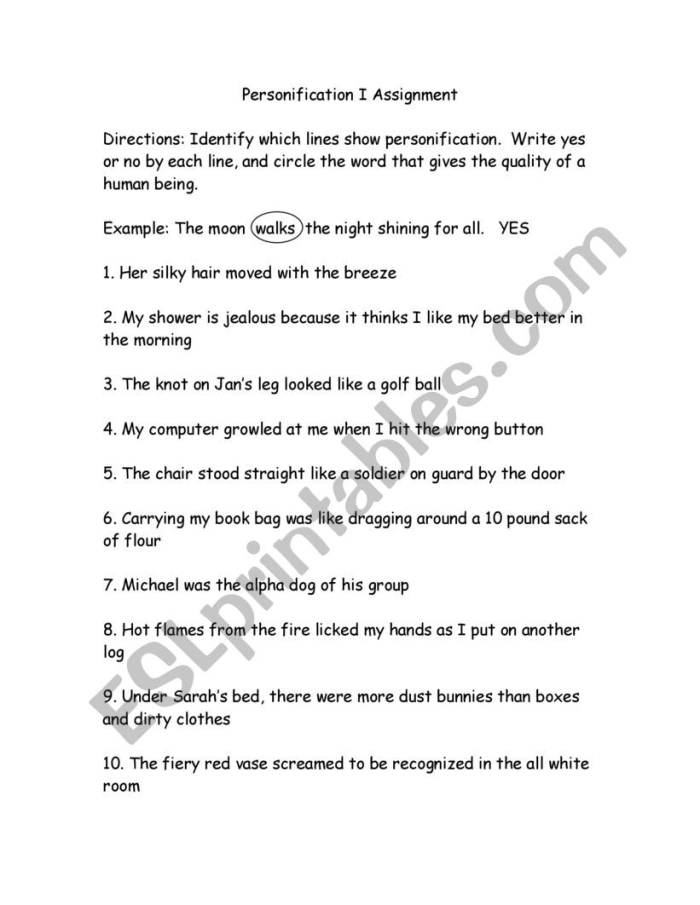
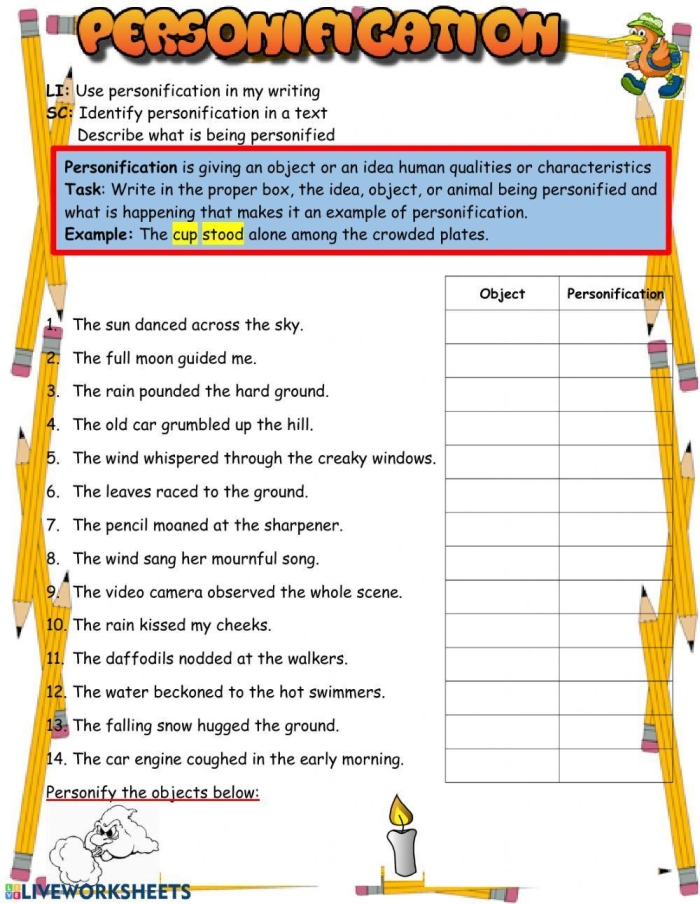
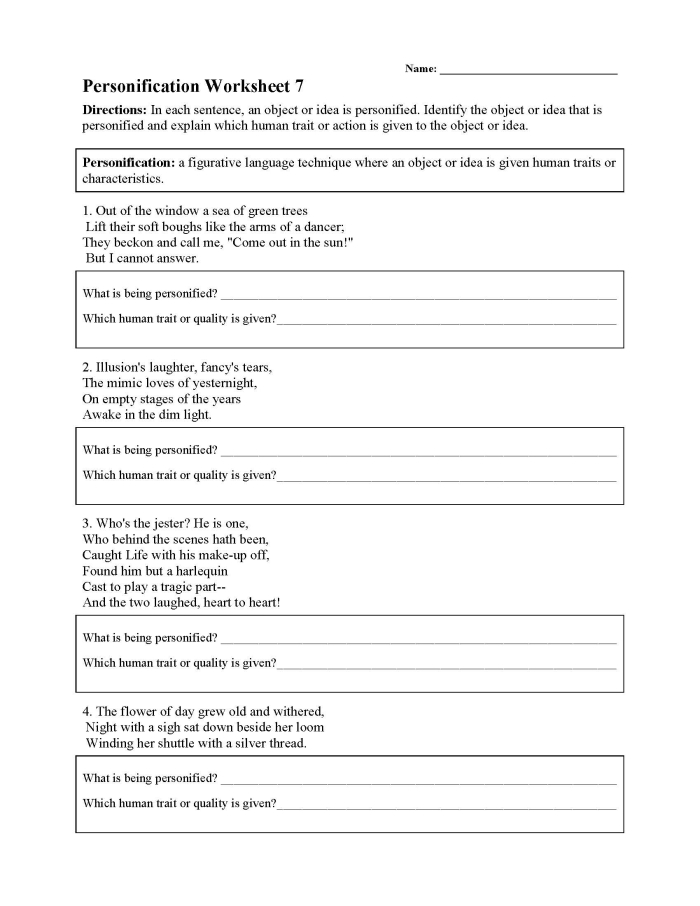
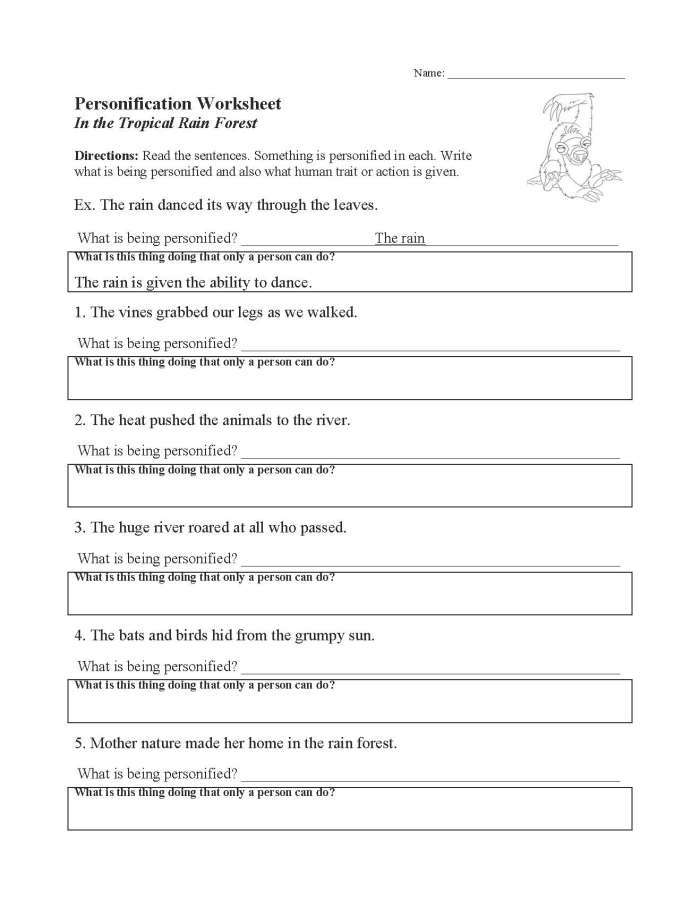
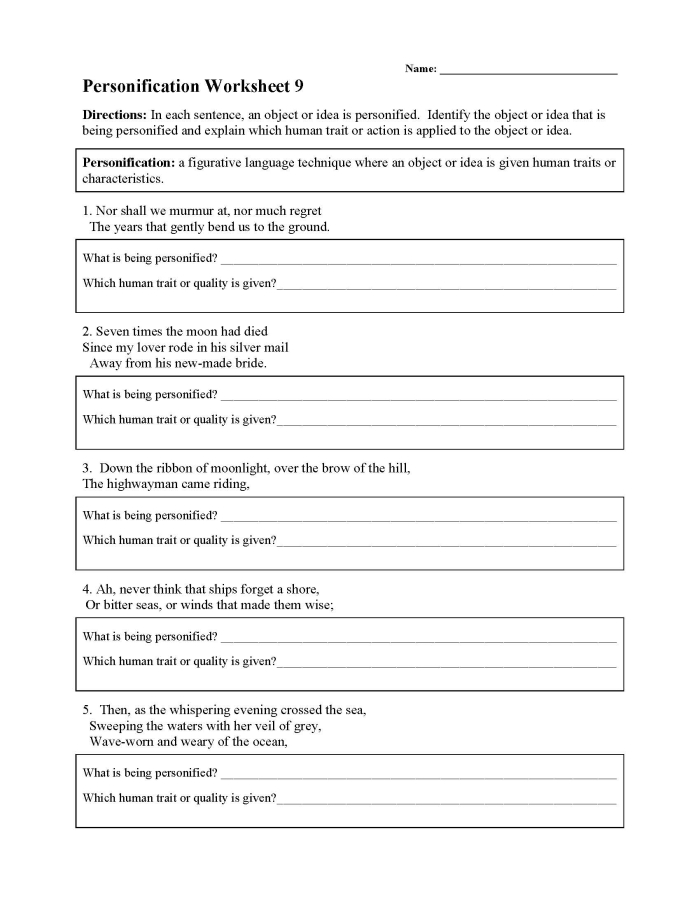
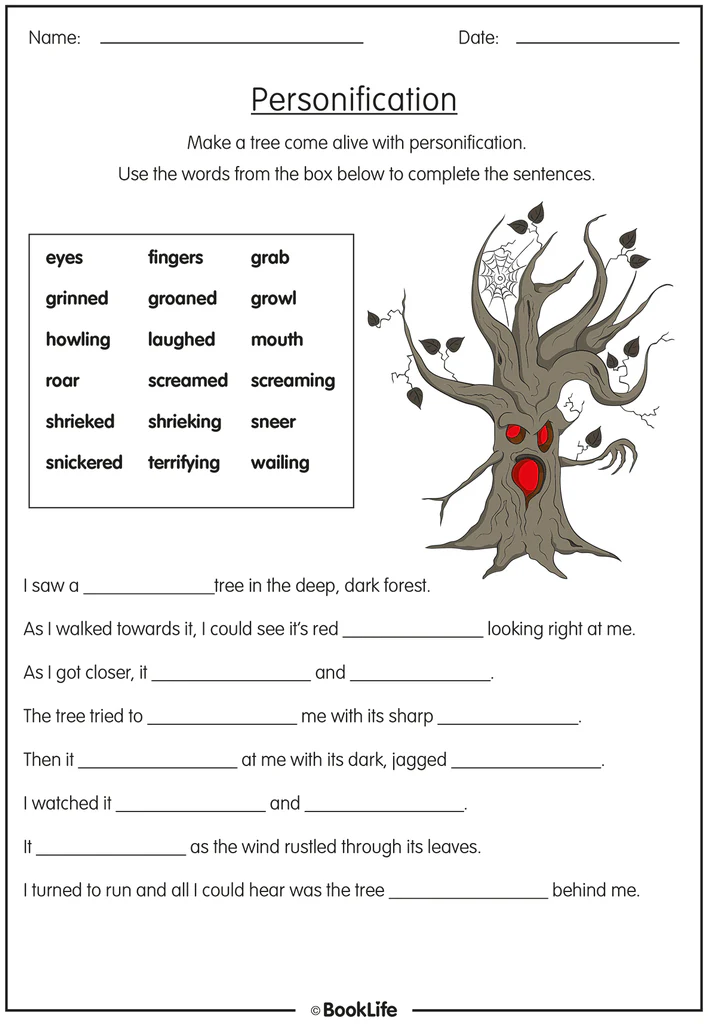
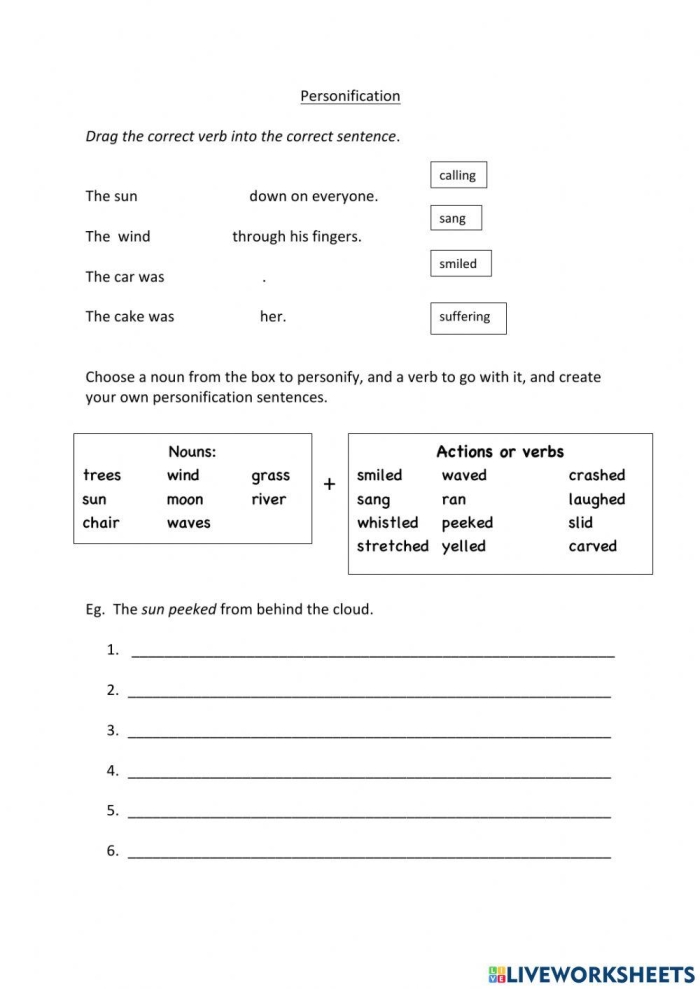
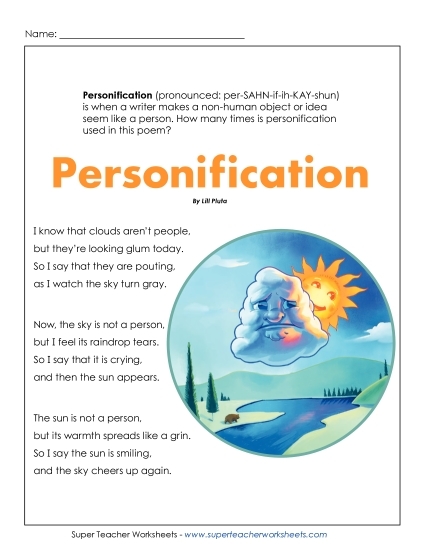
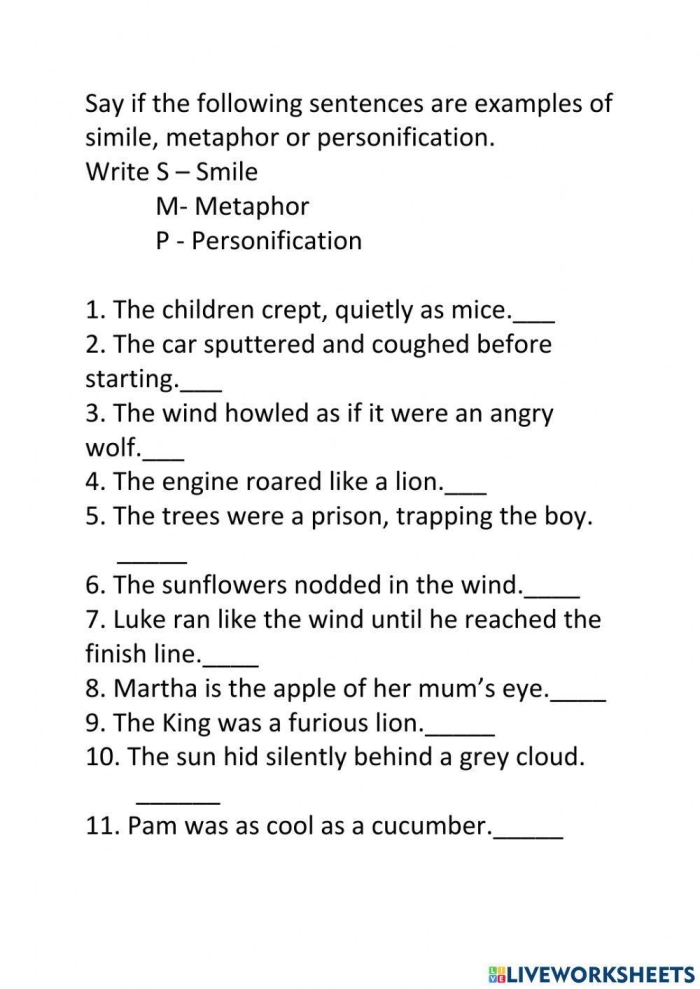
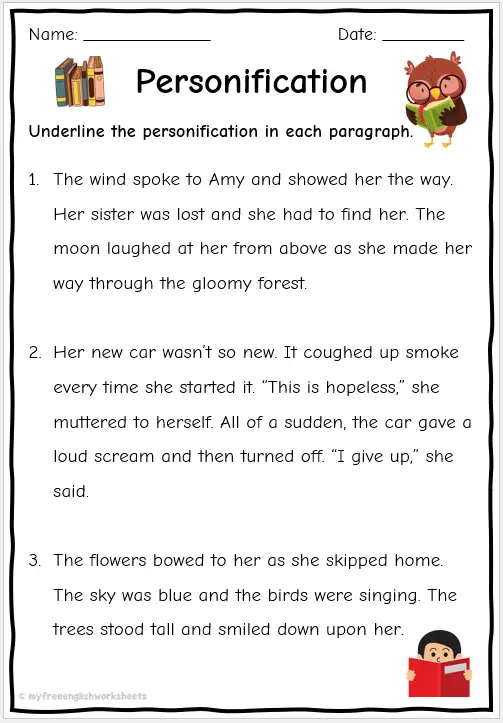
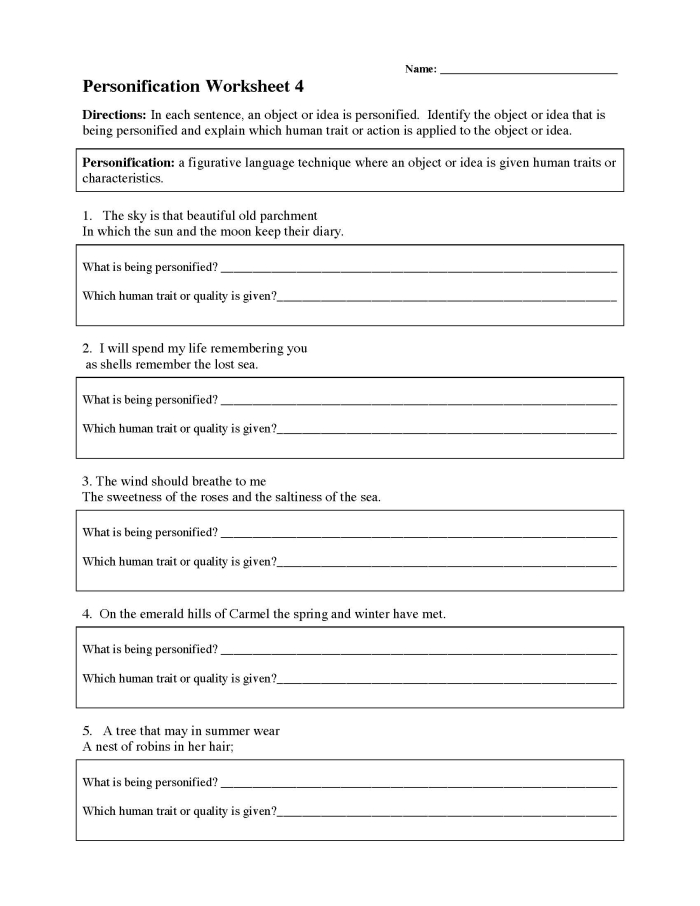
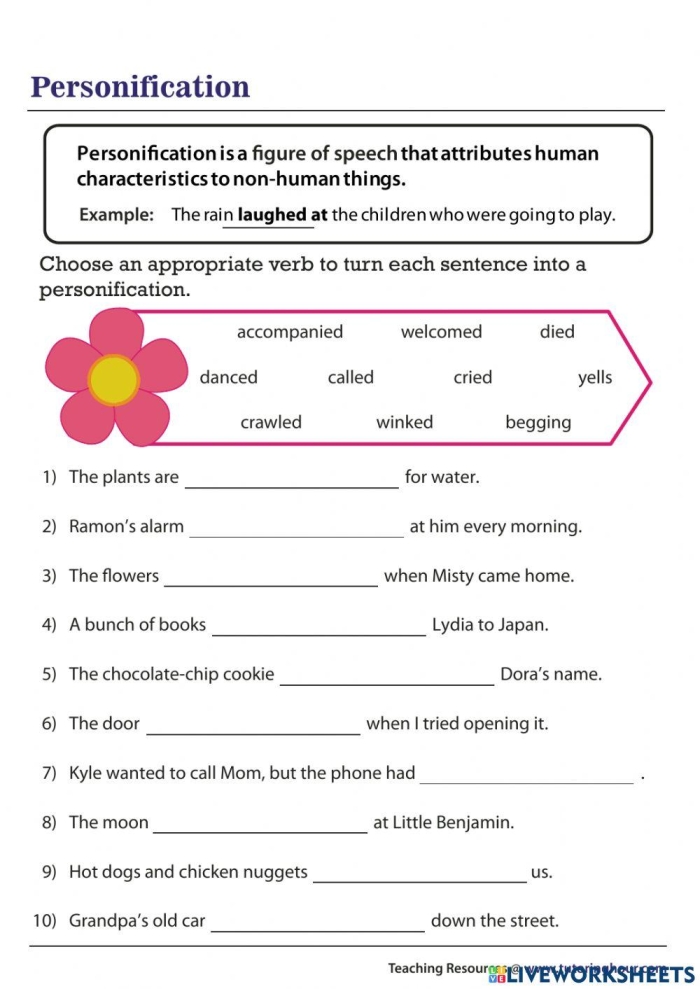
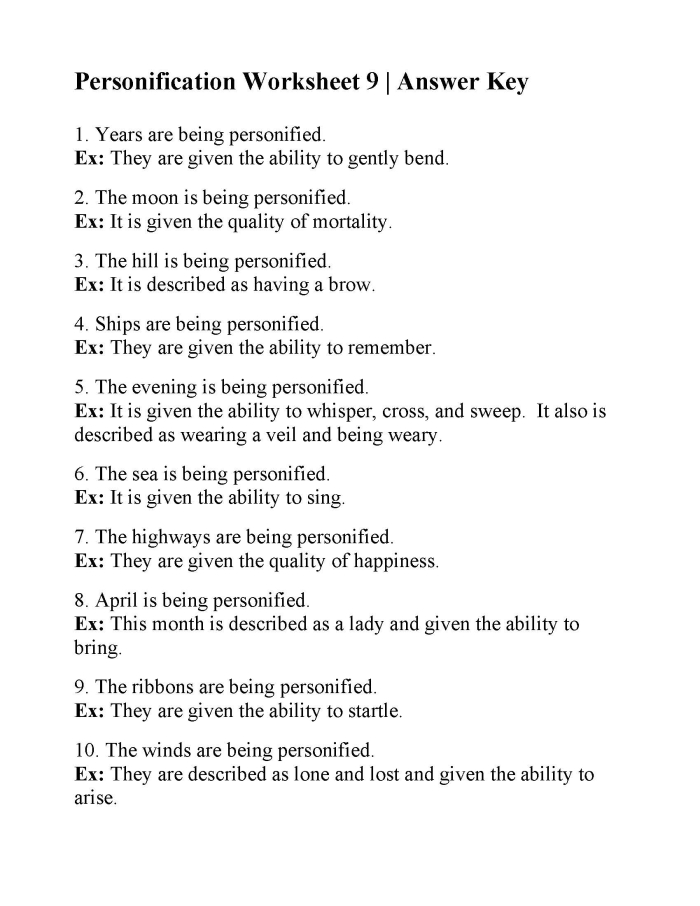
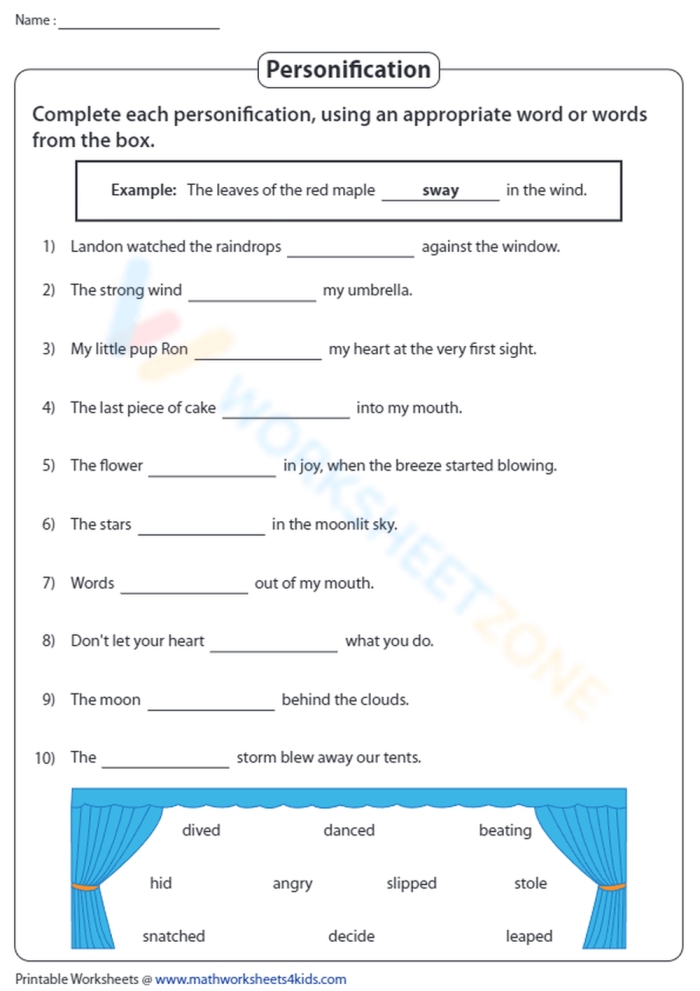
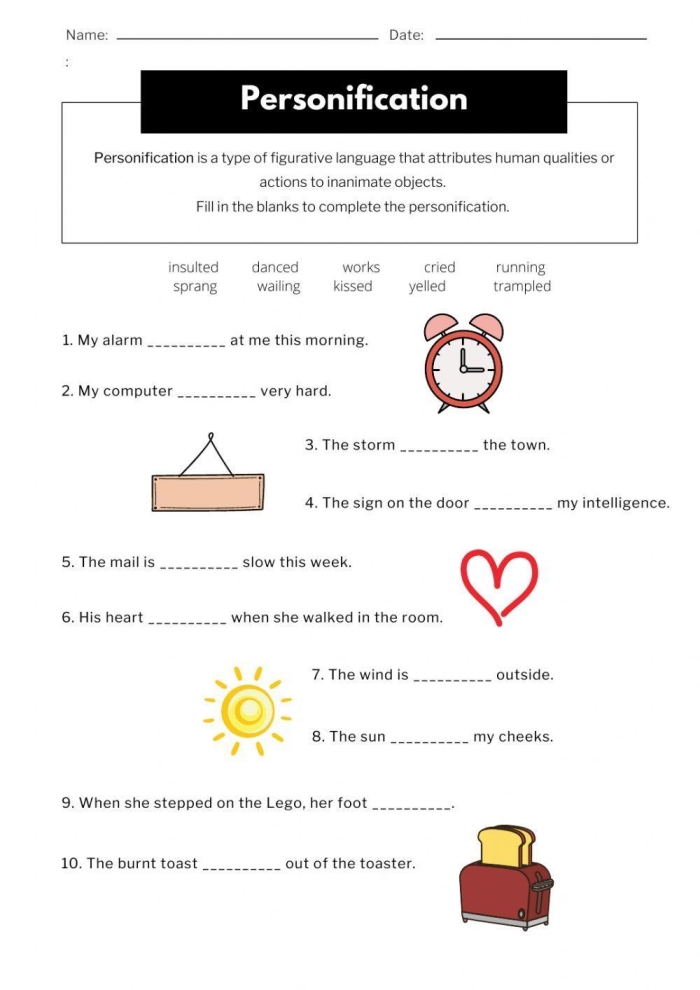
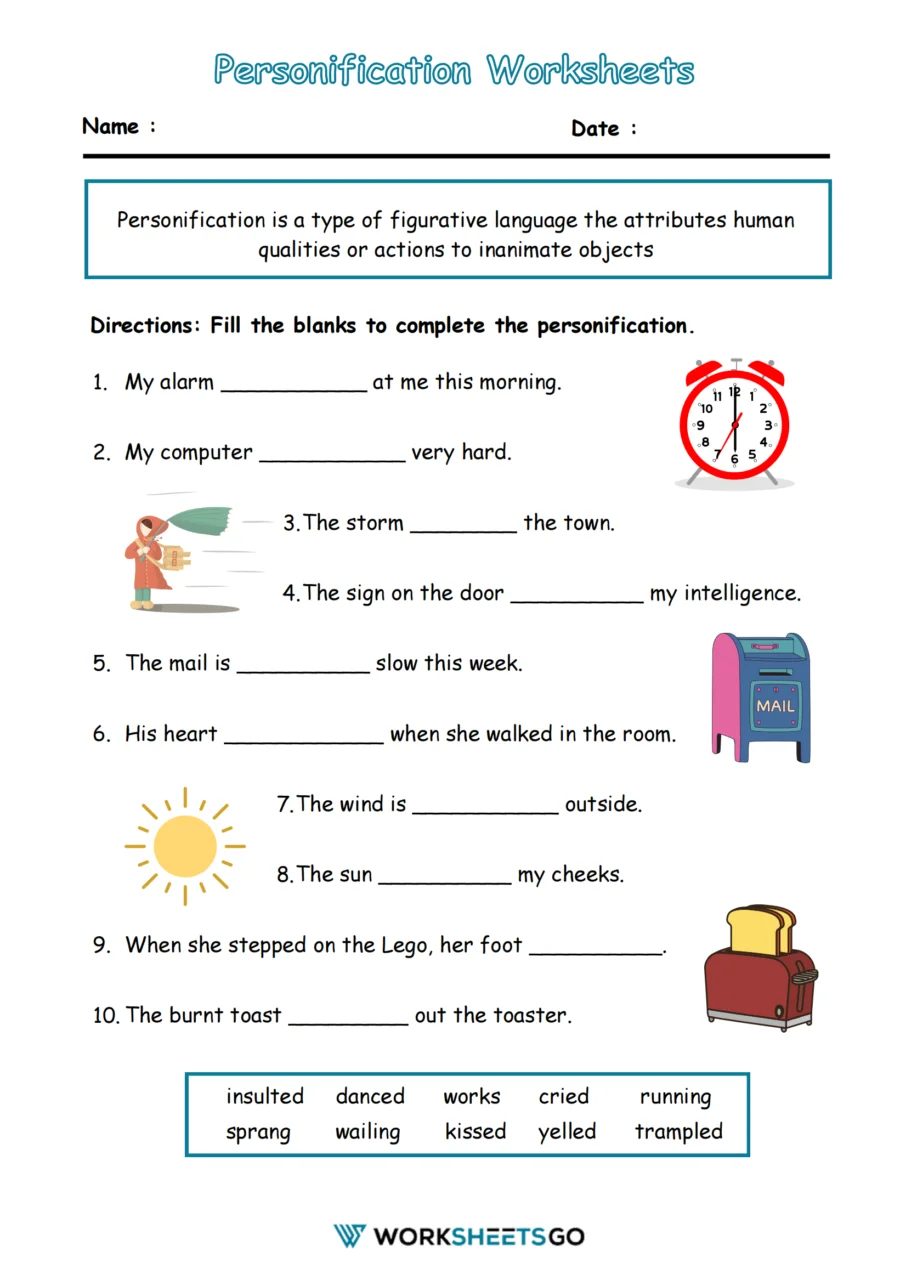
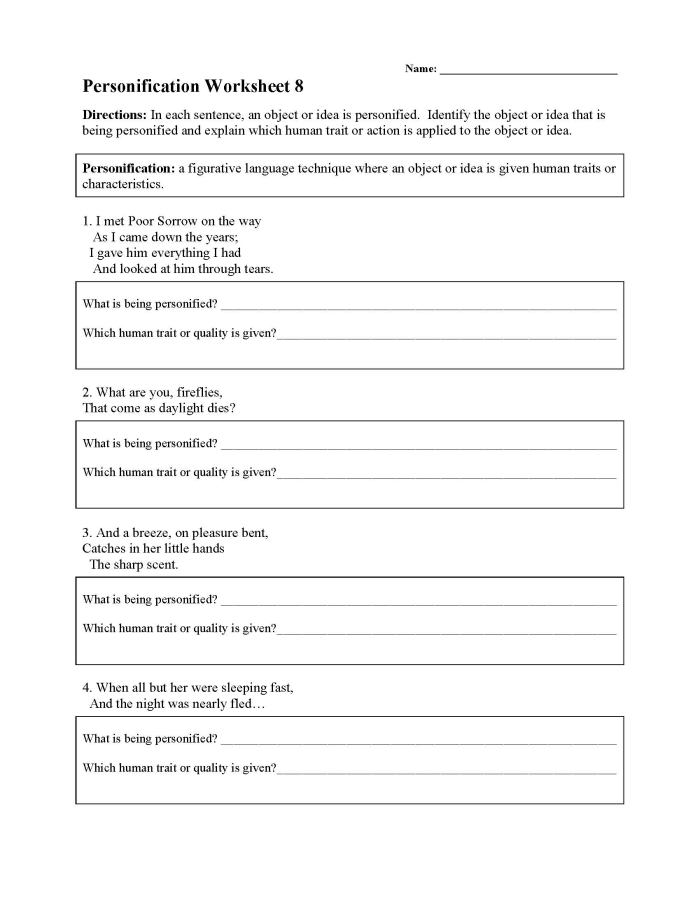
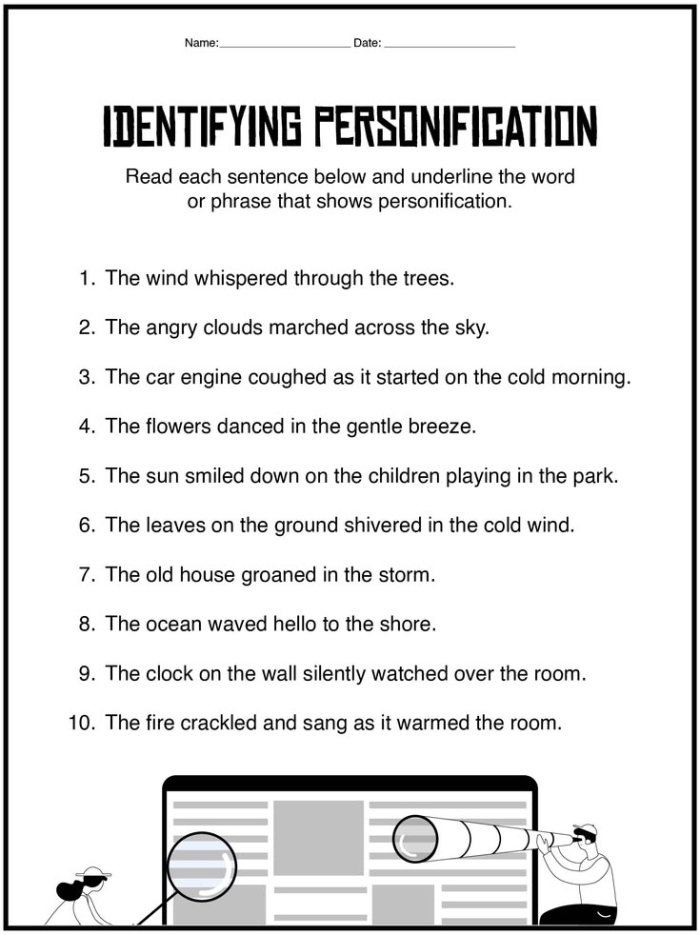
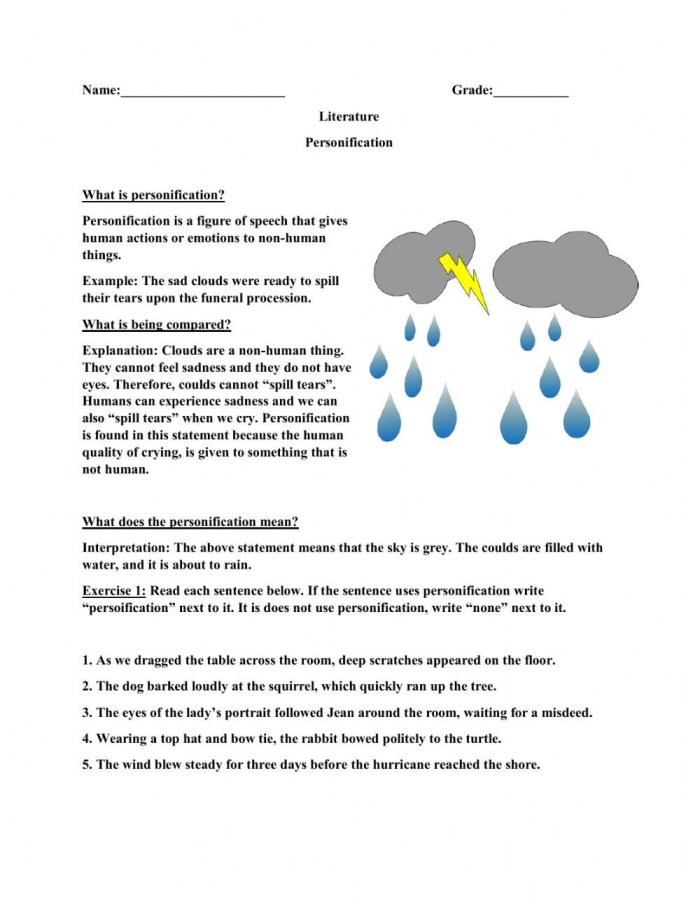
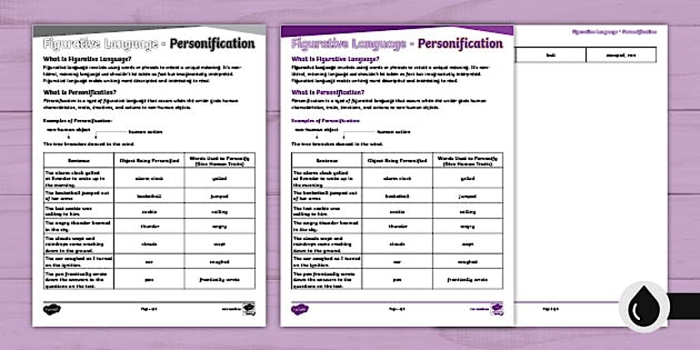
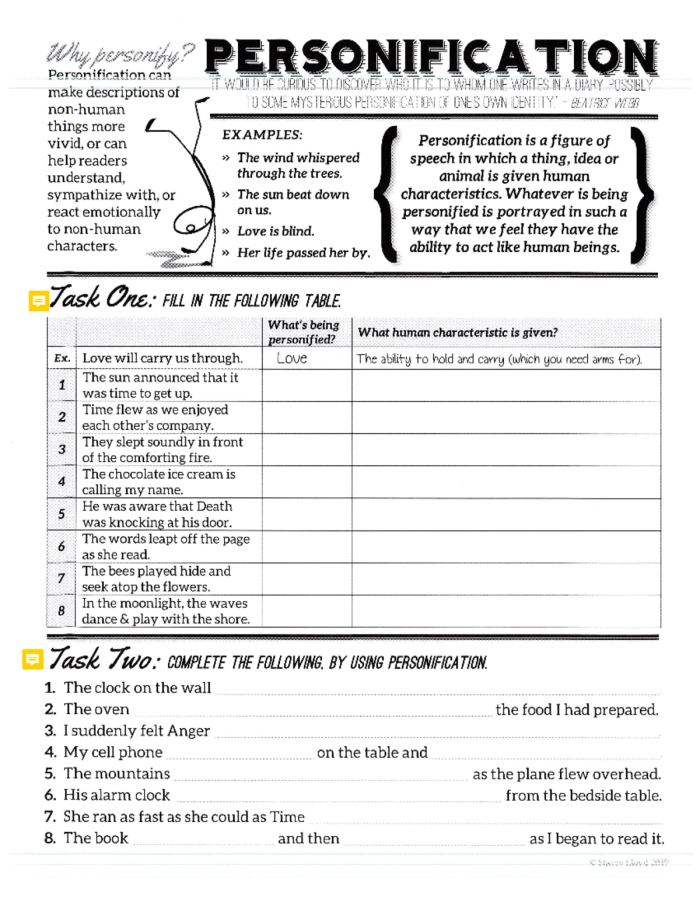
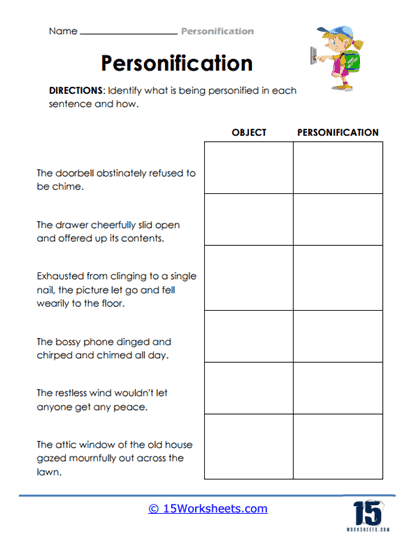
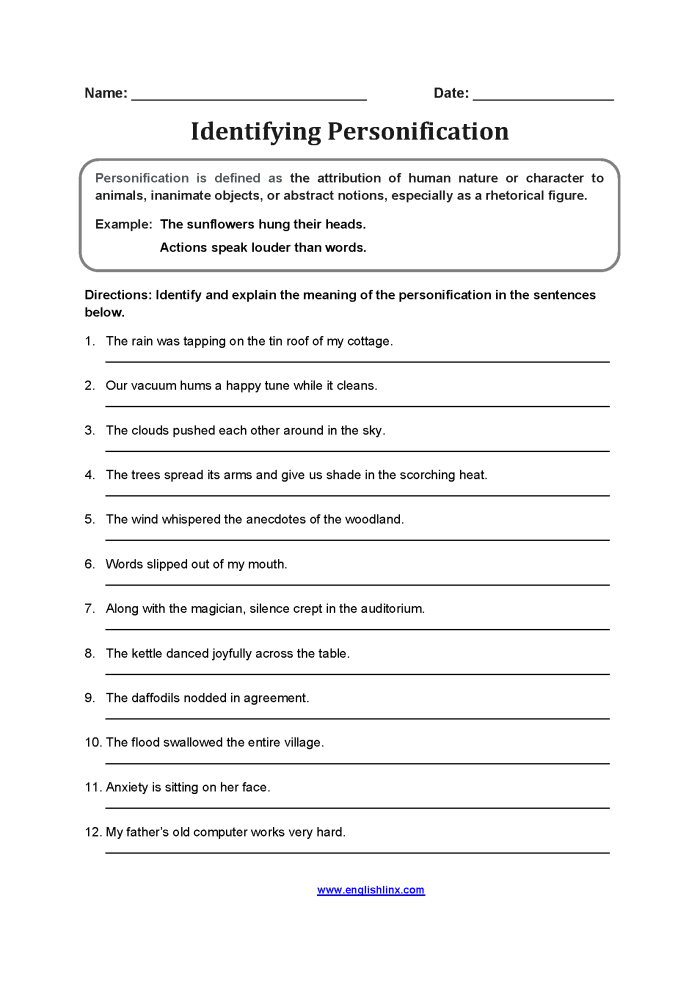
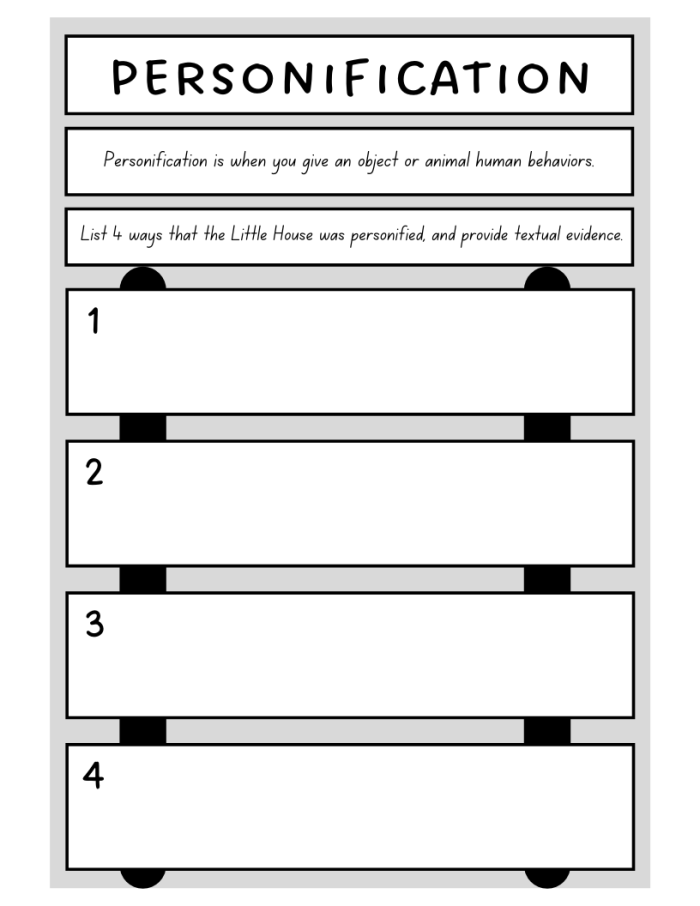
Additionally, using printable personification worksheets can further assist students in mastering this technique. These worksheets often provide fun exercises that challenge writers to rewrite sentences and engage with different forms of personification. For example, a worksheet might ask students to describe a storm not just as a weather event but as an angry giant shaking its fist at the sky. Such creative prompts can spark imagination and encourage students to explore new angles in their writing.
By practicing personification, middle school writers not only enhance their descriptive abilities but also gain confidence in their writing. This skill is particularly valuable in disciplines like algebra, where clear expression of ideas is key. For resources that support these writing exercises, educators might find helpful materials on editing checklists and writing linear equations, which can complement their creative endeavors.
Start Practicing with These Worksheets