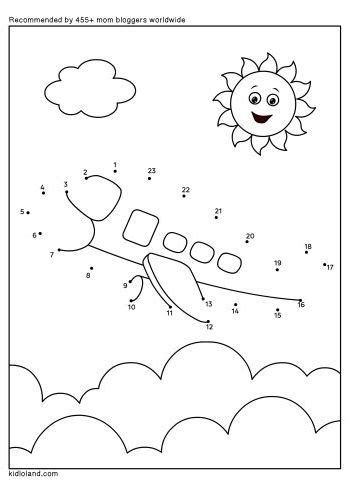
Kids in kindergarten often hit a wall when numbers start feeling like work. Worksheets feel tedious, flashcards get boring fast, and sitting still to count becomes a battle. But here’s what I’ve seen work: when you frame number learning as something smooth and fun, like gliding on roller skates, children actually want to participate.
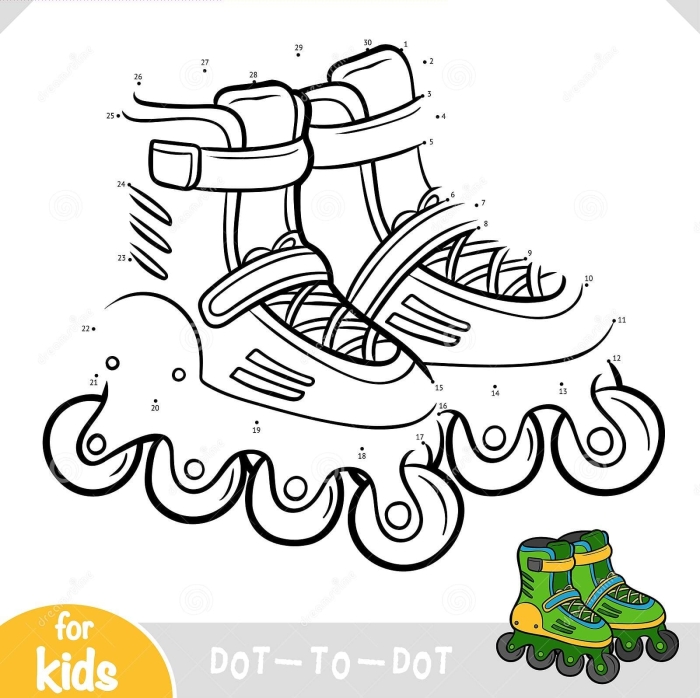
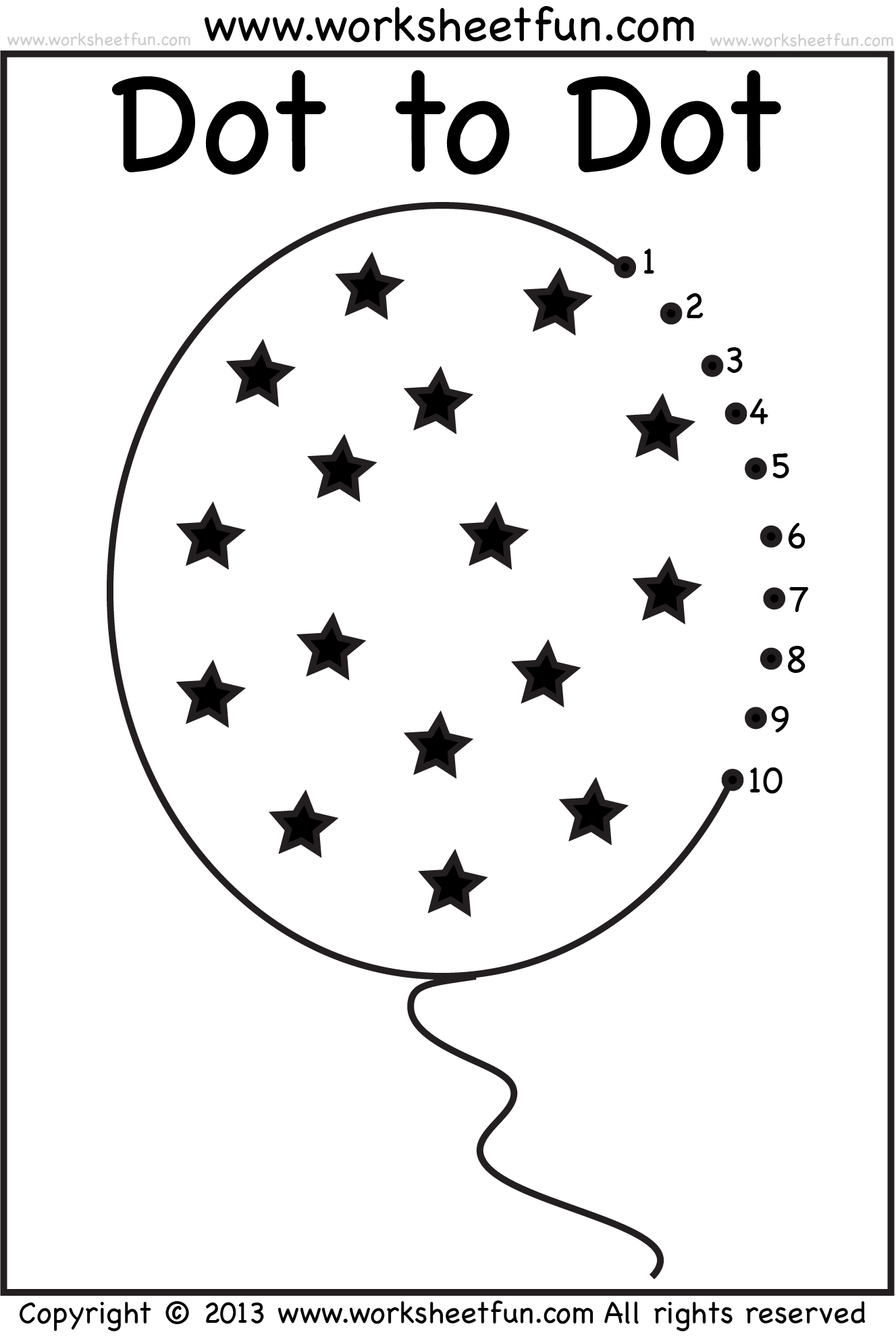
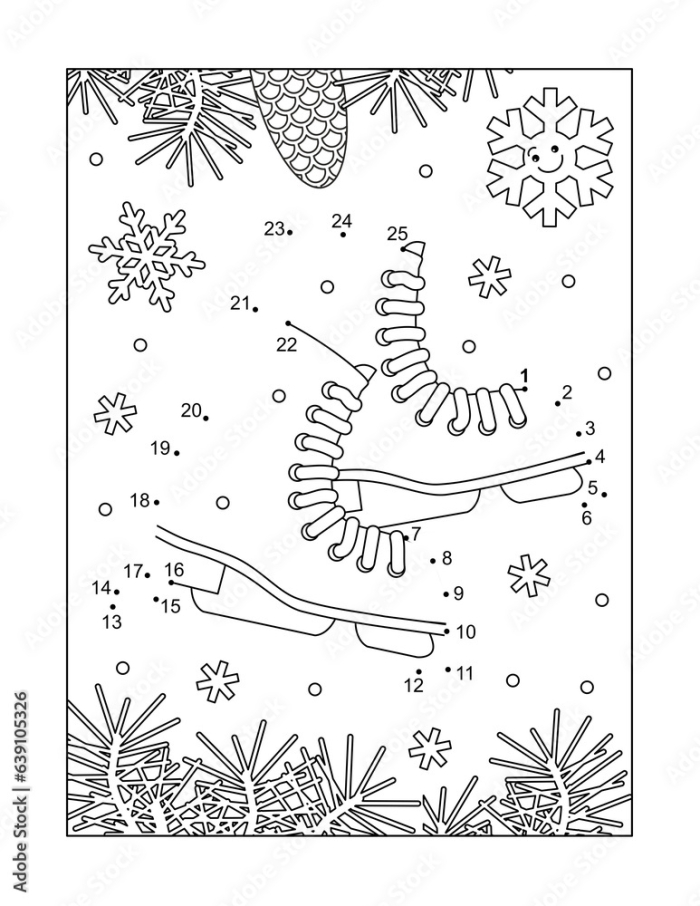
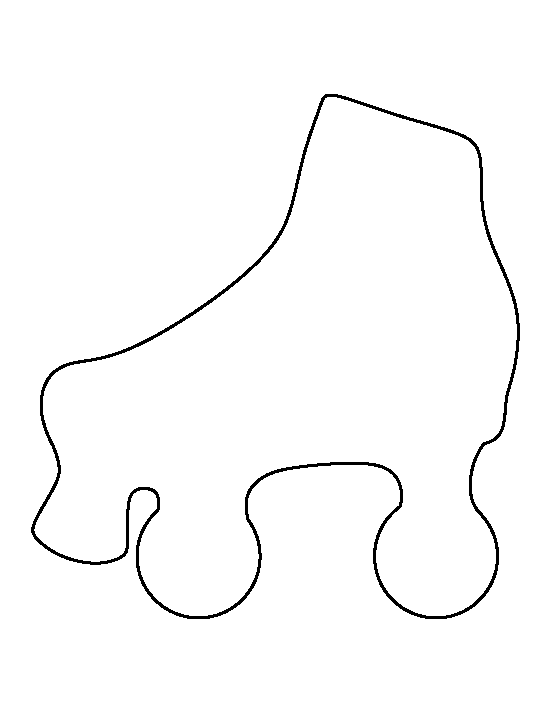
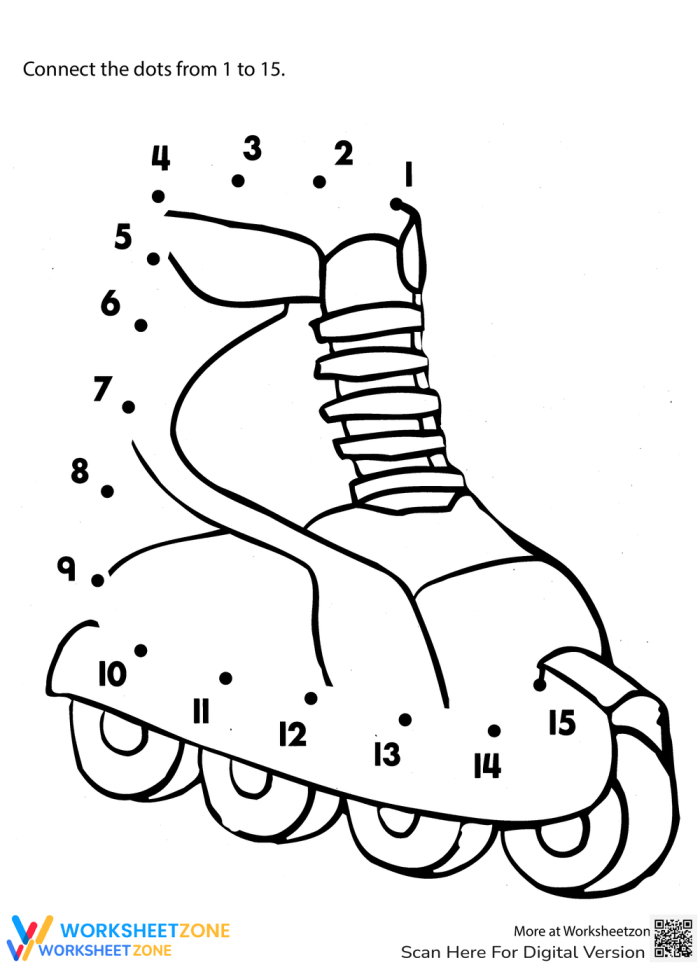
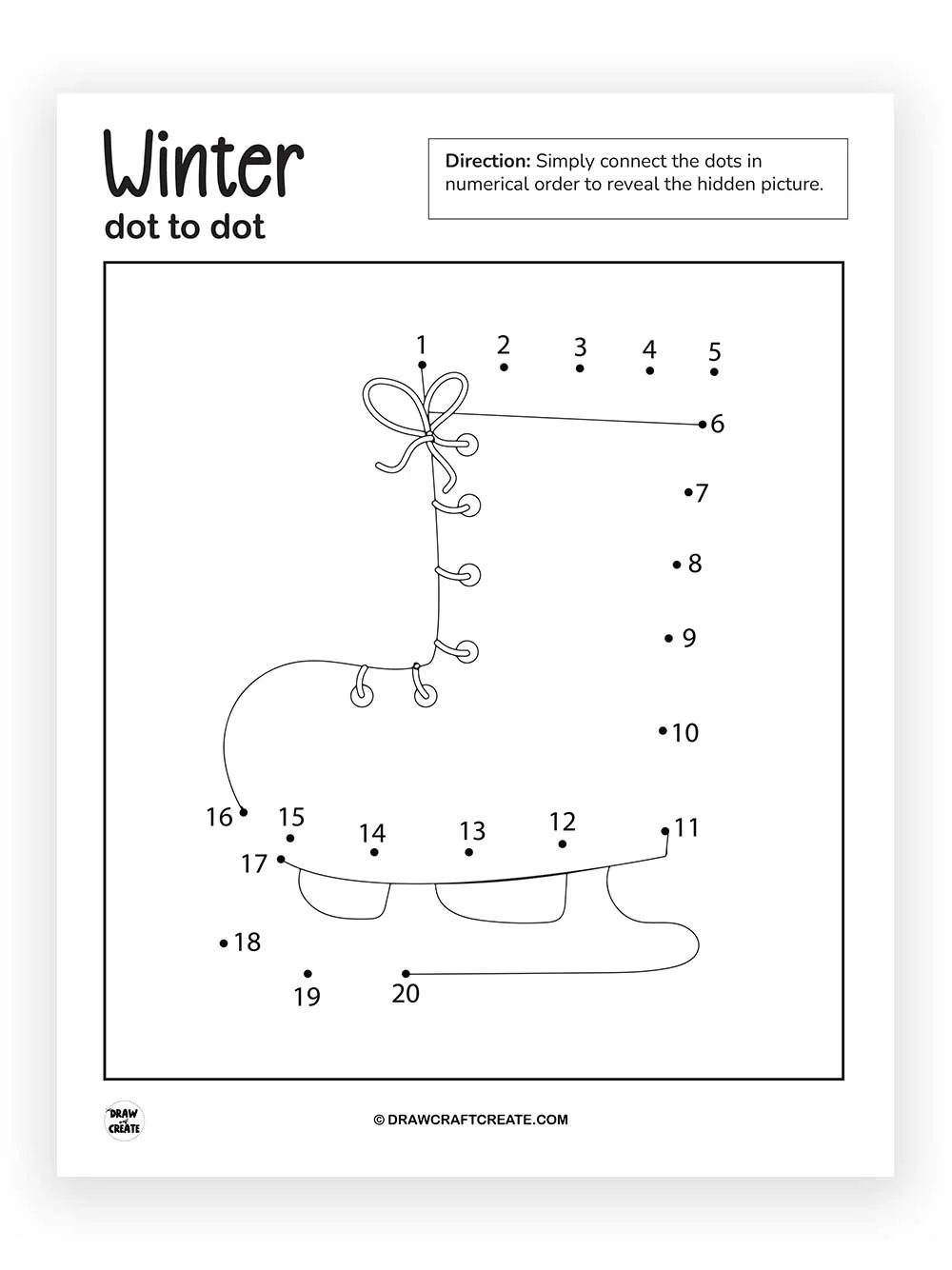
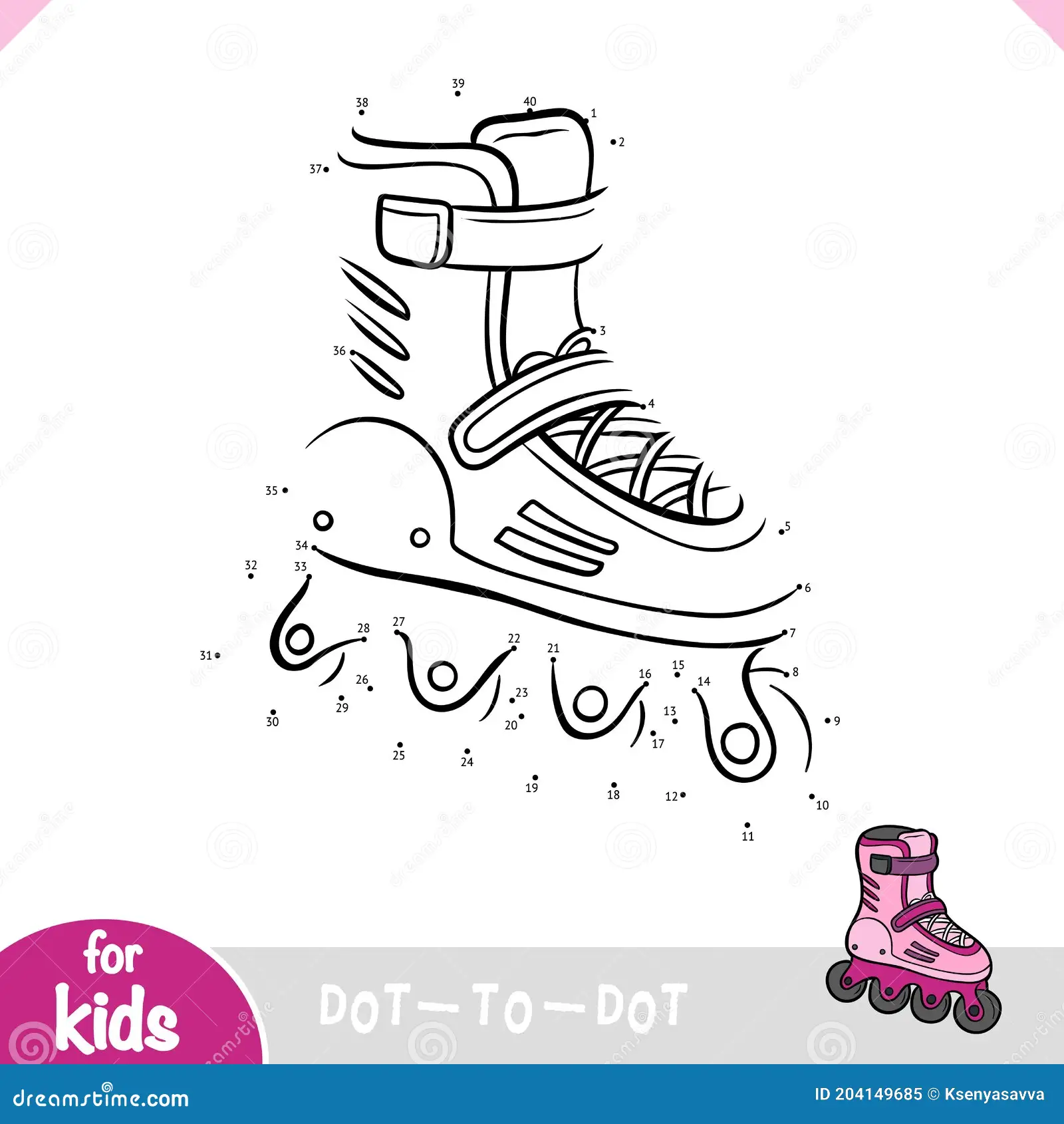
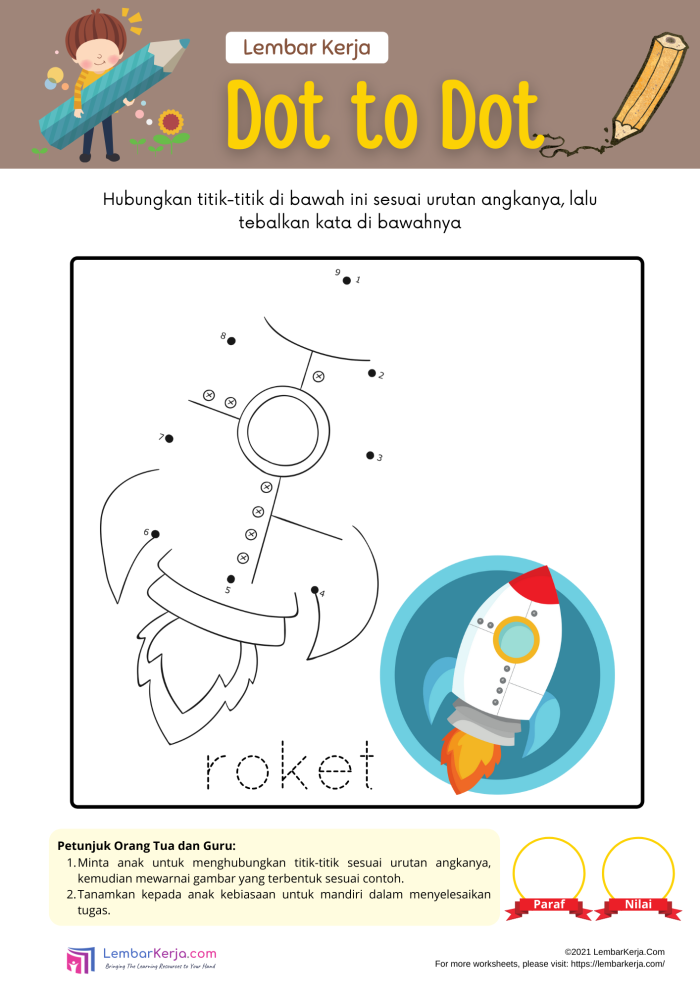
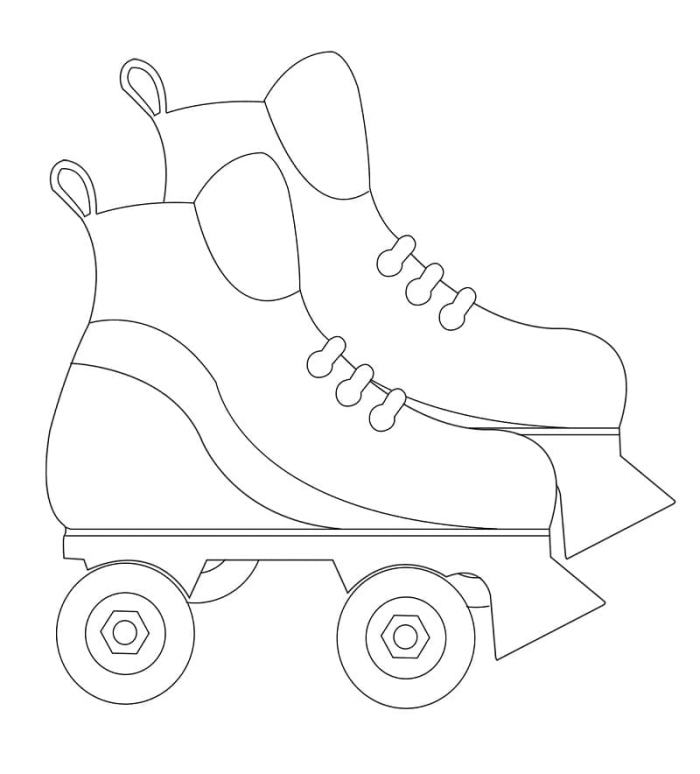
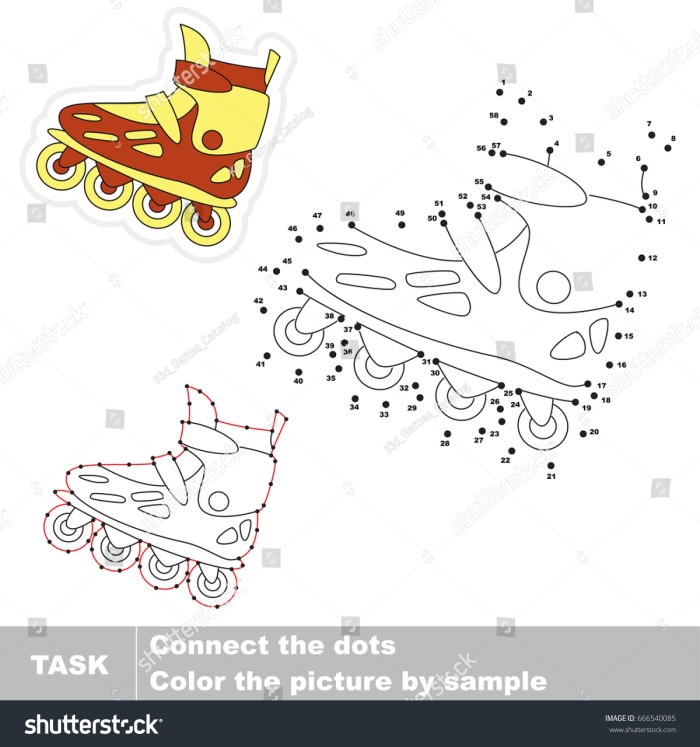
The secret is movement and play. Instead of drilling numbers in isolation, activities that combine motion with counting create natural momentum. A dot-to-dot roller skate worksheet does exactly this. Your child connects dots while counting from one to fifteen, and suddenly the numbers aren’t abstract anymore—they’re part of a picture they’re creating.
Why this approach works comes down to how young brains learn. Kindergarten students absorb information better when their hands are busy and their minds are engaged with a purpose. When they’re drawing lines between numbered dots to reveal a roller skate, they’re not thinking “I’m learning numbers.” They’re thinking “I’m making something cool.”
The progression matters too. Start with activities like writing and drawing numbers to build familiarity. Then move into connecting the dots with roller skate themes to reinforce sequence and order. Once your child feels confident, you can layer in graphing activities that use the same numbers in new ways.
The beauty of this method is that it removes the drag from learning. Your child glides through numbers one to fifteen naturally, without resistance. They’re having fun, building skills, and getting comfortable with counting—all at the same time.
Worksheet Practice Section