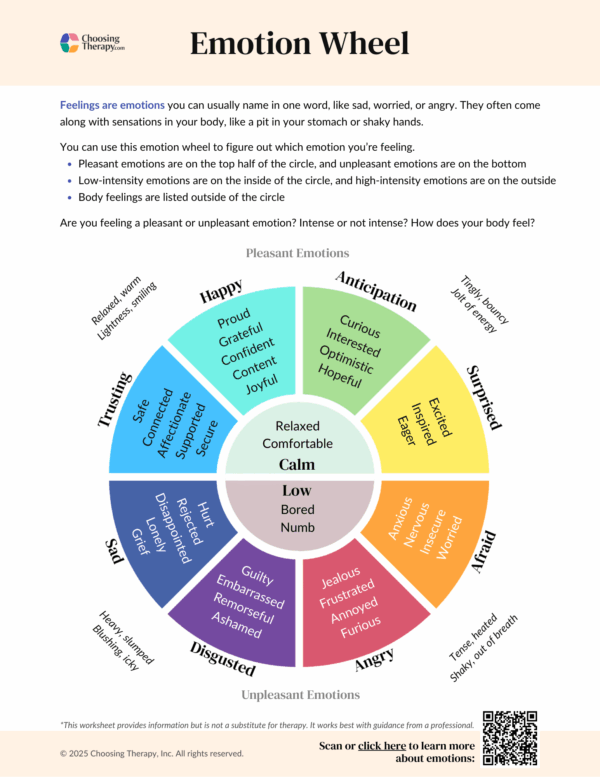
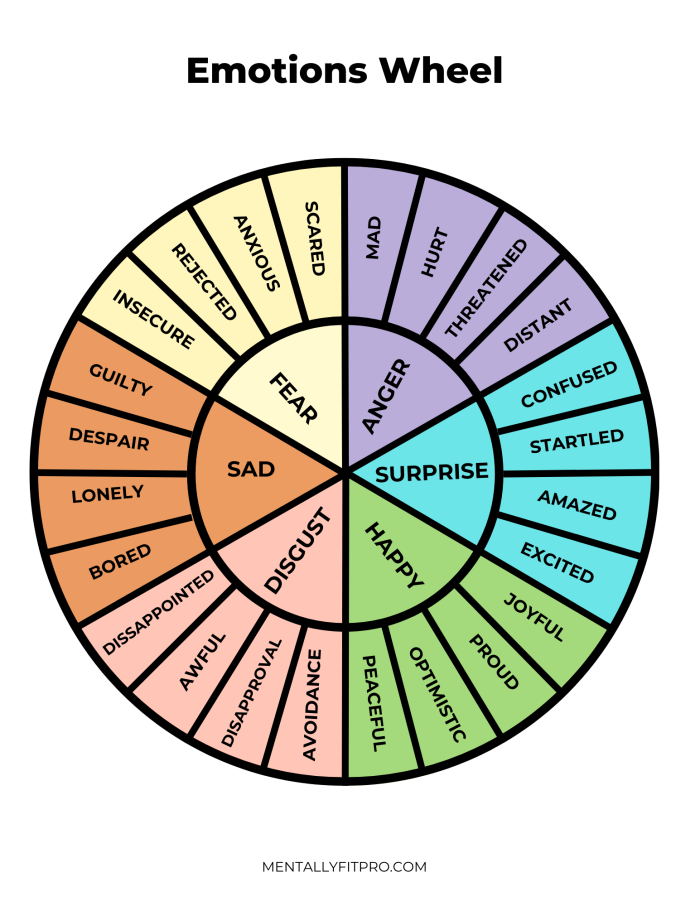
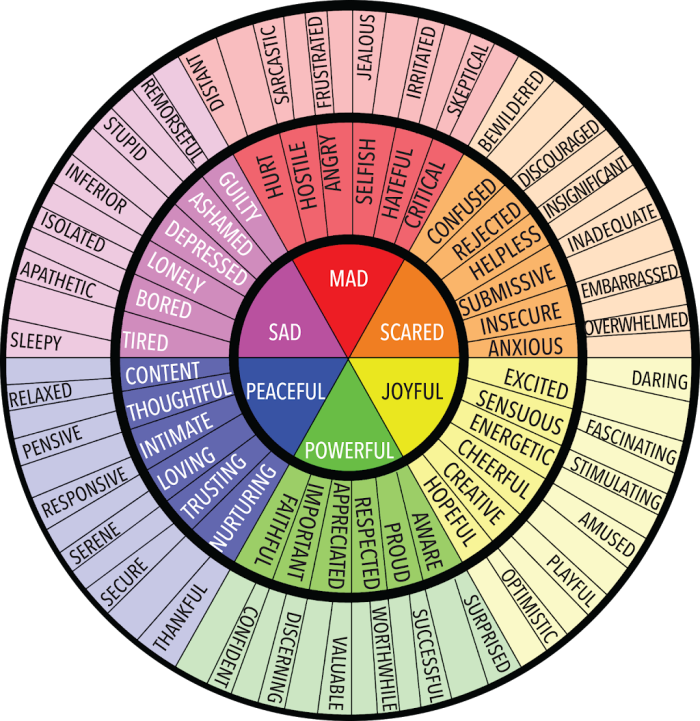
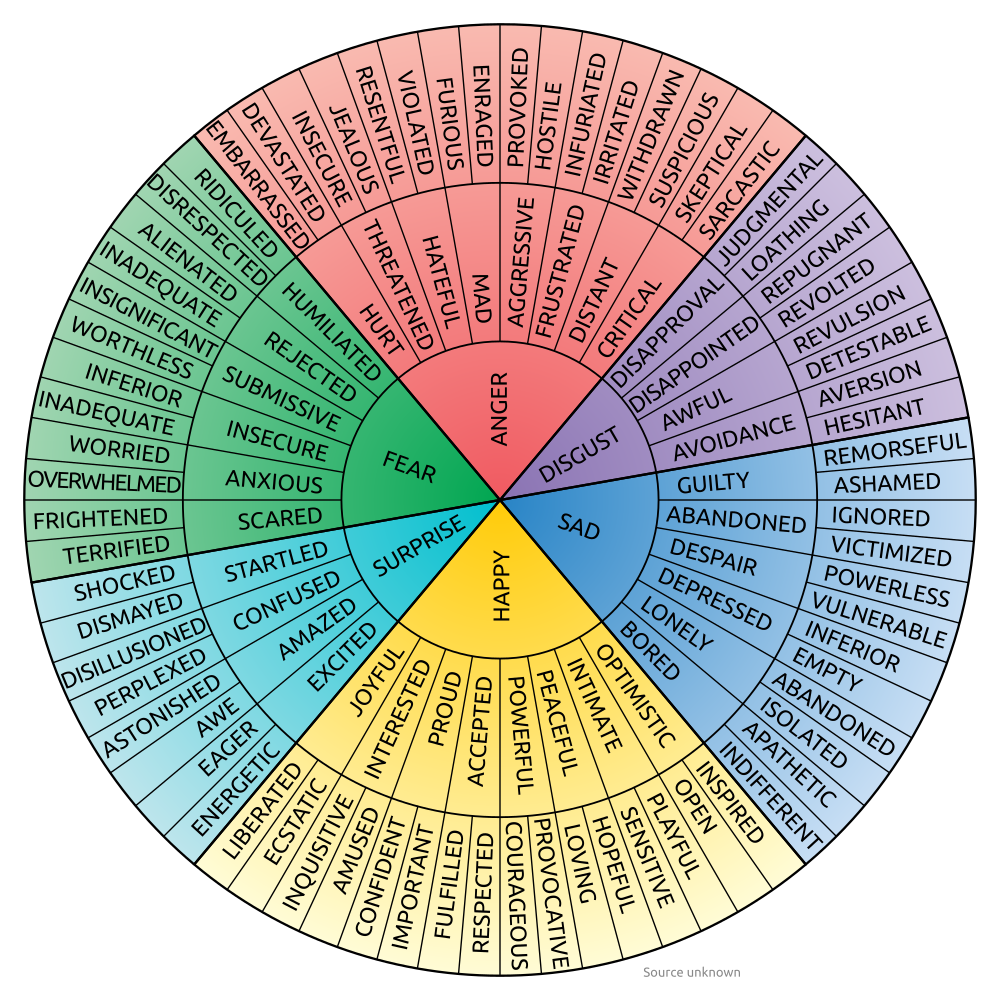
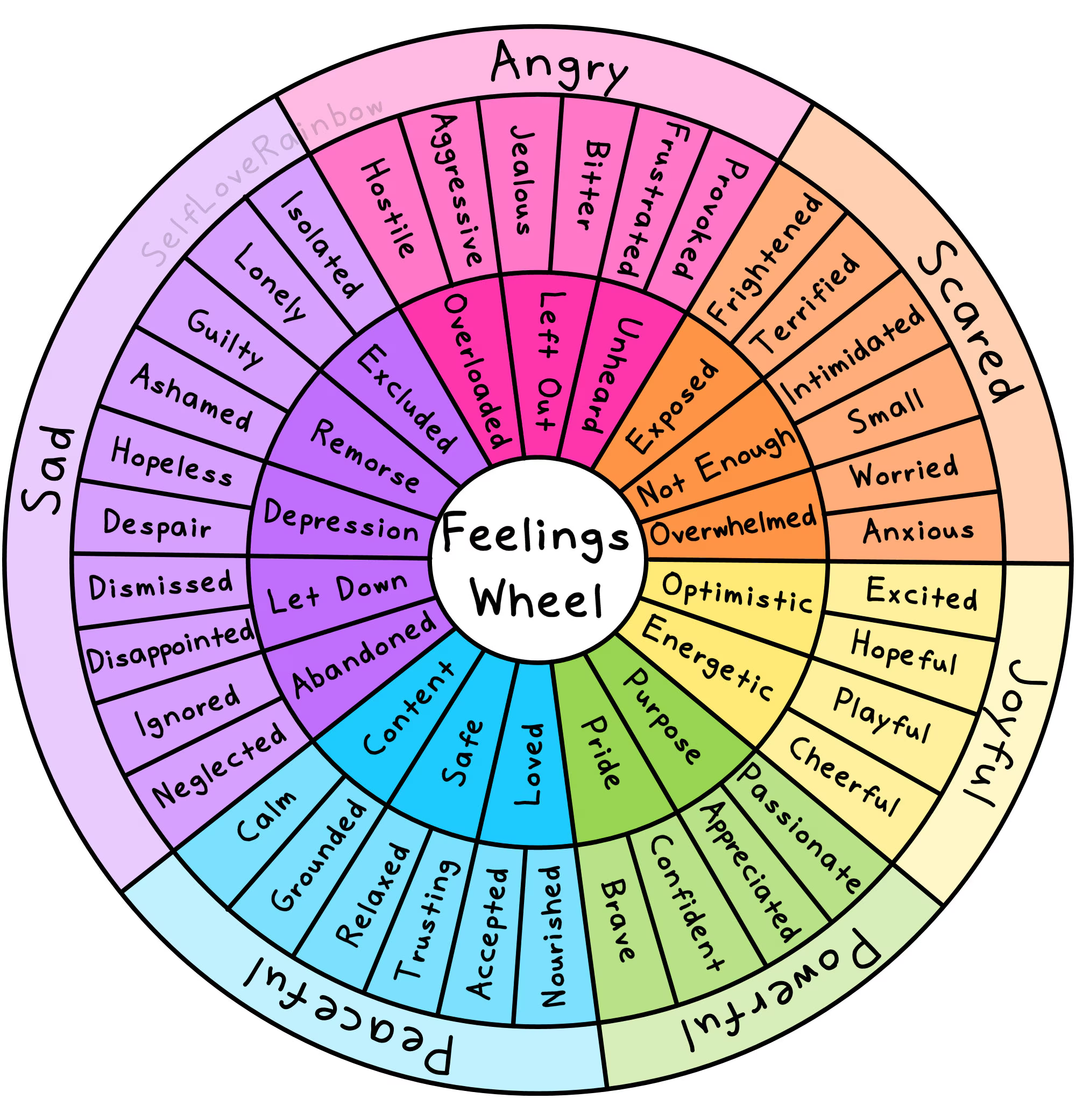
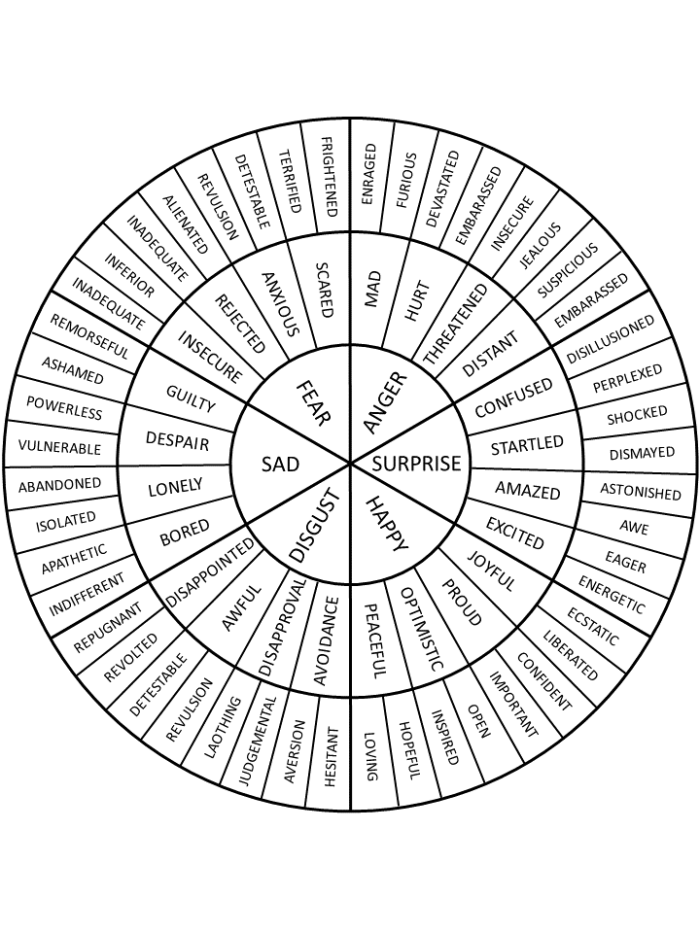
Helping your child understand their emotions can be a rewarding experience, and creating an emotions wheel is a fantastic way to facilitate this process. This engaging activity not only encourages emotional literacy but also fosters creativity. By reflecting on their feelings, children learn to articulate and express their emotions in a constructive manner.
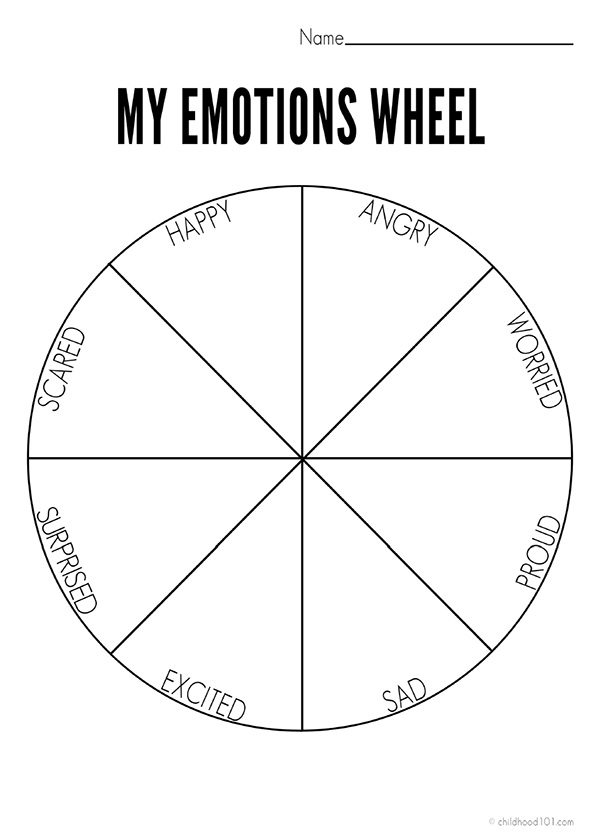
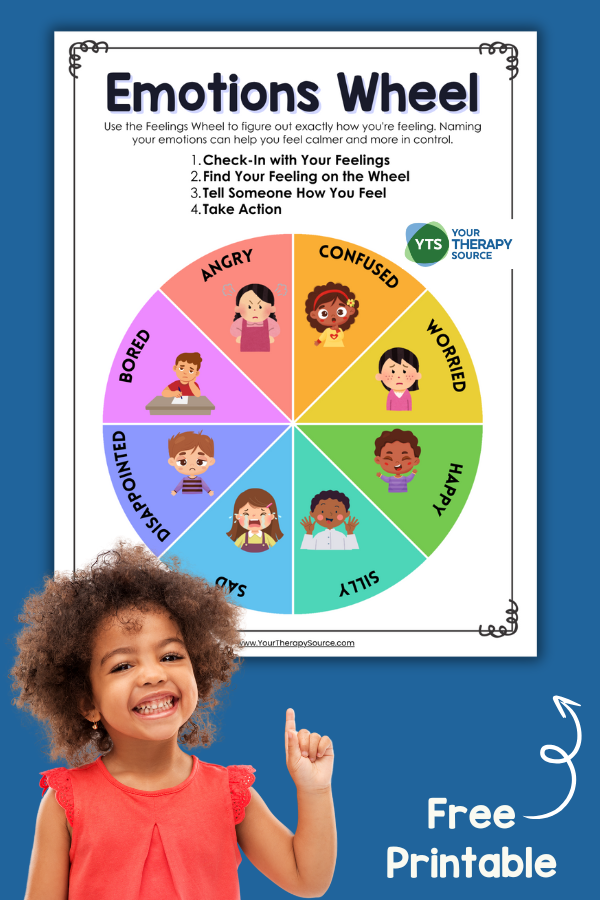
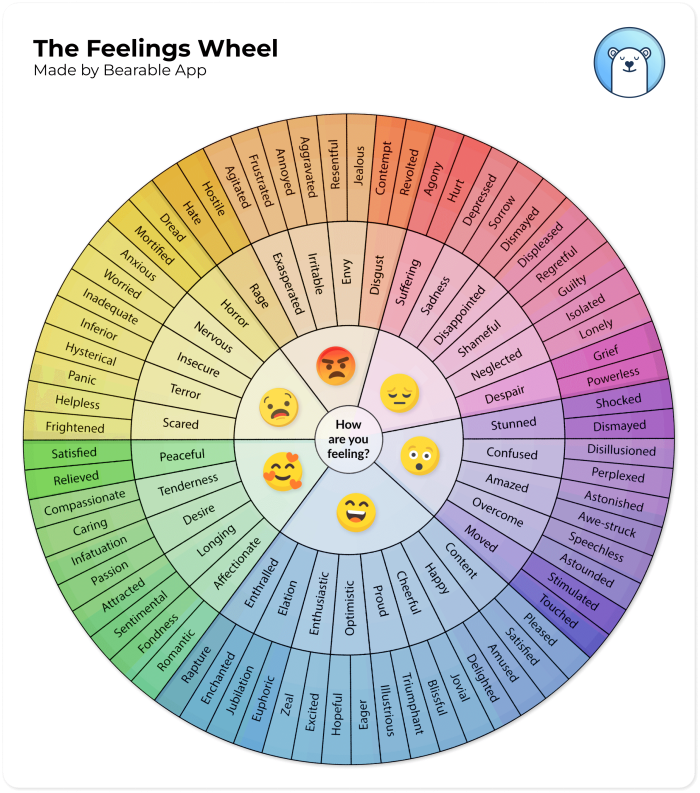
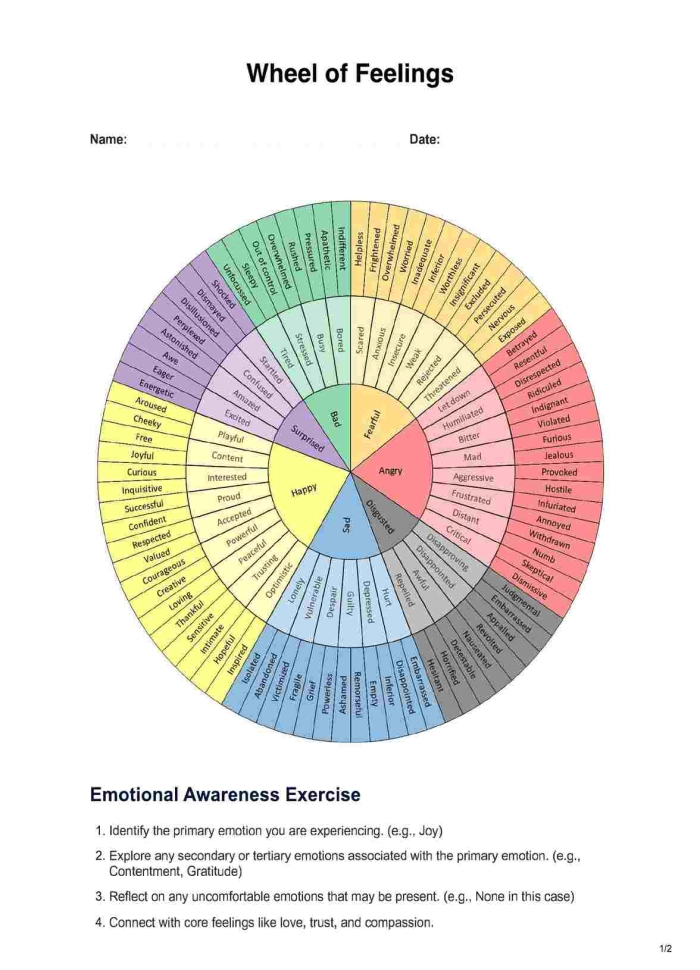
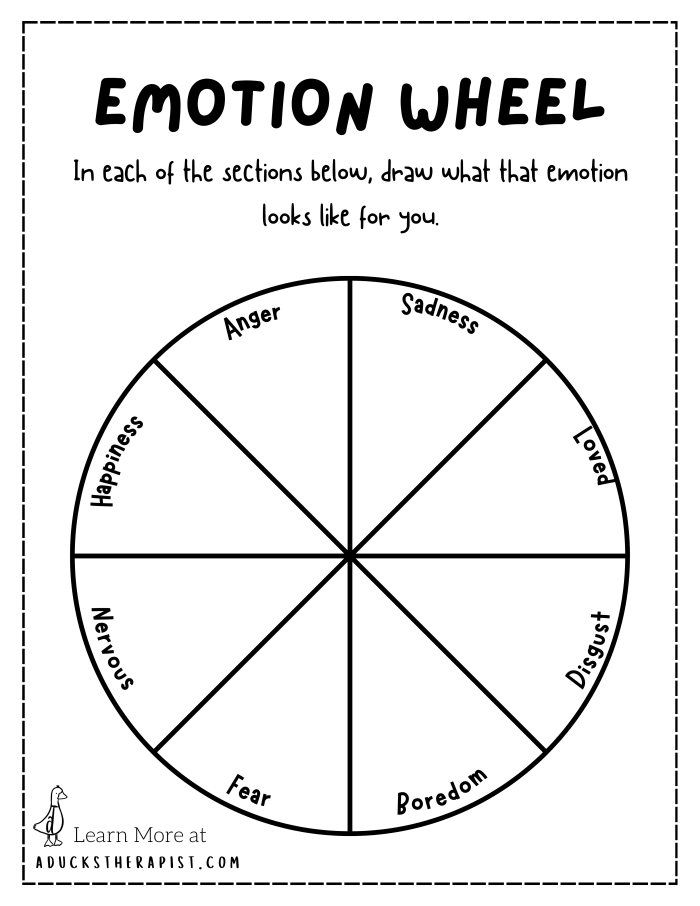
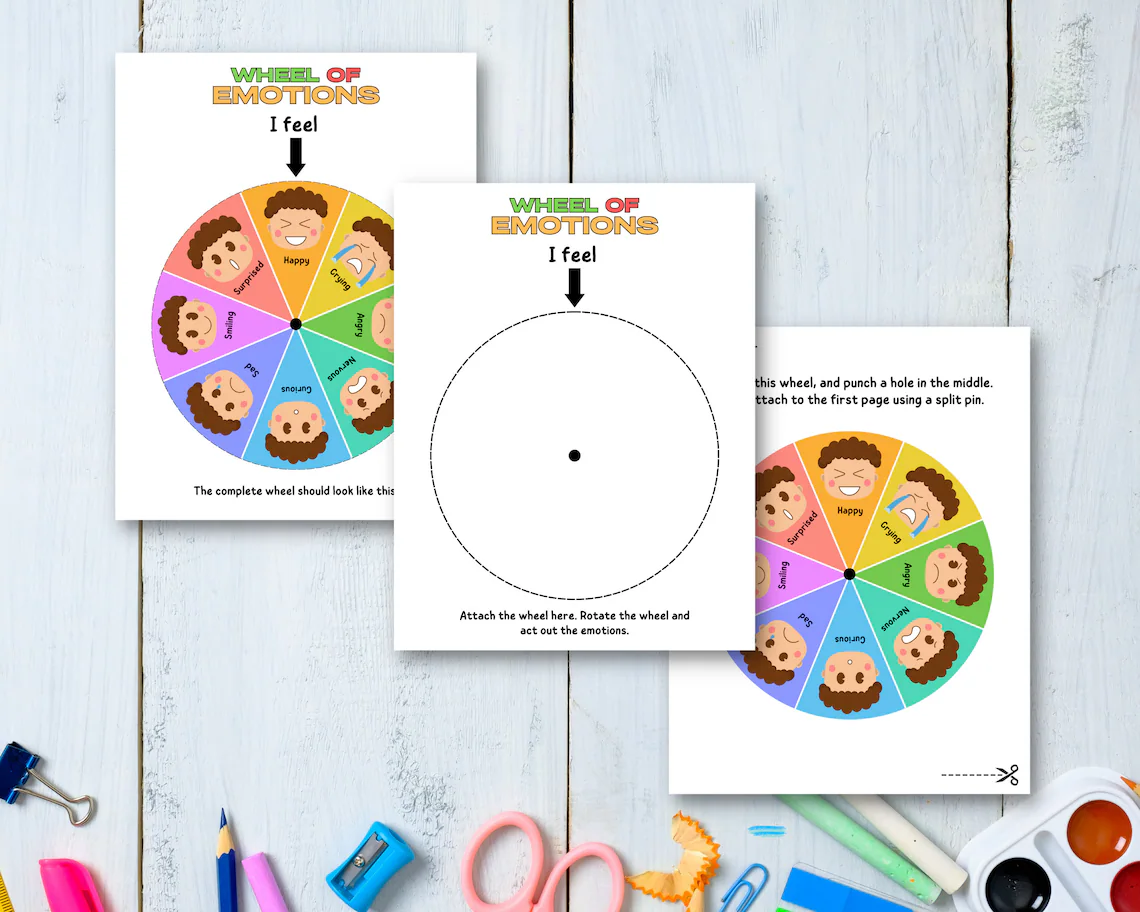
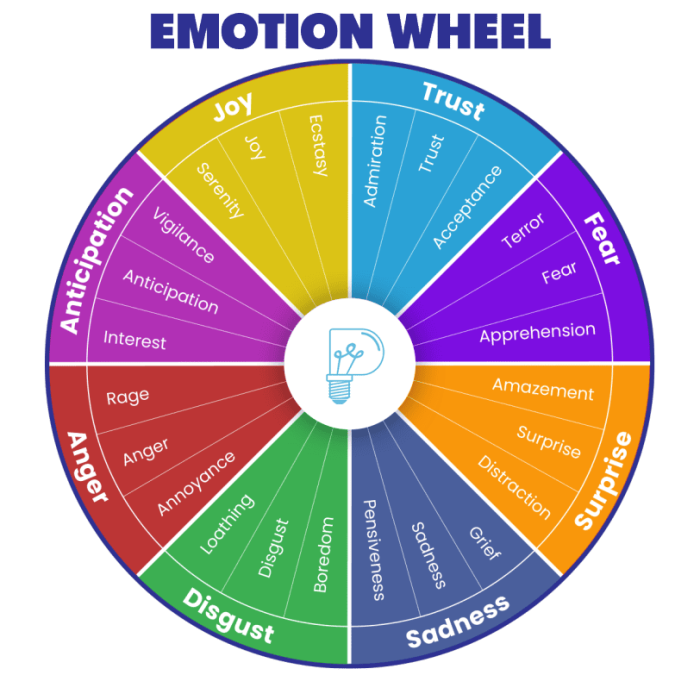
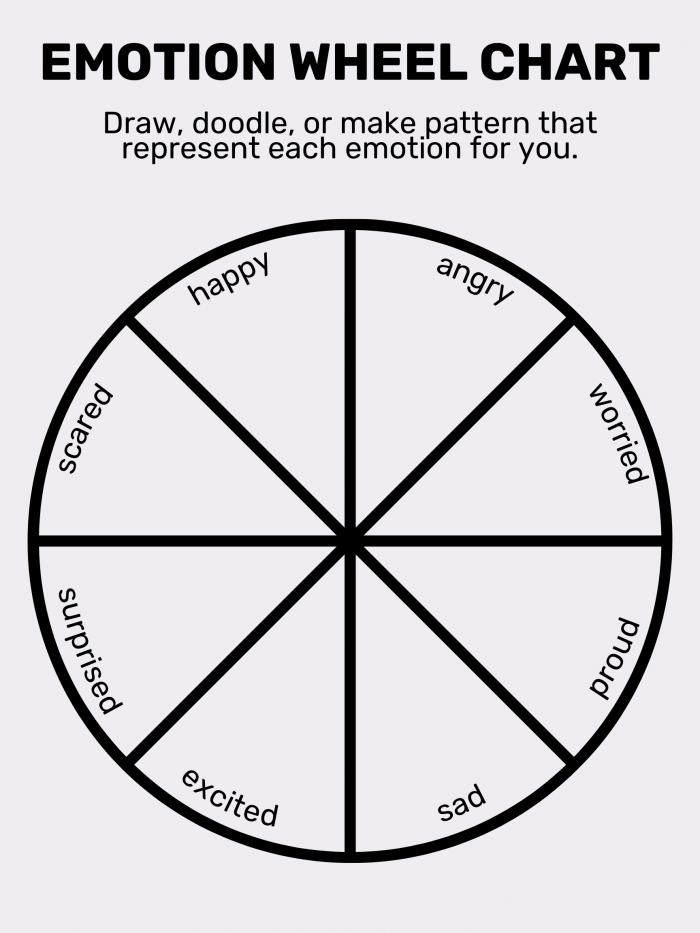
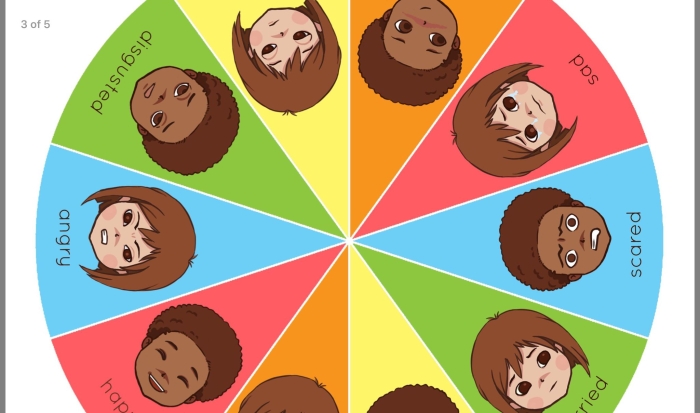
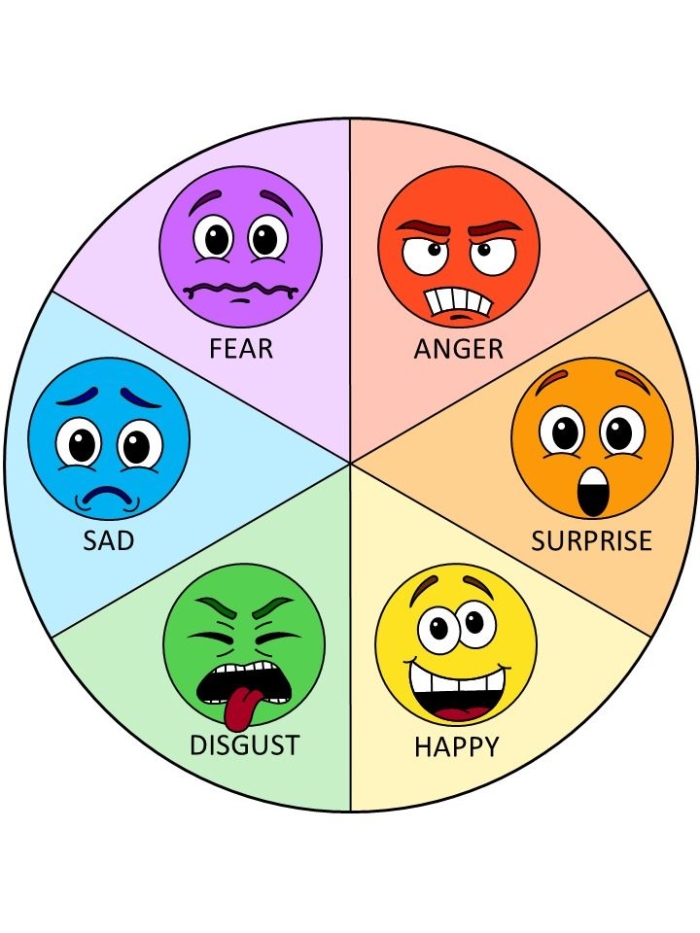
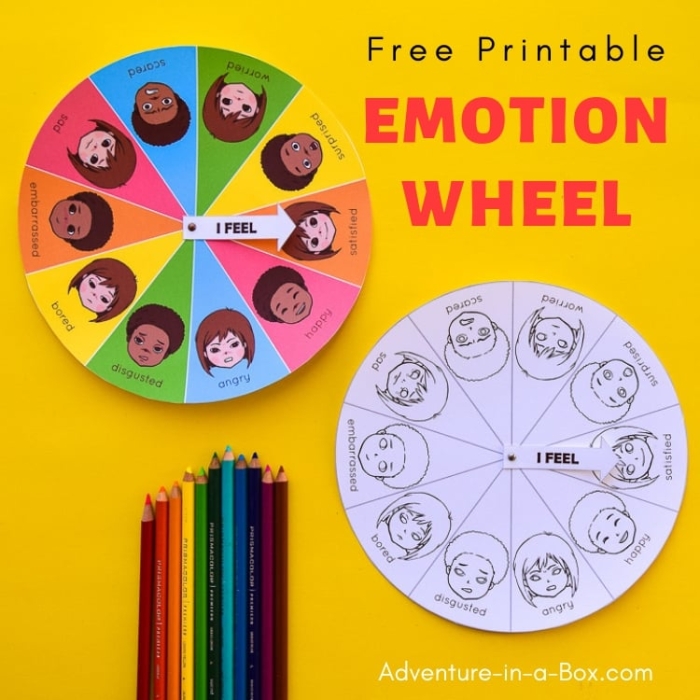
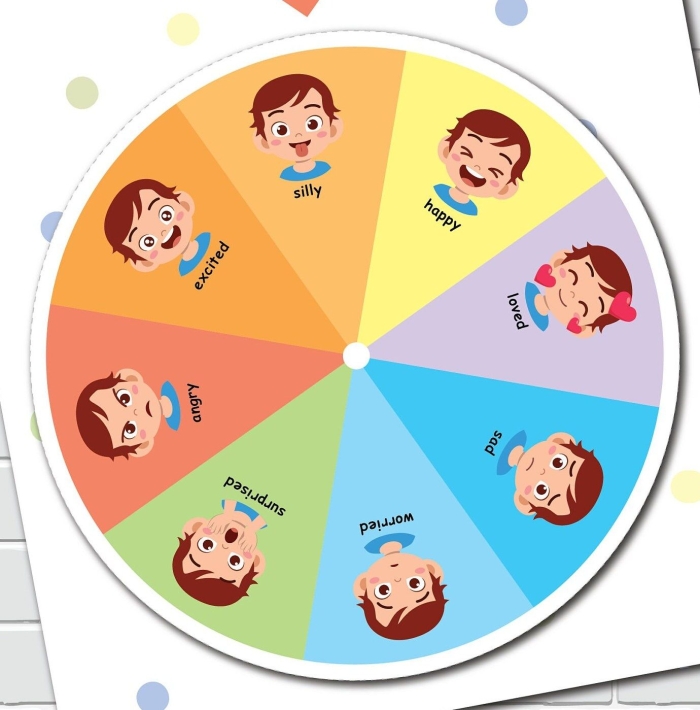
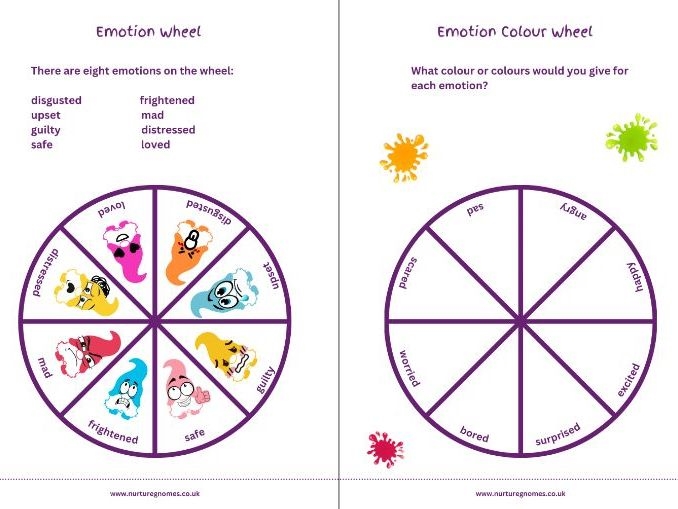
To begin, gather a printable emotions wheel worksheet that lists various emotions such as happiness, sadness, anger, and surprise. As your child examines the wheel, encourage them to think about moments when they have experienced each emotion. This reflection aids in identifying feelings that might otherwise be difficult to express. For instance, when they see “joy,” perhaps they remember a time they played with friends at the park, feeling a surge of happiness. Associating emotions with personal experiences helps solidify their understanding.
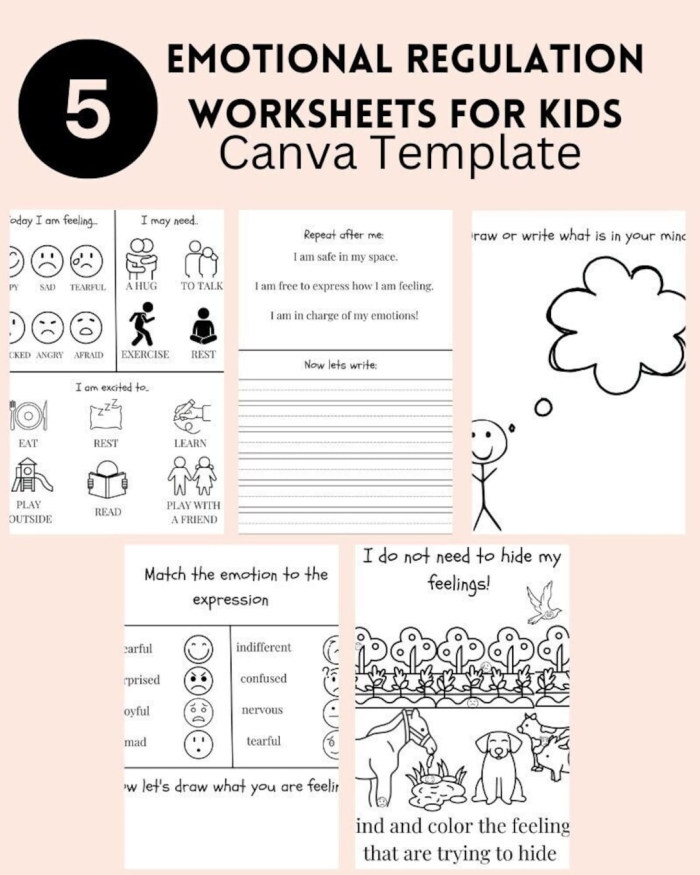
Once they have reflected on their emotions, the next step is to create drawings that illustrate these experiences. This artistic expression not only enhances their ability to communicate feelings but also makes the learning process fun. For example, they might draw a picture of their birthday party for joy, or a rainy day for sadness. These visual representations provide a tangible way for children to process their feelings, making the emotions wheel a valuable tool in emotional education.
By incorporating this activity into your child’s routine, you are giving them the tools to better understand their emotions. It is a simple yet effective method that can greatly benefit second graders as they navigate their feelings. For more resources, check out printable emotions wheel worksheets and other engaging activities designed for second-grade learners. These can be found at various educational sites, including Luminaworksheets, where you can explore additional worksheets that focus on emotions, addition, and more.
Hands-On Worksheet Activities