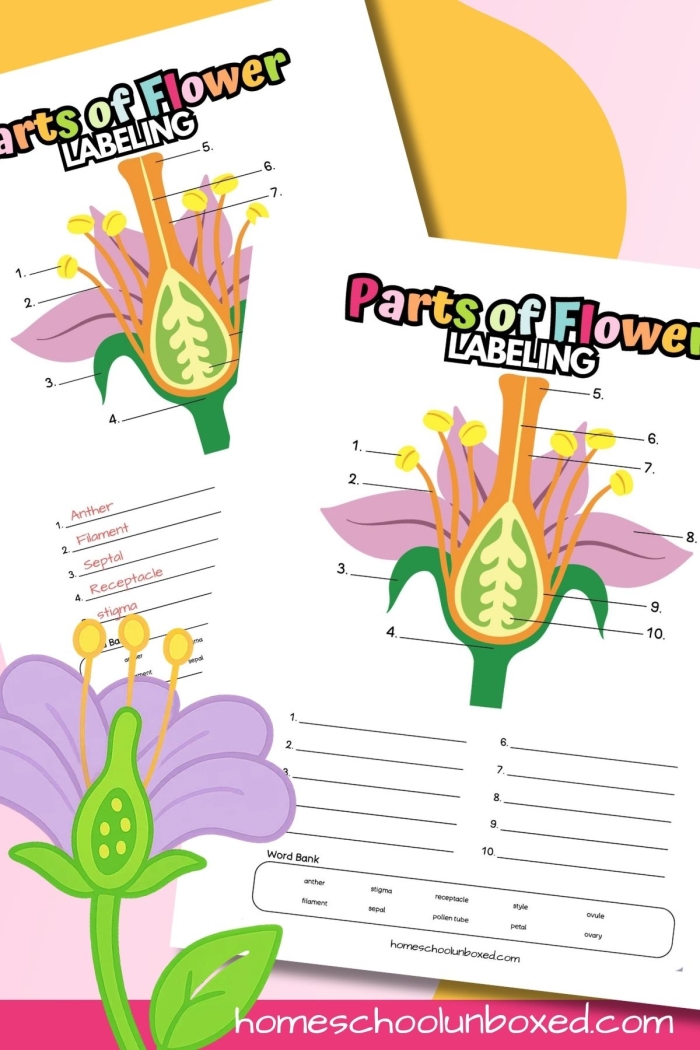
Roses are red, violets are blue, and flowers come with parts that are fascinating to view. Understanding the anatomy of a flower can spark a child’s curiosity and deepen their appreciation for nature. Let’s explore this topic and see how a simple worksheet can make learning engaging for fourth graders.
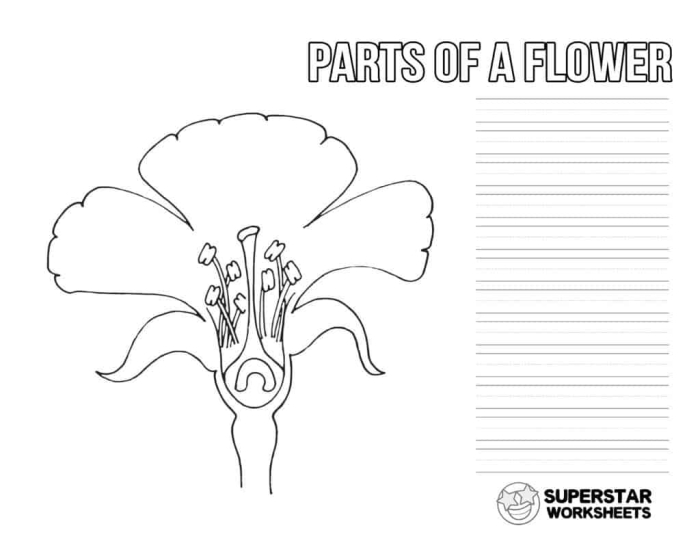
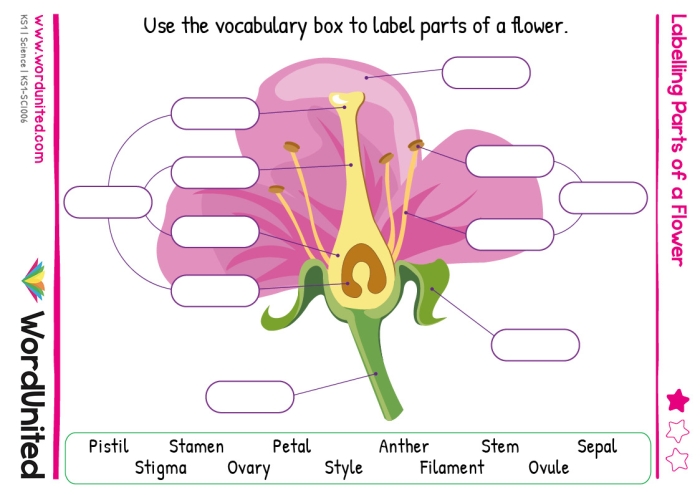
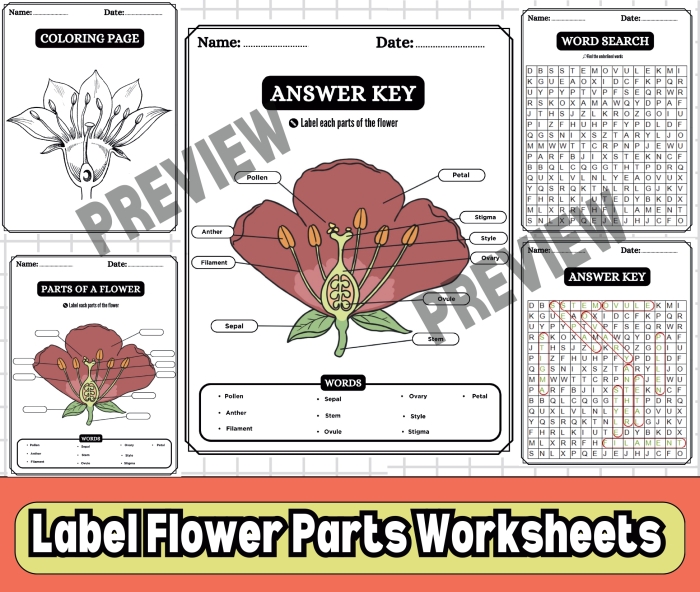
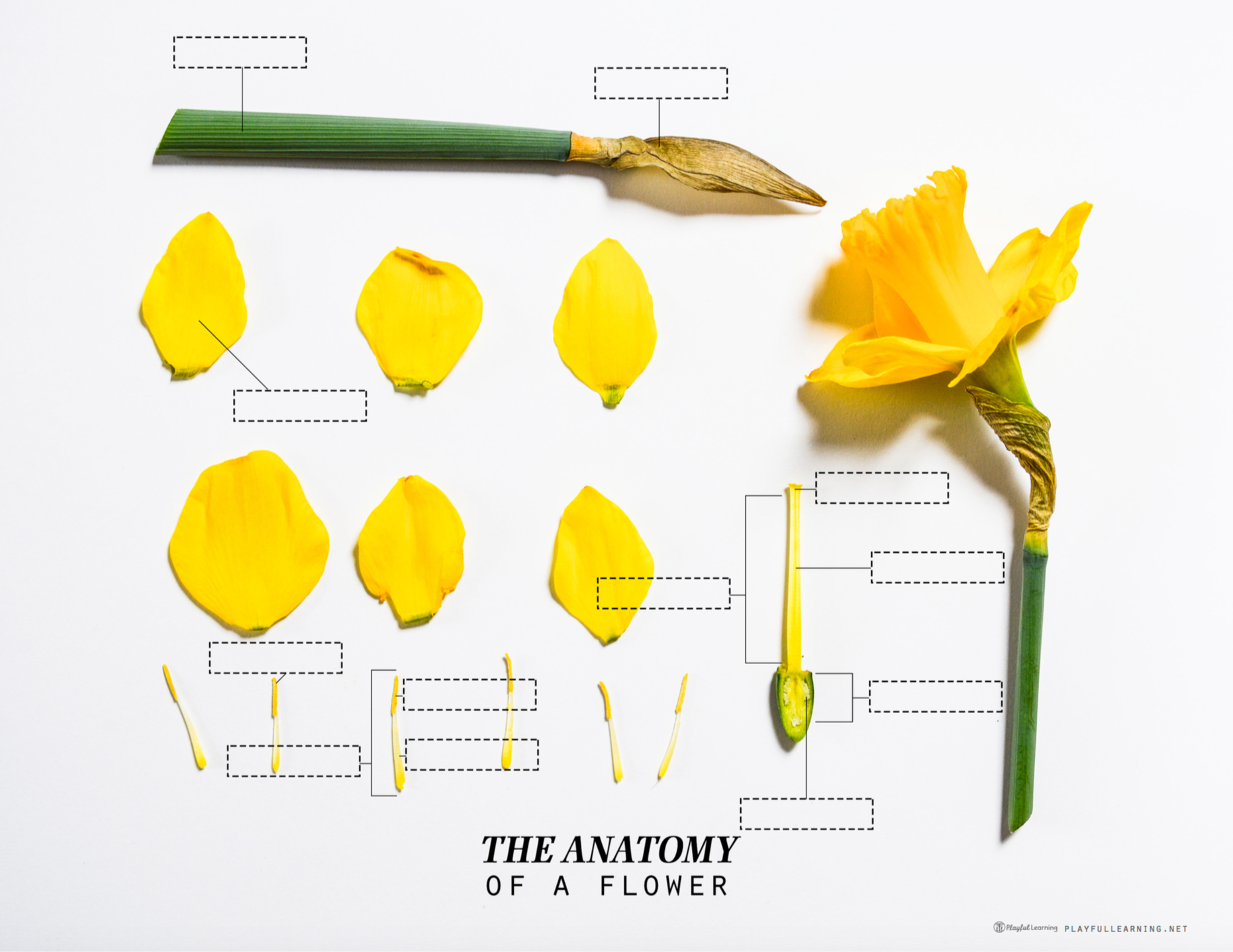
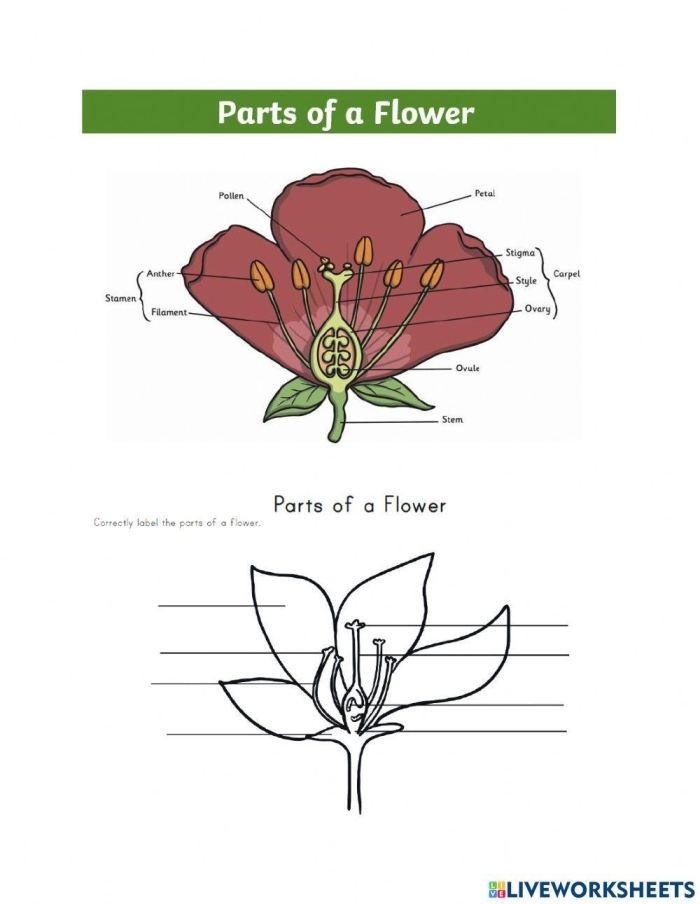
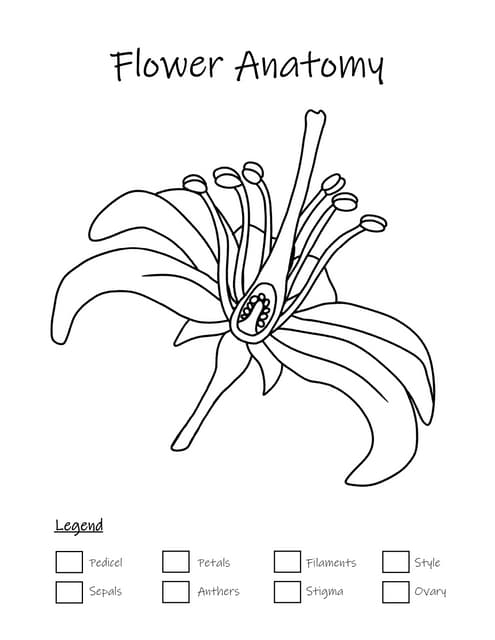
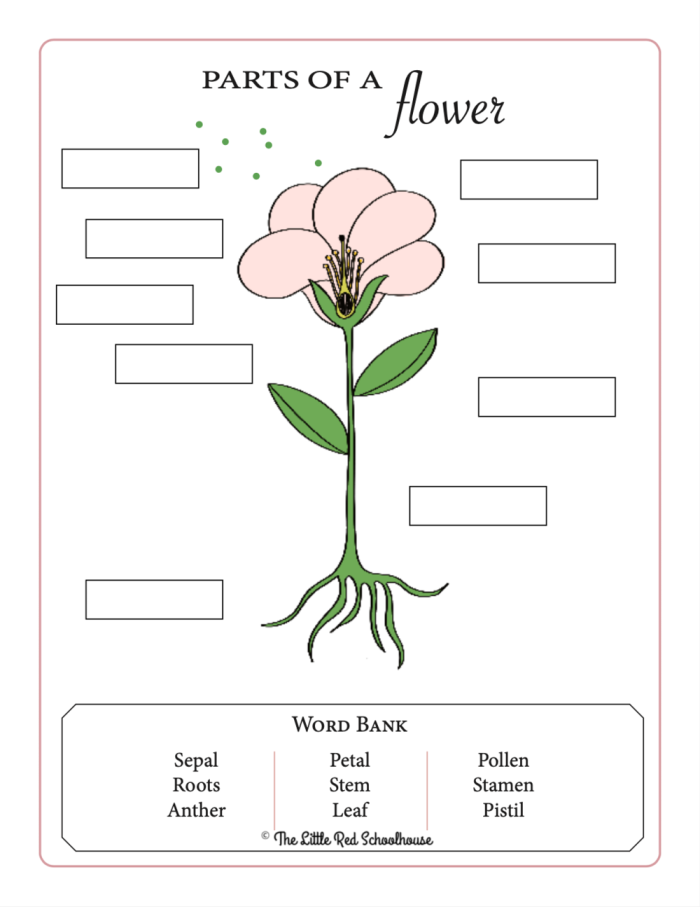
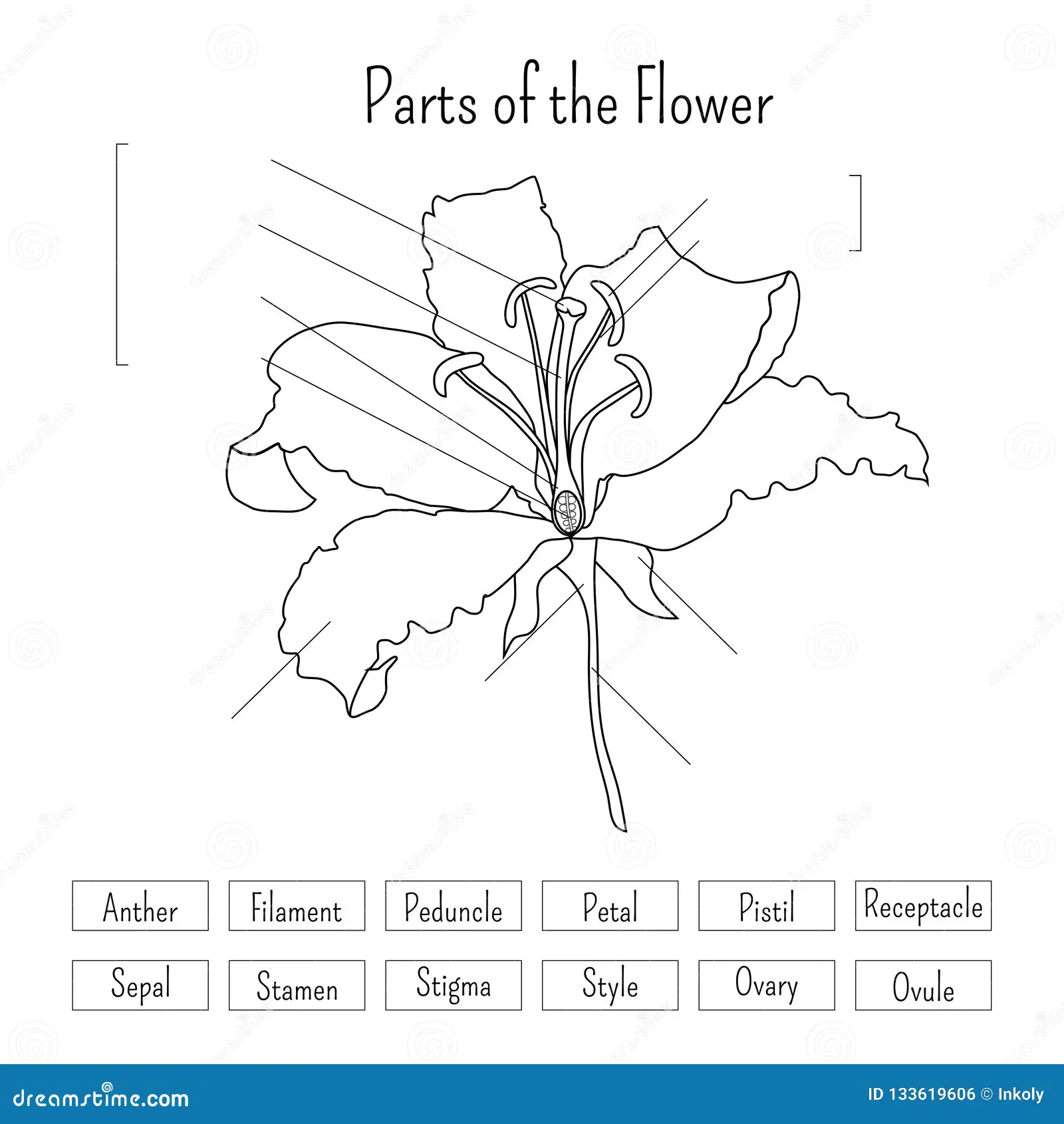
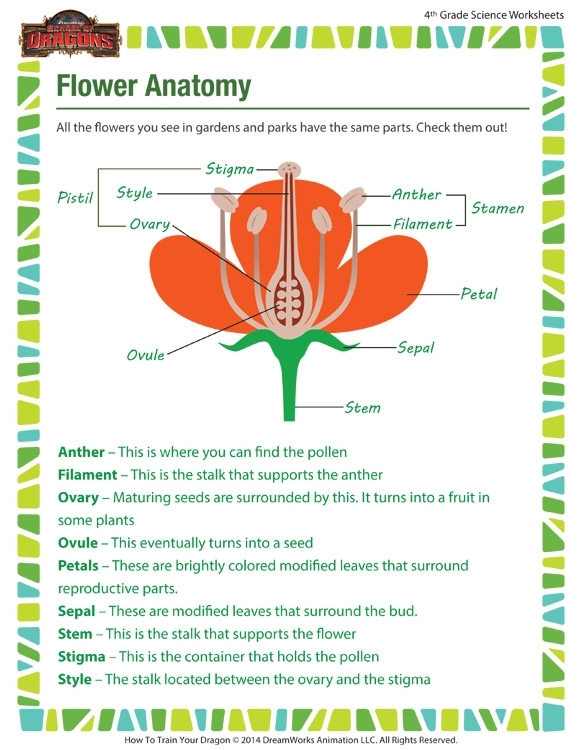
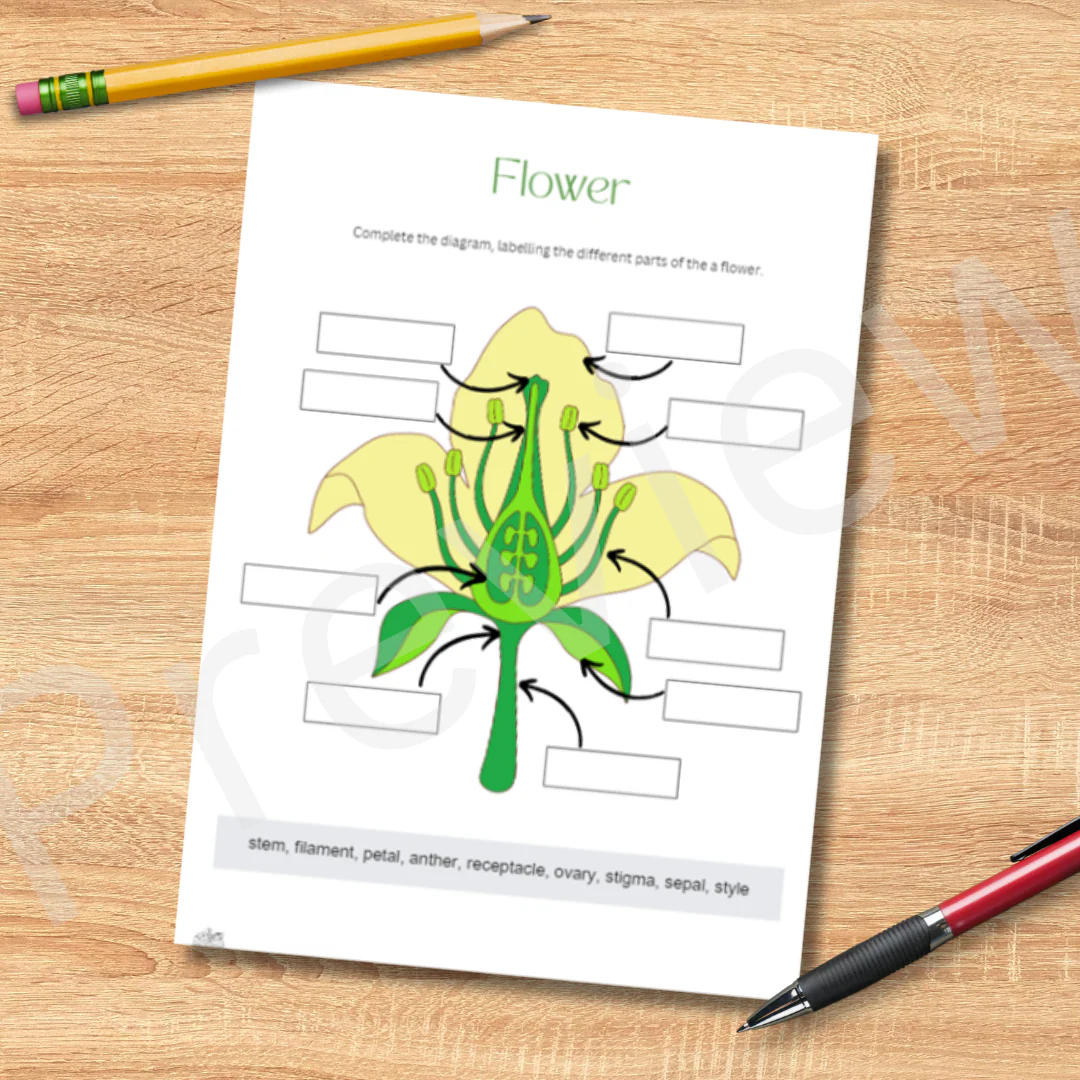
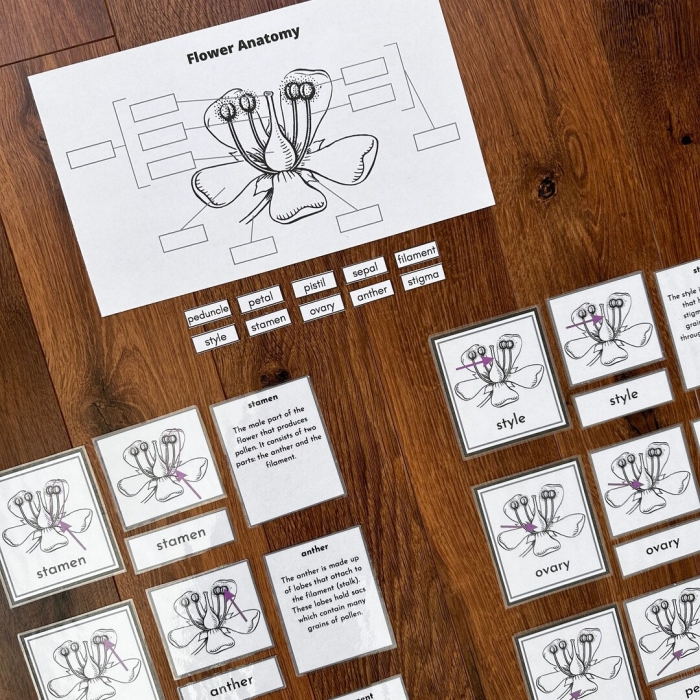
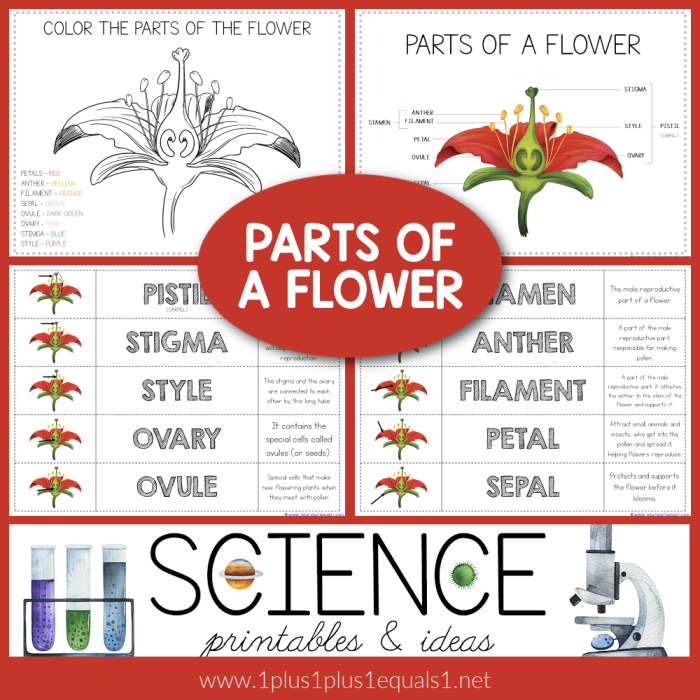
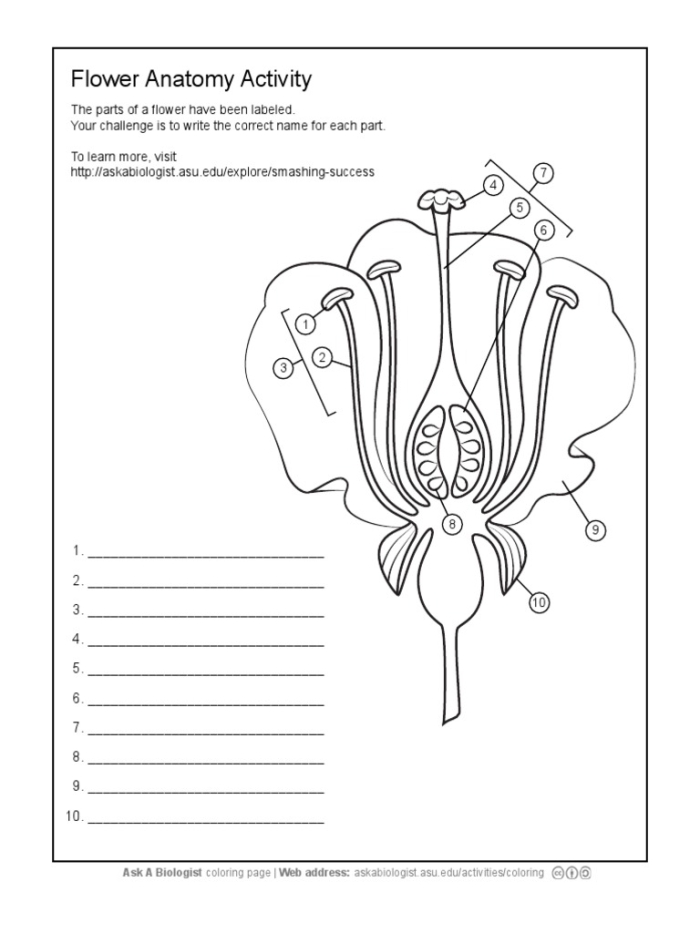
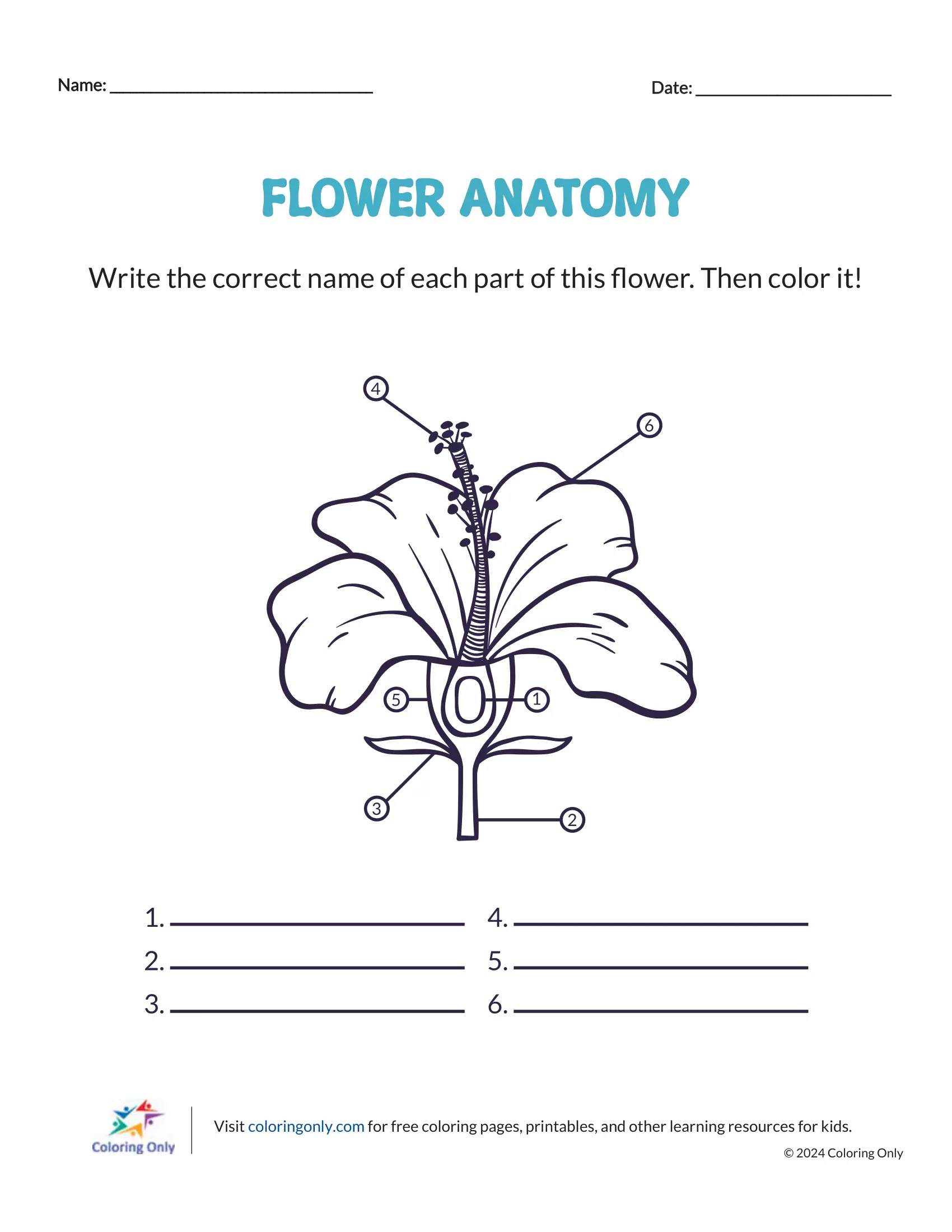
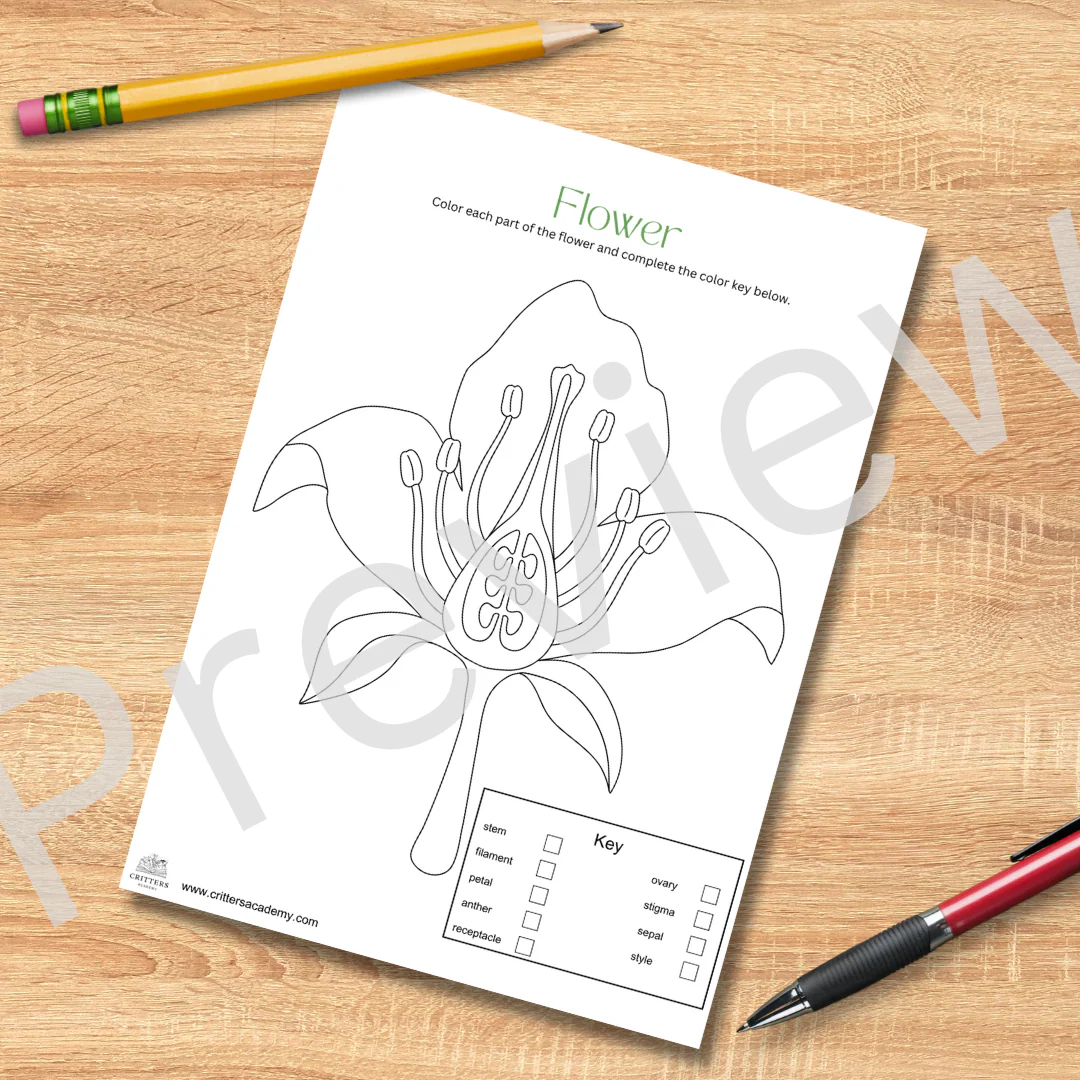
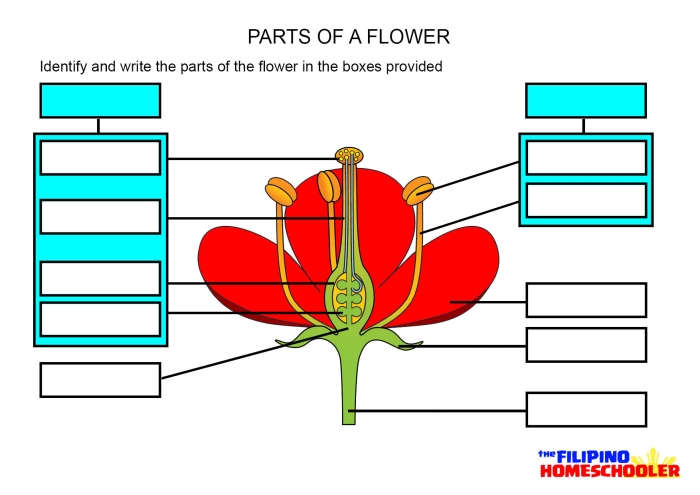
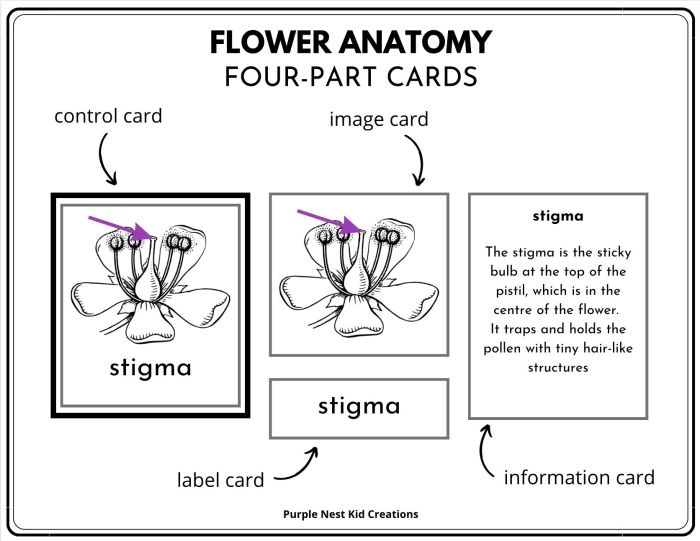
Every flower, regardless of its color or type, has a unique structure that serves important functions. The main components include the petals, sepals, stamens, and pistils. Petals are often brightly colored, attracting pollinators like bees and butterflies. Sepals, on the other hand, protect the flower bud before it blooms. The stamens, which are the male reproductive parts, produce pollen, while the pistil is the female part that houses the ovary.
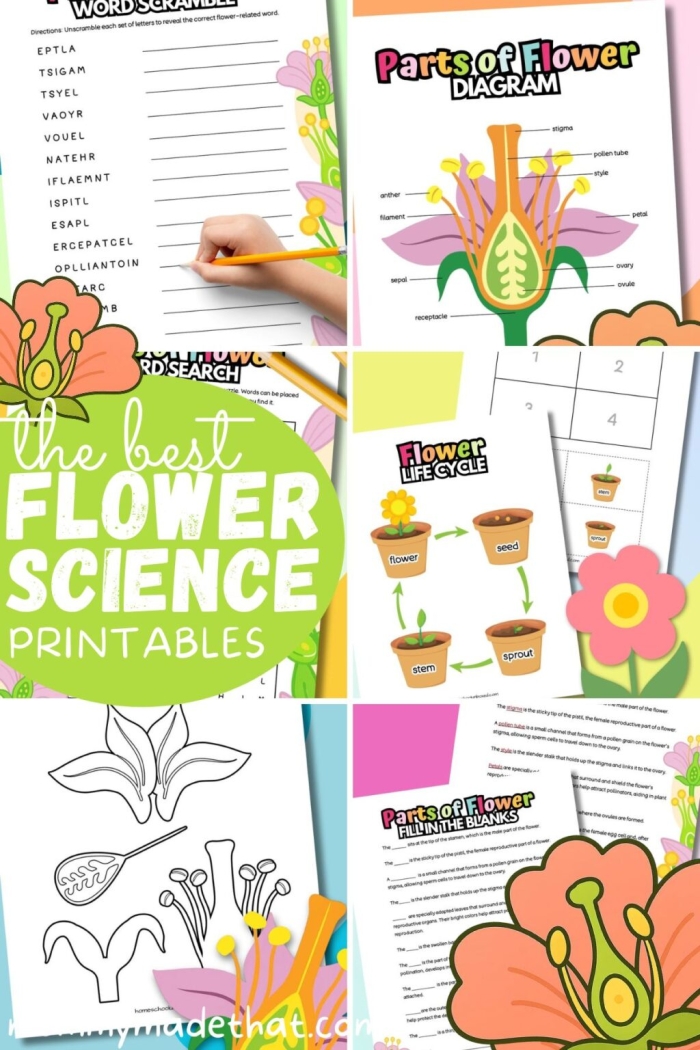
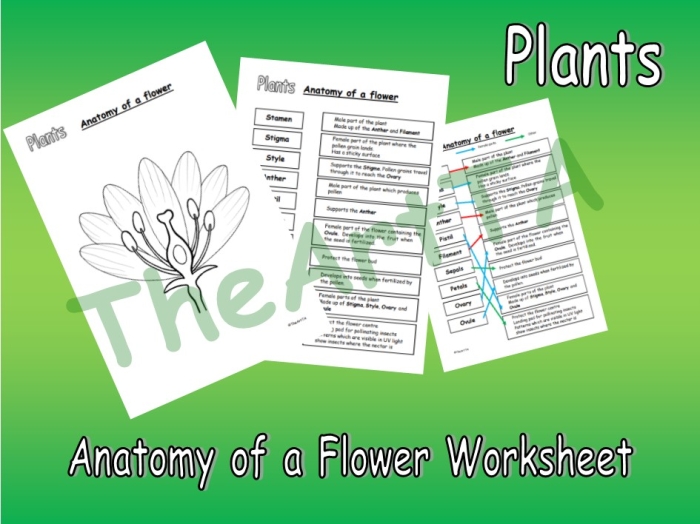
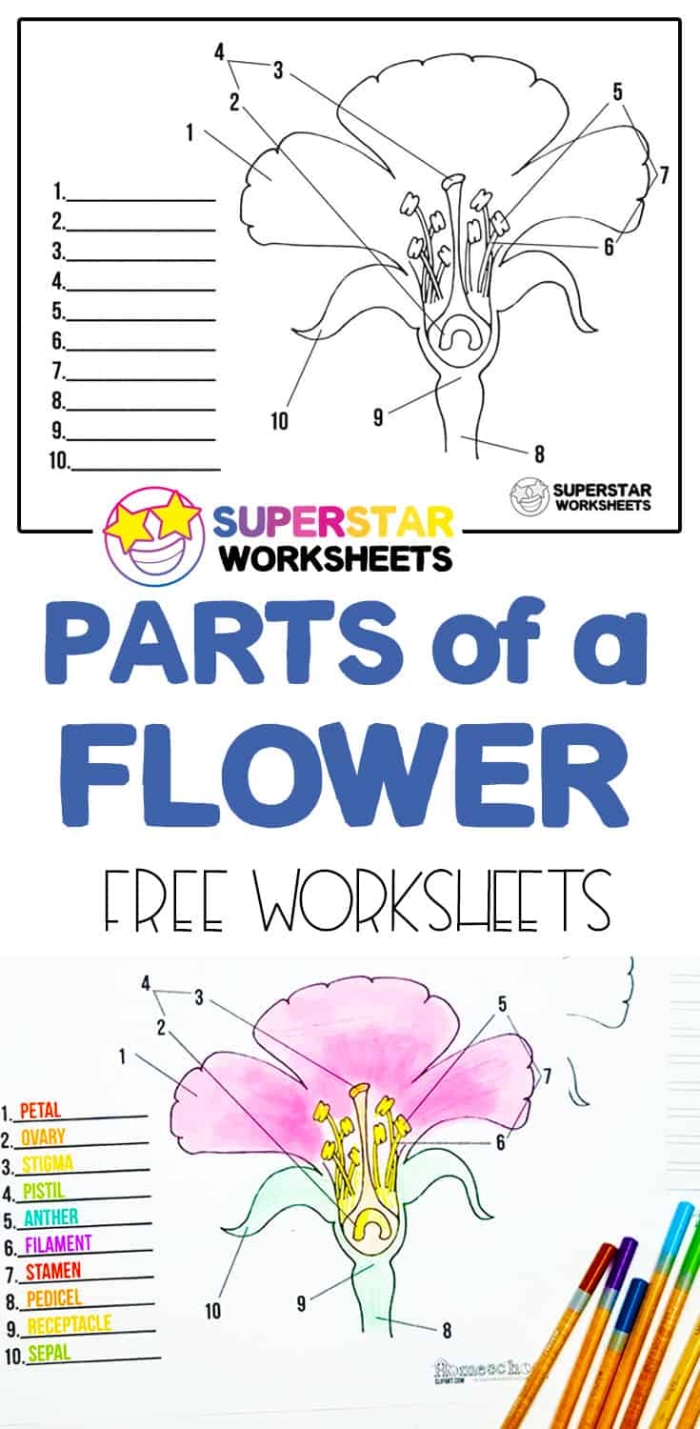
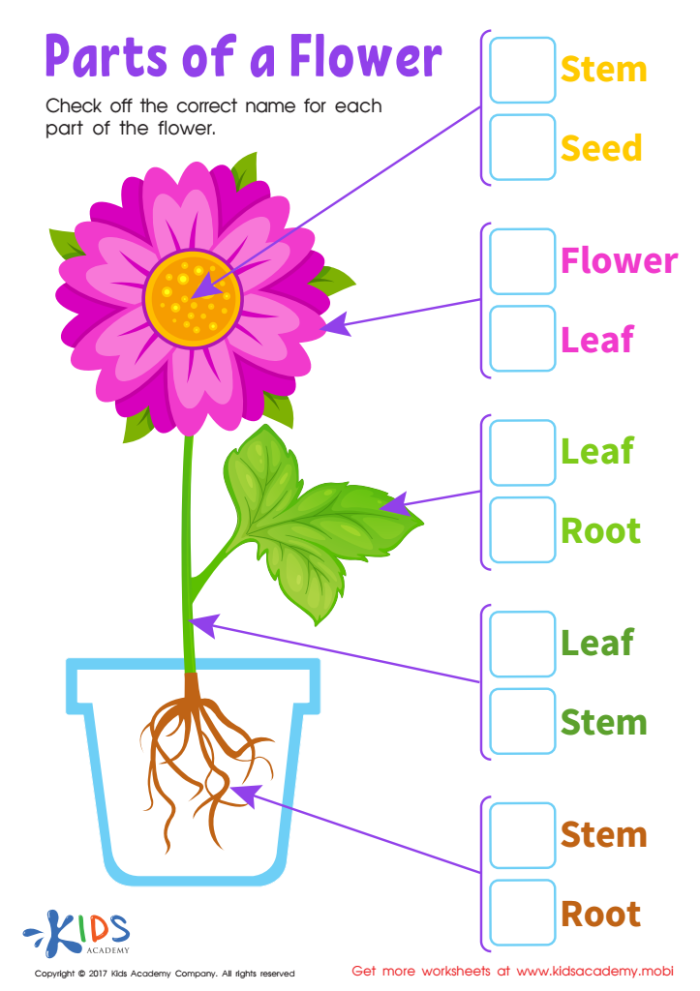
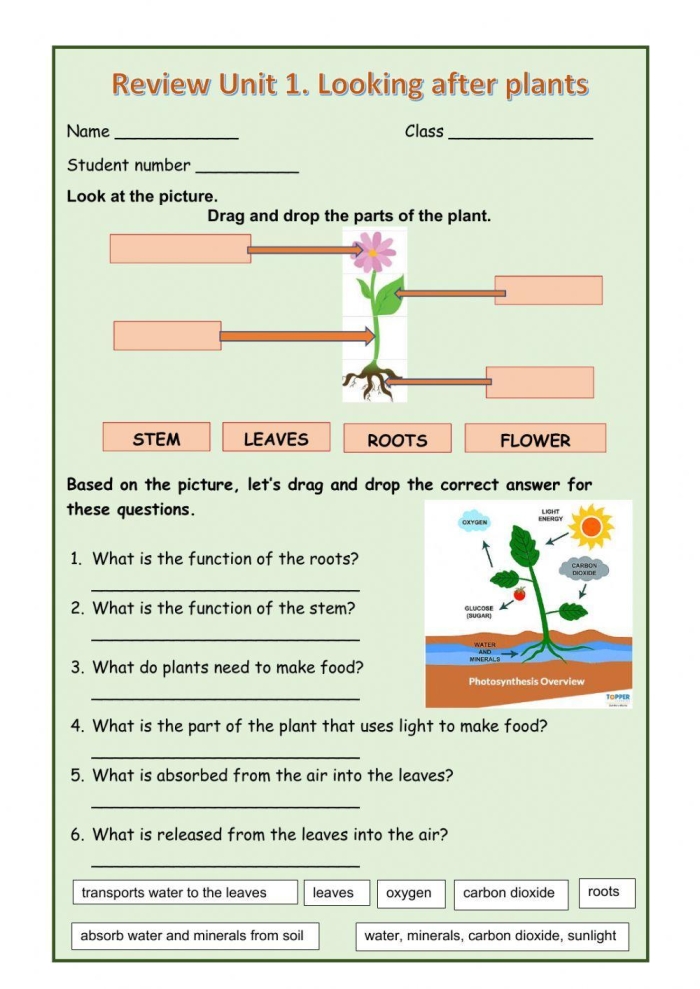
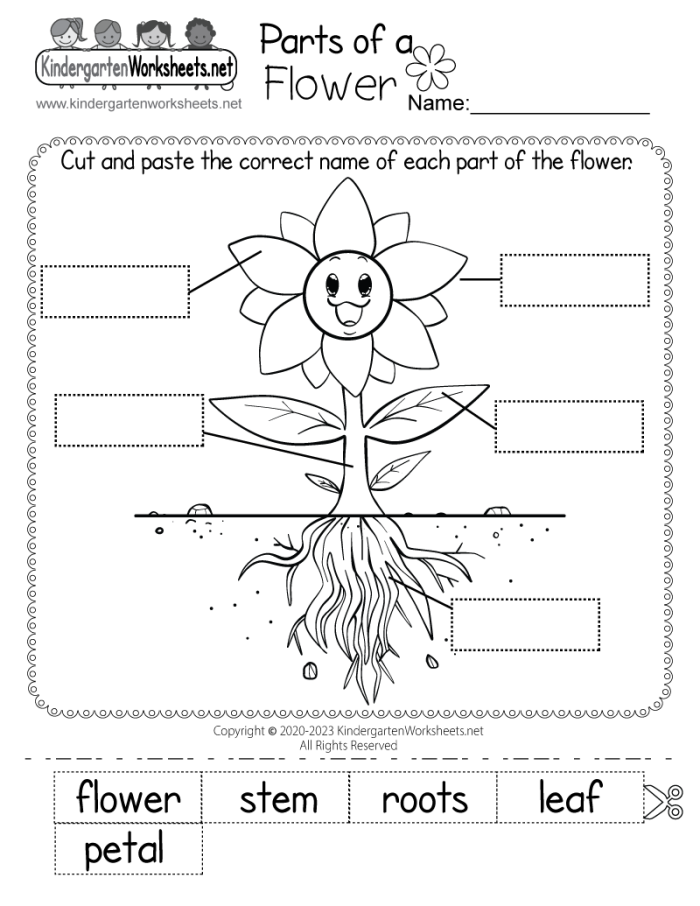
To help students grasp these concepts, utilizing a worksheet on flower anatomy can be incredibly beneficial. These printable worksheets can provide visual aids and interactive elements that reinforce learning. For instance, students can label parts of a flower, match terms with definitions, or even draw their favorite flower while identifying its components.
By engaging with these activities, children not only learn about flower anatomy but also develop critical thinking skills. Understanding how flowers reproduce and their role in the ecosystem can open up discussions about biodiversity and environmental stewardship. This is a wonderful opportunity for teachers to incorporate lessons on grammar and mechanics, as students can write descriptive sentences about flowers, using correct punctuation and structure.
Encouraging students to explore the natural world around them can lead to a deeper understanding of science and language. So, as the poem suggests, let’s all take a moment to appreciate flowers. With the right resources, such as anatomy worksheets, learning can be both fun and educational for fourth graders.
Hands-On Worksheet Activities