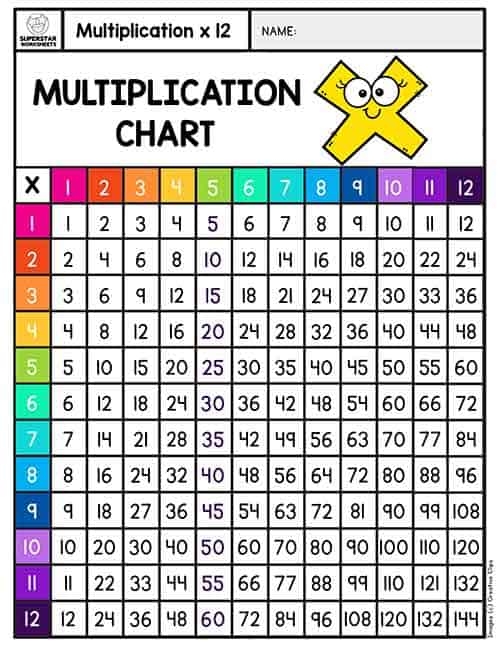
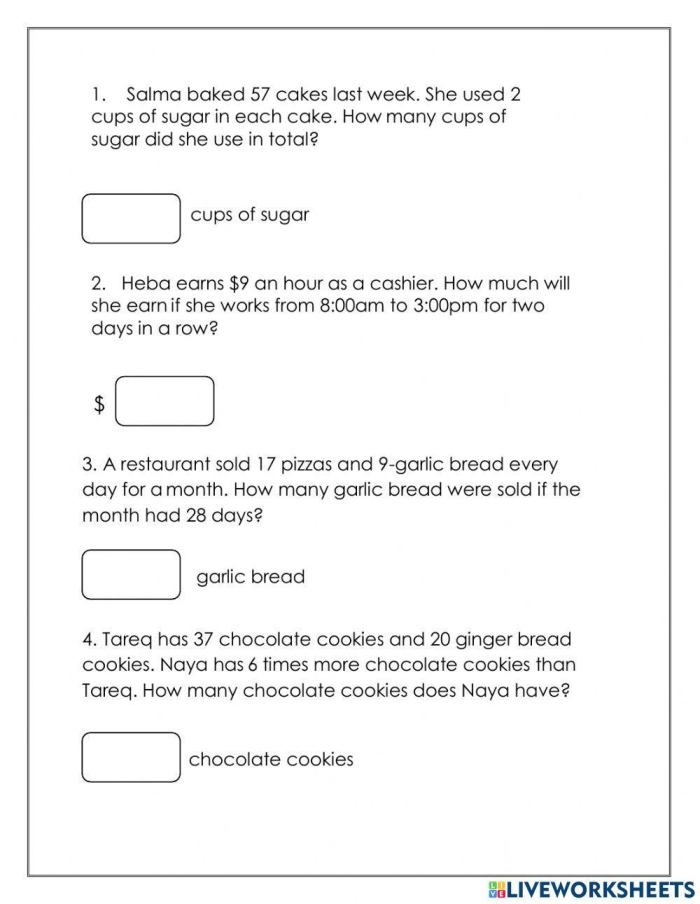
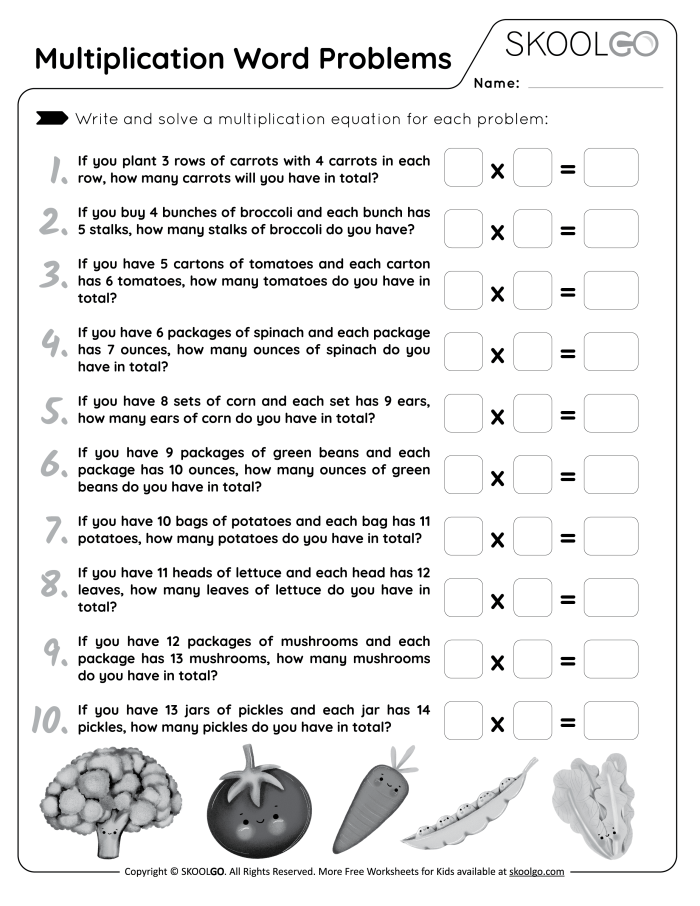
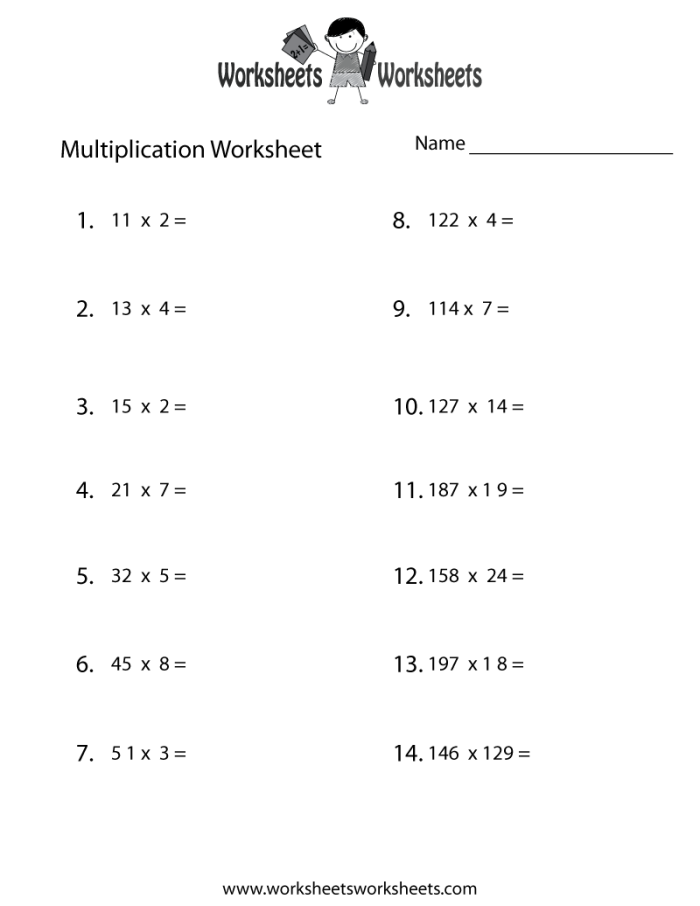
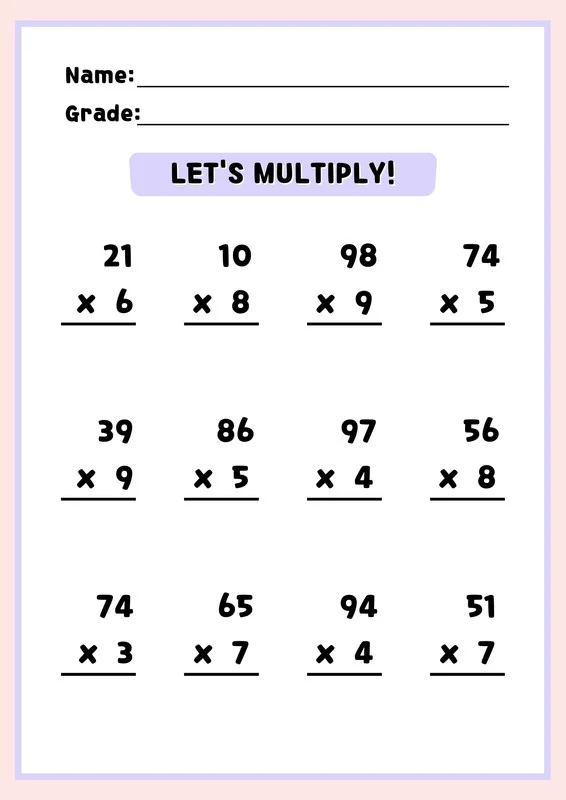
Multiplication can be a daunting concept for many children, especially when they encounter double digits. Helping your child gain confidence with multiplication is essential, particularly for fourth graders who are just starting to tackle more complex problems involving decimals. One effective way to support your child is by practicing multiplying double digits by single digits.
Start by introducing the concept of double-digit multiplication in a fun and engaging way. Use everyday examples, such as calculating the total cost of multiple items at the store. For instance, if each item costs $12 and you want to buy 3 of them, you can frame the problem as 12 multiplied by 3. This not only illustrates the concept but also shows real-world applications, making it easier for your child to grasp.
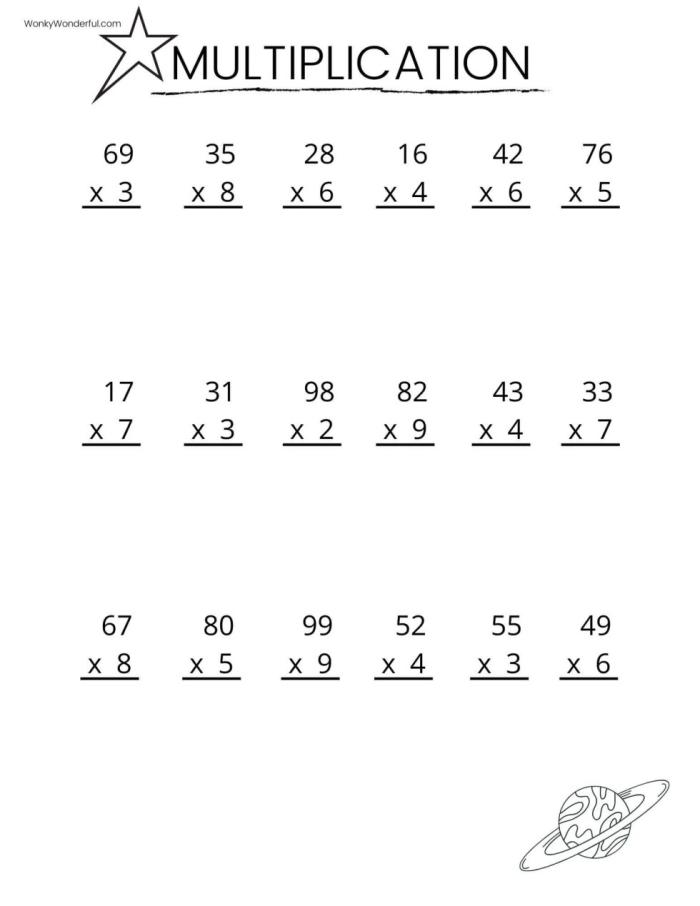
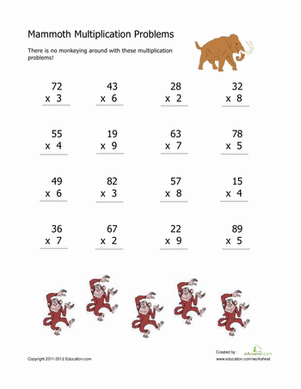
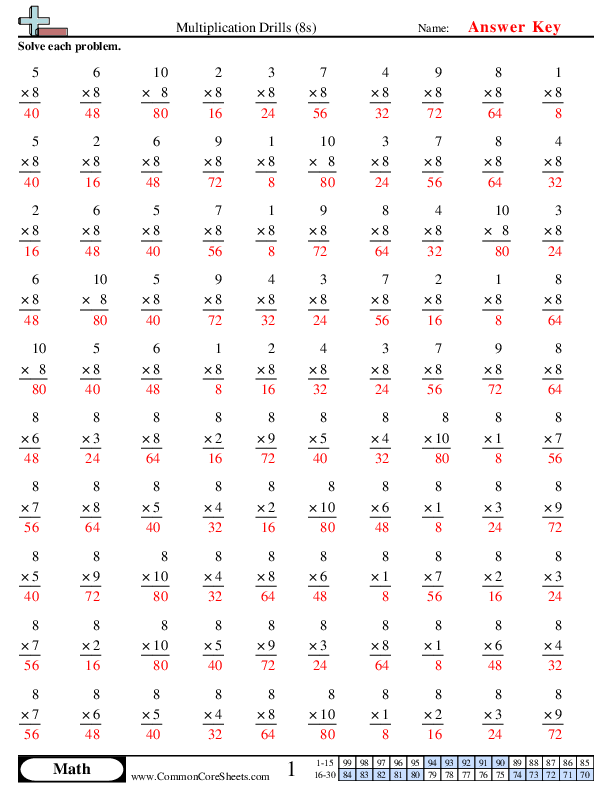
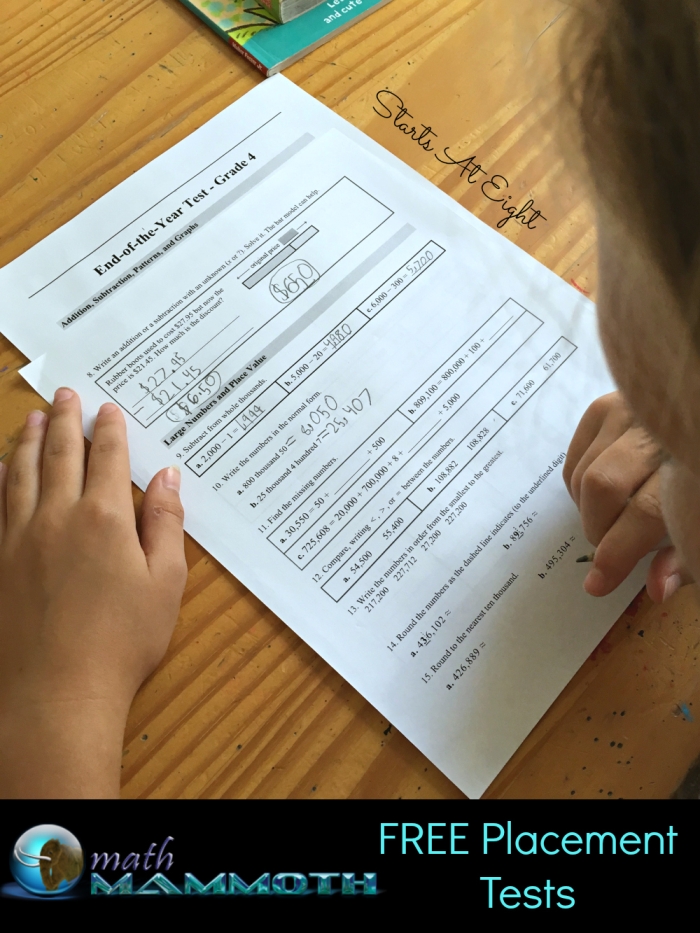
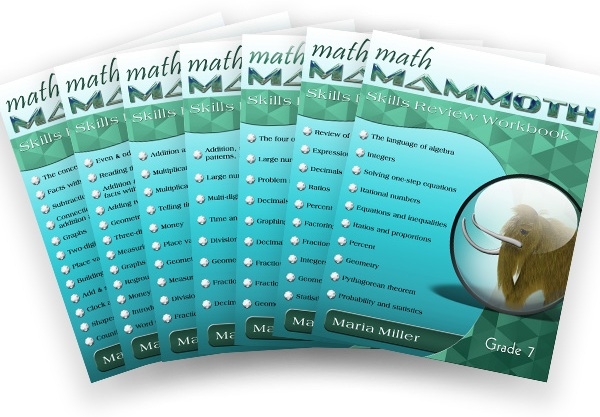
To reinforce these skills, consider utilizing resources like Mammoth Multiplication Problems worksheets. These printable worksheets provide a structured way for your child to practice multiplying double digits by single digits, ensuring they get ample practice without becoming overwhelmed. The repetition helps solidify their understanding and builds their confidence.
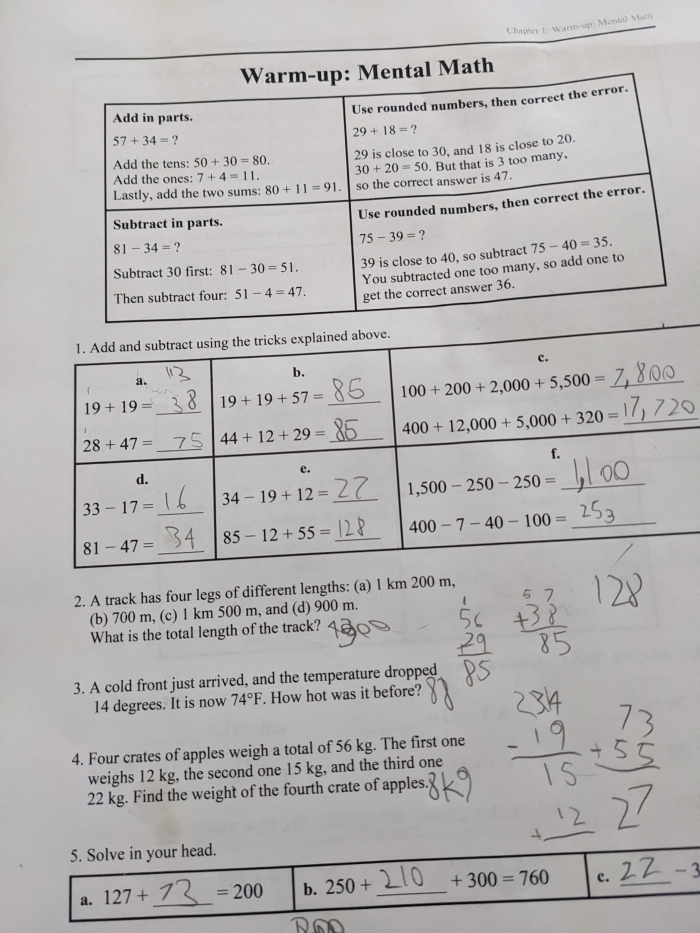
Moreover, try breaking down the multiplication process into smaller, manageable steps. For example, when multiplying 23 by 4, first multiply the tens (20 by 4) to get 80, then multiply the ones (3 by 4) to get 12. Finally, add the two results together to find the answer: 80 plus 12 equals 92. This step-by-step approach can demystify the process and make it feel less intimidating.
As your child practices, celebrate their progress. Positive reinforcement can motivate them to keep trying. Encourage them to tackle more challenging problems, and consider integrating other math concepts, such as fractions and decimals, to ensure a well-rounded understanding. Using resources like fraction basics worksheets can complement their multiplication practice.
Incorporating multiplication into daily activities and using engaging worksheets can greatly enhance your child’s learning experience. By supporting them through this journey, you not only help them gain confidence but also set a strong mathematical foundation for future learning.
Hands-On Worksheet Activities