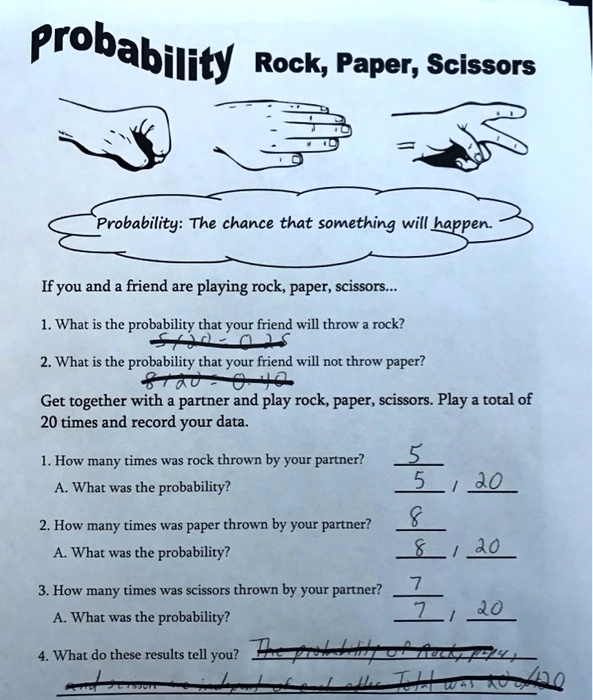
Rock… paper… scissors! This simple hand game that many of us played during childhood holds more than just nostalgic memories; it also offers a fascinating glimpse into the world of probability. By examining the chances of winning, losing, or tying, players can uncover the mathematical principles that make this game so intriguing.
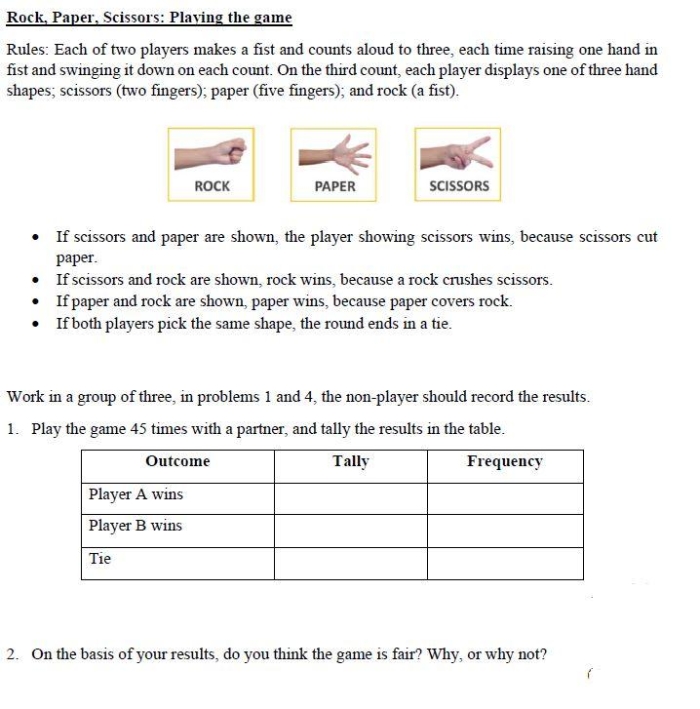
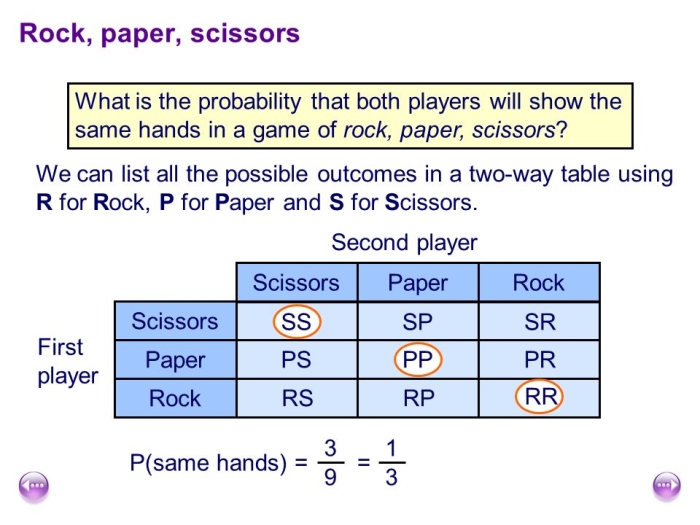
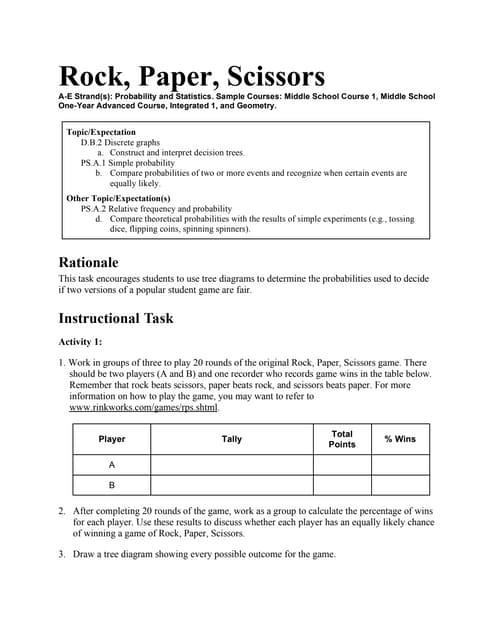
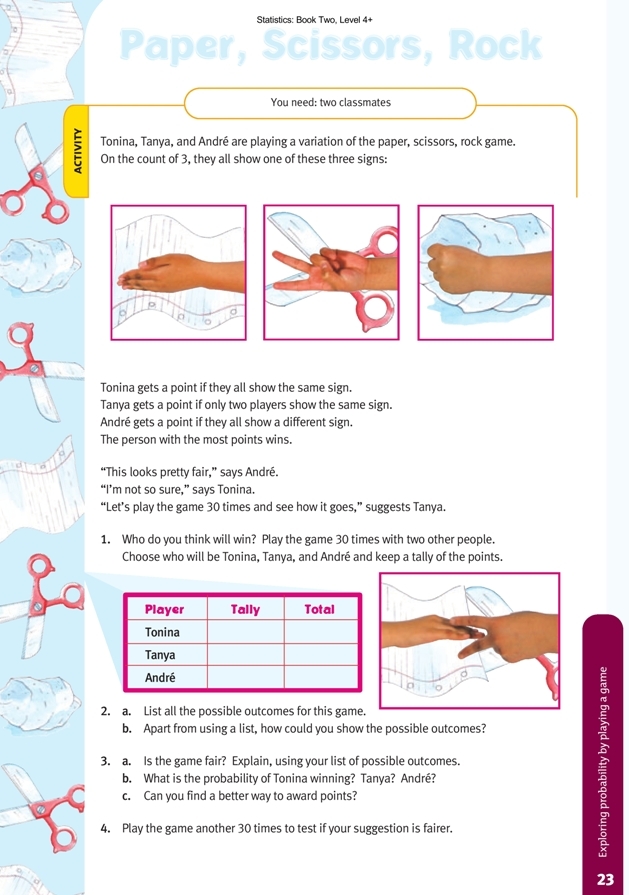
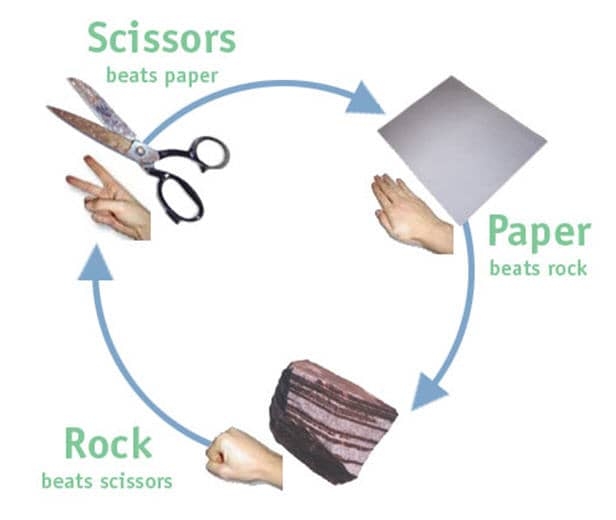
At its core, rock, paper, scissors is a game of chance, involving three possible moves—rock, paper, and scissors. Each move beats one of the other moves while losing to the third: rock crushes scissors, scissors cuts paper, and paper covers rock. This creates a balanced system where each choice has an equal probability of winning. When two players engage in the game, they each have a 1 in 3 chance of winning, losing, or tying.
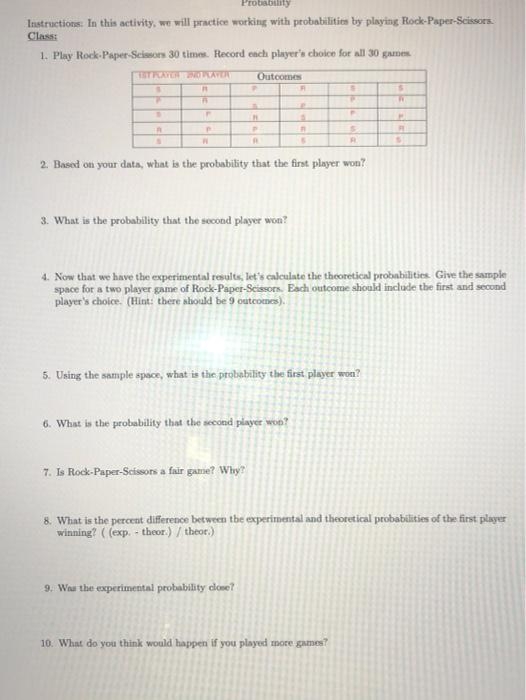
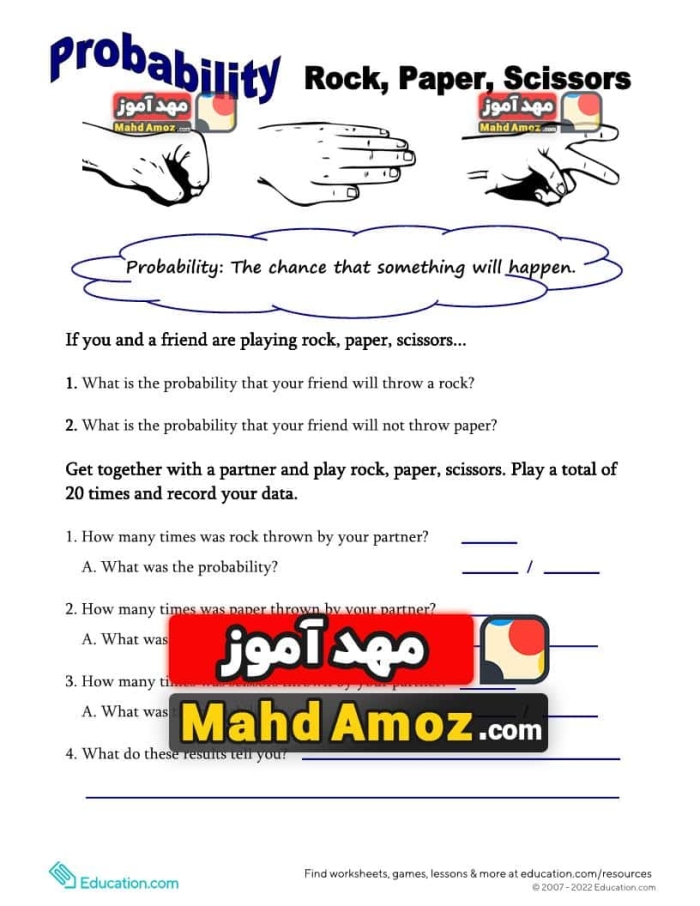
Understanding this probability can enhance gameplay for fifth graders, especially when it’s tied to lessons in community and culture. For instance, students can explore variations of the game from different cultures around the world. Not only does this add an engaging twist to their learning, but it also invites discussions about strategy and decision-making in games. A simple exercise might involve tracking how often each player chooses rock, paper, or scissors and analyzing the results to see if certain patterns emerge.
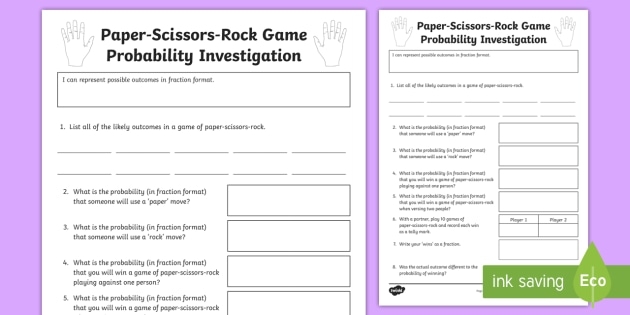
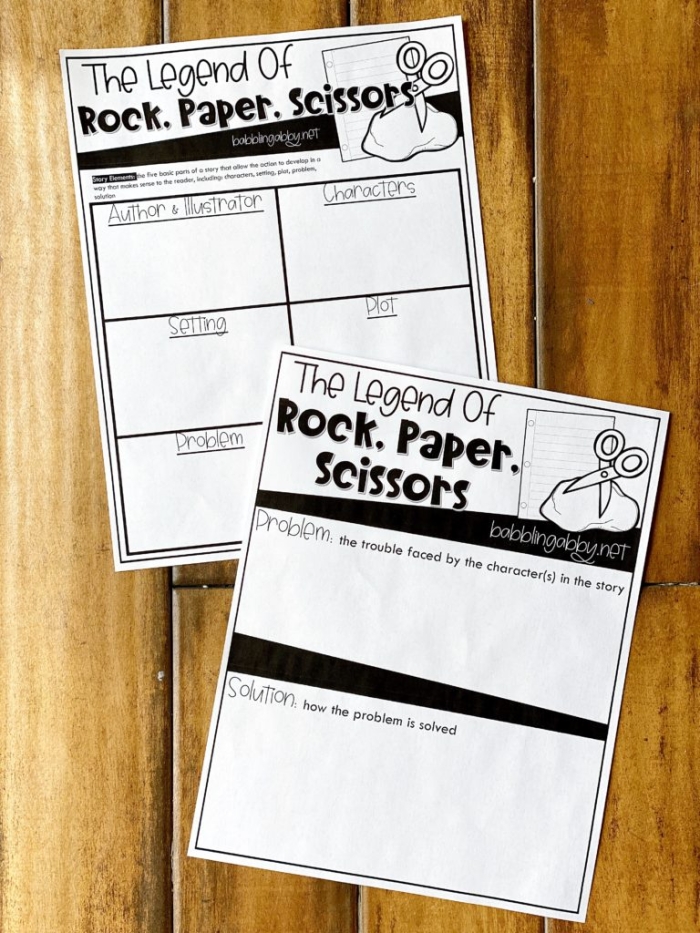
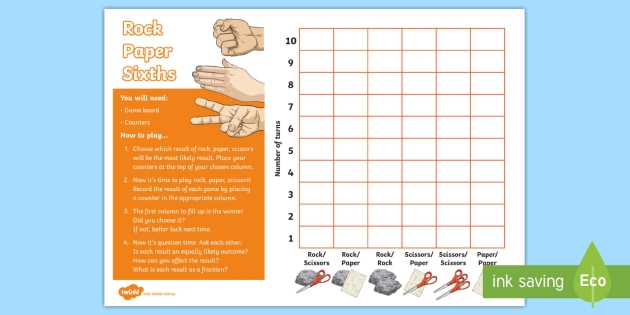
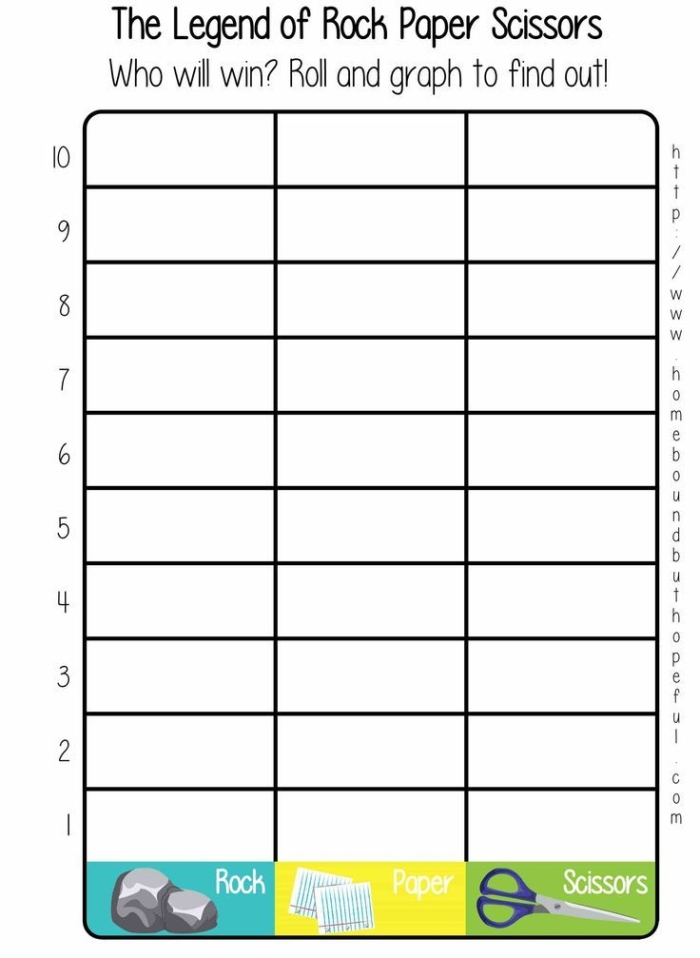
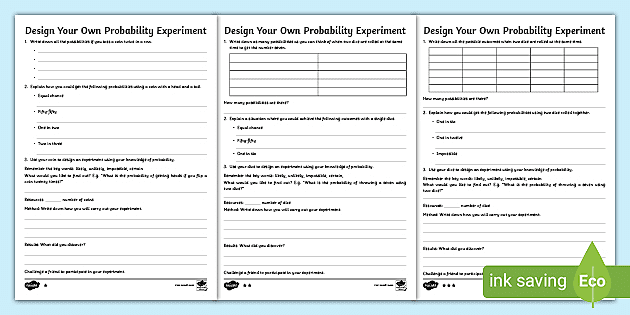
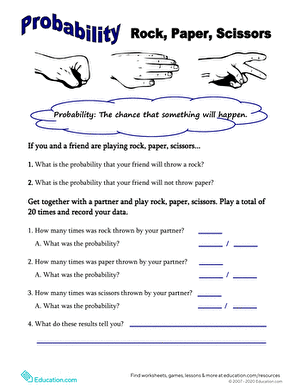
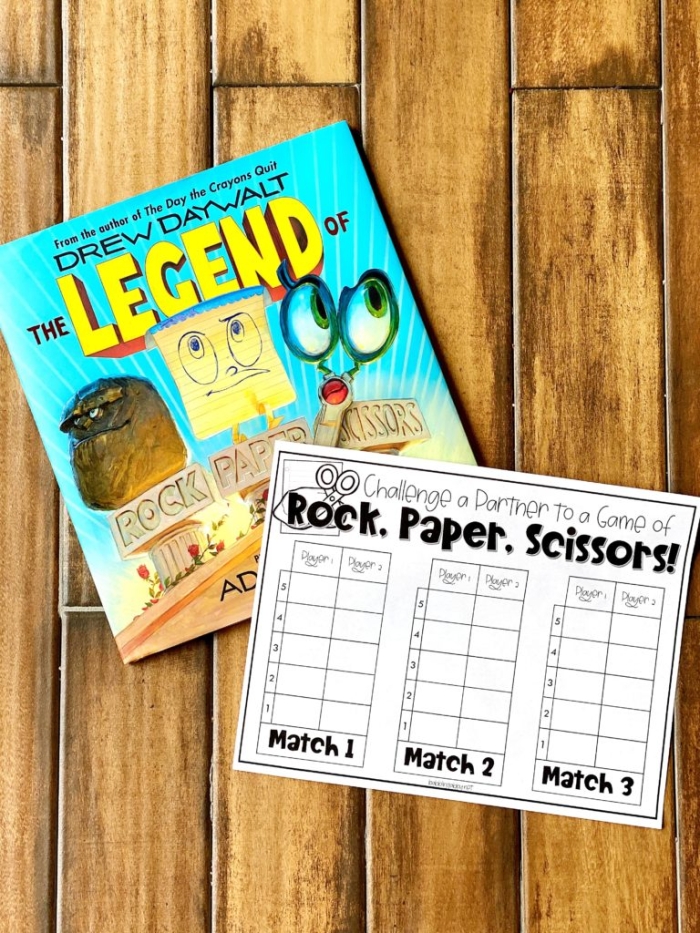
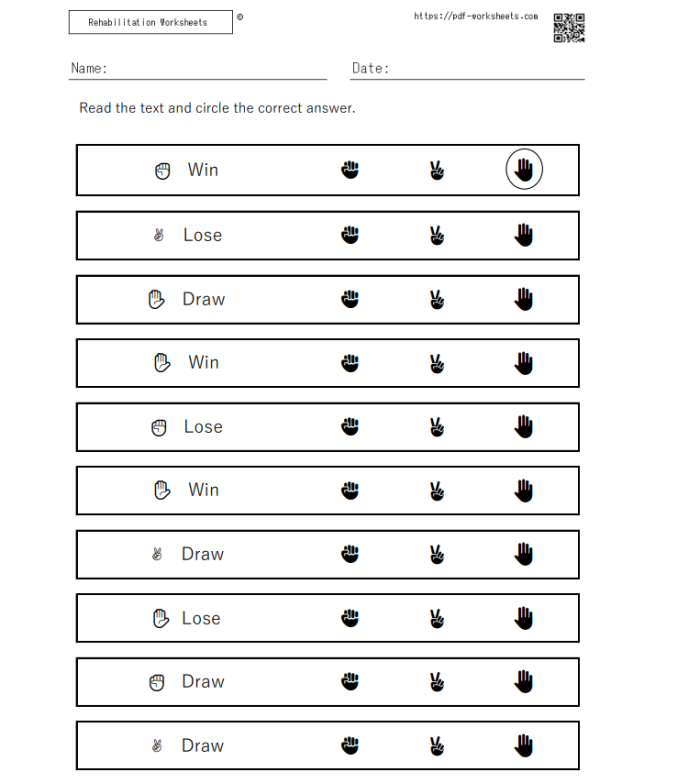
Moreover, incorporating printable rock, paper, scissors probability worksheets into classroom activities can further reinforce these concepts. These worksheets can help students visualize their strategies and outcomes, making math both fun and applicable.
As students engage with this classic game, they not only learn about probability but also develop critical thinking and analytical skills. They may find that their choices aren’t just random; with a little strategy and math, they can increase their chances of winning. So next time you say, “Rock… paper… scissors!” remember there’s a lot more to it than meets the eye!
Boost Skills with These Worksheets