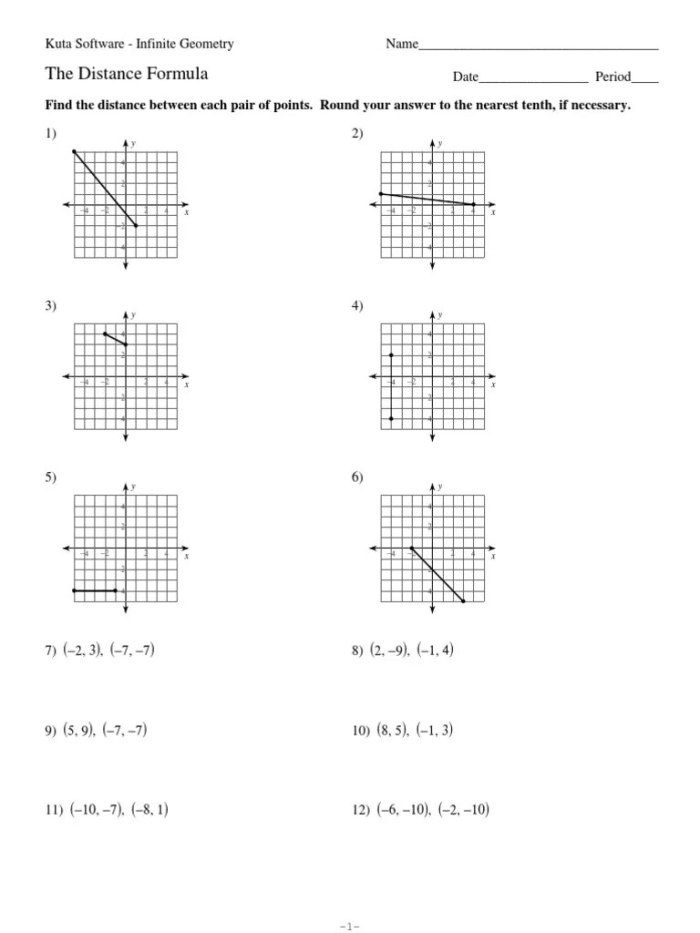
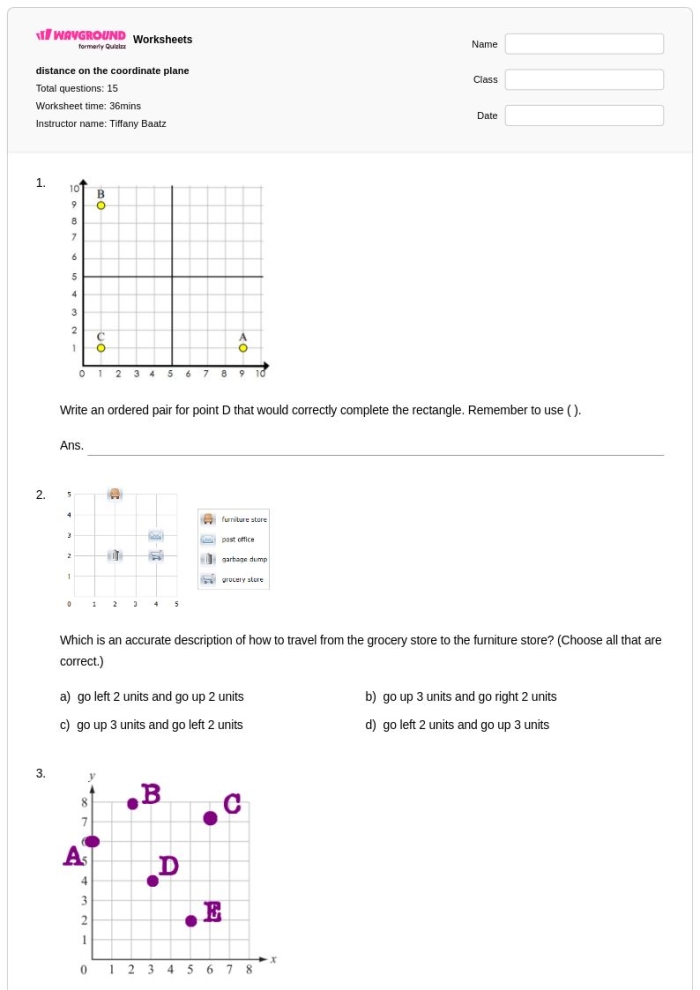
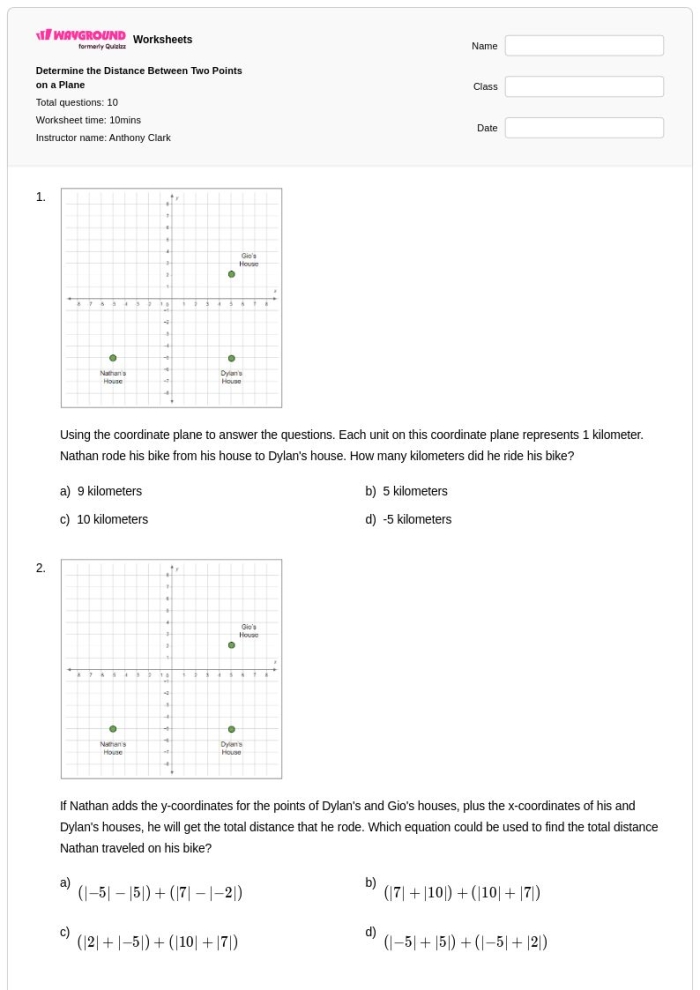
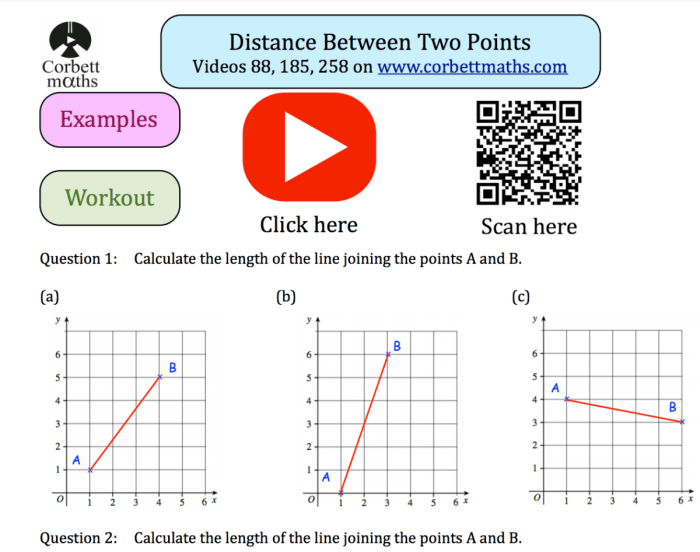
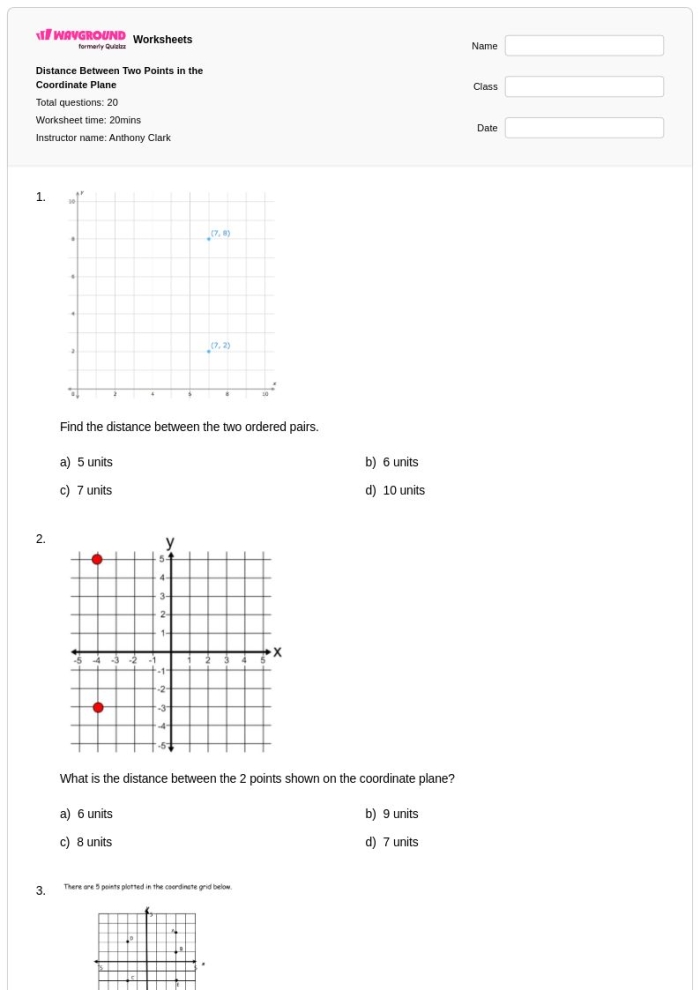
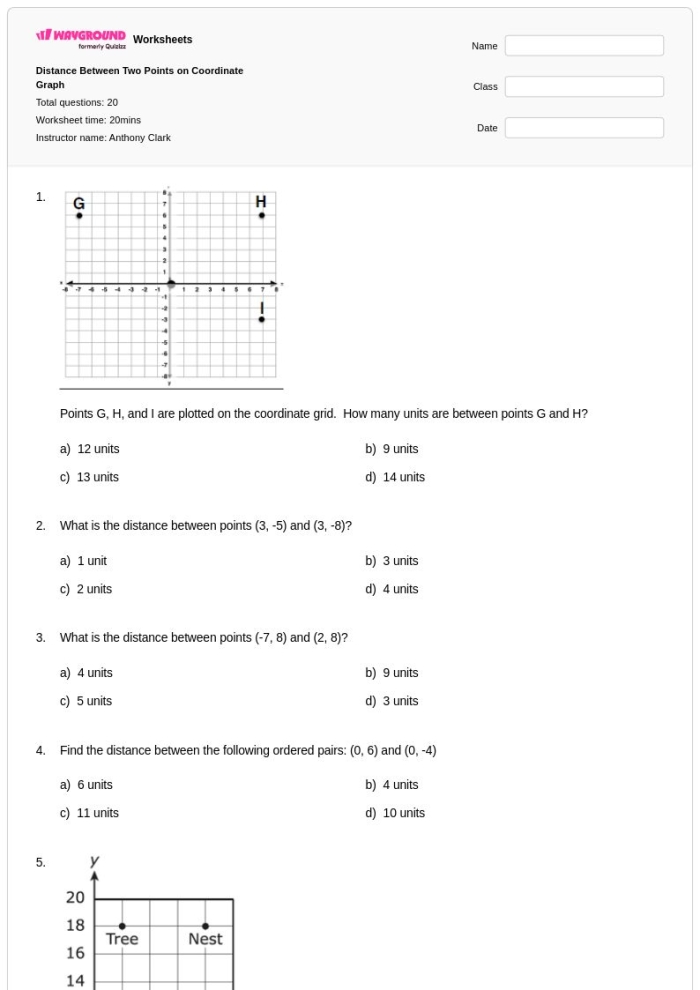
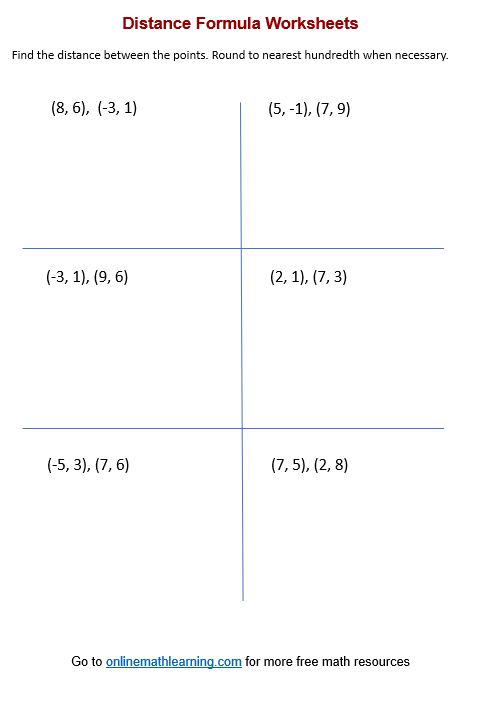
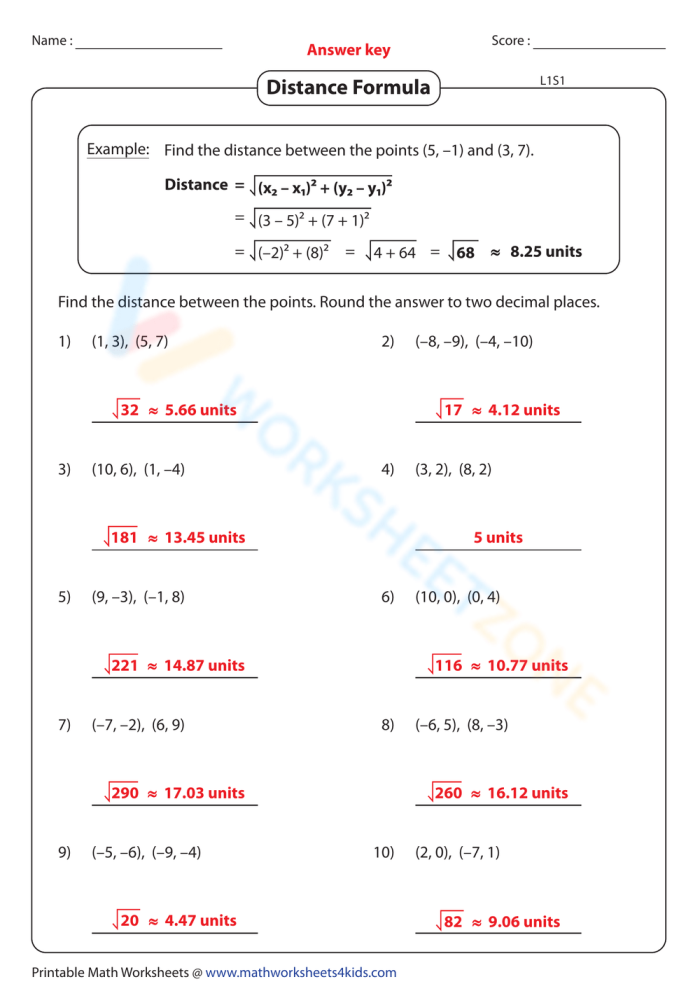
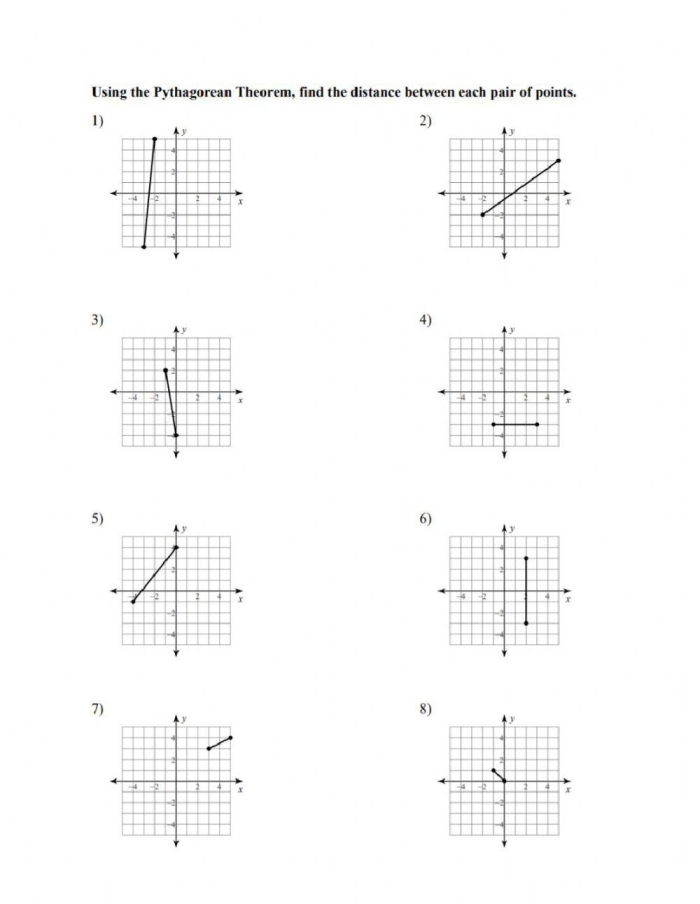
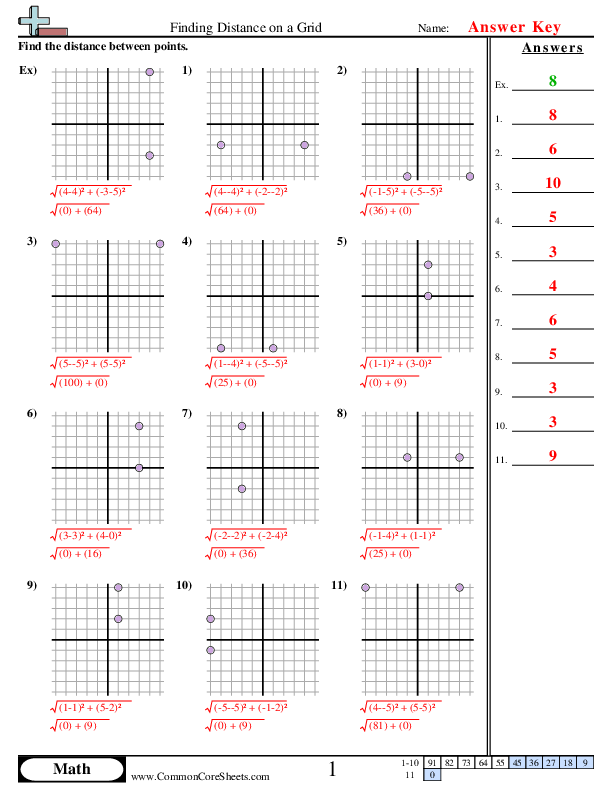
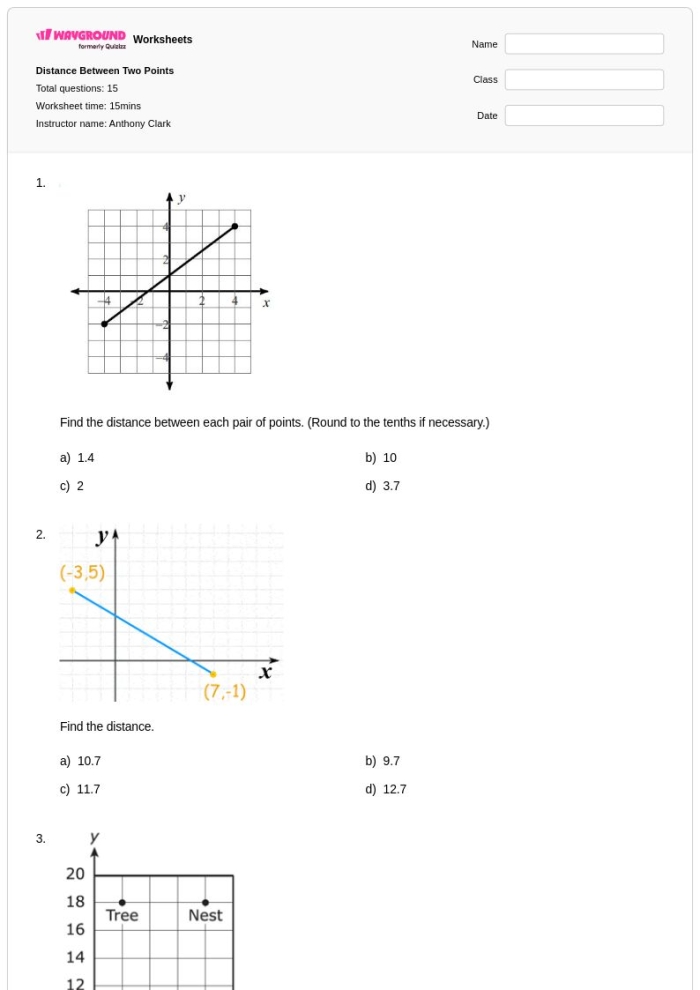
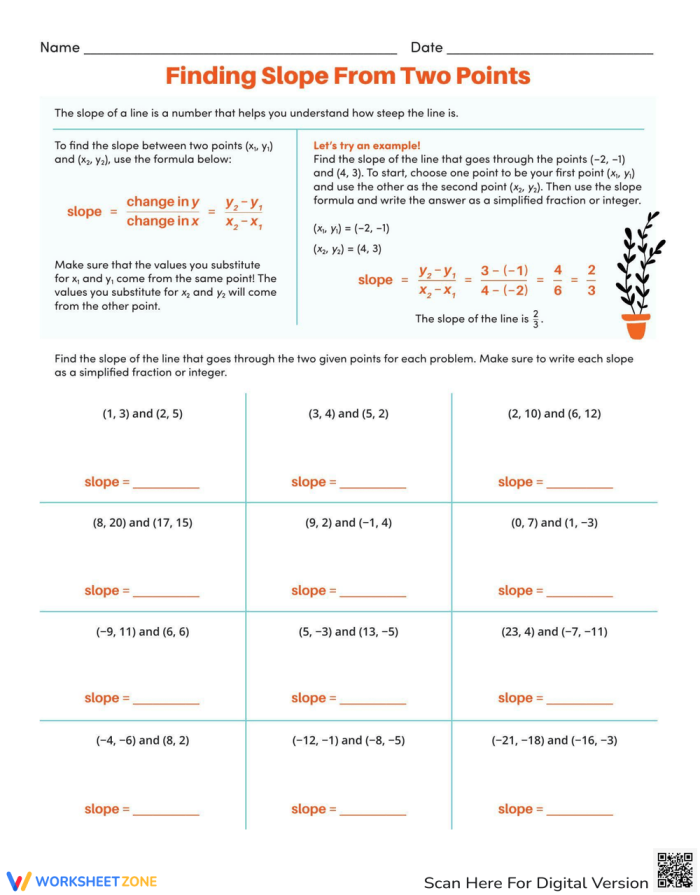
Understanding how to find the distance between two points on a coordinate plane can be quite rewarding, especially when you apply the Pythagorean theorem. This theorem, which relates the lengths of the sides of a right triangle, provides a clear method for calculating distance. In a coordinate plane, each point is defined by its coordinates, typically written as (x, y).
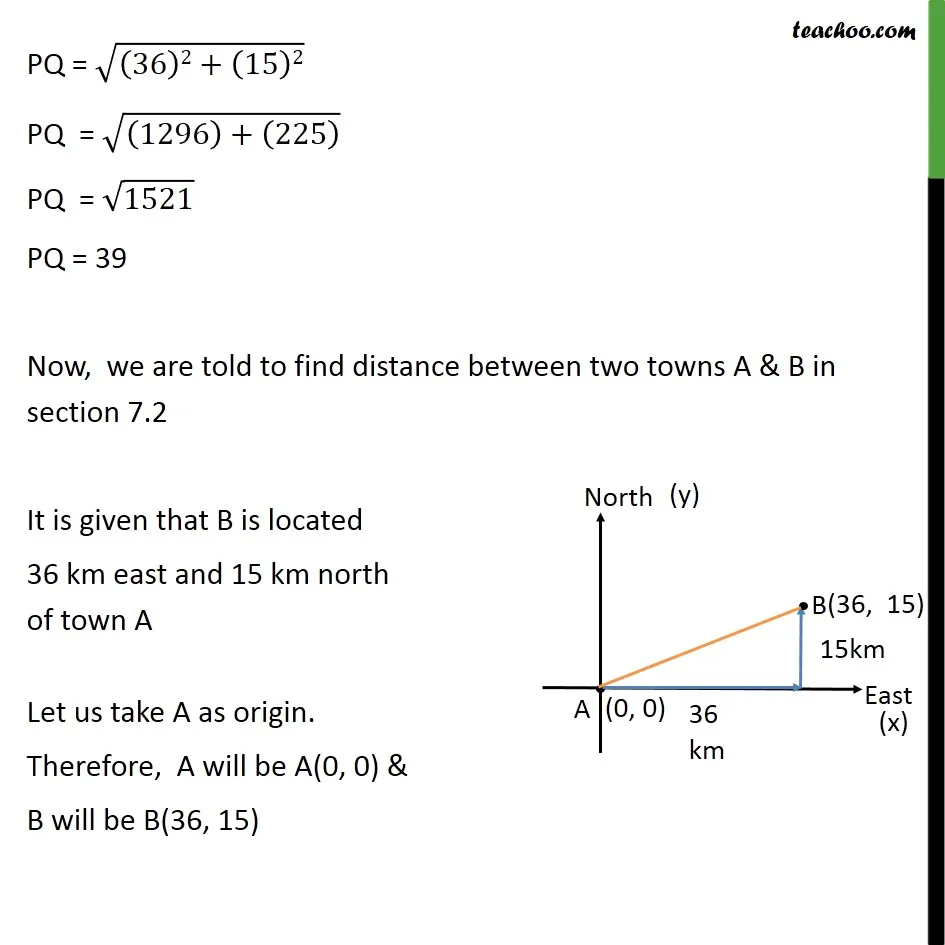
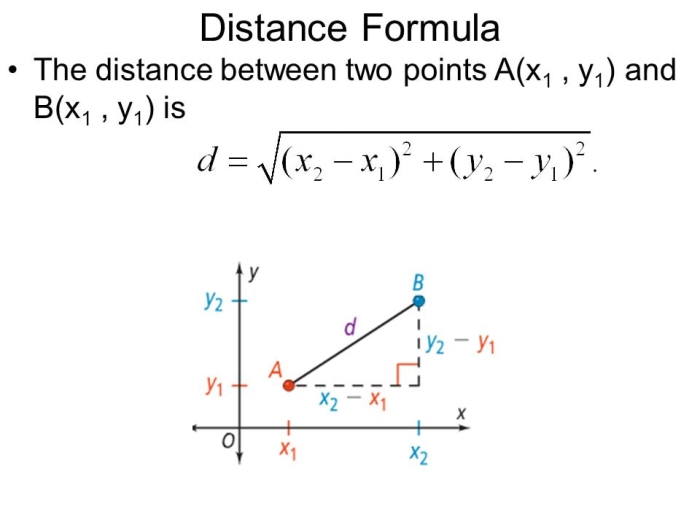
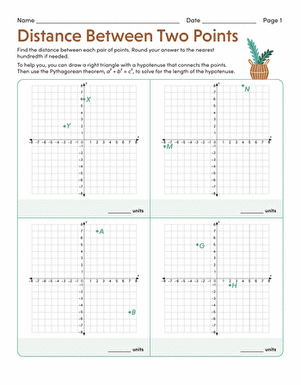
To find the distance between two points, say Point A (x1, y1) and Point B (x2, y2), you can visualize the line connecting them forming a right triangle with the horizontal and vertical lines along the axes. The difference in the x-coordinates is the length of the base, while the difference in the y-coordinates is the height of the triangle. Specifically, you calculate the differences as follows:
- Base (horizontal distance) = x2 – x1
- Height (vertical distance) = y2 – y1
Applying the Pythagorean theorem, the distance (d) between points A and B is given by the formula:
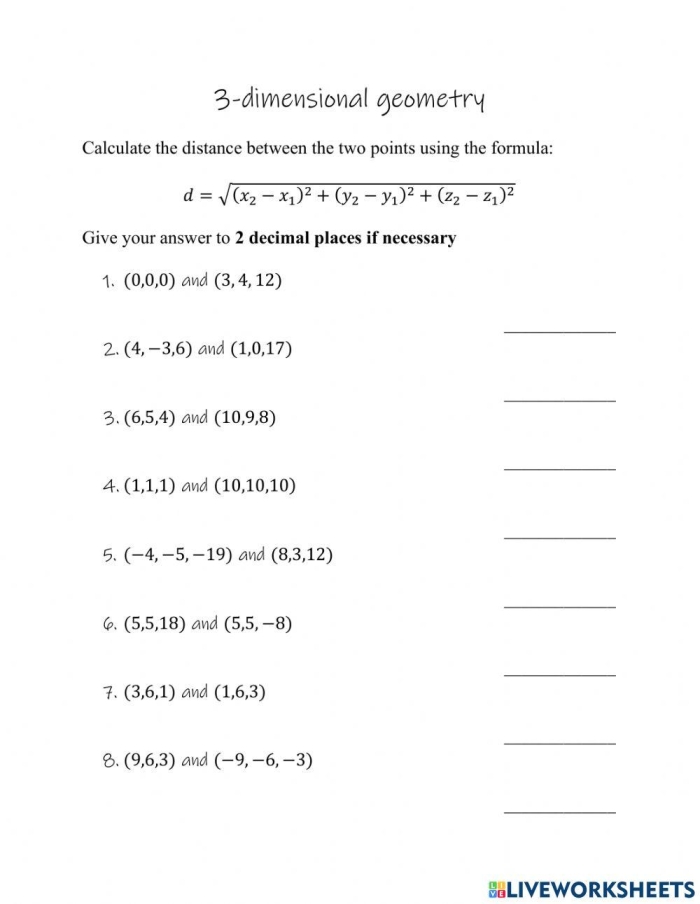
d = √((x2 – x1)2 + (y2 – y1)2)
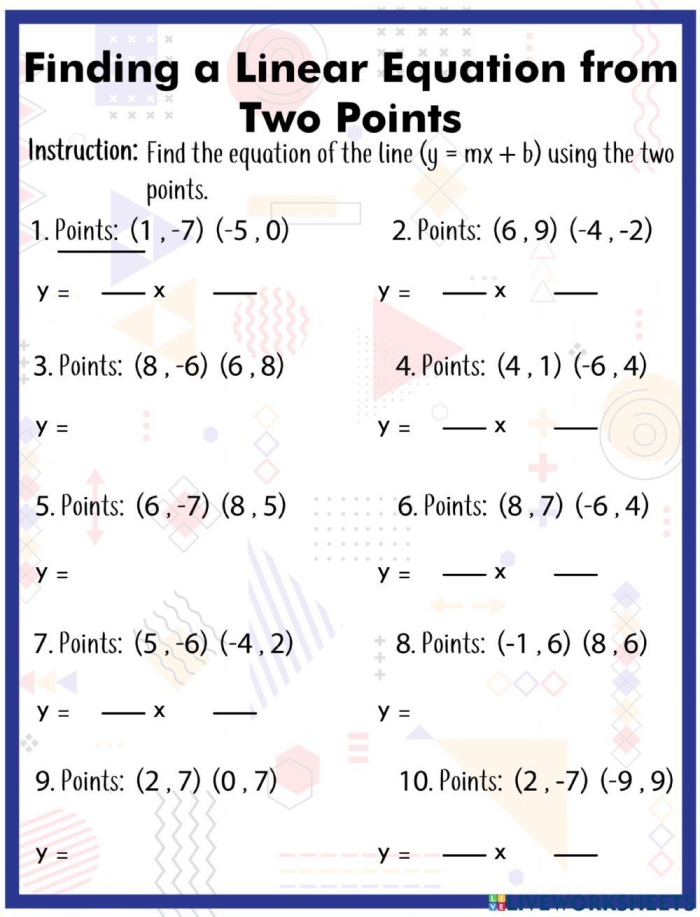
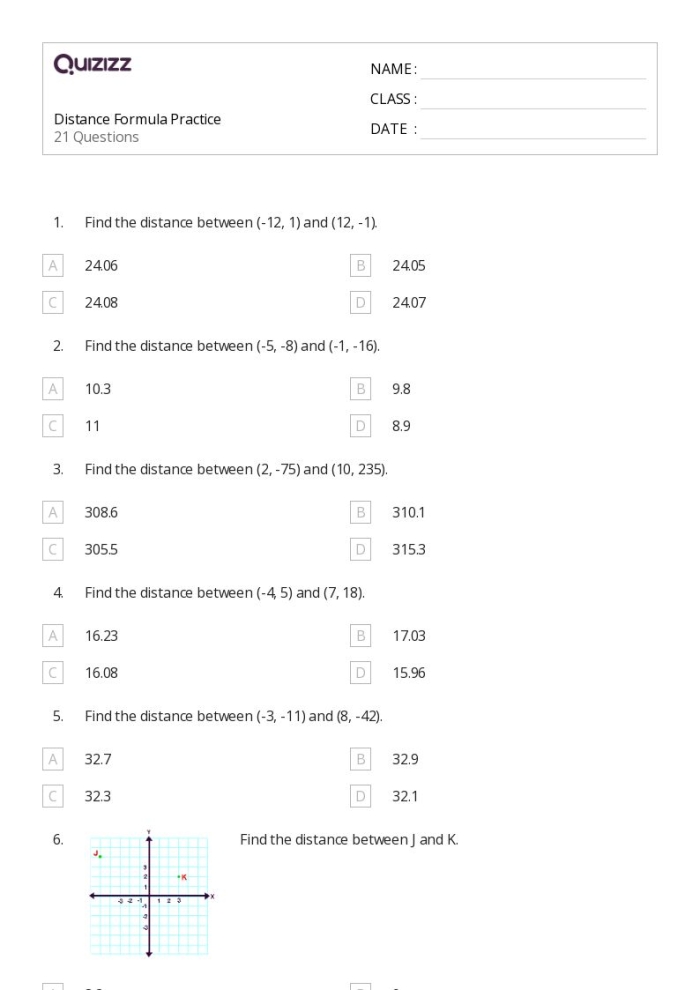
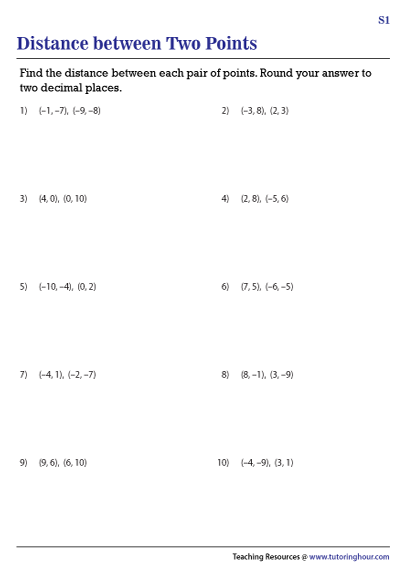
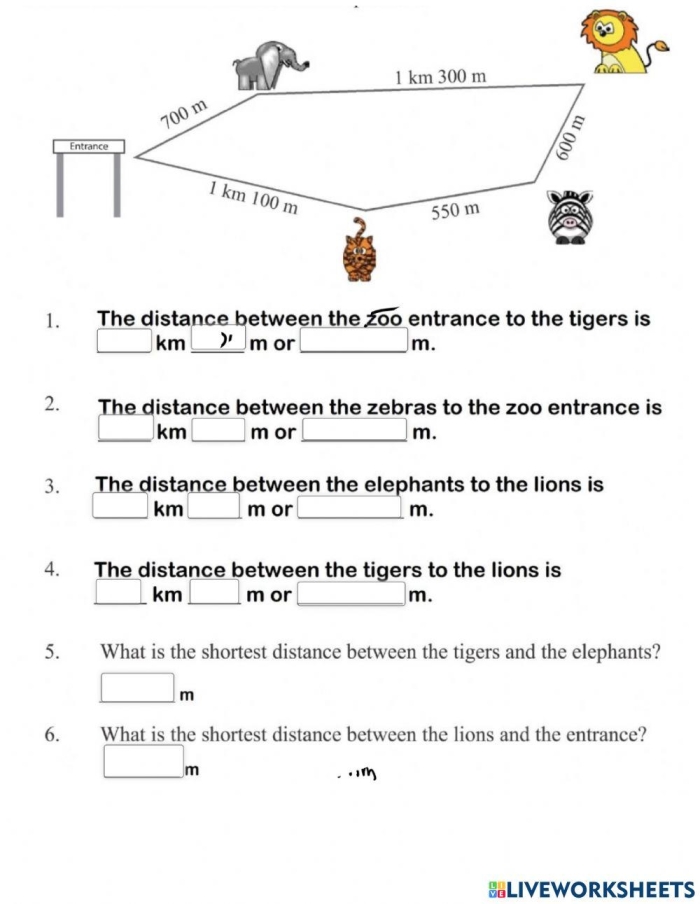
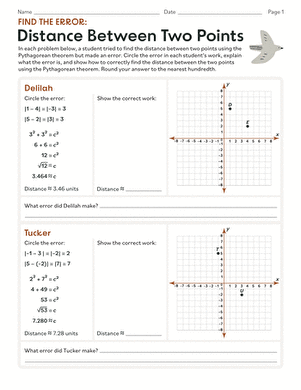
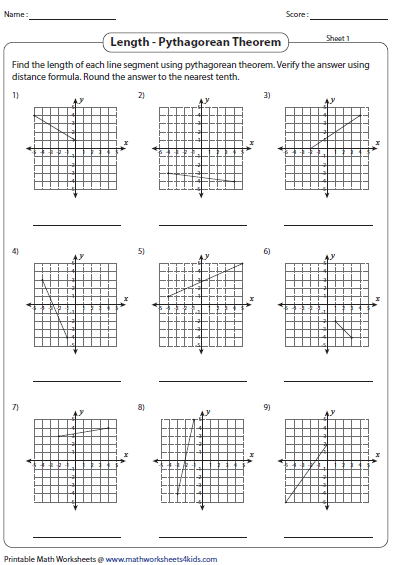
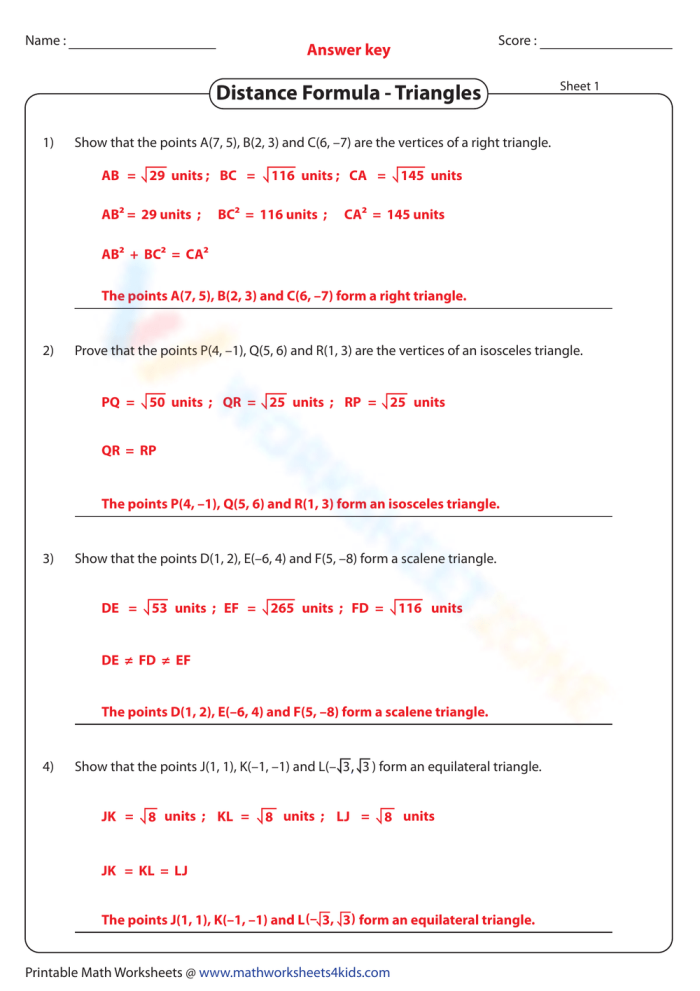
This formula not only simplifies finding distances but also enhances your understanding of the relationship between geometry and algebra. For eighth graders, practicing these concepts is key. By working through printable worksheets that focus on finding distances, such as those available on Luminaworksheets, students can reinforce their skills while exploring various applications of the theorem.
As you practice, try to visualize each problem. Drawing the points on graph paper can help solidify your understanding. With each exercise, you’ll find that using the Pythagorean theorem to calculate distances becomes second nature, paving the way for more advanced mathematical concepts.
Printable Worksheets for Practice