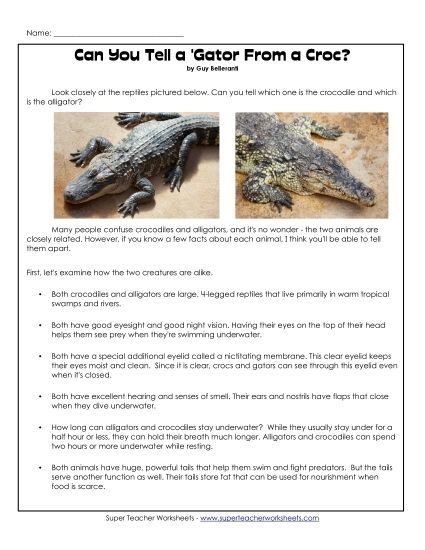
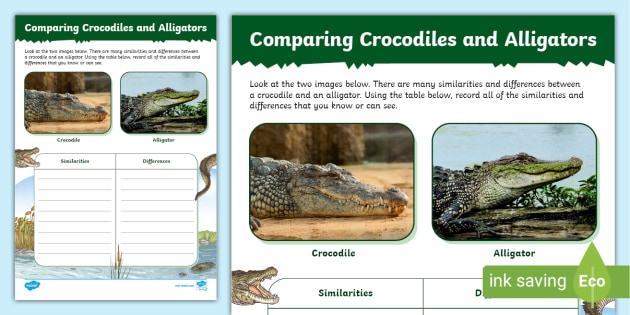
Many people confuse alligators and crocodiles, often assuming they are the same creature. While they share some characteristics, several distinct differences set them apart. Understanding these differences is not only fascinating but can also enhance your knowledge of wildlife.
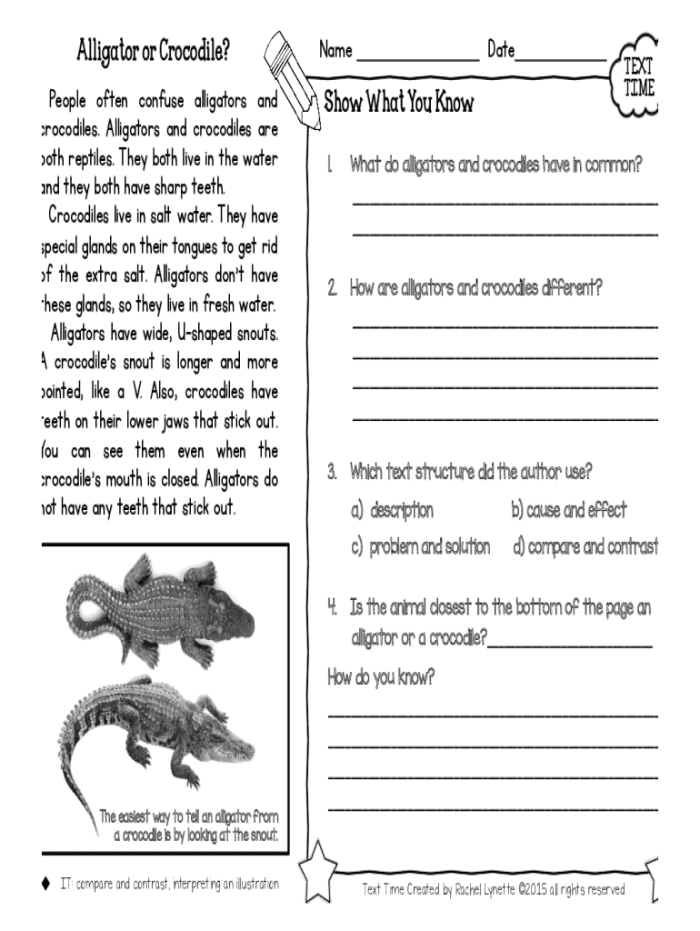
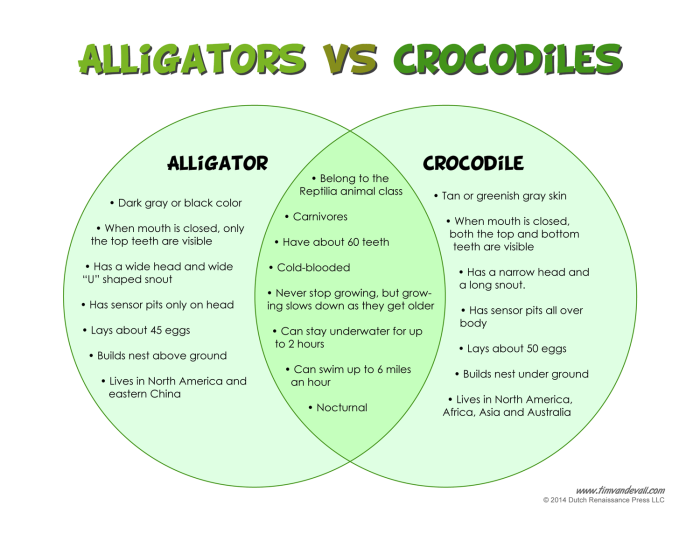
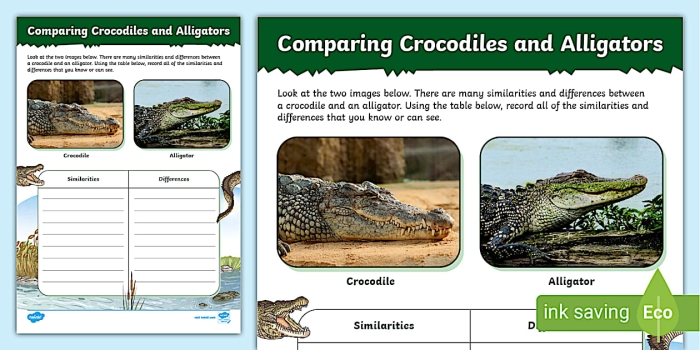
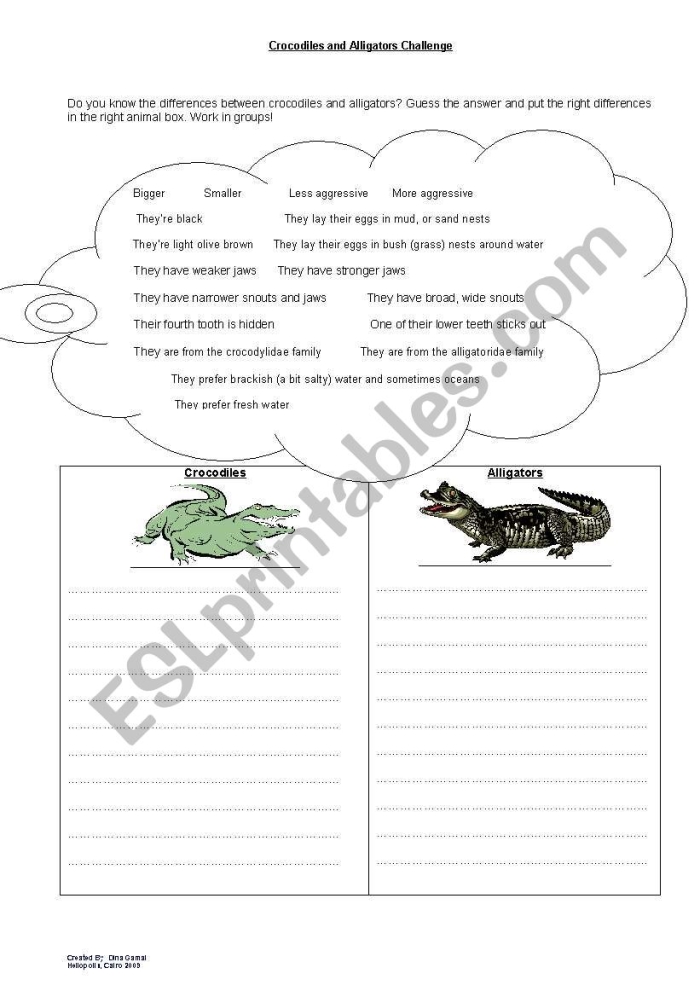
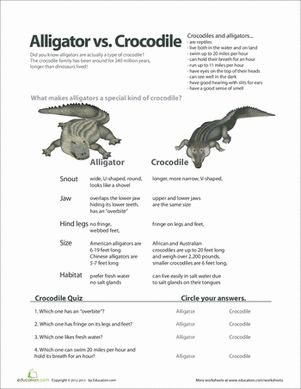
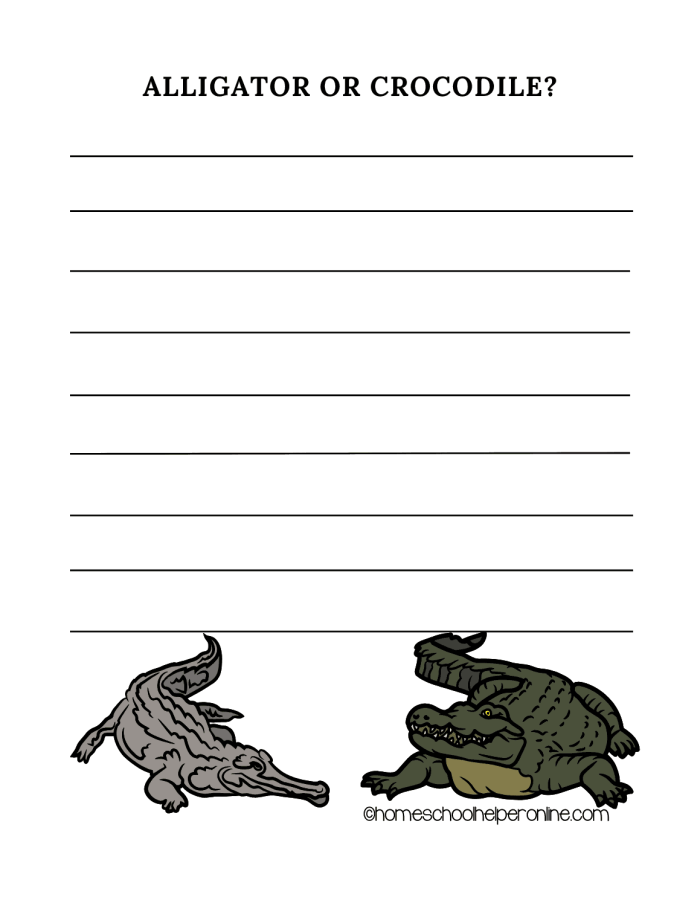
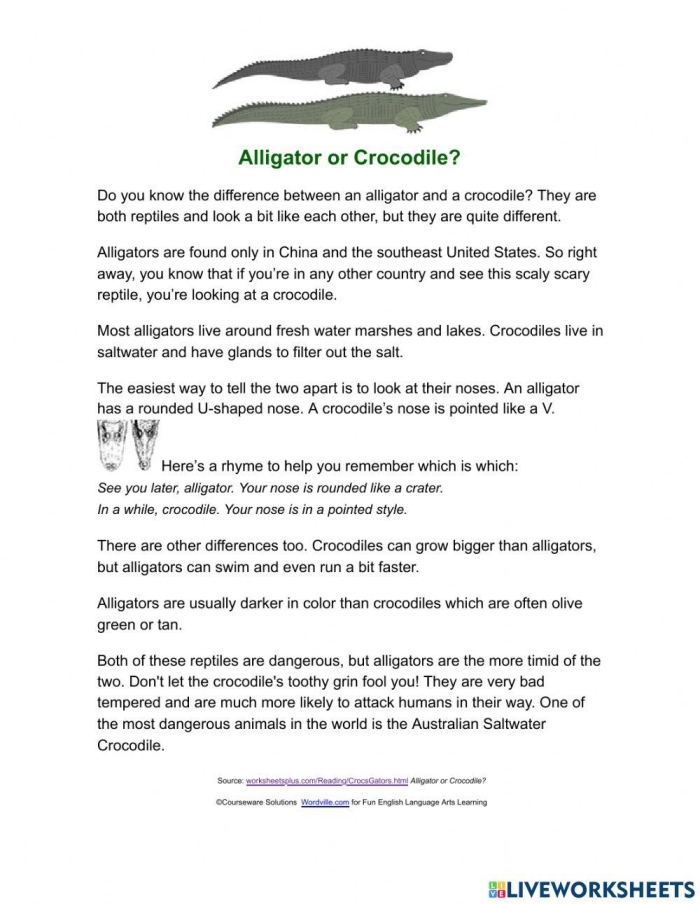
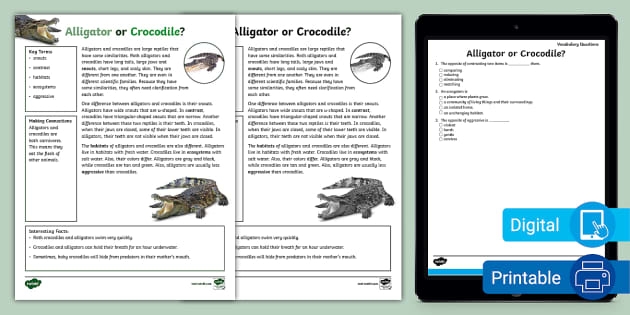
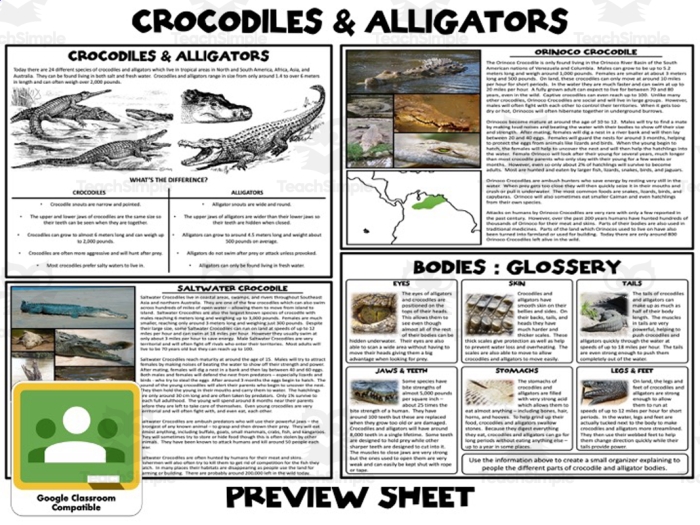
Firstly, one of the most noticeable differences is their snouts. Alligators have broader, U-shaped snouts, while crocodiles possess longer, V-shaped snouts. This difference in shape affects their feeding habits, as alligators primarily hunt larger prey with their powerful jaws, while crocodiles tend to eat fish and smaller animals. Furthermore, if you look closely when their mouths are closed, you’ll notice that an alligator’s upper jaw is wider, hiding its lower teeth, whereas a crocodile’s jaw allows both the upper and lower teeth to be visible.
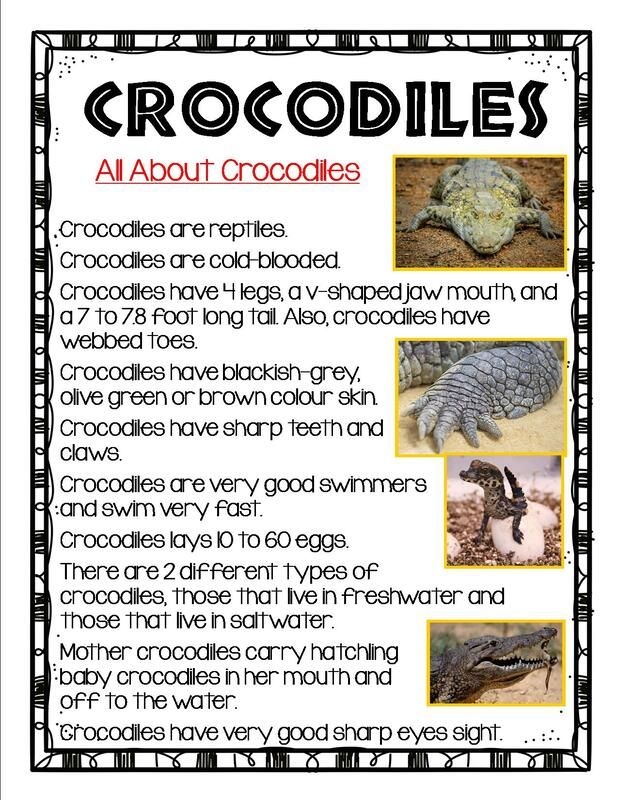
Habitat is another key difference. Alligators are typically found in freshwater environments like rivers, lakes, and swamps, primarily in the southeastern United States and China. On the other hand, crocodiles can thrive in both freshwater and saltwater, making them more versatile in their choice of habitat. They are commonly found in tropical regions worldwide, such as Africa, Australia, and parts of Asia and the Americas.
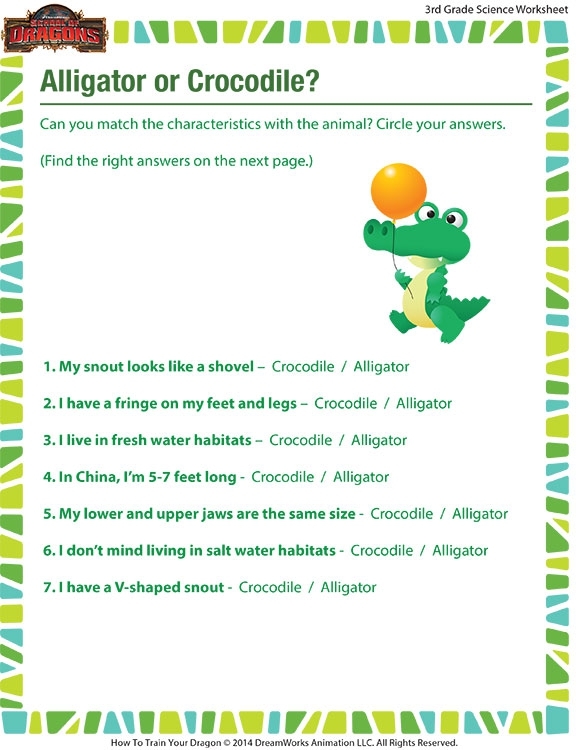
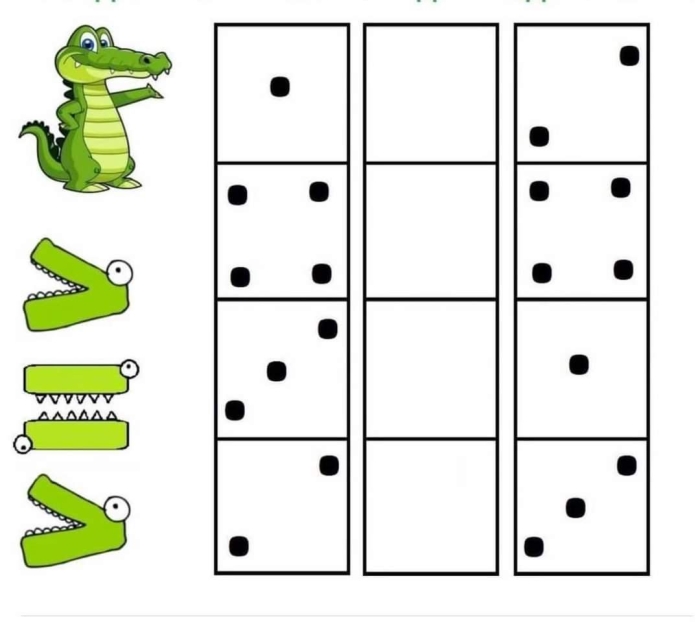
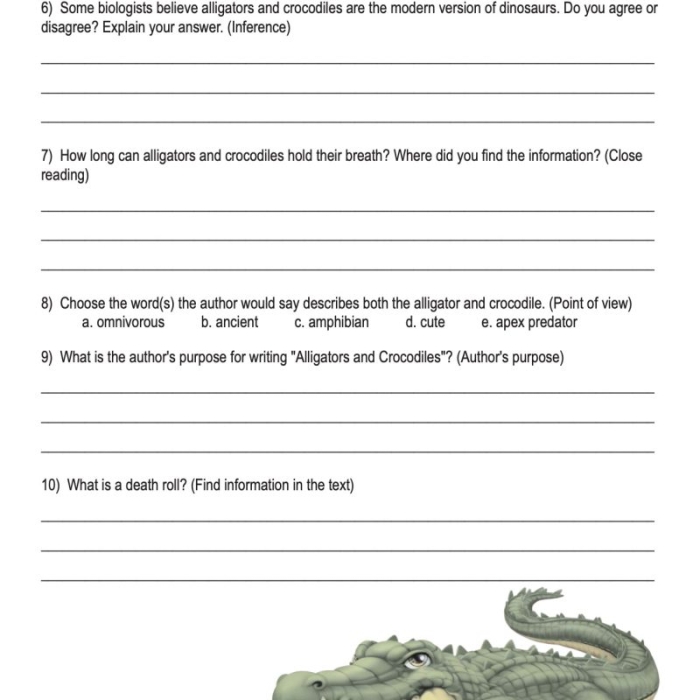
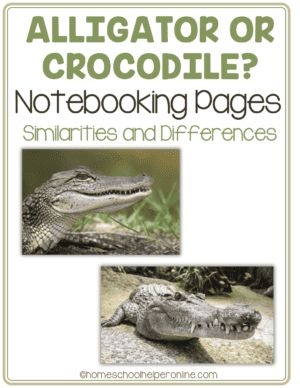
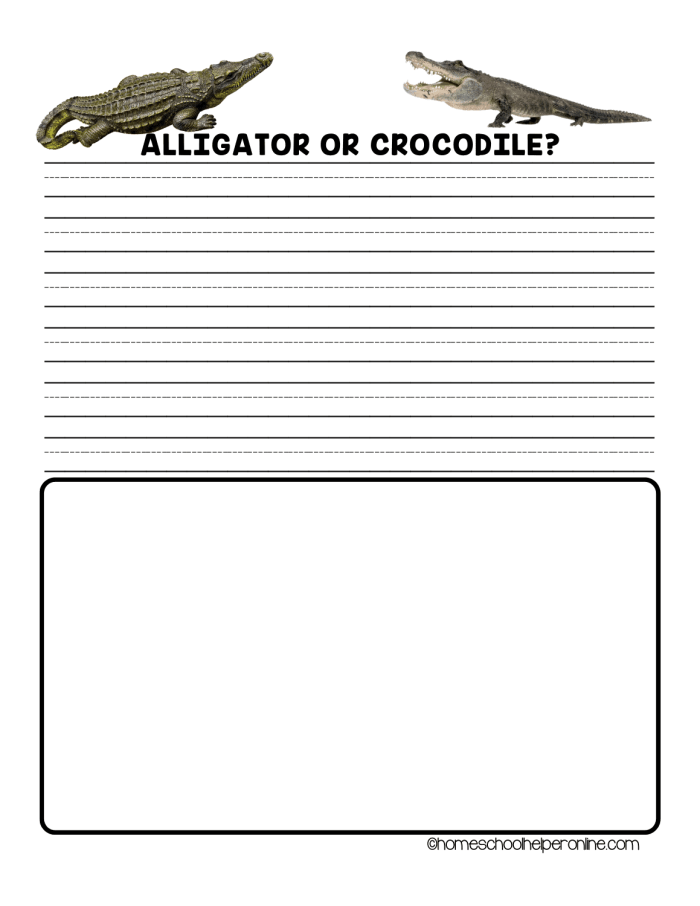
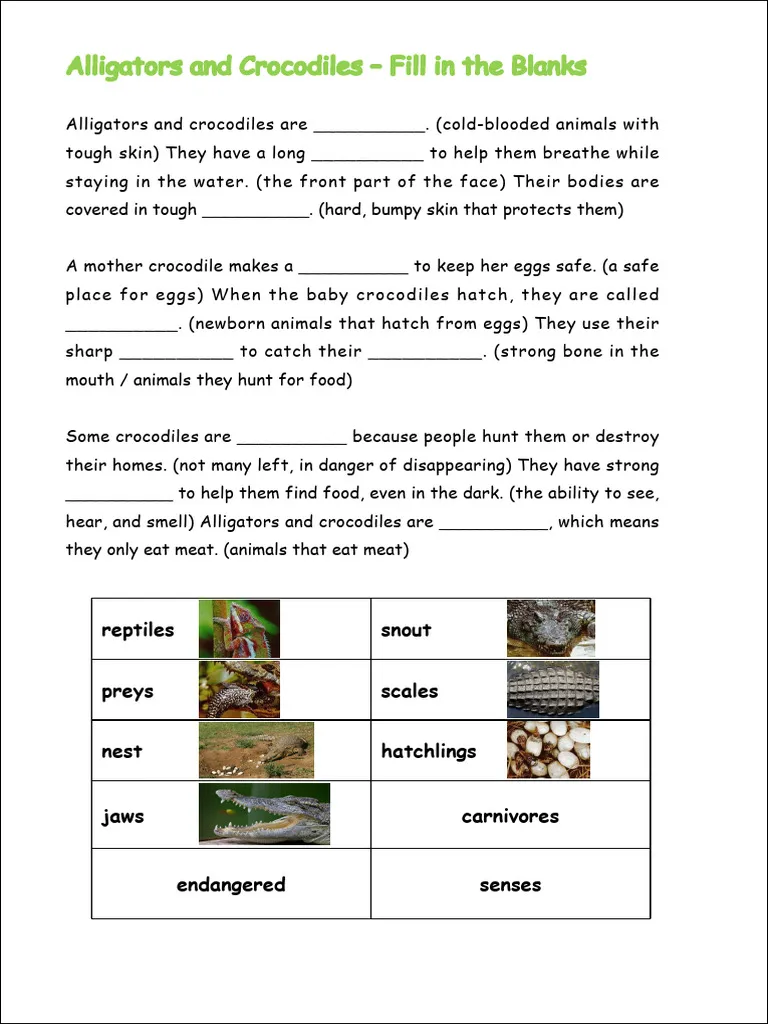
For those looking to explore these differences further, there are engaging resources available. Consider using the printable Alligator vs. Crocodile worksheets designed for third graders. These worksheets combine fun facts about these reptiles with addition problems, making learning both enjoyable and educational. By working on these activities, students can reinforce their math skills while gaining a deeper understanding of these two fascinating creatures.
In summary, while alligators and crocodiles may look similar at first glance, their differences in snout shape, habitat, and behavior are significant. Engaging educational tools can help students and wildlife enthusiasts alike appreciate these distinctions more fully.
Try These Printable Worksheets