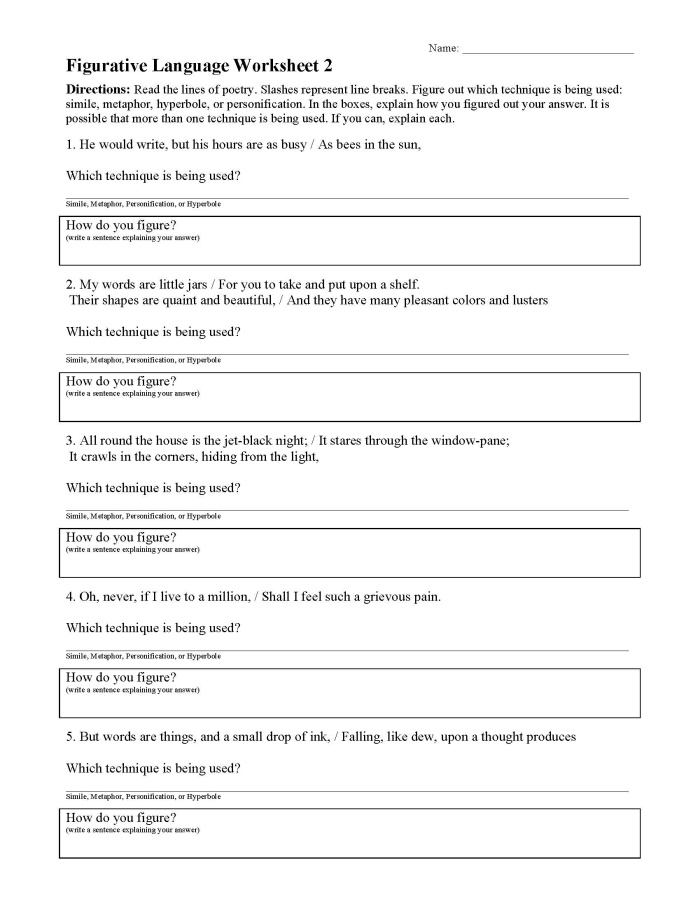
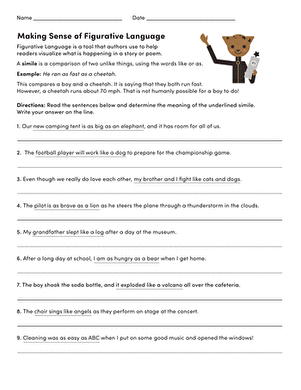
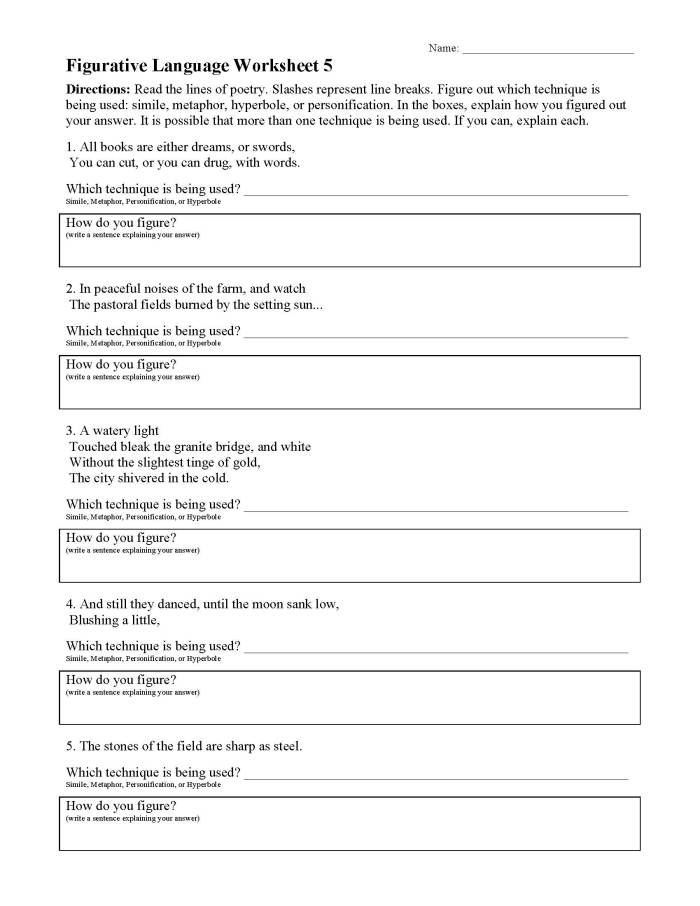
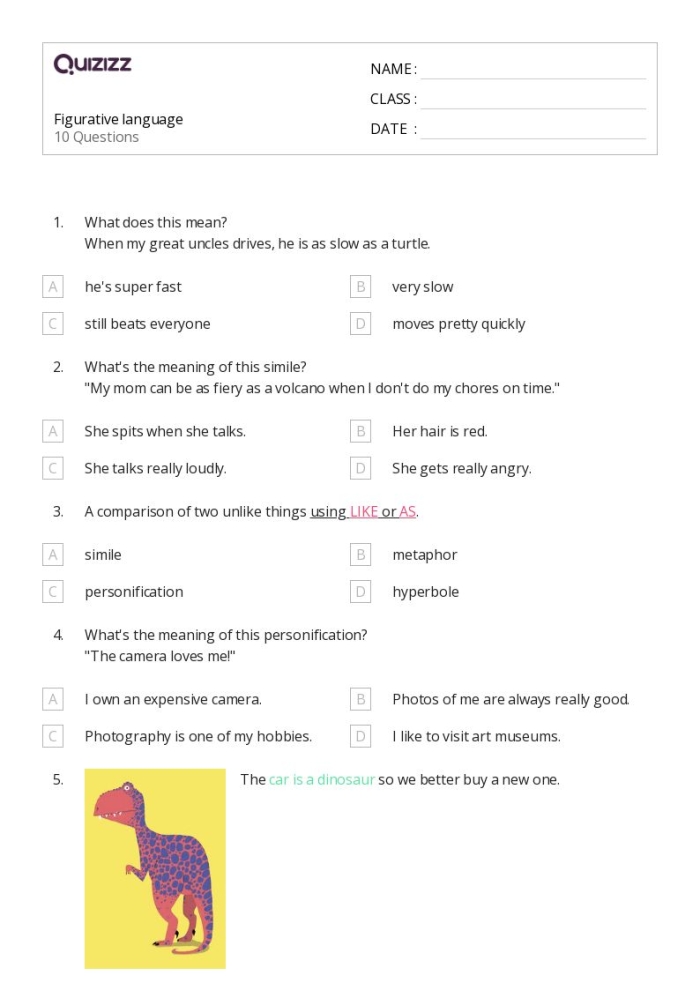
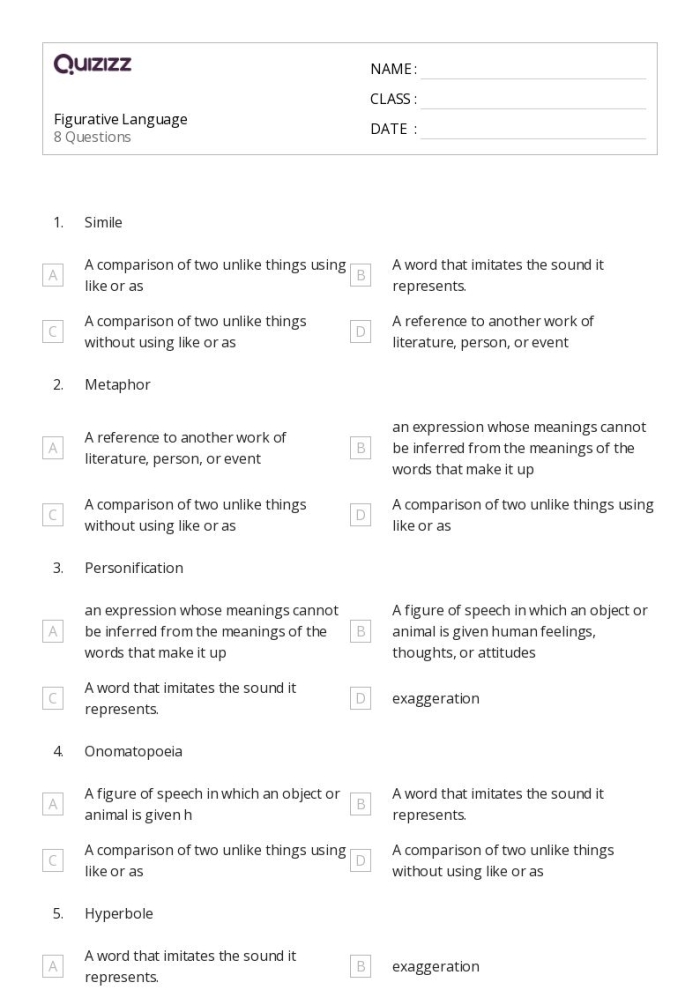
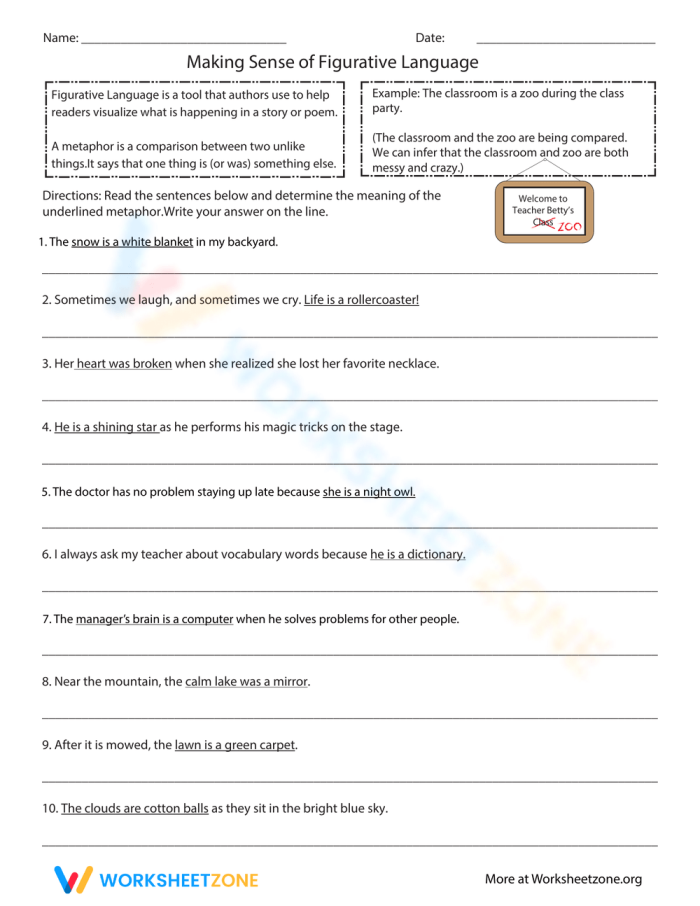
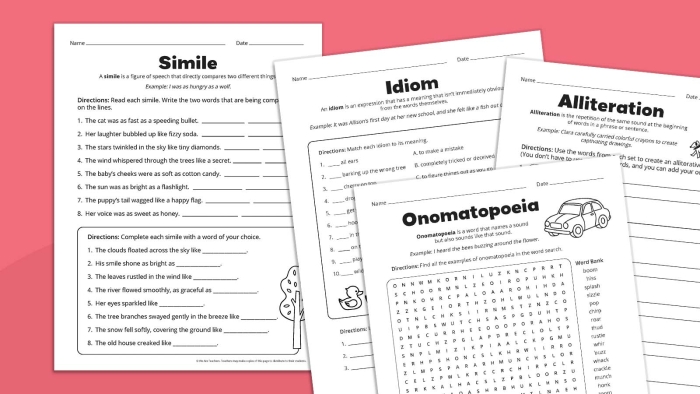
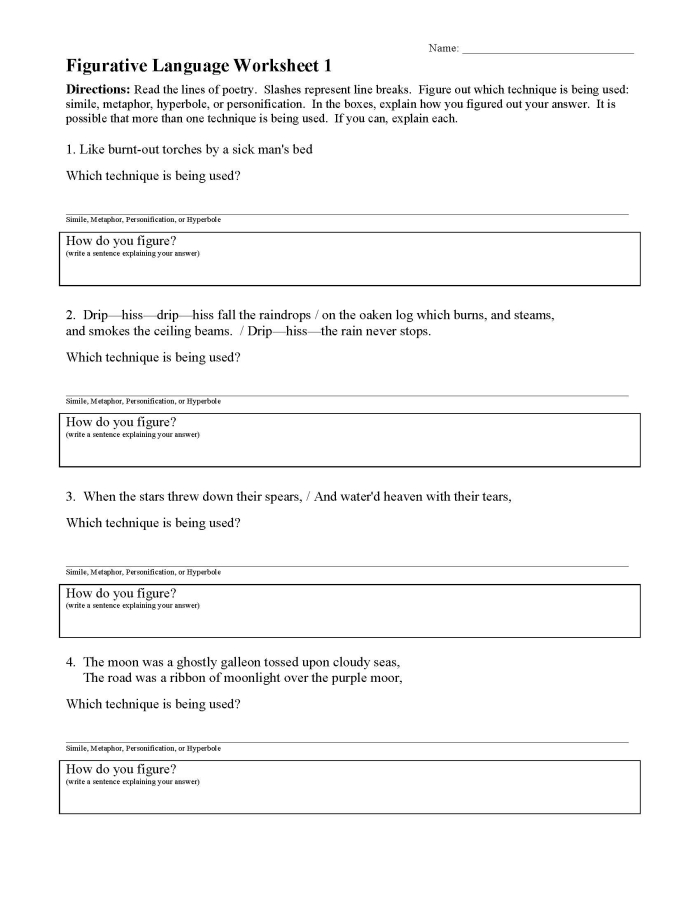
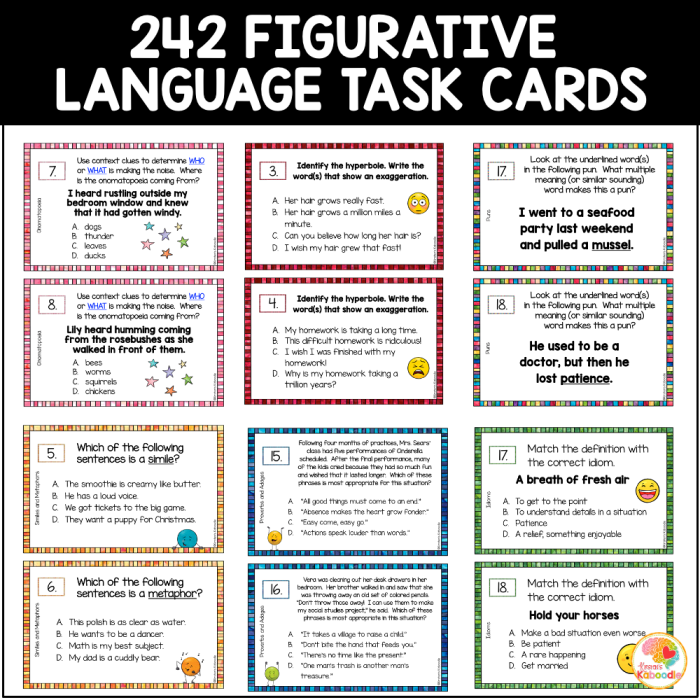
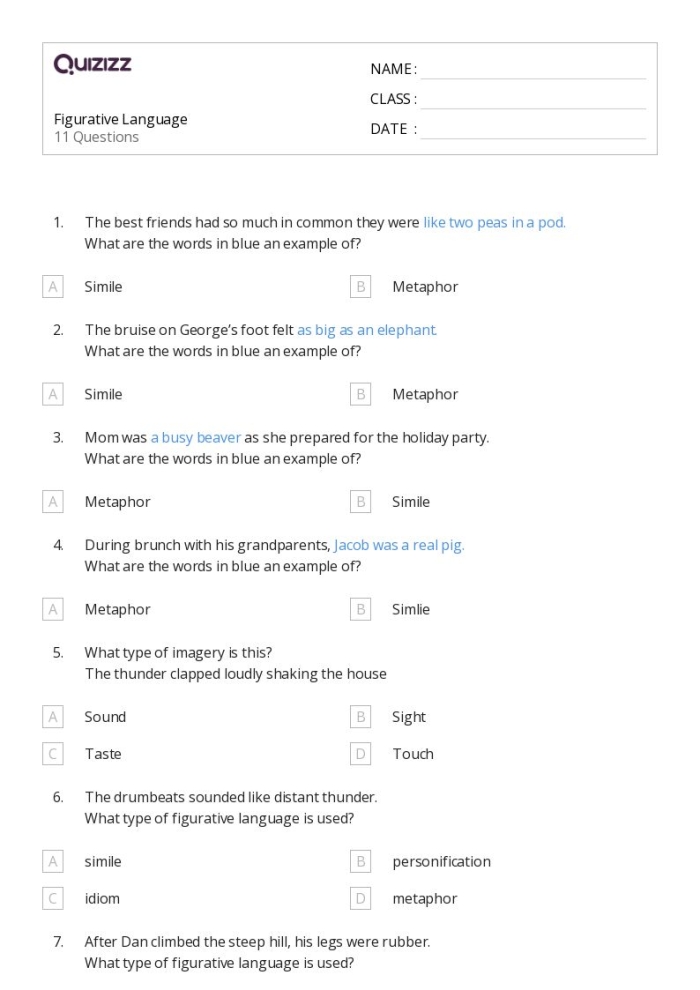
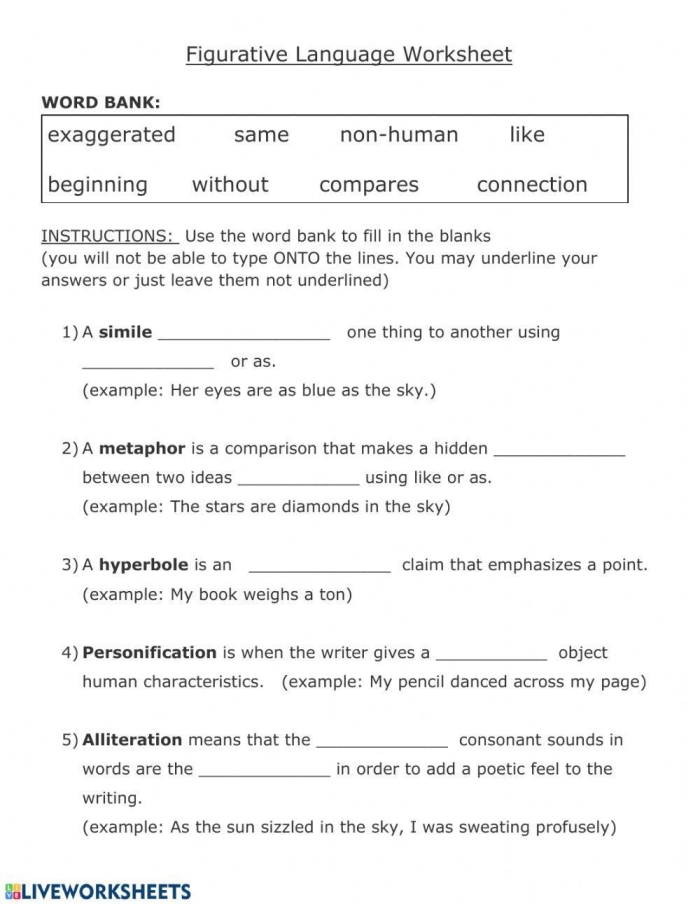
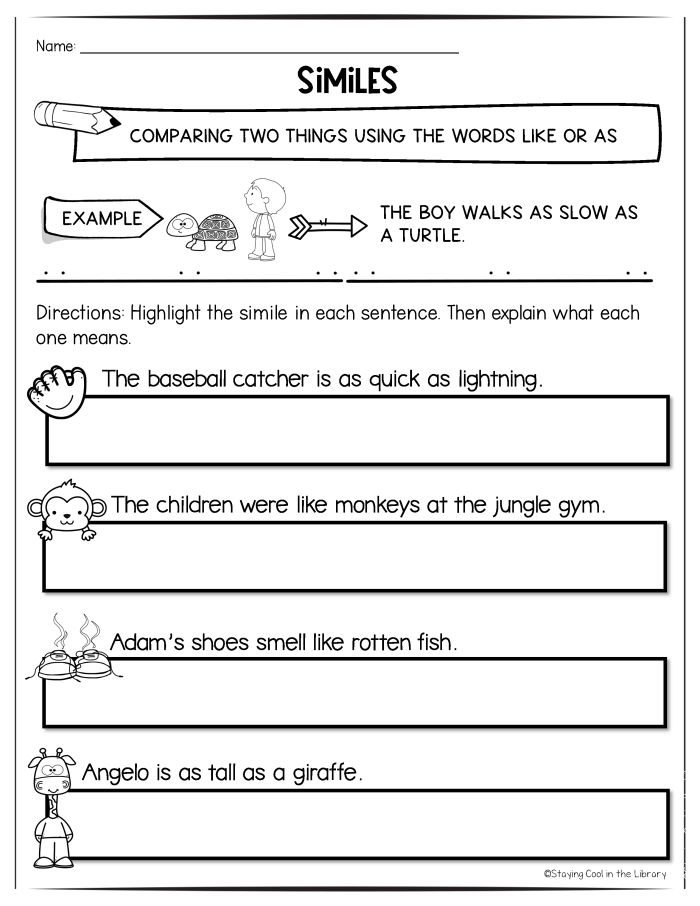
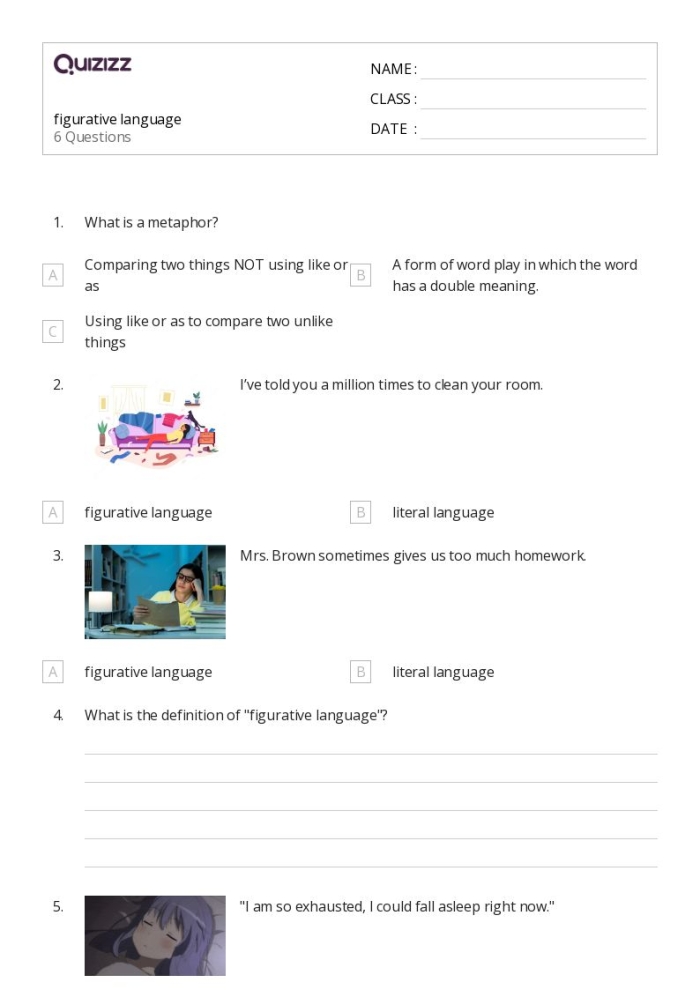
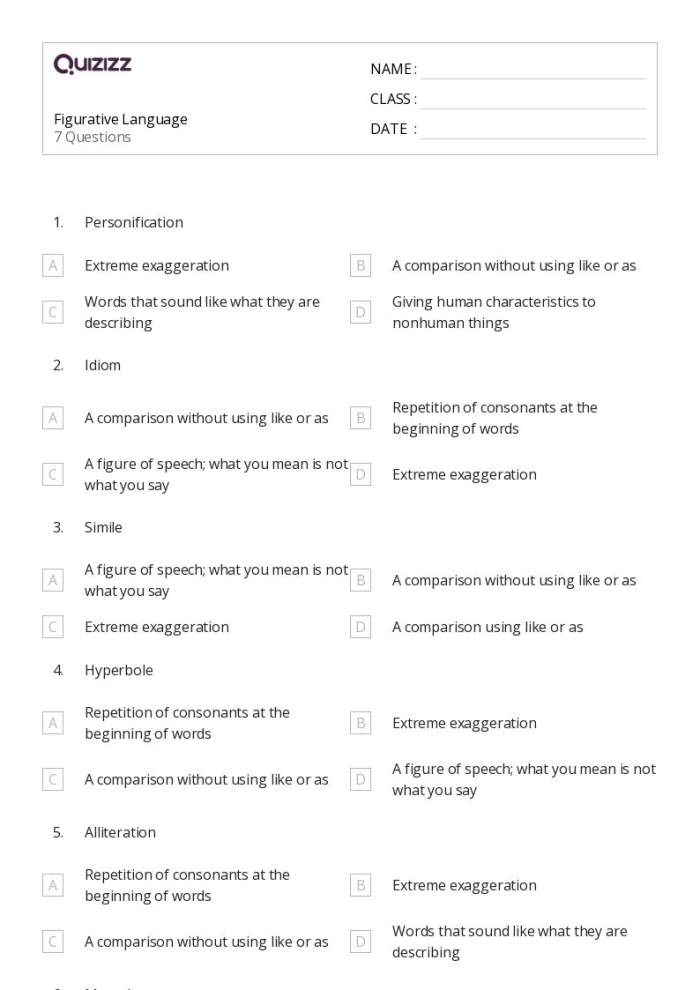
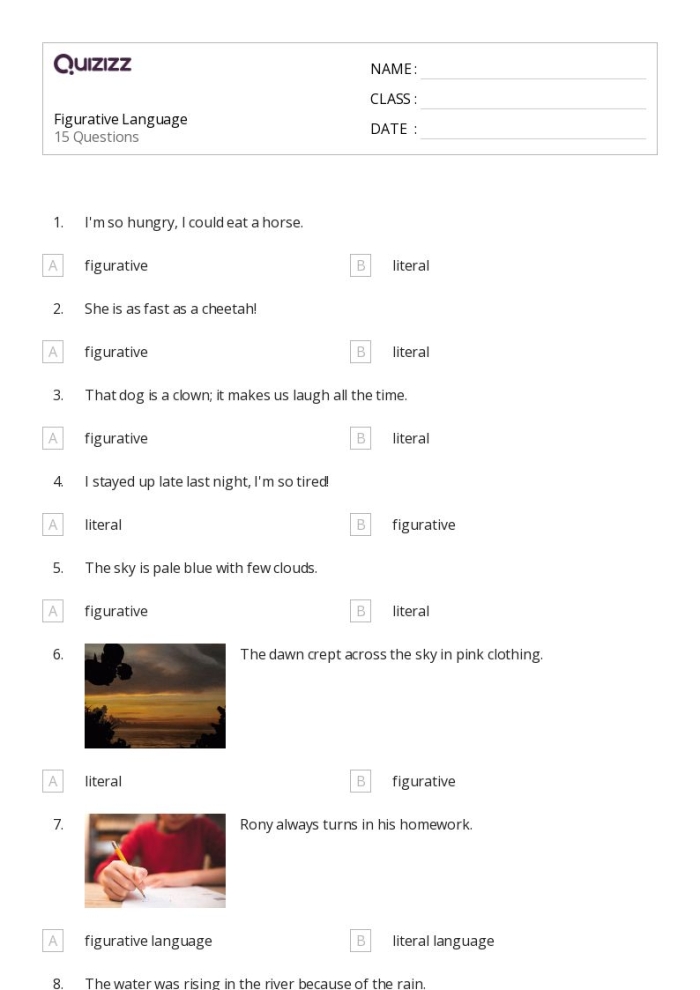
Similes are a captivating way for children to express their thoughts and add color to their writing. In third grade, students often practice identifying and interpreting similes through engaging exercises. One method is by examining nine sample sentences that demonstrate this type of figurative language. By focusing on similes, children learn to draw vivid comparisons that enhance their understanding of language and improve their writing skills.
A simile directly compares two different things using the words “like” or “as.” For instance, saying “Her smile was as bright as the sun” helps the reader visualize her happiness in a more relatable way. This technique not only makes writing more engaging but also encourages students to think creatively about their language choices. When children practice with samples, they develop a stronger grasp of how similes function within sentences and narrative structures.
Working with nine specific sentences allows for targeted practice. Each example can illustrate different contexts in which similes might be used, thereby helping students recognize patterns in language. For instance, one might see a simile describing a character’s speed, while another might capture a moment of joy. This variety is essential as it enables children to interpret meaning based on context, further deepening their understanding of figurative language.
Additionally, these exercises can pave the way for broader lessons in grammar and mechanics. Children can explore related concepts like compound sentences or the rules of divisibility. For example, after mastering similes, they might work on creating compound sentences to add complexity to their writing. This interconnected approach reinforces their overall language skills, making them more adept at using various forms of expression.
As students become more confident in identifying and using similes, they not only enrich their vocabulary but also learn to appreciate the beauty of language. By incorporating fun and relatable examples, teachers can motivate their third graders to explore the world of figurative language, setting the stage for more advanced concepts in the future.
Use These Worksheets Today