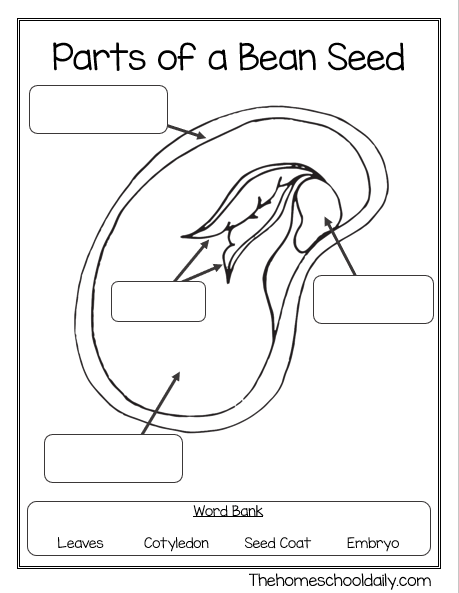
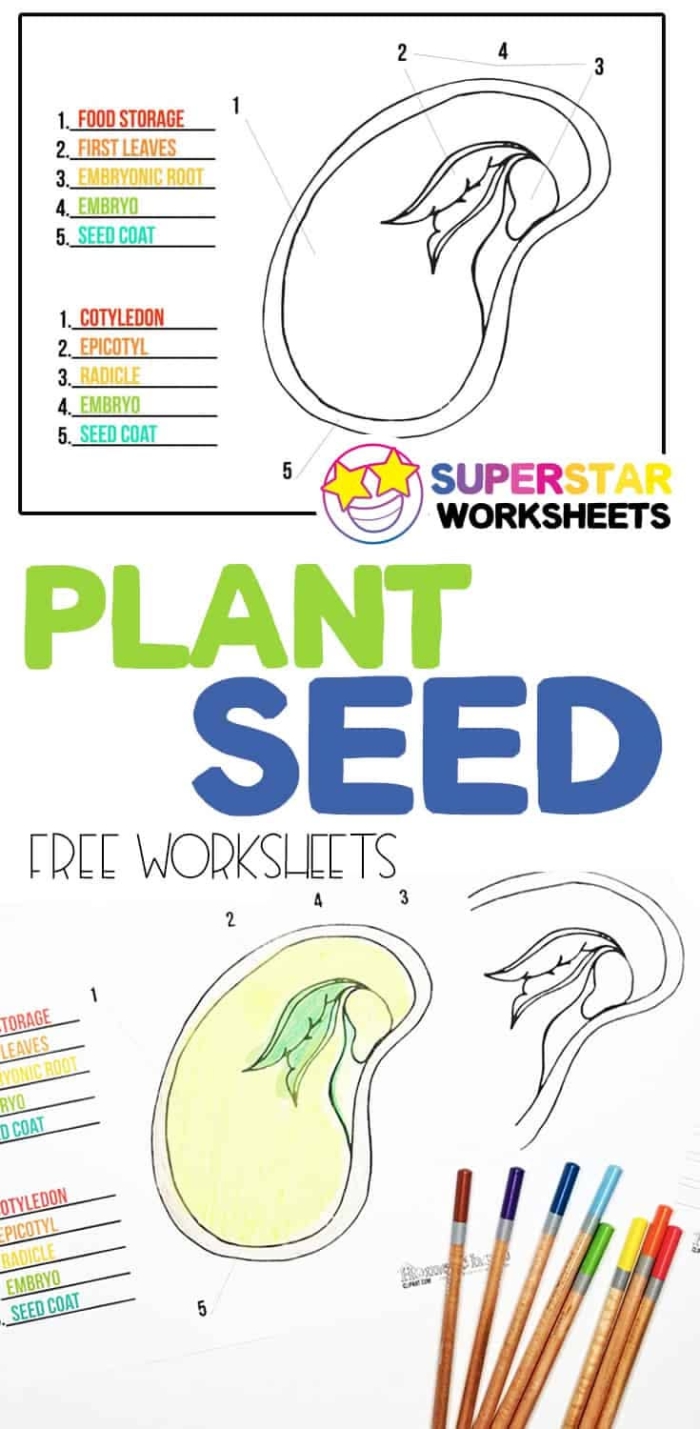
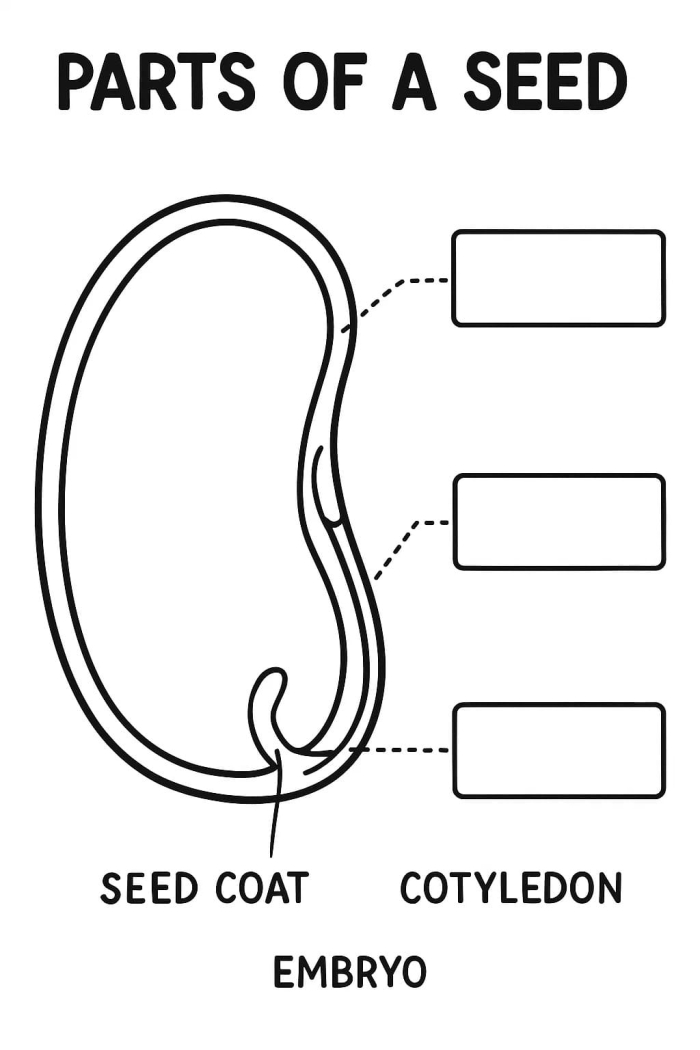
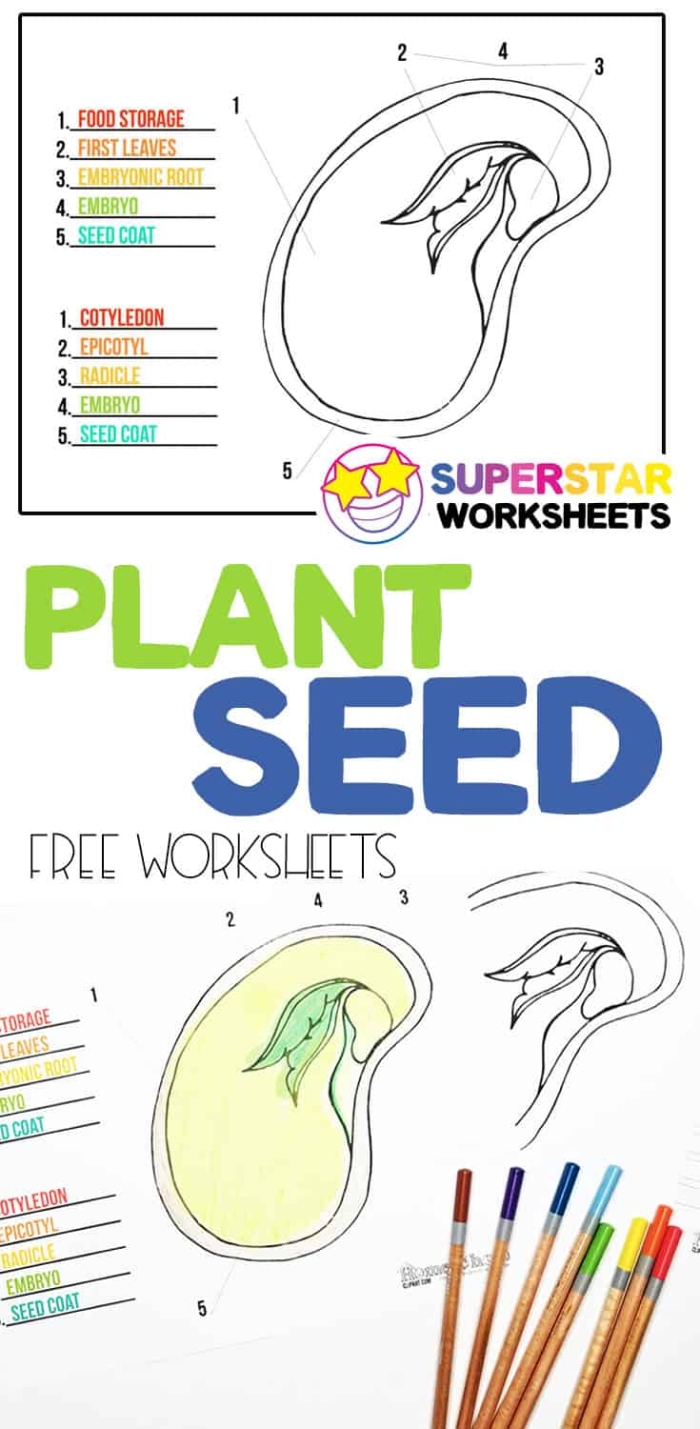
Understanding the parts of a seed is essential for any aspiring botanist. Seeds are the building blocks of plant life, and each component has a specific role that contributes to the plant’s development. A helpful diagram can simplify this learning process, making it easier for fifth graders to grasp these concepts in a fun and engaging way.
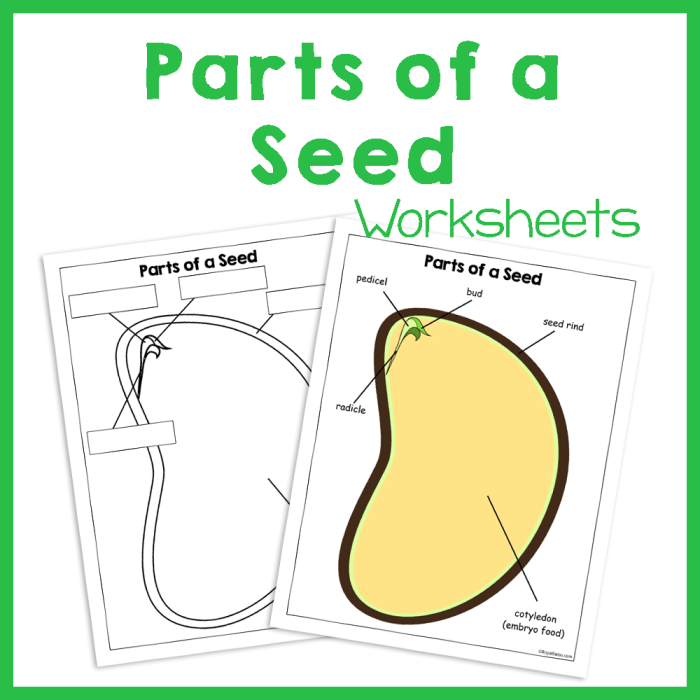
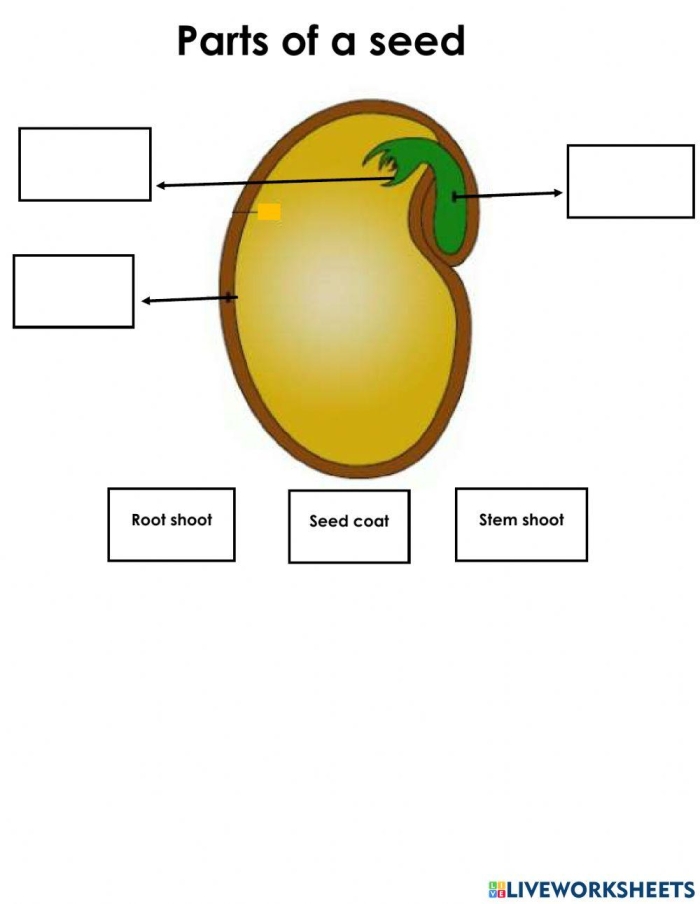
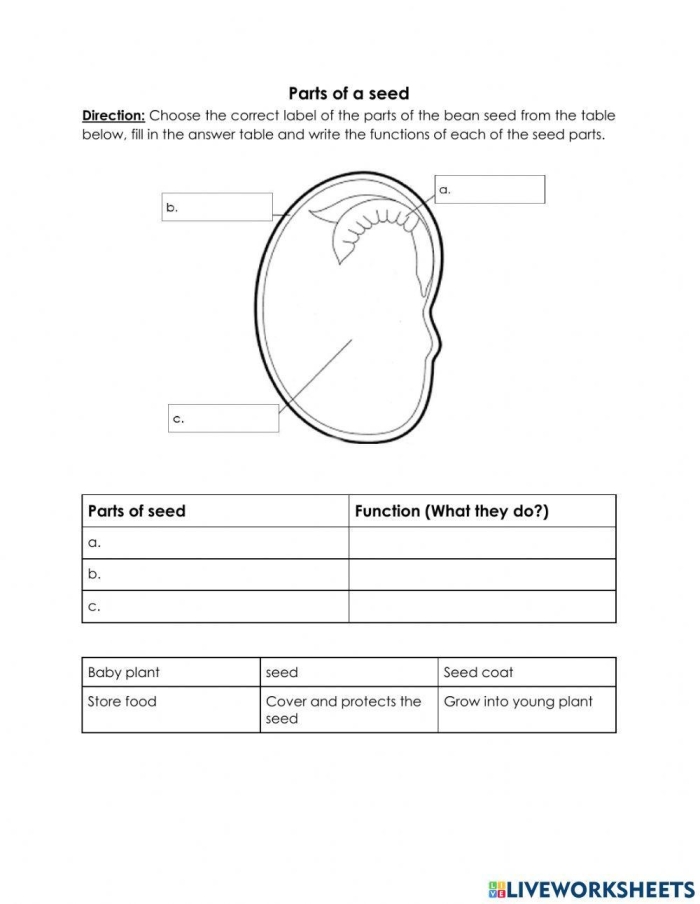
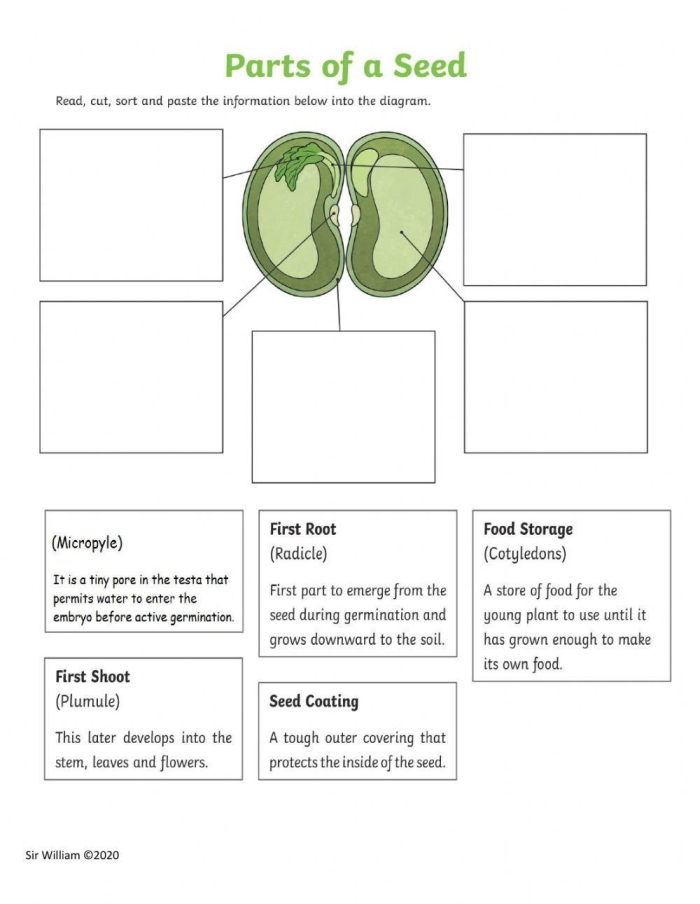
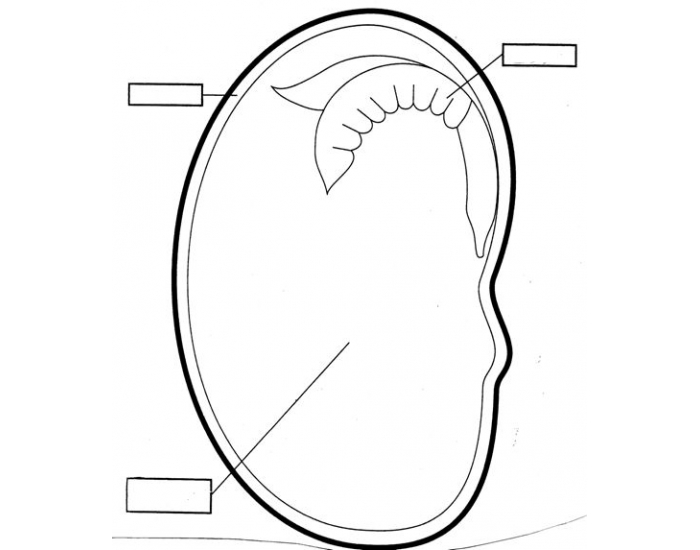
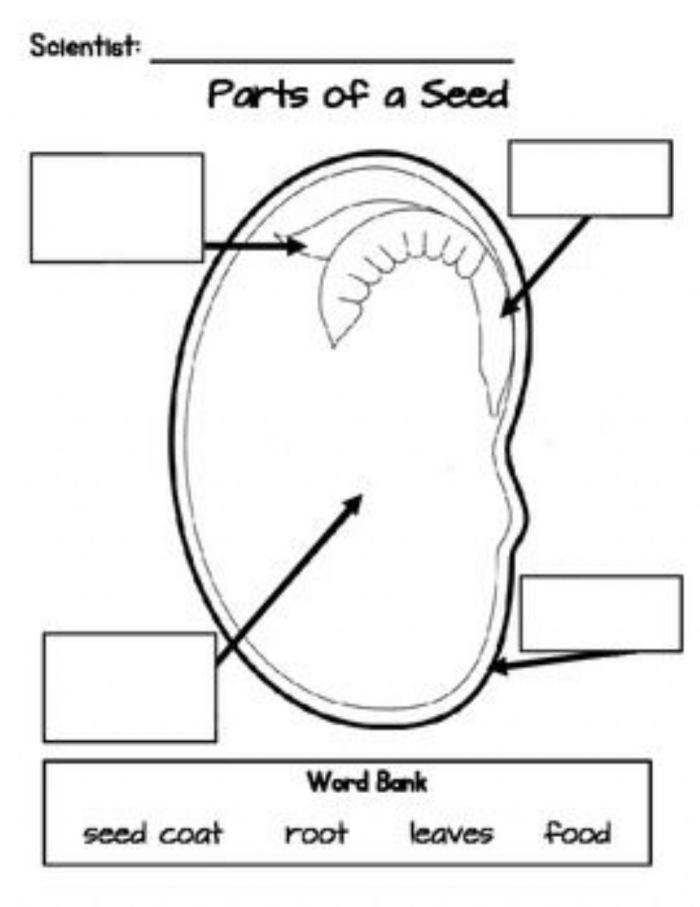
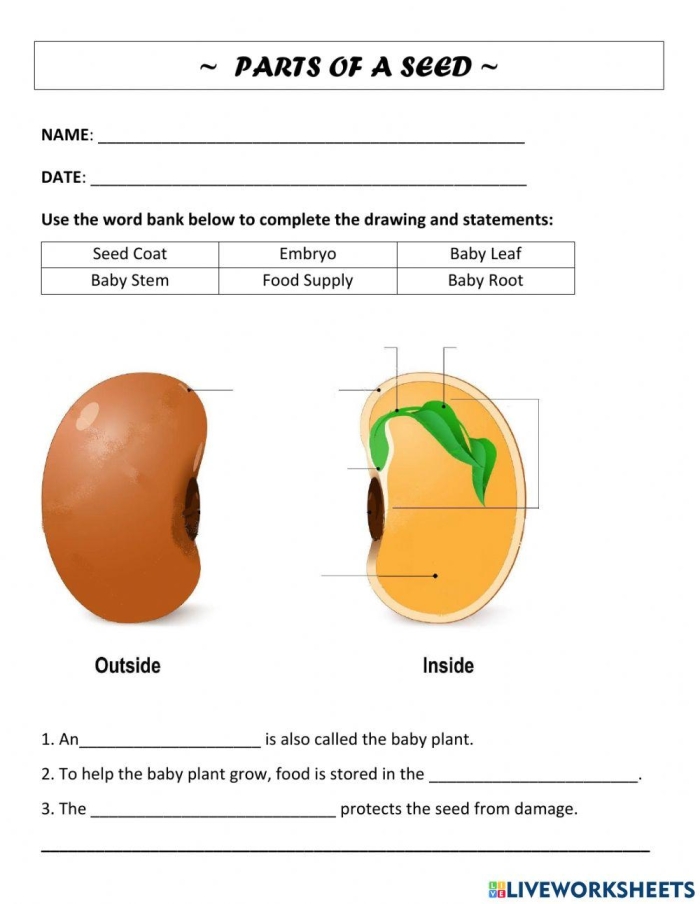
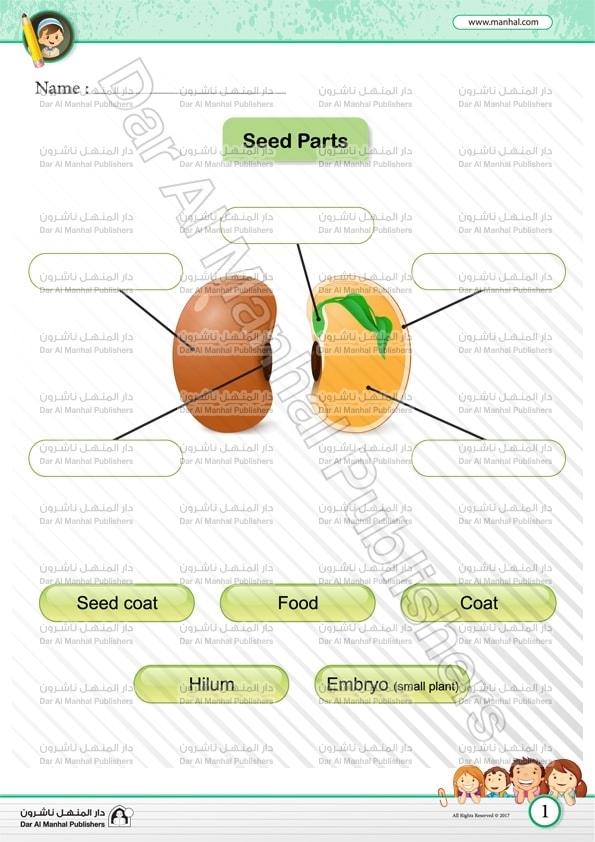
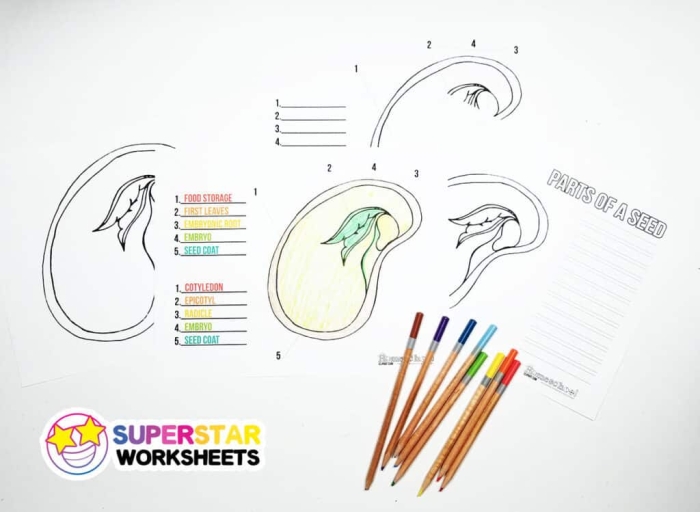
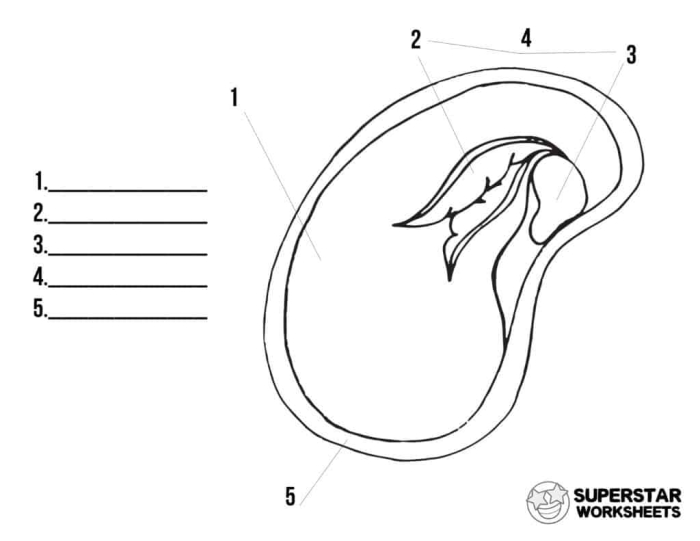
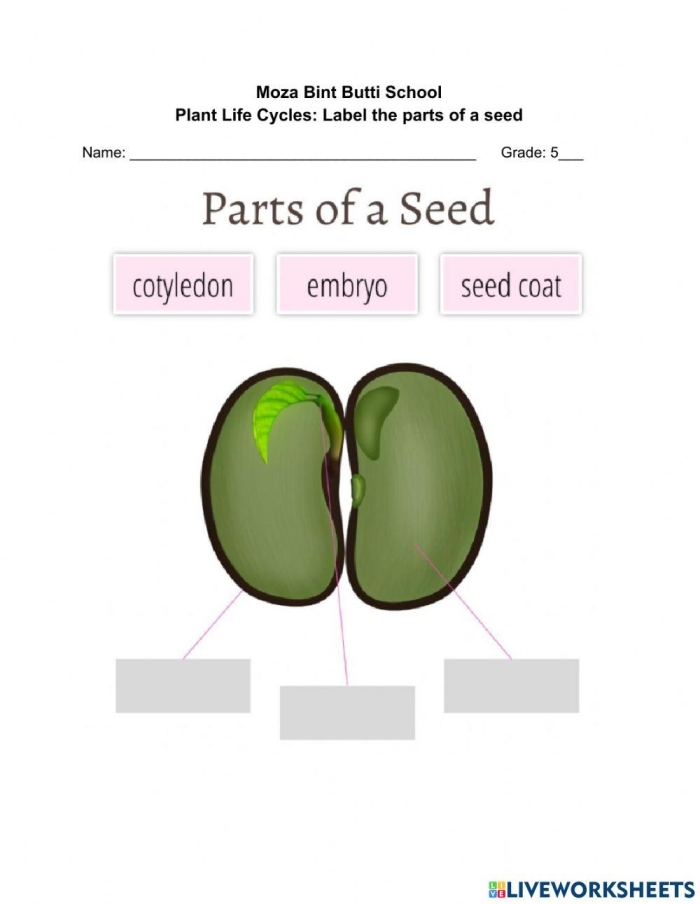
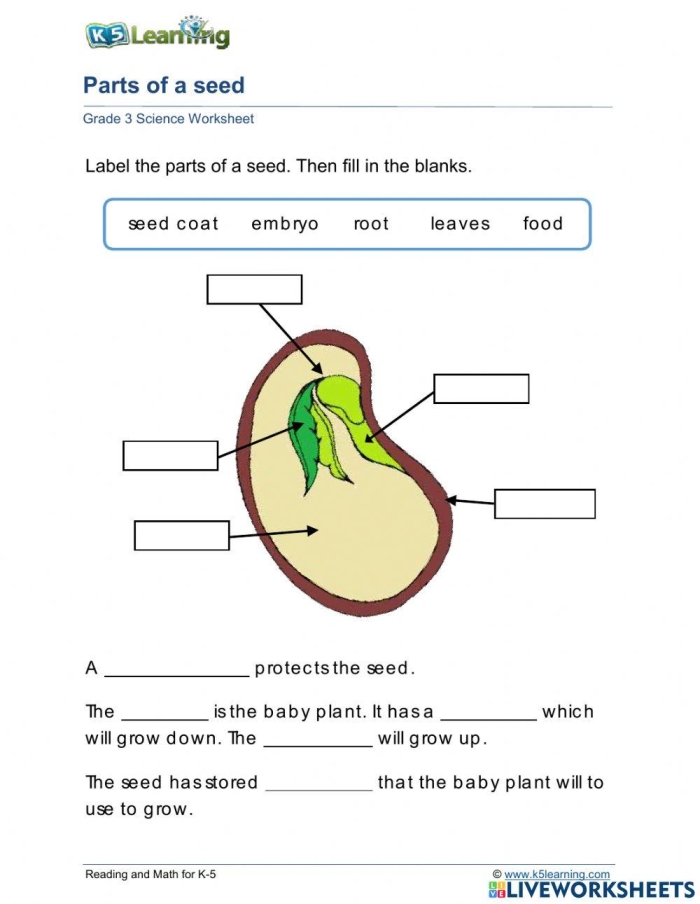
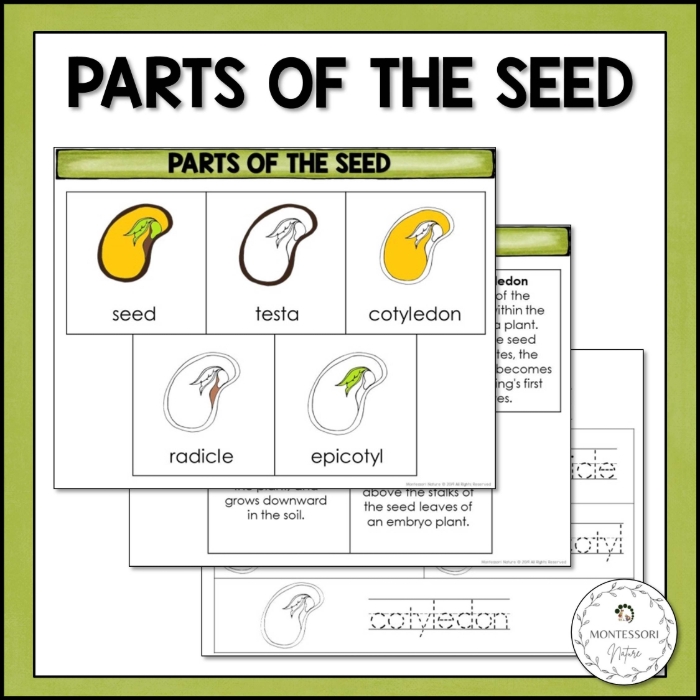
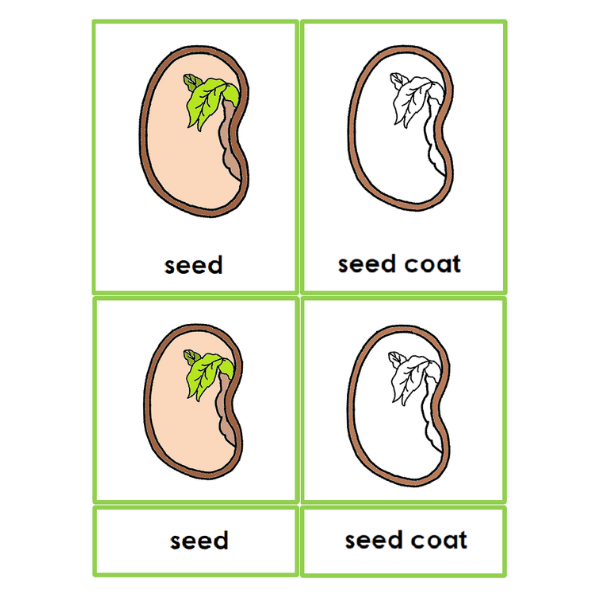
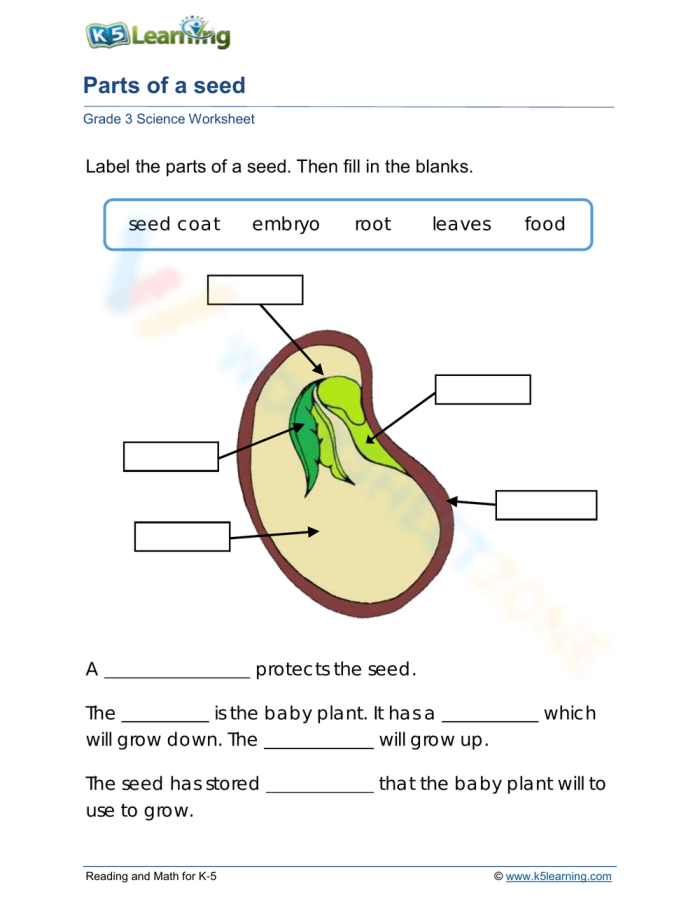
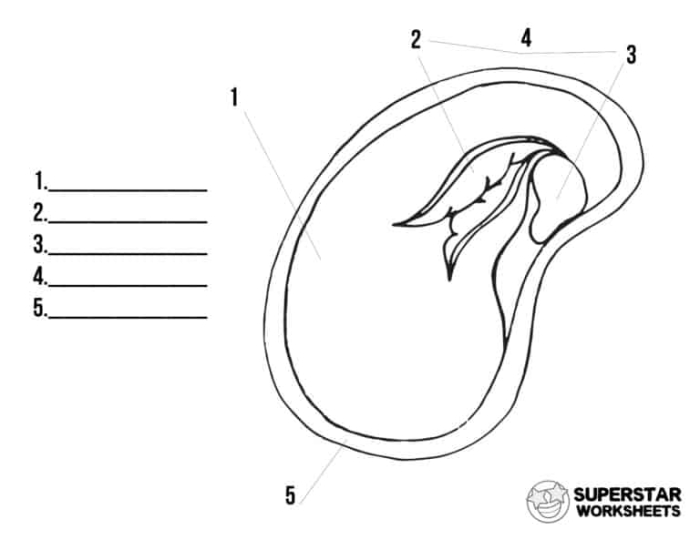
Seeds consist of three main parts: the seed coat, the embryo, and the endosperm. The seed coat acts as a protective layer, shielding the embryo from physical damage and dehydration. It is often hard and tough, ensuring that the delicate plant inside remains safe until conditions are right for germination. When the seed absorbs water and swells, the seed coat can split, allowing the plant to emerge.
Next comes the embryo, which is essentially the young plant itself. It contains the structures that will develop into roots, stems, and leaves. This part of the seed is crucial because it will grow into a new plant when the seed is planted in the right environment. Proper understanding of the embryo’s function is key for budding botanists who want to learn about plant growth and development.
The endosperm is another vital component, serving as a food reserve for the developing embryo. It provides the necessary nutrients that the embryo needs until it can begin photosynthesis. This relationship illustrates the interdependence of seed parts and showcases how life begins within a tiny package.
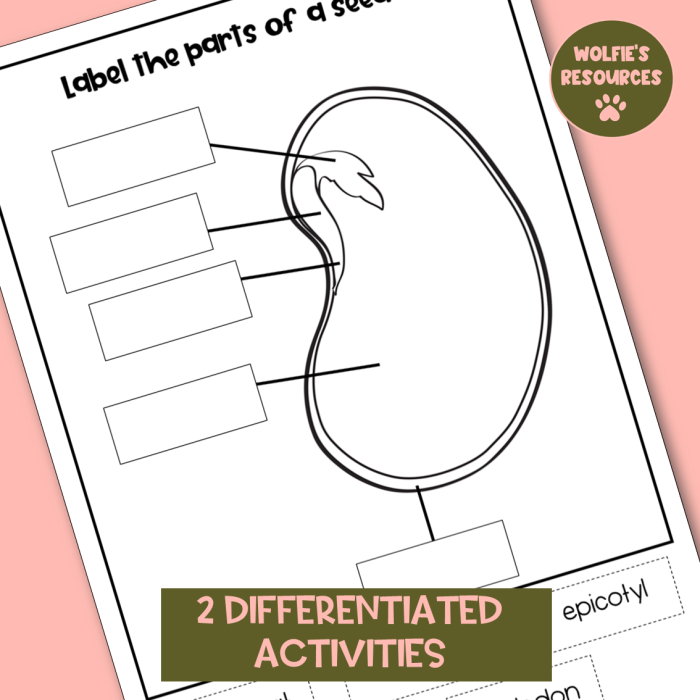
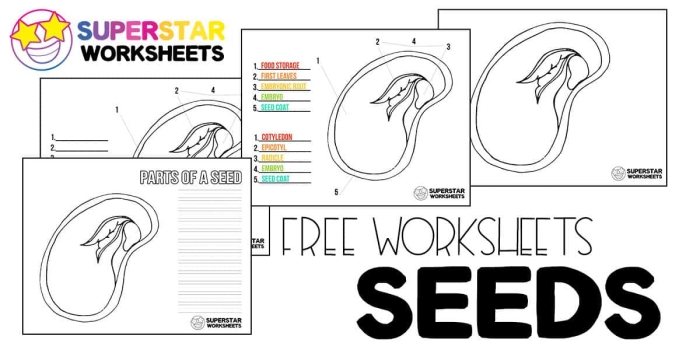
For those looking for a more hands-on approach, printable worksheets on the parts of a seed can enhance learning. These resources can help reinforce the knowledge gained from diagrams and make the information stick. Understanding these fundamental concepts prepares students for more advanced topics in botany and statistics.
By mastering the parts of a seed, young learners not only gain knowledge about plant biology but also develop critical thinking skills that apply to other areas, such as statistics. The exploration of seeds serves as a gateway to understanding larger ecosystems and the role of plants in our world.
Hands-On Worksheet Activities