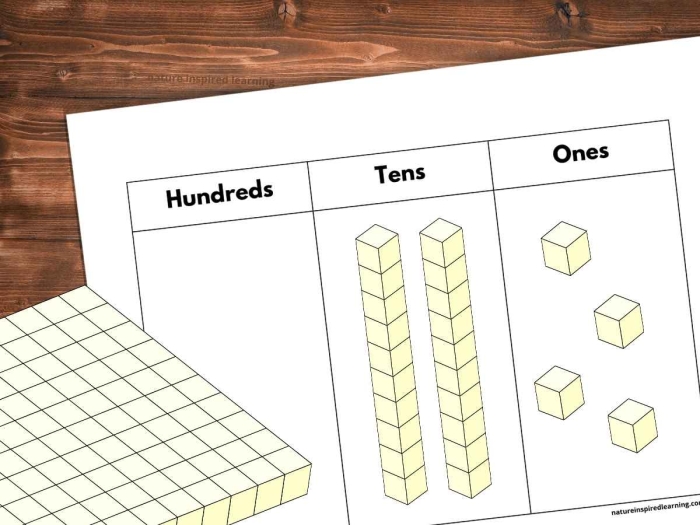
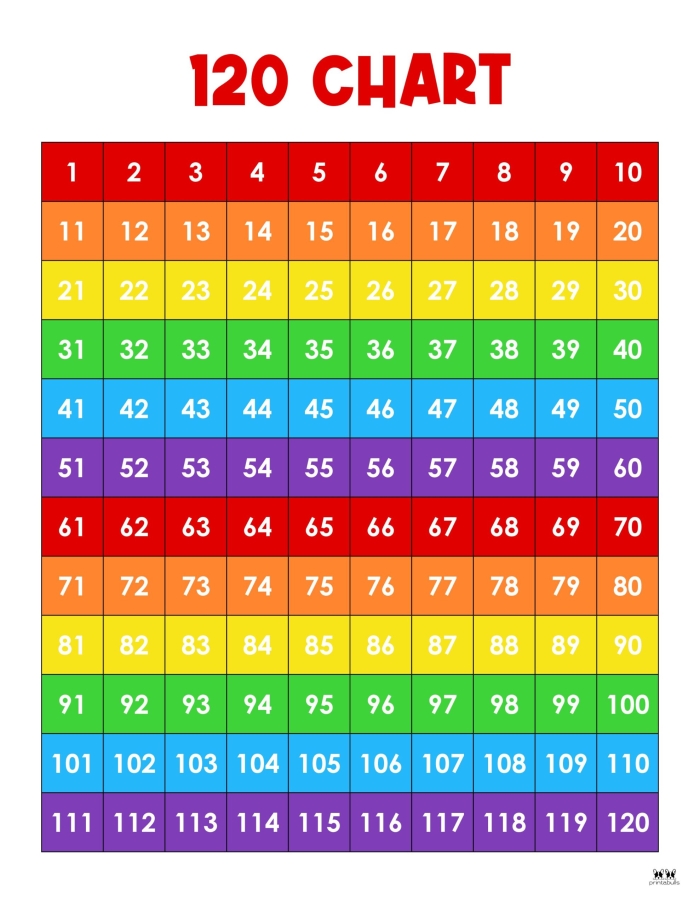
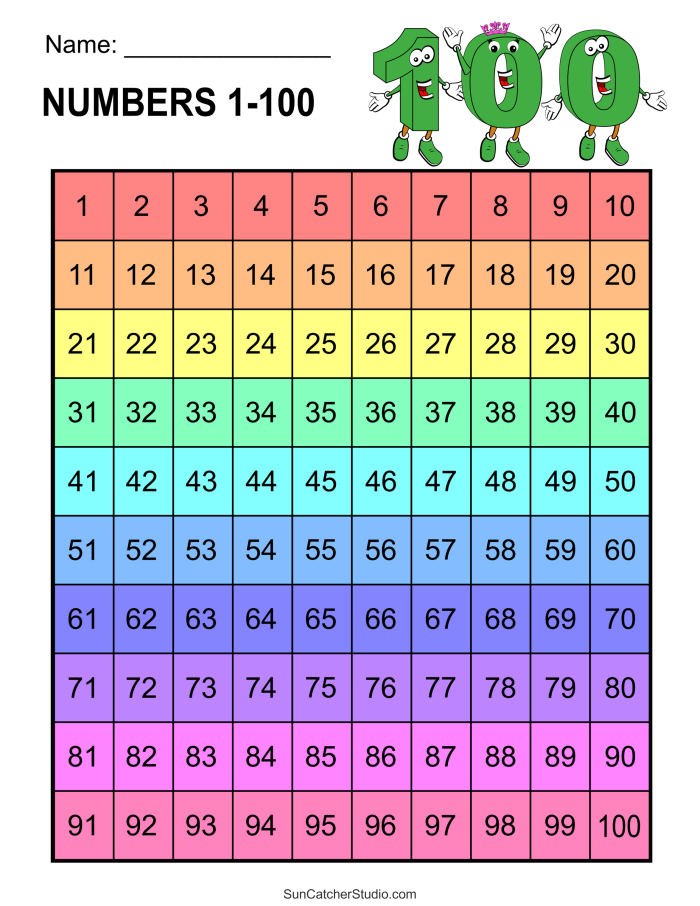
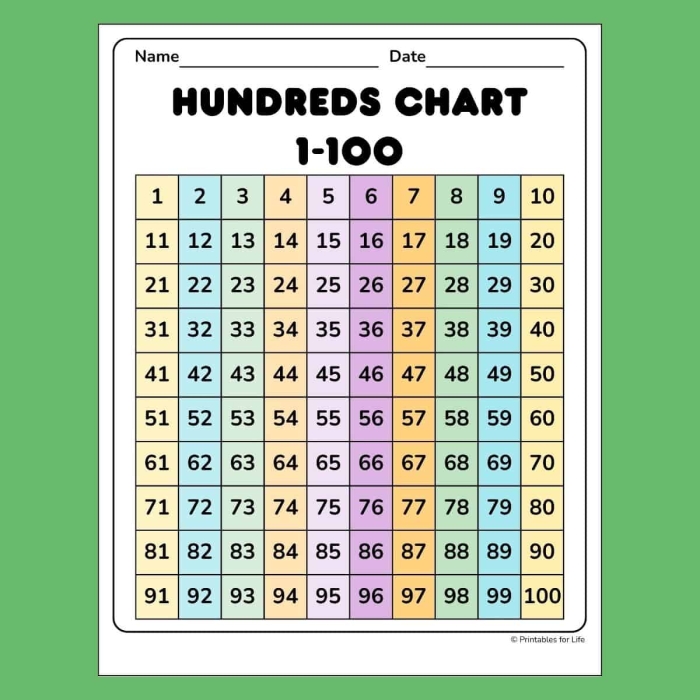
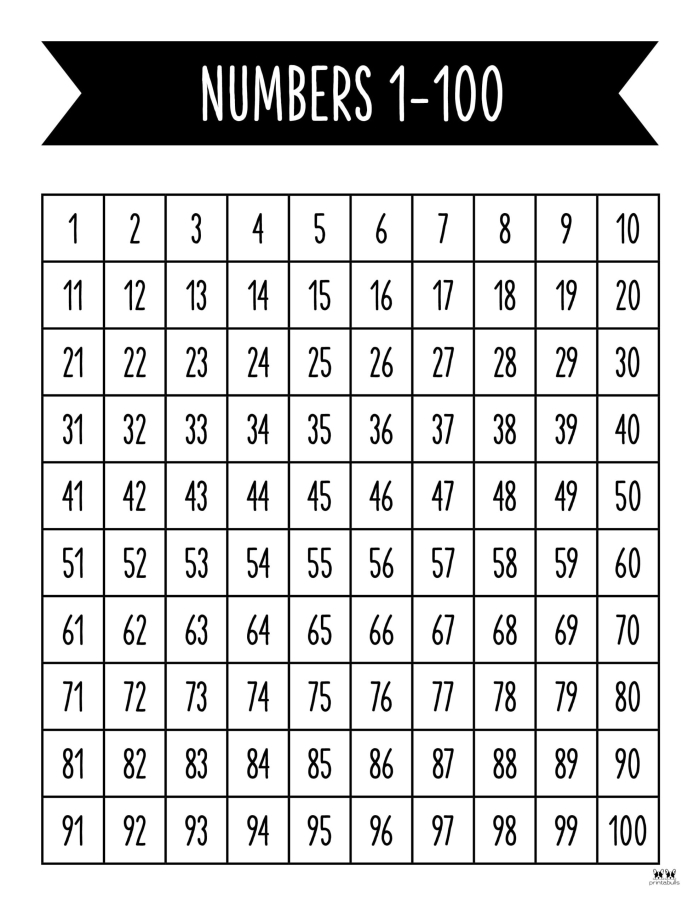
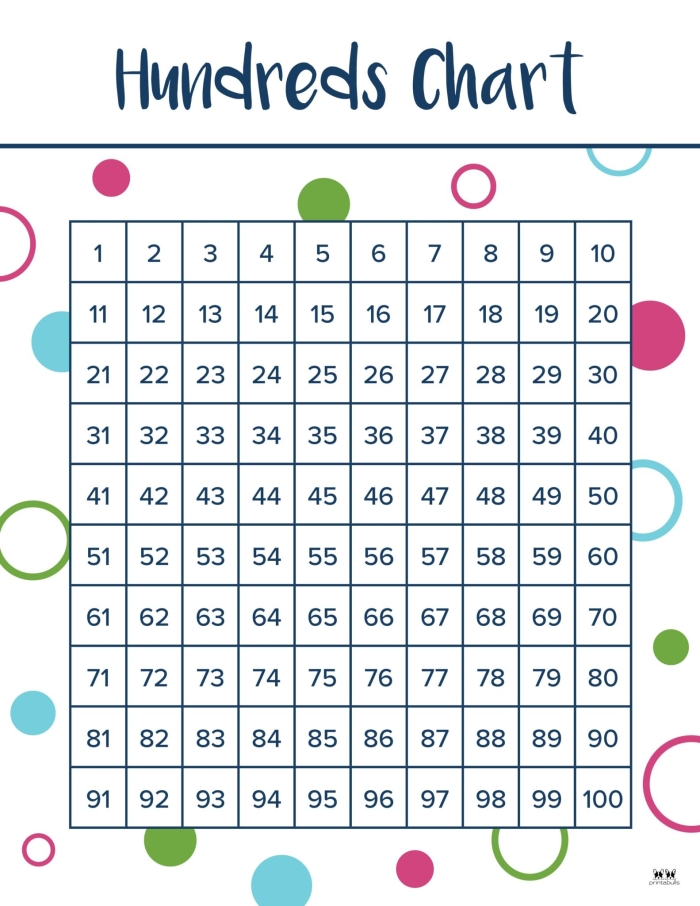
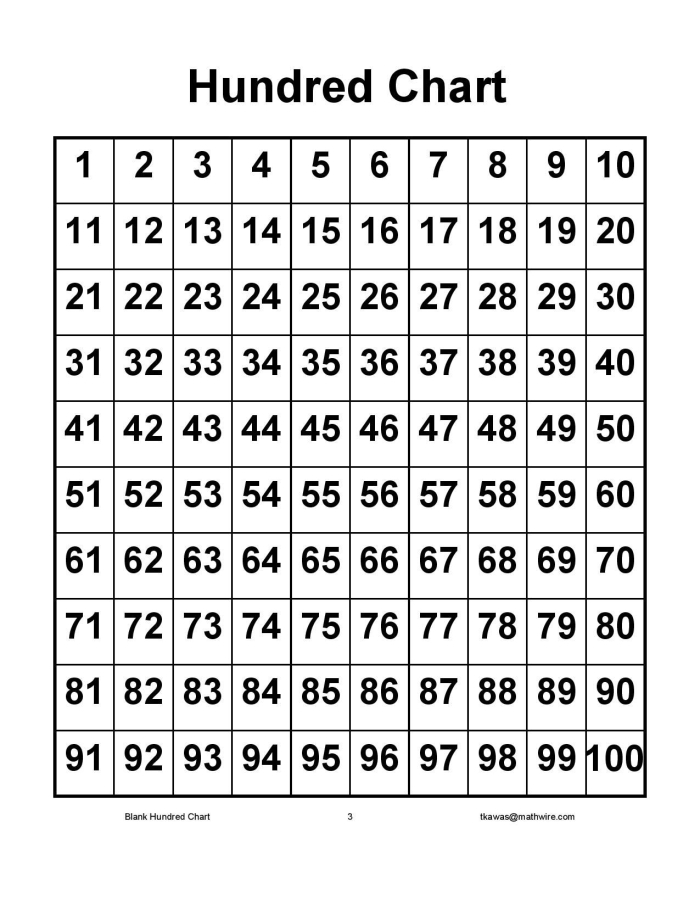
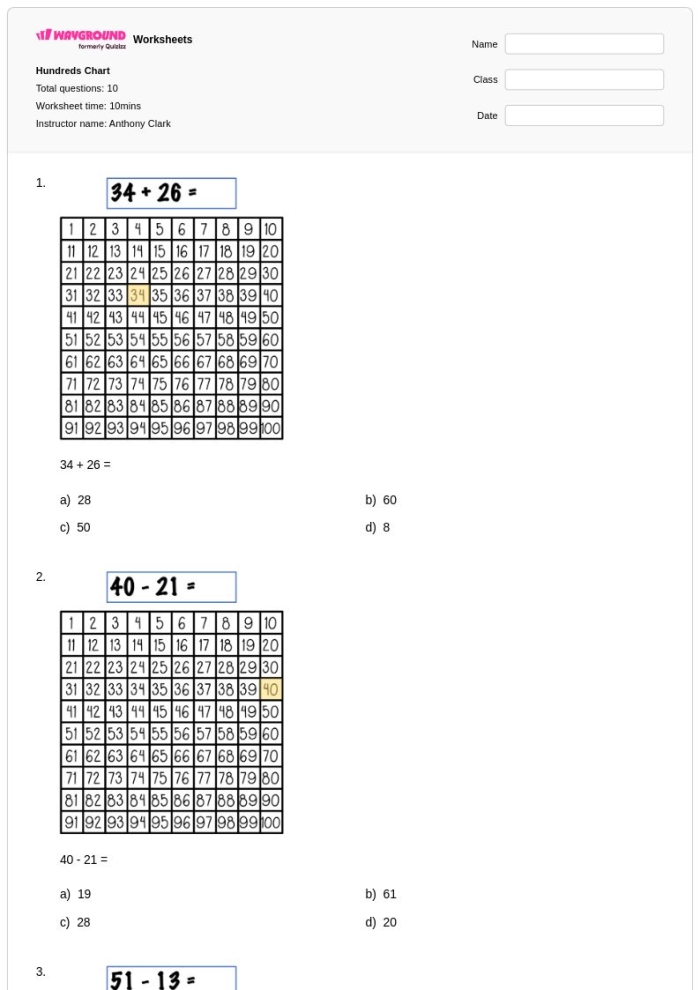
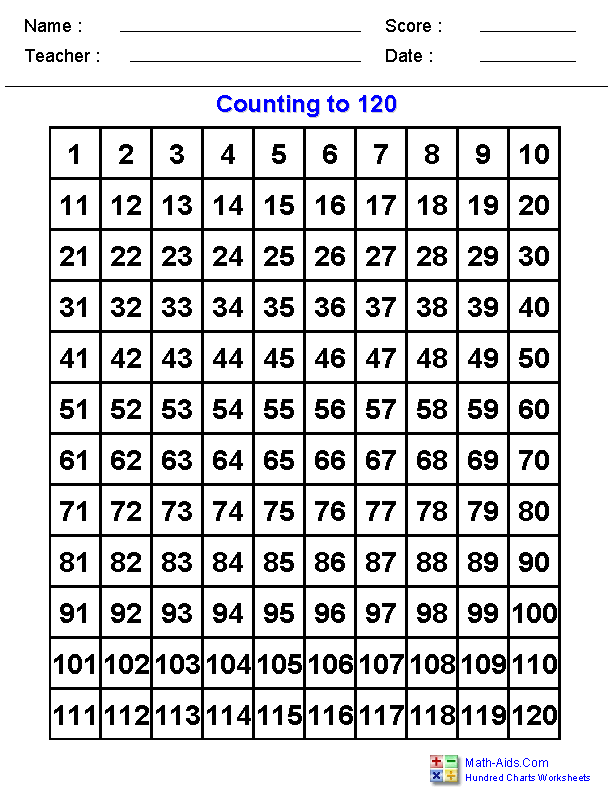
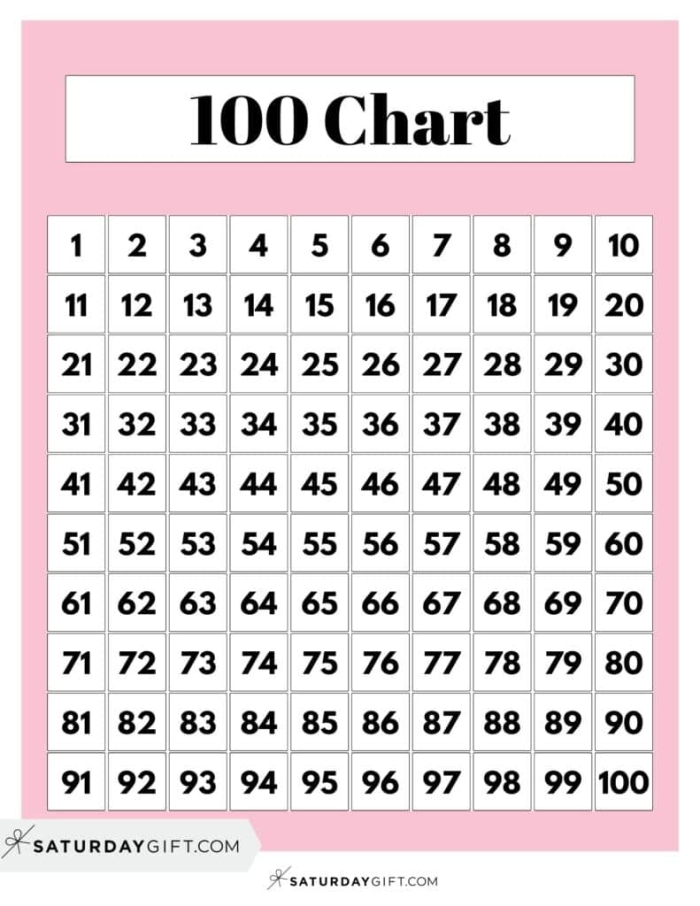
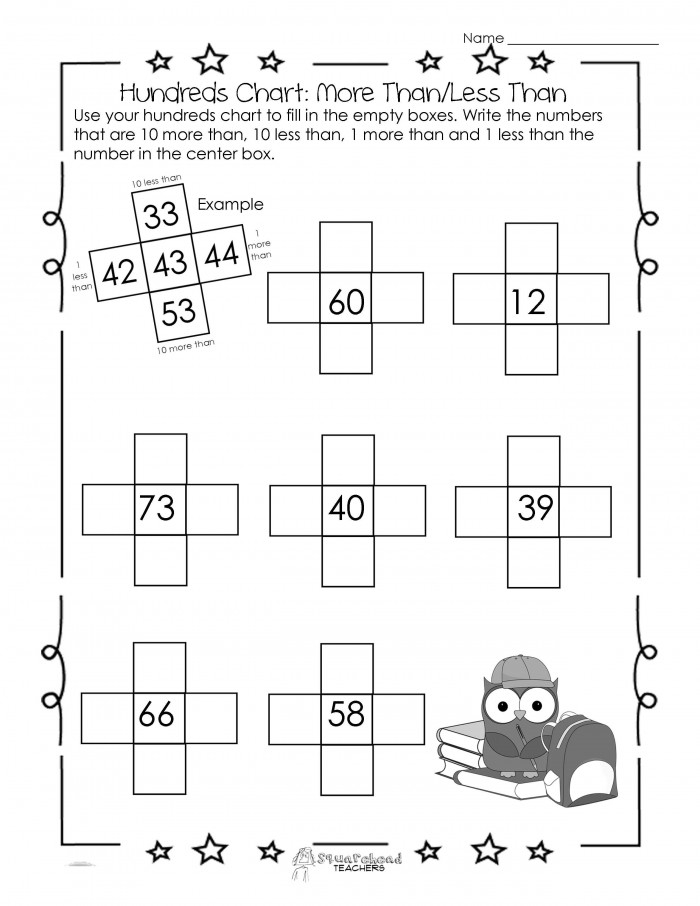
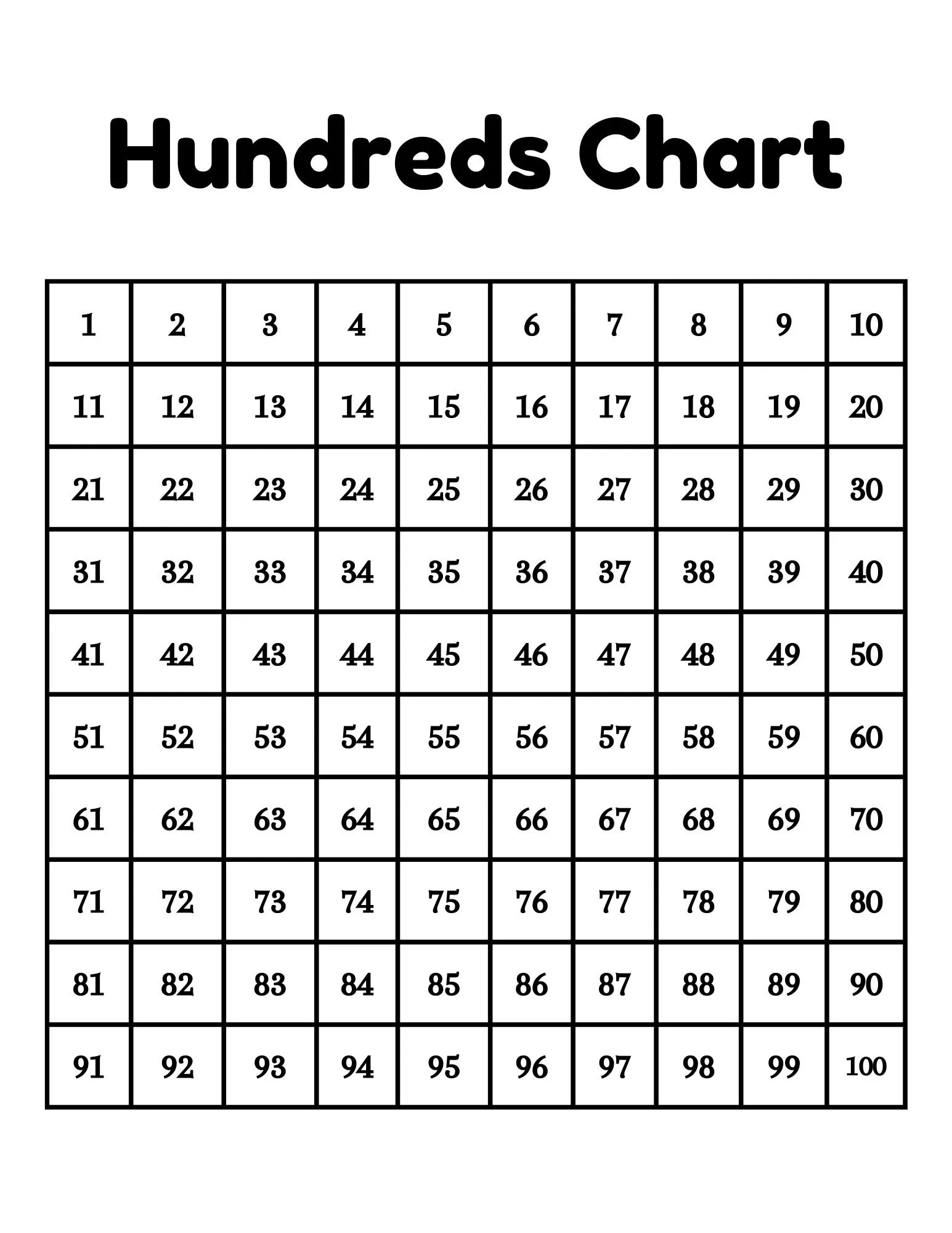
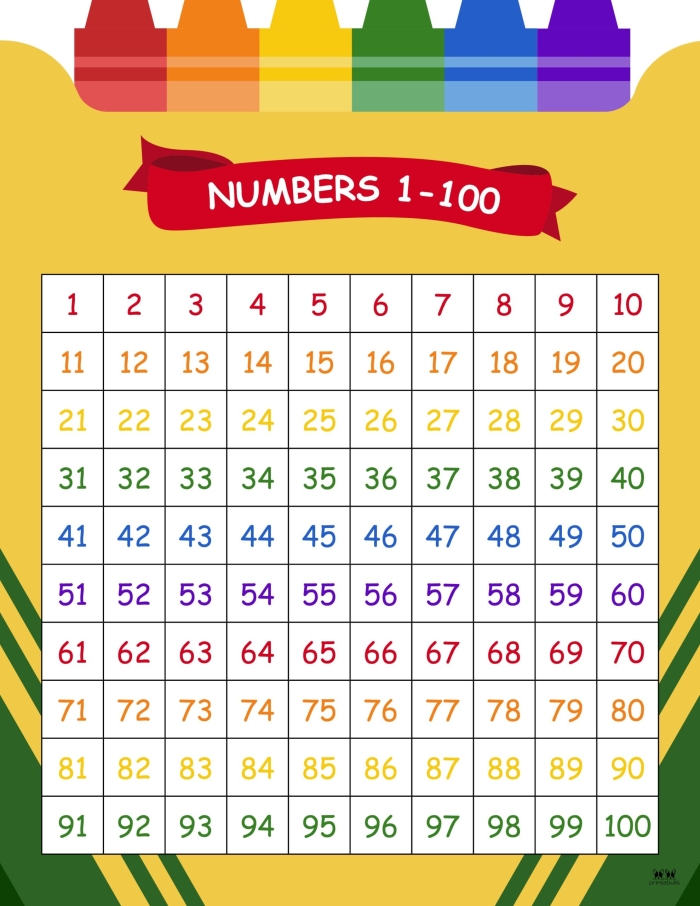
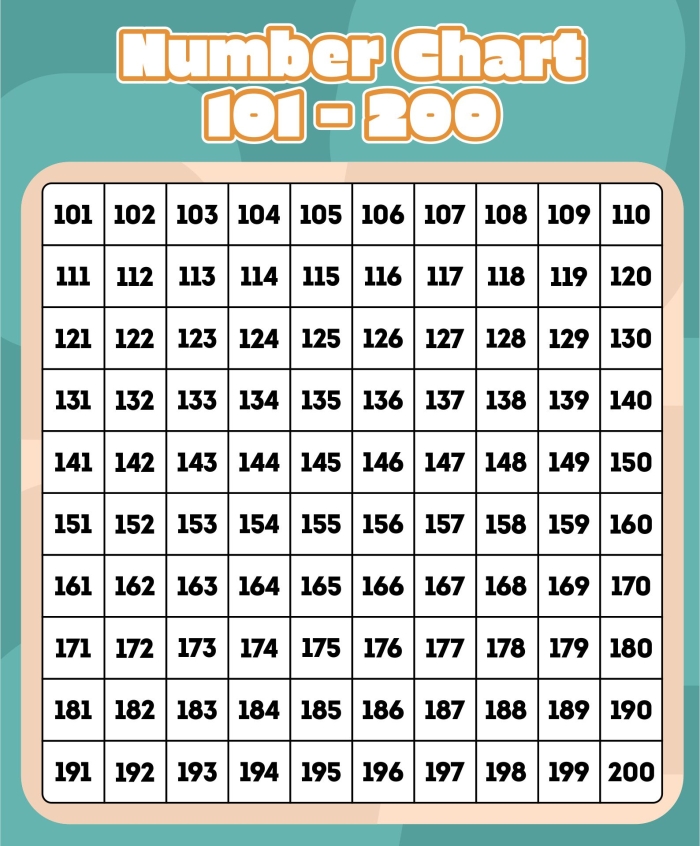
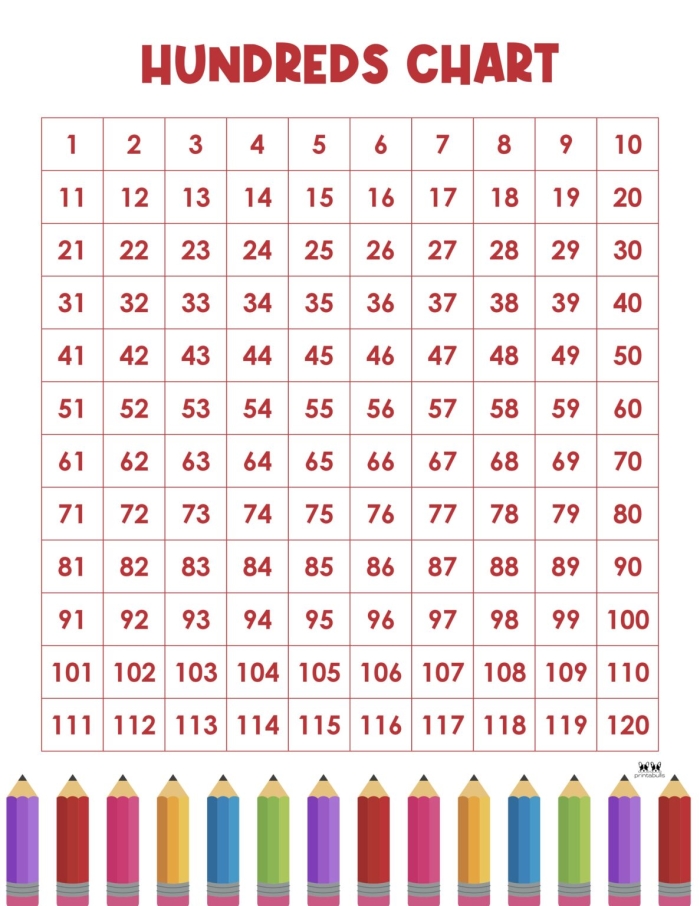
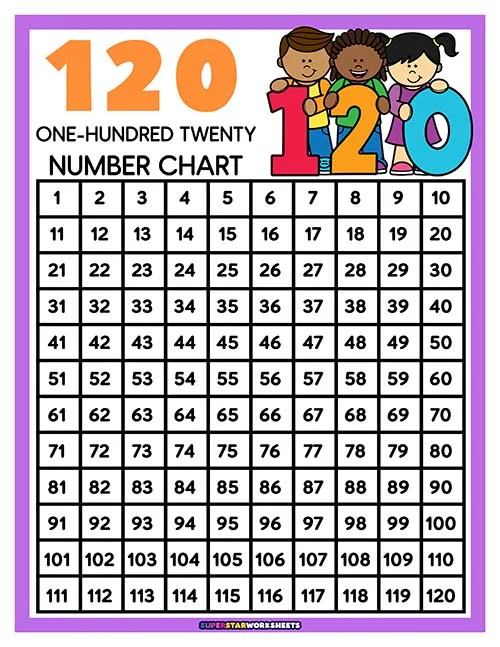
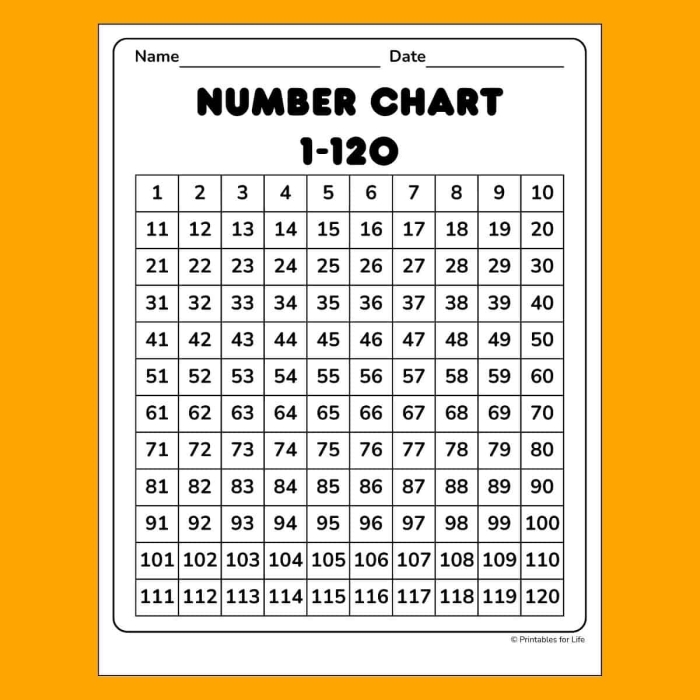
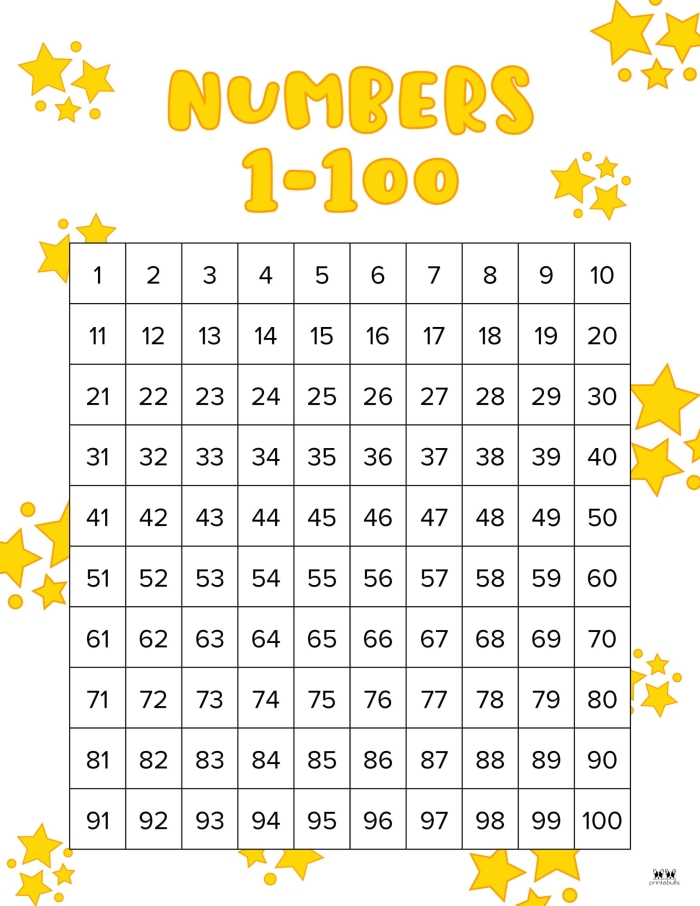
How high can you count? For first and second graders, counting beyond a hundred can be both fun and educational. Using a hundreds chart, students strengthen their understanding of the foundational concepts of ones and tens while engaging in interactive learning. This chart serves as a visual aid that makes the abstract idea of numbers more concrete.
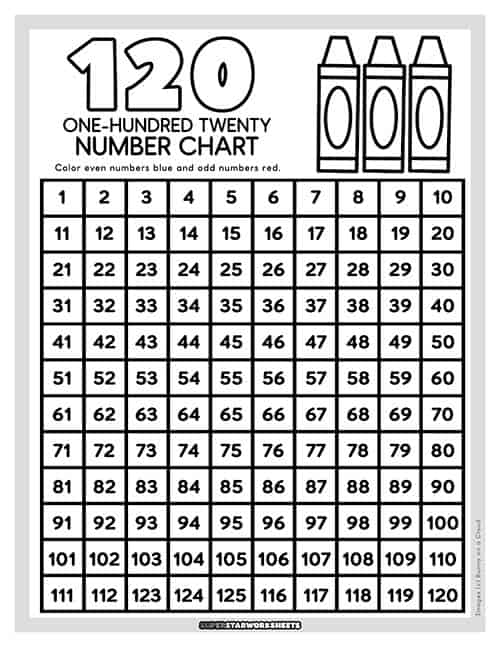
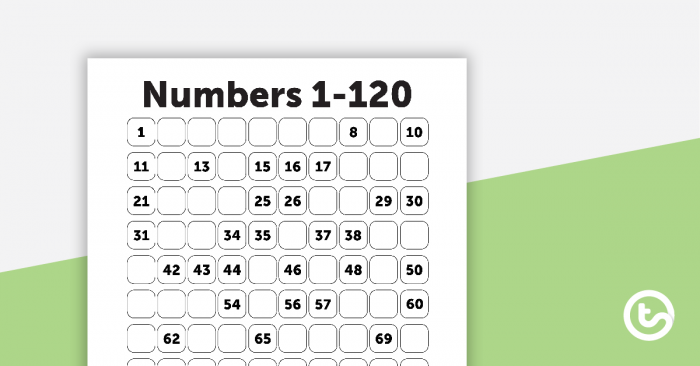
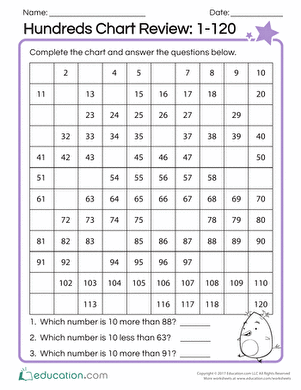
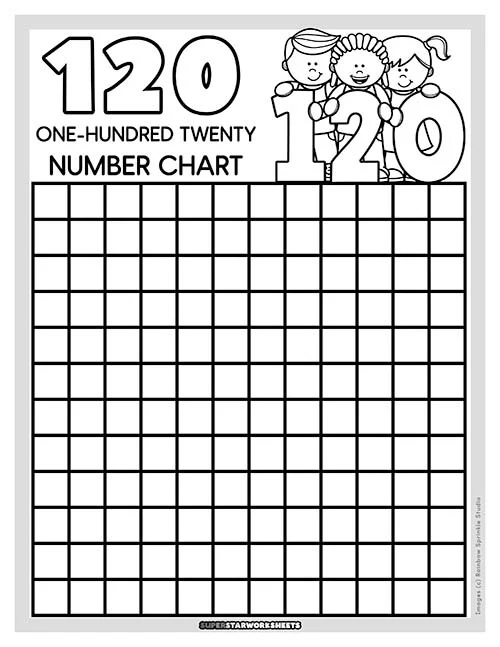
In a typical classroom activity, students fill in missing numbers on the hundreds chart up to 120. This exercise helps them recognize patterns in numbers, such as the way tens are grouped. For example, noticing that after 29 comes 30 can help students grasp the transition from one set of tens to another. As they fill in the chart, they develop number sense, which is crucial for future math skills.
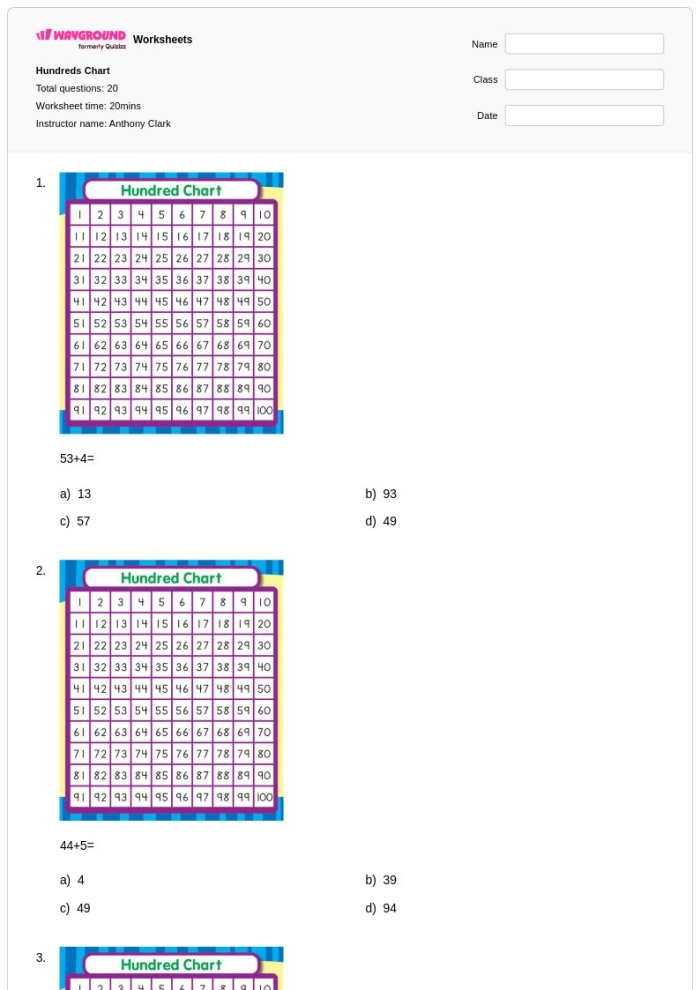
After completing the chart, students can tackle questions that require them to use the numbers they’ve just filled in. These questions might ask them to identify which number comes before or after a given number, or to skip count by tens. This not only reinforces their counting skills but also encourages critical thinking as they analyze the relationships between numbers.
Incorporating a hundreds chart into lessons can lead to greater confidence in mathematics. For those seeking printable resources, there are numerous worksheets available online, including options tailored specifically for first graders. Engaging activities like those found in the Bicycle Ride reading worksheets or All About My Mom reading materials can complement the use of the hundreds chart and enhance overall learning.
By integrating these tools into reading and math lessons, educators can create a dynamic learning environment where students not only learn how to count but also enjoy the process. The hundreds chart is more than just a simple grid; it’s a stepping stone to developing essential mathematical skills that will benefit students throughout their academic journey.
Printable Worksheets for Practice