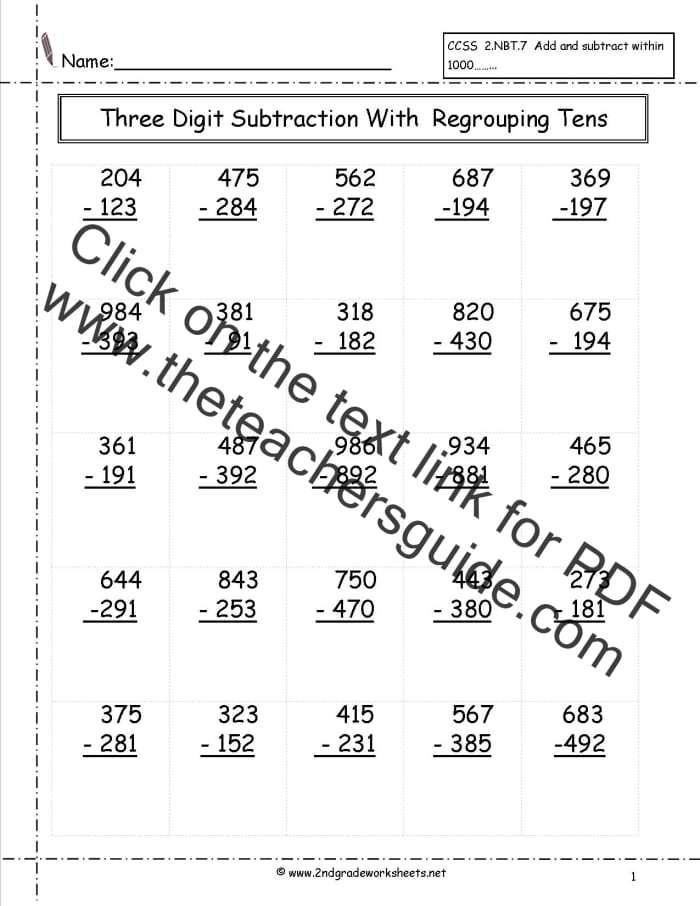
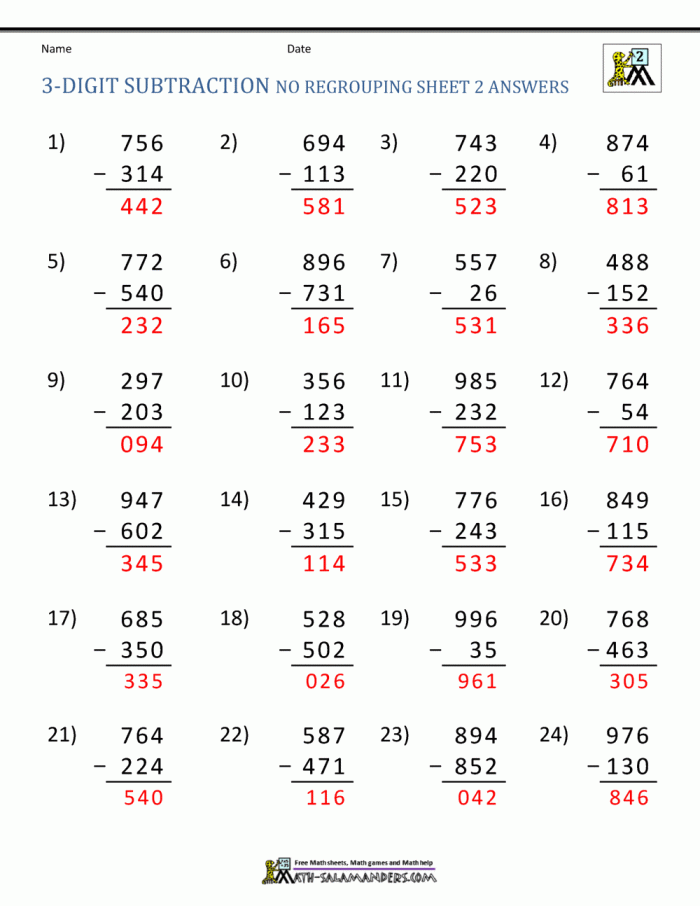
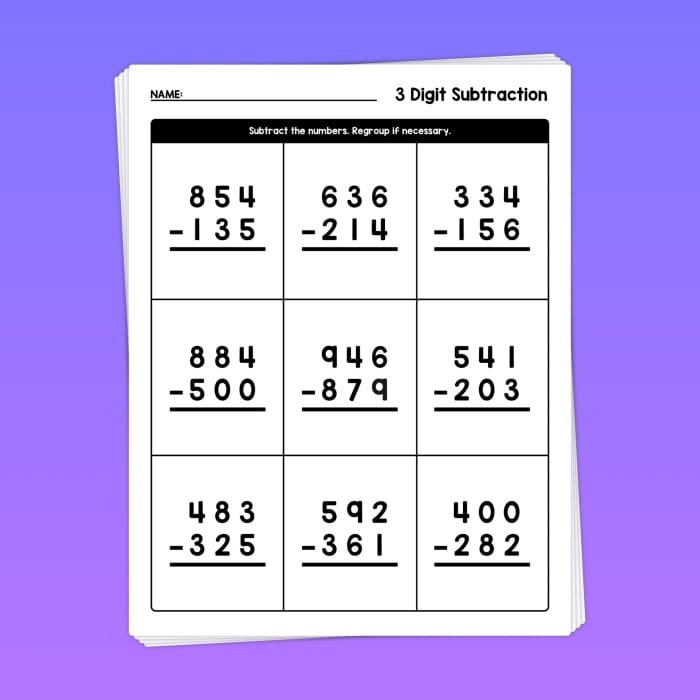
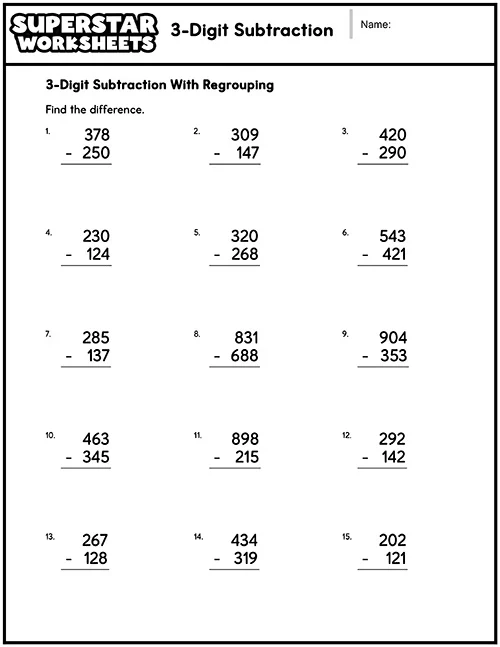
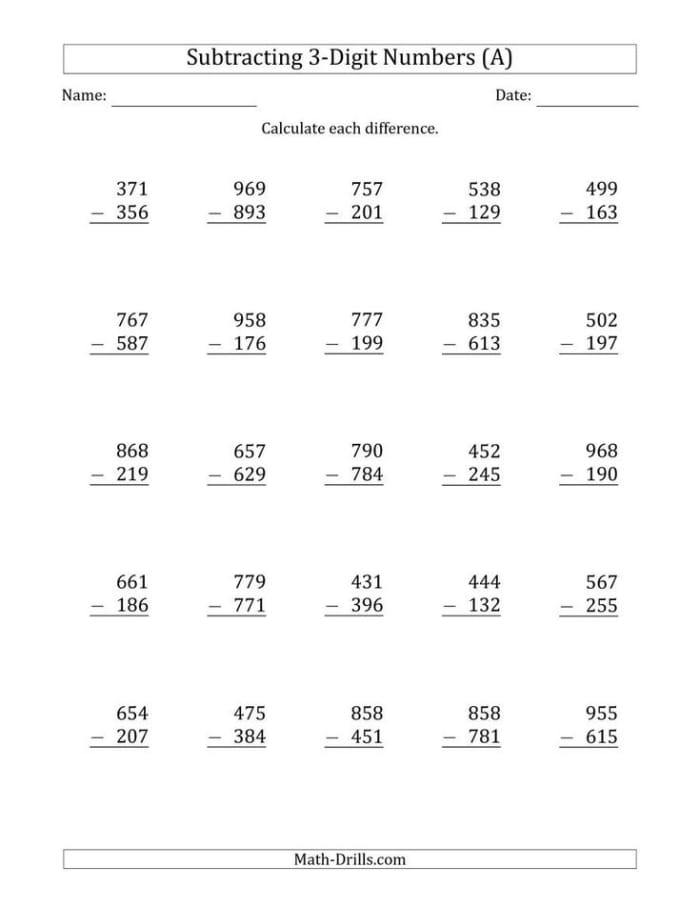
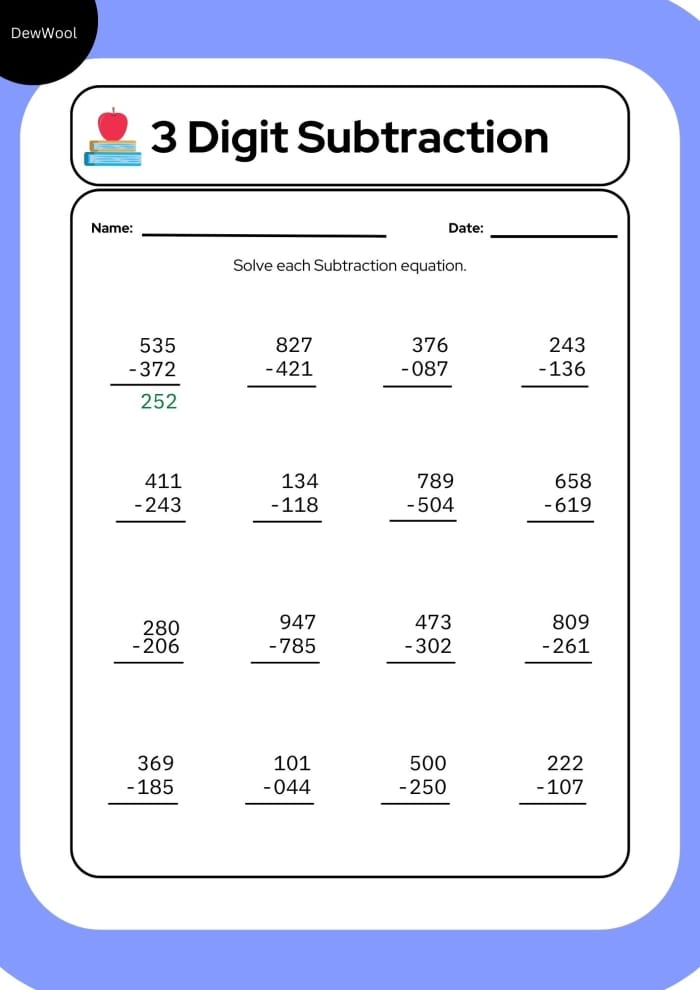
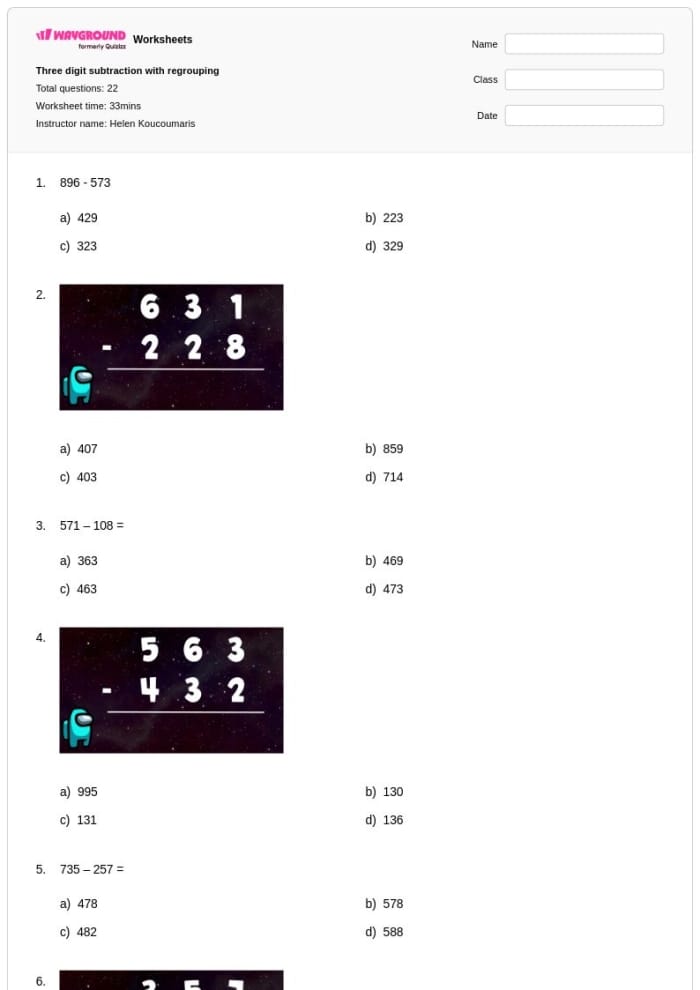
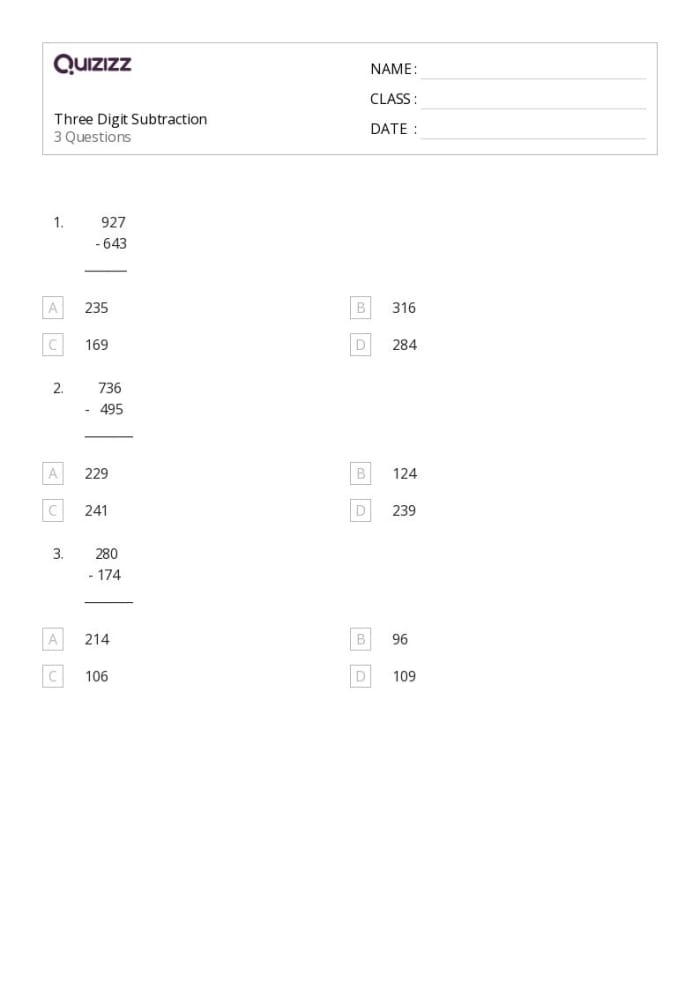
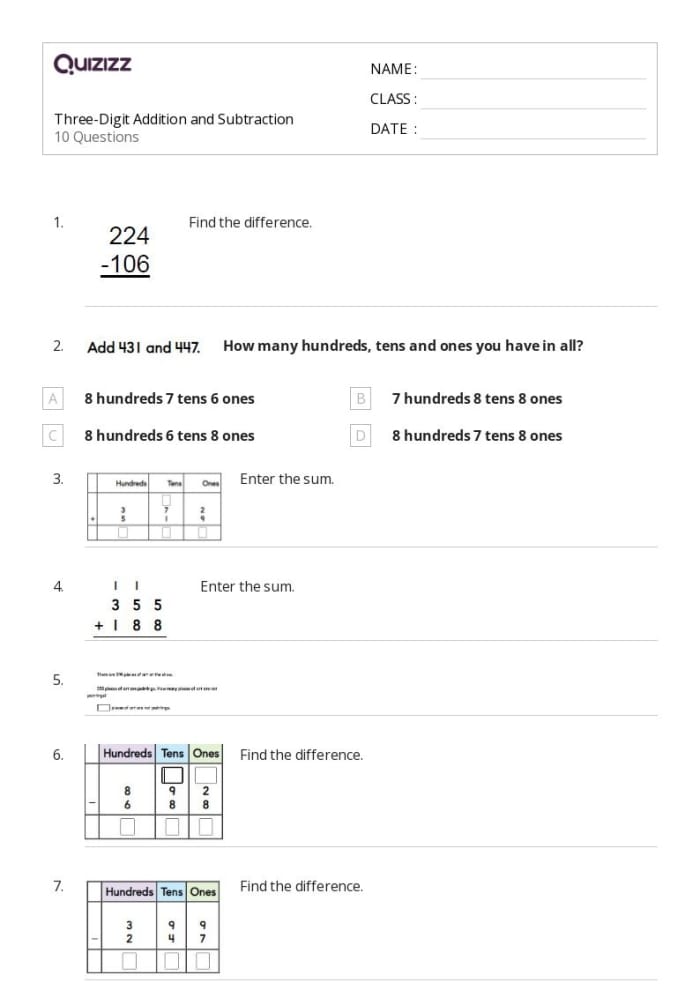
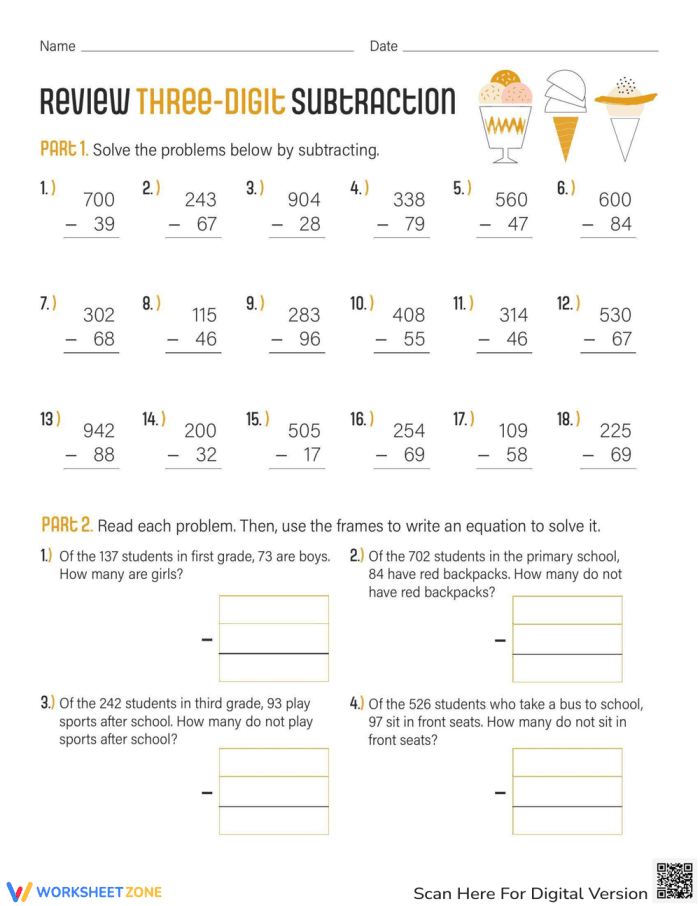
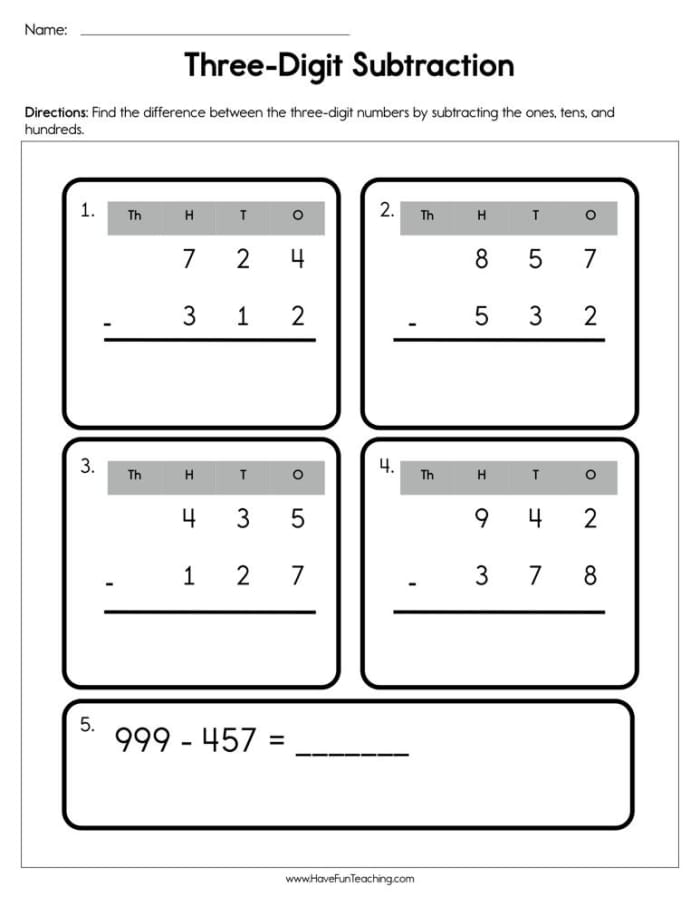
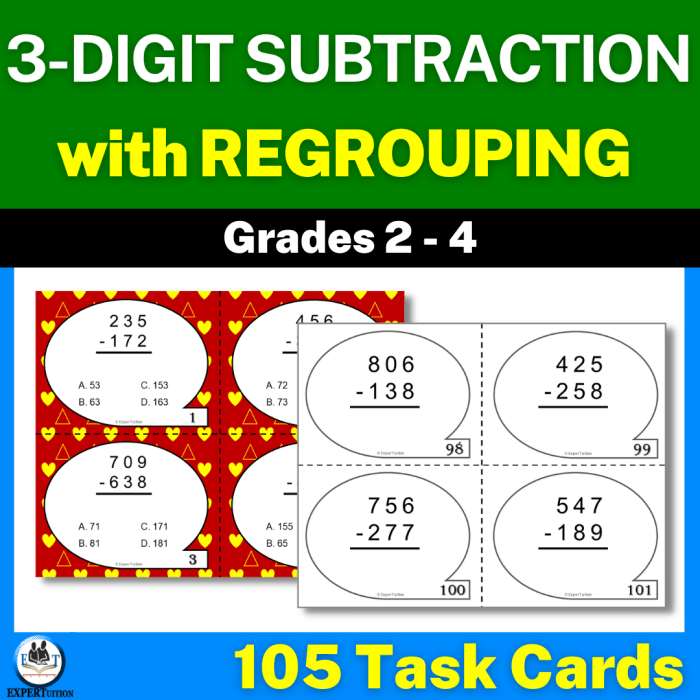
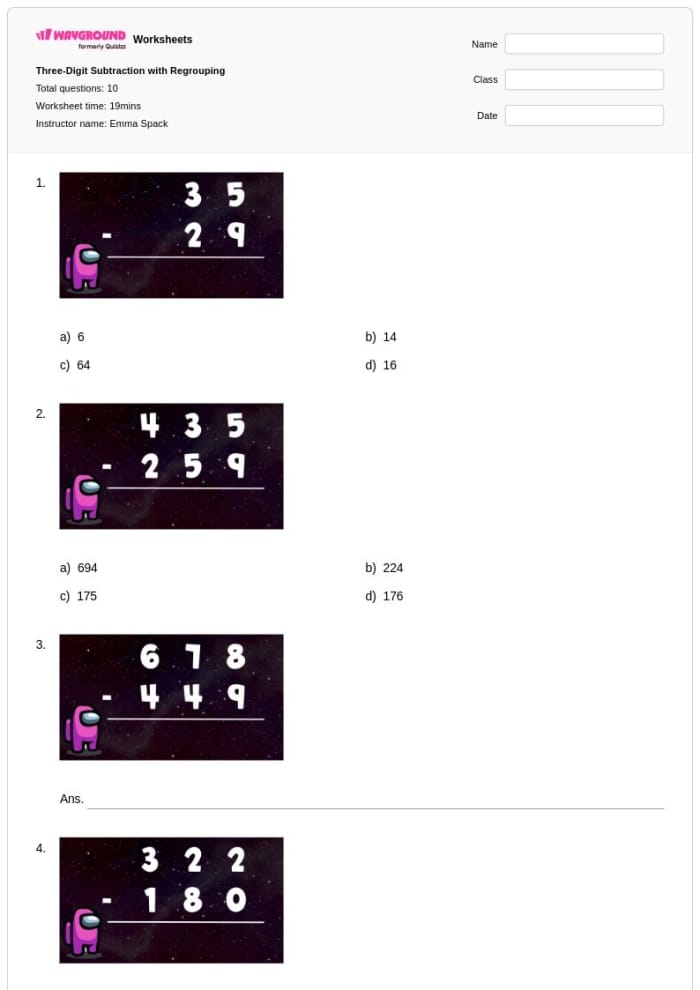
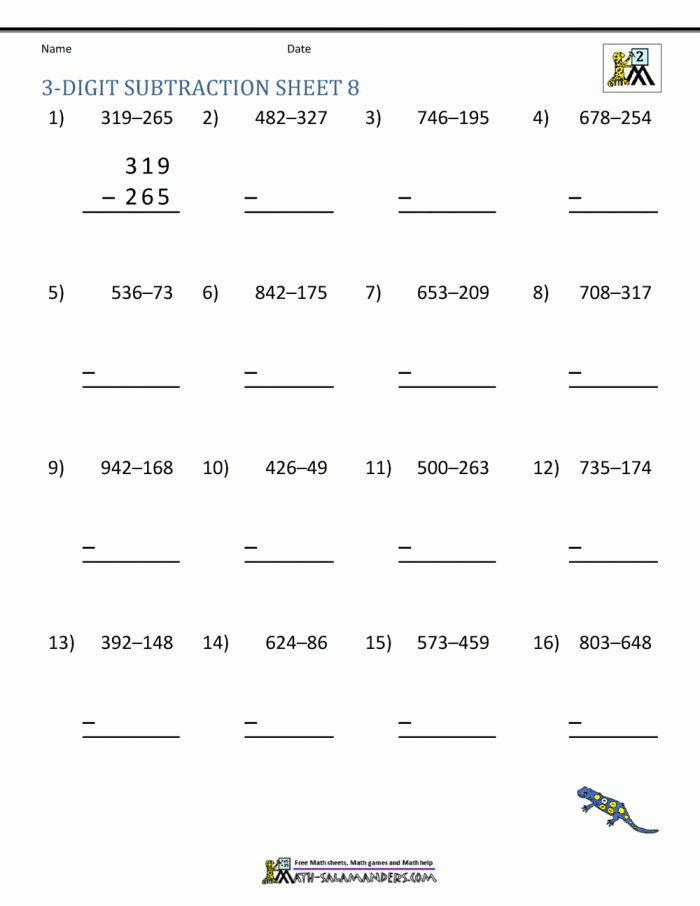
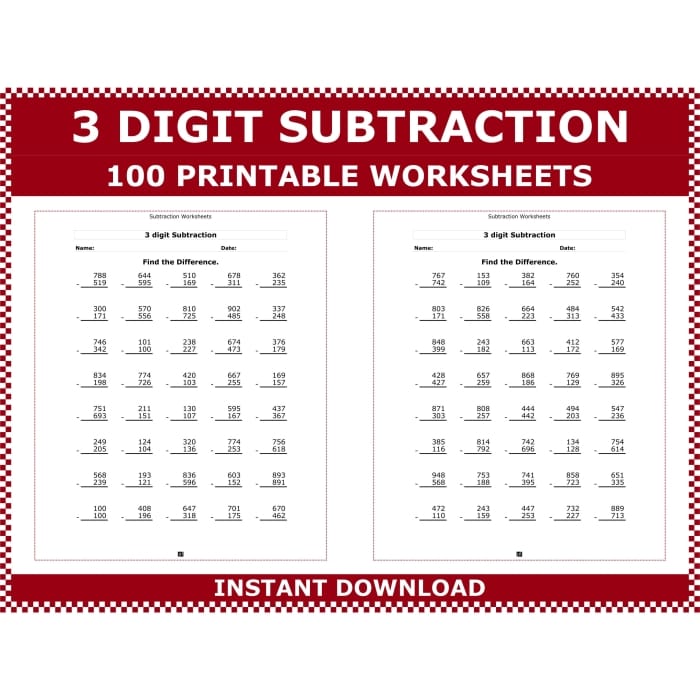
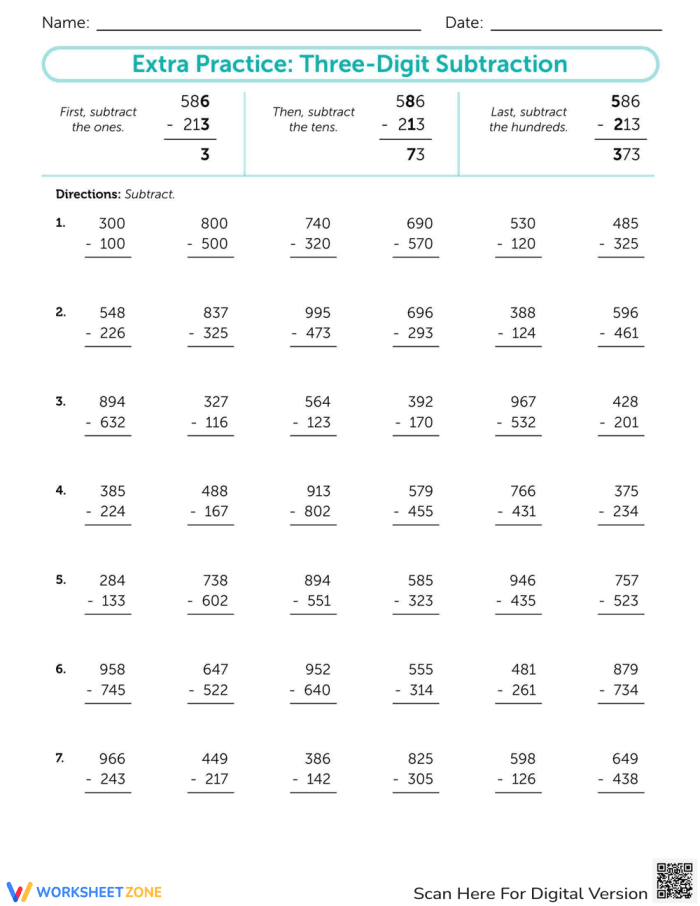
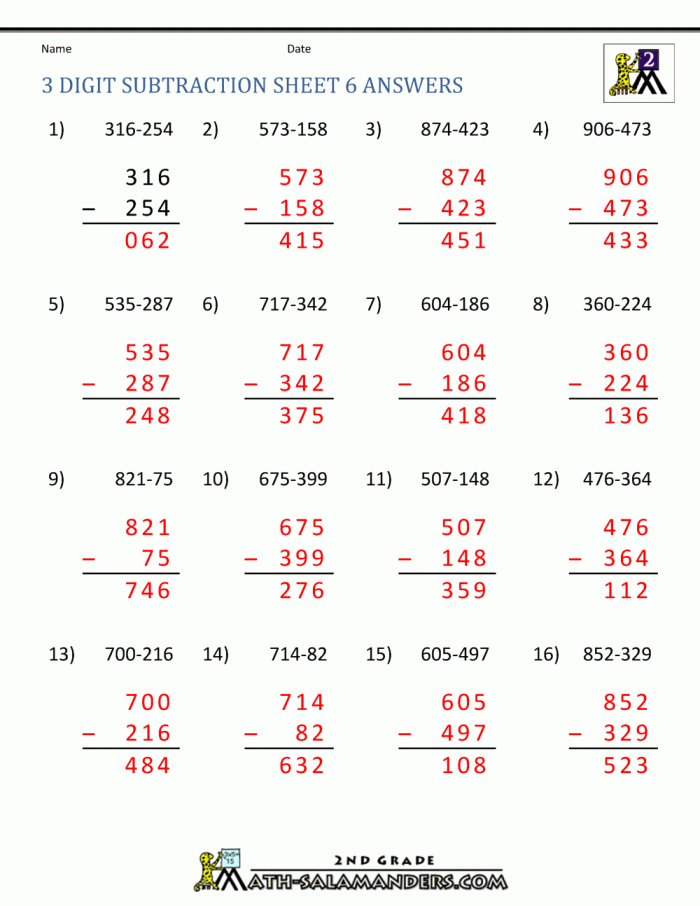
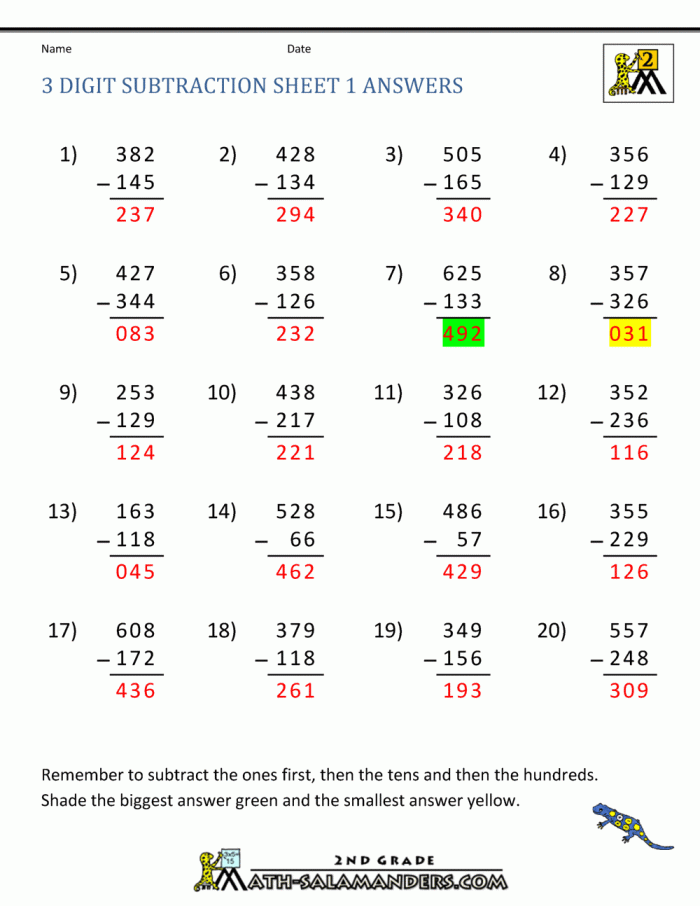
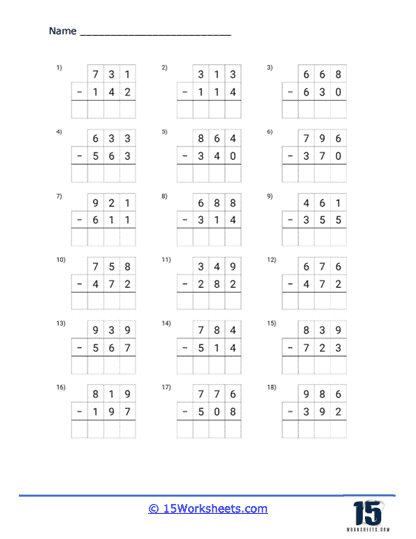
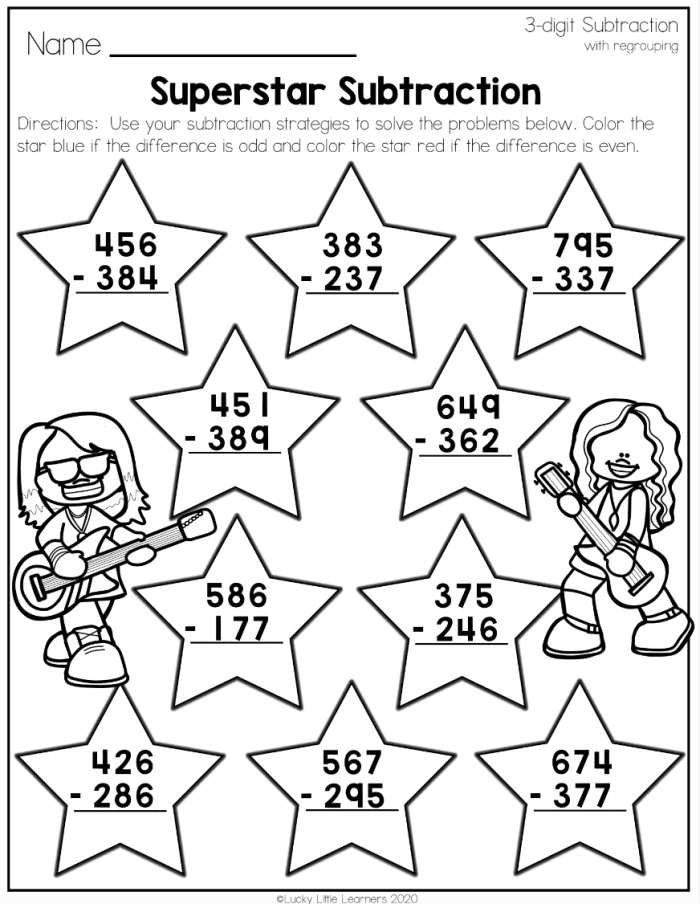
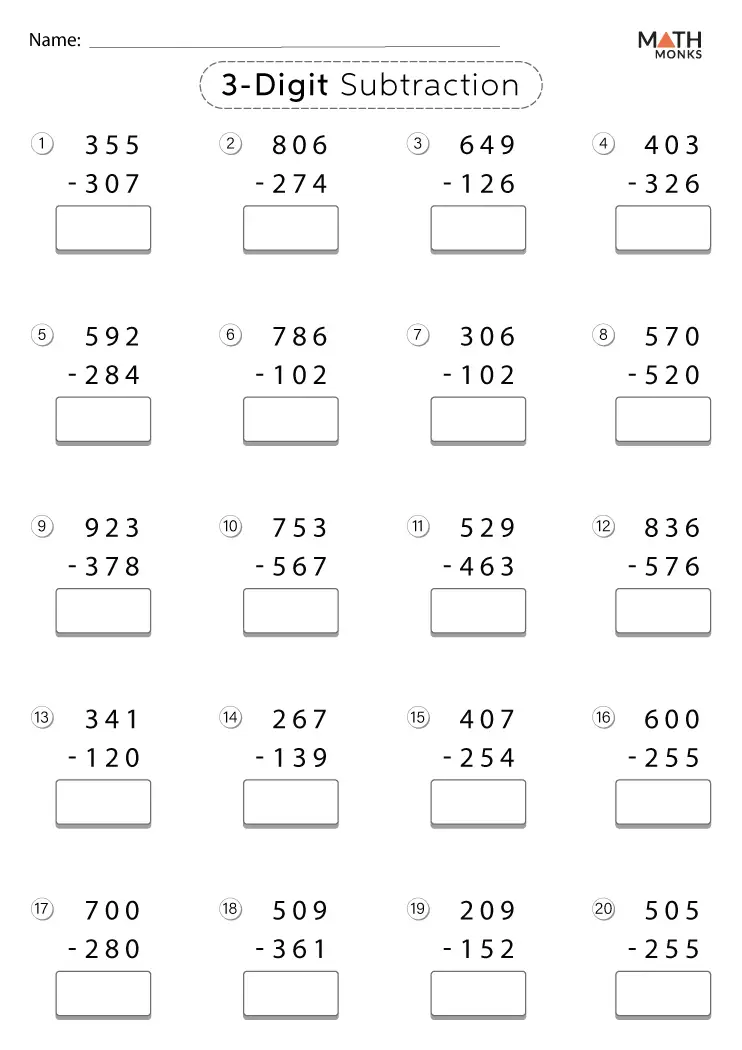
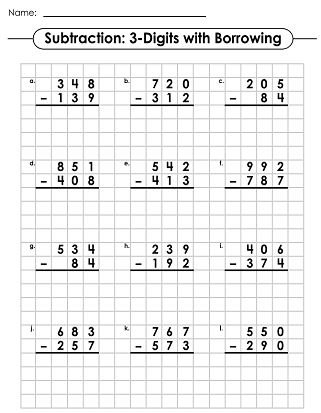
When second grade students first encounter subtraction problems with two and three digits, many hit a wall. The jump from single-digit facts to regrouping (or borrowing, as some call it) requires a shift in thinking that doesn’t always click on the first try. A comprehensive worksheet designed specifically for this skill gap can make the difference between frustration and genuine understanding.
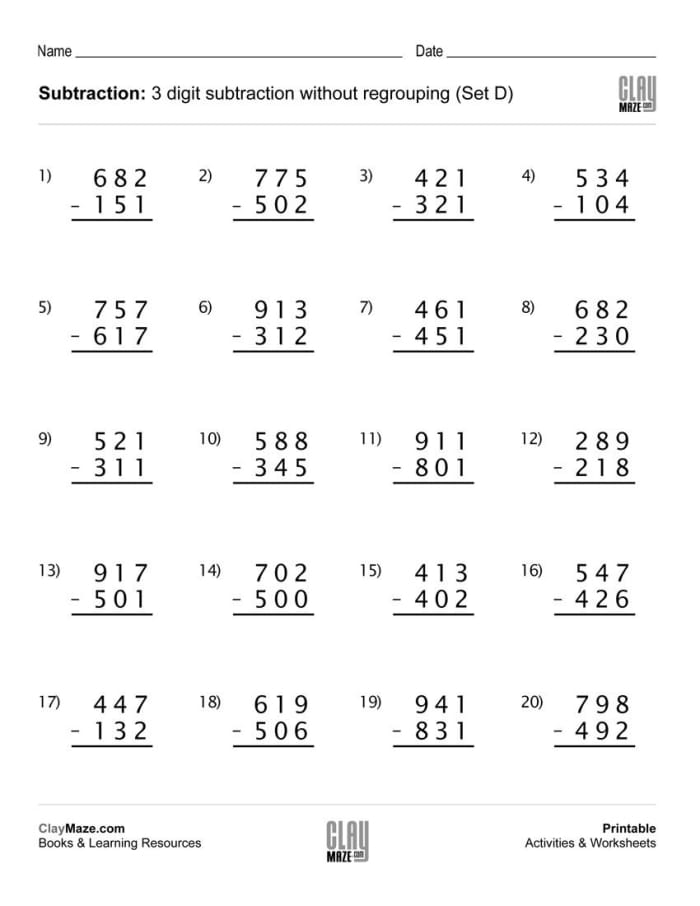
The challenge with multi-digit subtraction lies in its layers. Students need to understand place value, recognize when they need to regroup, and execute the regrouping process correctly. A well-structured worksheet breaks this down into manageable steps rather than throwing students into the deep end. Starting with two-digit problems without regrouping, then gradually introducing cases where regrouping is necessary, builds confidence progressively.
What makes a worksheet truly comprehensive goes beyond just listing problems. It includes visual supports like place value columns, clear spacing between problems, and a mix of difficulty levels. When students work through double-digit practice problems presented in vertical format, they develop muscle memory for the standard algorithm. This foundation becomes essential later when three-digit subtraction enters the picture.
Repetition matters here, but so does variety. Problems should include different scenarios: some where regrouping happens in the ones place, others in the tens place, and eventually combinations of both for three-digit problems. Pairing worksheet practice with other learning activities strengthens retention. For instance, combining subtraction work with reading comprehension activities keeps the learning experience balanced and less monotonous.
Second grade teachers who implement targeted subtraction worksheets consistently report that students gain both skill and confidence. The key is finding materials that meet students where they are and guide them forward systematically, one problem at a time.
Try These Printable Worksheets