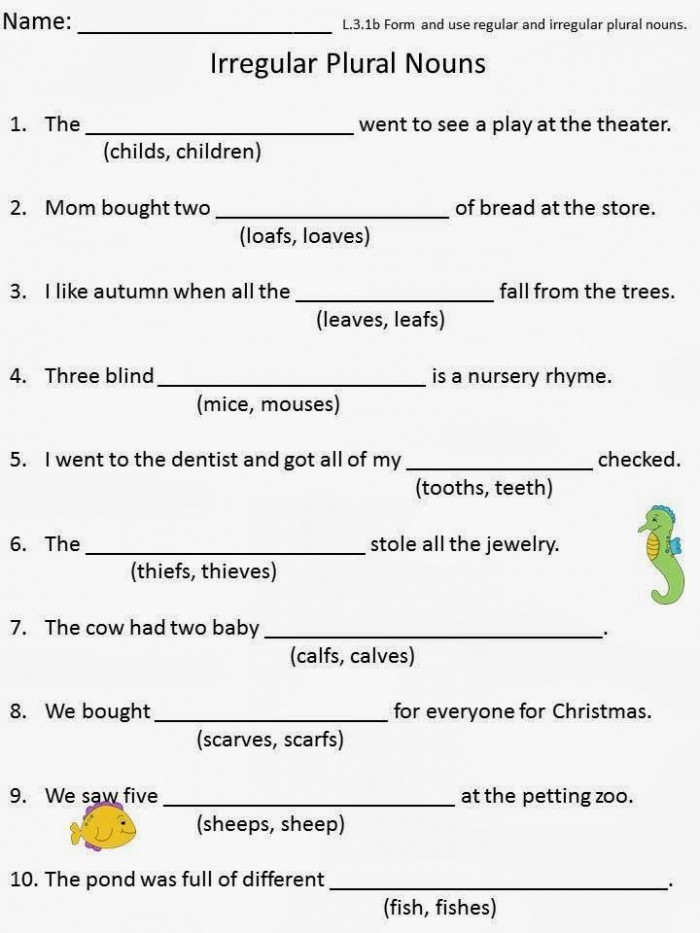
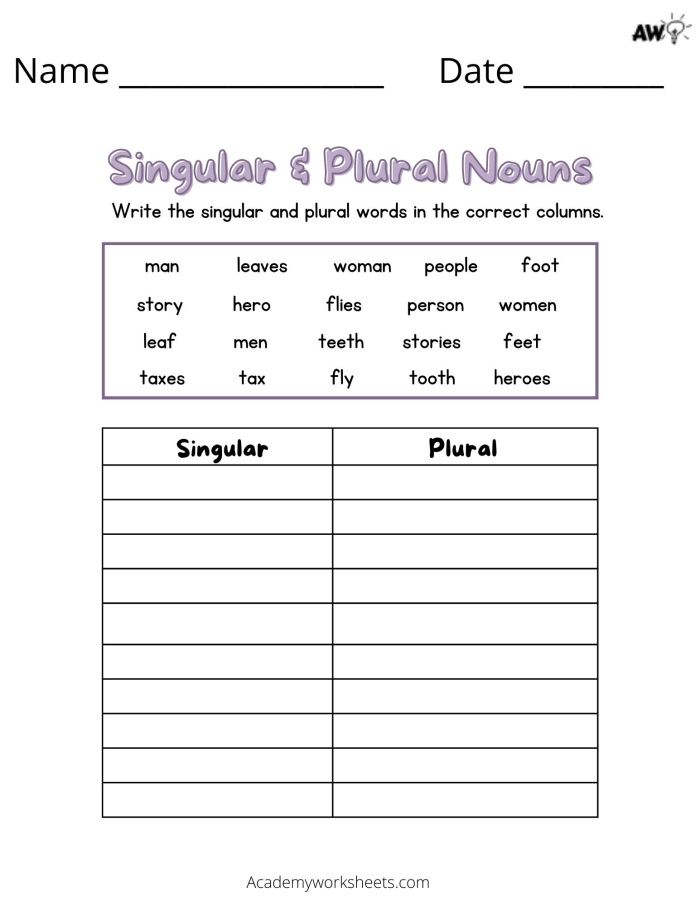
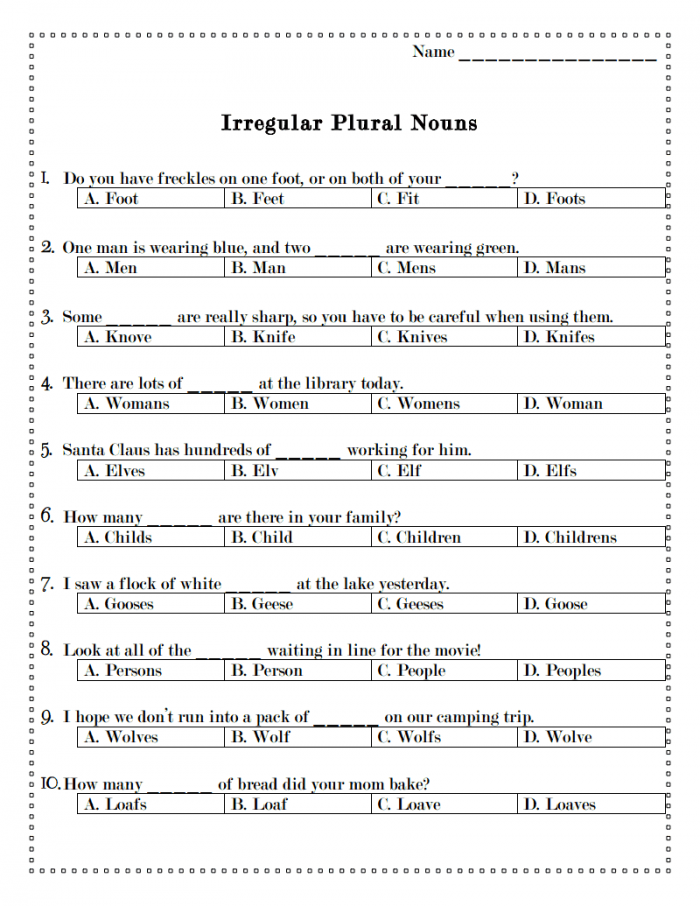
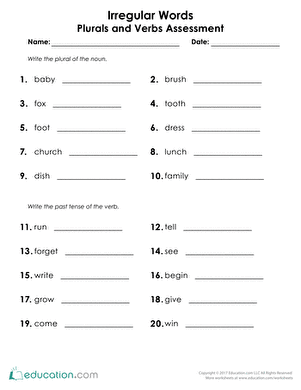
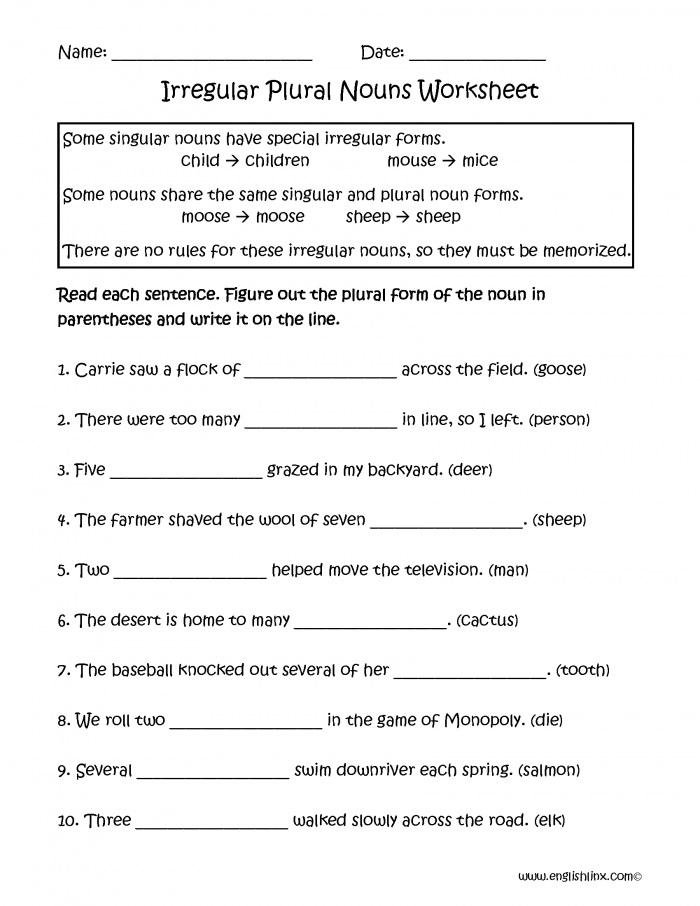
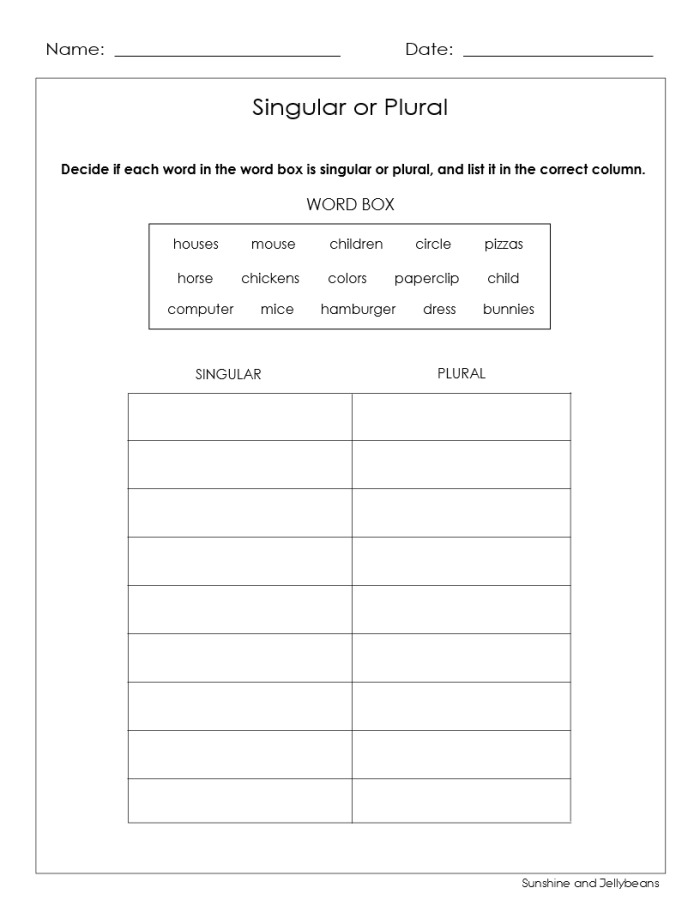
Tooth becomes teeth, and baby turns into babies. These transformations are examples of irregular plural nouns that can challenge young learners. If you’re a parent of a third grader, you might wonder whether your child has mastered this aspect of spelling. Understanding irregular plurals is essential for their overall language development, particularly in second grade where the focus on grammar and mechanics intensifies.
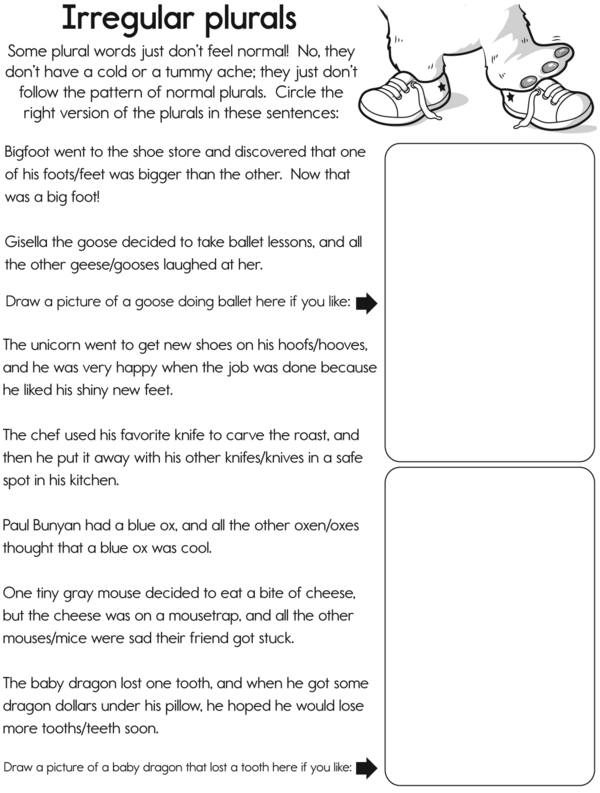
Irregular plural nouns are tricky because they don’t follow the standard rule of simply adding an “s” or “es” to the end of a word. Instead, they often change forms entirely. For example, the word “mouse” changes to “mice,” and “woman” becomes “women.” This can be confusing for kids, so it’s important to introduce these words in an engaging way. Using fun worksheets can make the learning process enjoyable and effective.
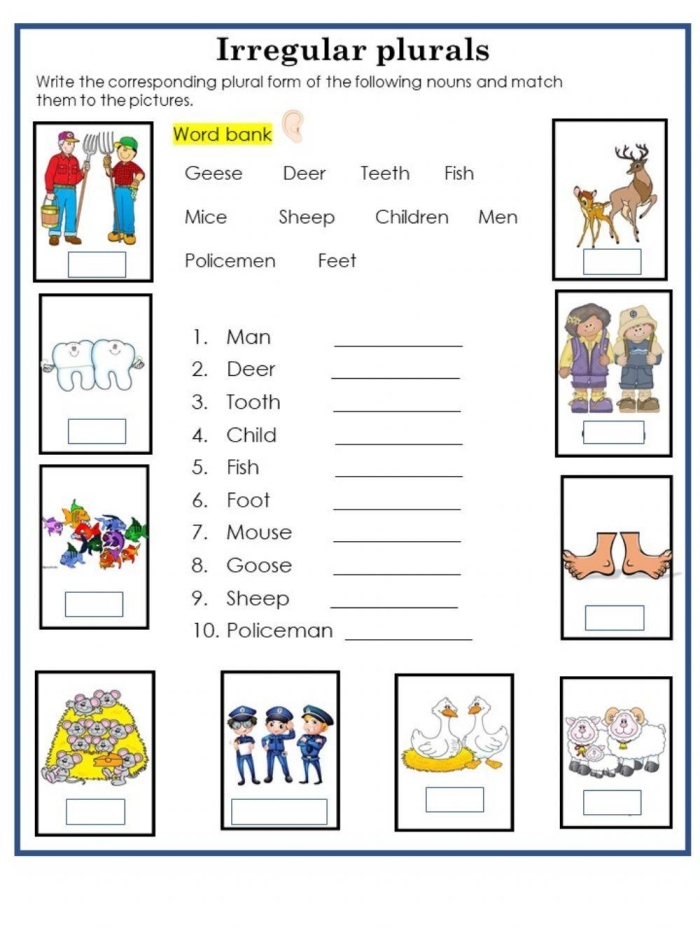
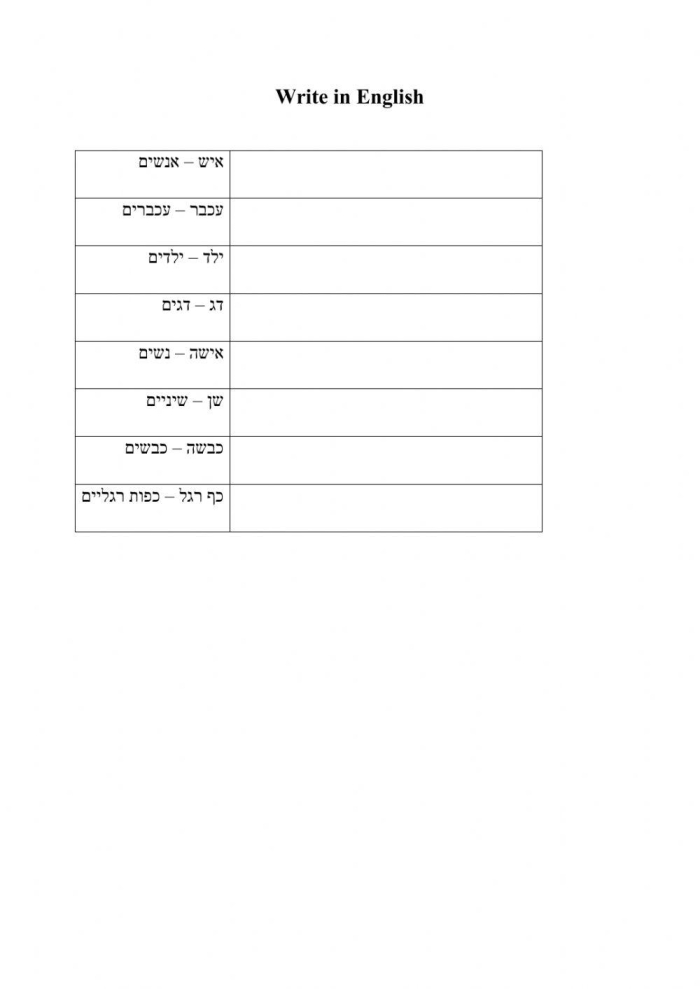
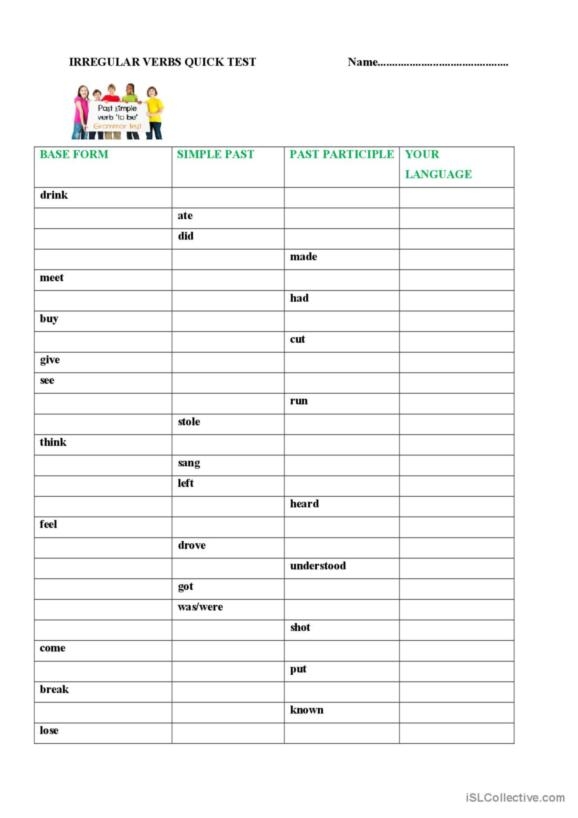
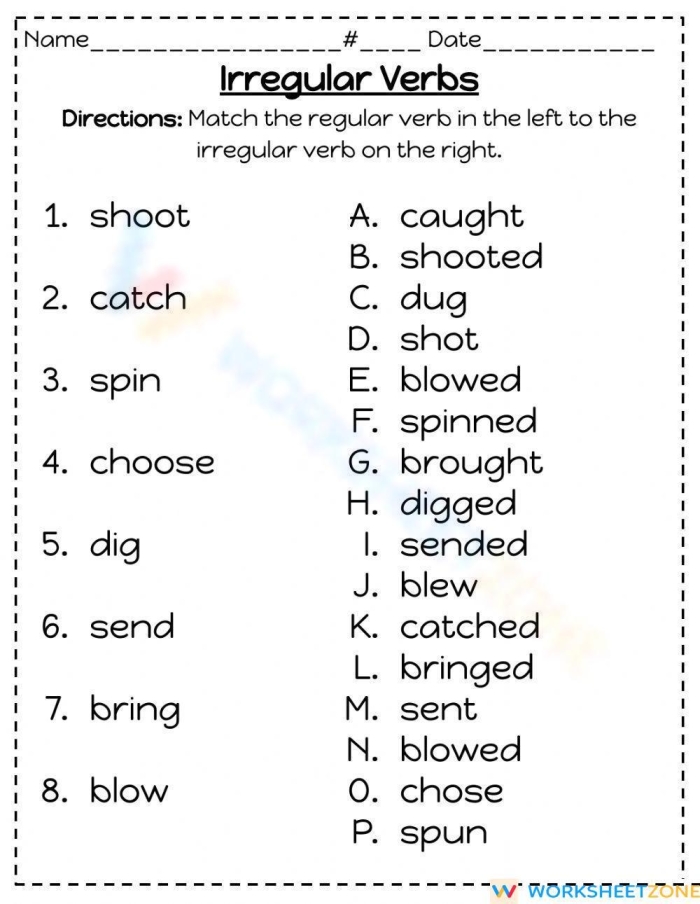
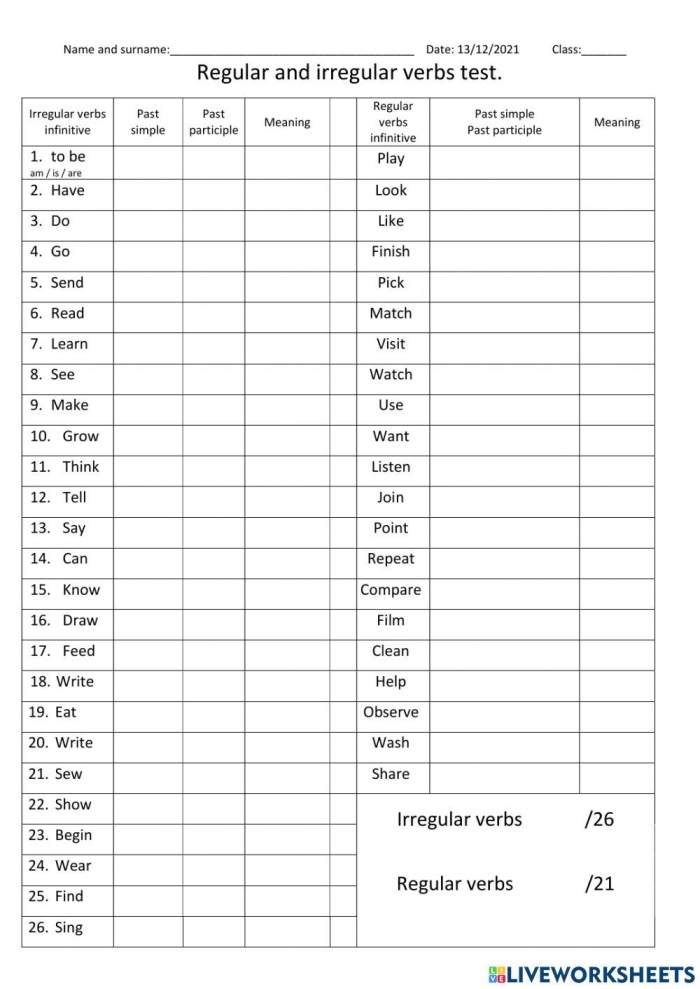
One effective approach is to incorporate games and activities that reinforce the concept. For instance, you can create a matching game where children pair singular nouns with their plural counterparts. This not only helps with memorization but also makes learning interactive. Additionally, online resources such as worksheets focused on grammar and mechanics can provide structured practice.
Moreover, reading books that highlight irregular plural nouns can also be beneficial. When children encounter these words in context, they can better grasp their usage. Look for stories that include a variety of nouns, and encourage your child to identify irregular plurals as they read.
As your third grader progresses, you’ll find that mastering irregular plural nouns not only enhances their writing skills but also boosts their confidence in using language correctly. By engaging with practical examples and resources, you can help them solidify their understanding and make learning enjoyable.
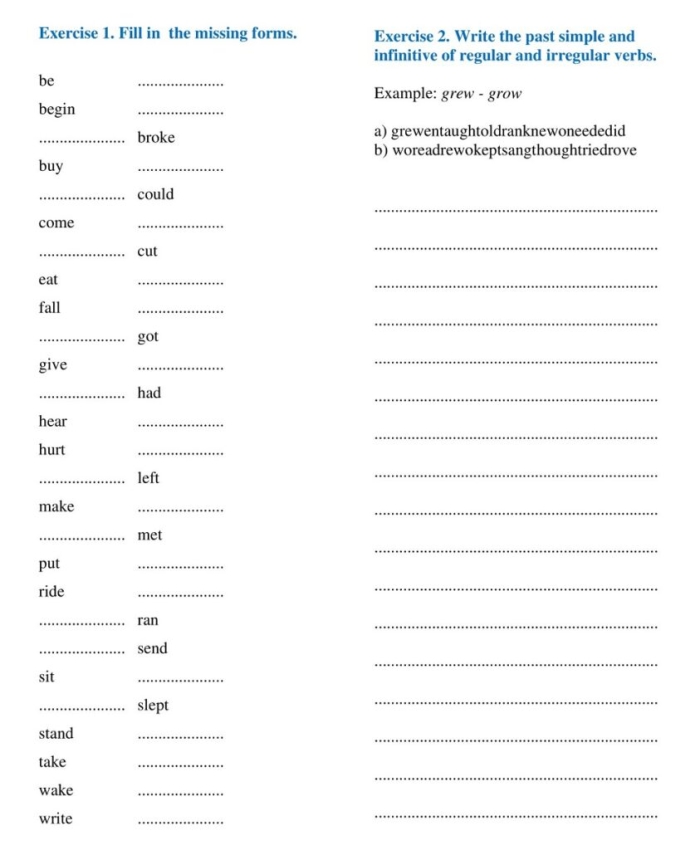
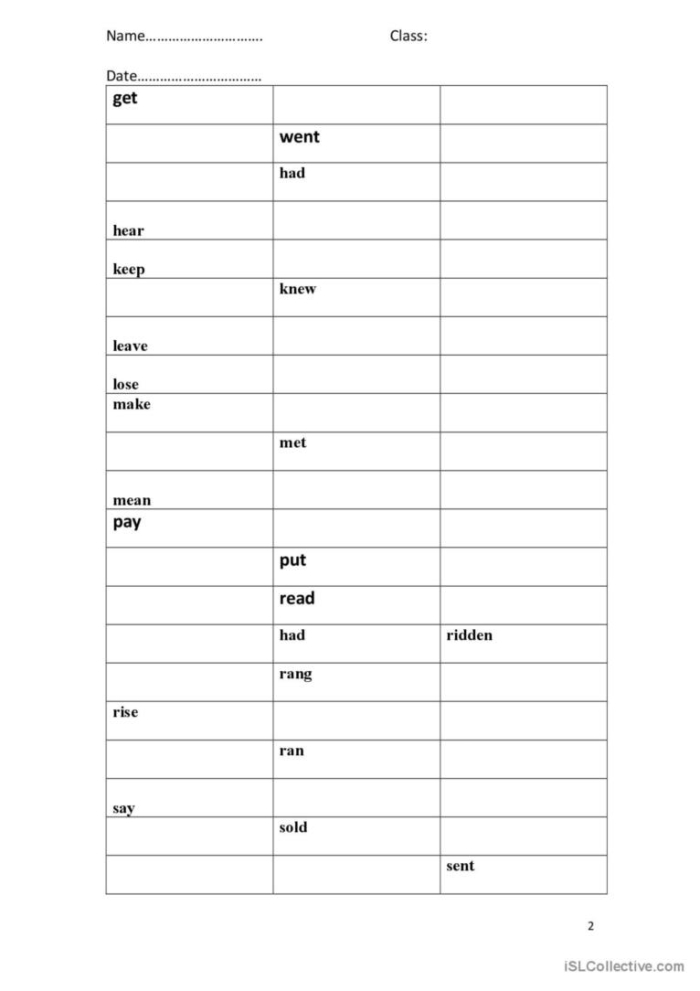
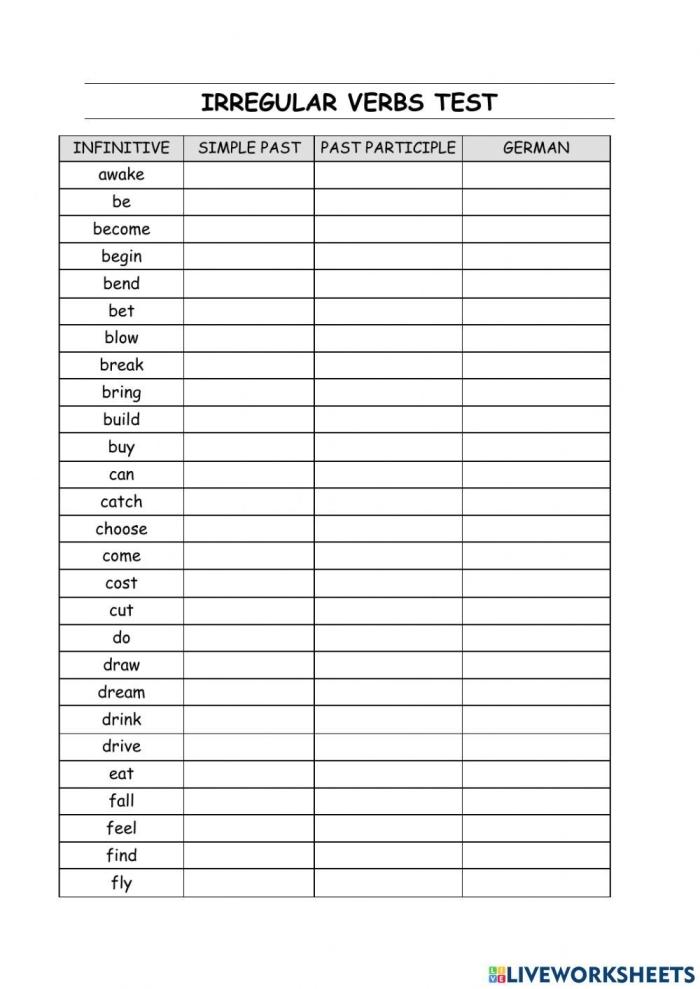
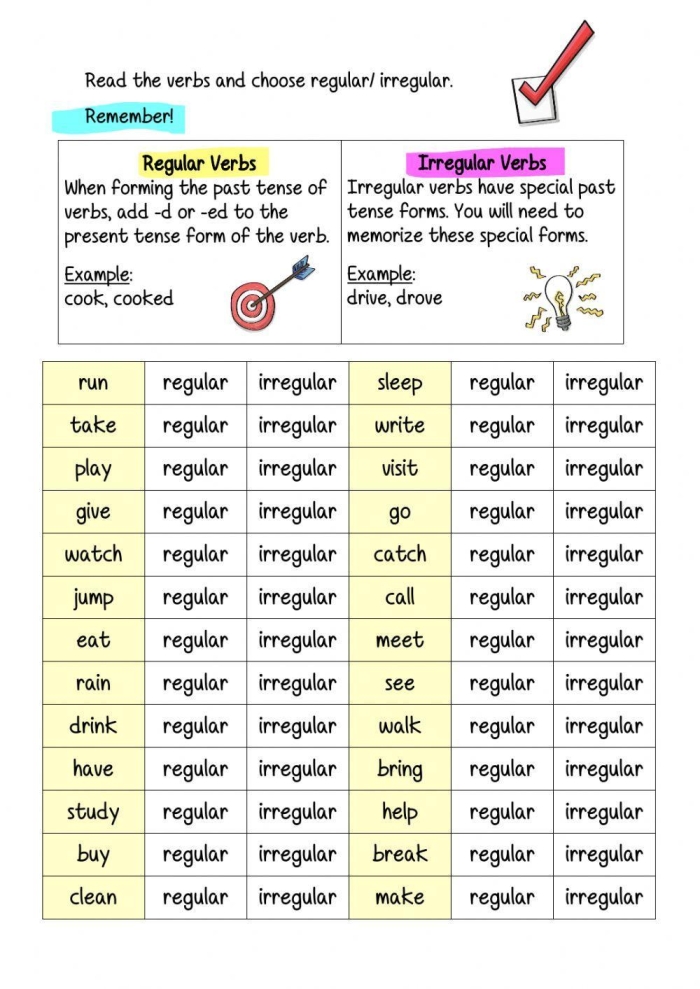
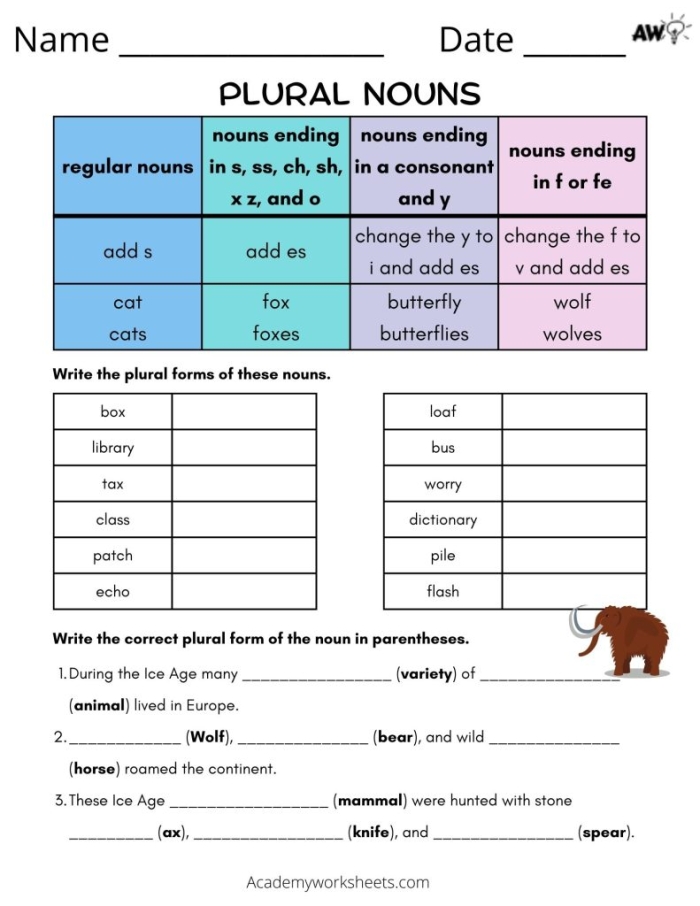
Printable Worksheets for Practice