Nature is all around you, even in your math textbooks! One way to explore this connection is through understanding stem and leaf plots. These visual tools not only help organize data but also reveal patterns that can be found in the natural world.
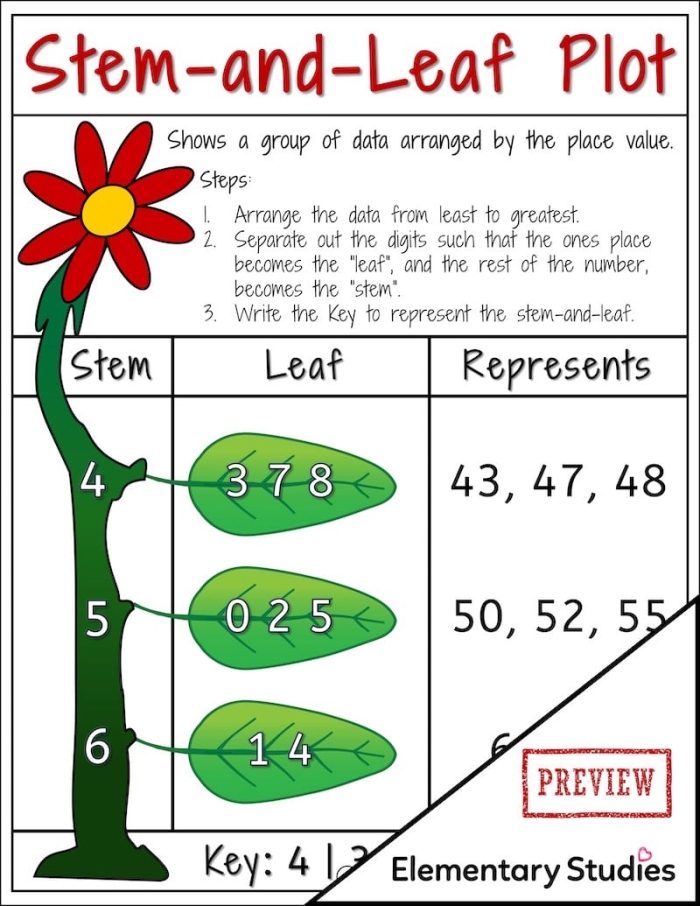
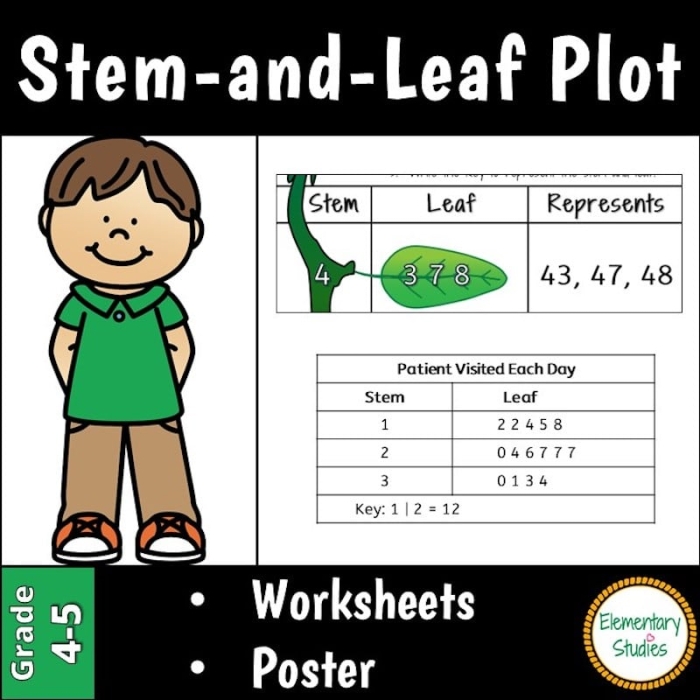
A stem and leaf plot is a method of displaying quantitative data. It separates each number into a “stem” (the leading digit or digits) and a “leaf” (the final digit). For example, in the number 47, the stem is 4 and the leaf is 7. This format allows for a quick overview of data while retaining the original values. Students in the third grade can benefit significantly from using stem and leaf plots to visualize data in a more digestible way.
When learning about this concept, consider the practical applications. Imagine you are collecting data on the heights of different plants in your backyard. By using a stem and leaf plot, you can easily see which heights are most common and how they vary. This not only enhances your math skills but also deepens your understanding of biodiversity and plant growth.
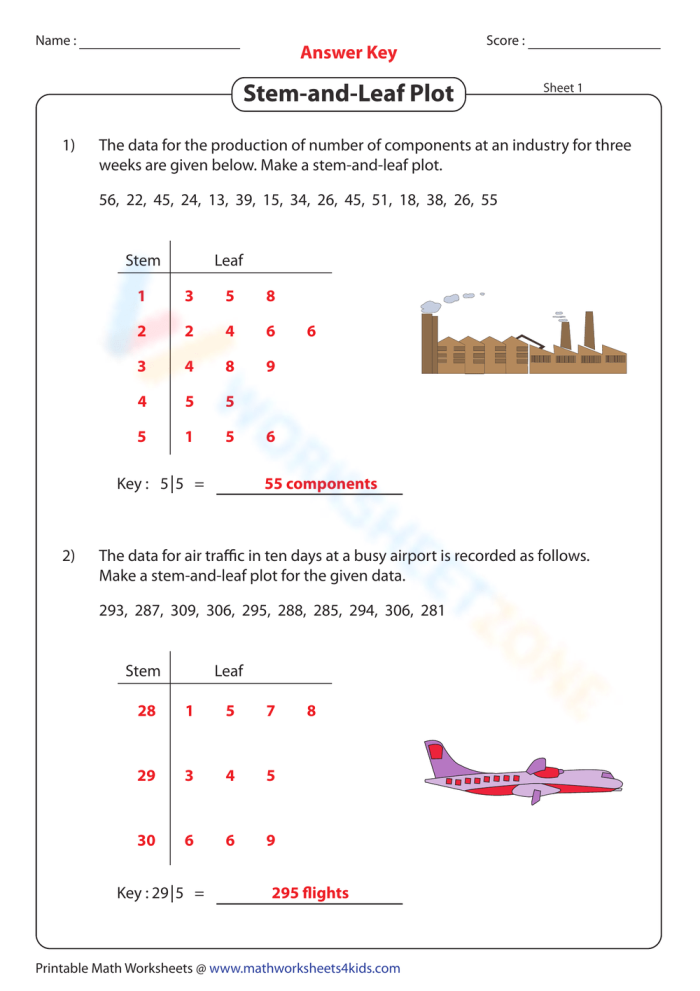
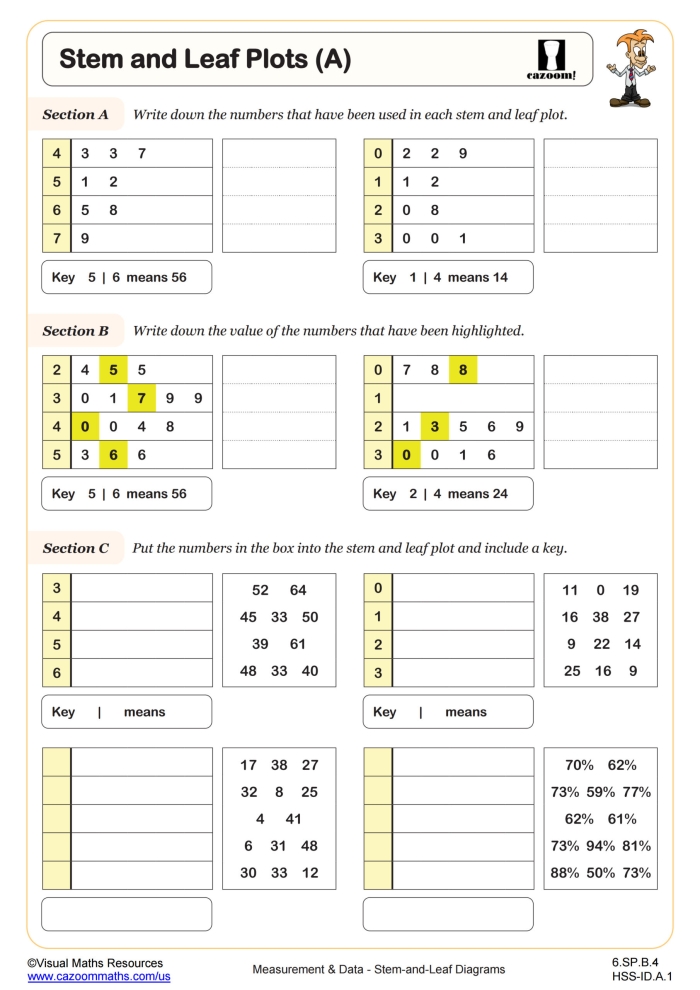
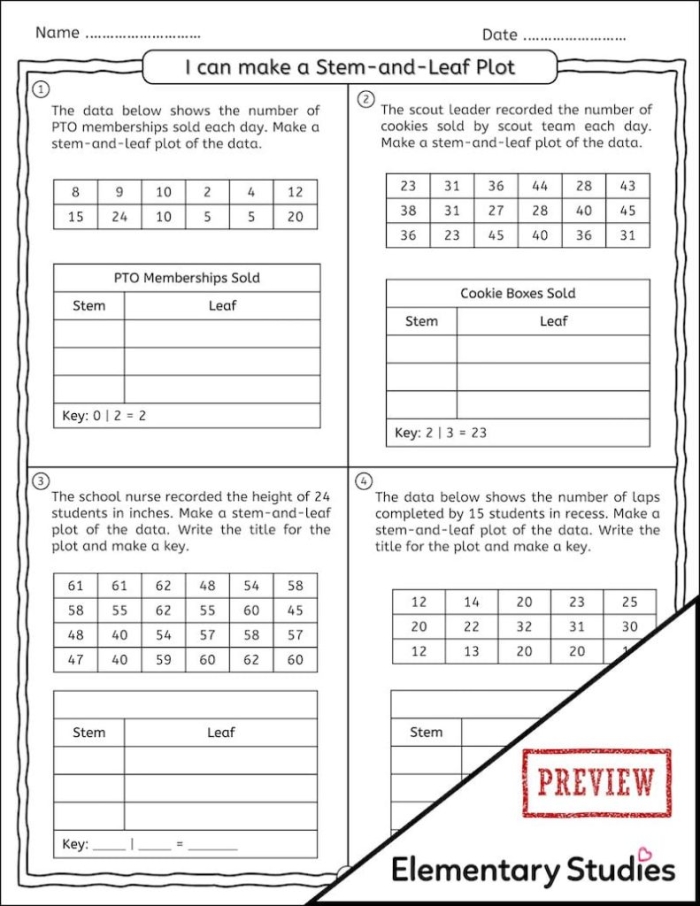
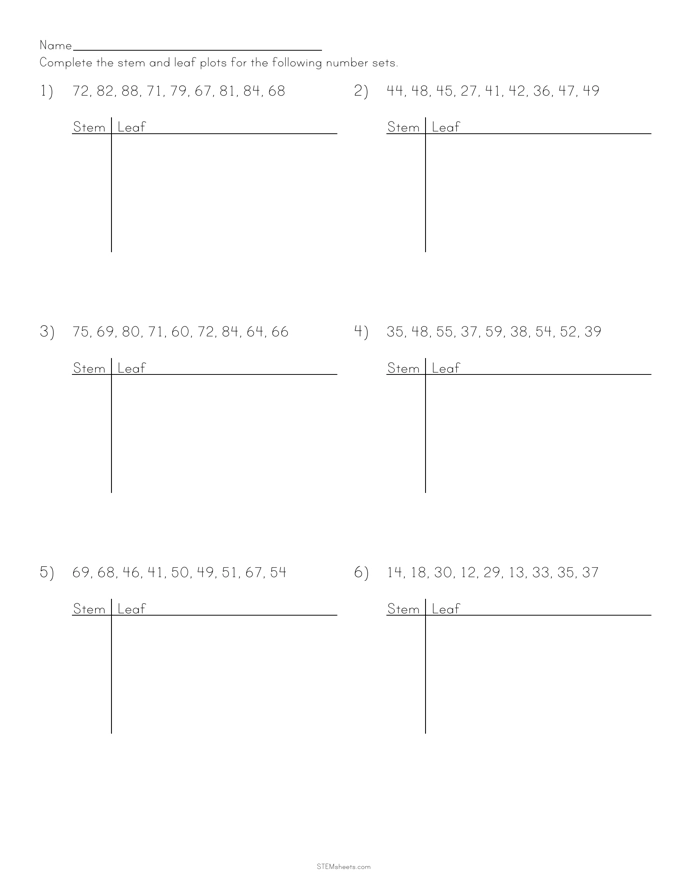
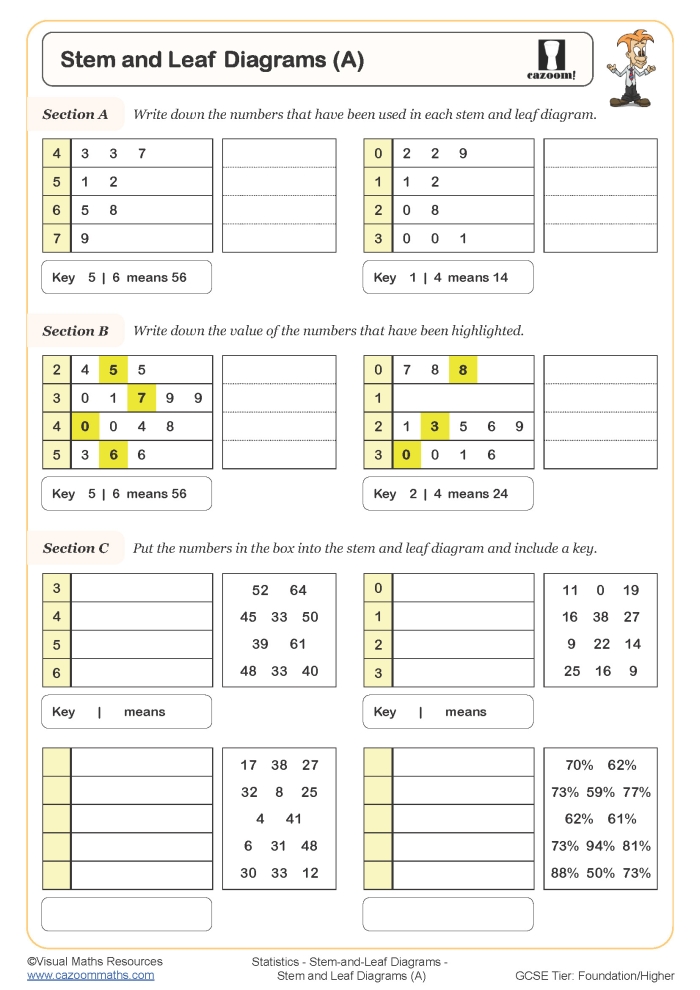
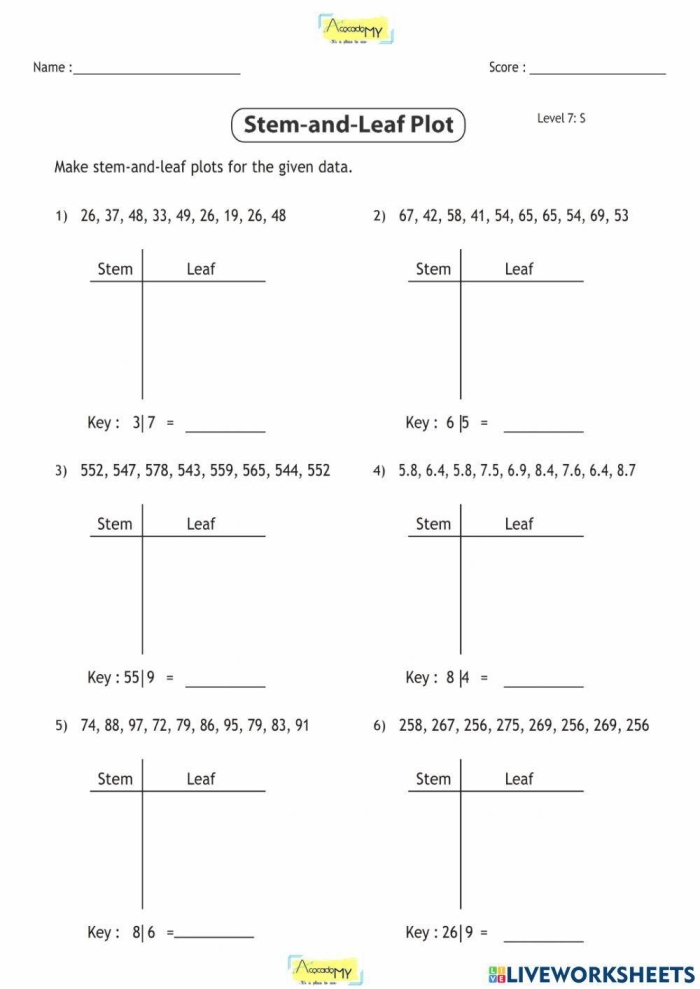
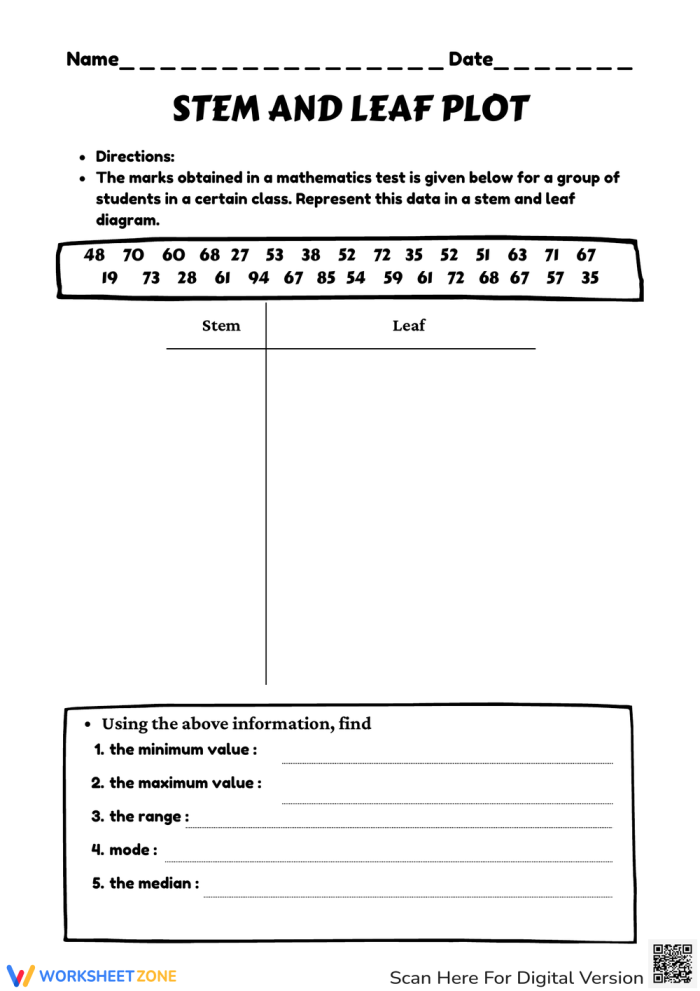
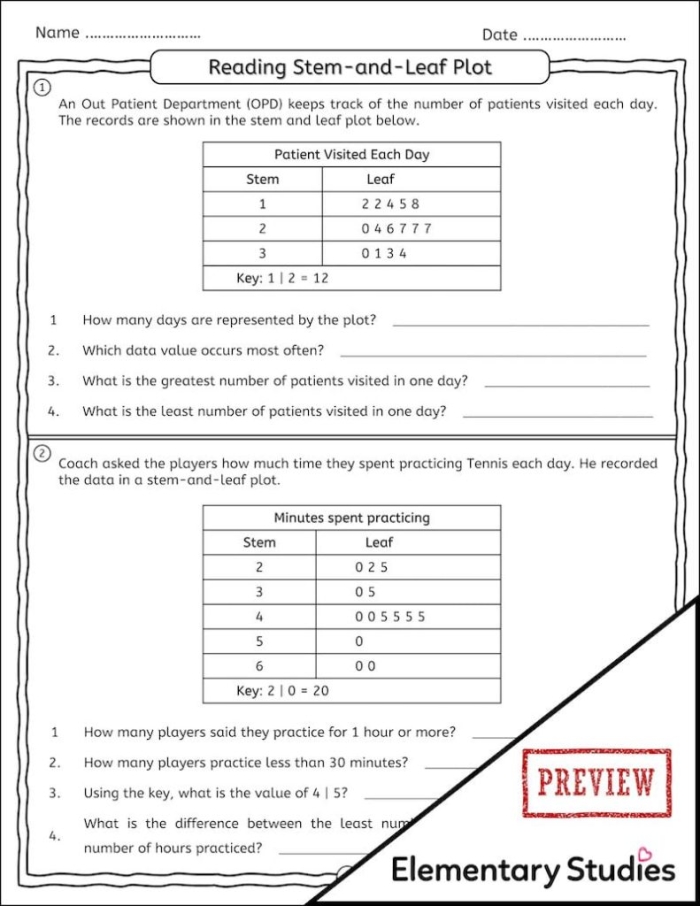
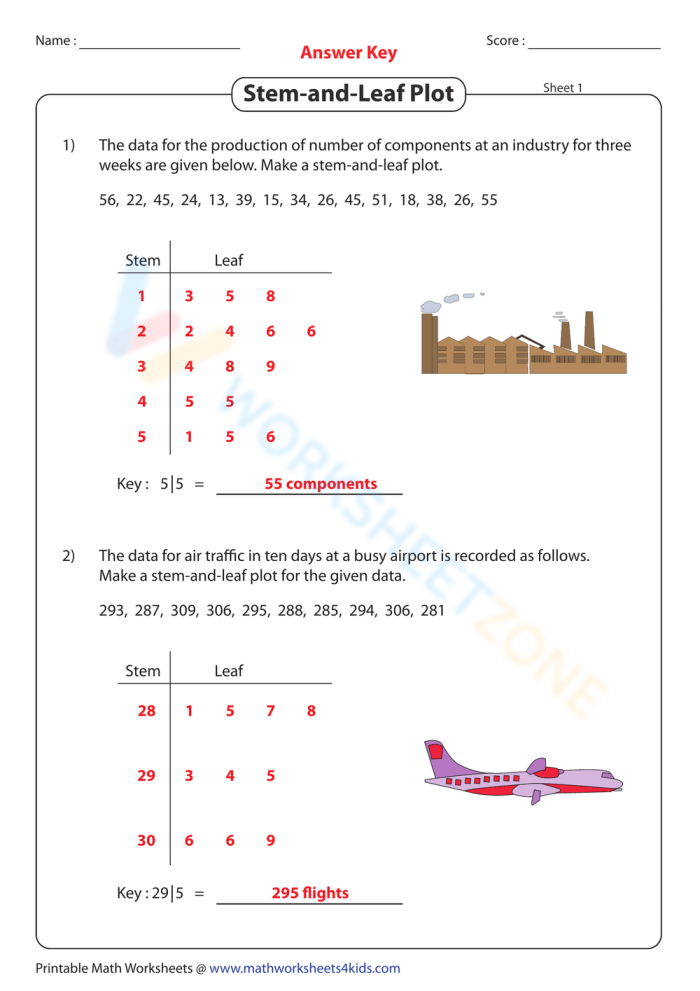
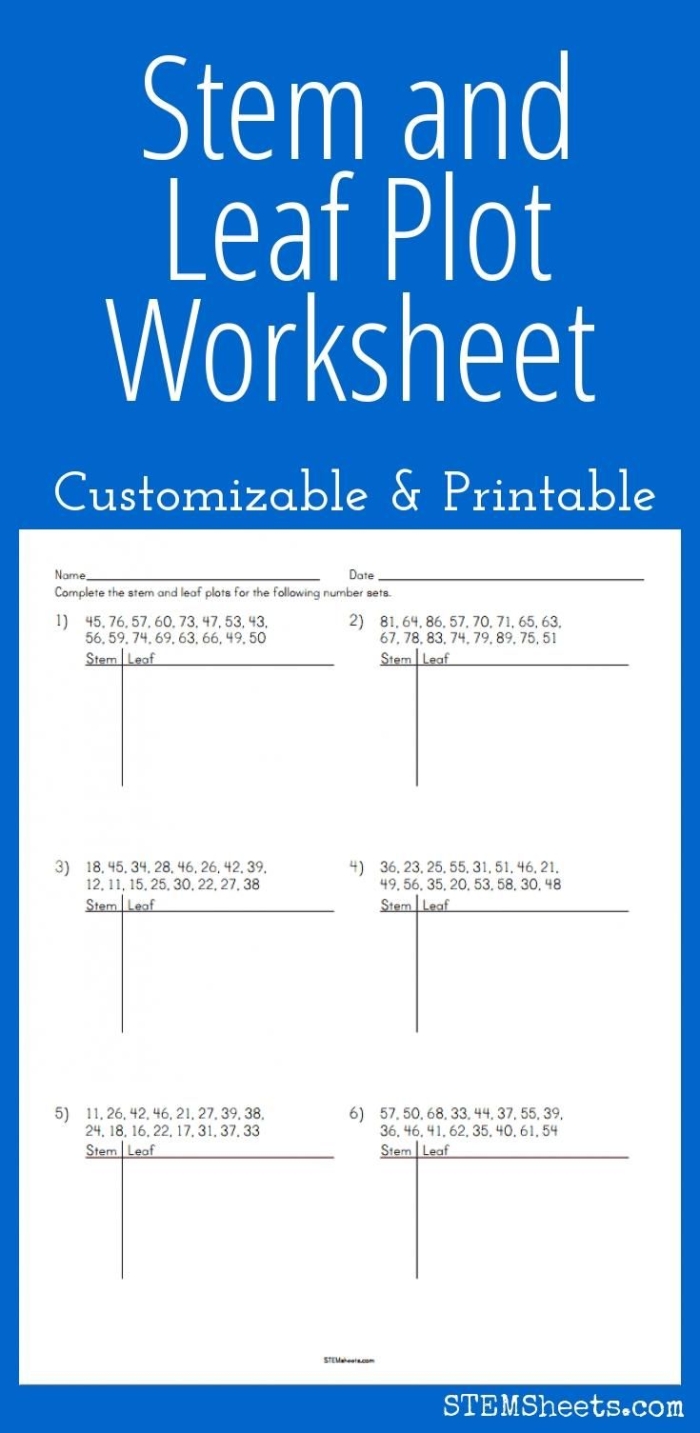
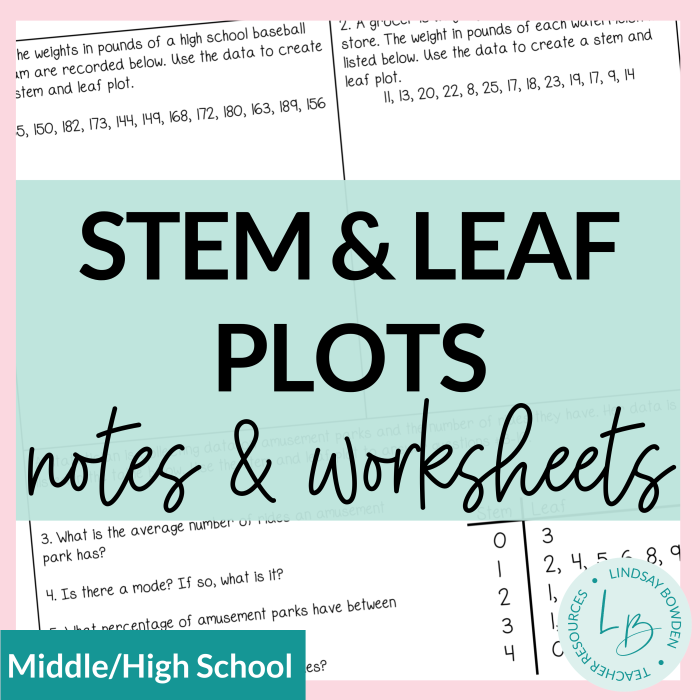
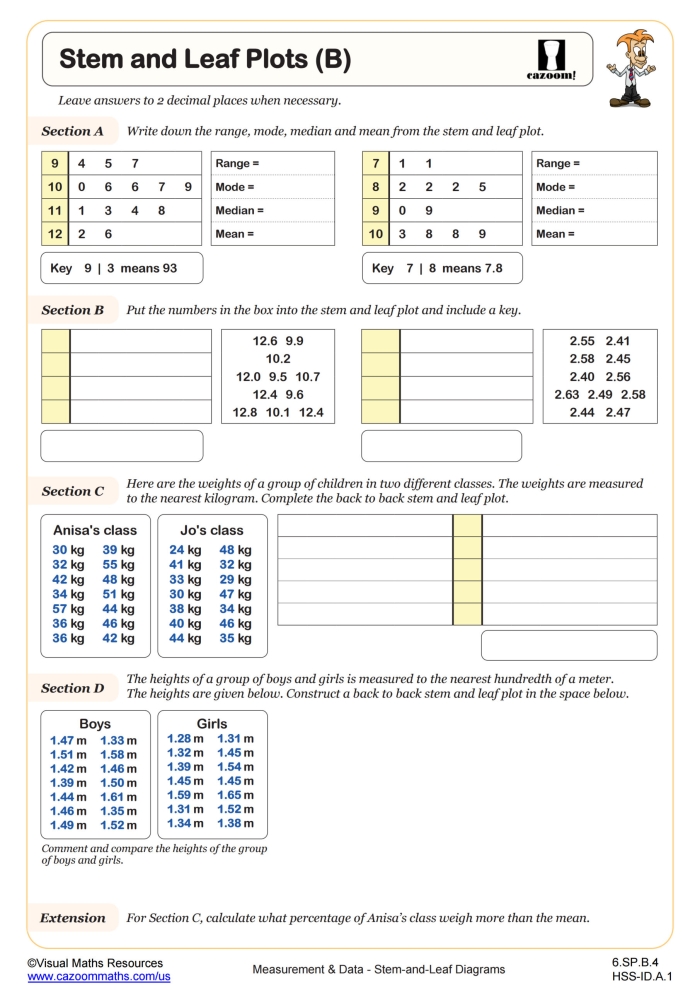
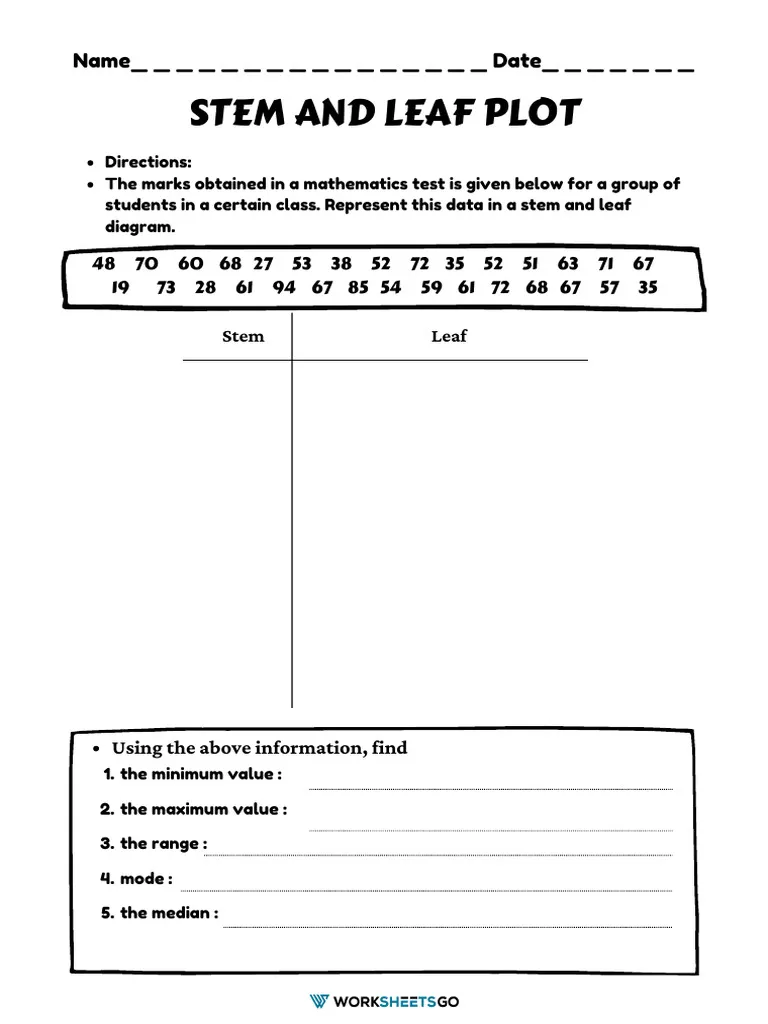
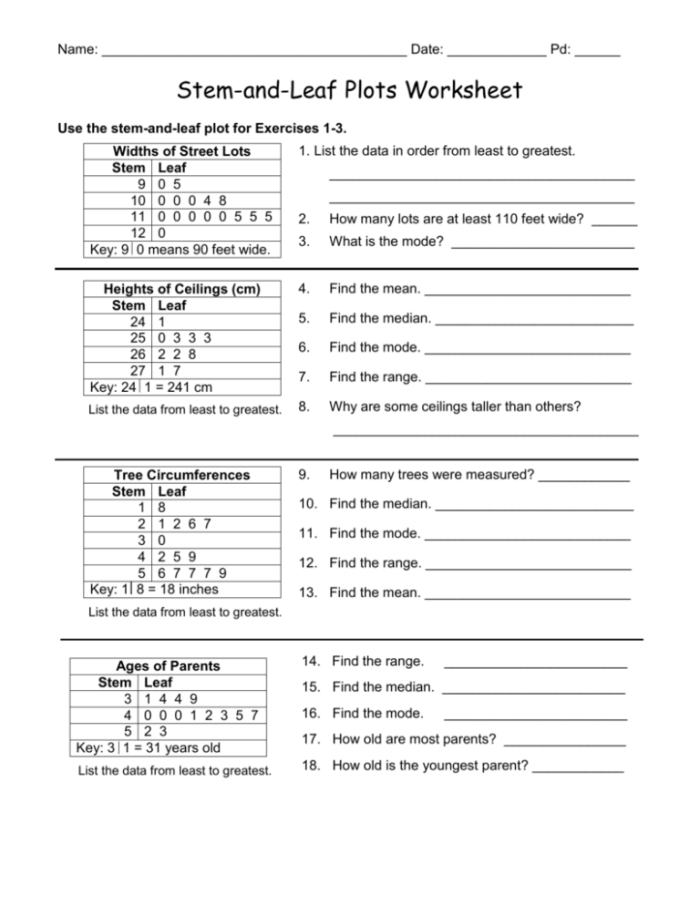
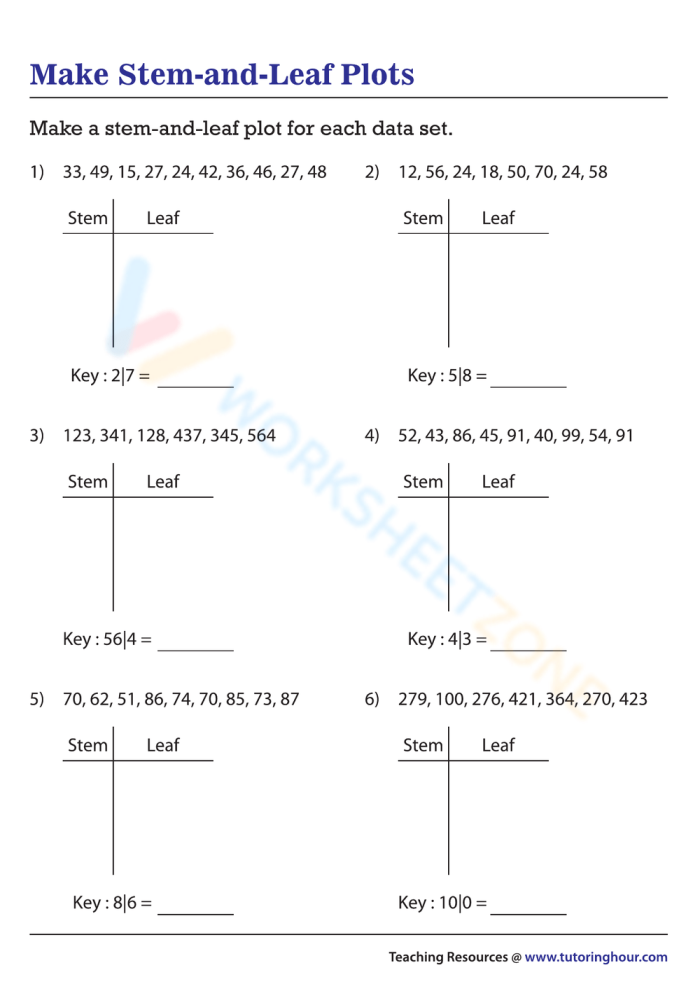
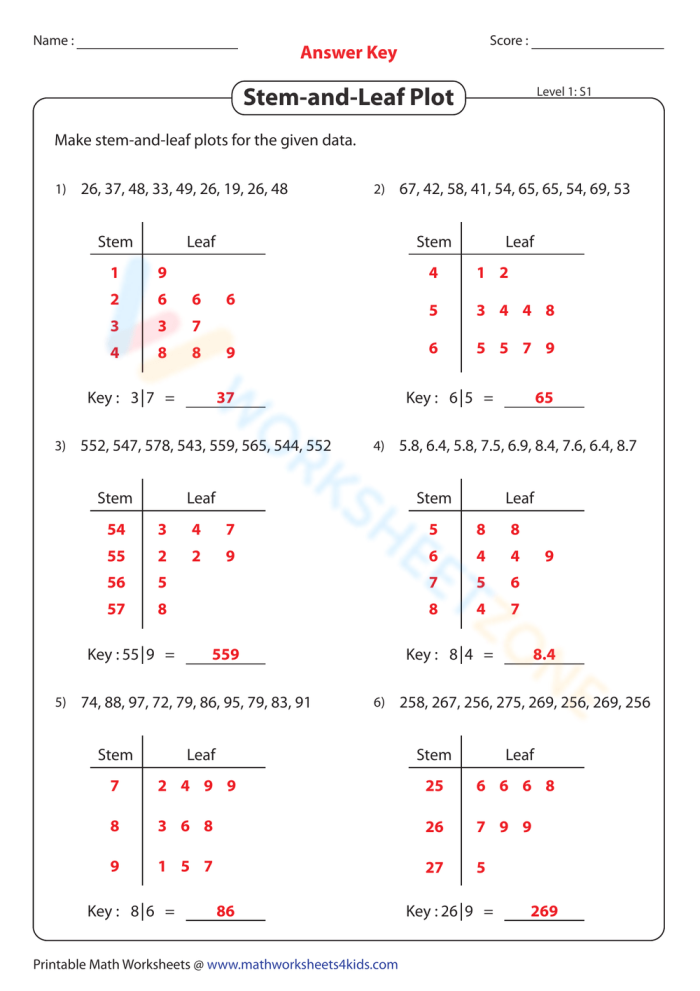
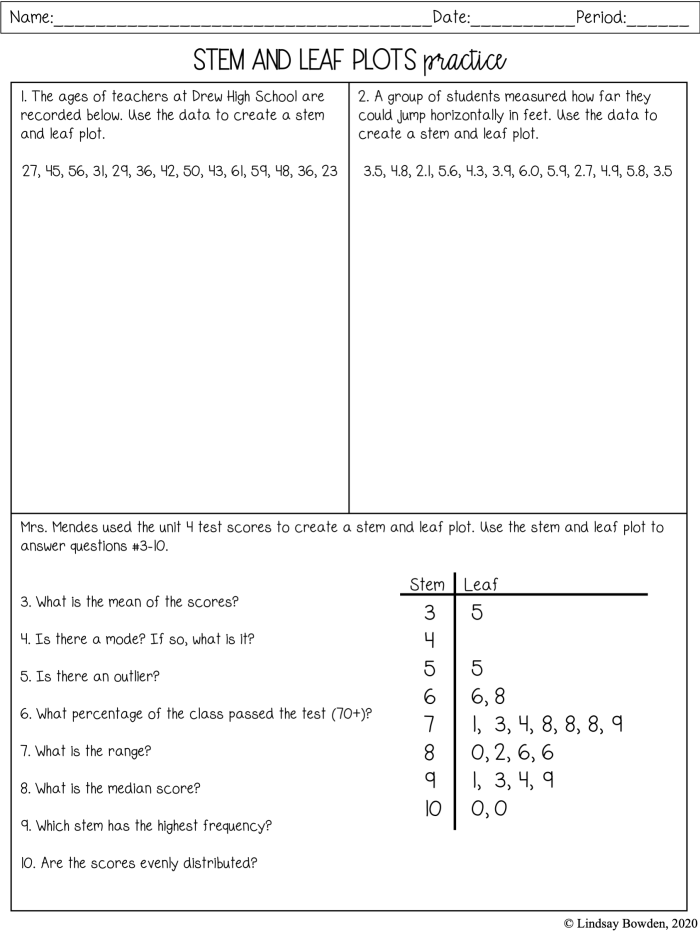
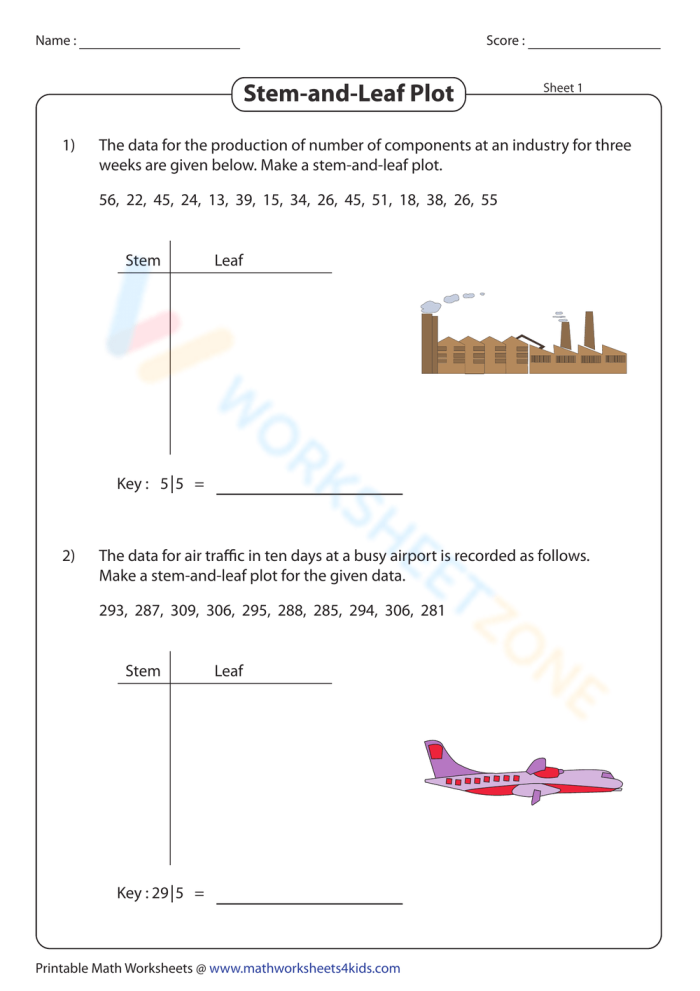
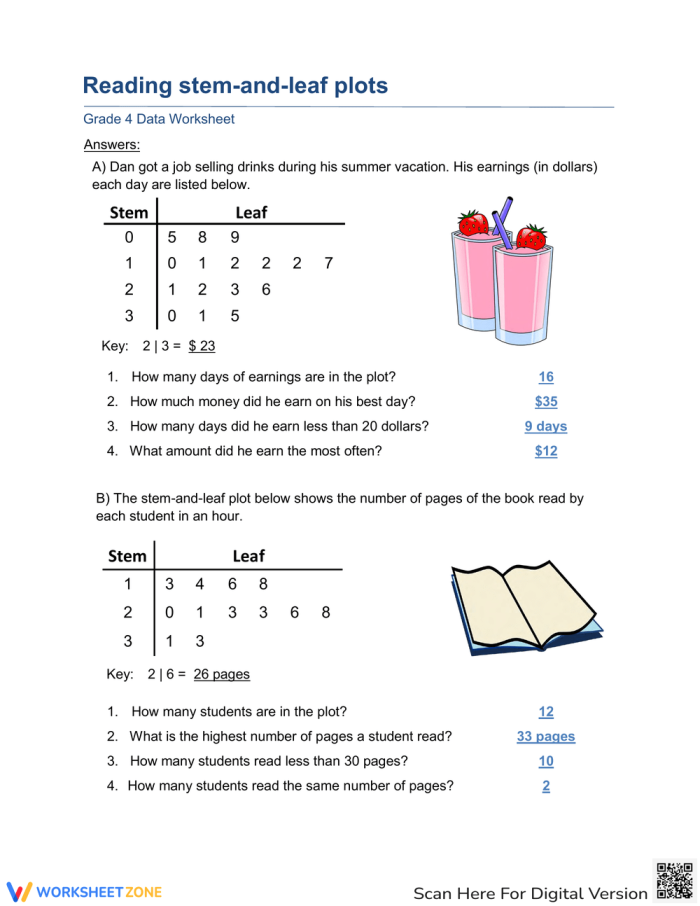
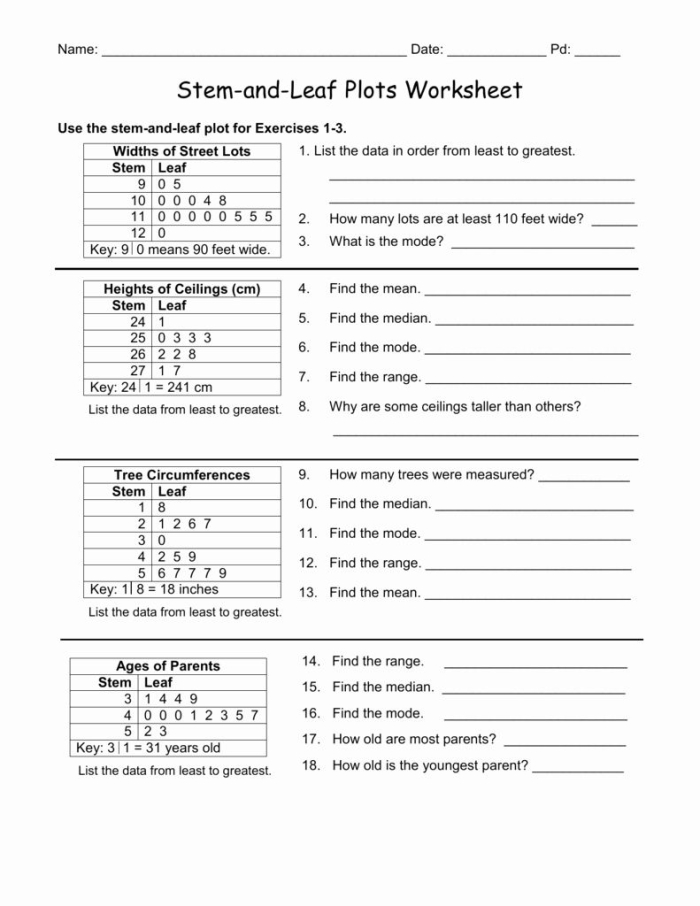
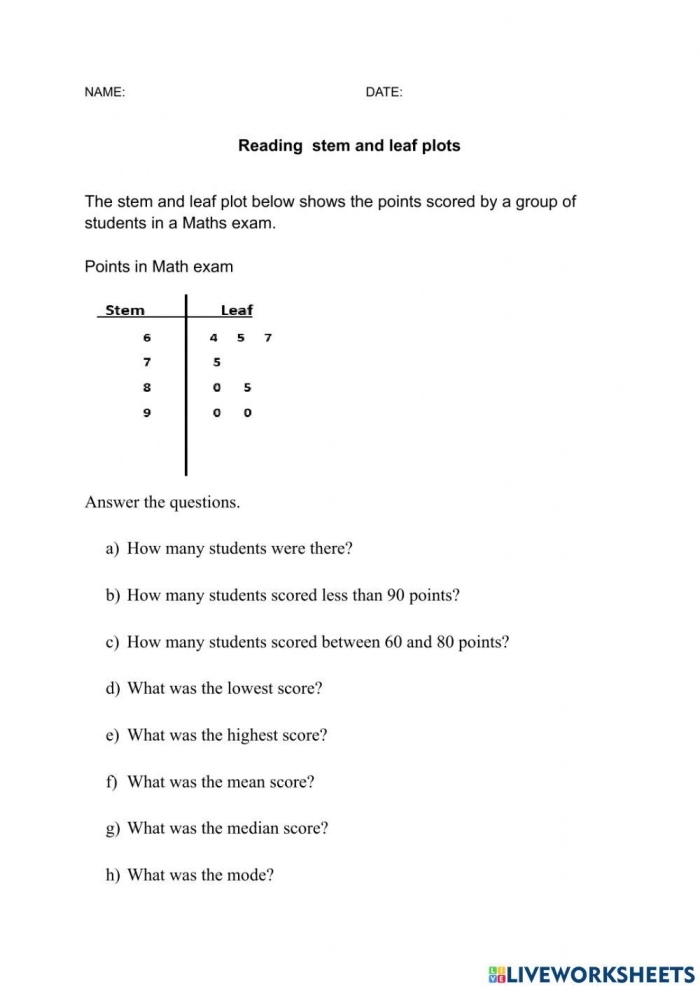
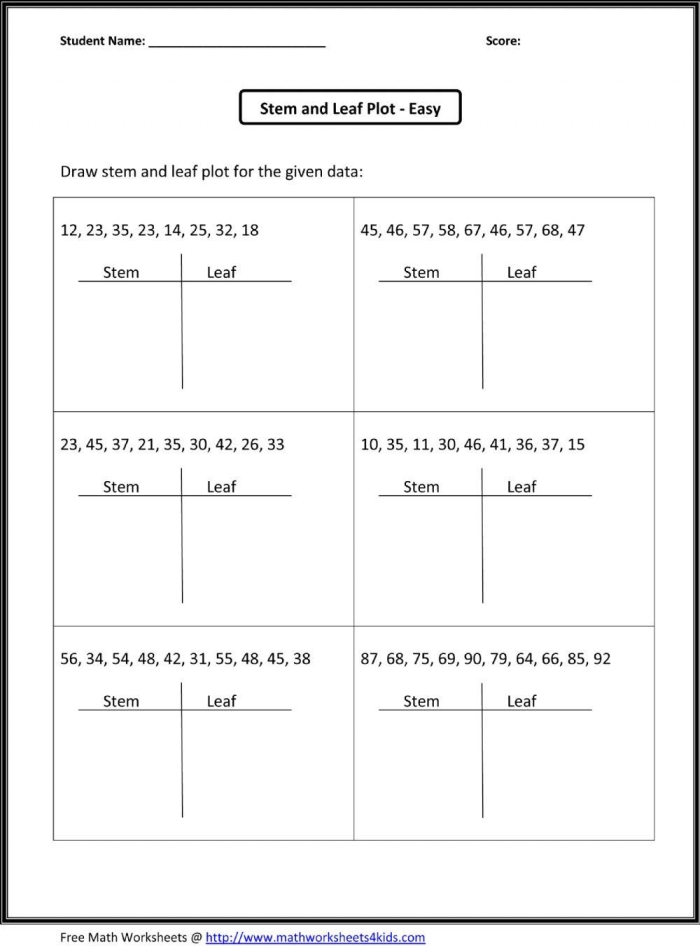
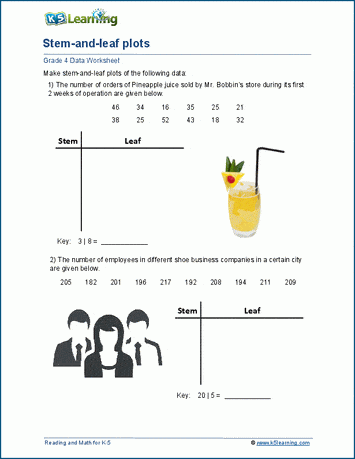
To make the learning process even easier, you can find helpful resources like printable stem and leaf plot worksheets. These worksheets provide structured exercises that reinforce the concept and allow students to practice their skills independently.
Incorporating history into this learning can also be engaging. You might explore how data representation has changed over time and how early mathematicians used similar methods to analyze information. The combination of math and history can create a richer educational experience.
As you navigate through the beauty of numbers and nature, remember that tools like stem and leaf plots are not just for math class; they are a gateway to understanding the world around us. By using these techniques, you can connect classroom learning with real-life observations, making education both meaningful and enjoyable.
Worksheet Practice Section