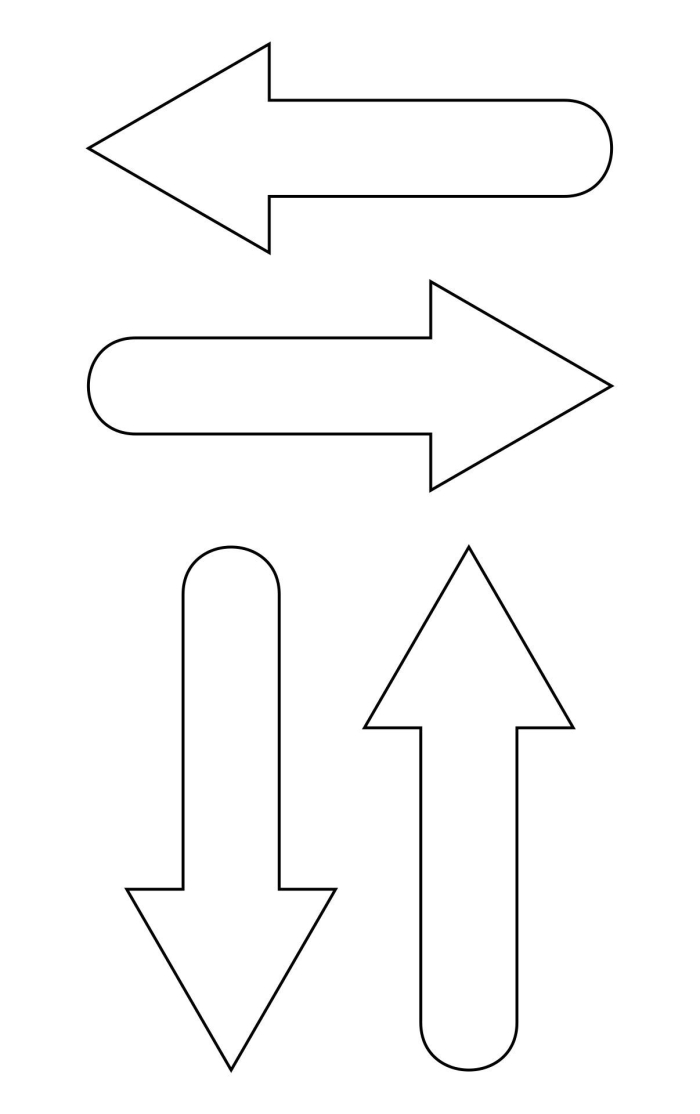
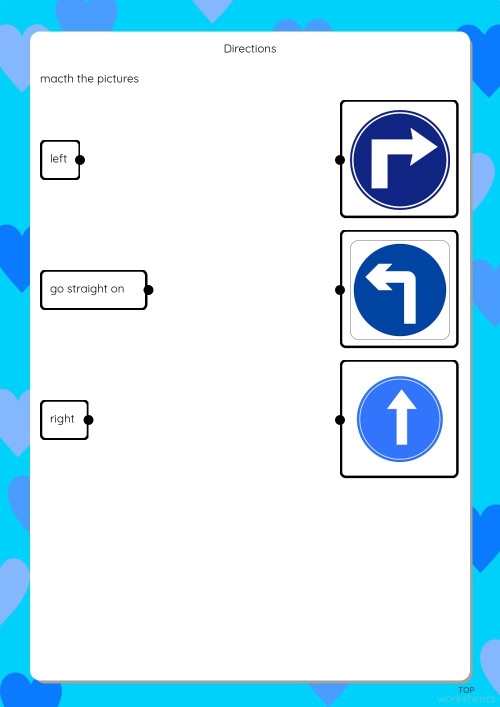
Understanding directional words like left, right, up, and down is essential for young learners. These positional words provide the foundation for spatial awareness, which is crucial not only in language development but in everyday activities. As children navigate their environments, they need to grasp these concepts to communicate effectively and follow instructions.
To assess whether your student knows these basic directional words, consider implementing a simple positional word assessment. This engaging activity can be a fun way to determine their understanding. You can ask questions such as, “Can you point left?” or “Which way is up?” Observing their responses will give you insight into their grasp of these terms. For instance, if a child can consistently identify left and right, it indicates a solid understanding of these directional concepts.
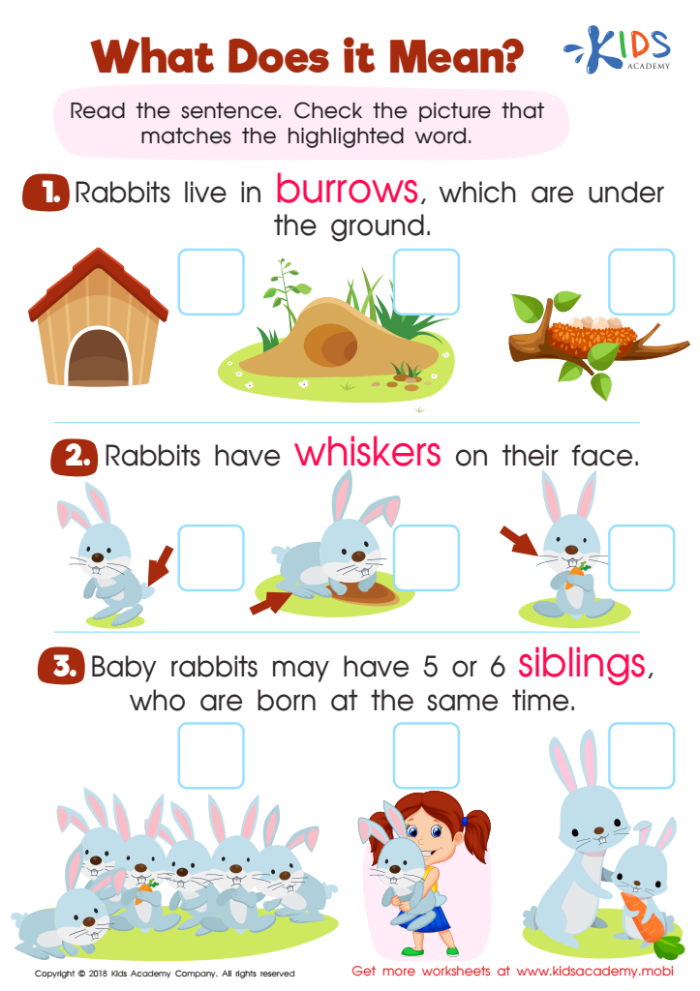
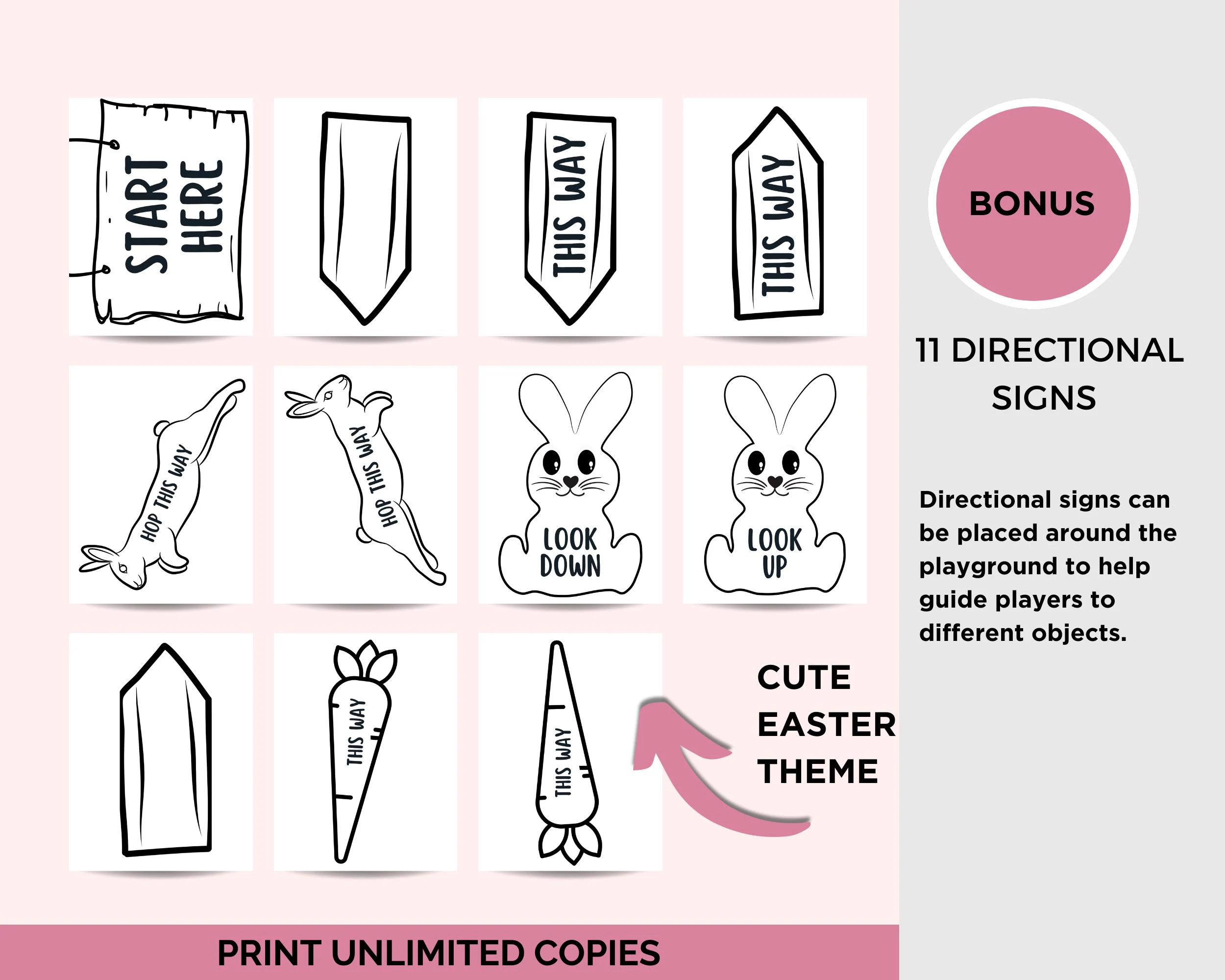
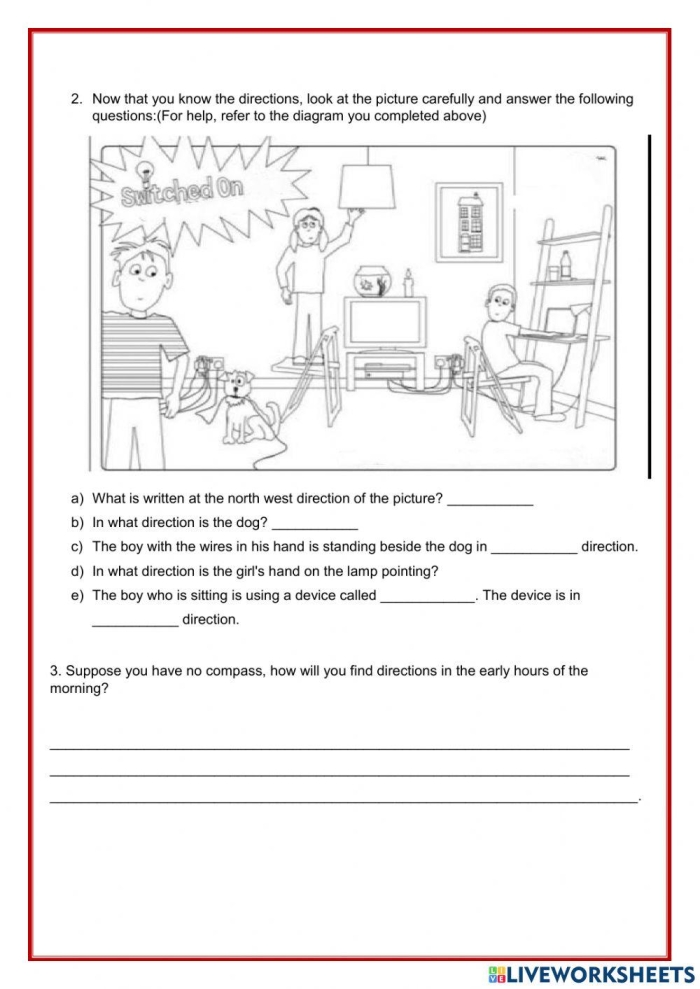
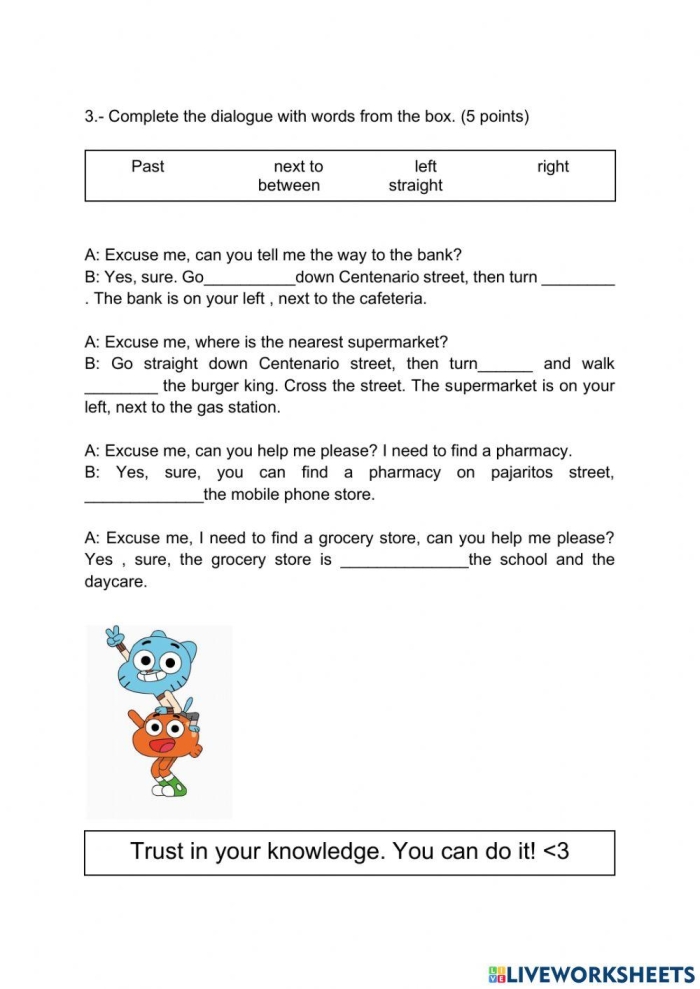
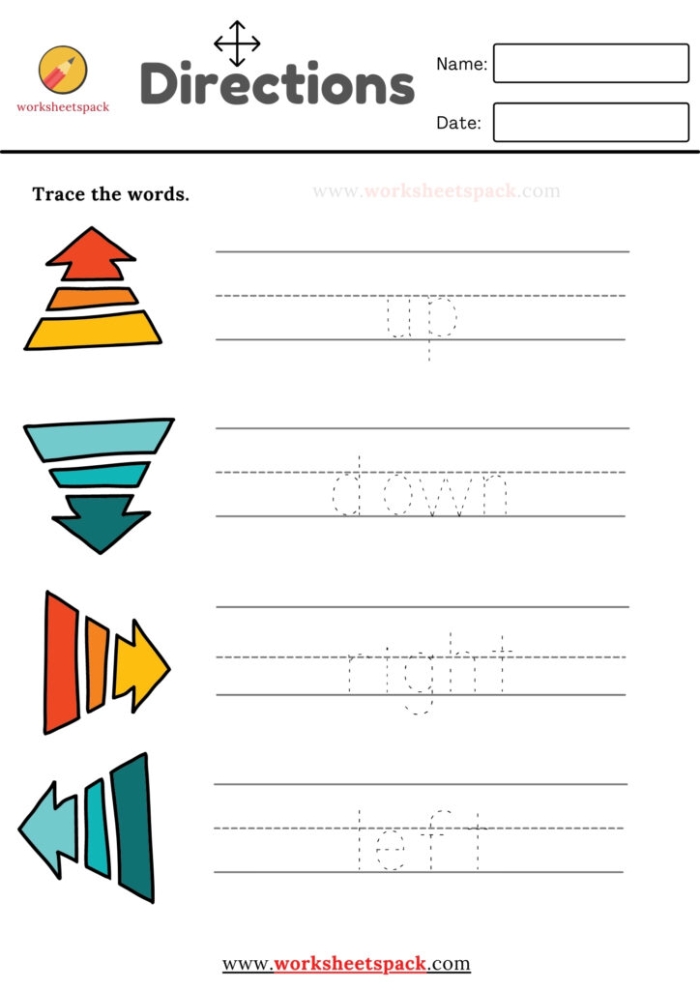
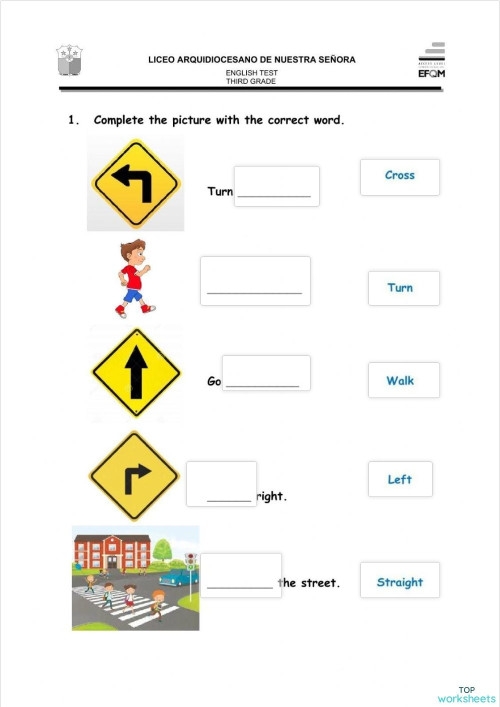
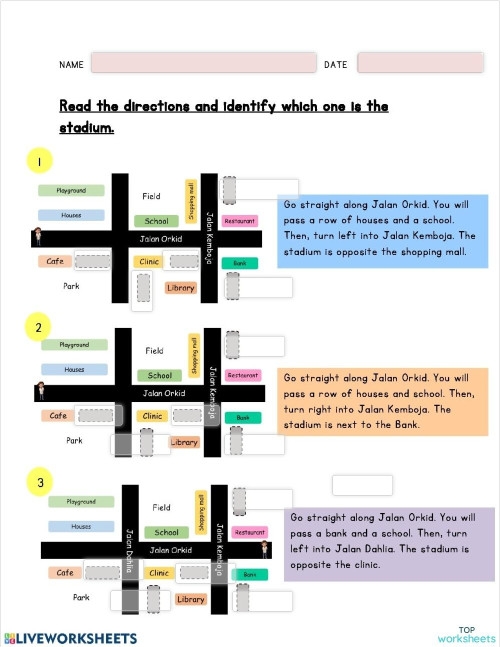
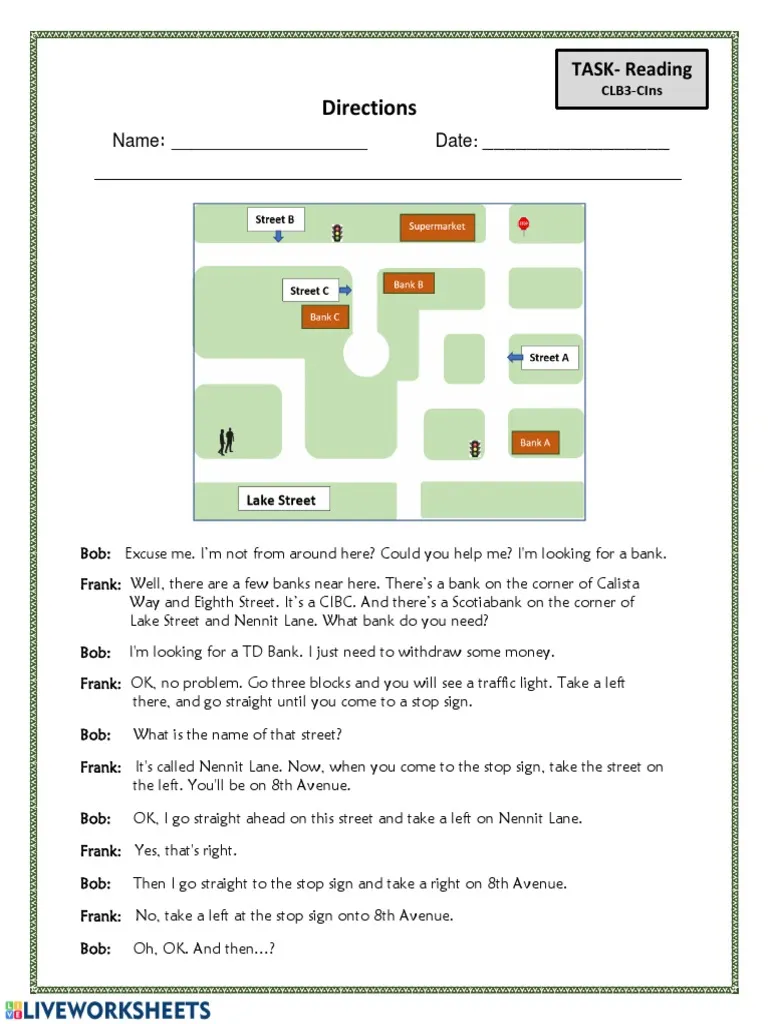
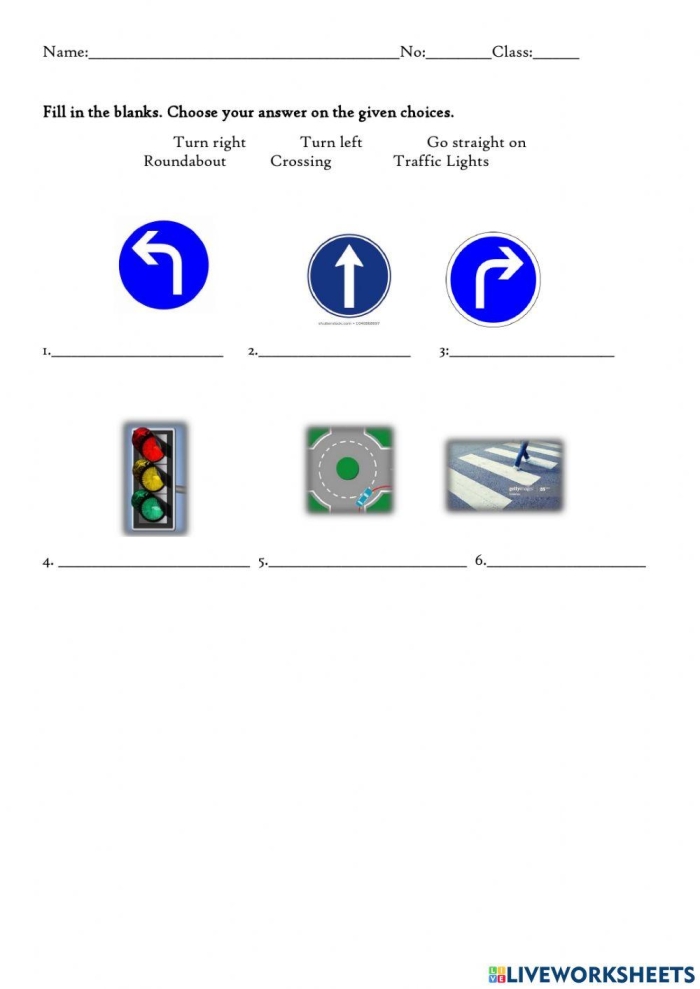
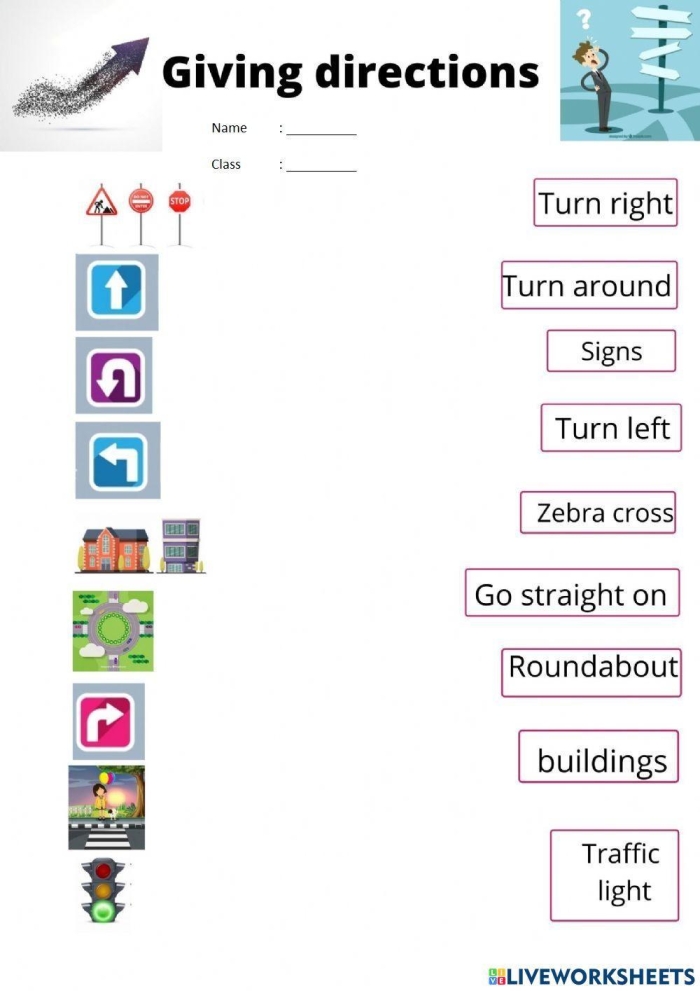
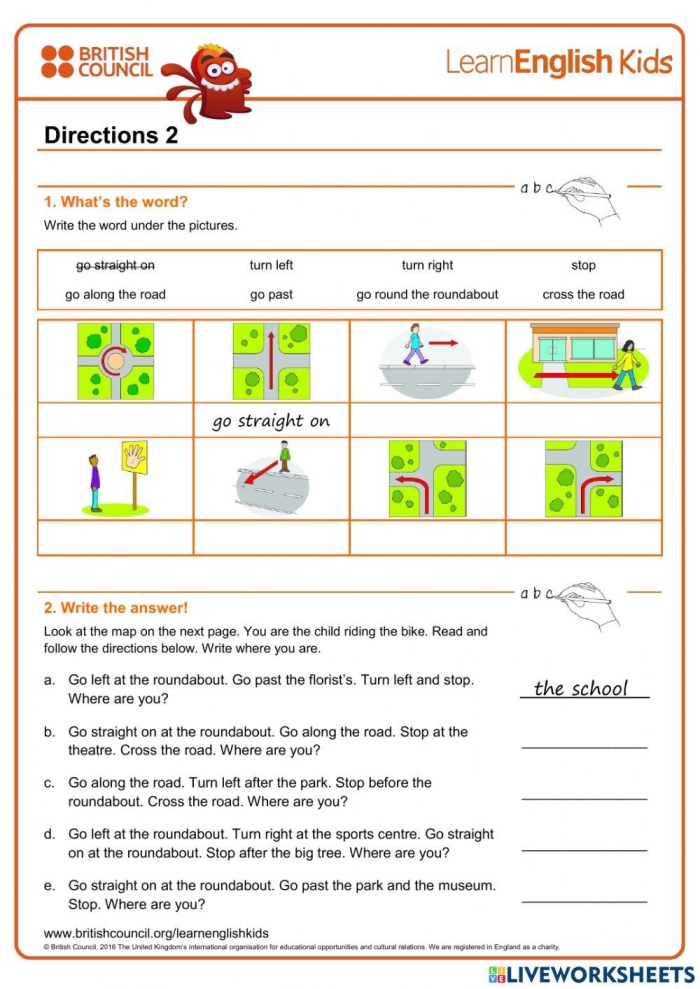
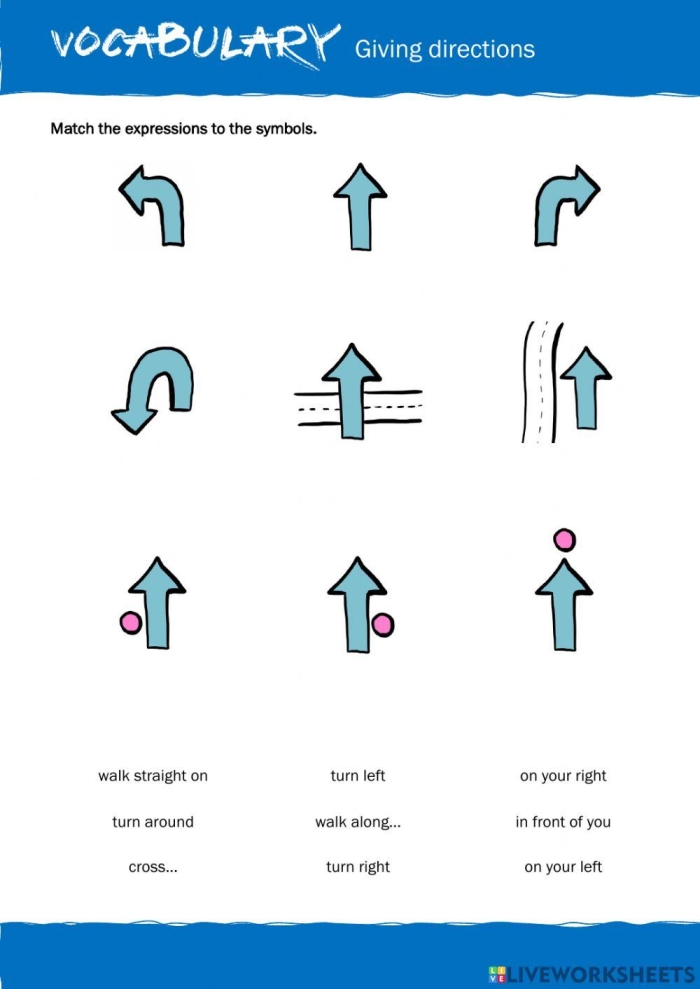
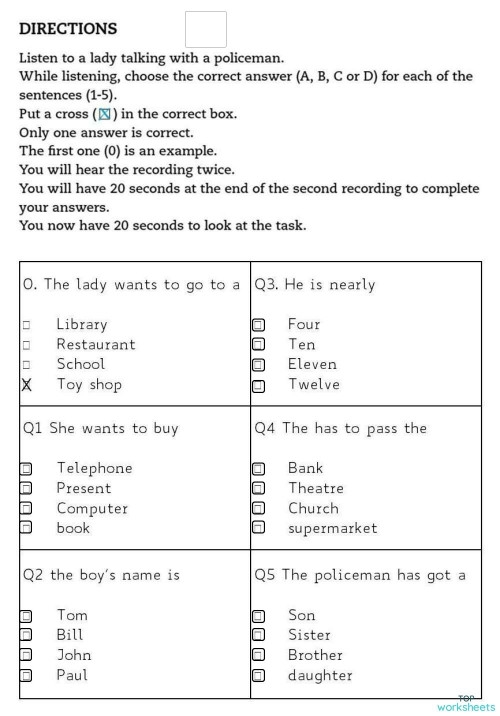
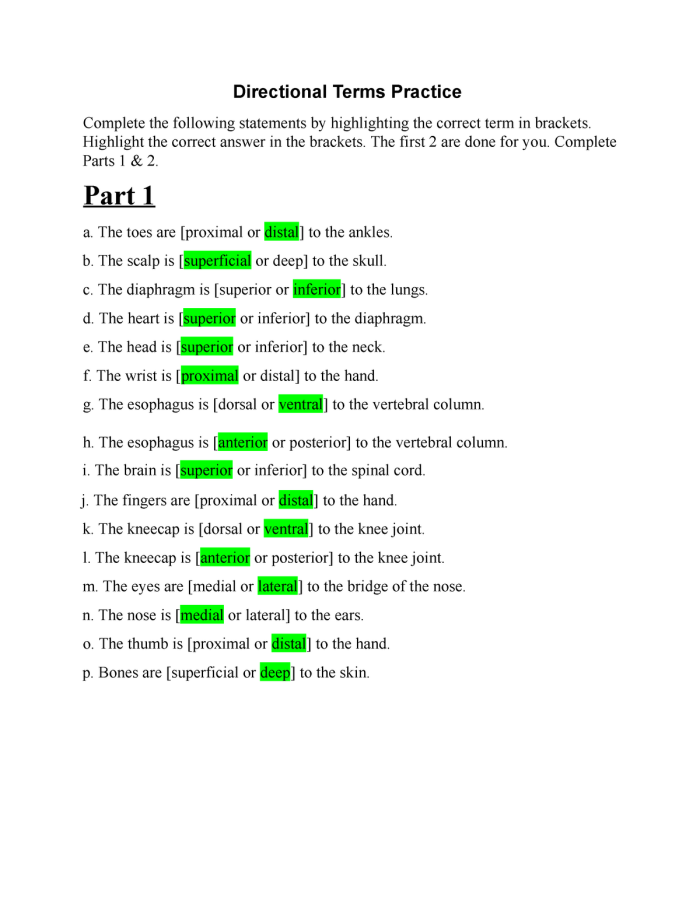
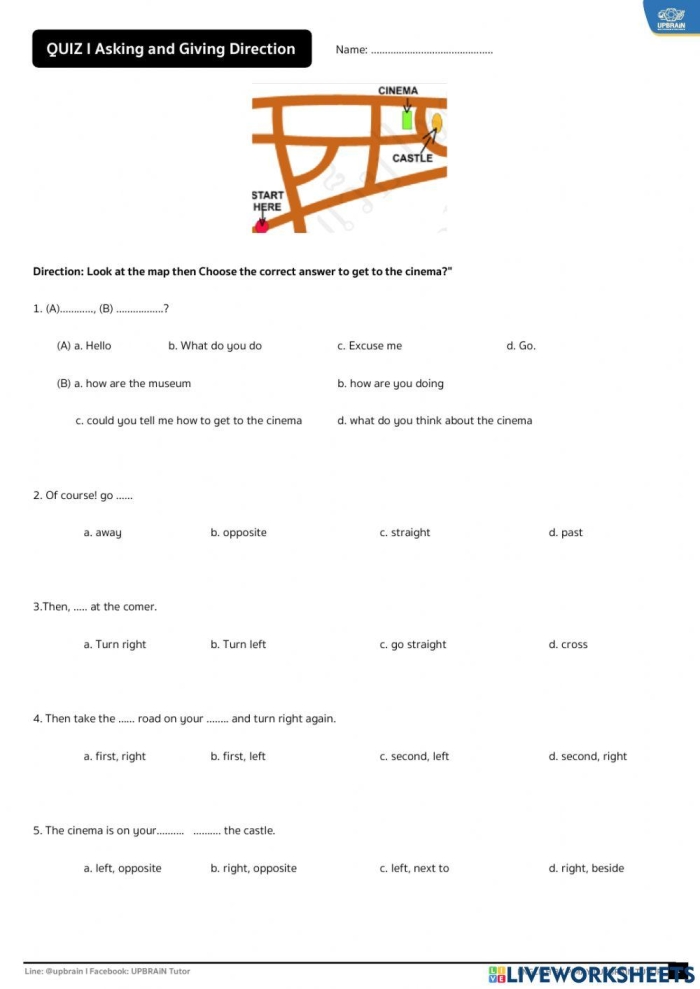
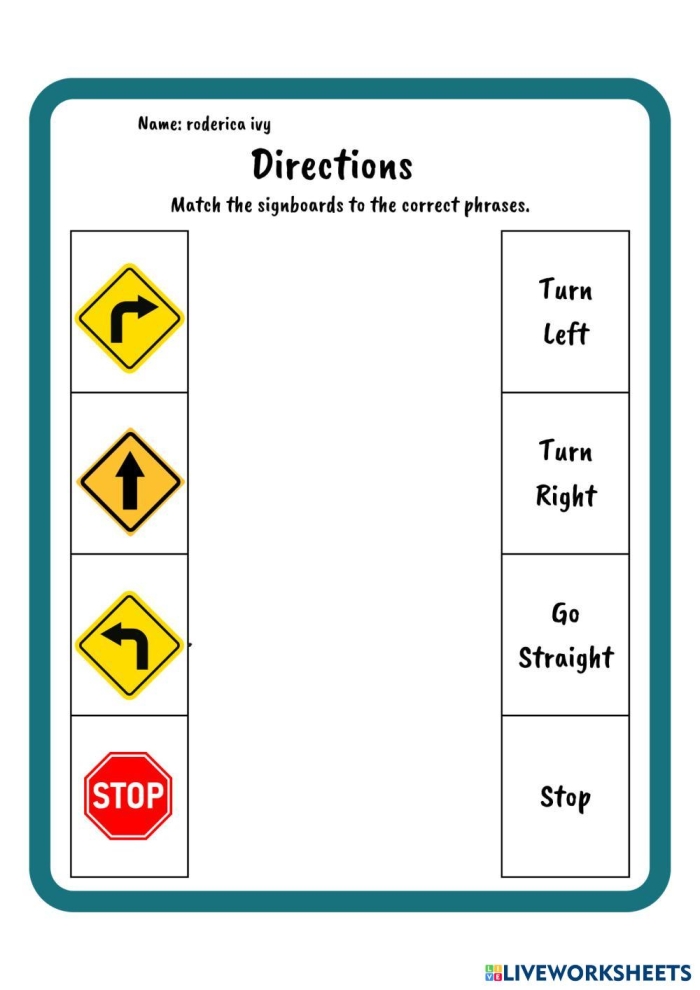
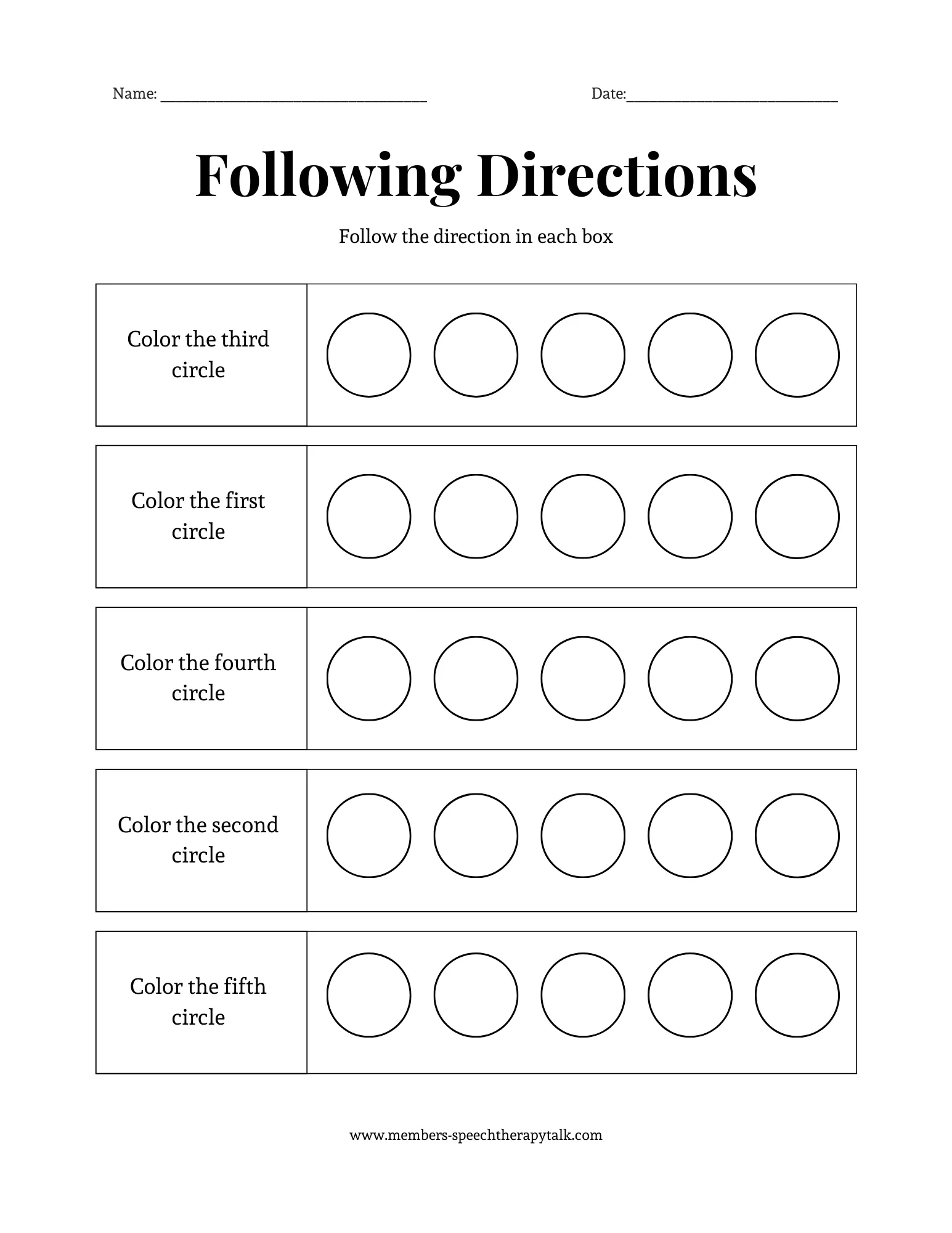
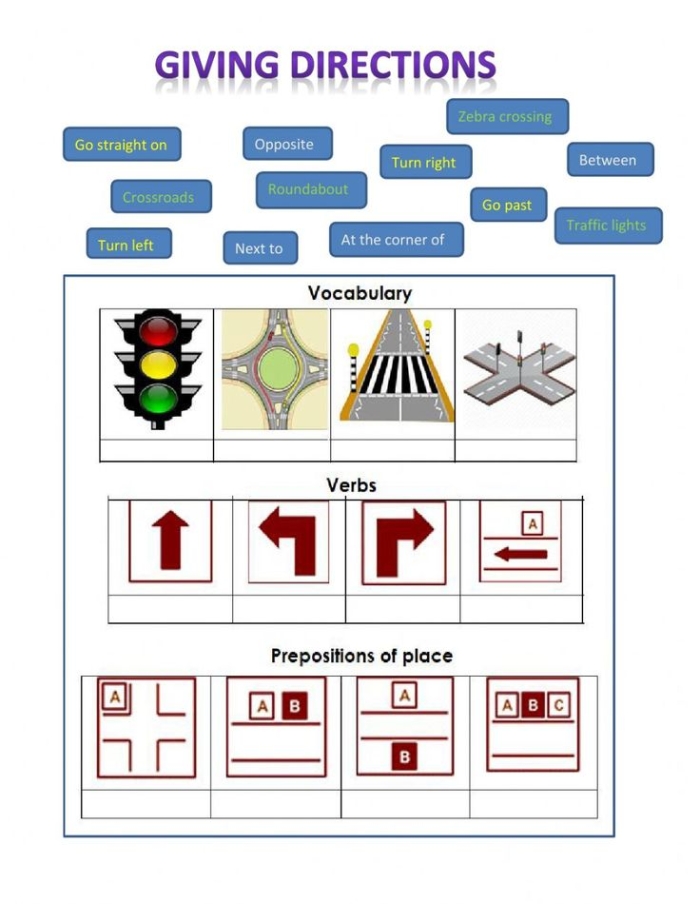
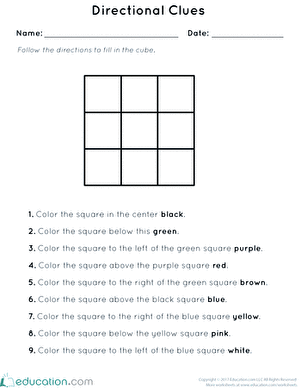
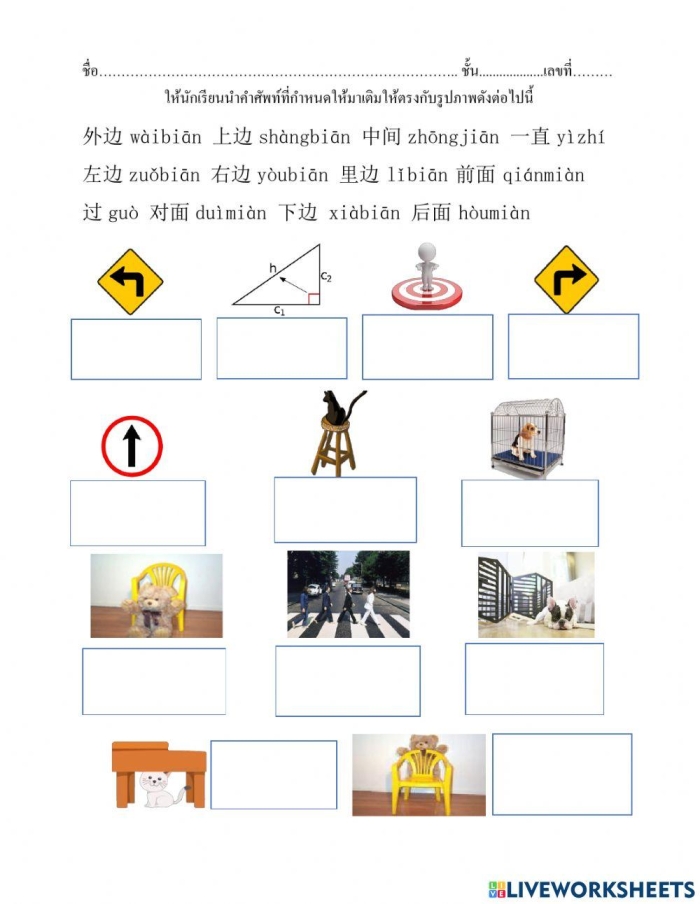
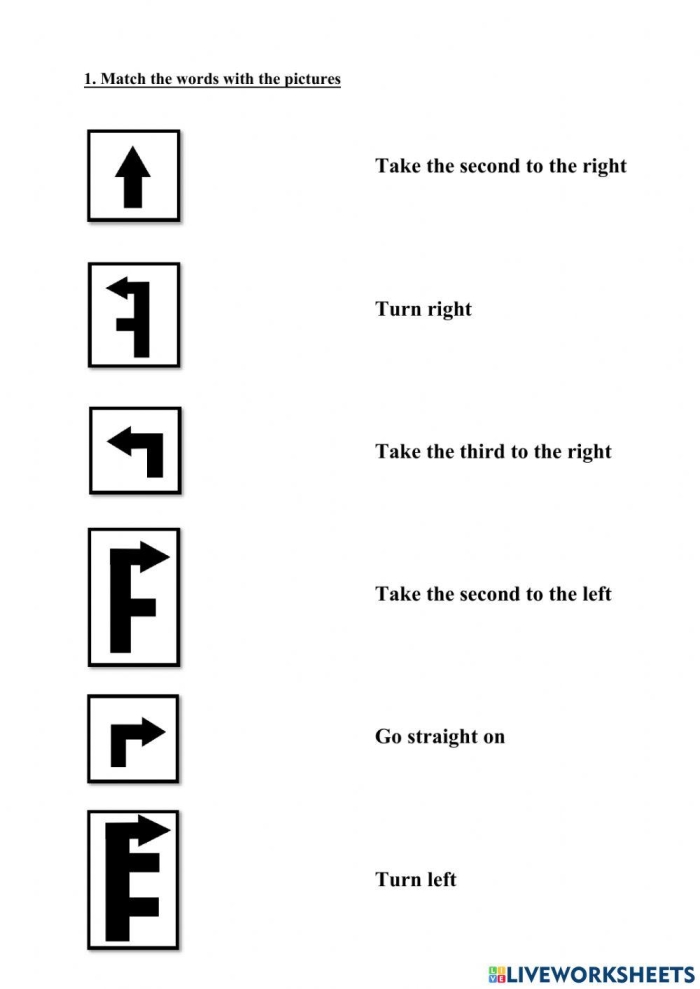
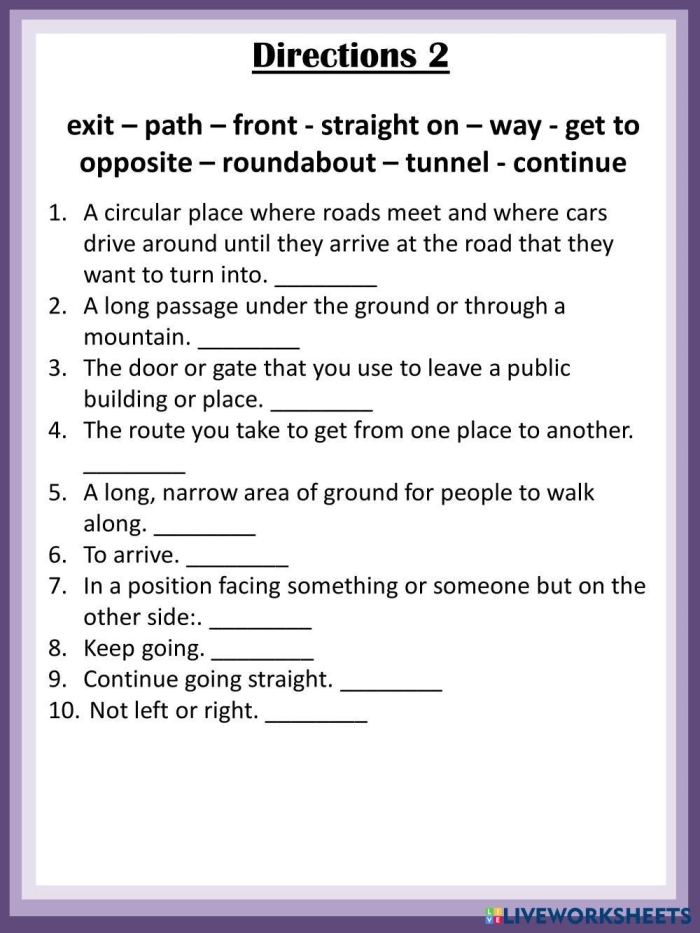
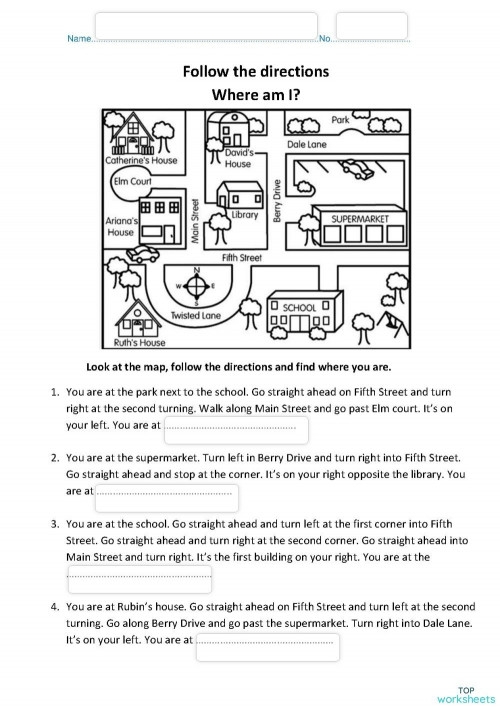
Utilizing printable worksheets can enhance this learning experience. For example, resources like Directional Clues Worksheets offer structured exercises that reinforce these terms in a playful manner, promoting vocabulary development. These worksheets often include visual aids that help children associate words with actions, making the learning process more interactive.
Another effective approach is to integrate movement into learning. Have students follow instructions that incorporate directional language. For instance, instruct them to move up to a designated spot or turn right to face a certain direction. This not only solidifies their understanding but also makes learning physically engaging.
Encouraging children to use these terms in their daily conversations will further enhance their vocabulary. Whether it’s in the classroom or at home, asking them to describe their movements or the location of objects helps reinforce their understanding. By focusing on positional words early on, you prepare them for more complex language skills in the future.
Hands-On Worksheet Activities