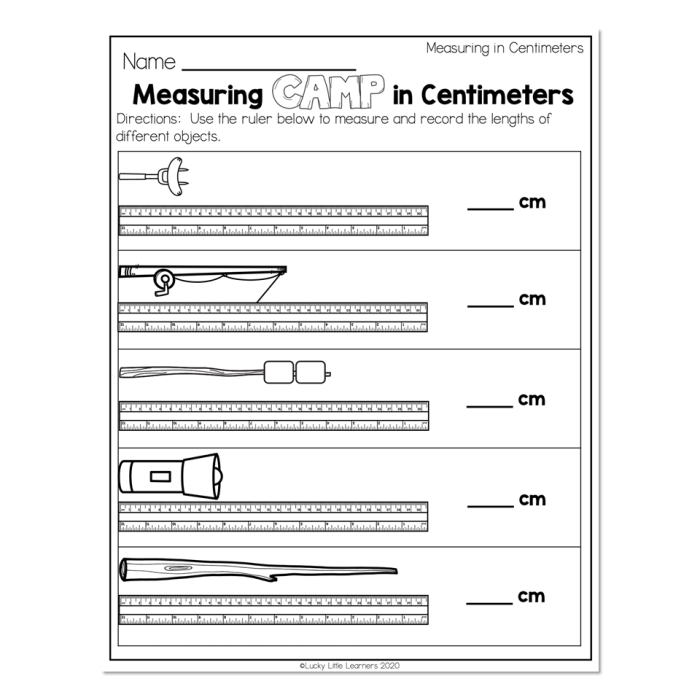
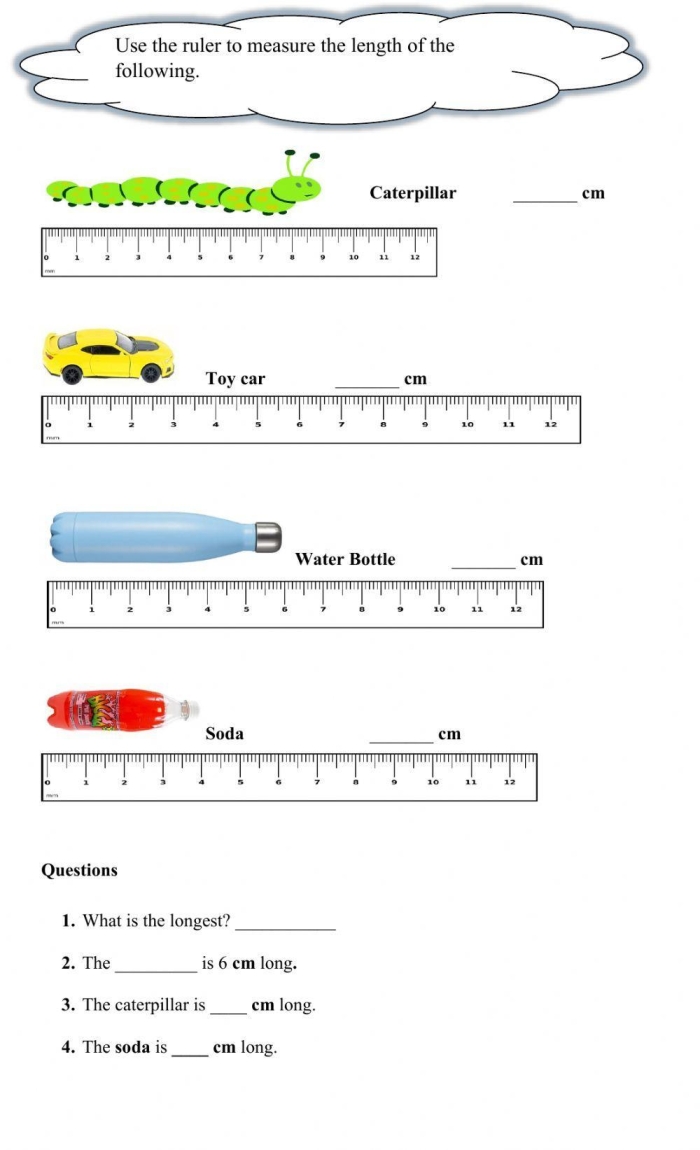
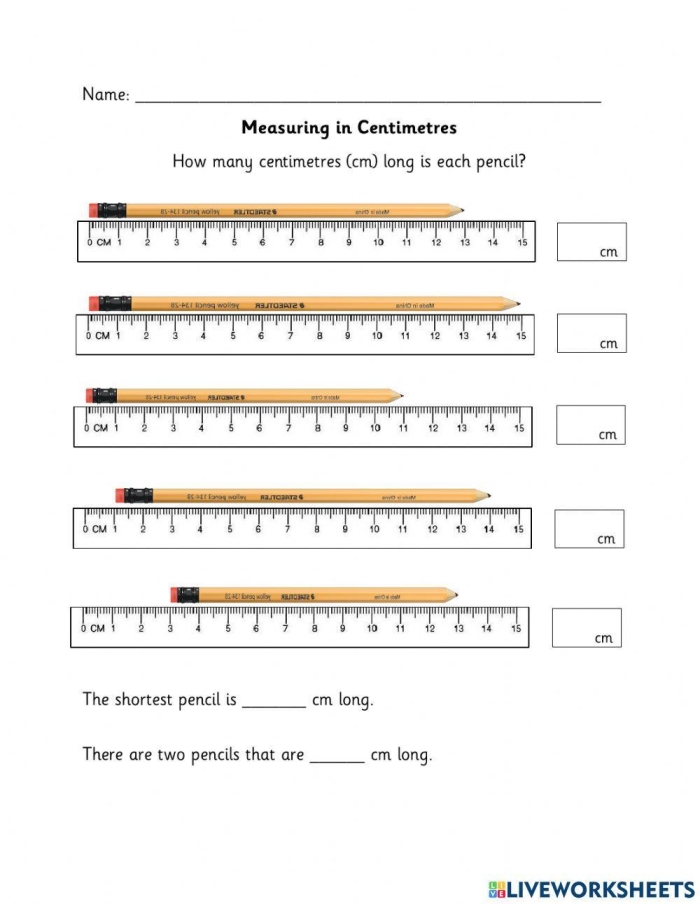
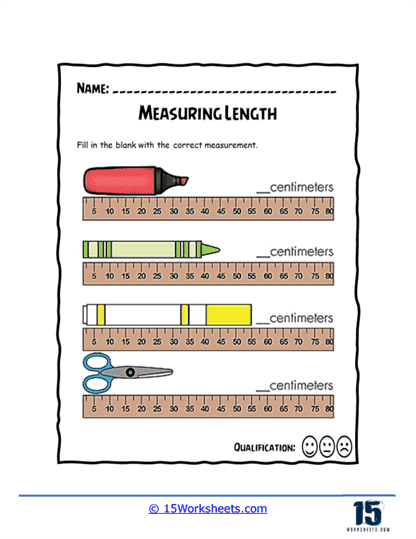
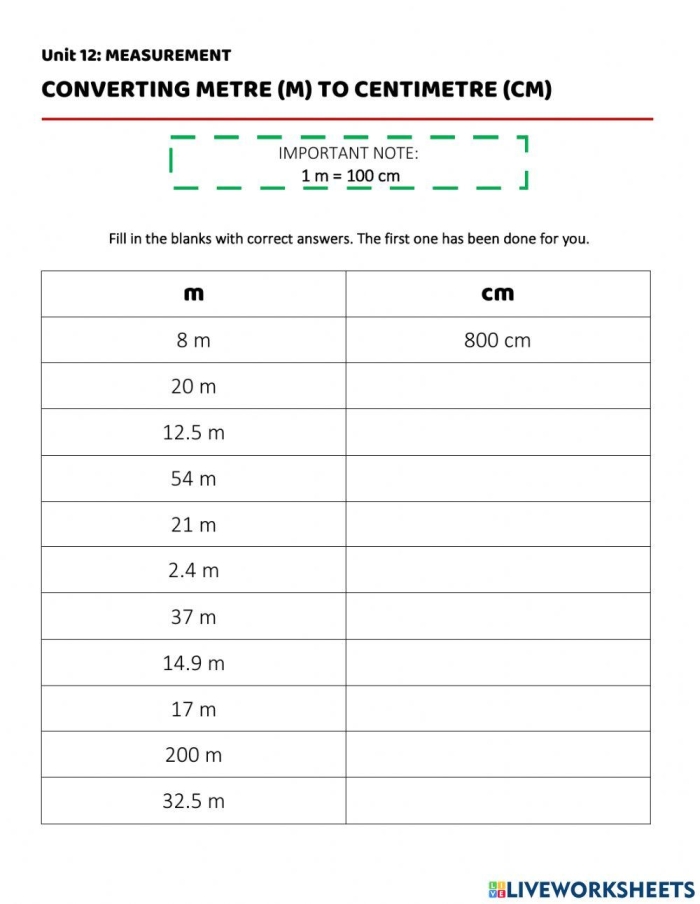
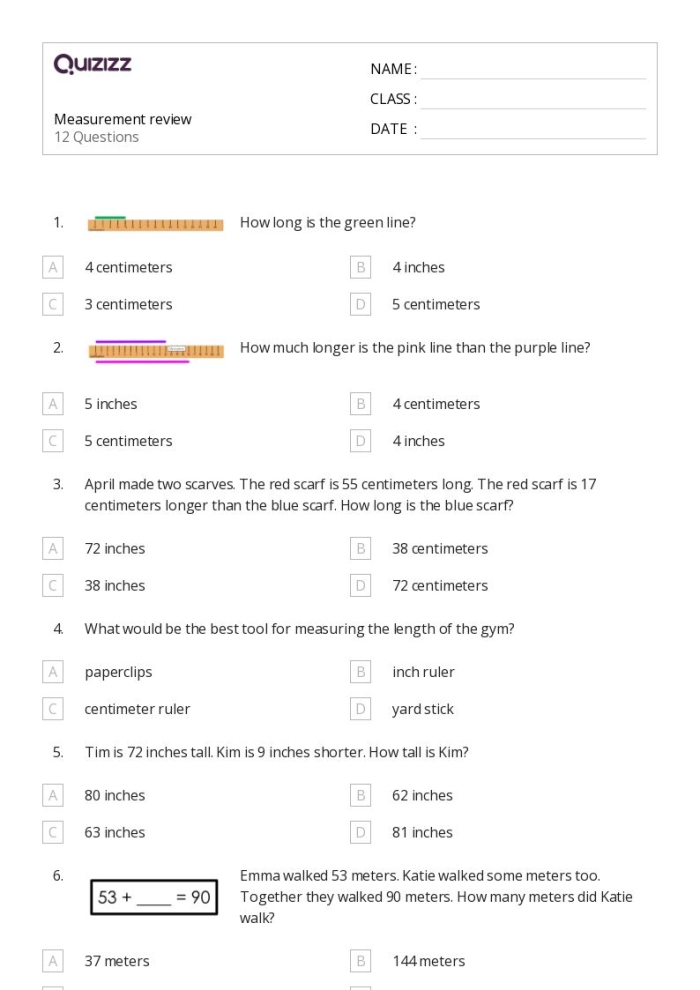
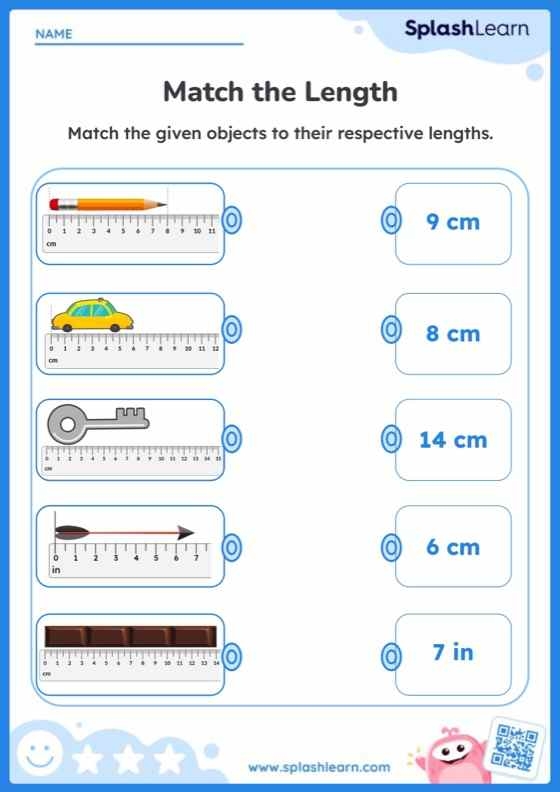
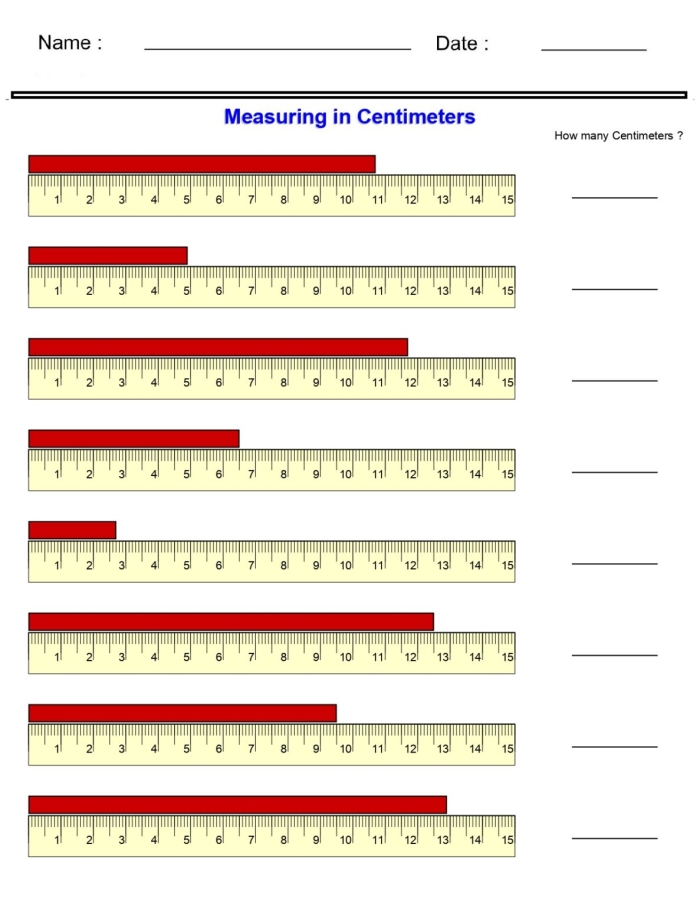
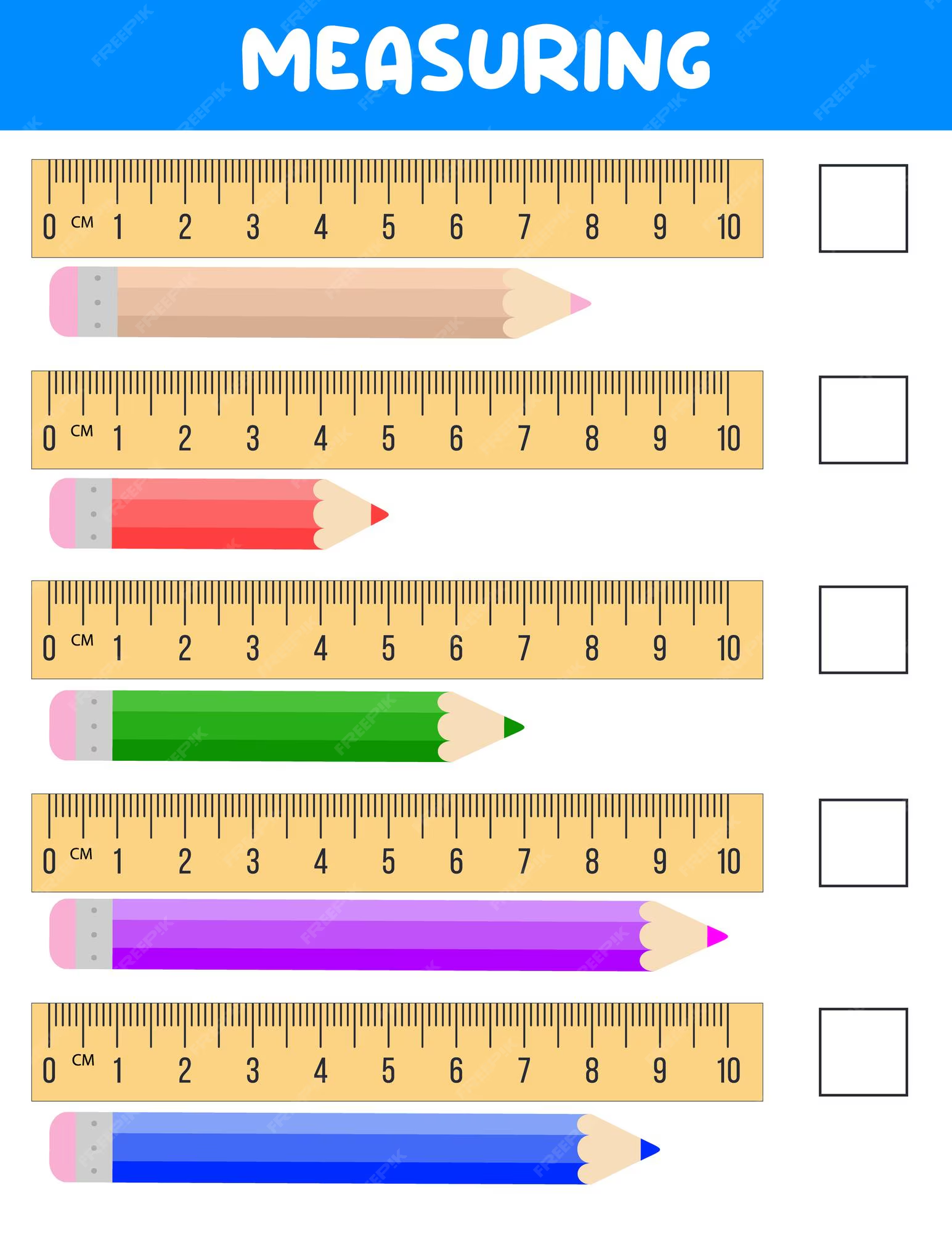
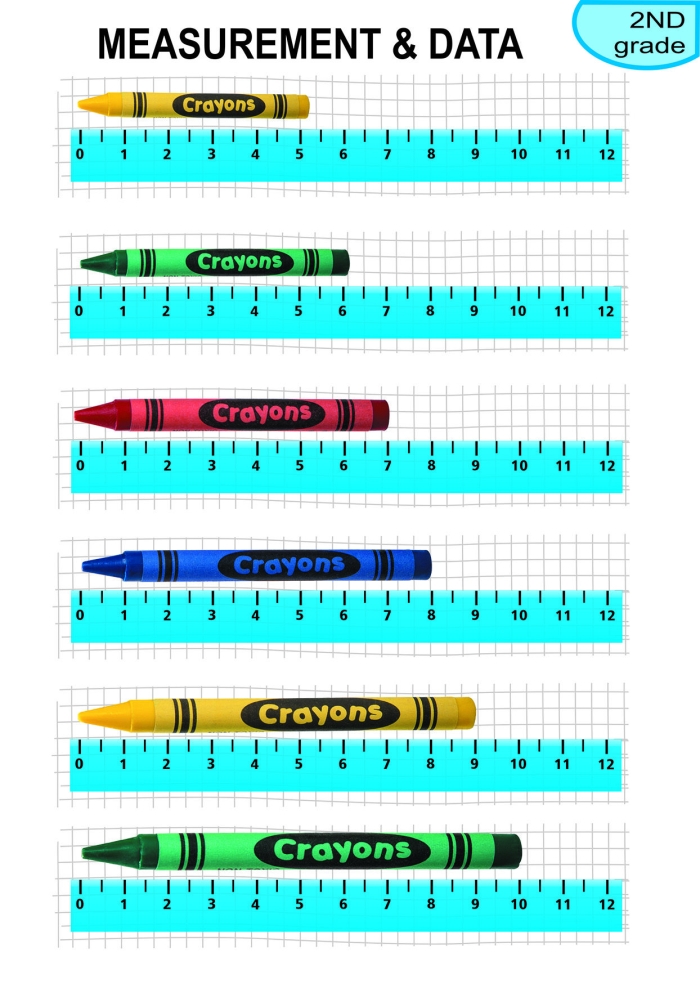
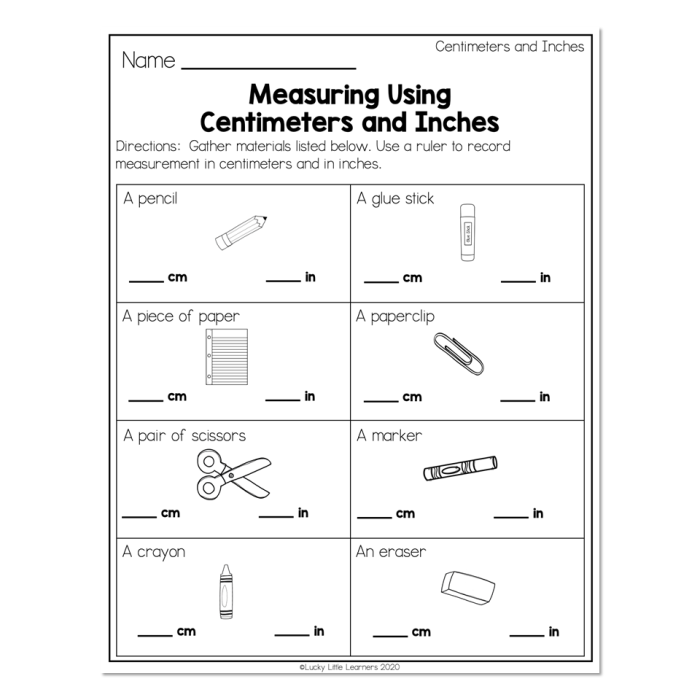
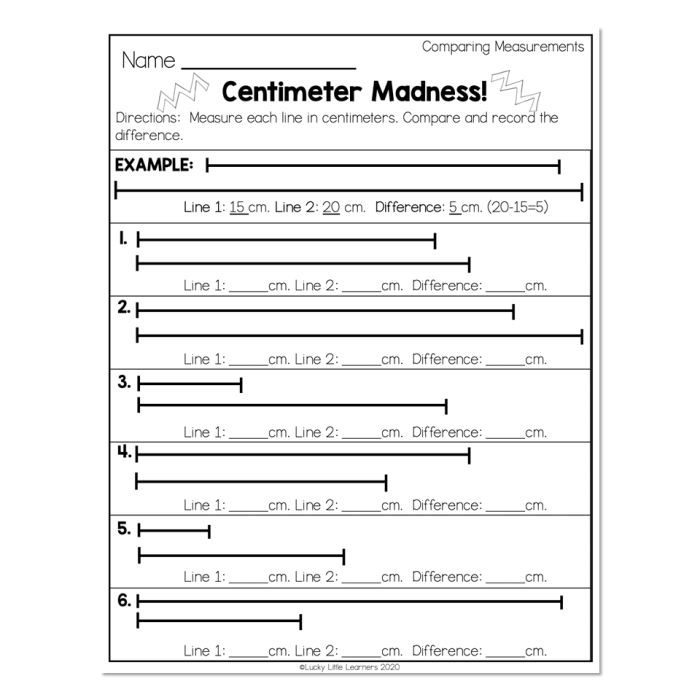
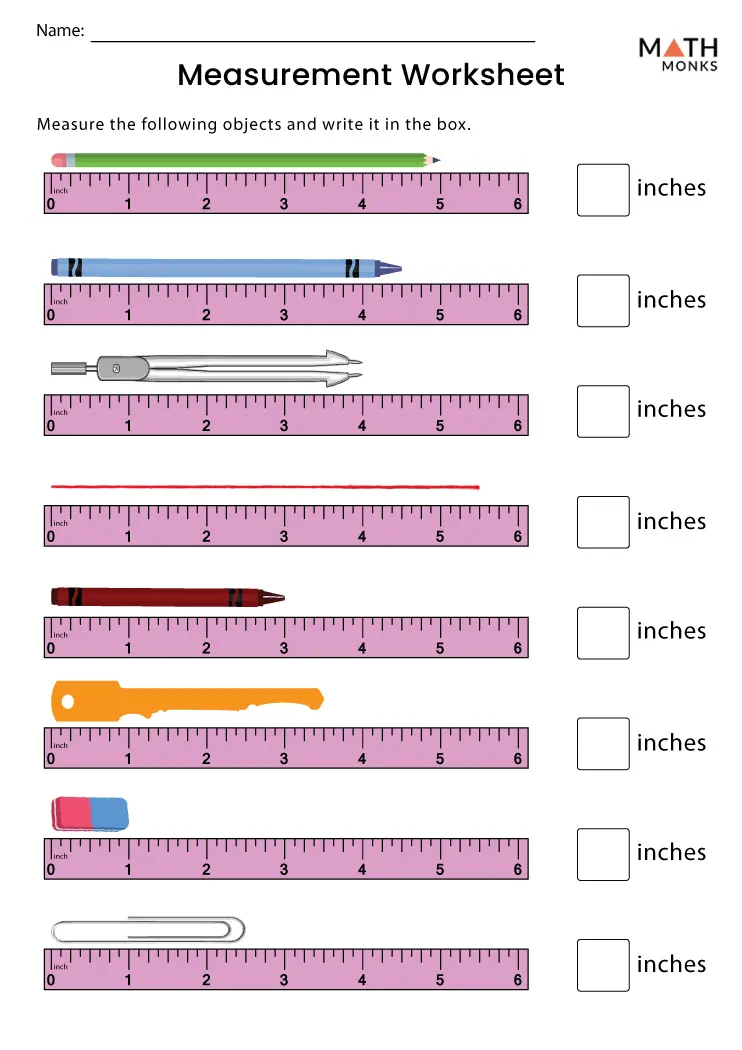
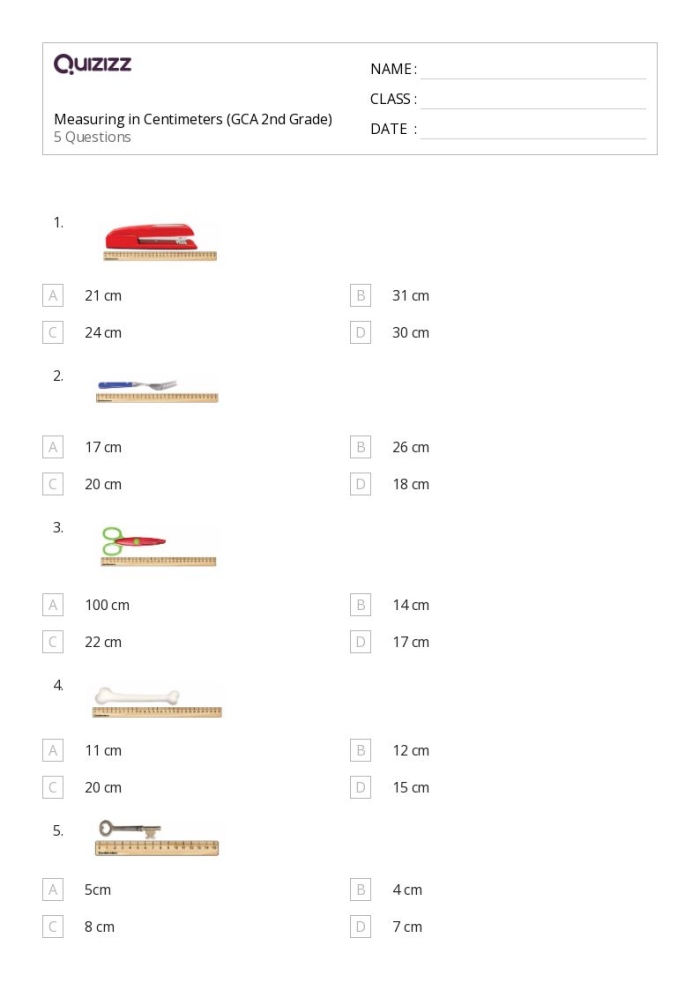
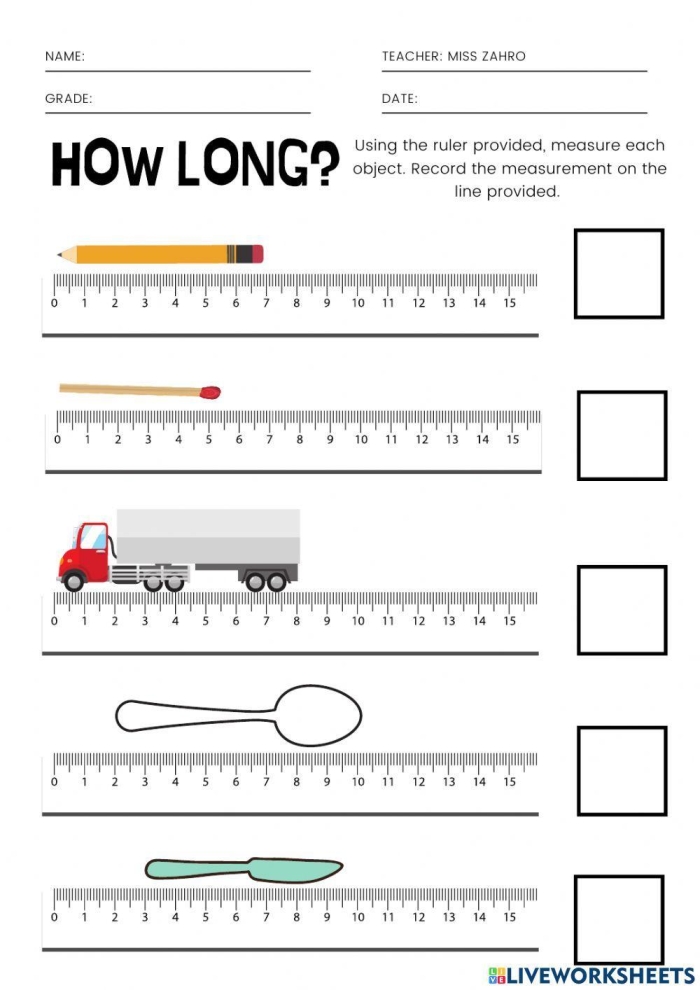
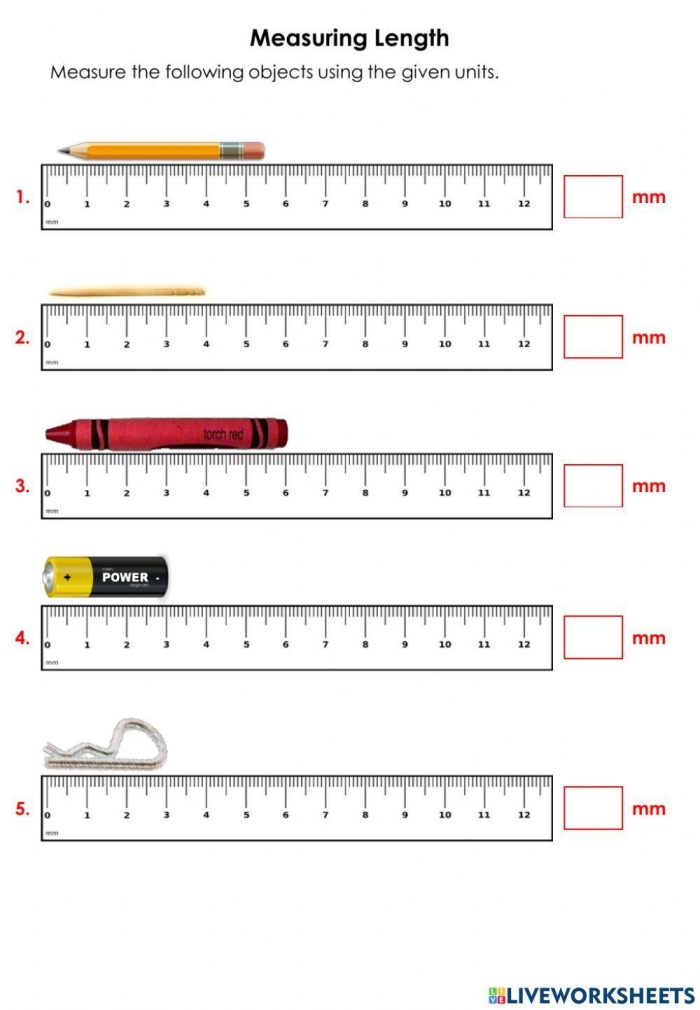
Learning to measure with a ruler opens up a whole new way for first grade students to understand the physical world around them. A centimeter worksheet gives kids hands-on practice with one of the most practical math skills they’ll use throughout their education and daily life.
When students work through measurement practice with centimeters, they’re building more than just number sense. They’re developing the ability to compare lengths, estimate distances, and think spatially about objects. For first graders, this concrete experience with measuring tools helps bridge the gap between abstract numbers and real-world application.
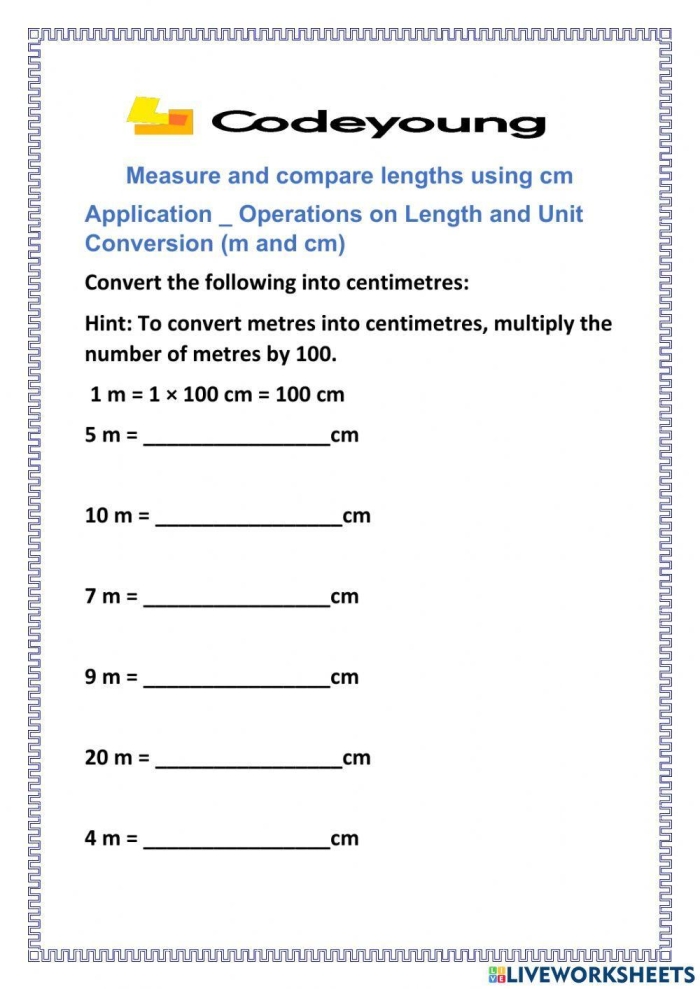
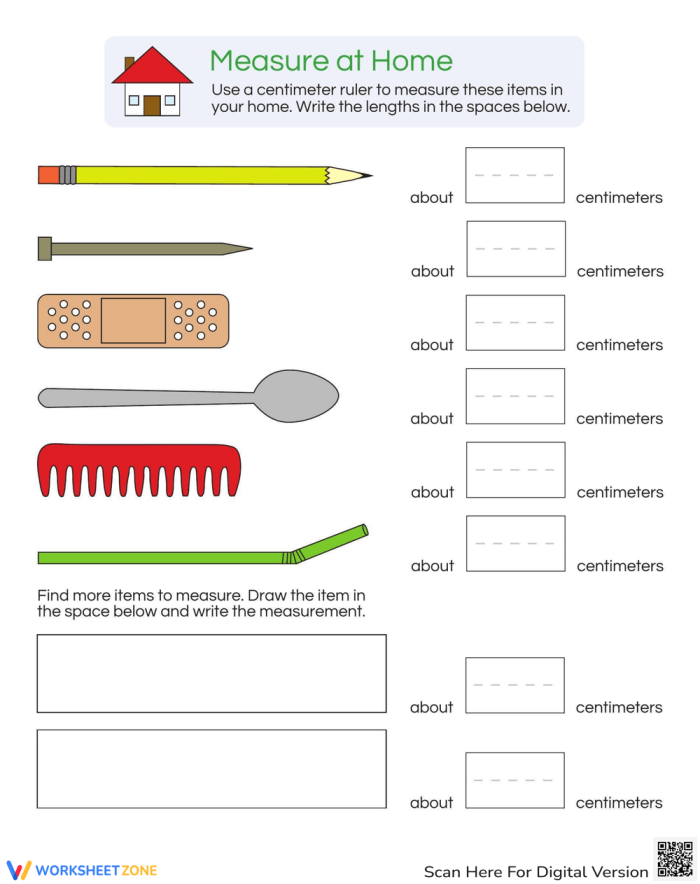
The beauty of a centimeter worksheet lies in its simplicity paired with effectiveness. Rather than memorizing facts, children see directly how a ruler works. They place it against objects, count the tick marks, and record what they find. This tactile learning sticks with them better than worksheets that only show pictures or diagrams without actual measurement tasks.
Many first grade classrooms benefit from mixing measurement practice into themed activities. For example, pairing centimeter work with seasonal content keeps students engaged. A spring-themed worksheet or a story-based activity can make the repetition feel like play rather than work.
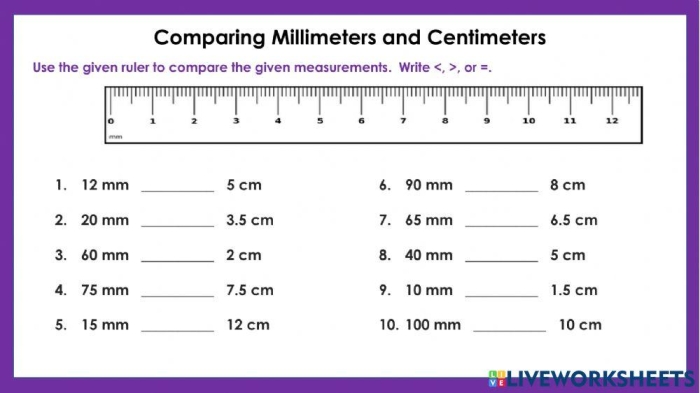
As students progress, they encounter decimals through measurement naturally. When they measure something that falls between whole centimeters, they discover that numbers can be divided into smaller parts. This foundation makes understanding decimals feel logical rather than arbitrary when it appears in later math lessons.
The key to successful measurement practice is repetition with variety. Worksheets that ask students to measure different objects, compare lengths, and solve simple measurement problems keep their attention while building genuine competence with rulers and centimeters.
Boost Skills with These Worksheets