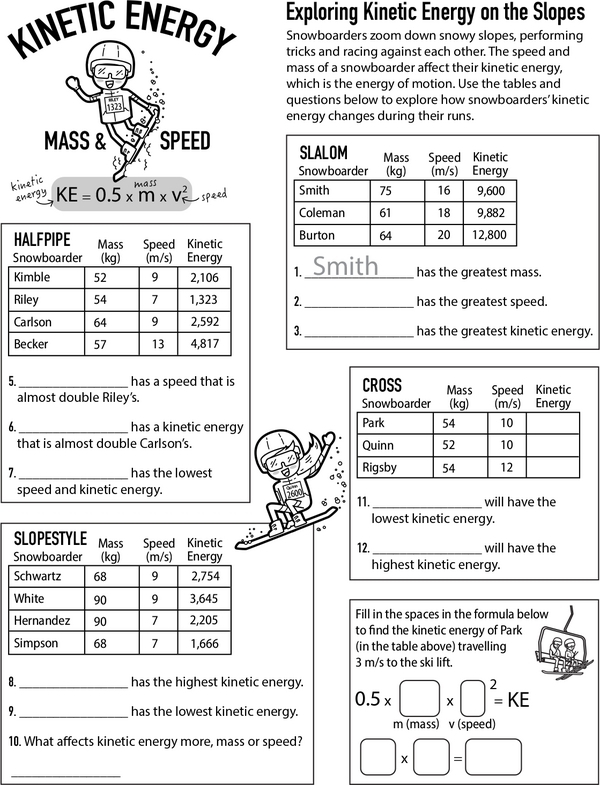
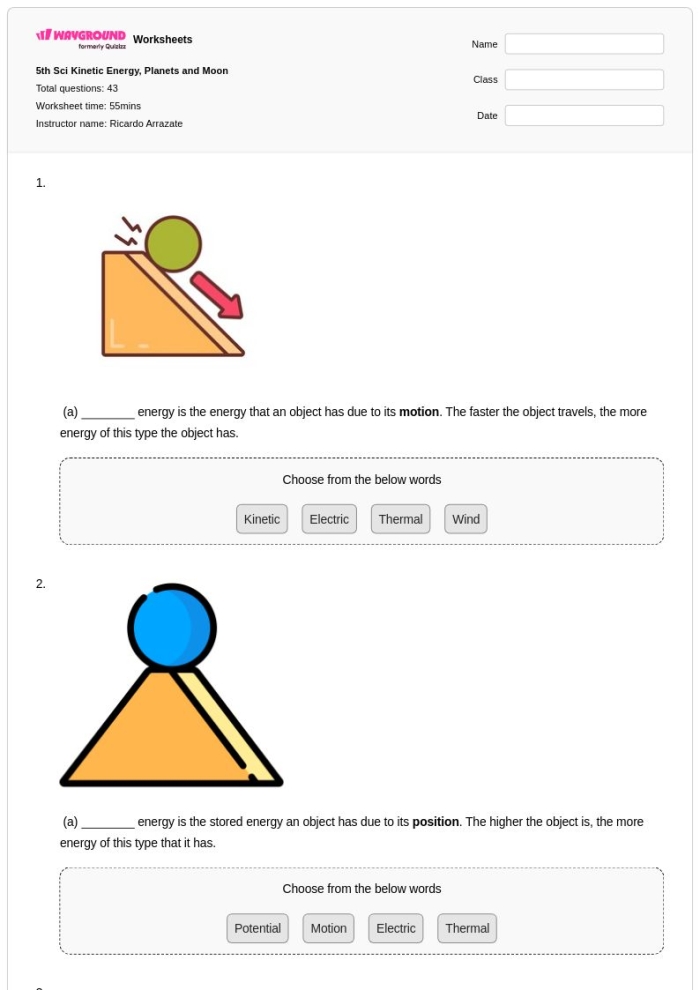
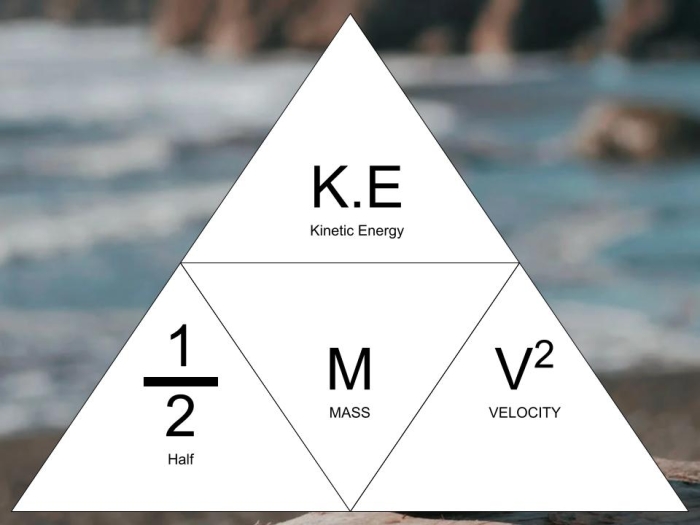
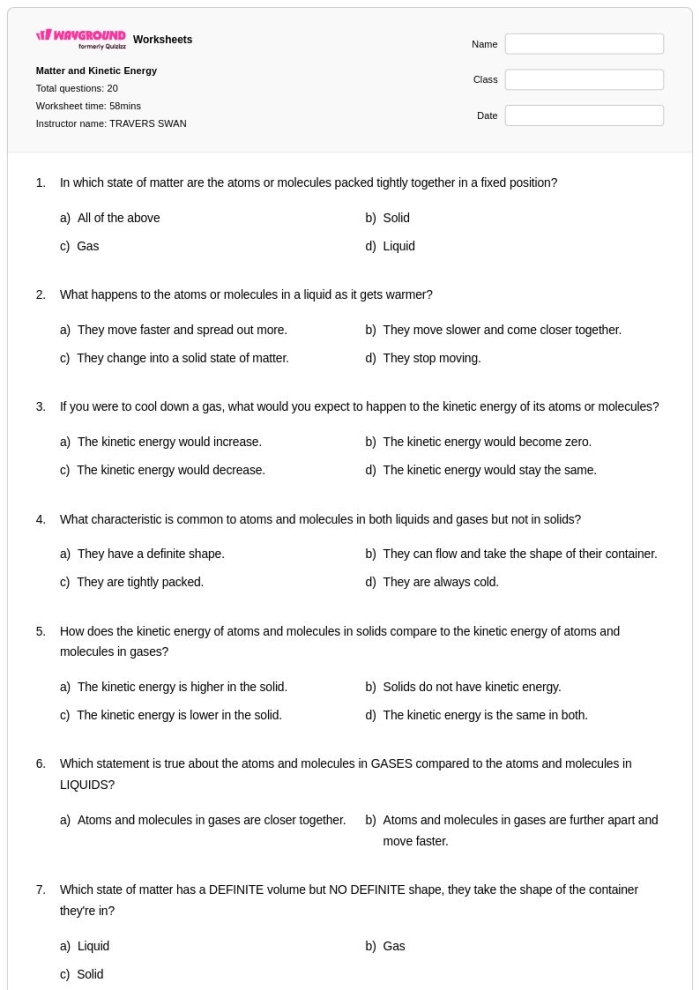
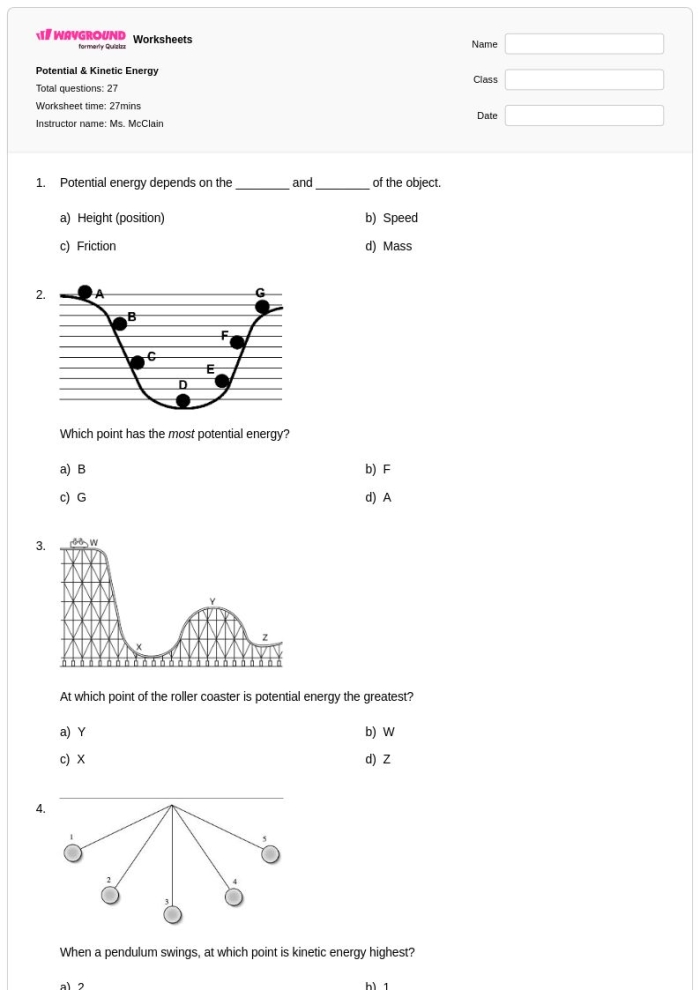
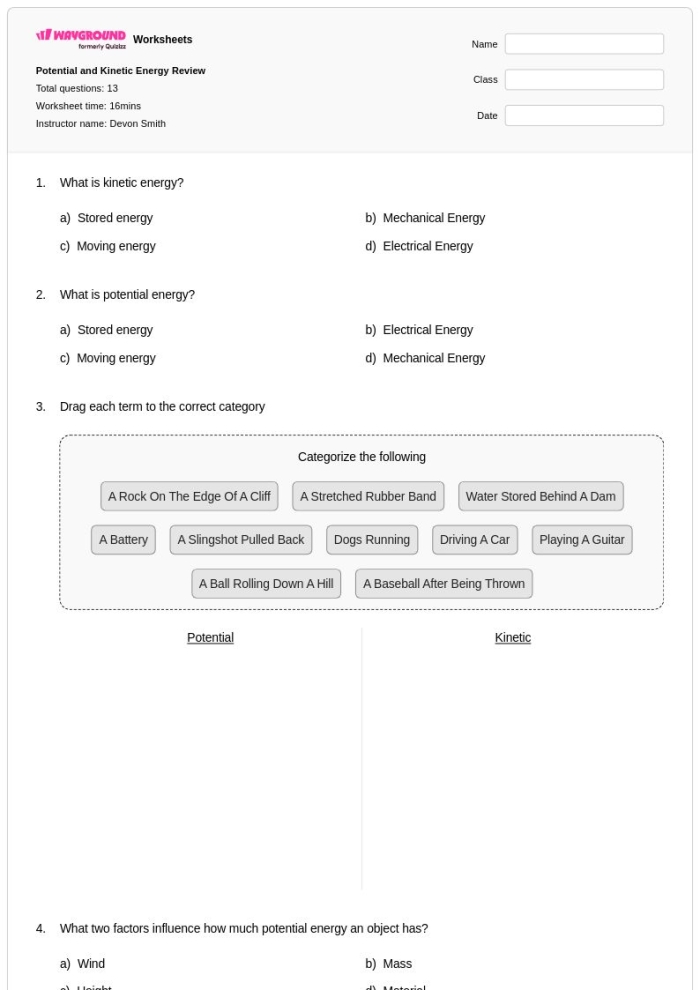
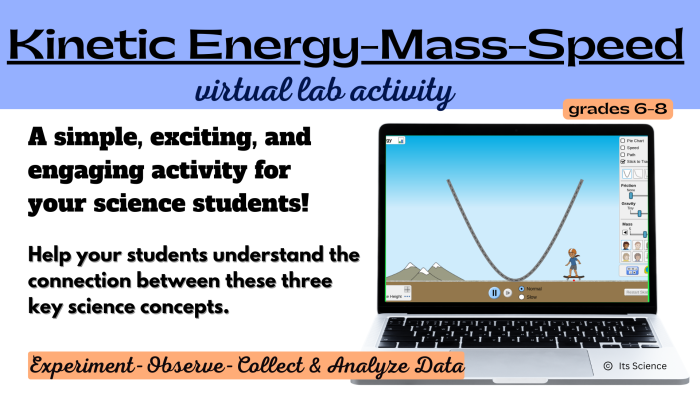
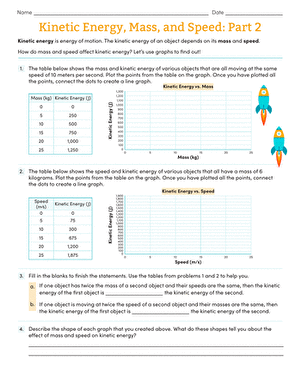
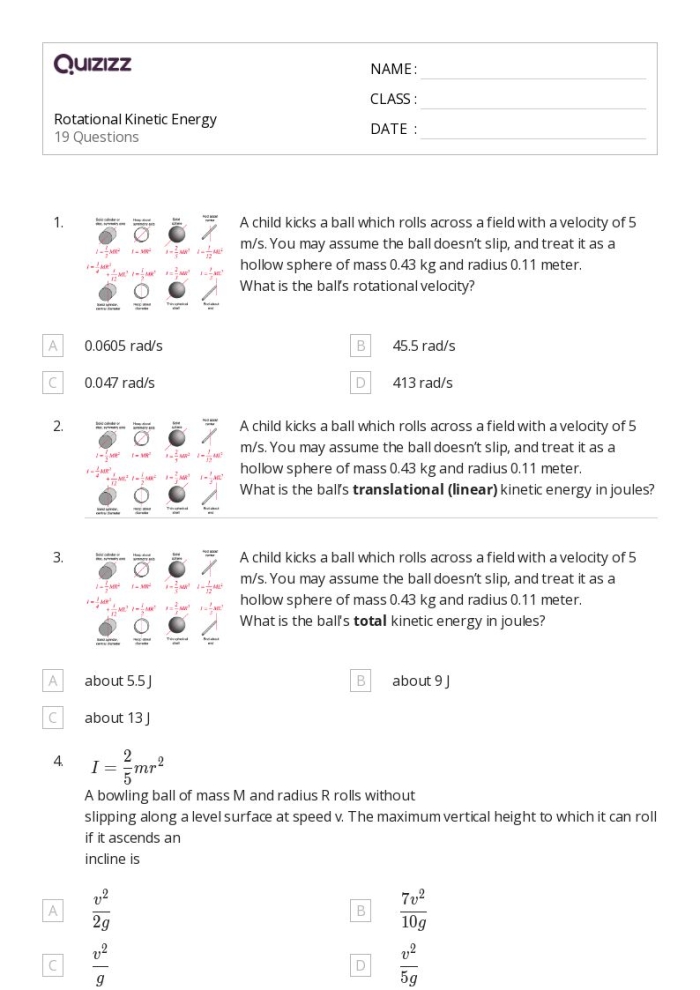
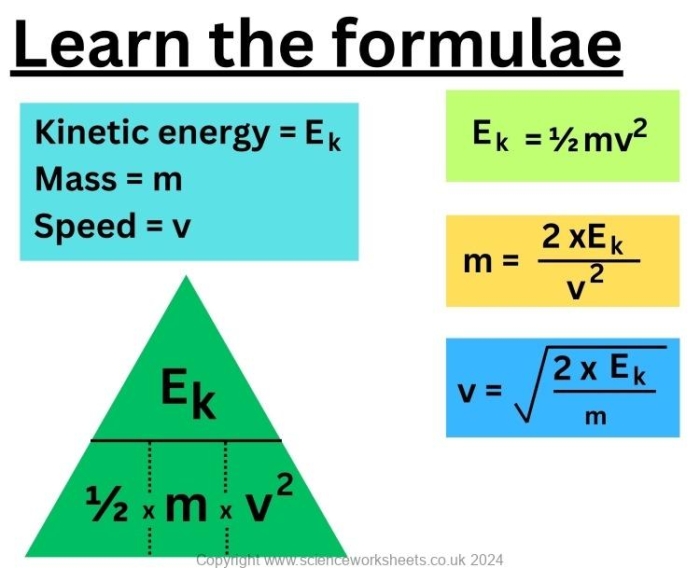
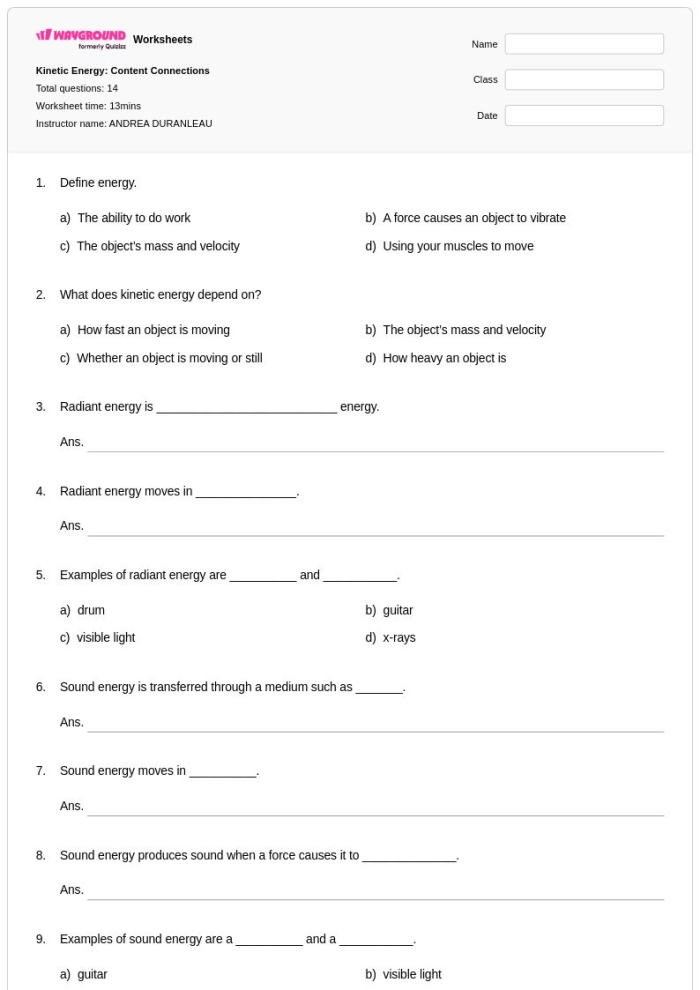
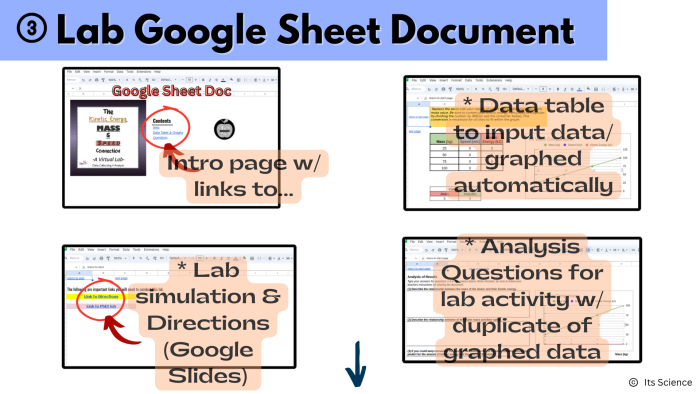
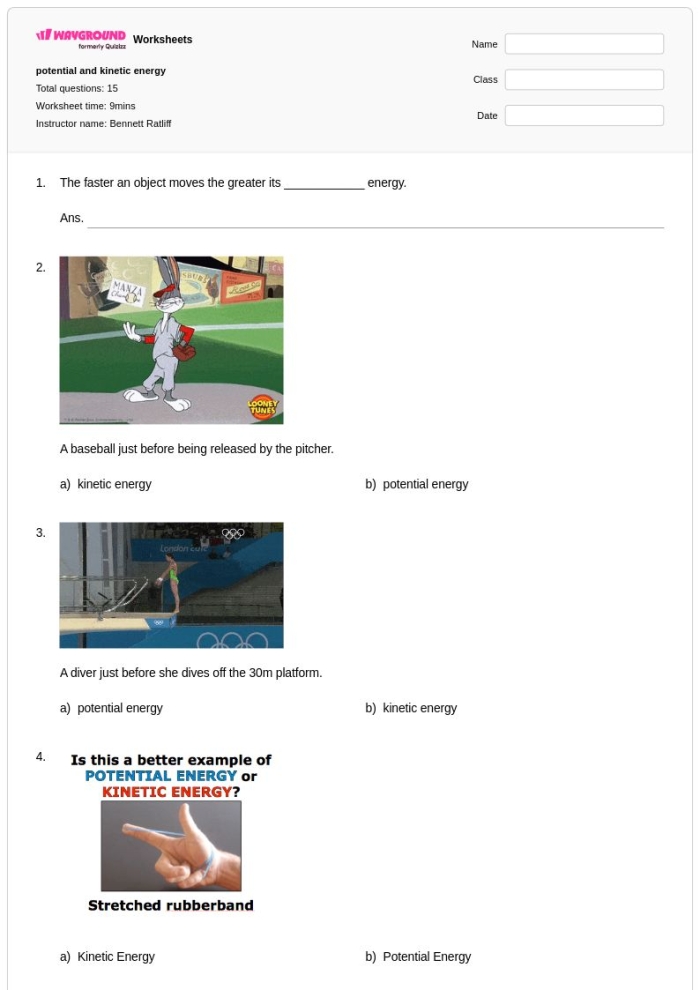
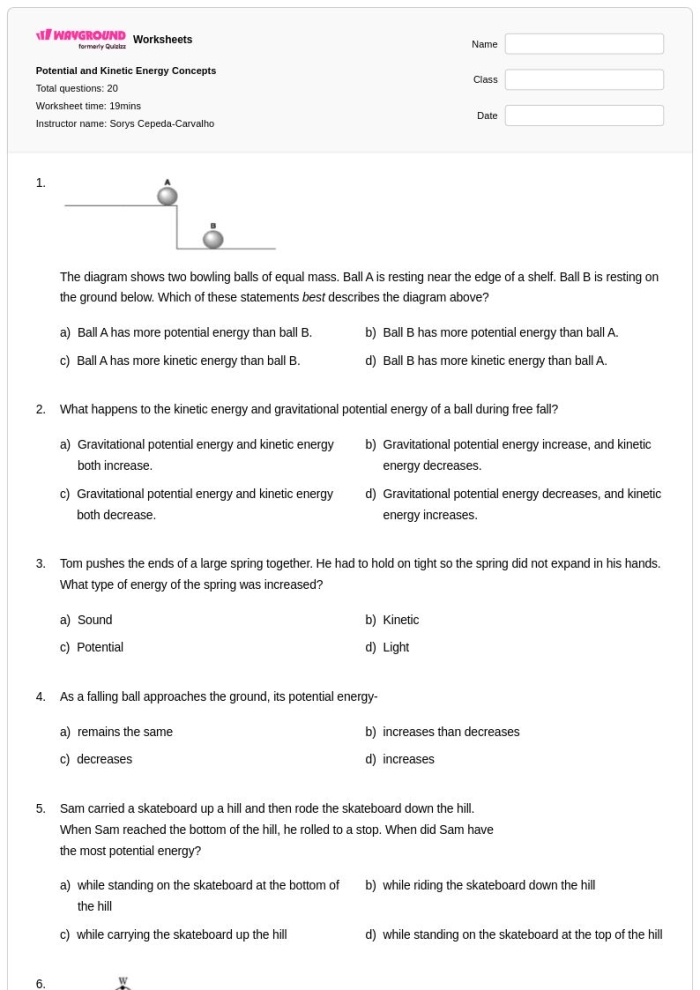
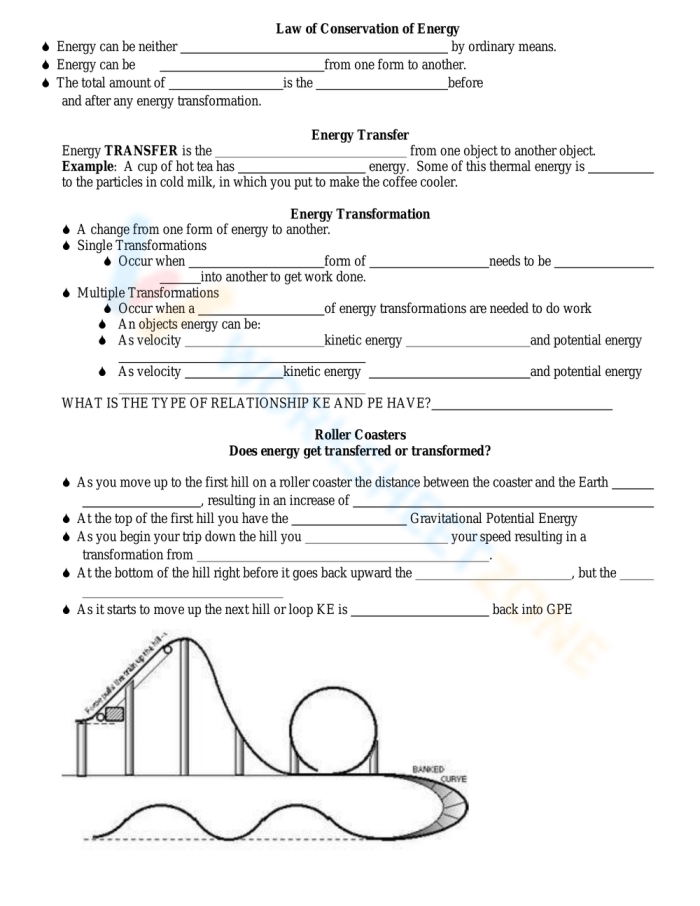
When sixth grade students first encounter kinetic energy in a classroom setting, it often feels abstract. They read the formula KE = ½mv², nod along, and move on. But something shifts when they work with actual data instead of hypothetical numbers. This two-page physical science worksheet takes that formula off the page and grounds it in real measurements, allowing students to discover why a bowling ball causes more damage than a baseball, even when both travel at the same speed.
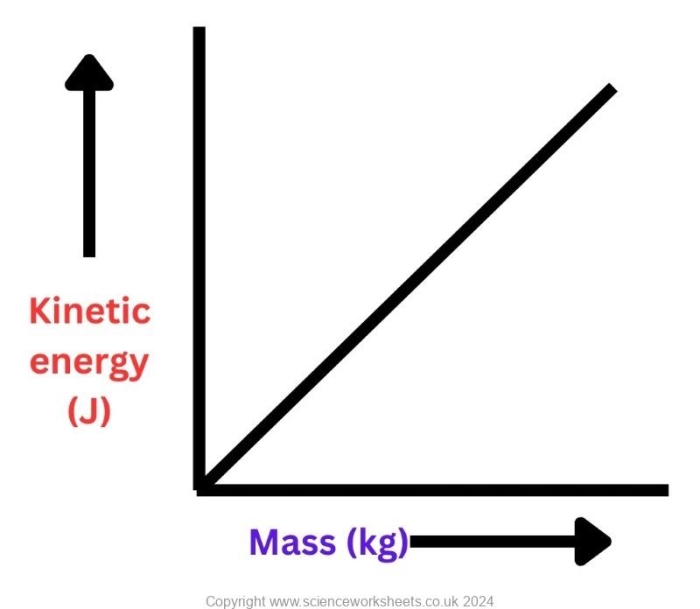
The worksheet presents students with concrete scenarios: a car accelerating down a highway, a cyclist gaining speed, objects of different weights moving at various velocities. Rather than simply calculating answers, students analyze patterns in the data itself. They notice that when mass doubles, kinetic energy doubles. When speed doubles, kinetic energy quadruples. These relationships emerge from the data rather than from memorization, which creates genuine understanding.
This approach works particularly well for sixth grade learners who benefit from seeing mathematics applied to situations they can visualize. A student might struggle with abstract equations, but they can easily imagine a heavier skateboard hitting a wall harder than a lighter one. The worksheet bridges that gap between imagination and calculation.
The structure of using real-world data also connects to how students learn other concepts. Just as students work to describe the difference between related words in language arts, they learn to distinguish between the effects of mass versus speed on kinetic energy. Both require careful observation and comparison.
By the end of the two pages, students have internalized the relationships through discovery rather than instruction. They understand why safety features matter in vehicles, why lighter athletes can sometimes outperform heavier ones in certain sports, and how energy works in the physical world around them.
Boost Skills with These Worksheets