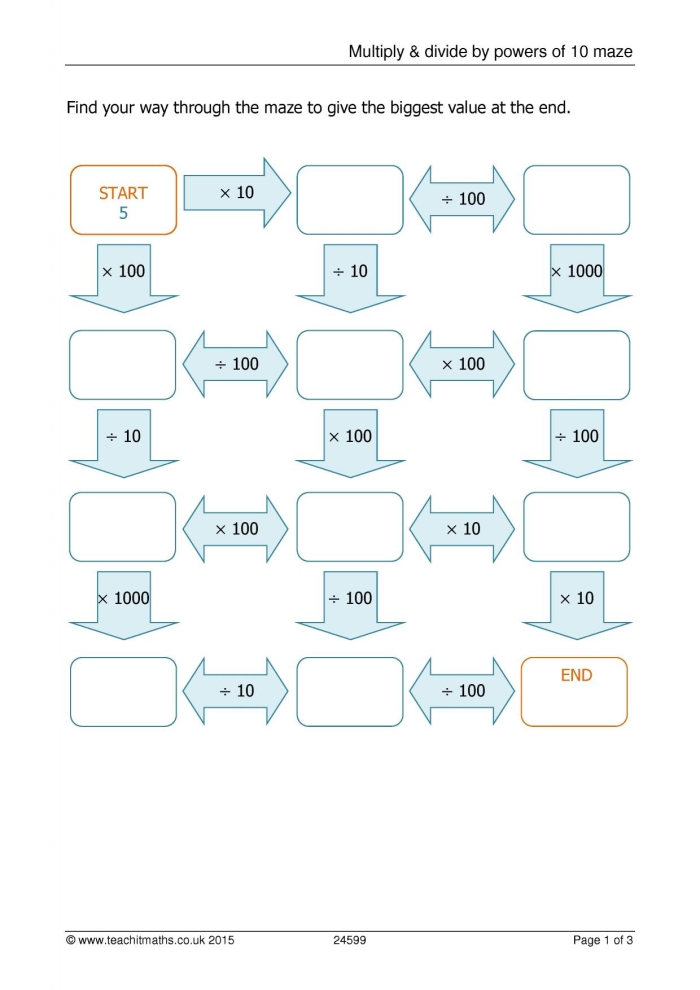
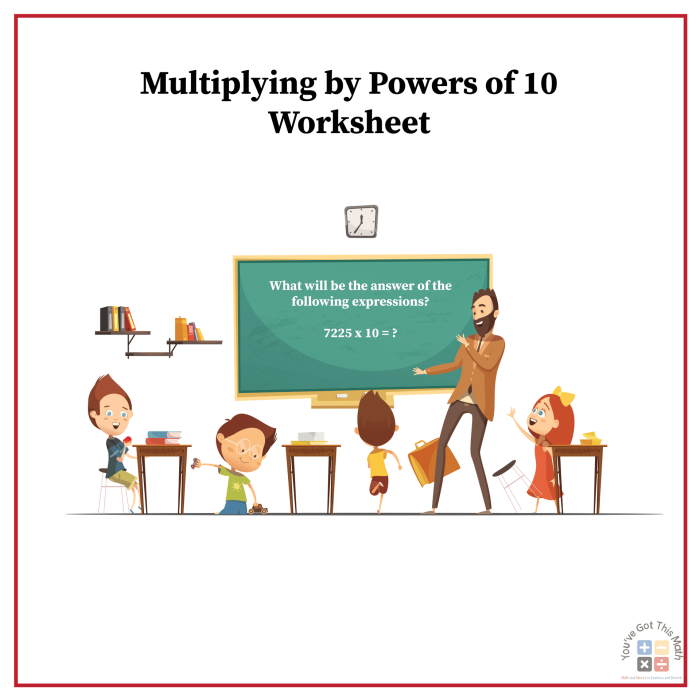
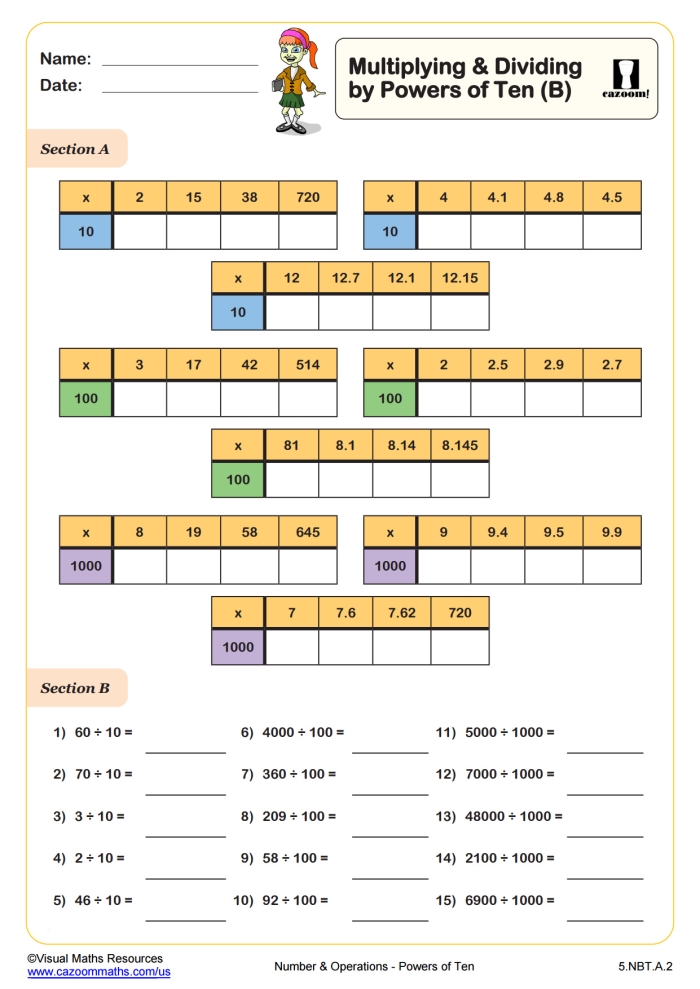
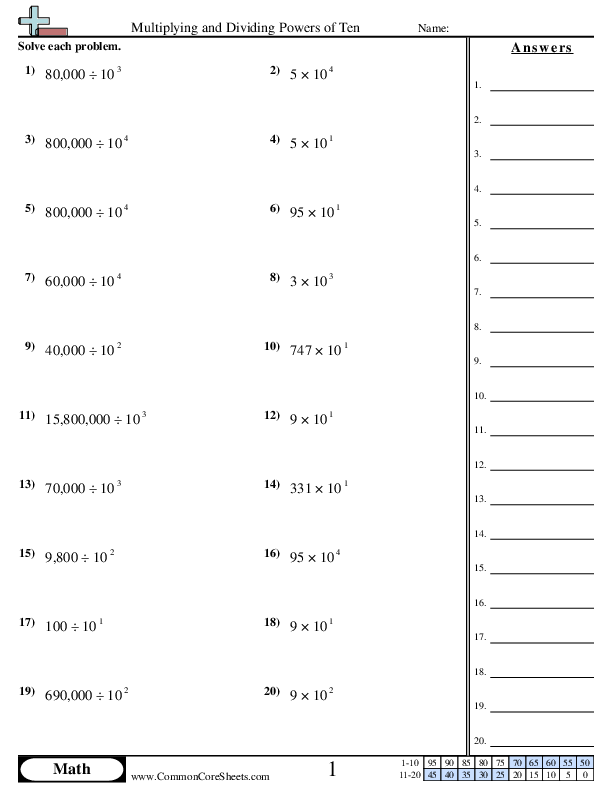
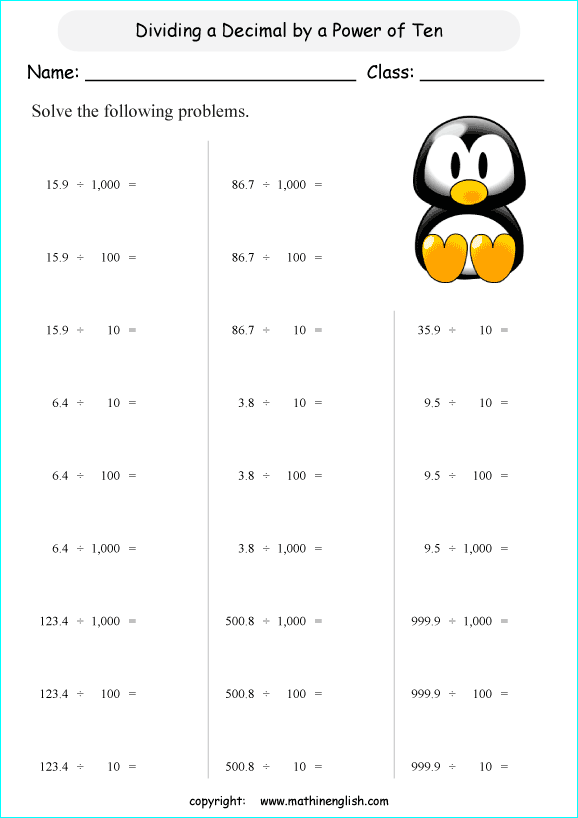
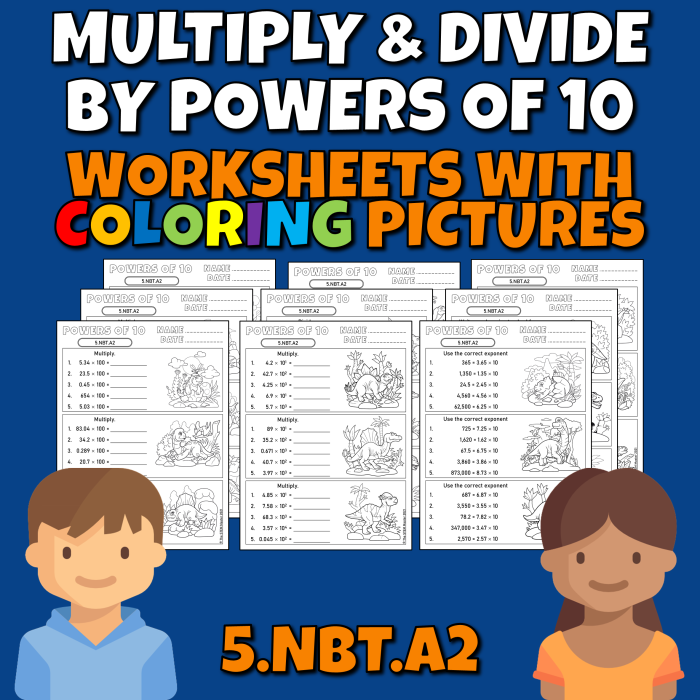
Understanding how to multiply and divide by powers of 10 is one of those foundational skills that fifth grade students either grasp quickly or struggle with for years. The concept seems simple on the surface, but the moment you introduce decimals and exponents, many students hit a wall. Assessing where your class stands on this skill matters because it directly affects their ability to work with scientific notation, metric conversions, and more complex algebraic thinking down the road.
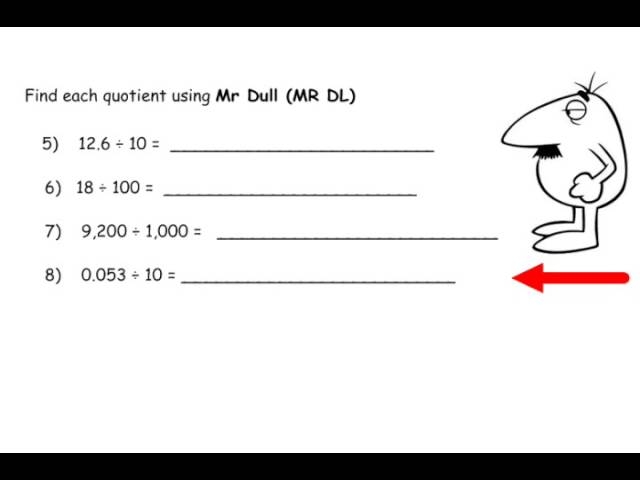
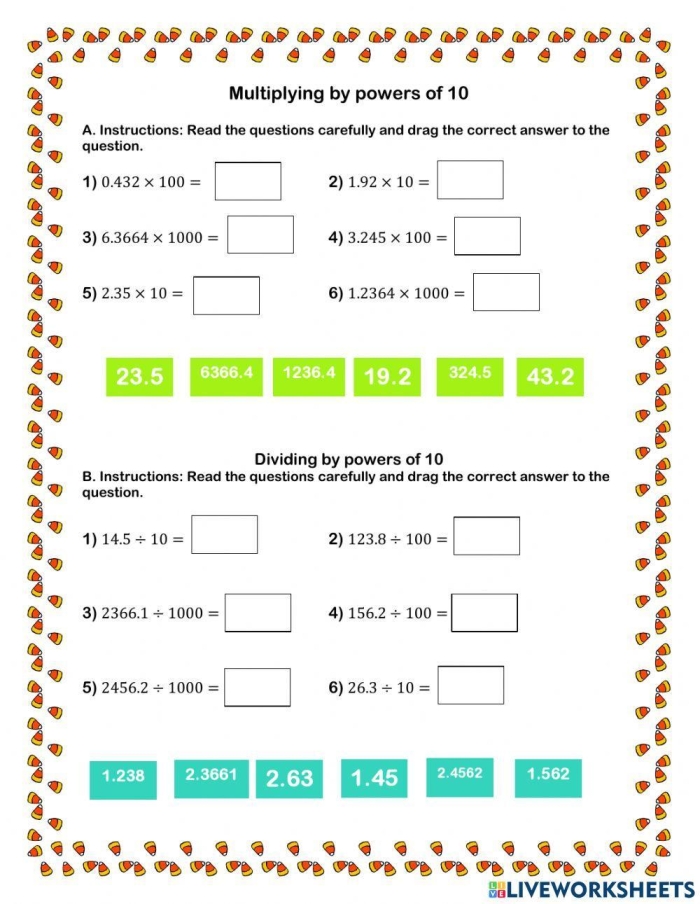
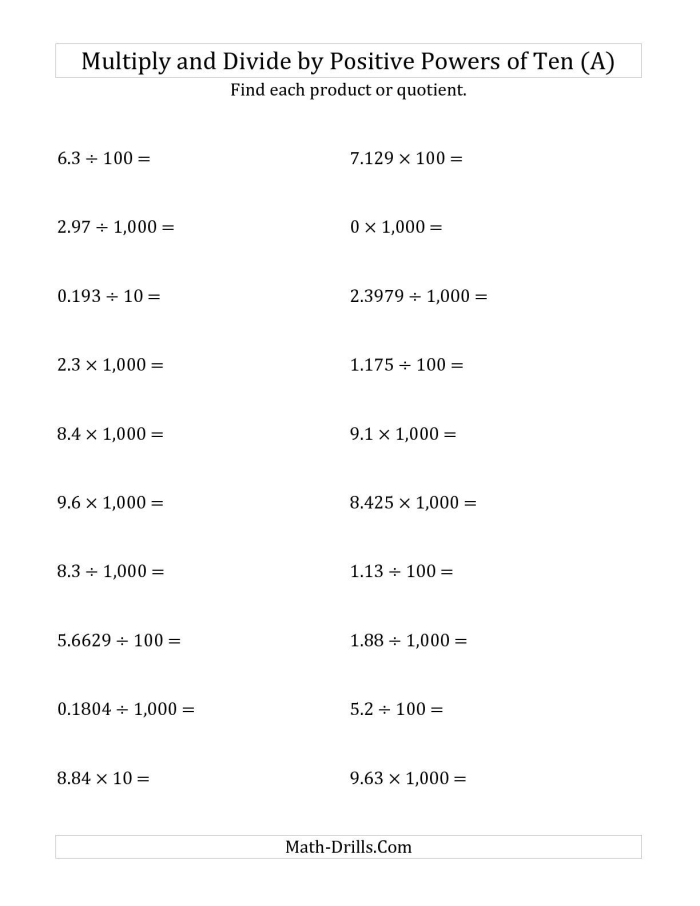
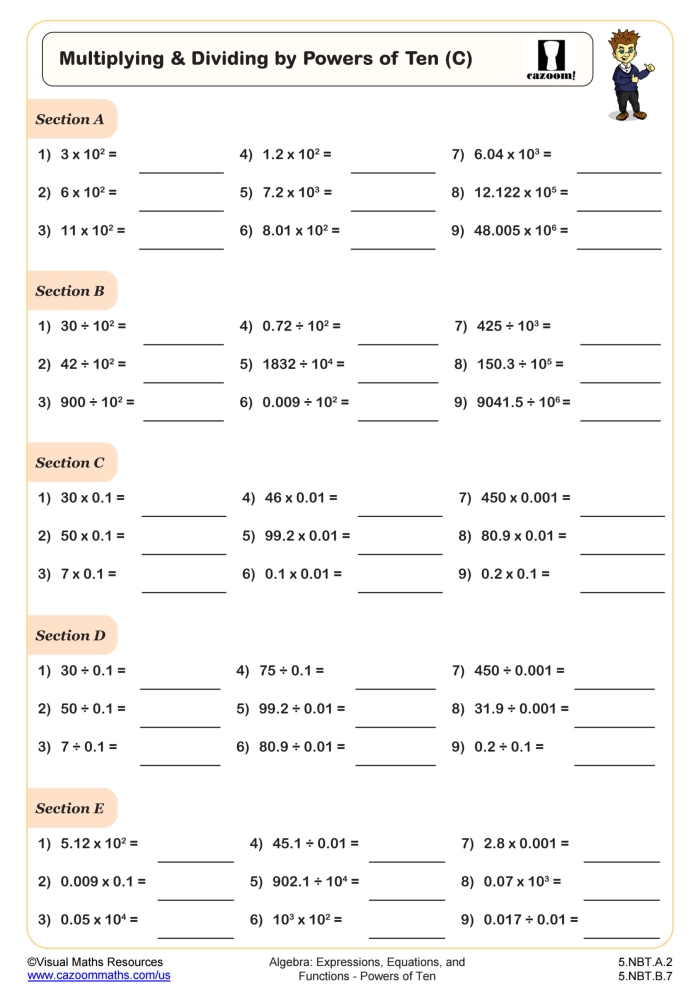
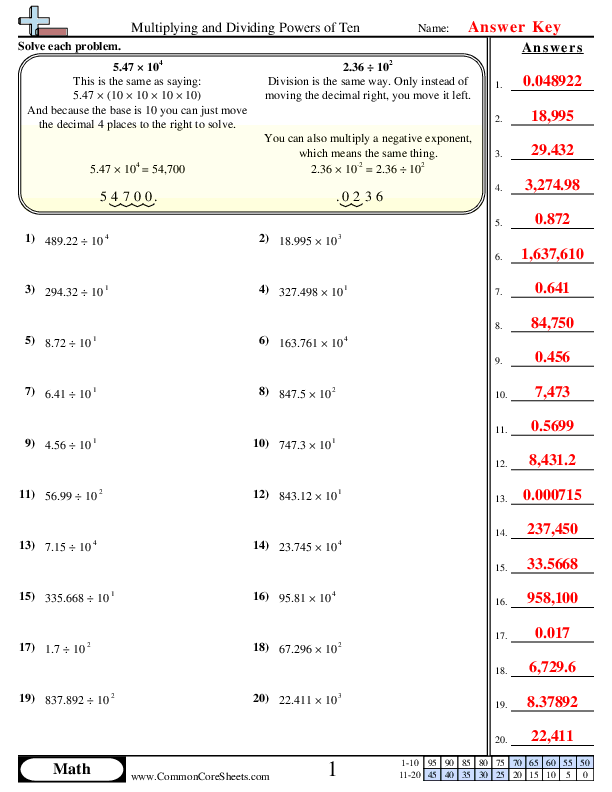
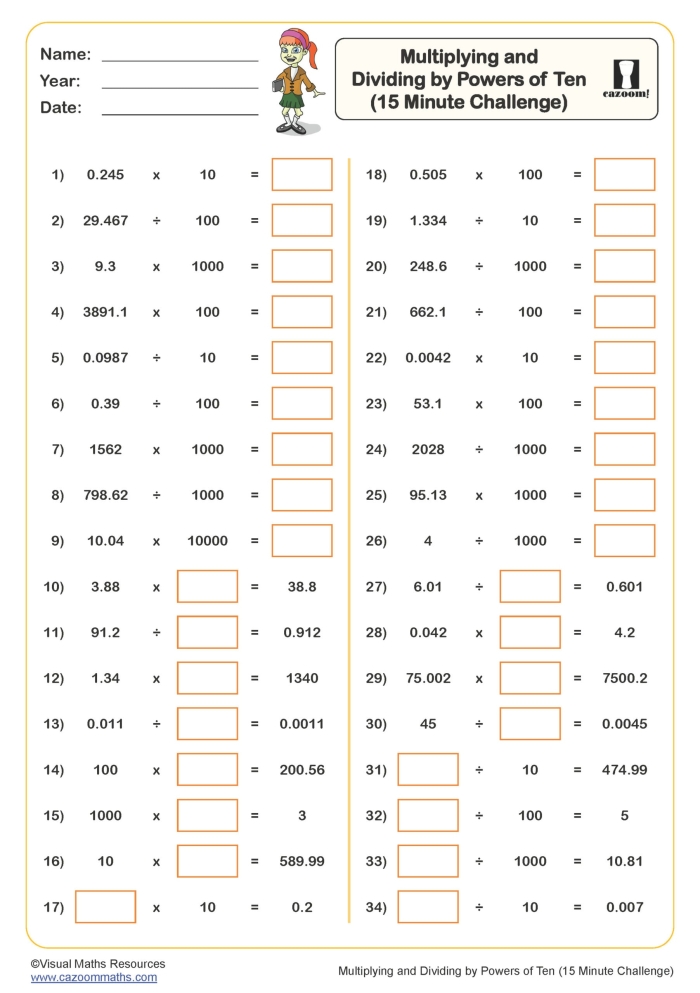
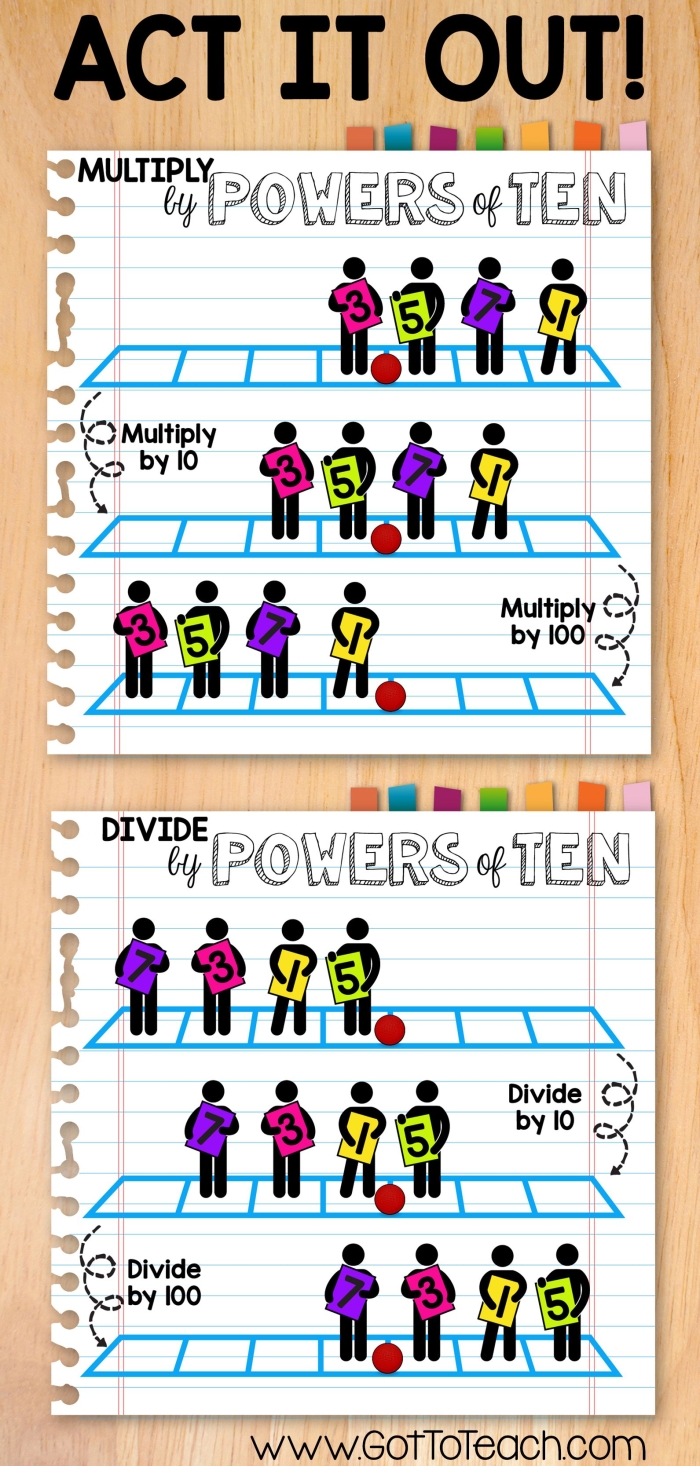
When you assess multiplication and division by powers of 10, you’re really checking three interconnected abilities. First, can students recognize the pattern? Multiplying by 10 moves the decimal point right; dividing by 10 moves it left. Second, do they understand why this happens, or are they just memorizing a rule? Third, can they apply this knowledge when the numbers get messier, like 0.45 × 100 or 3,200 ÷ 10³?
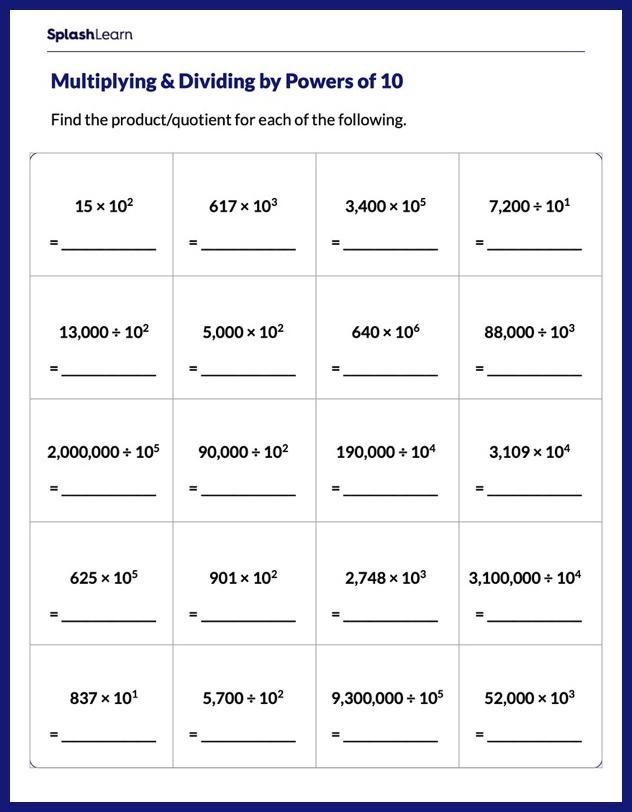
The decimal component is where assessment becomes critical. Many fifth graders can handle whole numbers reasonably well, but ask them to multiply 2.5 by 1,000 and watch the confusion spread. They need to see that the decimal point movement rule applies regardless of whether decimals are involved. Exponent notation adds another layer of complexity because students must first convert 10² to 100, then apply the multiplication or division rule.
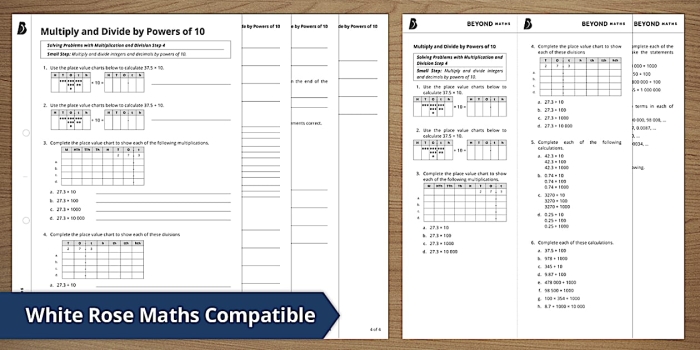
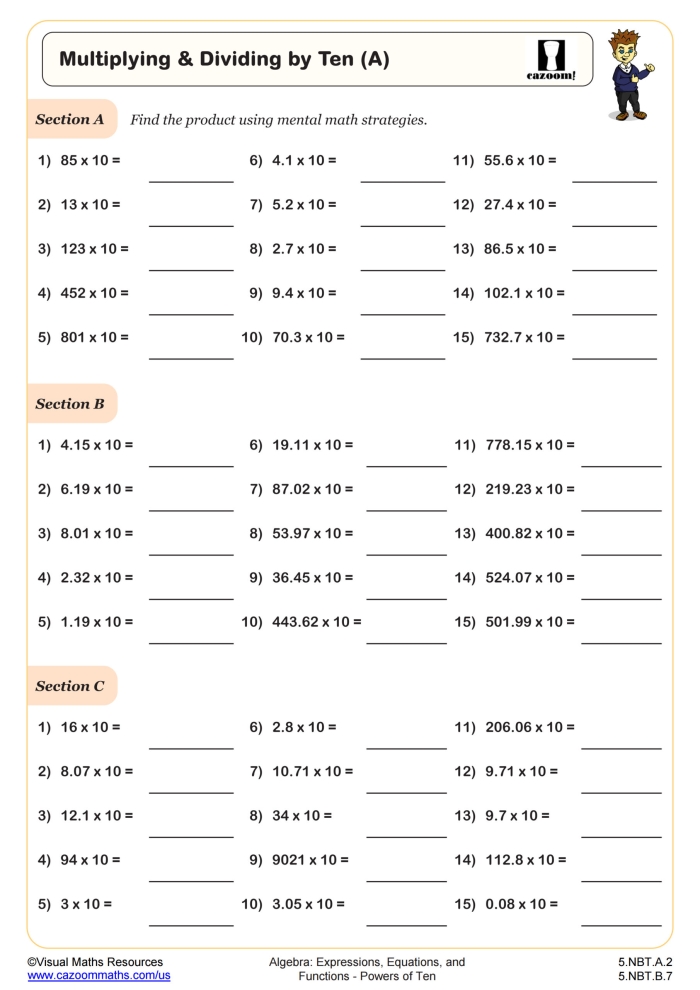
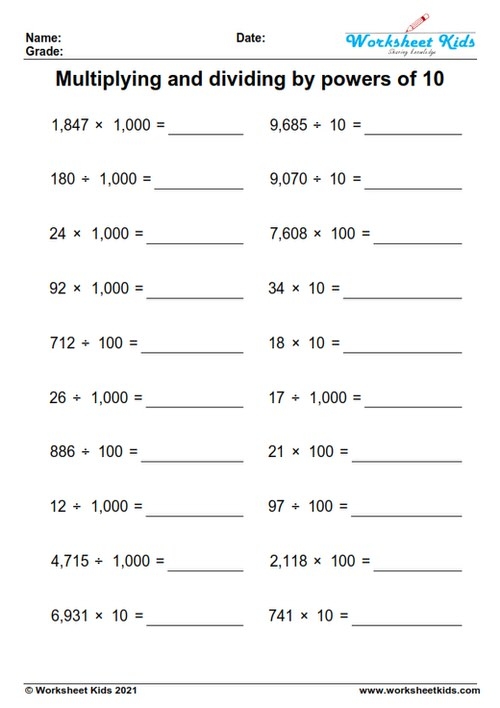
When designing your assessment, include a mix of straightforward problems alongside ones that require students to think about place value more carefully. Problems like 7 × 10, 0.8 × 100, and 450 ÷ 10² should all appear. This reveals whether students understand the underlying concept or simply recognize familiar patterns.
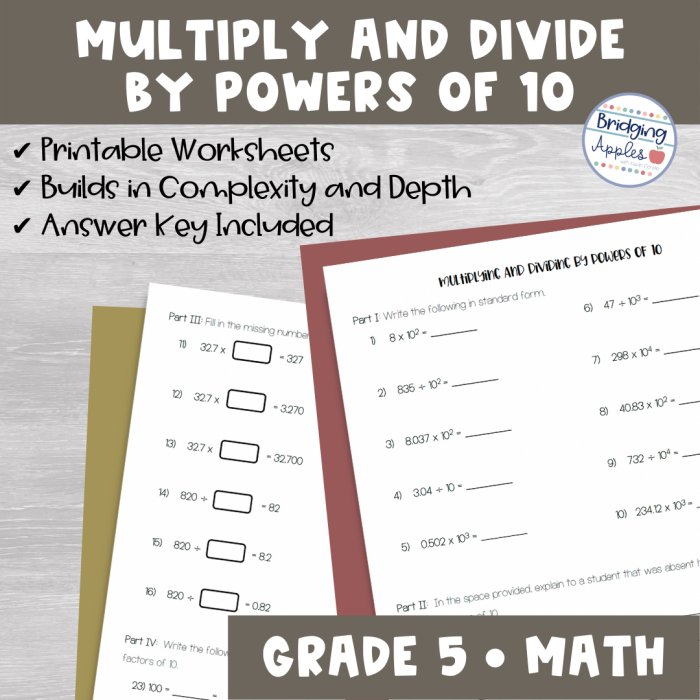
Consider pairing your assessment with targeted practice materials. Resources covering grammar and mechanics at the fifth grade level, such as Law of Gravity grammar worksheets, can help build overall academic confidence alongside math skills. Your assessment results will guide which students need reinforcement and which are ready to move forward.
Download These Worksheets for Practice