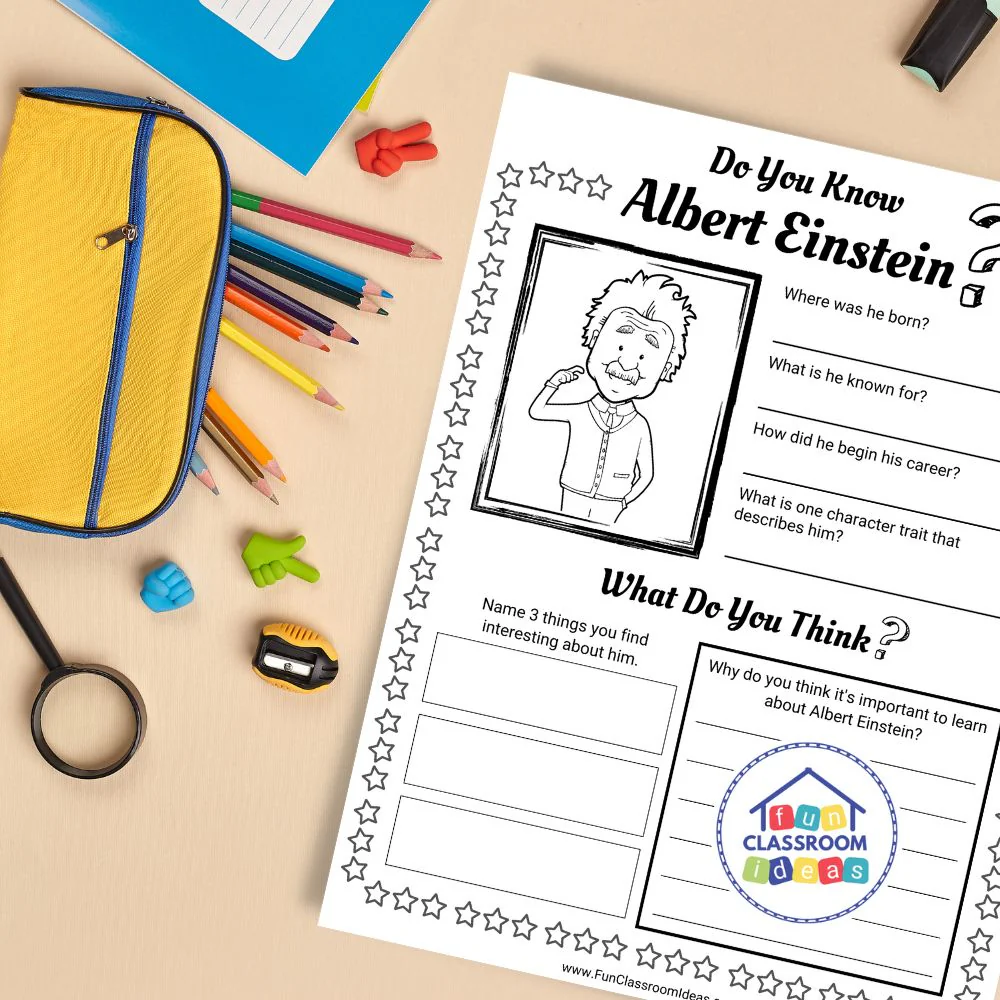
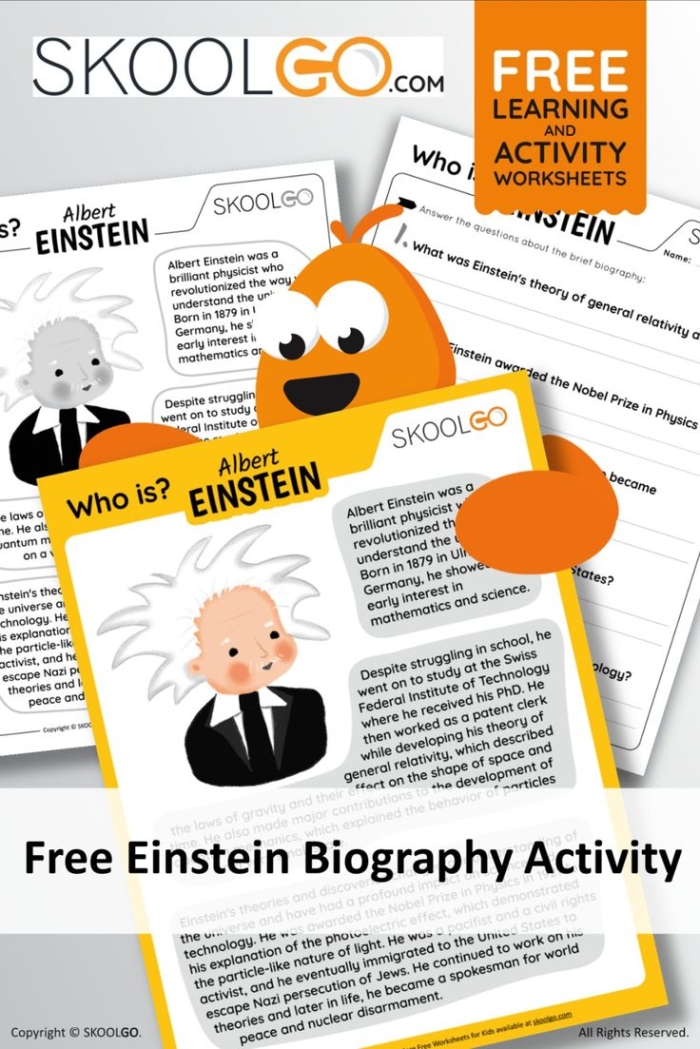
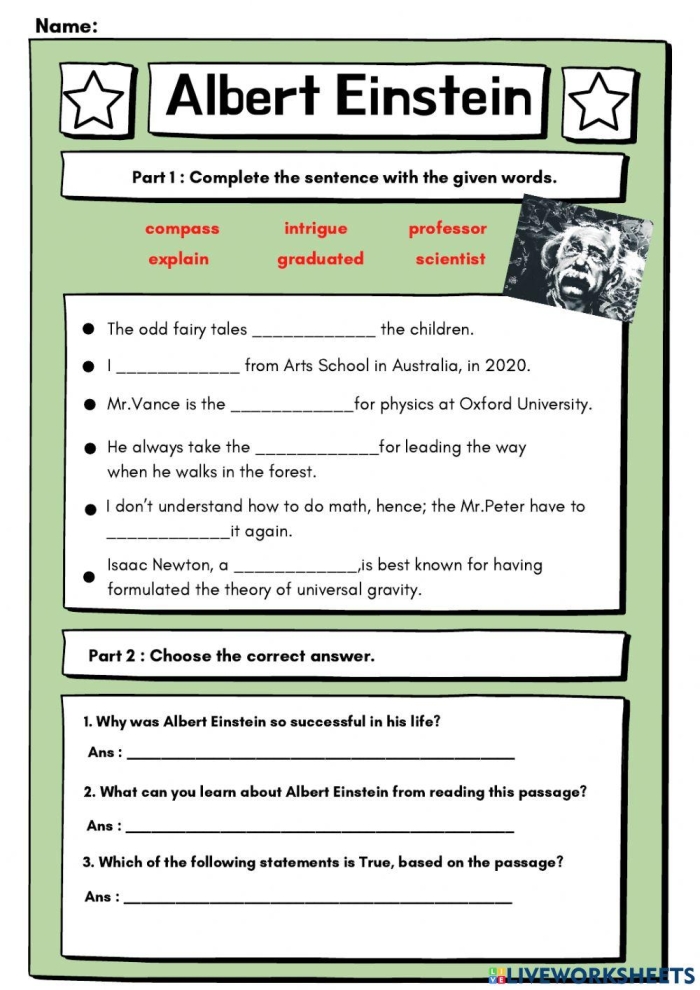
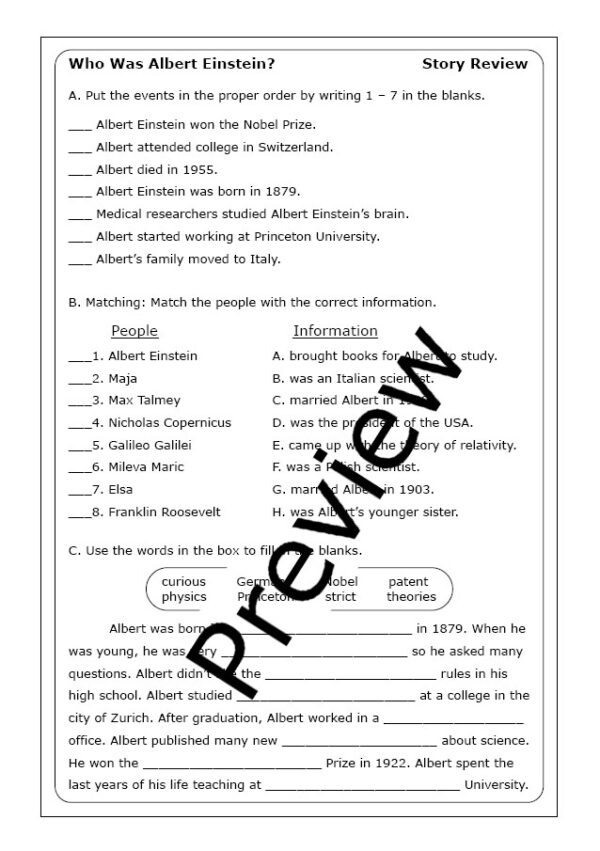
Albert Einstein stands out as one of history’s most influential minds, and introducing fourth grade students to his life and work opens a window into how scientists think about the world. Rather than memorizing formulas, young learners benefit from understanding who Einstein was as a person and why his ideas mattered so much.
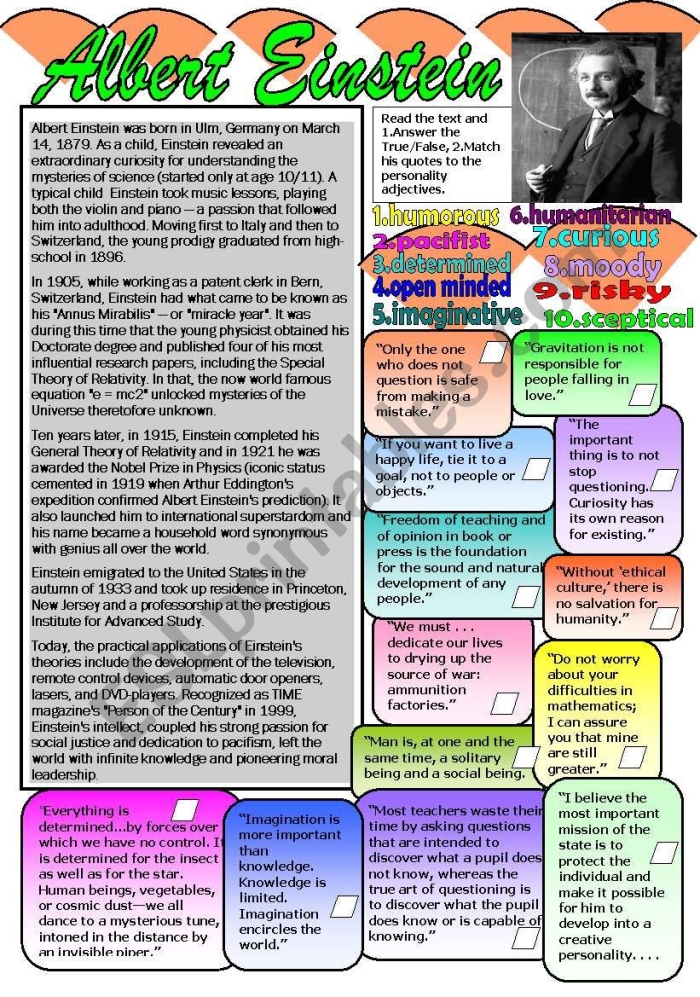
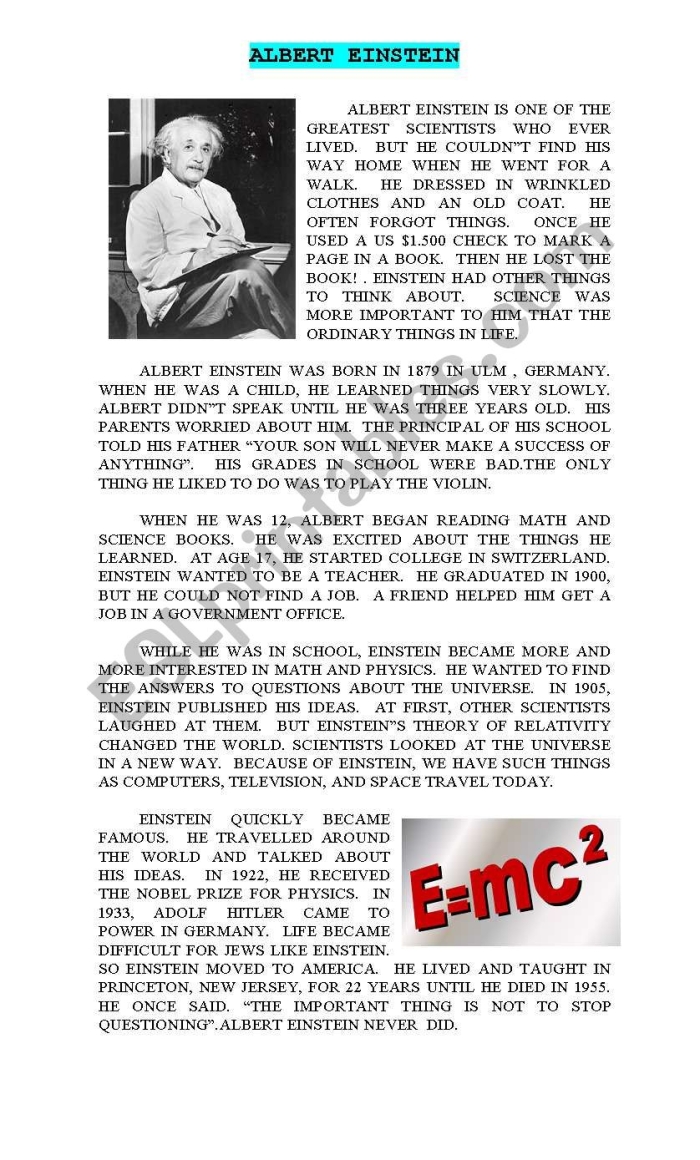
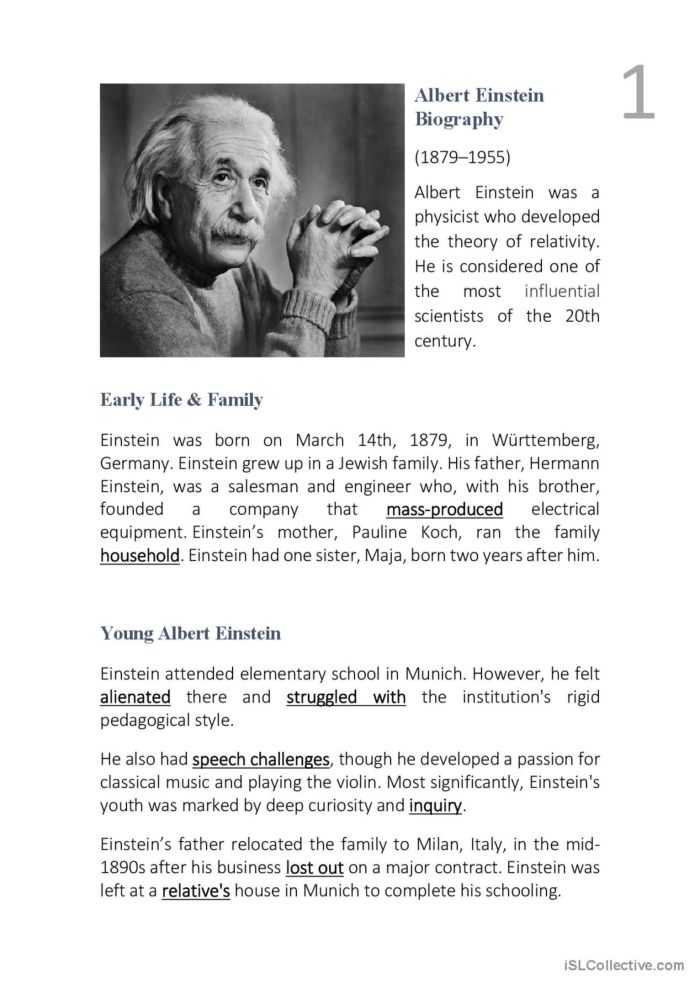
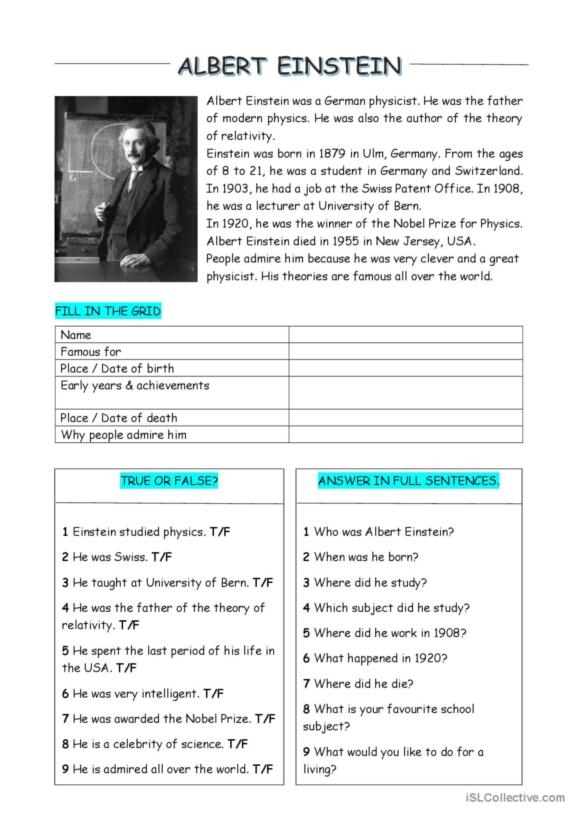
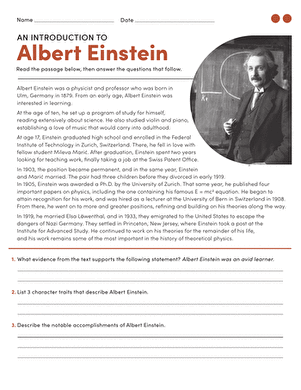
Born in Germany in 1879, Einstein showed curiosity about how things worked from an early age. He struggled in some subjects at school but excelled at math and physics. This pattern teaches children that academic success doesn’t follow a single path. Einstein moved to Switzerland and later to the United States, working as a patent clerk while developing his revolutionary theories about space, time, and energy.
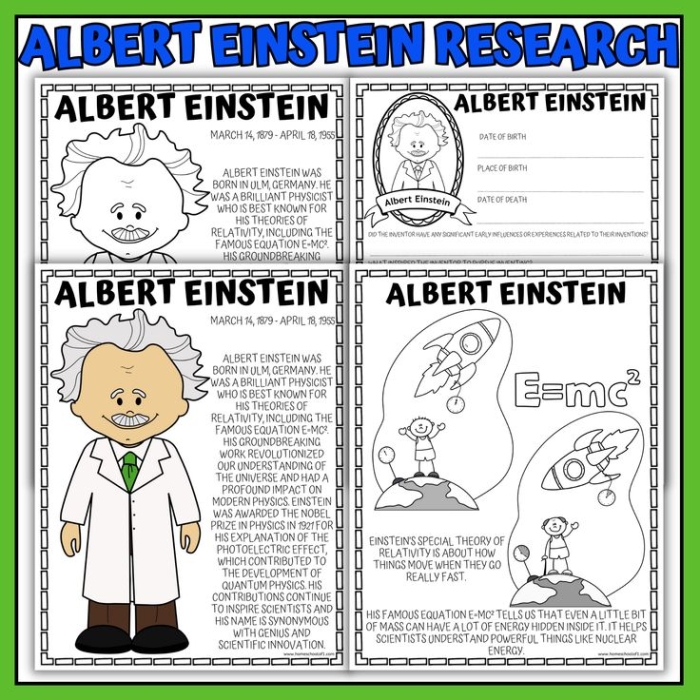
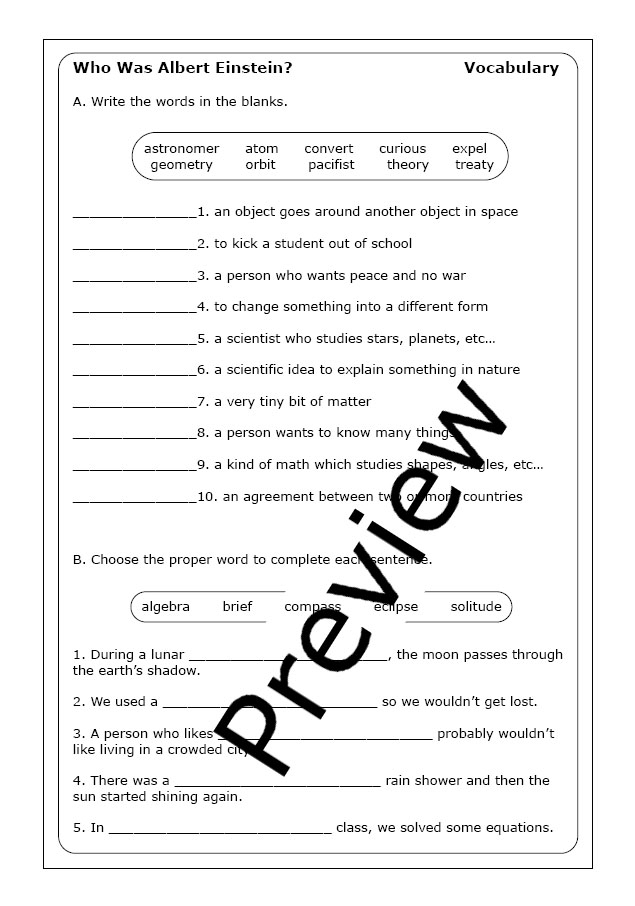
His most famous equation, E=mc², appears simple but represents something profound: energy and matter are connected. For fourth grade vocabulary building, discussing Einstein introduces words like theory, physics, energy, and relativity in context. Students grasp that scientists use specific language to describe how the universe operates.
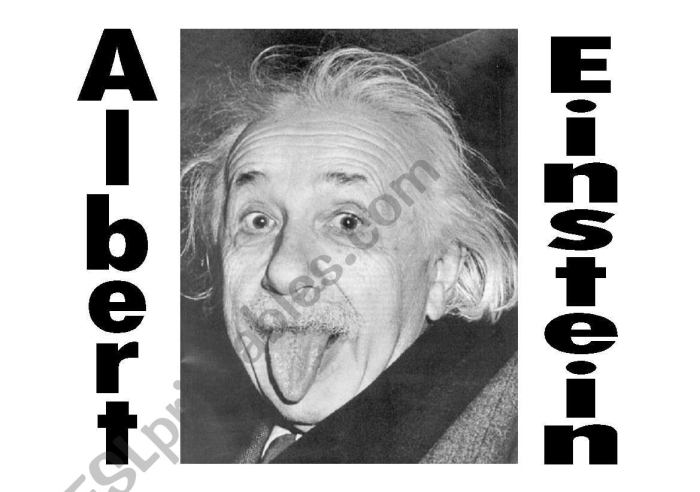
What makes Einstein approachable for young learners is his humanity. He played violin to think through problems, wrote letters sharing his thoughts, and had a playful sense of humor. He wasn’t a distant figure locked away in a laboratory. This human side helps children see that scientists are real people who wonder about things, just as they do.
Exploring Einstein’s biography works well alongside other learning activities. Pairing biographical reading with lessons about influential figures in science and space shows how different people contributed to our understanding of the world. Students can also strengthen their vocabulary skills through targeted practice with scientific terms Einstein used.
Fourth grade is the perfect age to introduce theoretical physics concepts without overwhelming students. Einstein’s story demonstrates that big ideas start with curiosity, persistence, and asking questions nobody else has asked before.
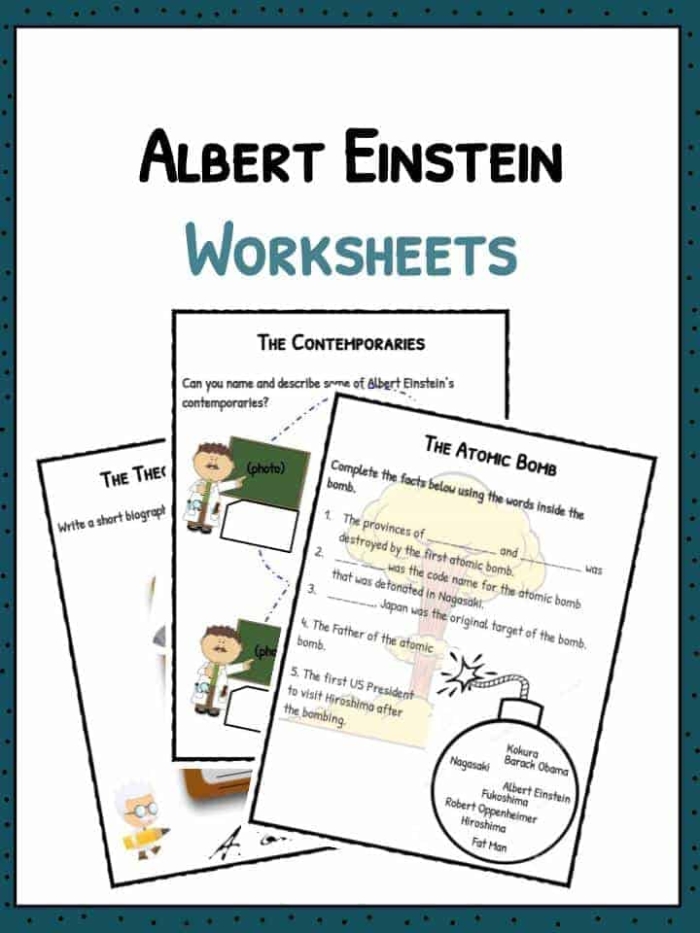
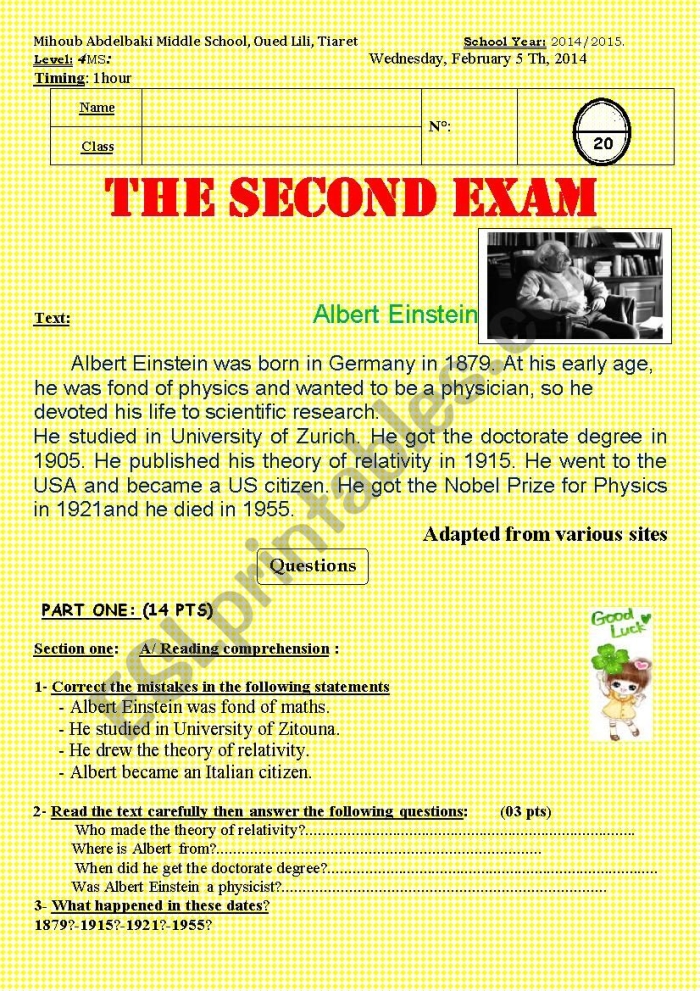
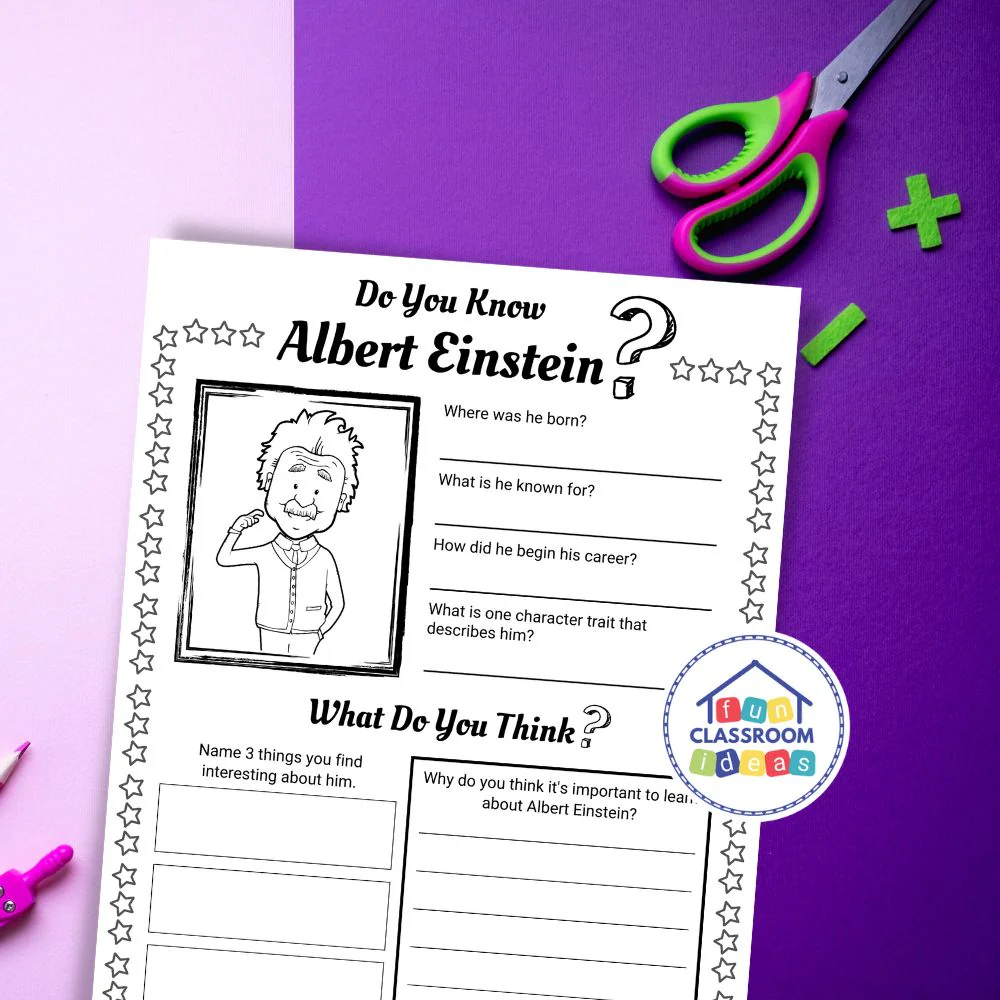
Practice with These Worksheets