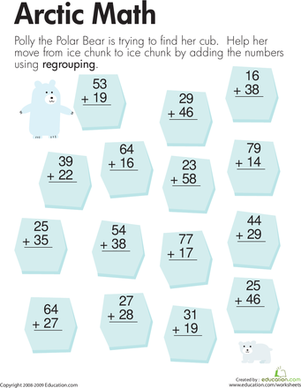
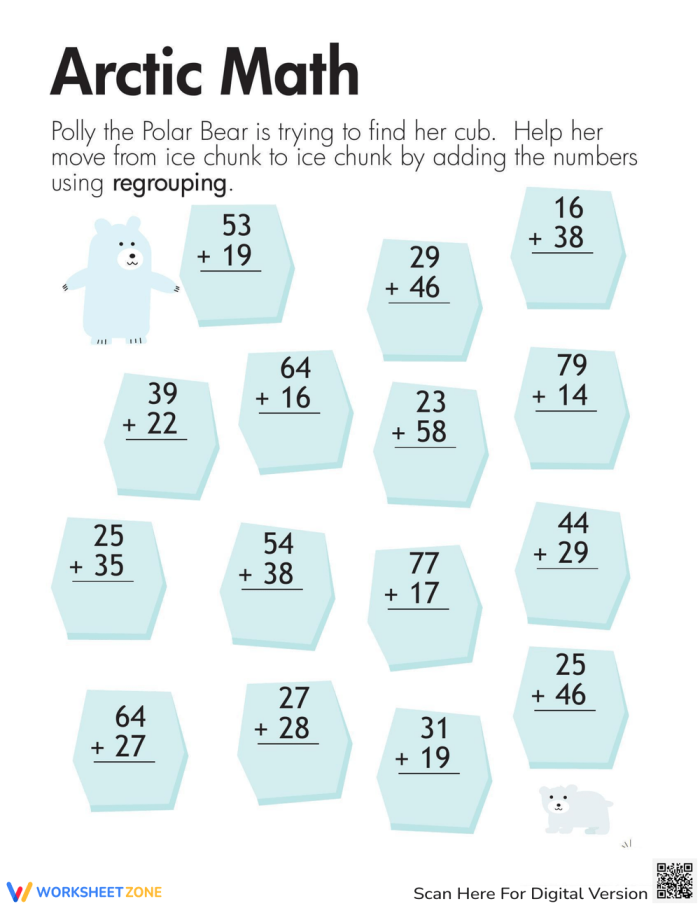
Second graders often struggle with two-digit addition because it requires holding numbers in their heads while managing place values. This Arctic-themed worksheet turns that mental challenge into a story, where kids solve addition problems to help Polly the polar bear reunite with her cub across a frozen landscape.
The mechanics of the activity work like this: each ice chunk displays a two-digit addition problem, such as 24 + 15 or 32 + 18. Students solve the problem, then follow the answer to the next ice chunk in sequence. By connecting correct answers in order, they create a path that guides Polly across the frozen water toward her waiting cub. The narrative element matters more than it might seem at first. When kids see a purpose beyond the math itself, they engage differently with the problems. They’re not just practicing addition facts; they’re on a rescue mission.
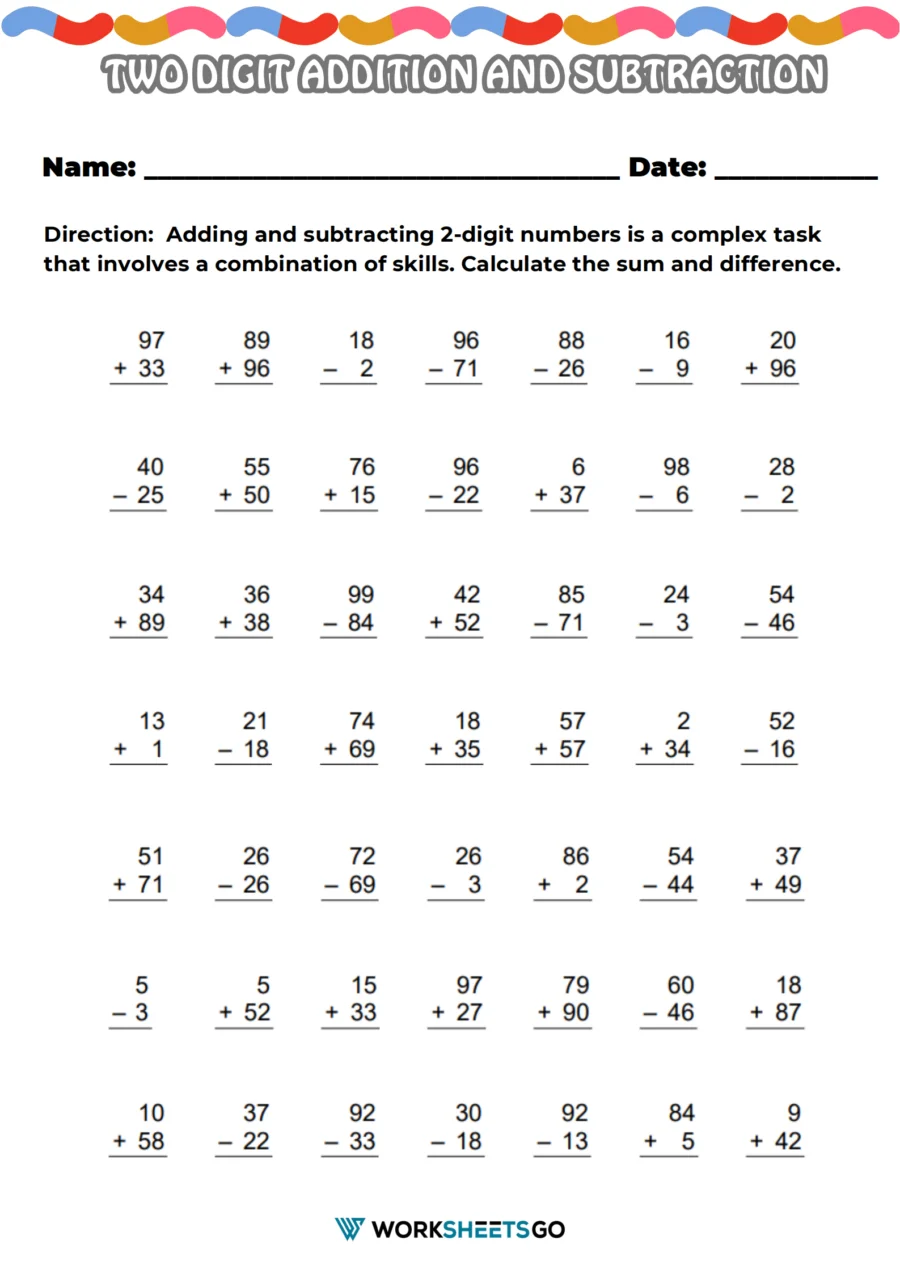
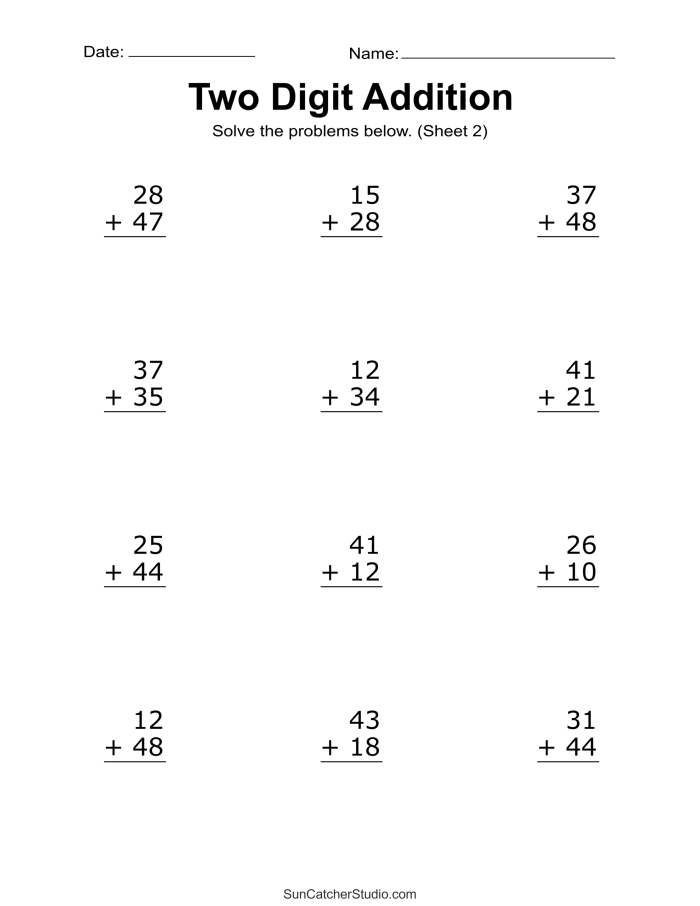
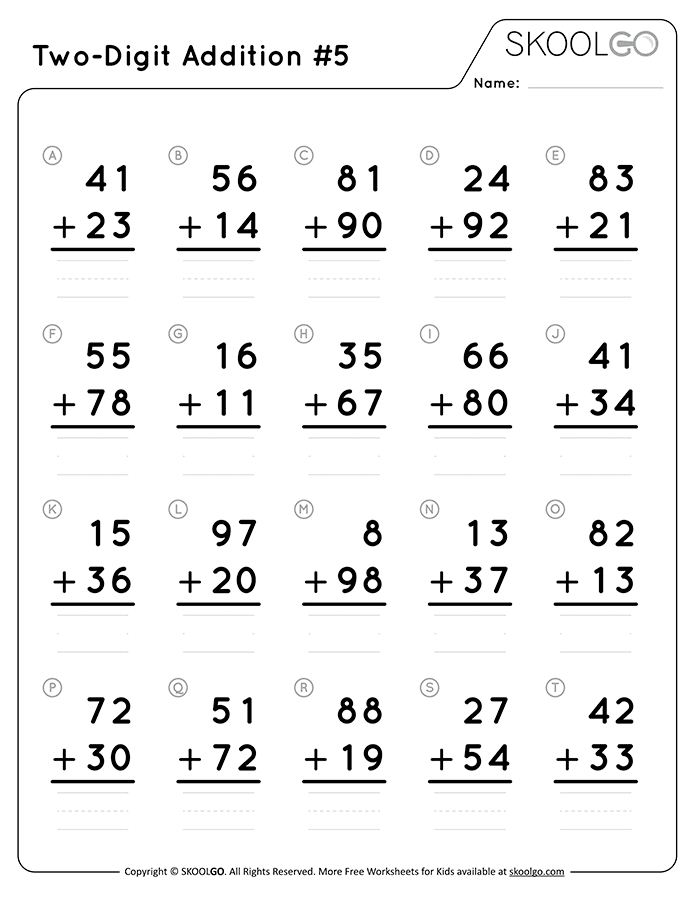
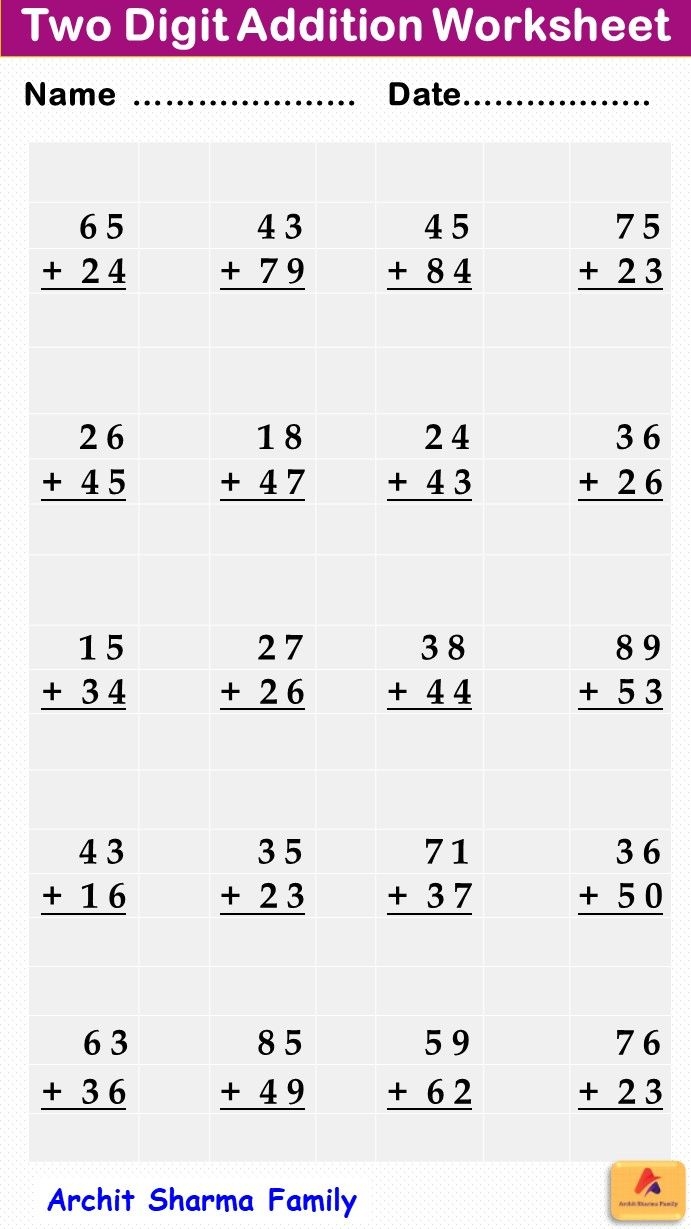
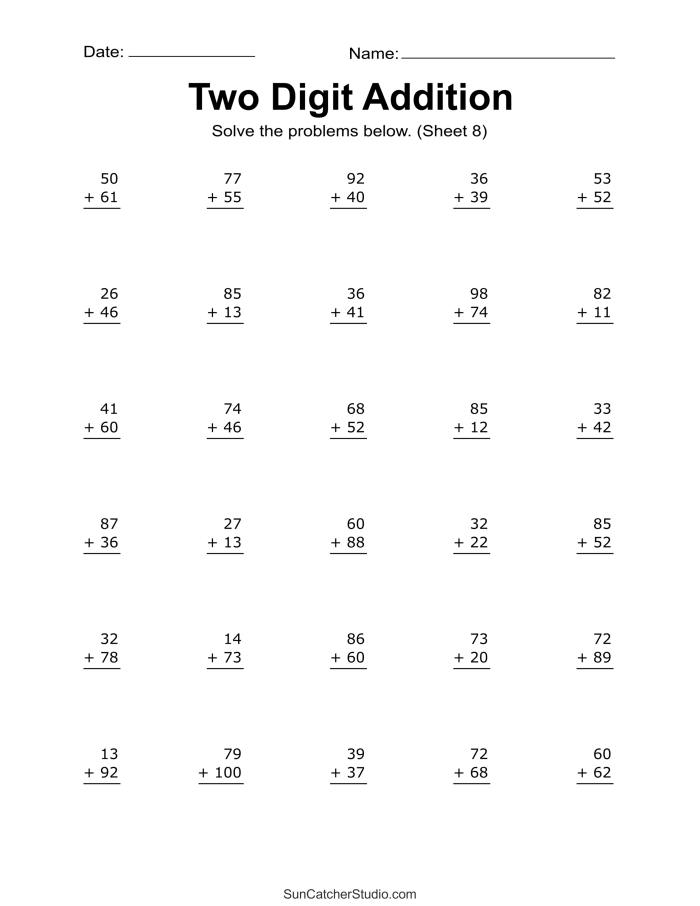
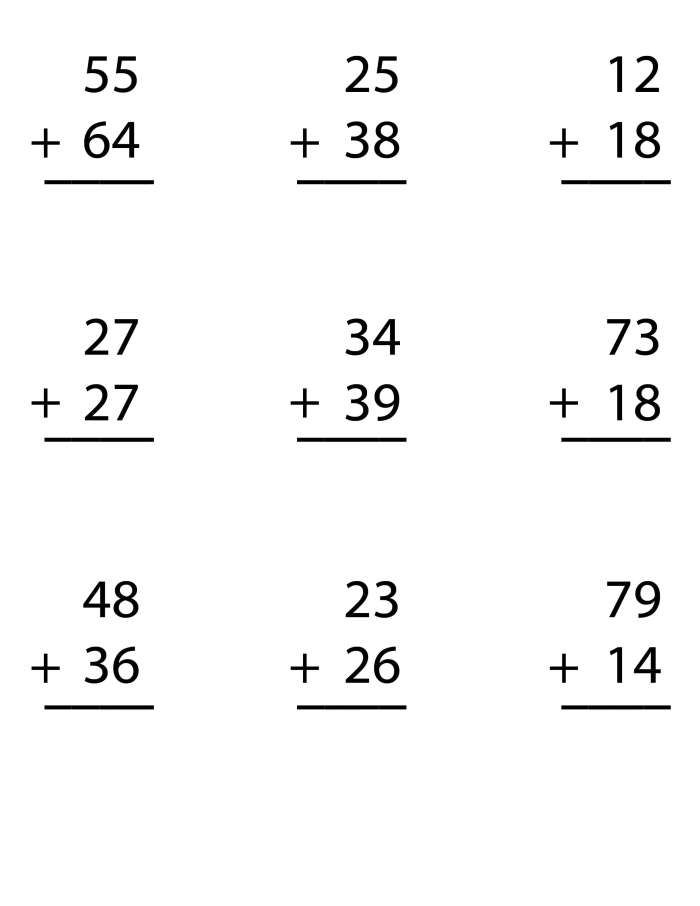
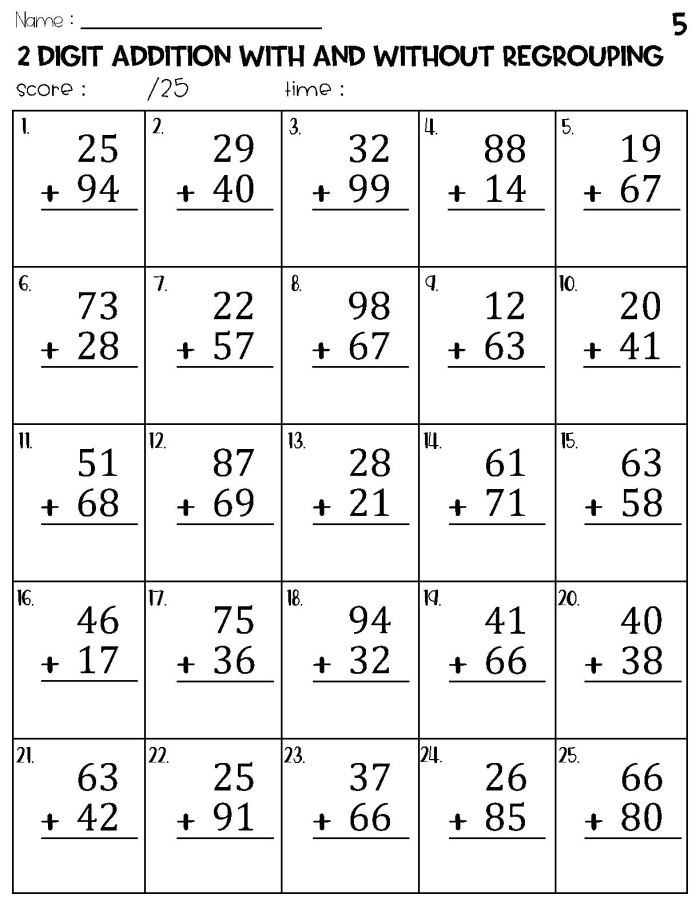
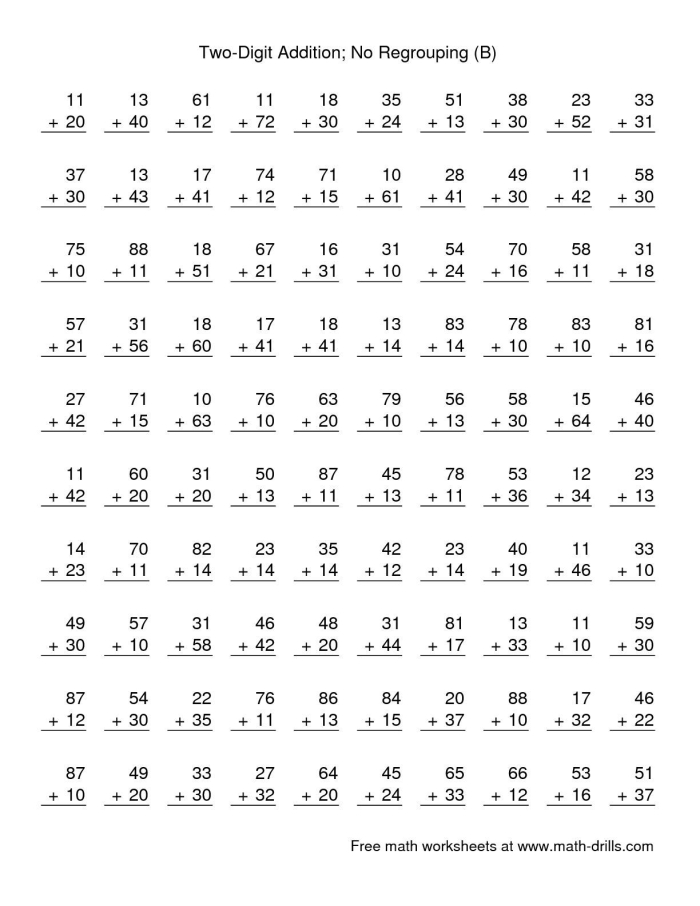
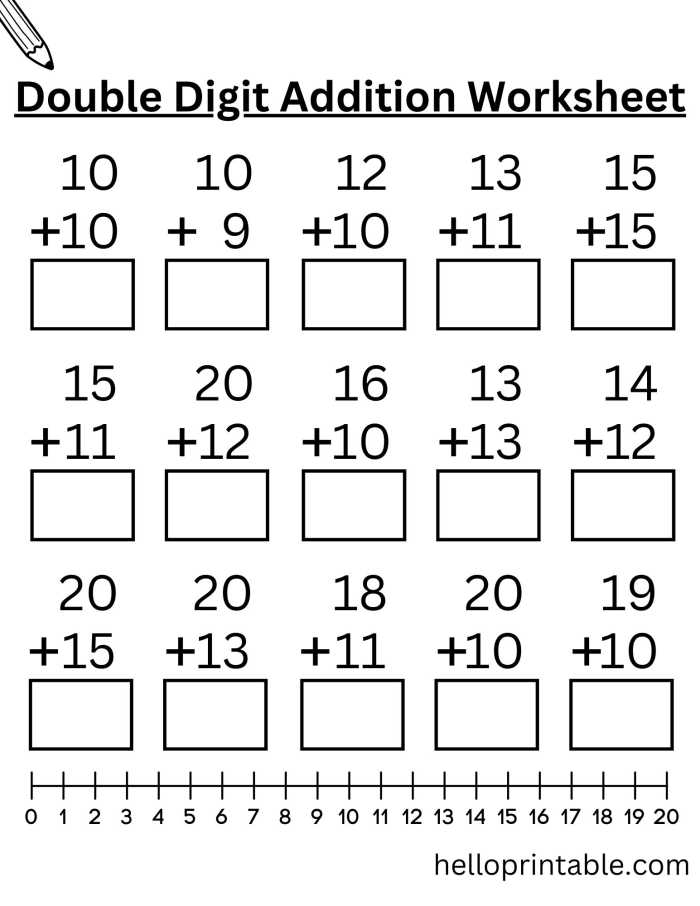
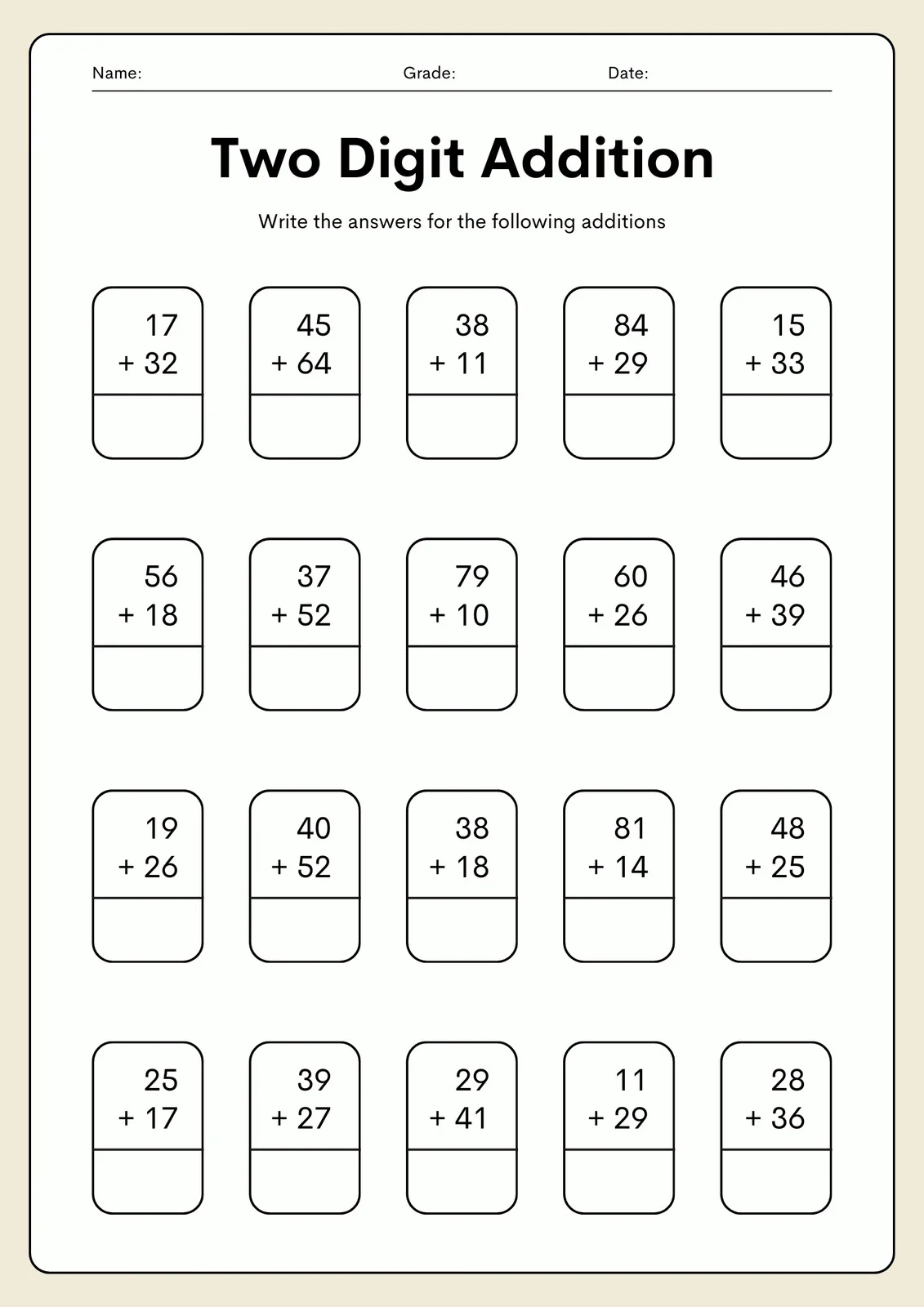
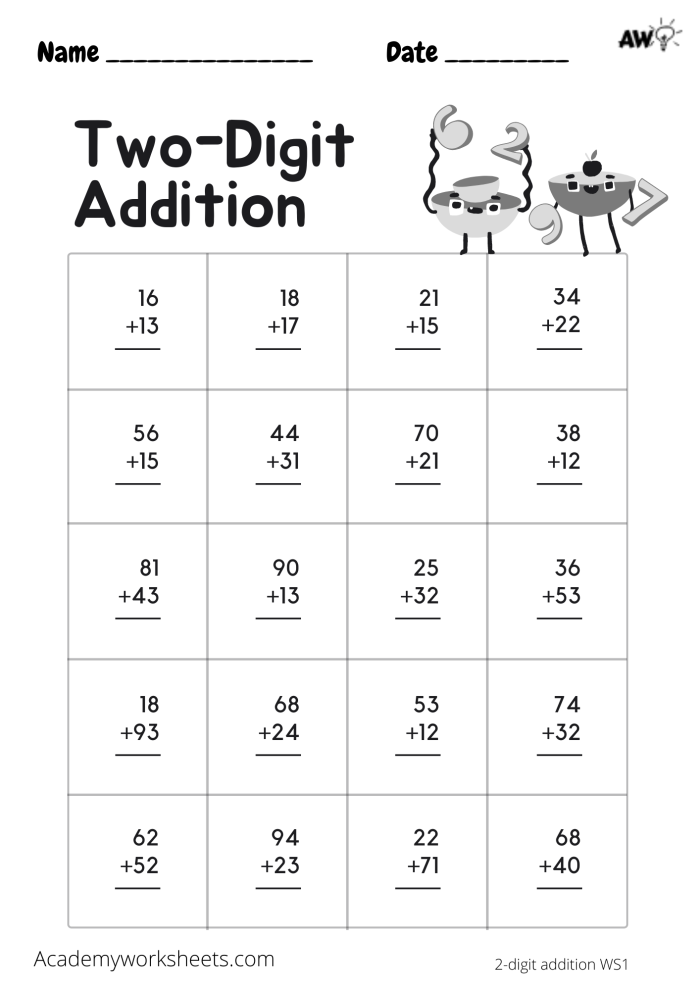
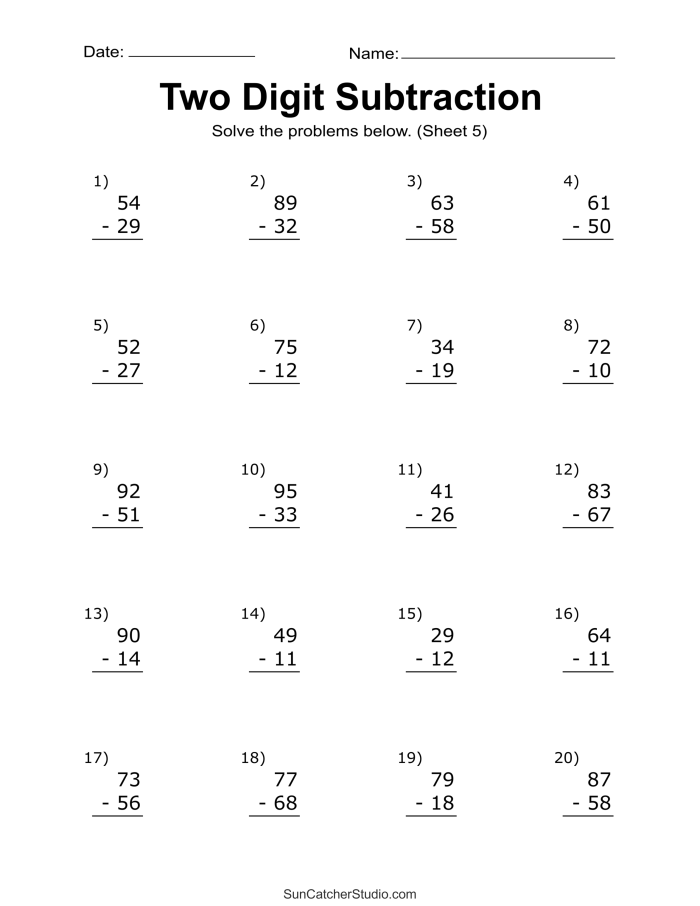
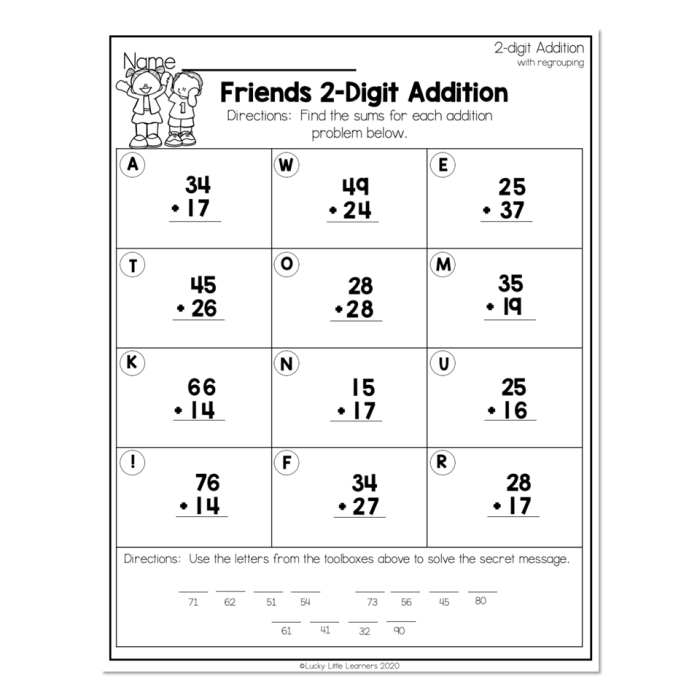
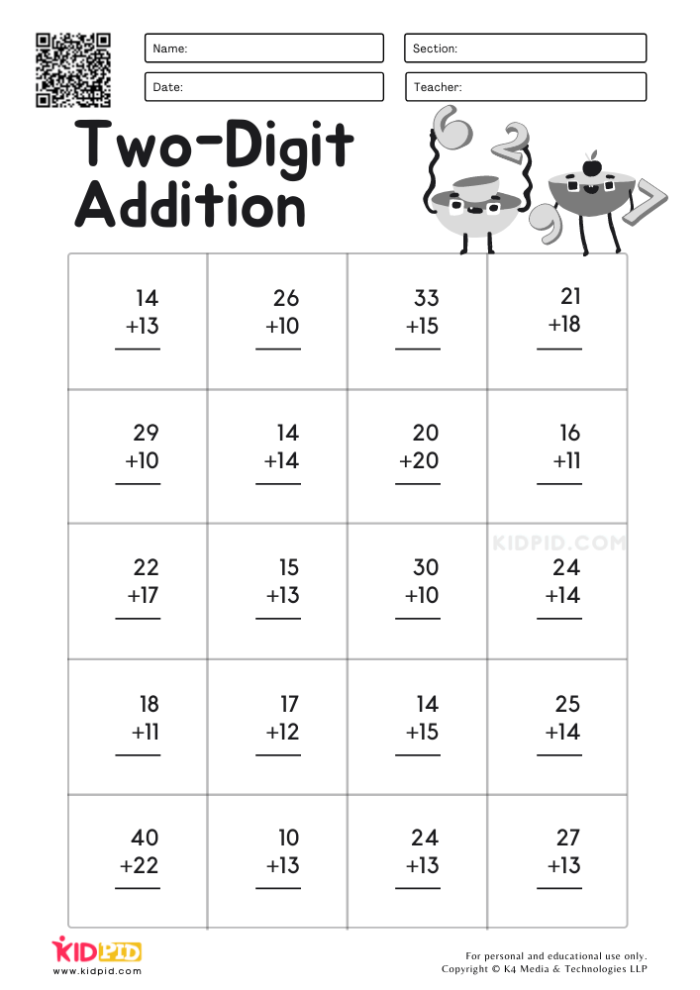
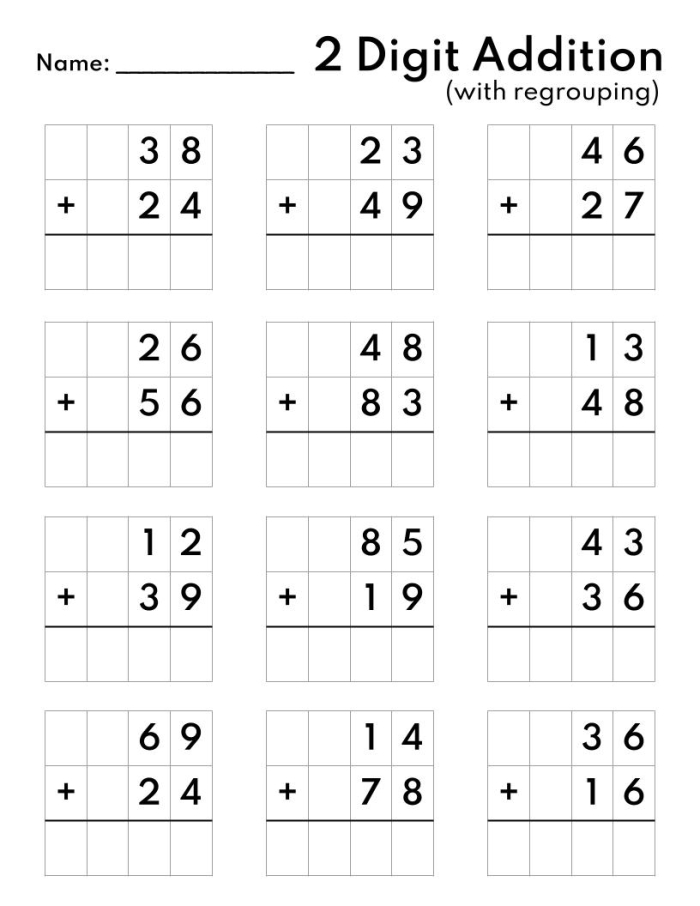
Two-digit addition at the second grade level typically involves sums under 50, though some worksheets push toward 100. Students need to understand regrouping (carrying over tens to the ones place) or use strategies like breaking numbers apart. A problem like 27 + 15 requires recognizing that 7 + 5 equals 12, which means one group of ten plus two ones. This conceptual jump separates students who memorized single-digit facts from those ready for larger numbers.
The Arctic setting also opens doors to related learning. After completing this math activity, teachers might assign grammar practice with irregular plurals by having students write sentences about polar animals. Or they could explore pattern-based grammar activities that reinforce sentence structure in a similar visual format.
What makes this worksheet effective is its simplicity paired with purpose. Second graders aren’t distracted by complicated illustrations or overwhelming text. They see a clear goal: solve, connect, help Polly. That directness keeps struggling learners focused while allowing confident ones to work independently.
Printable Worksheets for Practice