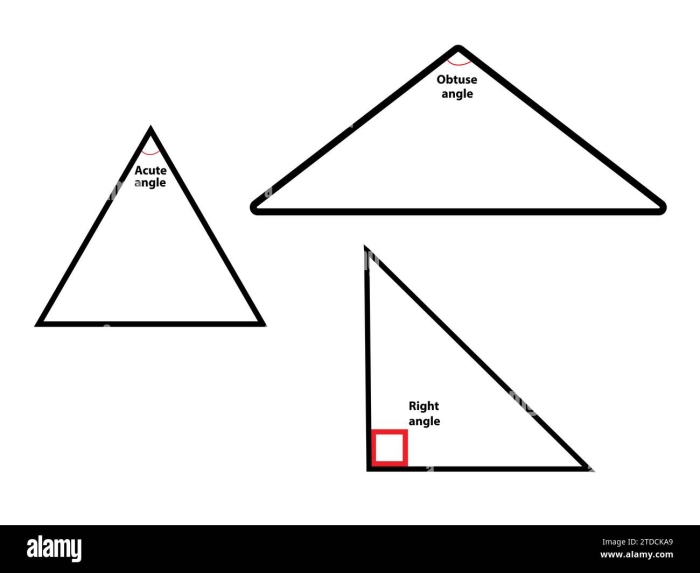
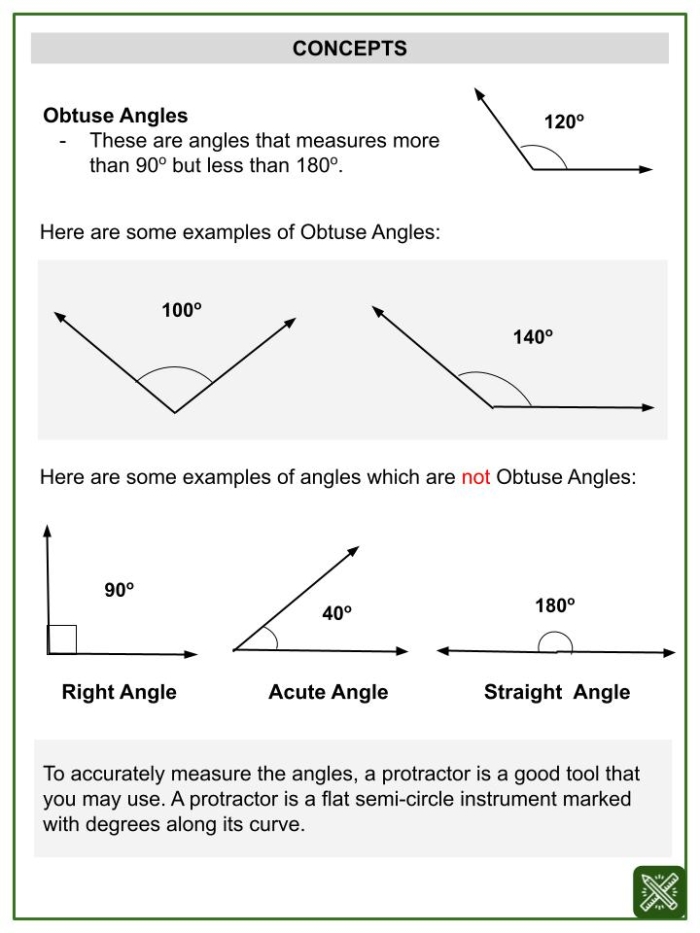
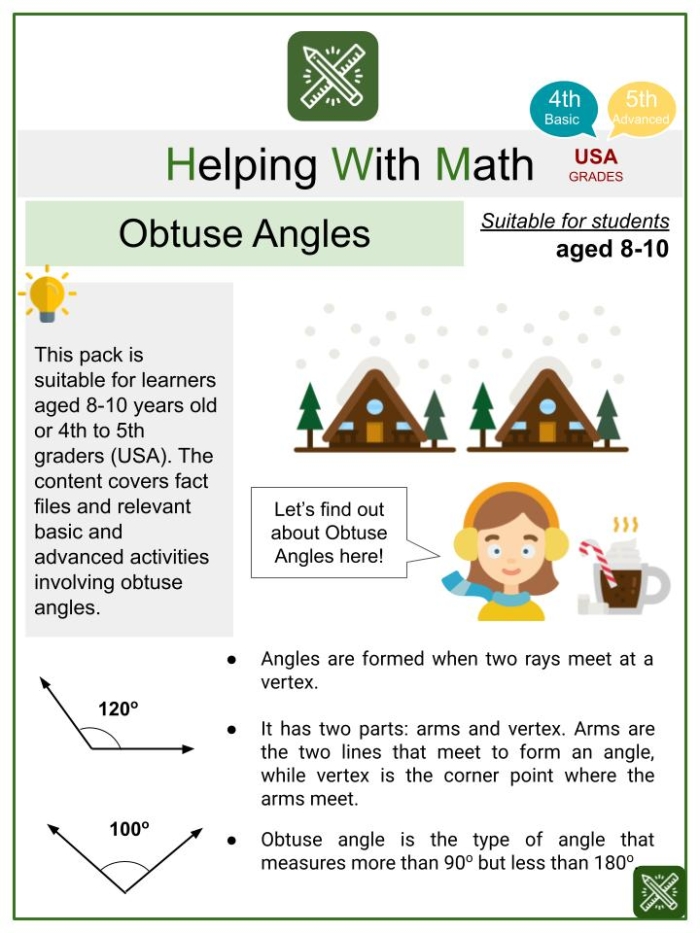
Most fourth graders encounter angles for the first time as abstract lines and numbers on a page, which makes the concept feel disconnected from anything real. Starting with an obtuse angle changes that entirely. An obtuse angle is simply any angle wider than 90 degrees but smaller than 180 degrees, and once your child learns to spot one, they’ll start seeing them everywhere: in open scissors, the corner of a partially opened door, or the way a tree branch stretches away from its trunk.
The reason obtuse angles work well as an entry point is that they’re visually obvious. Unlike acute angles, which can feel sharp and small, an obtuse angle has a clear, unmistakable openness to it. When you show a child an obtuse angle first, they develop an intuitive sense of what “wider than a right angle” means before moving on to more complex angle concepts.
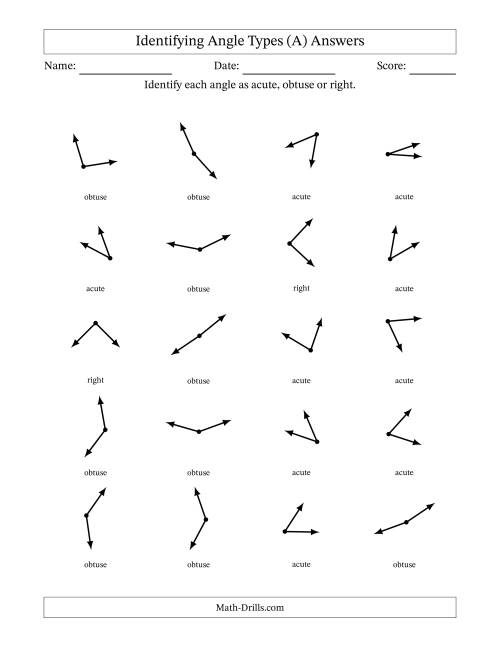
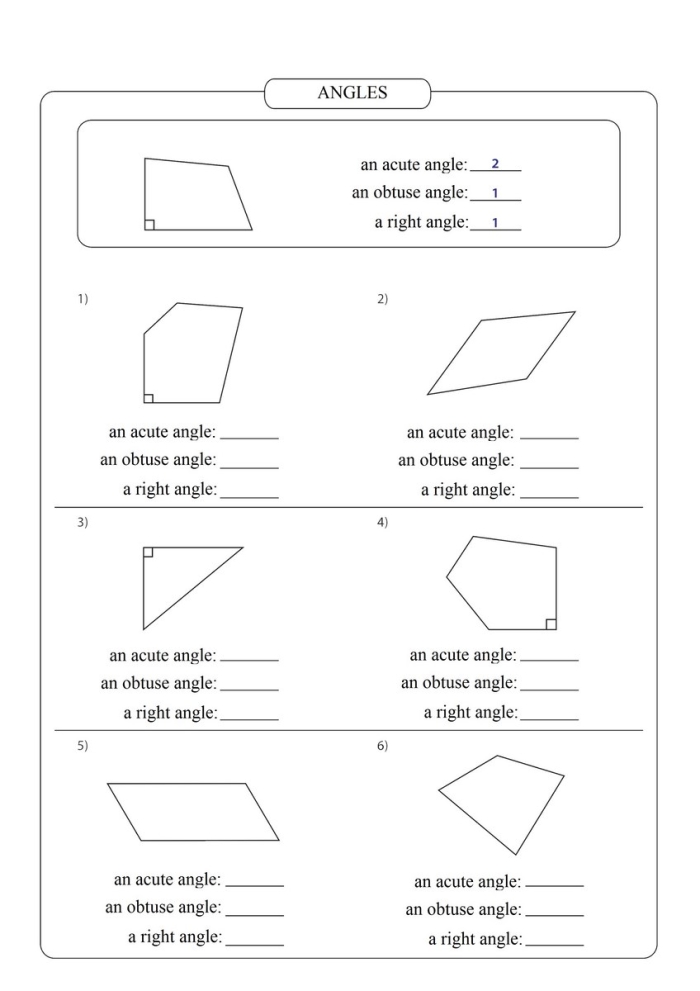
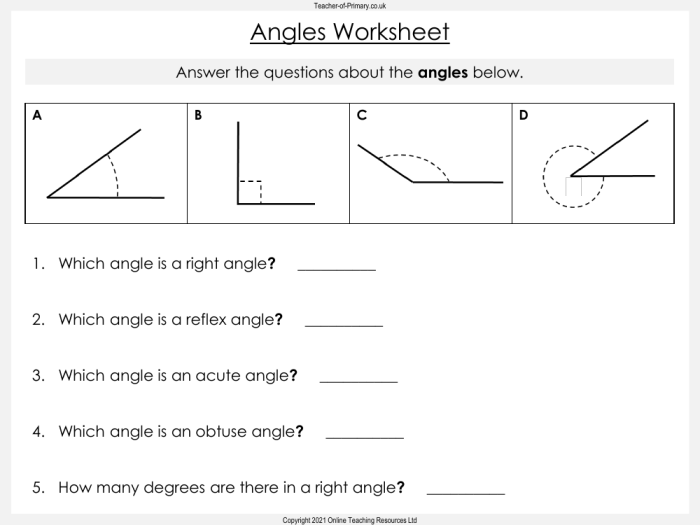
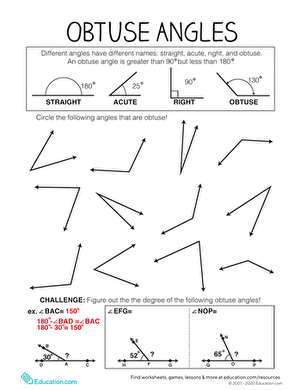
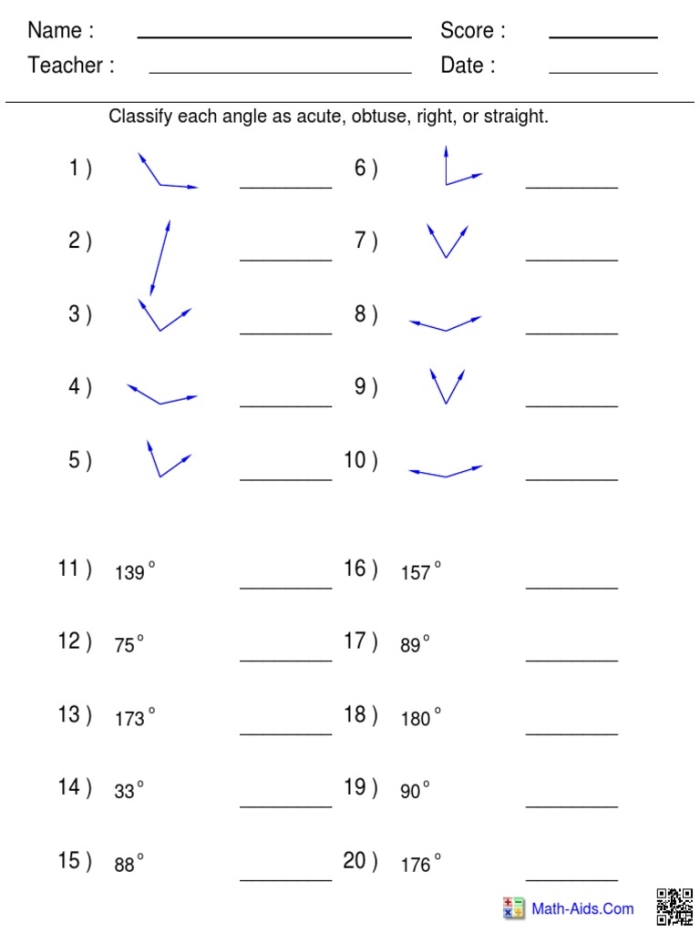
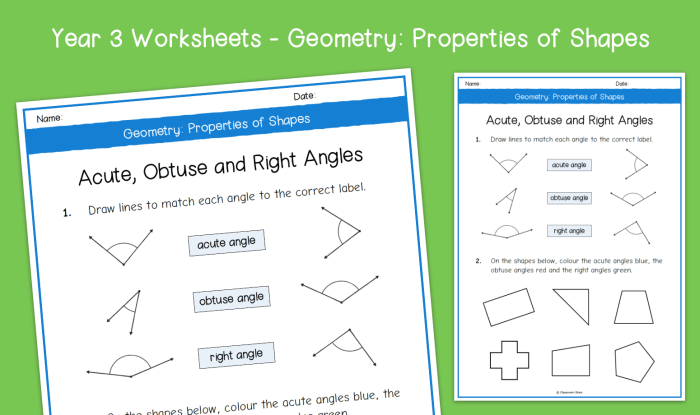
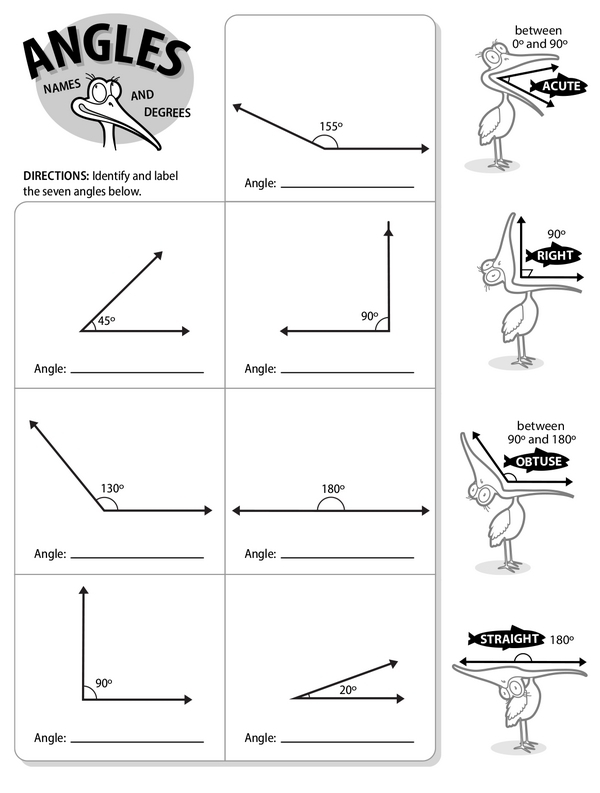
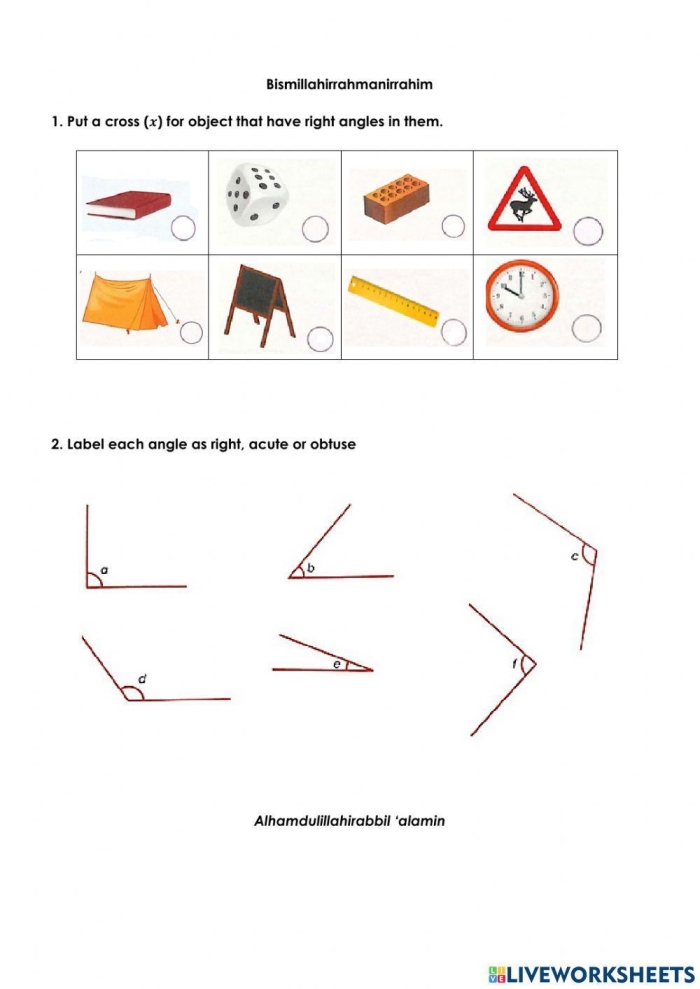
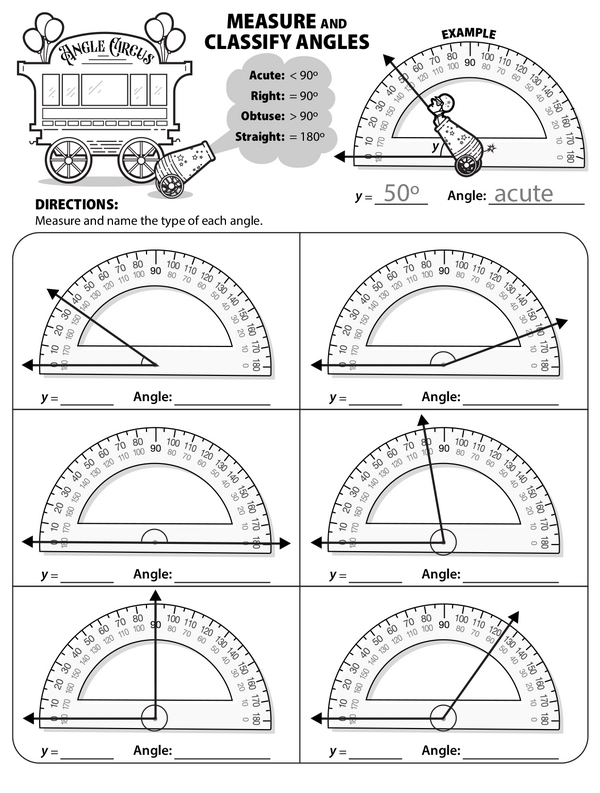
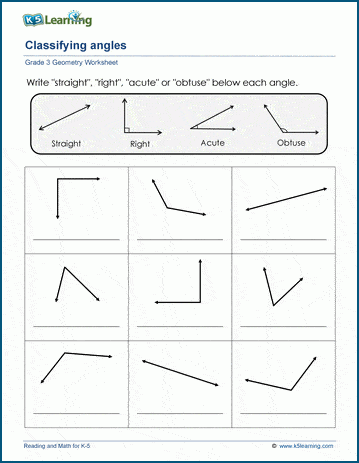
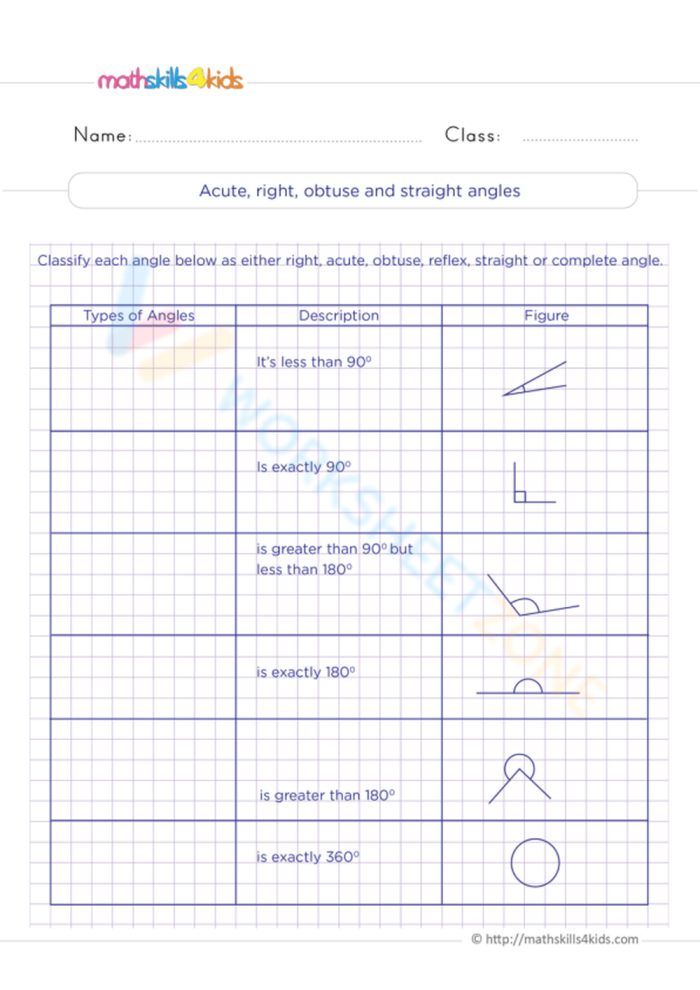
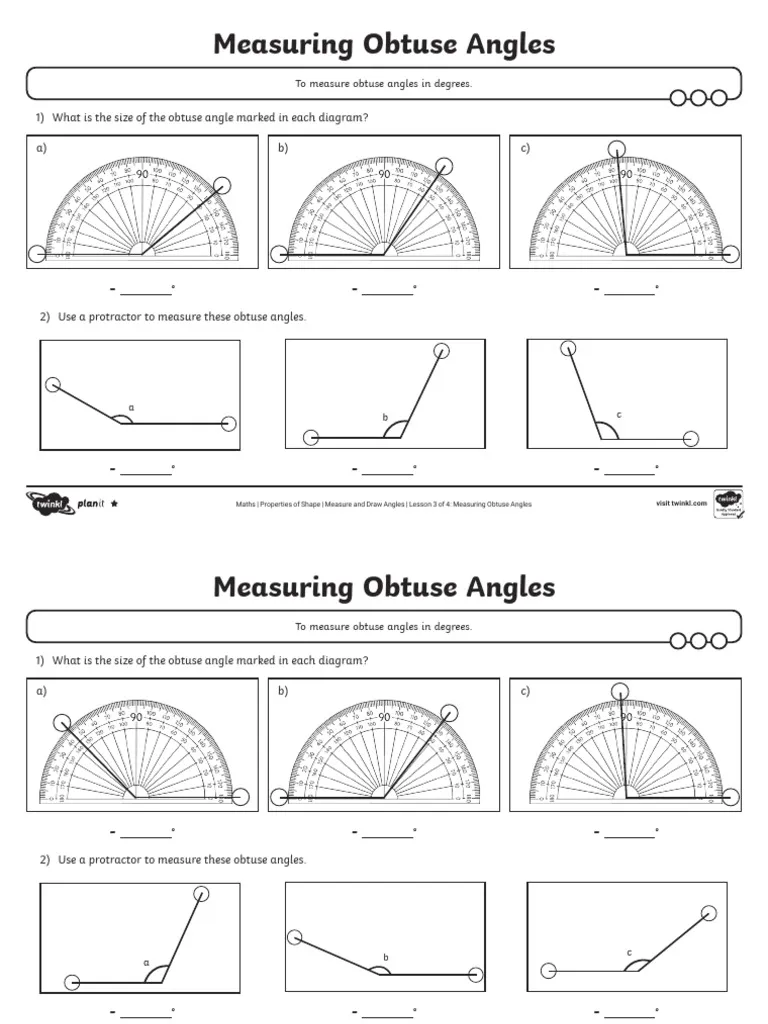
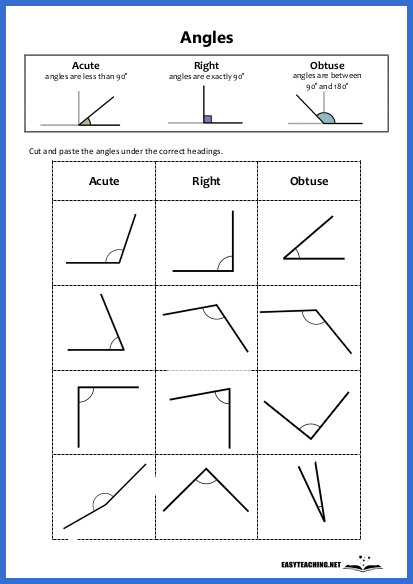
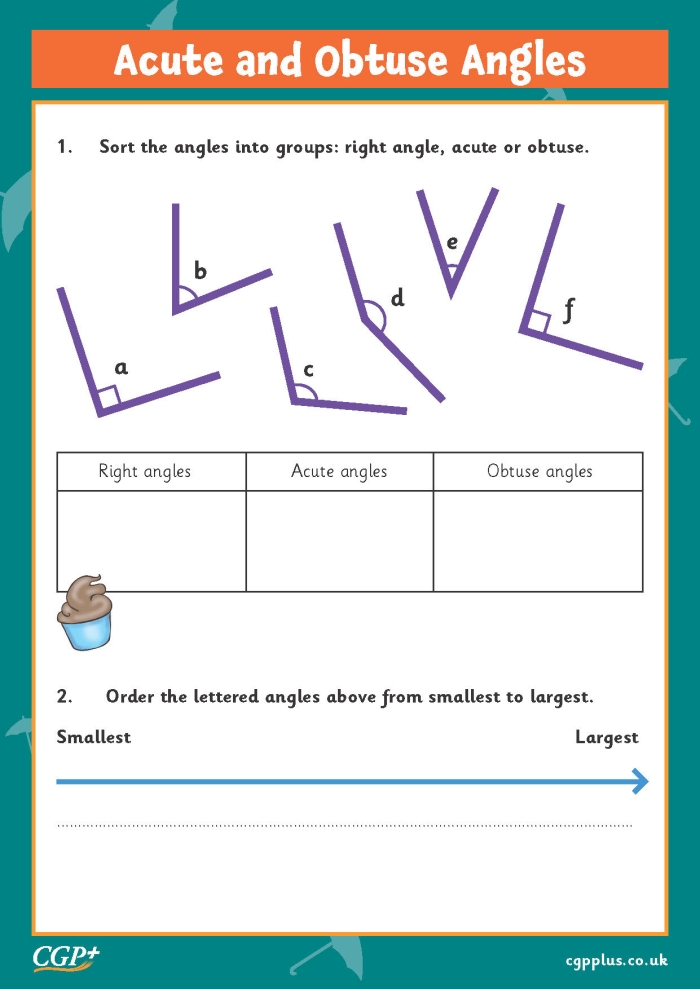
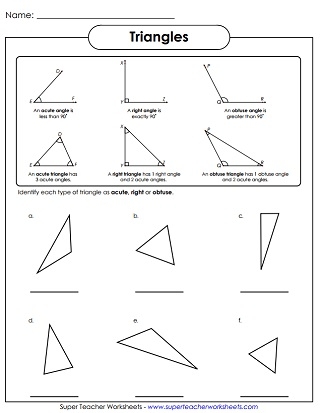
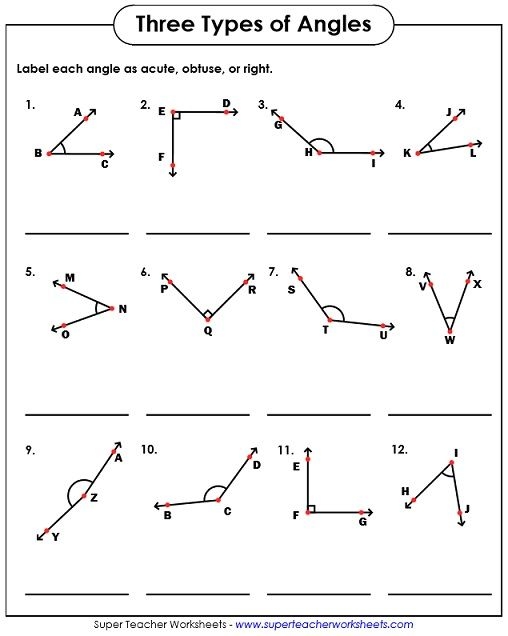
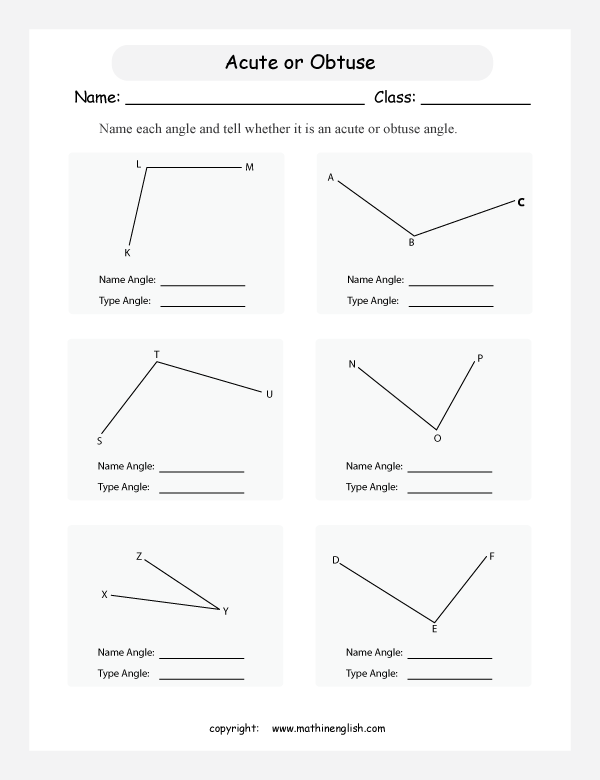
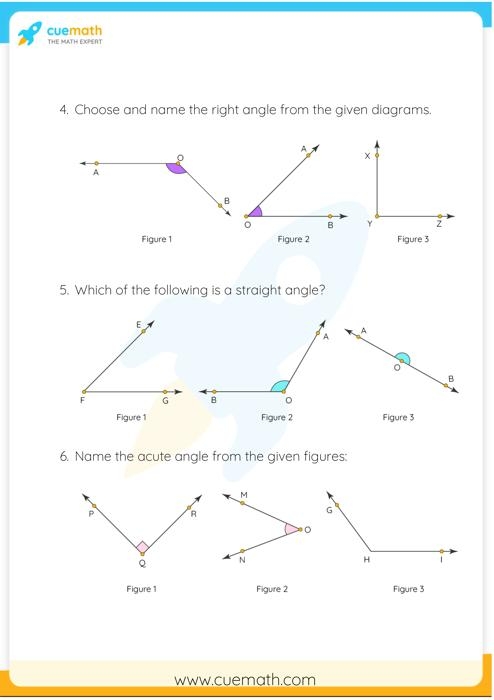
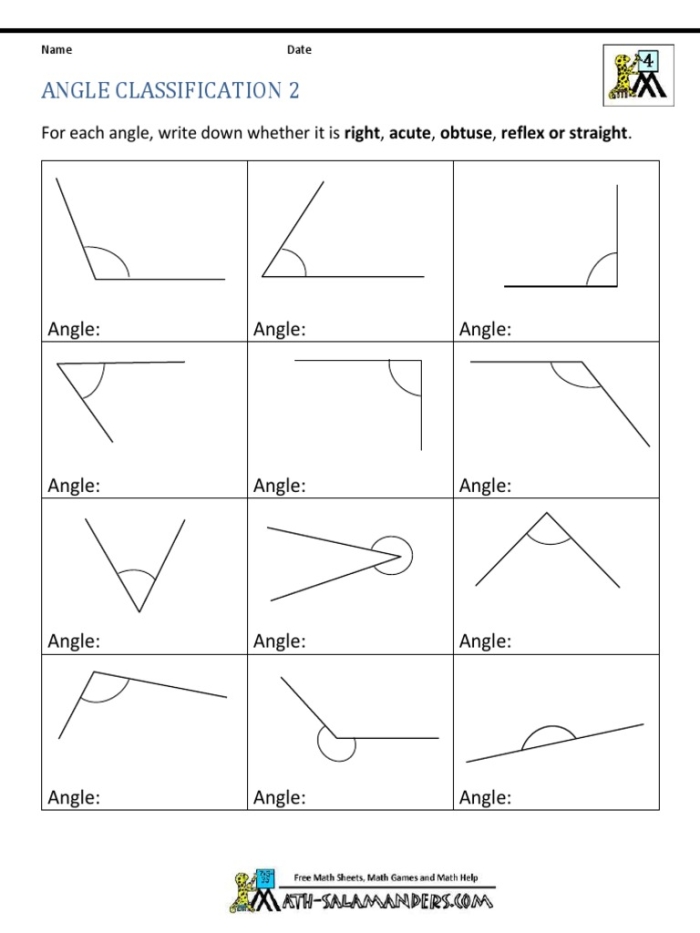
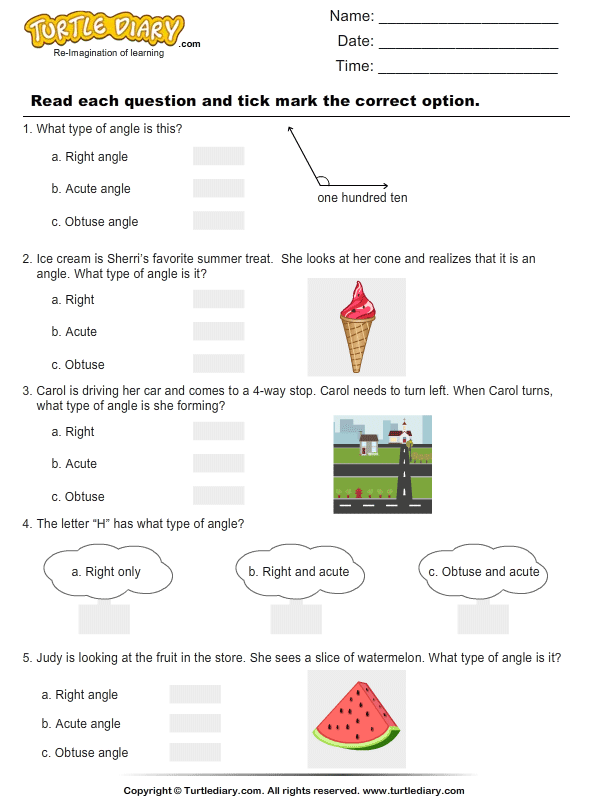
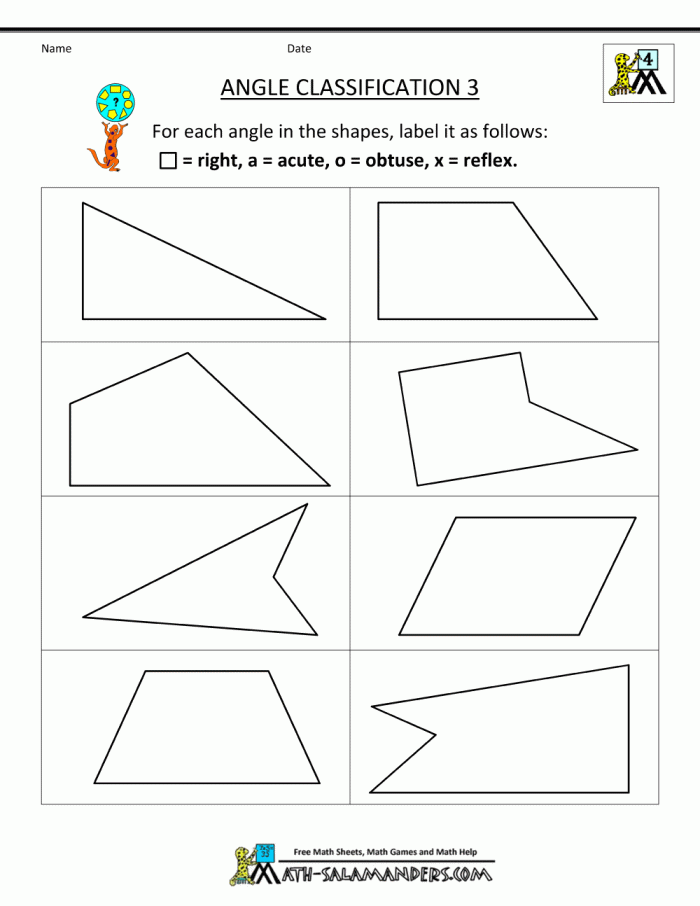
Using a printable obtuse angles worksheet gives your child a hands-on way to practice recognizing these angles in different contexts and orientations. The worksheet typically shows various angles mixed together, and your child’s job is to identify which ones are obtuse. This kind of visual scanning activity strengthens pattern recognition skills that extend beyond just mathematics into overall spatial reasoning.
For fourth grade students studying grammar and mechanics alongside math, worksheets serve another purpose: they build focus and attention to detail. The same careful observation required to distinguish an obtuse angle from other angles applies when editing sentences for punctuation or identifying parts of speech. You might even find that working through geometry concepts alongside other subjects, like exploring the history of rock and roll in physical science, helps children see connections across different learning areas.
The best part about starting with obtuse angles is watching your child gain confidence. Once they identify a few obtuse angles correctly, they feel capable of tackling the rest of the worksheet independently, building momentum for learning more complex angle relationships later.
Start Practicing with These Worksheets