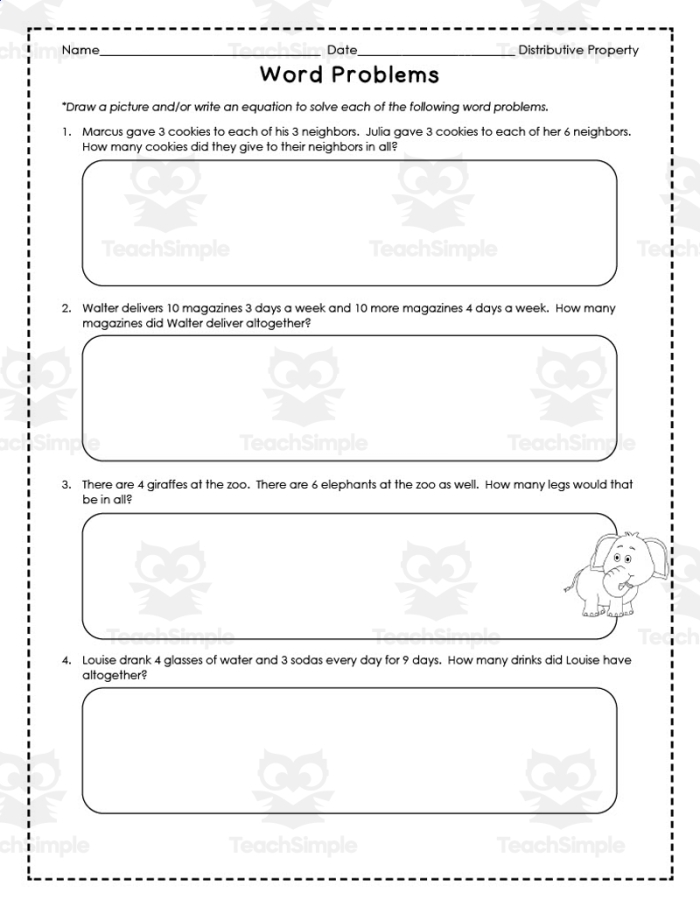
When fourth graders first encounter multiplication problems like 23 × 4, many freeze. The numbers feel too big to hold in their heads. This is where the distributive property steps in as a practical lifeline, transforming an intimidating problem into manageable chunks that students can actually solve mentally.
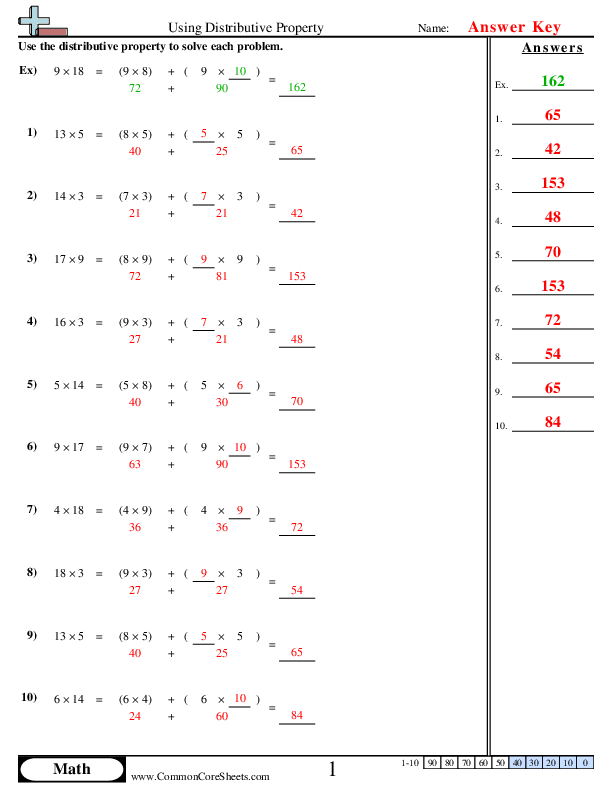
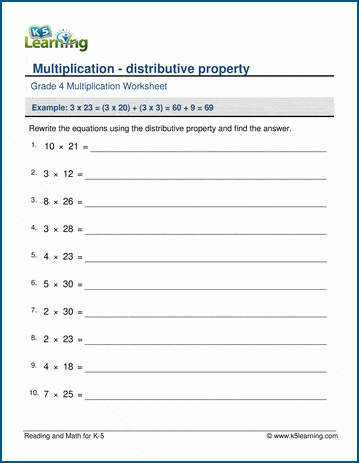
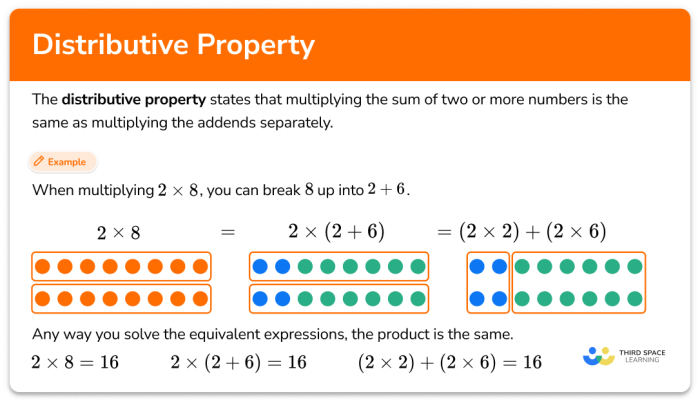
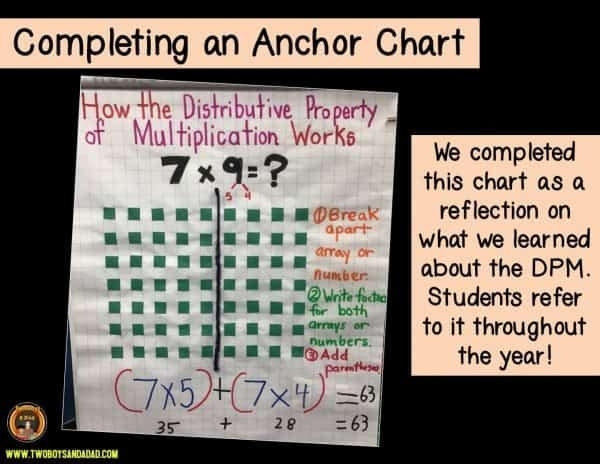
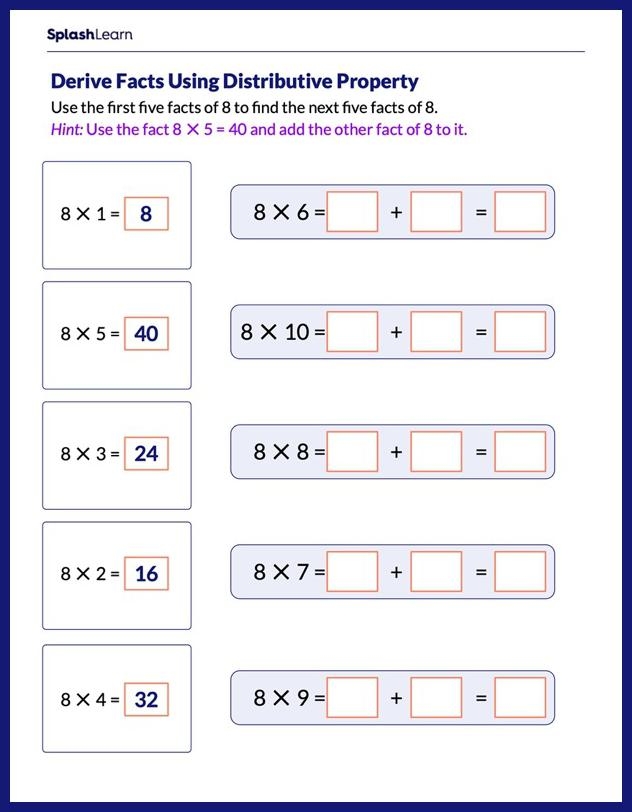
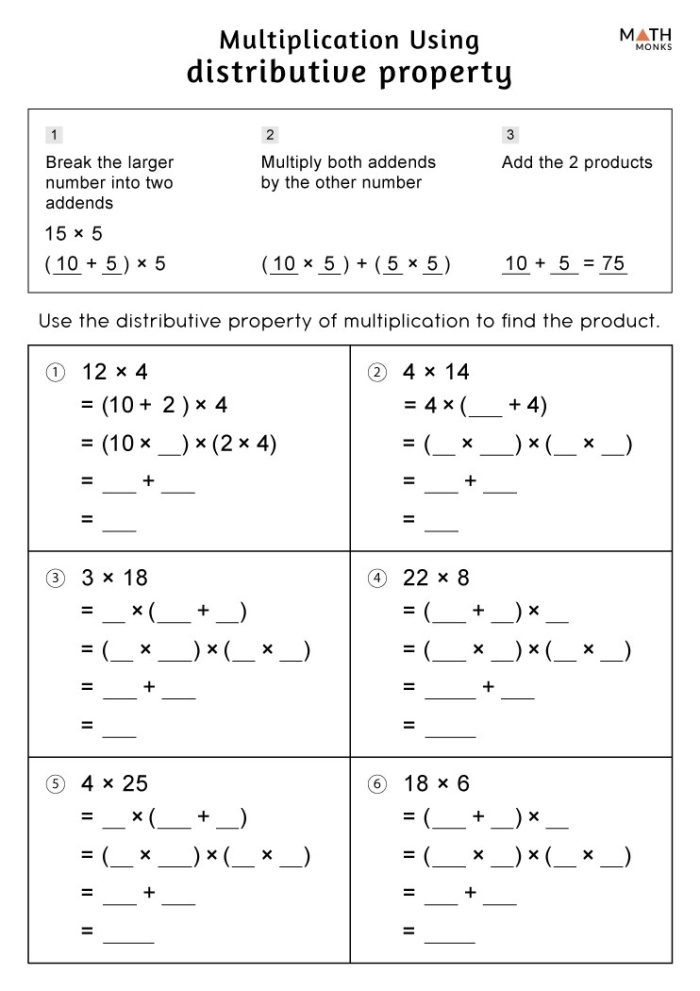
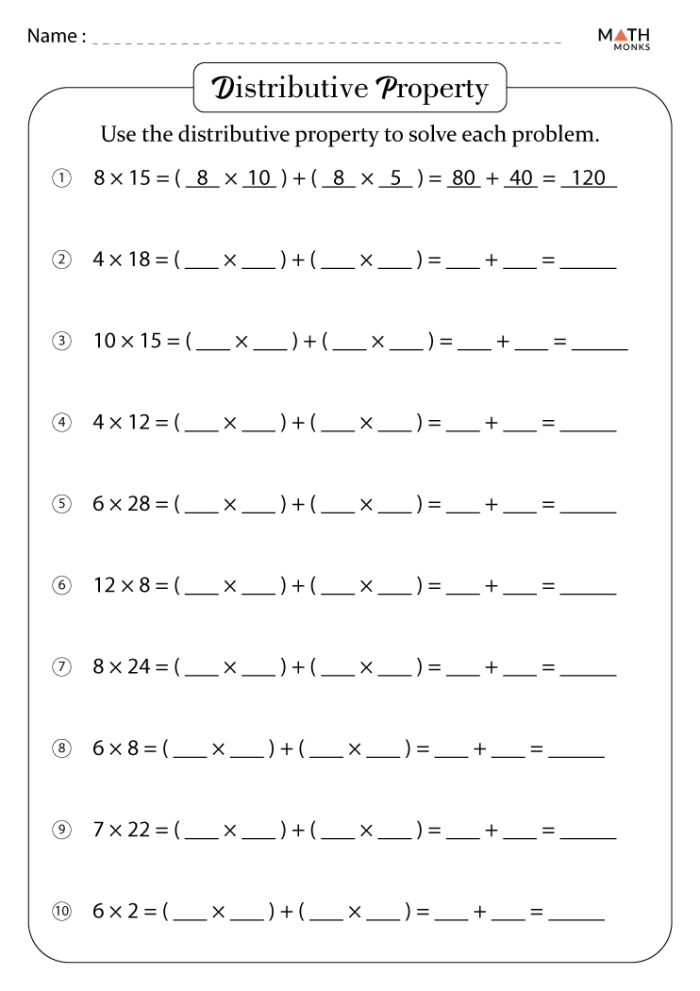
The distributive property works by breaking a multiplication problem into smaller, easier pieces. Instead of multiplying 23 × 4 directly, a student can split 23 into 20 and 3, then multiply each part by 4 separately: (20 × 4) + (3 × 4) = 80 + 12 = 92. Suddenly, the problem becomes two simple calculations rather than one complex one. This approach builds confidence and develops genuine number sense, rather than relying on memorized procedures.
For fourth grade students still building their multiplication fluency, this strategy offers real cognitive support. It connects to what they already know about place value and basic facts, making the leap to larger numbers feel less overwhelming. When students understand why this method works, they gain a tool they can apply to any multiplication problem they encounter.
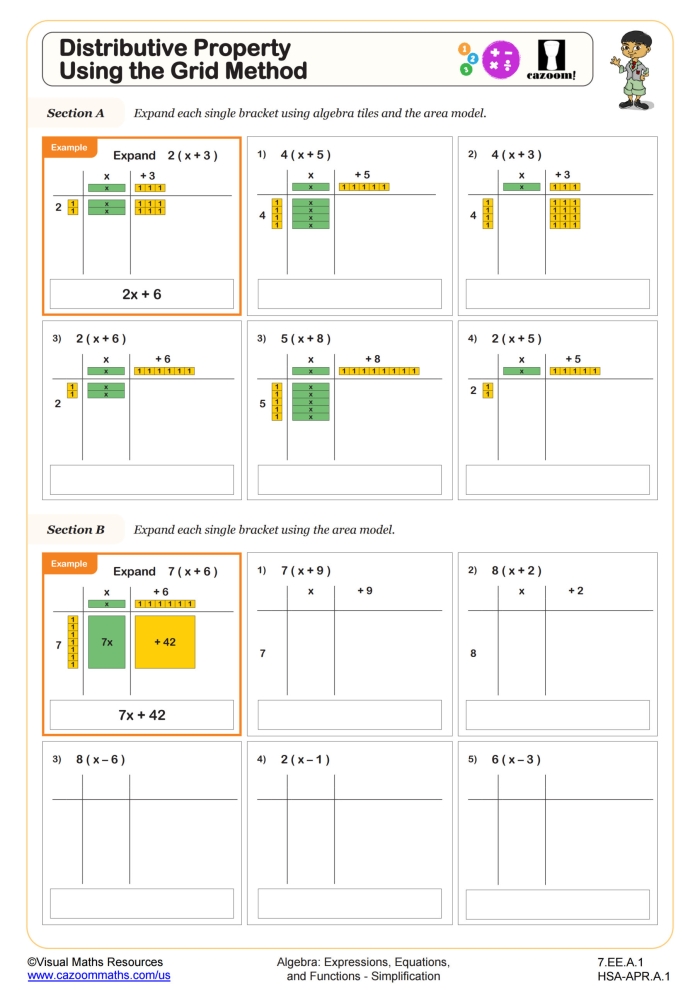
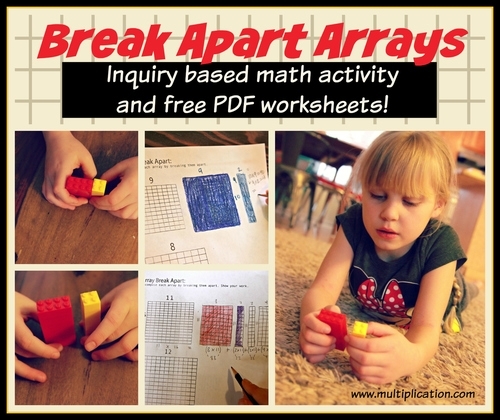
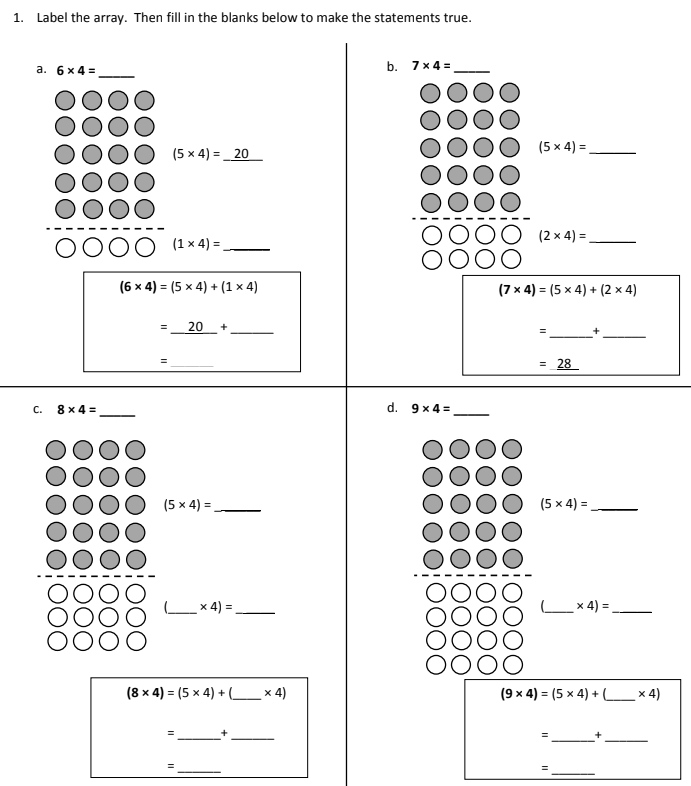
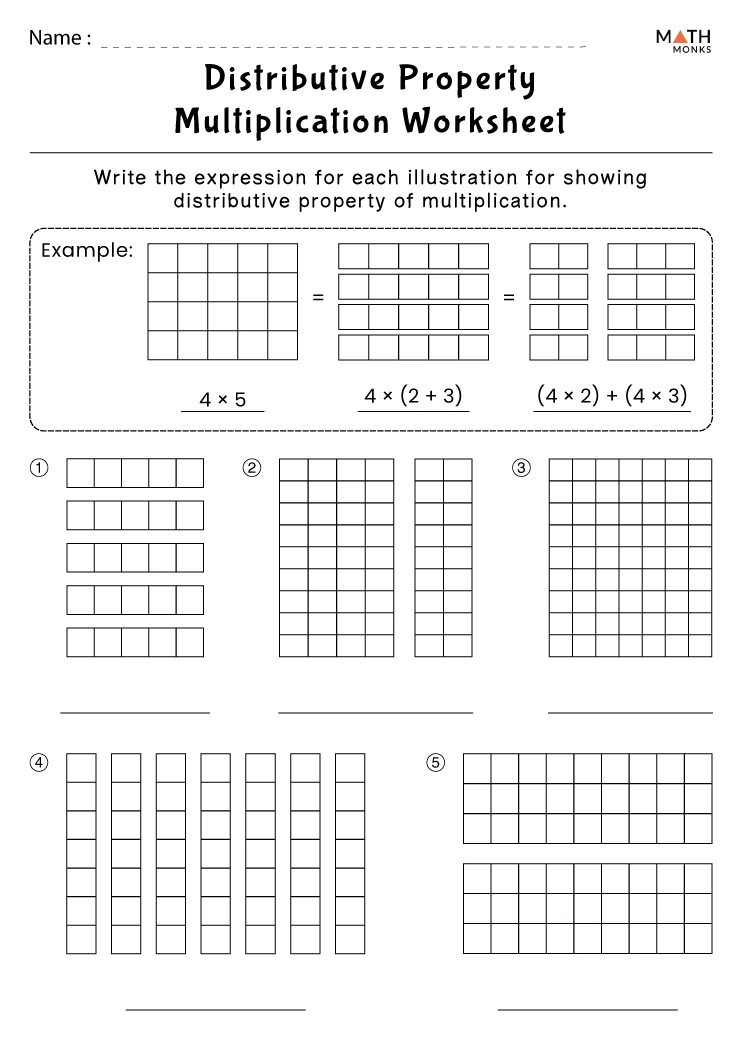
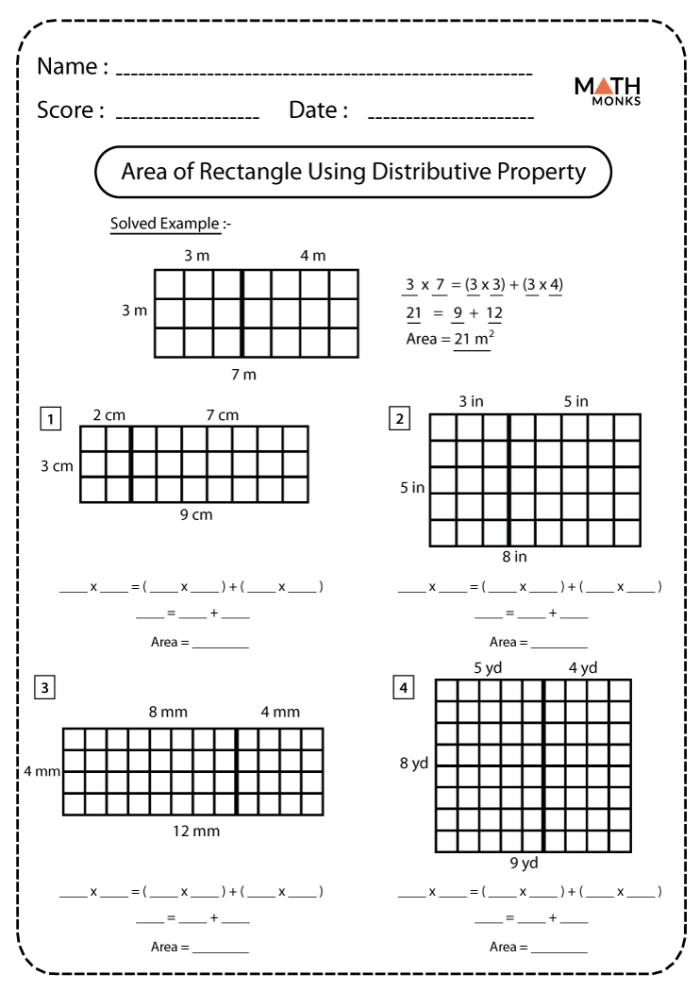
Introducing the distributive property requires careful scaffolding. Starting with visual representations, like arrays or area models, helps students see how breaking apart numbers actually works. Guided practice with concrete examples, followed by opportunities to try problems independently, builds understanding gradually.
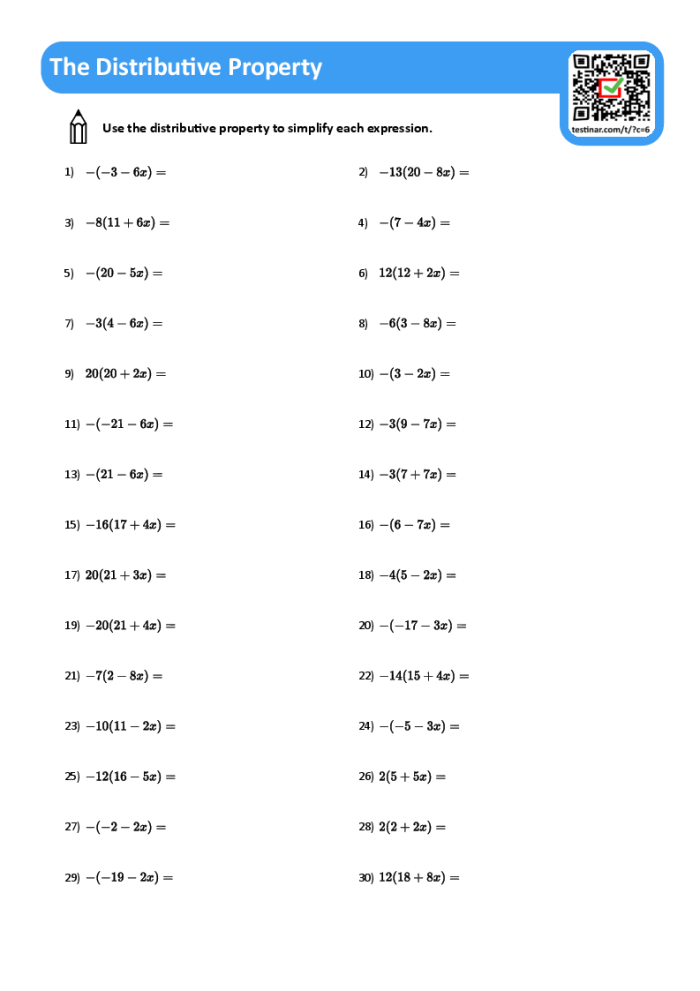
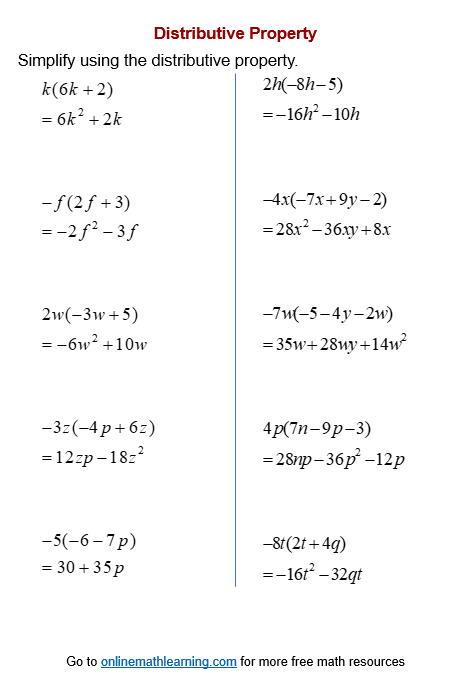
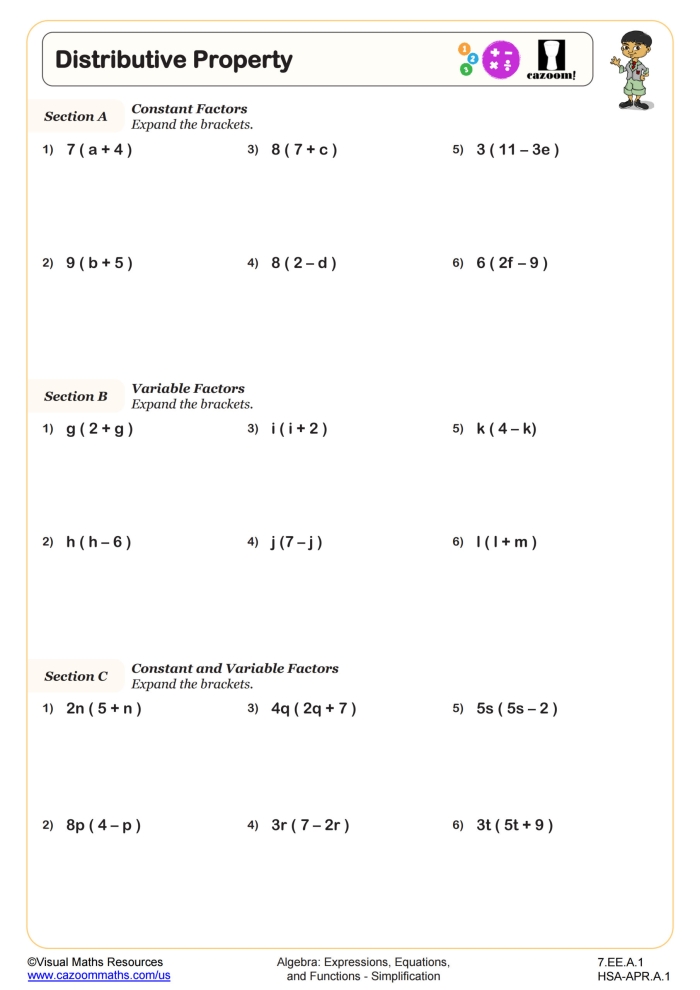
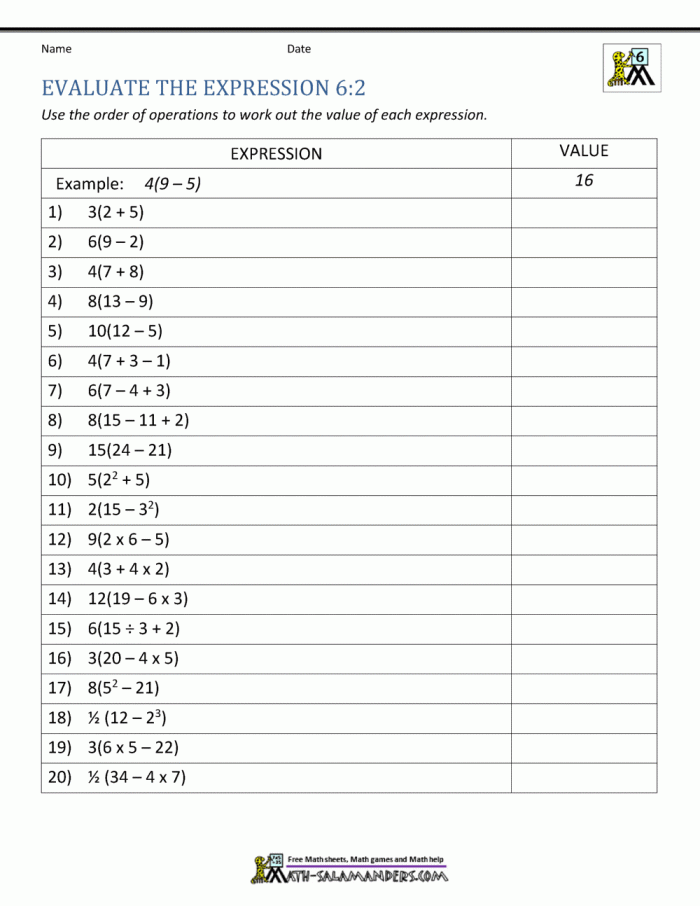
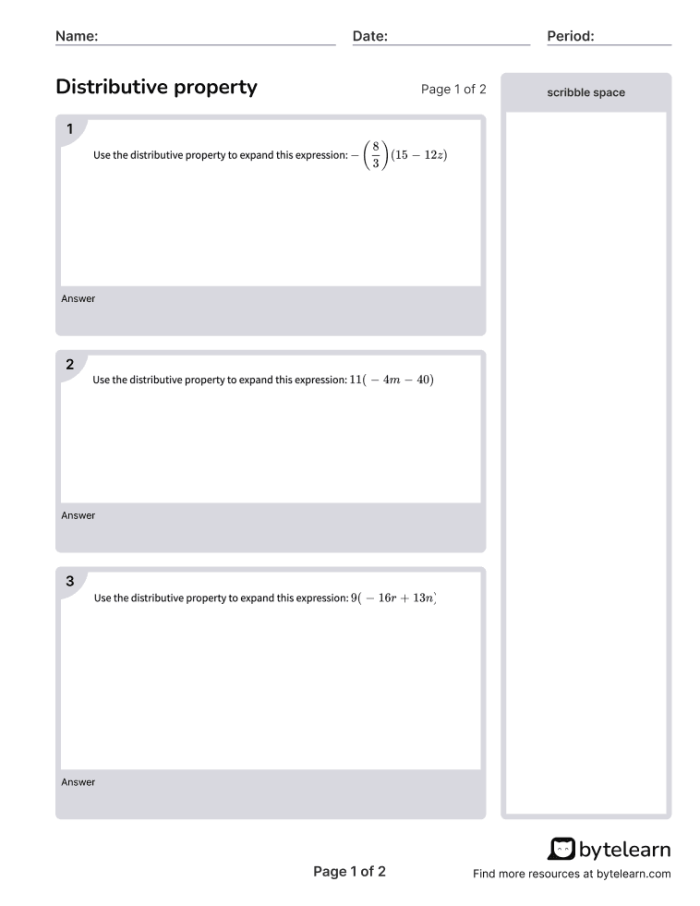
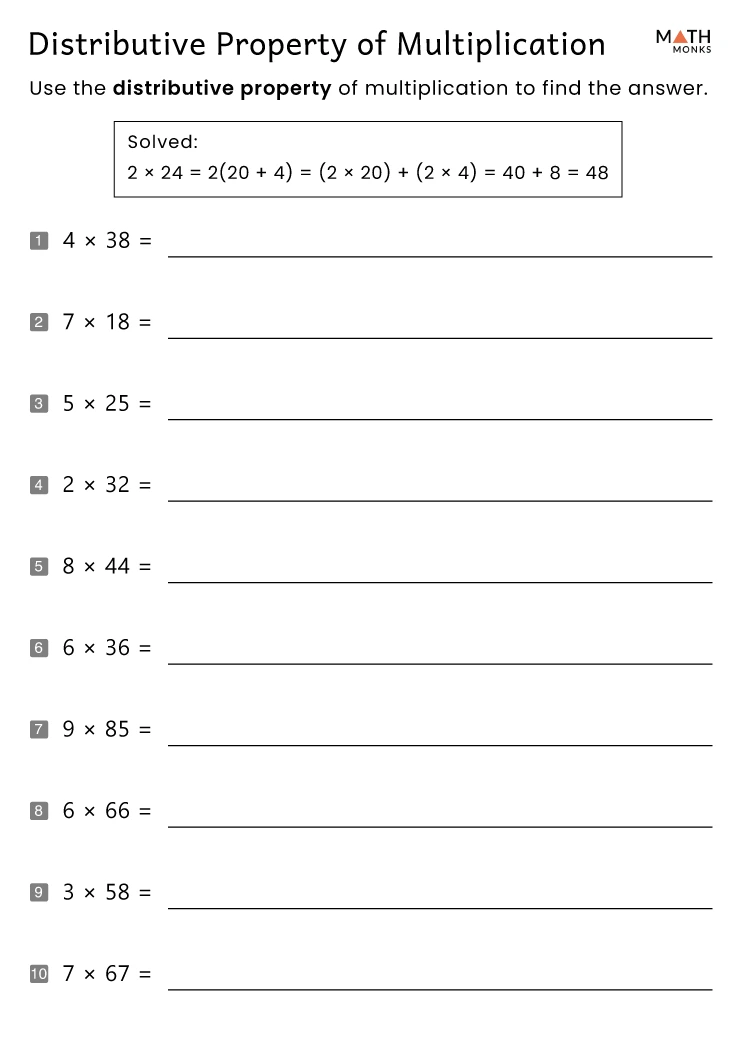
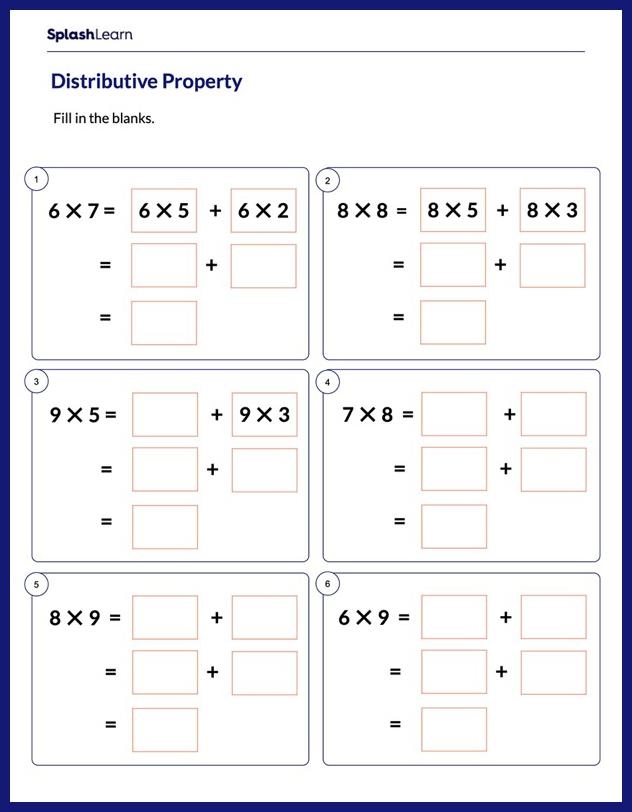
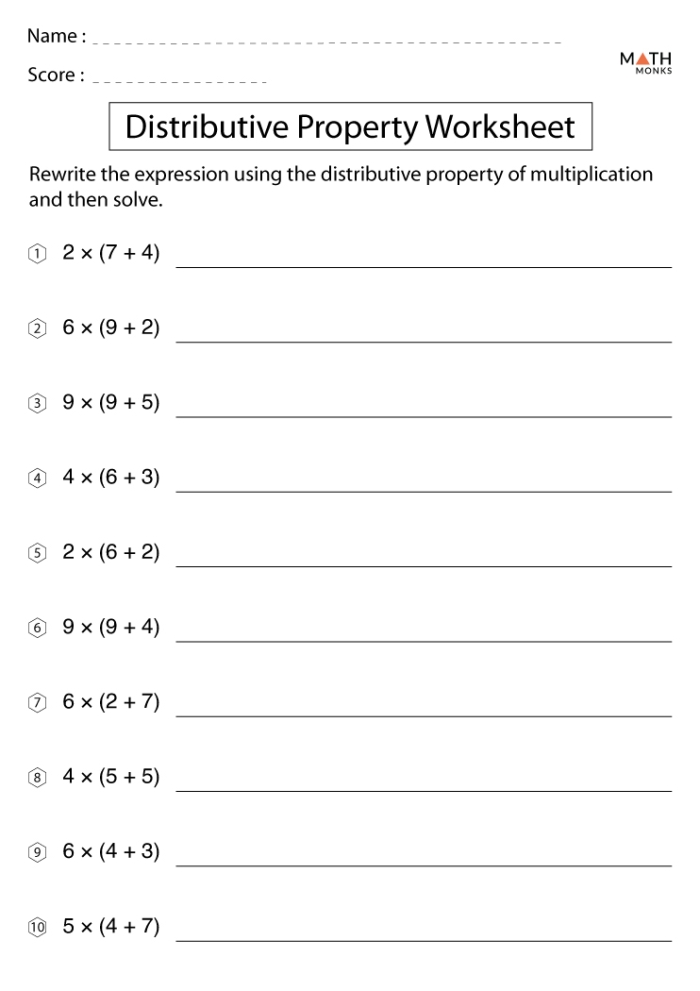
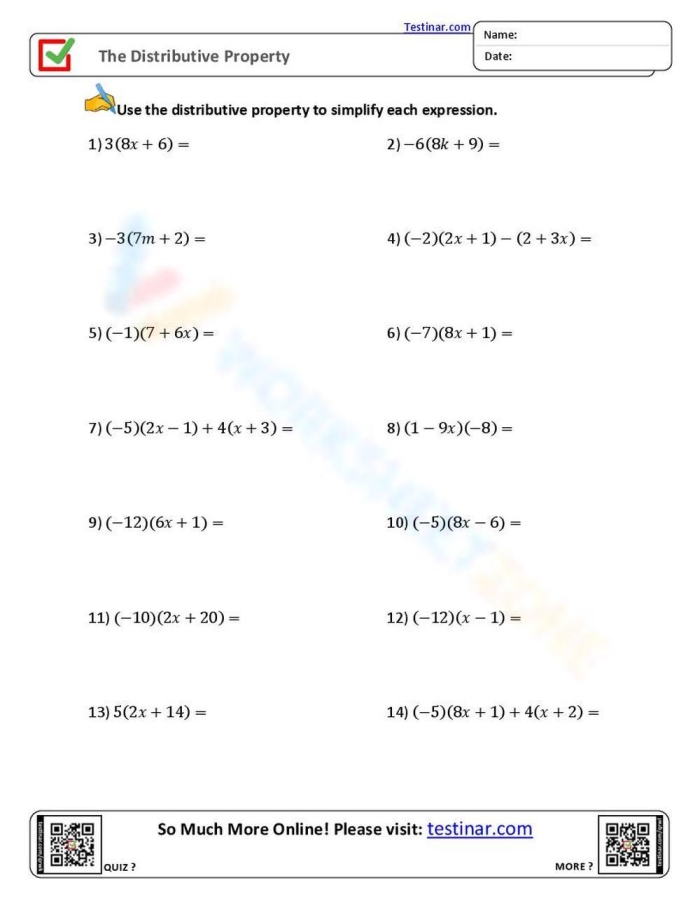
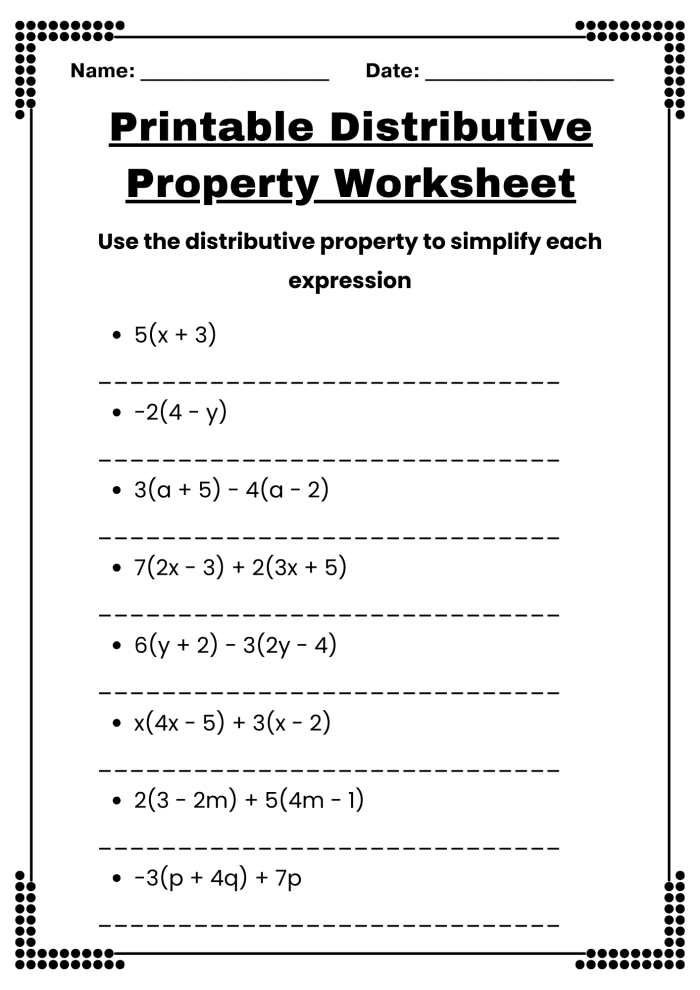
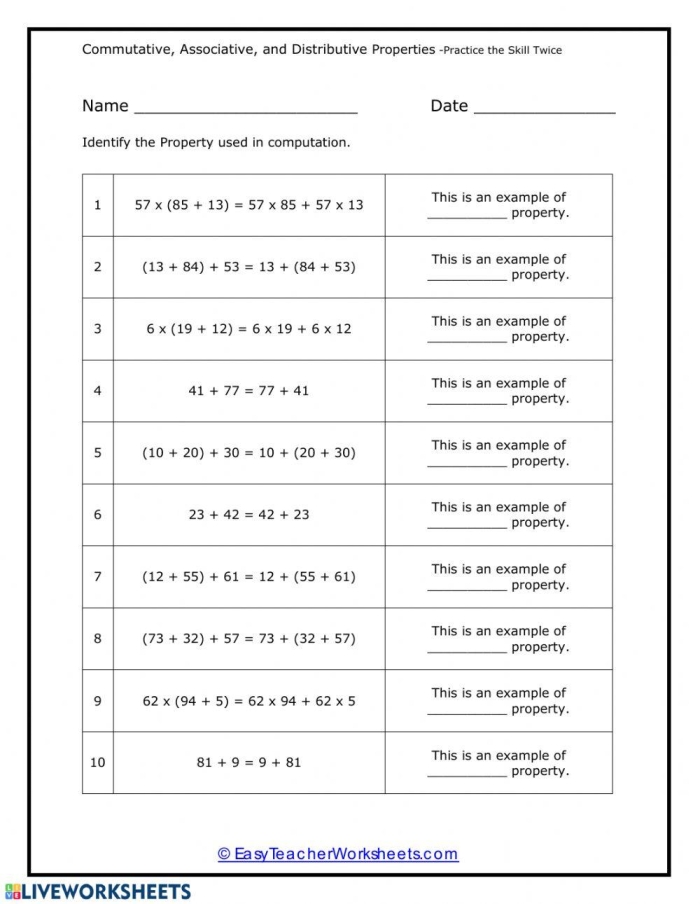
Pairing this instruction with engaging materials strengthens retention. Worksheets designed specifically for this skill allow students to practice the concept repeatedly in low-pressure settings. Incorporating related literacy activities, such as practicing point of view in reading, helps develop well-rounded learners. Even activities like Easter word search puzzles can be woven into your classroom routine to maintain engagement across subjects.
When students master the distributive property early, they build a foundation for algebra and more advanced mathematics. The mental math skills they develop stick with them far beyond fourth grade.
Boost Skills with These Worksheets