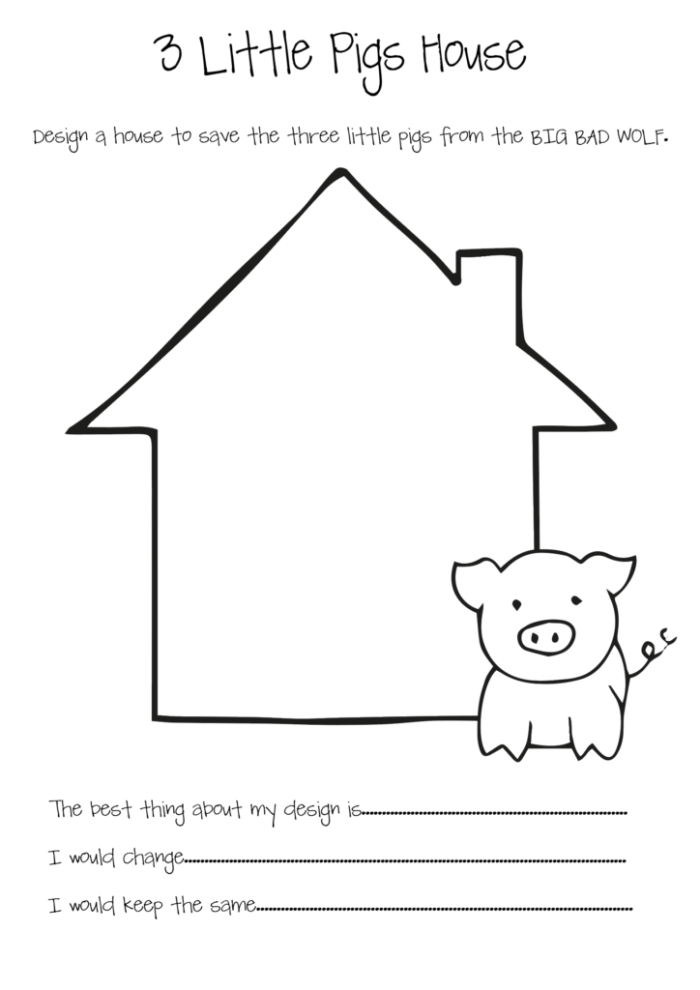
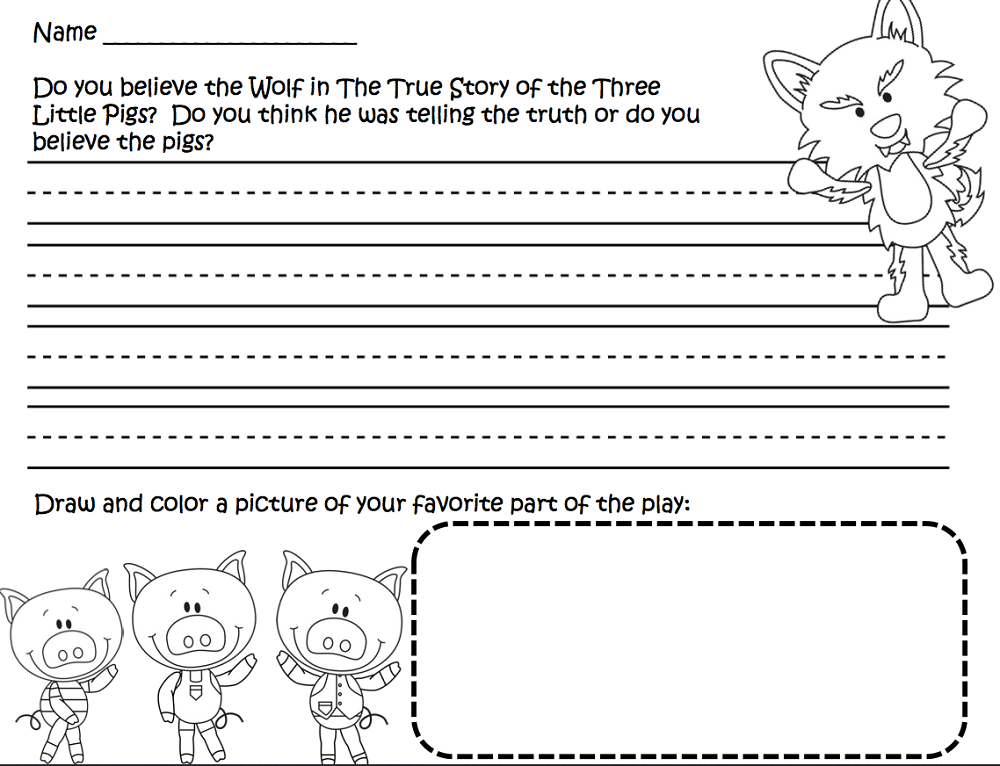
The classic tale of three pigs building their homes has captivated children for generations, and for good reason. When you pair a beautifully illustrated version with interactive finger puppets, the story transforms from something your kindergartener simply listens to into something they can perform, remember, and truly own.
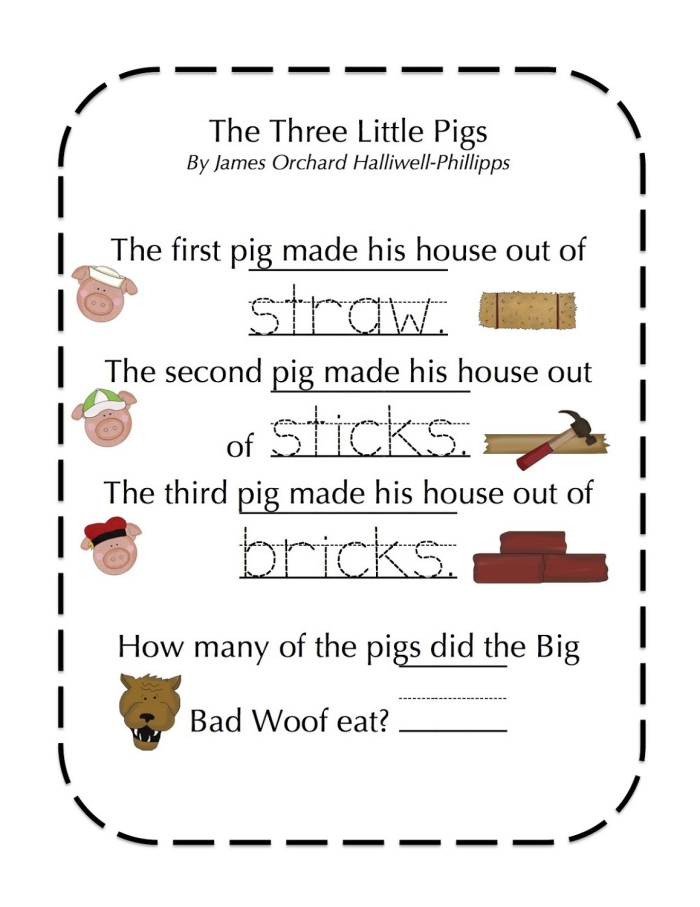
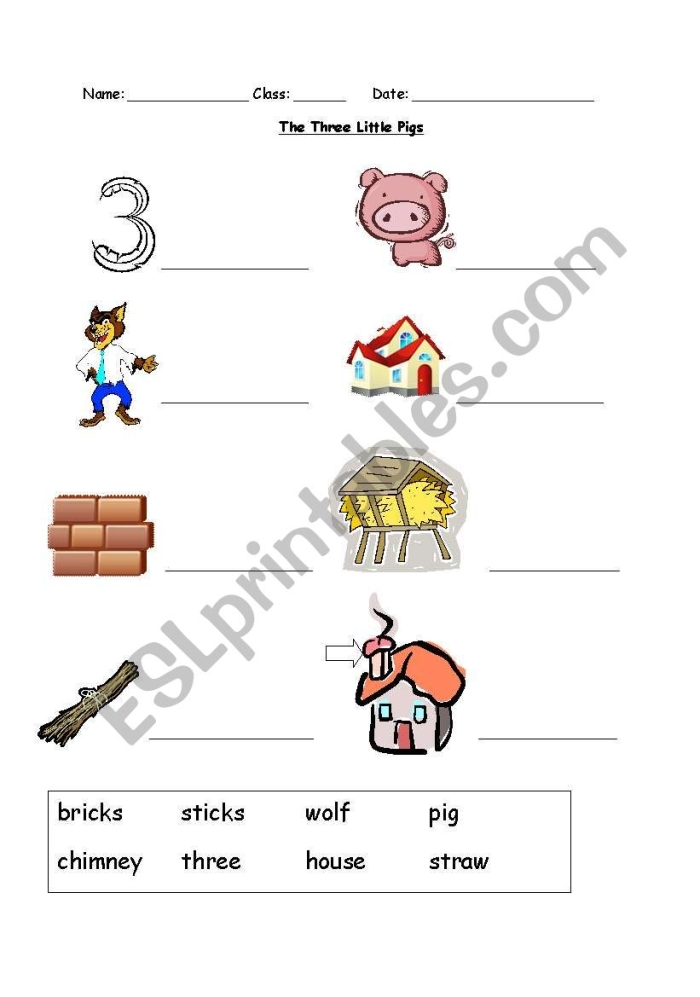
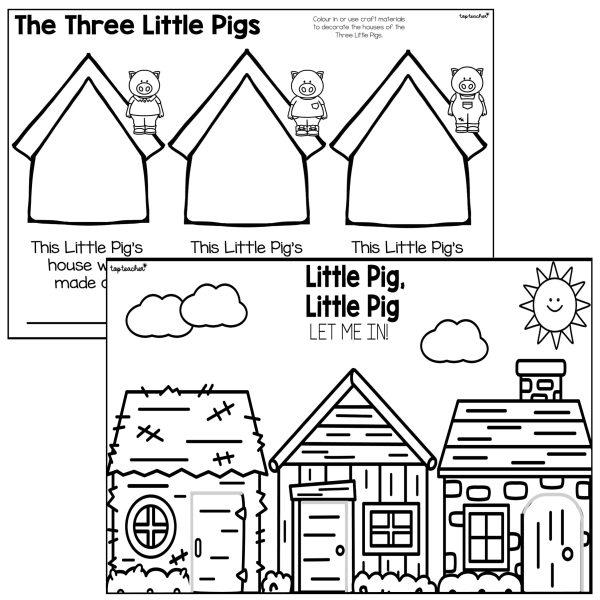
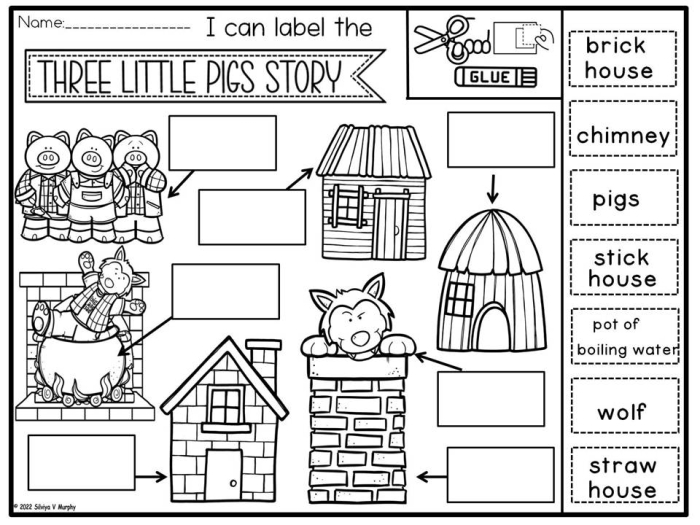
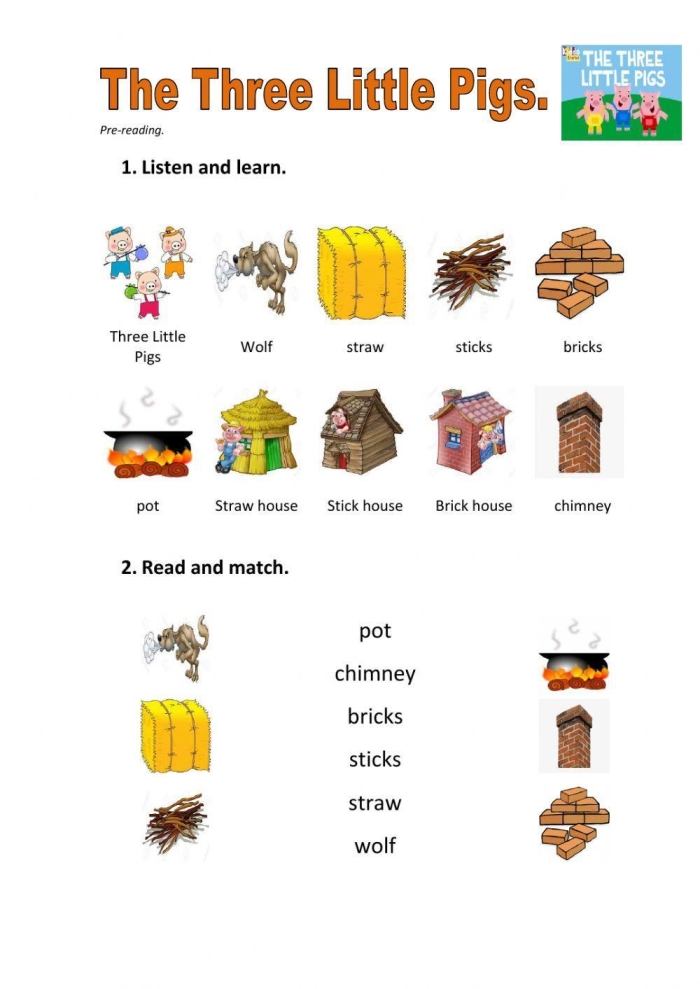
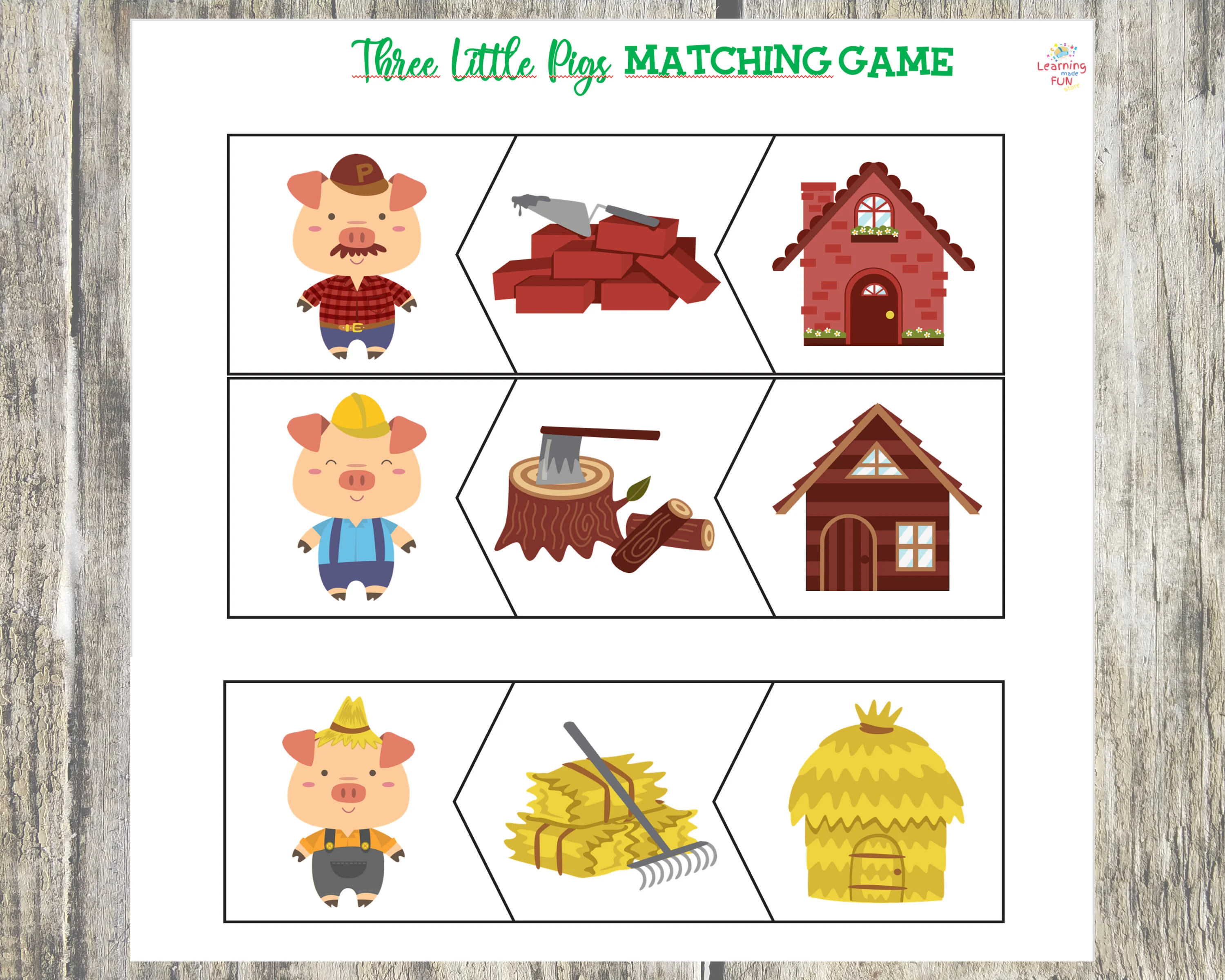
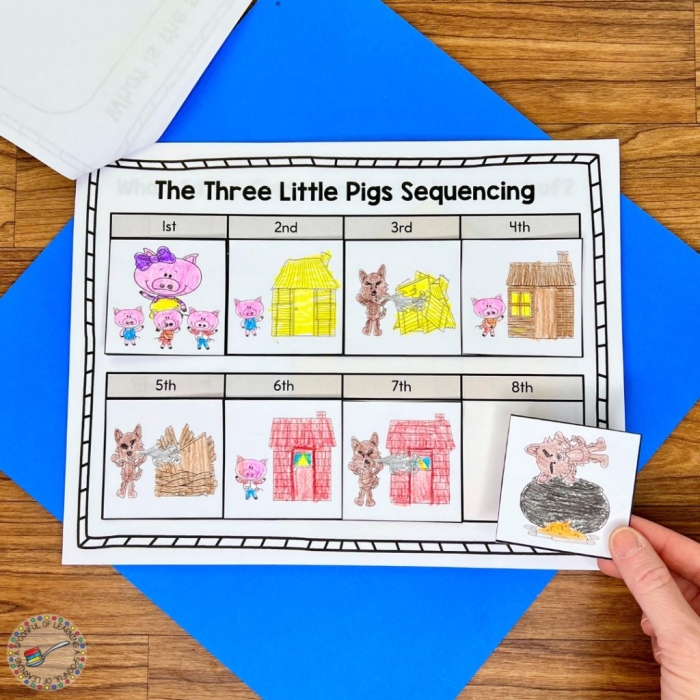
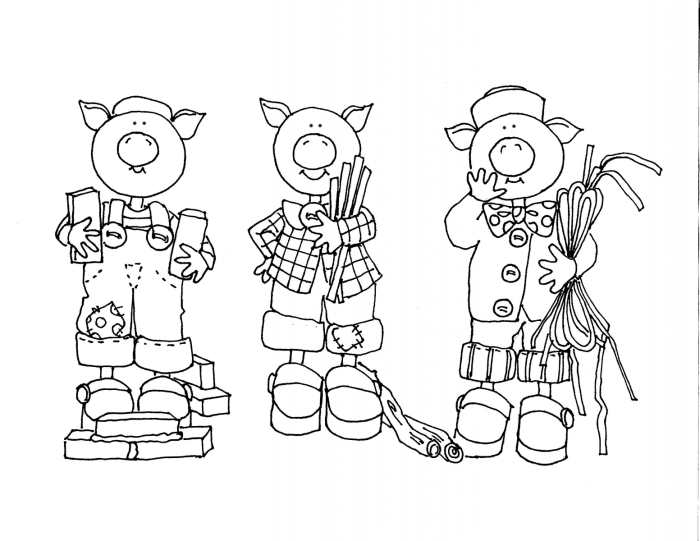
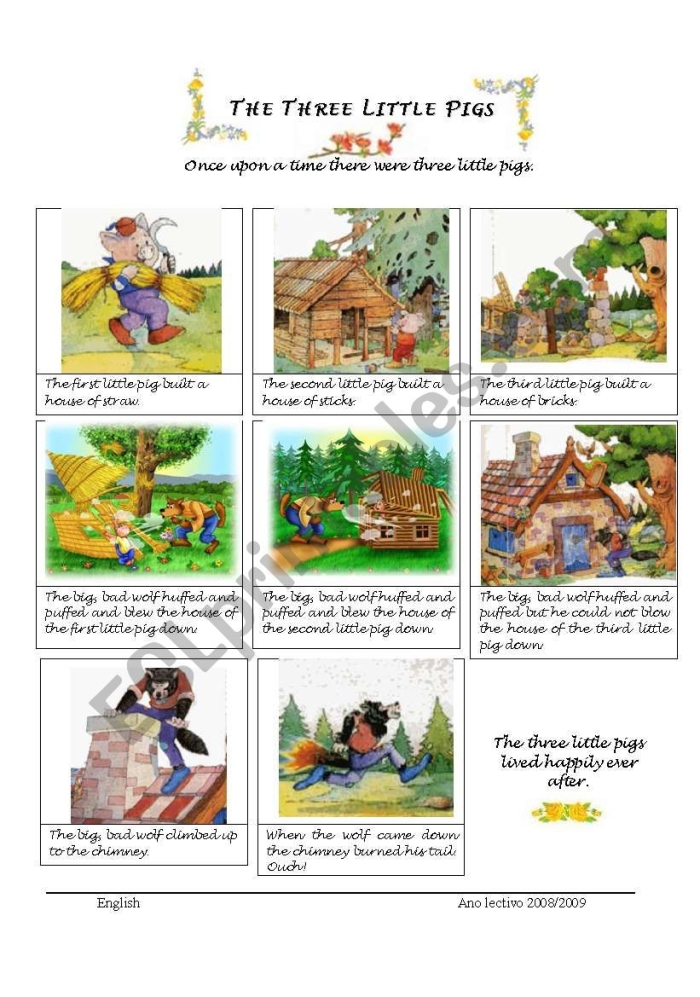
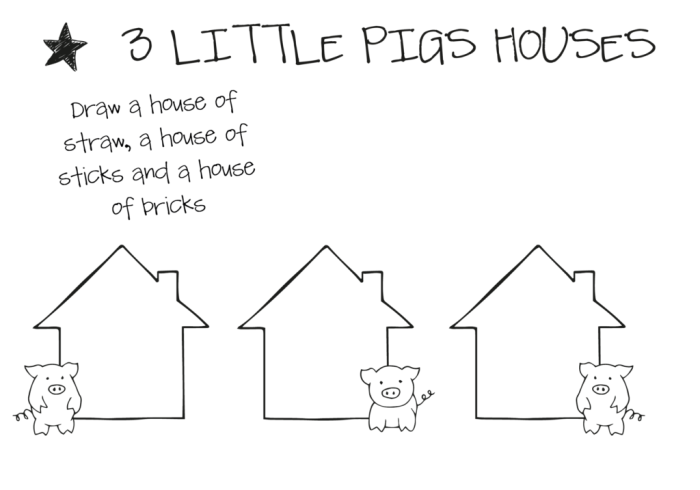
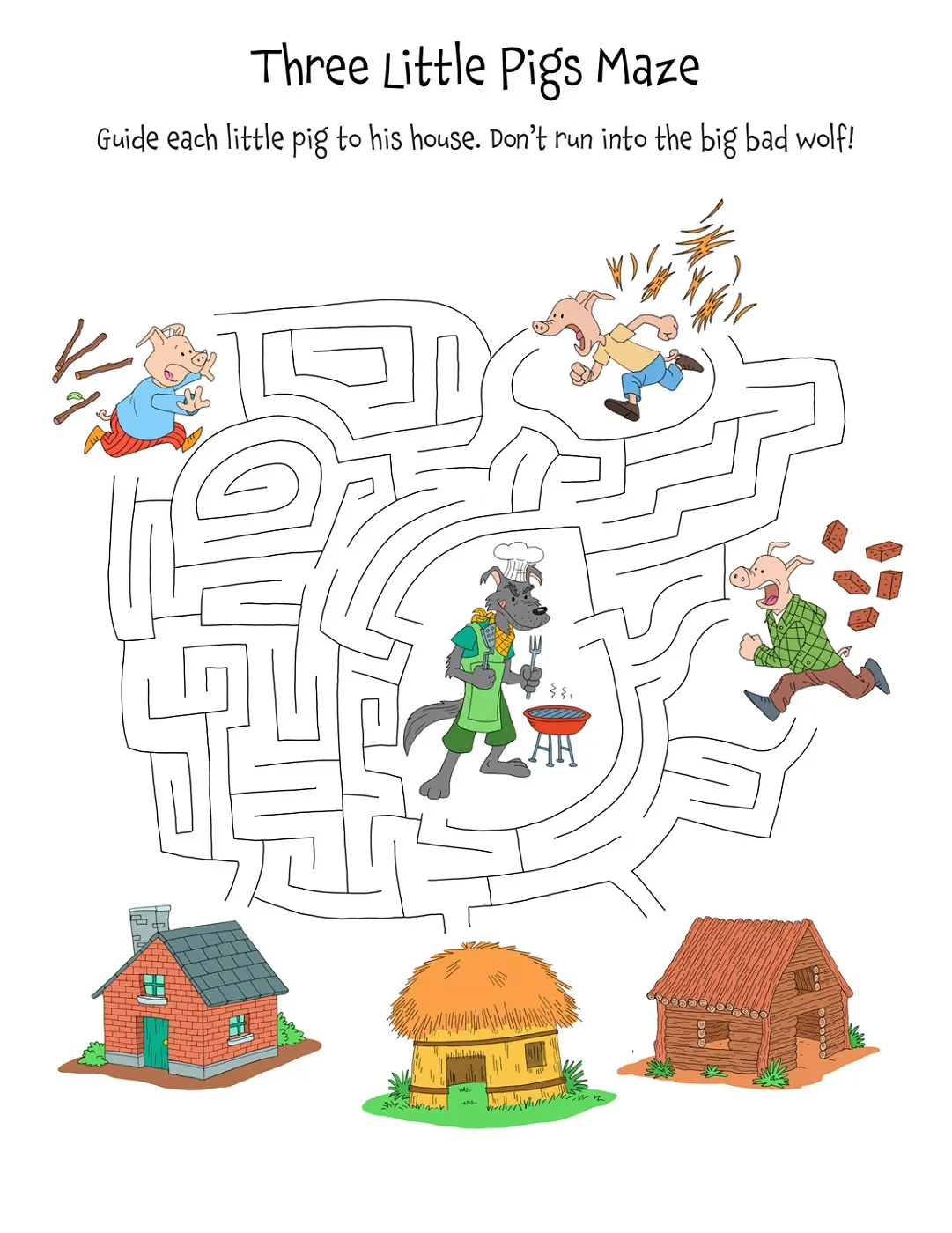
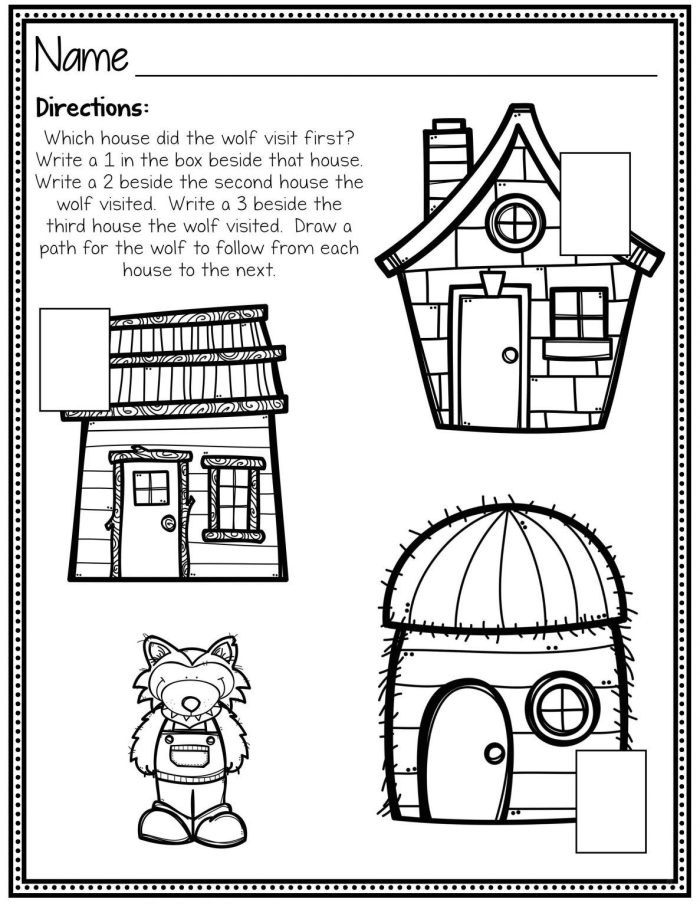
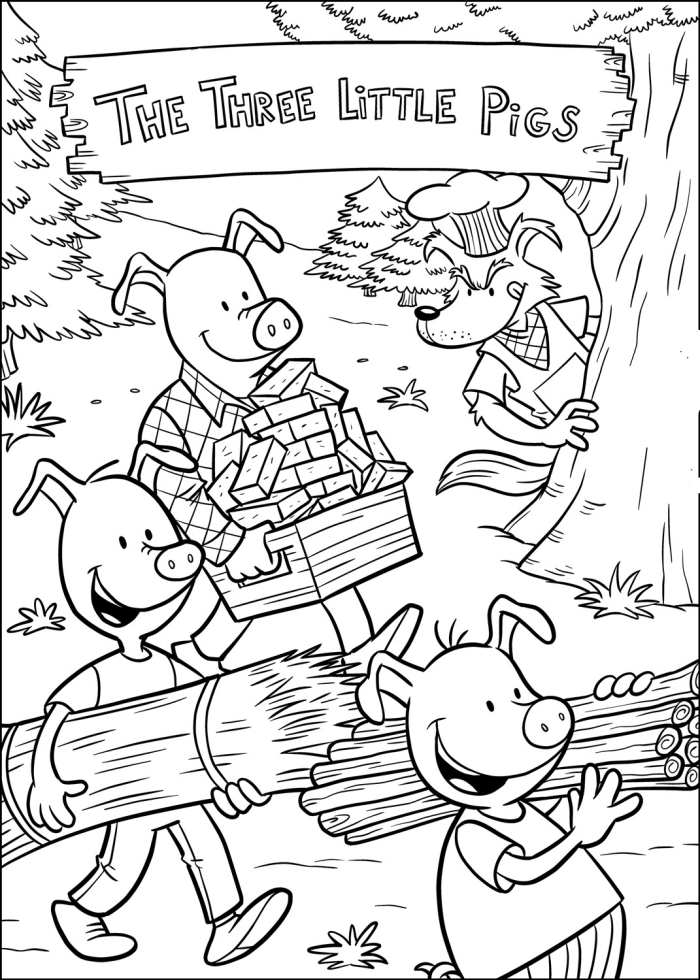
Reading the story first gives children the narrative foundation they need. The charming illustrations help them visualize each scene: the first pig’s straw house, the second pig’s wooden structure, and the third pig’s sturdy brick fortress. These visual details stick in young minds far better than words alone, making the story easier to recall when it’s time to retell it. For kindergarten learners who are still developing their literacy skills, the pictures become a roadmap for understanding the sequence of events.
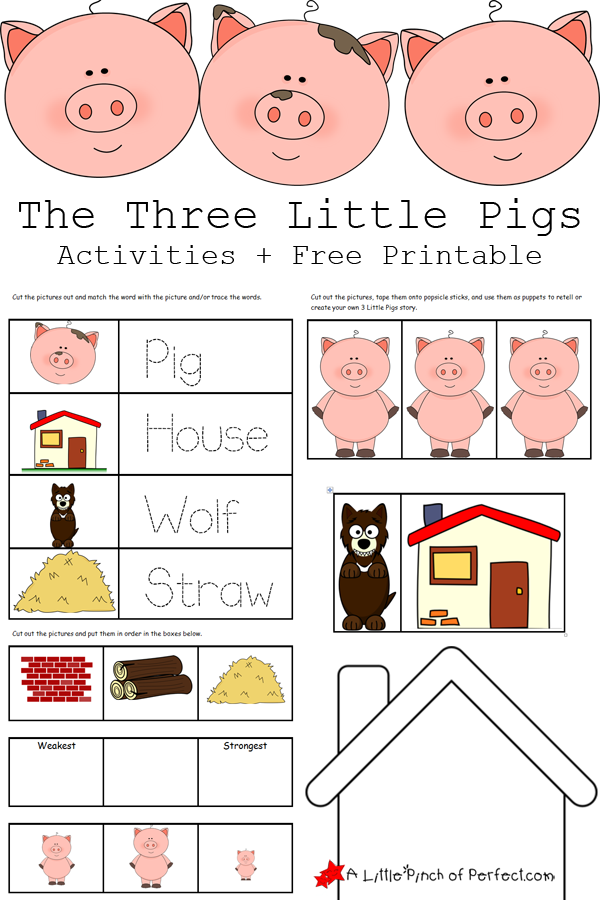
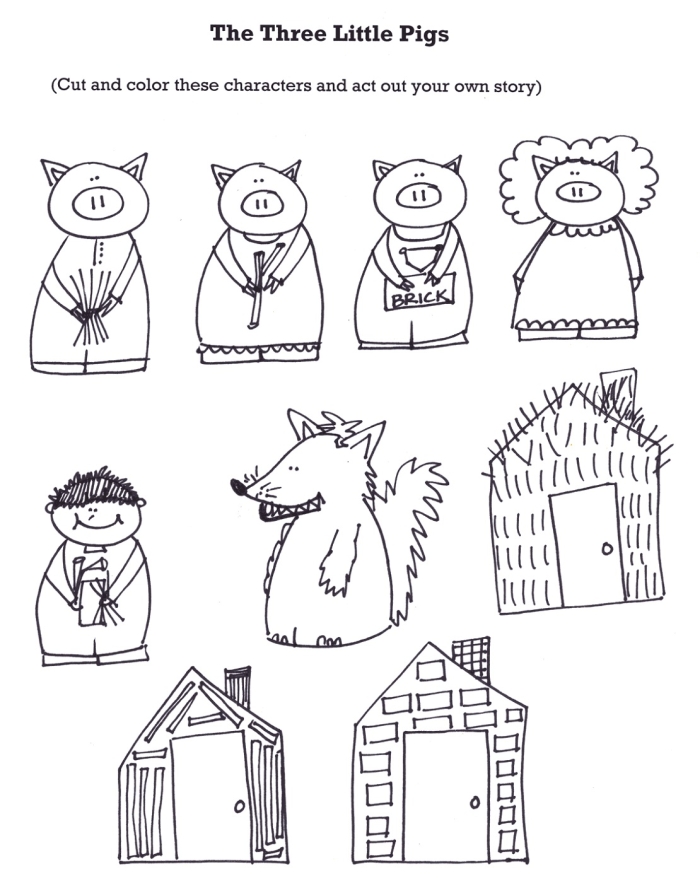
Once children know the story, the finger puppets unlock a whole new level of engagement. Using their hands to move the characters around, they practice language naturally. They experiment with different voices for the wolf and the pigs, developing speech patterns and confidence in expressing themselves. This hands-on approach to storytelling strengthens spelling and language awareness too, as they hear and repeat key words from the tale.
The retelling phase matters because it reinforces comprehension and gives children ownership of the narrative. They’re not just passive listeners anymore. They become the storytellers, which means they’re thinking about what happens next, why characters make certain choices, and how to convey emotion through their puppet characters.
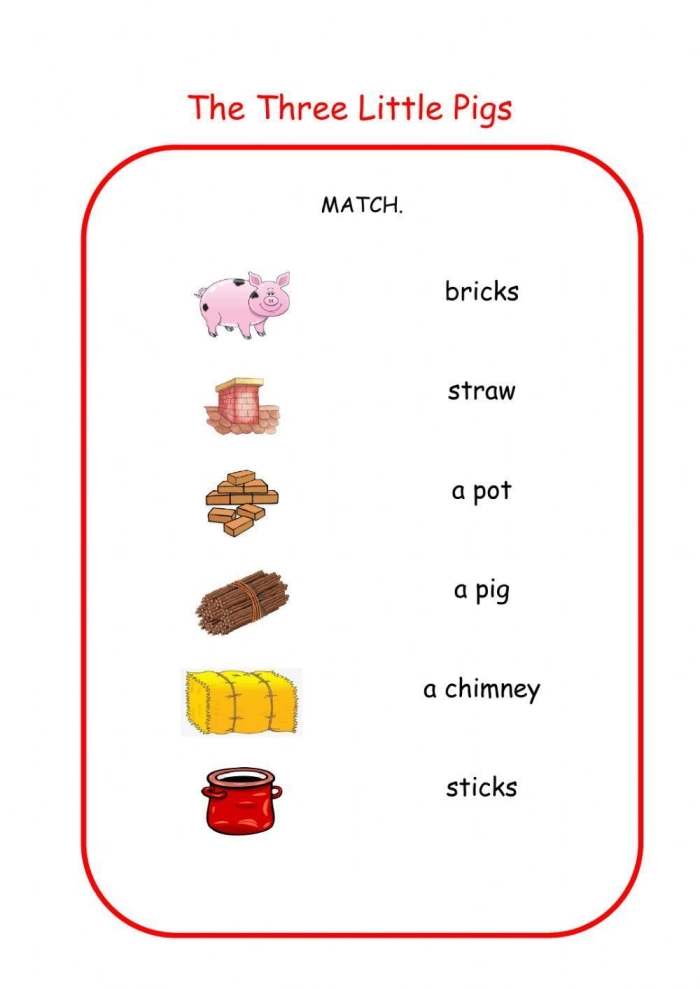
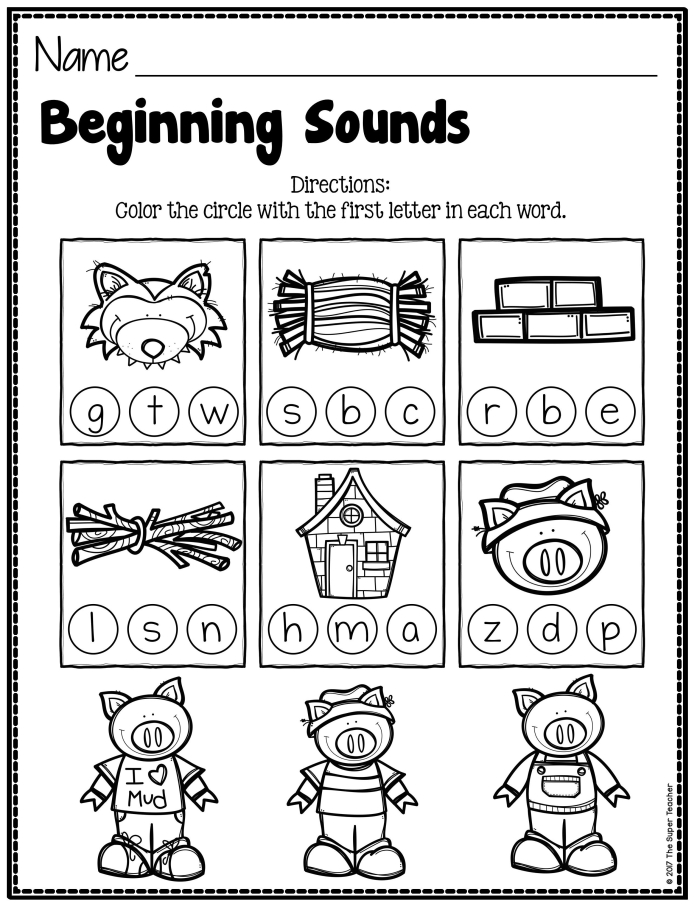
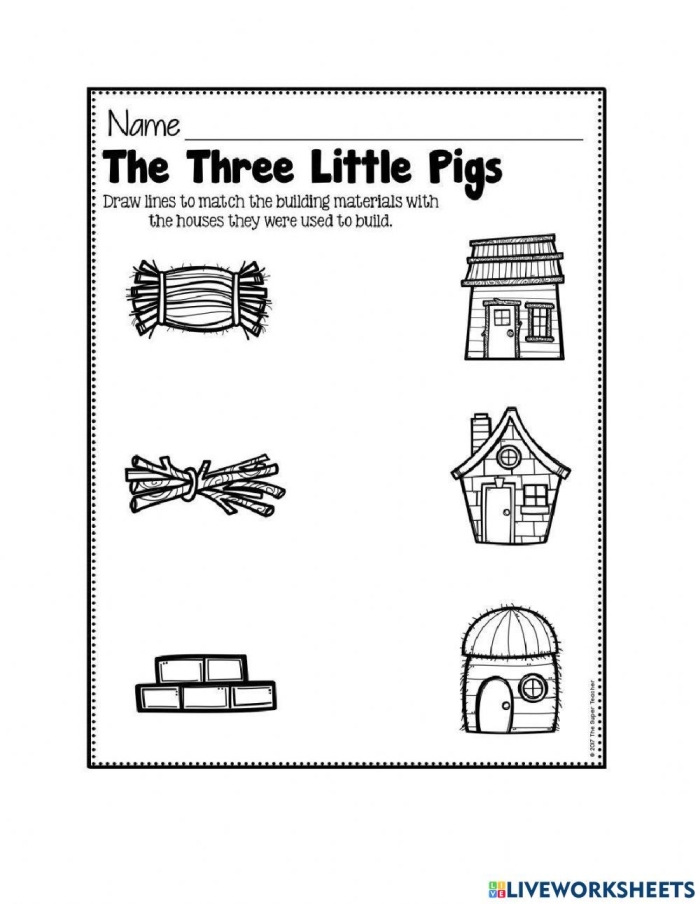
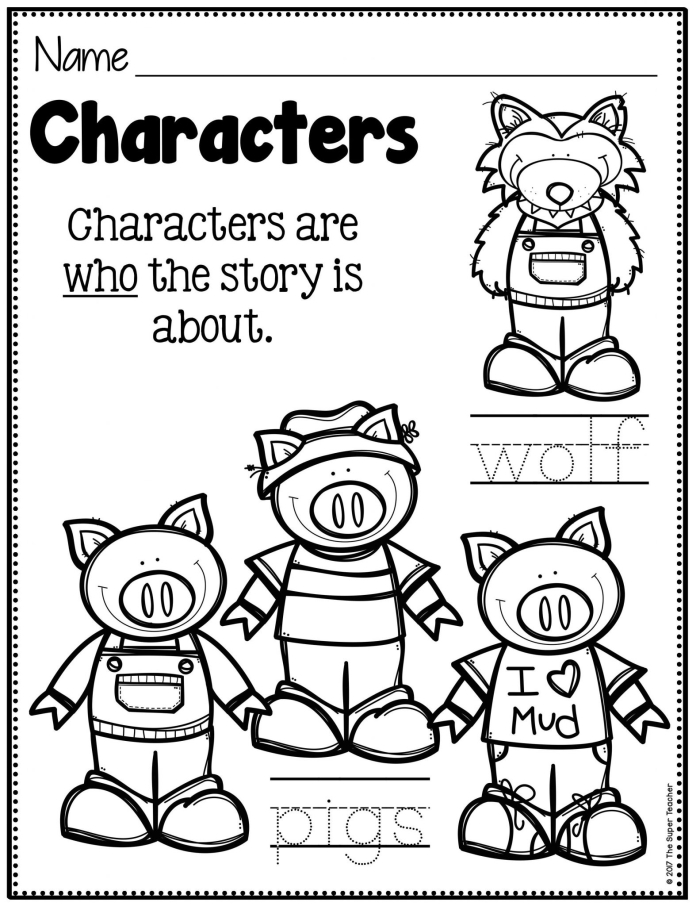
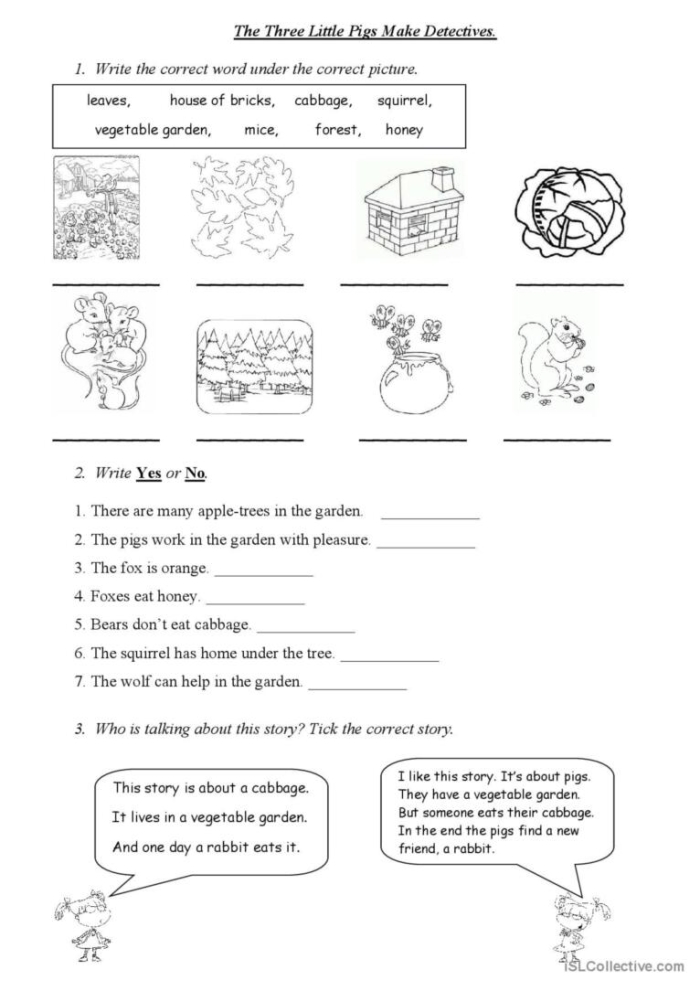
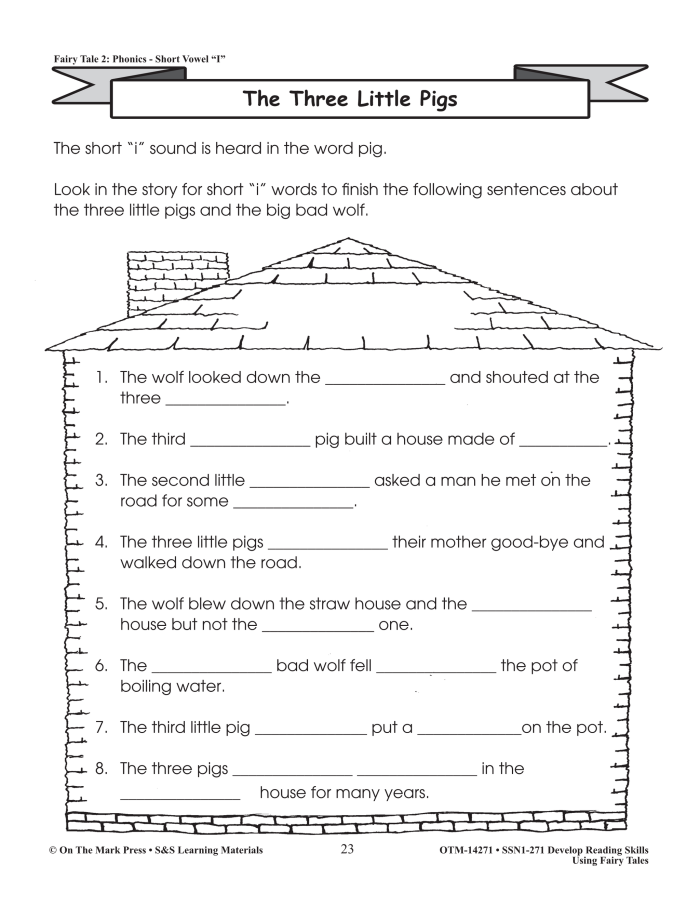
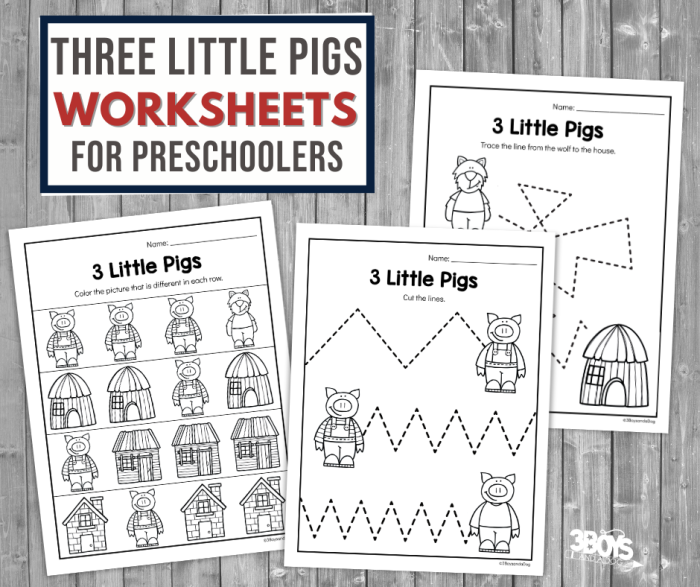
If you’re looking to extend learning beyond the story itself, consider pairing this activity with worksheets that build related skills. Resources like long vowel sound practice or measurement activities can reinforce foundational concepts while keeping the learning playful and connected to storytelling.
Download These Worksheets for Practice