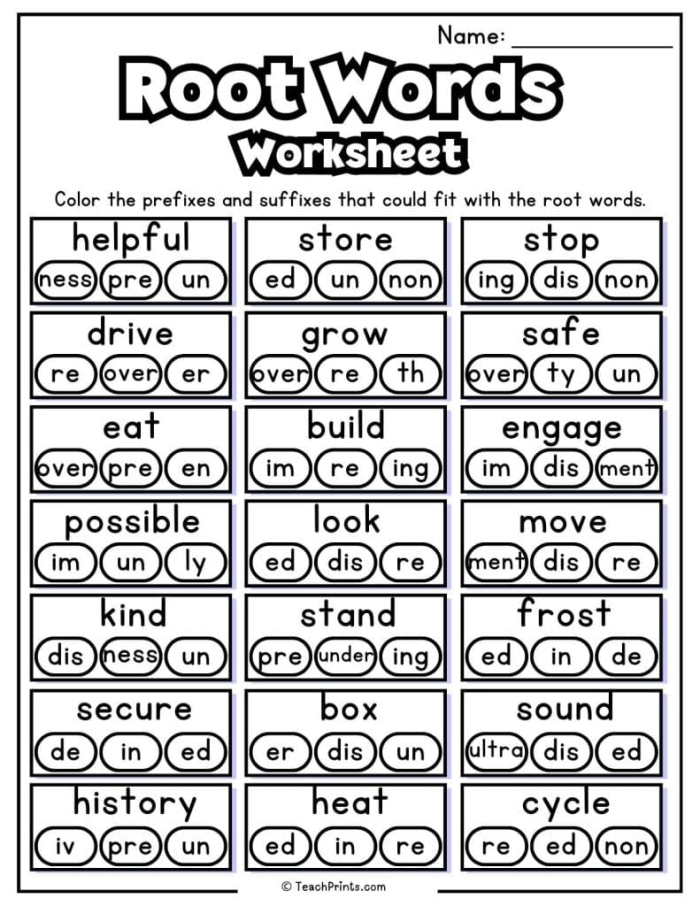
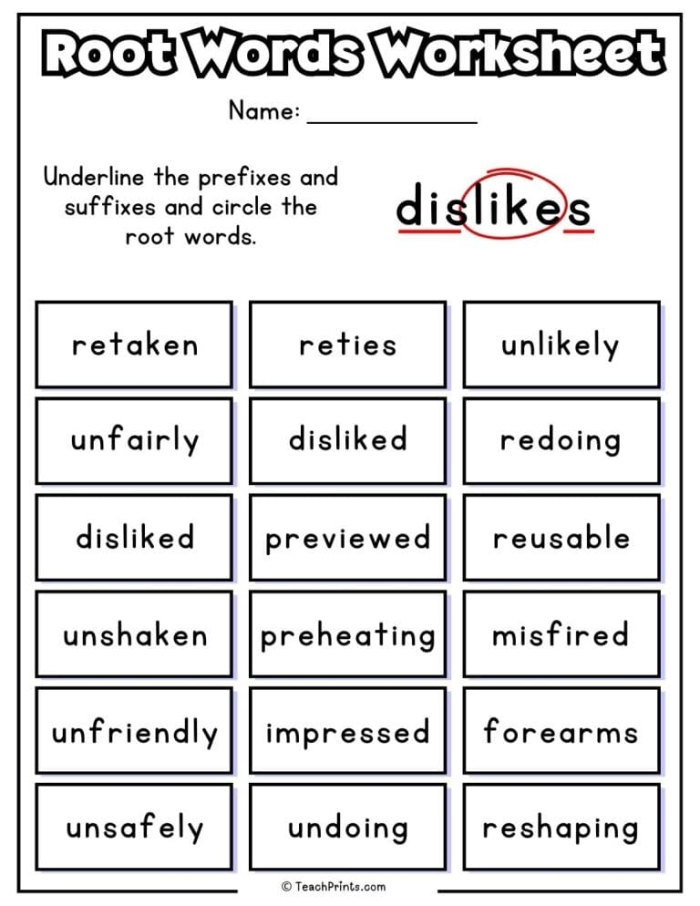
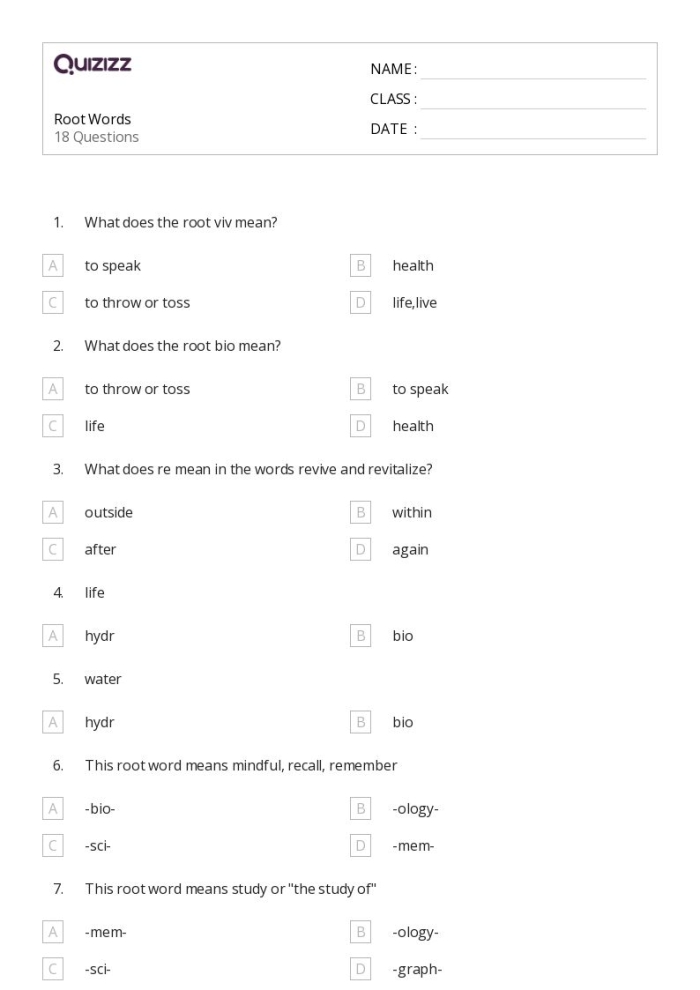
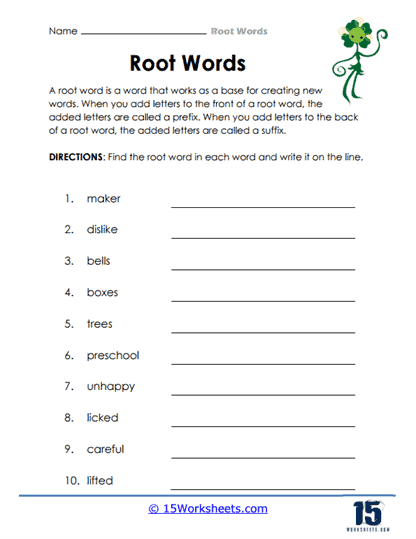
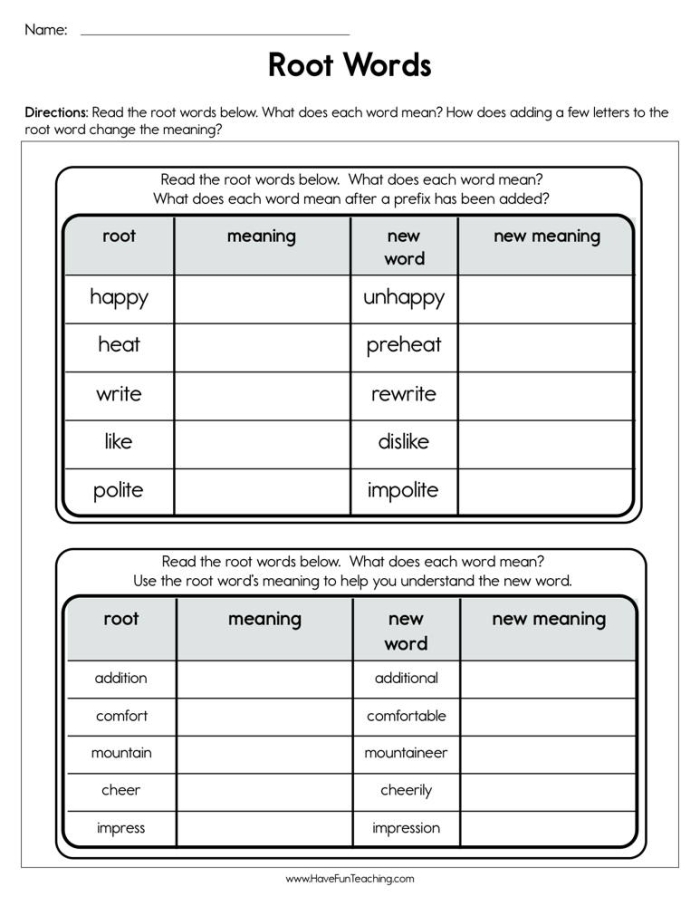
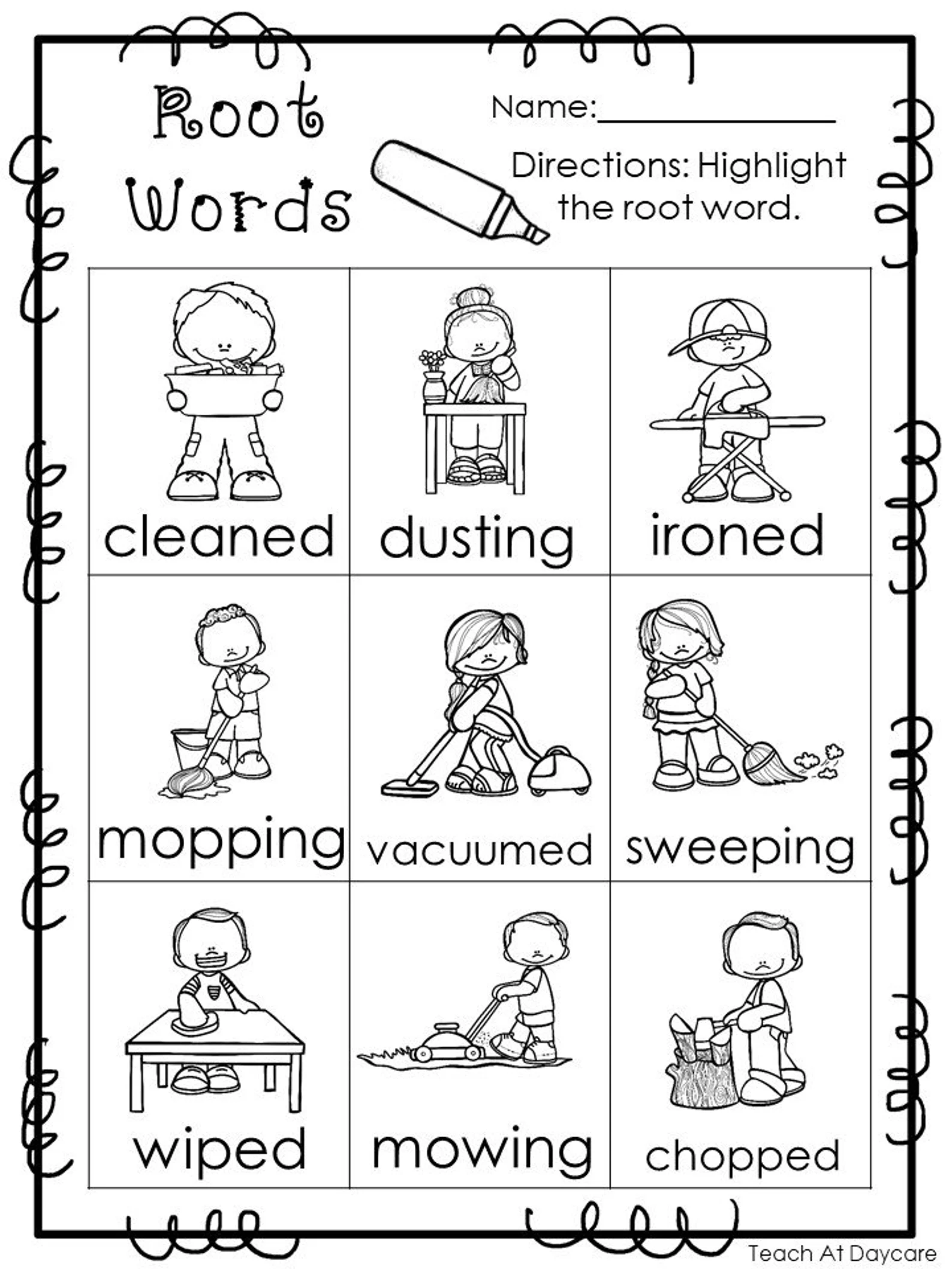
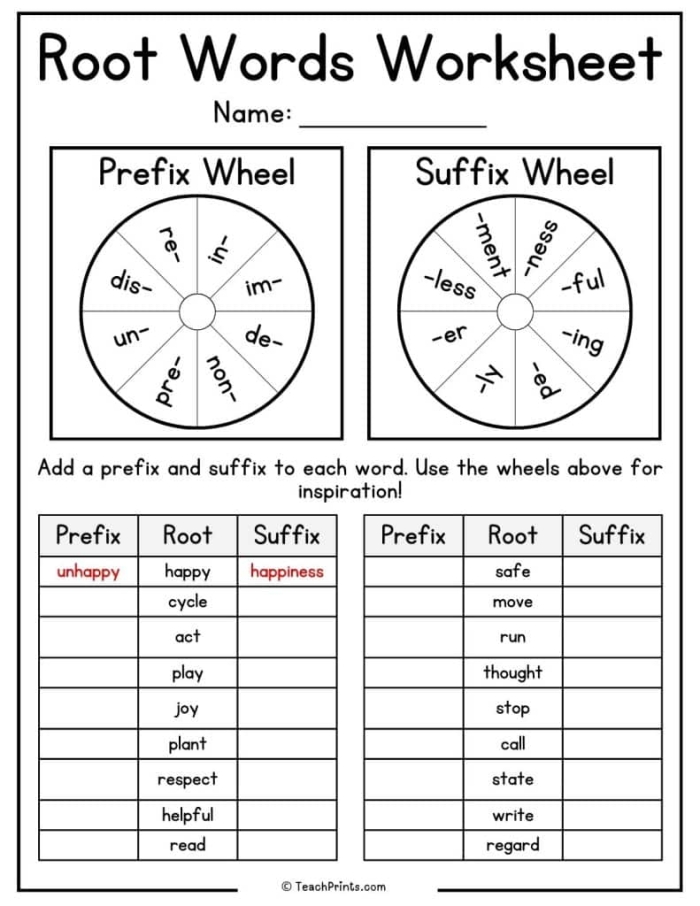
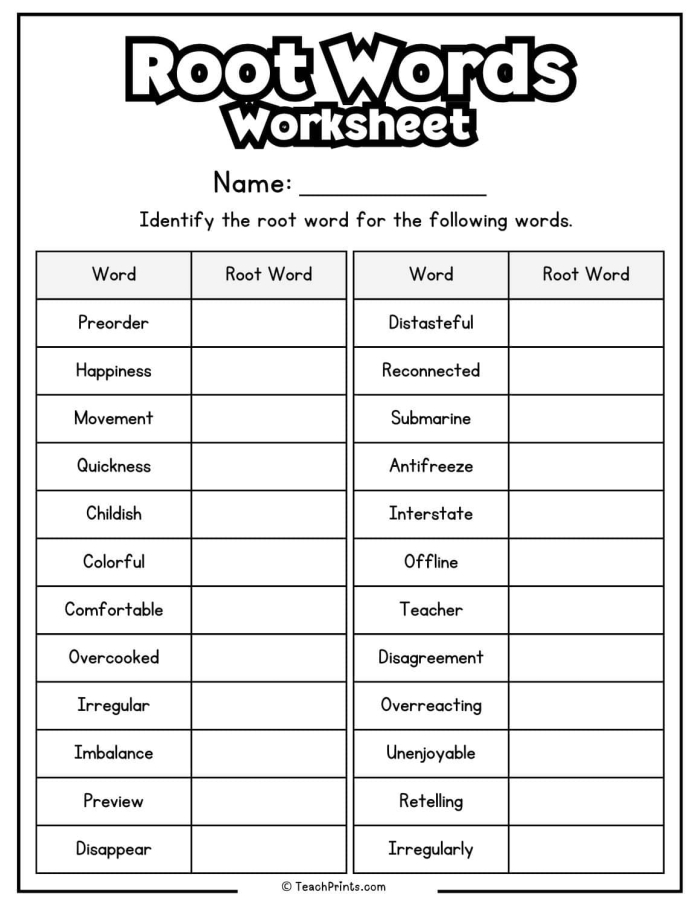
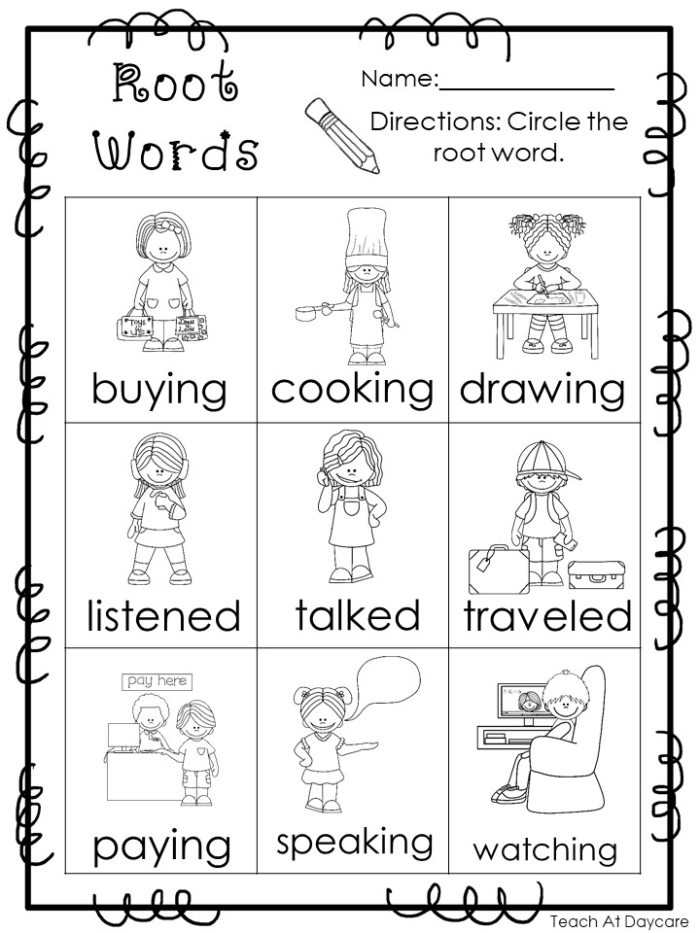
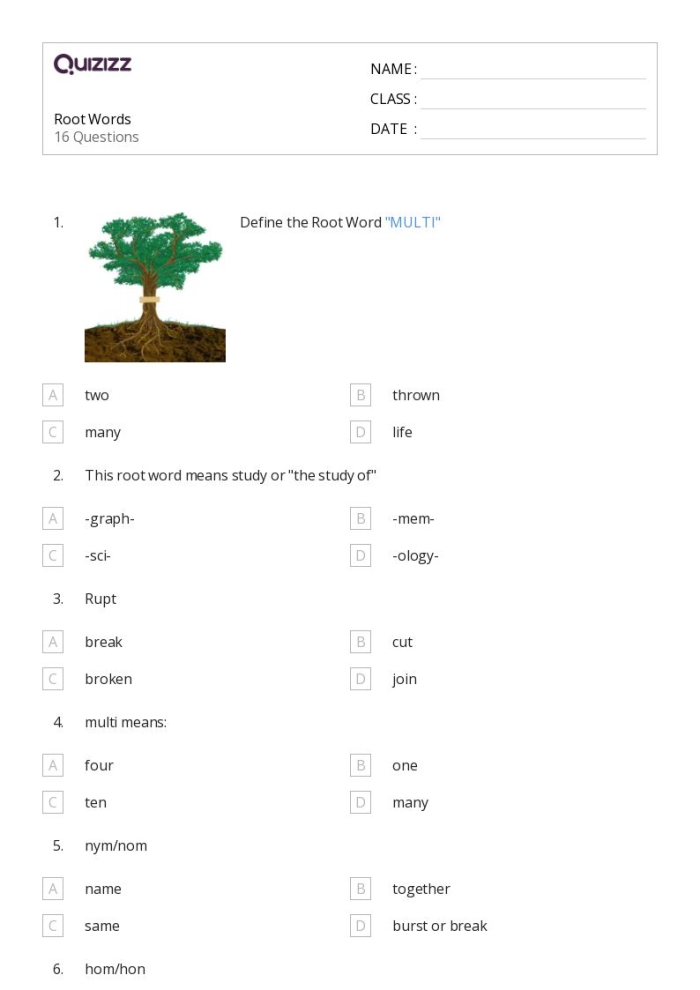
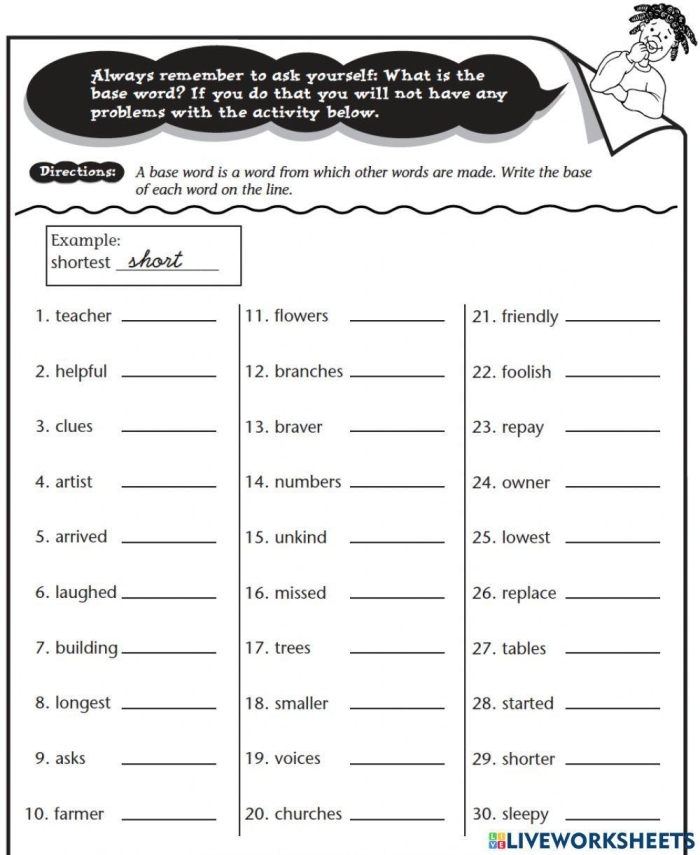
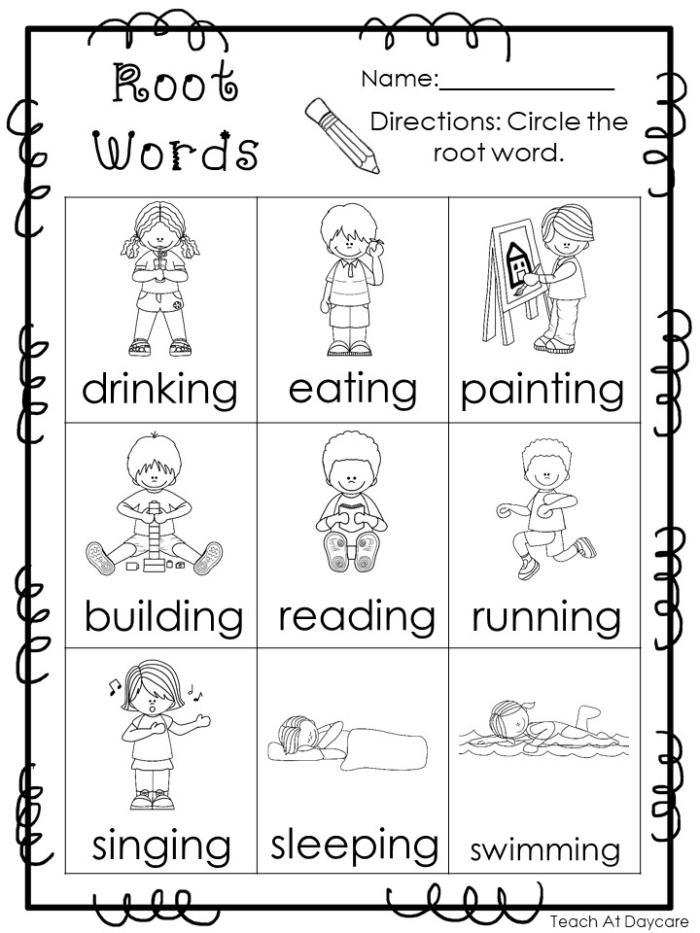
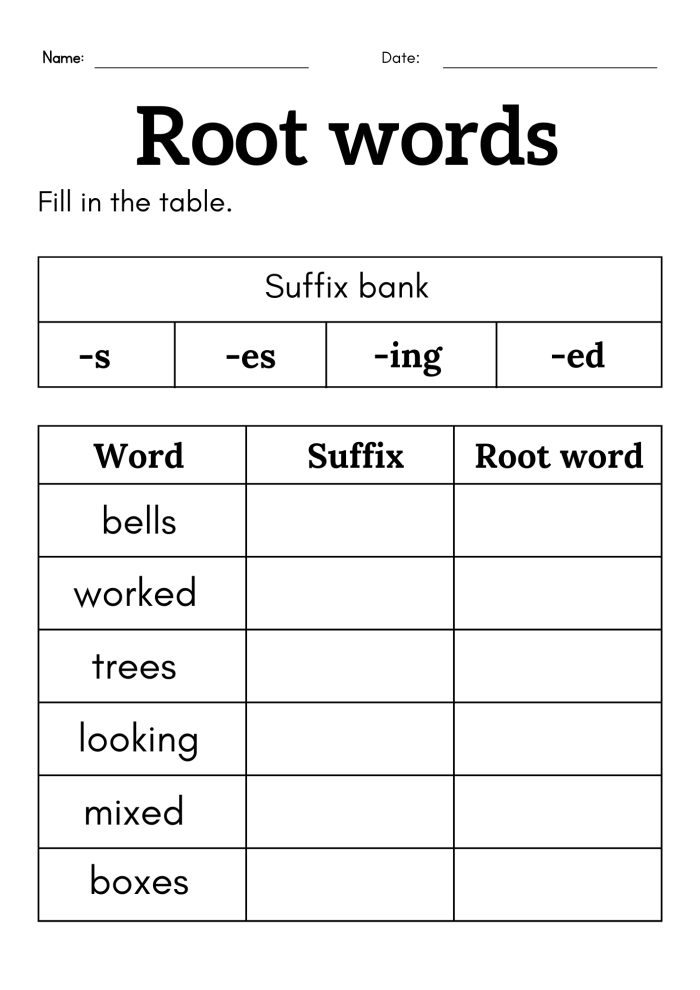
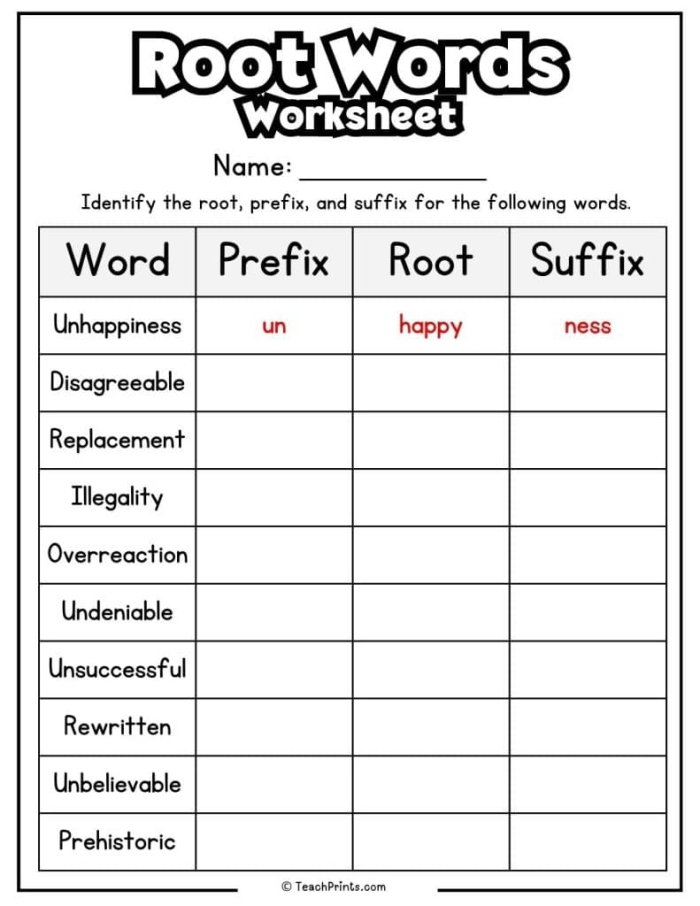
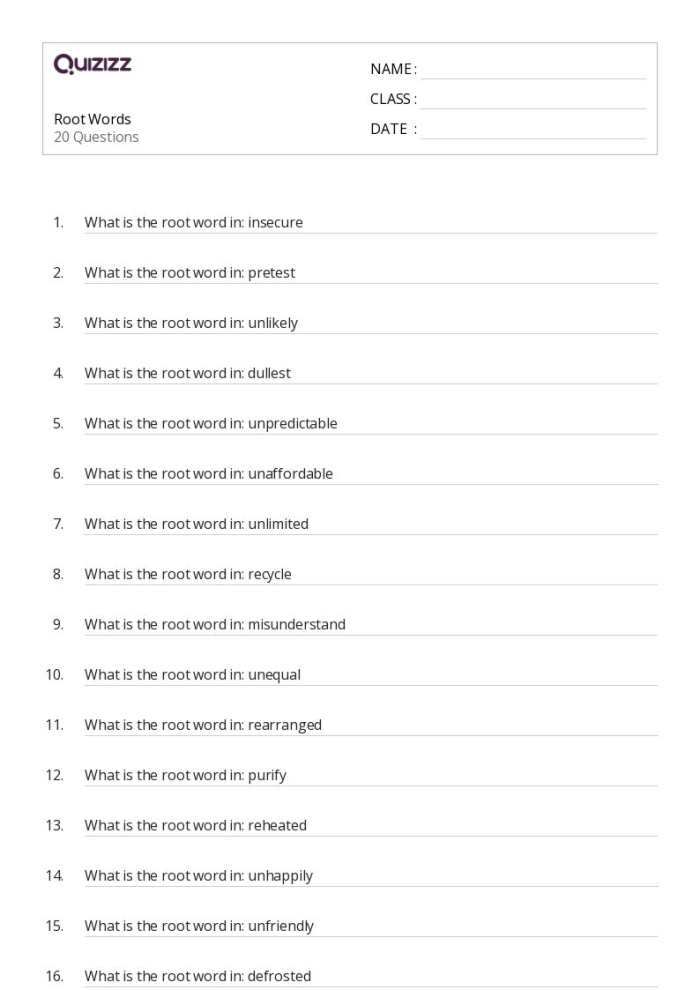
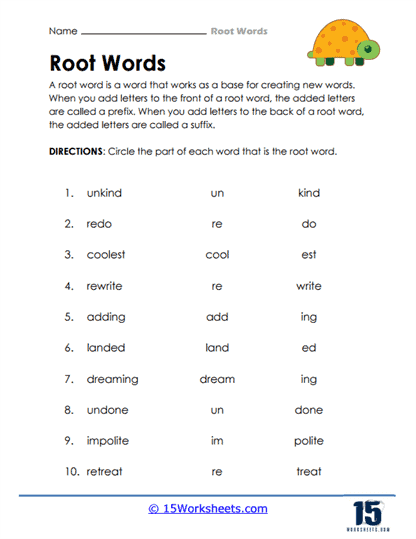
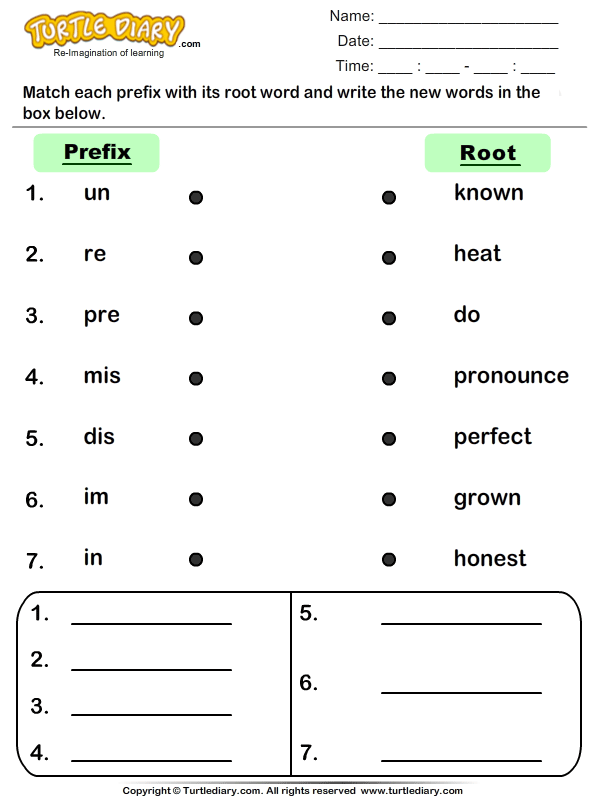
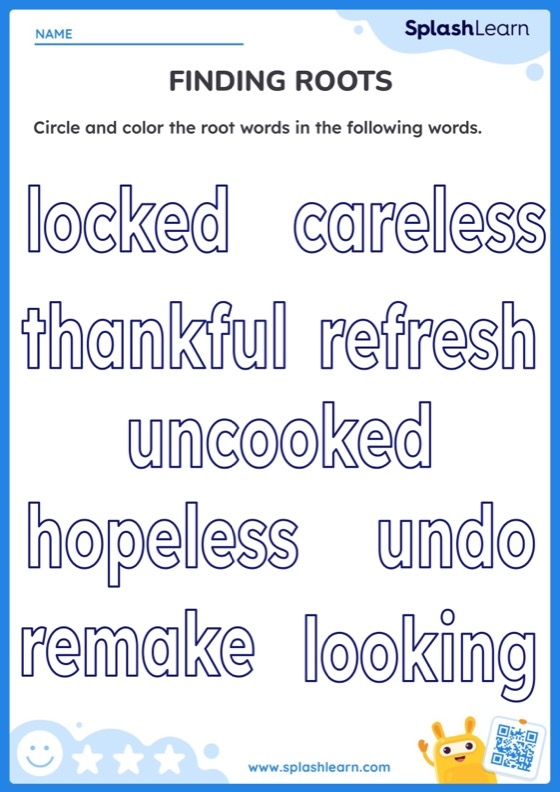
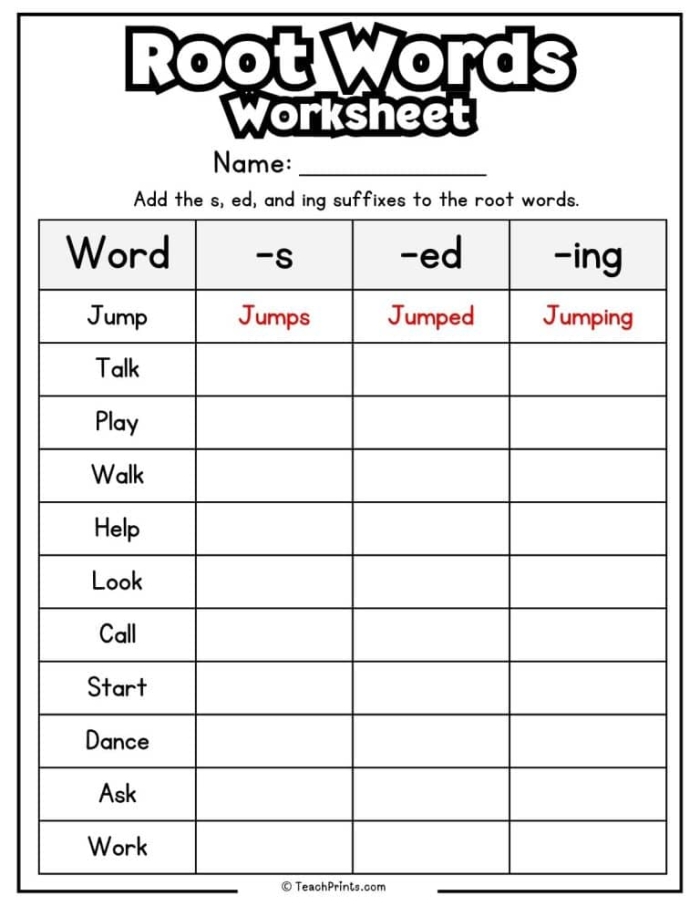
Root words form the foundation of how students build vocabulary, yet many fifth graders encounter them as isolated lists rather than living, dynamic parts of language. When you introduce root words through active, engaging exercises, students start recognizing patterns that unlock meaning across dozens of words they’ll encounter in reading and writing.
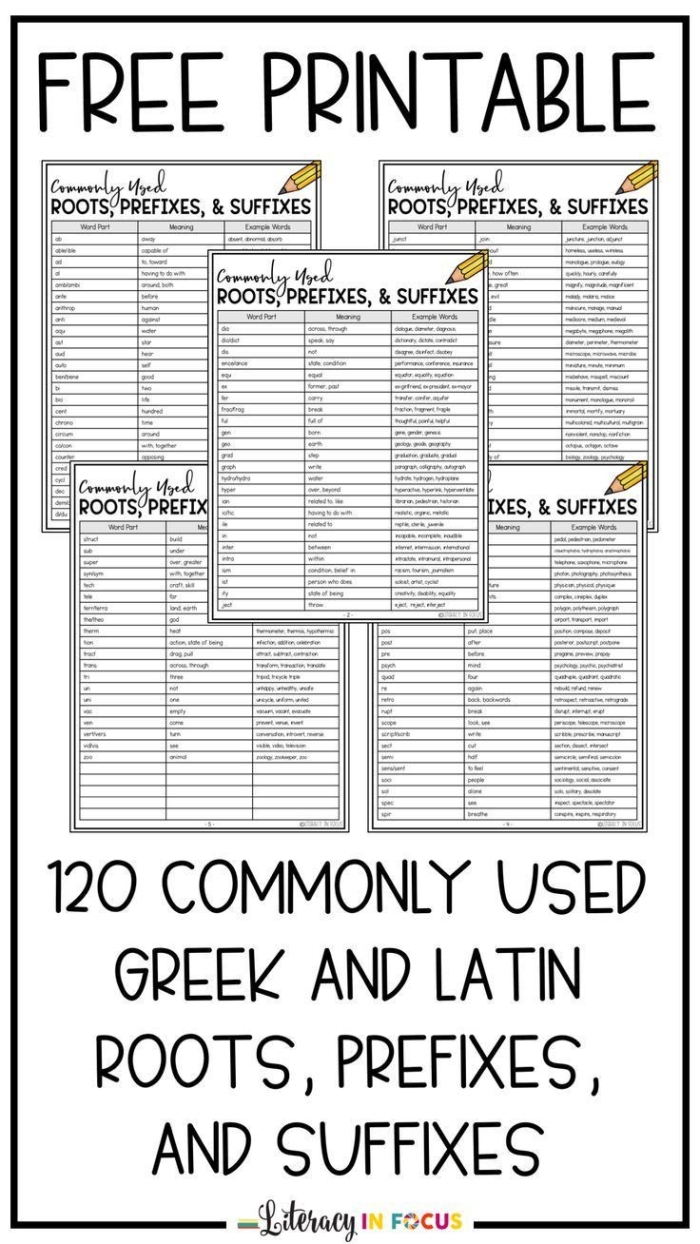
The power of this approach lies in how it connects to everything else students learn. Once a fifth grader understands that “port” means to carry, suddenly words like transport, import, export, and portable all make sense. This isn’t just vocabulary memorization, it’s a system that keeps working for them. They begin predicting word meanings before reaching for a dictionary, which builds confidence and independence in reading.
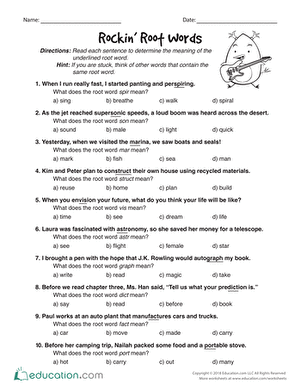
When you structure root word practice as an active exercise rather than a worksheet drill, engagement shifts dramatically. Students respond to activities that feel like challenges or games rather than rote repetition. This rockin’ approach can be paired with other literacy work your class is already doing. For instance, if you’re working on figurative language and other reading skills, you can weave root word discovery into those same texts.
The connection between root words and other academic areas strengthens learning too. When fifth graders encounter words in math contexts, like terms used in multiplication word problems, understanding root words helps them parse meaning from complex sentences. Even seemingly unrelated activities, like critical thinking exercises, benefit when students can quickly decode unfamiliar vocabulary.
The real payoff comes when students realize they’re not just learning words, they’re learning how language itself works. That’s when vocabulary becomes something they own rather than something they’re forced to memorize.
Start Practicing with These Worksheets