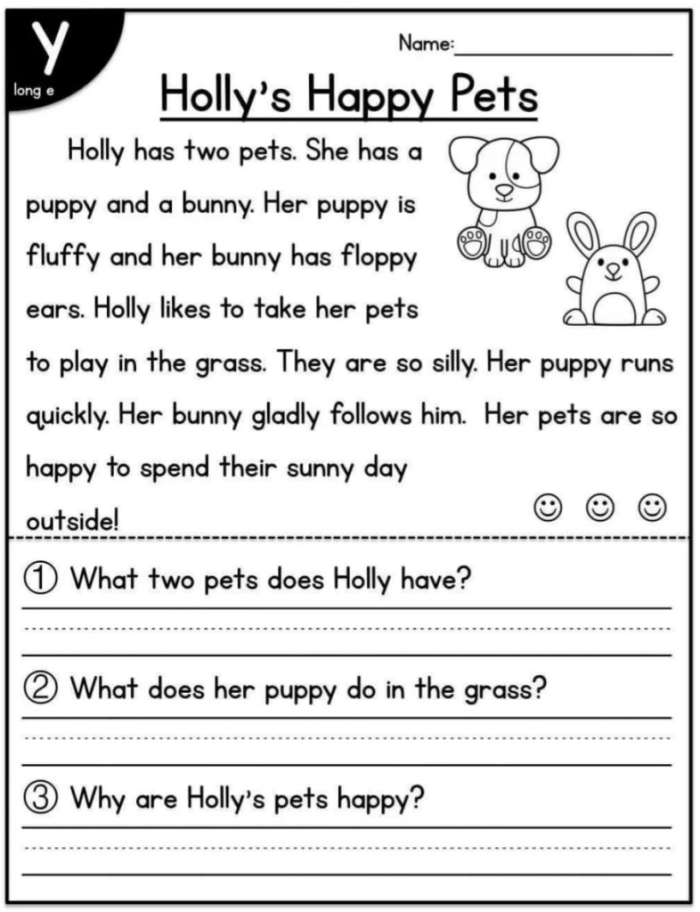
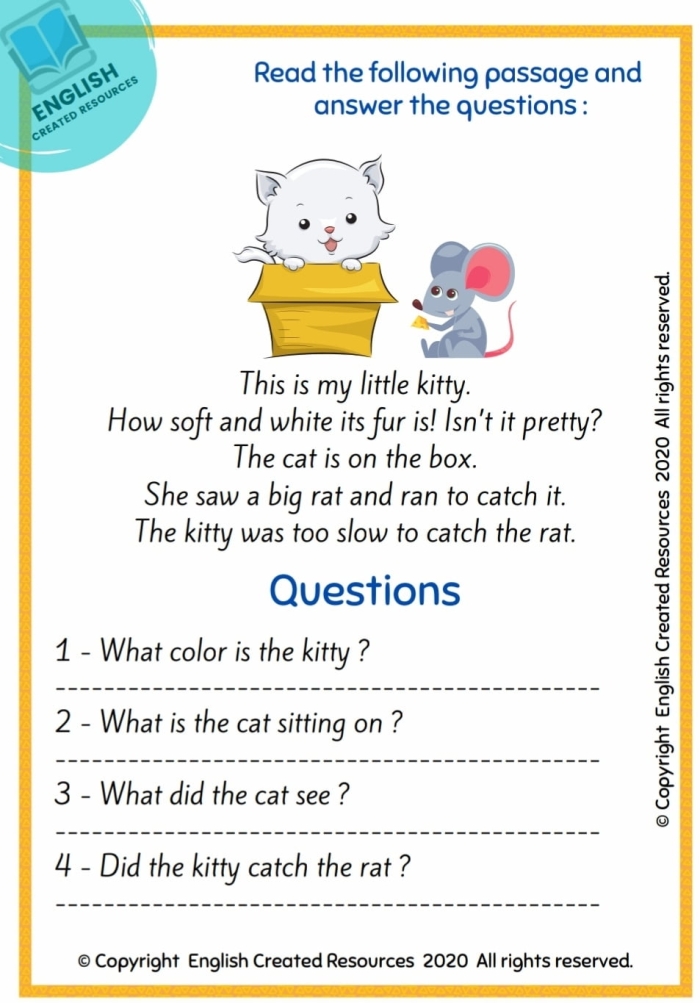
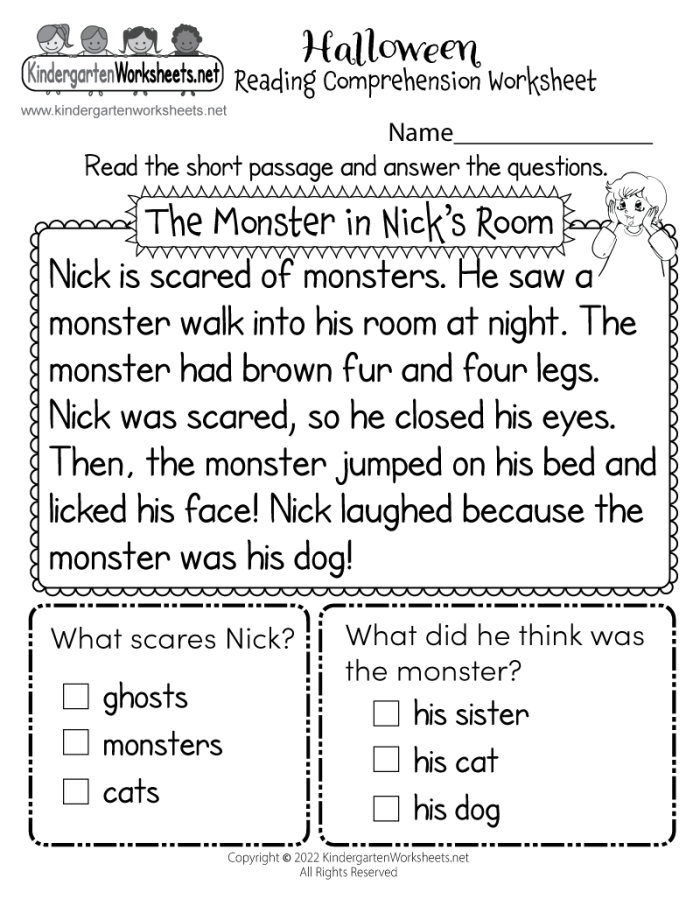
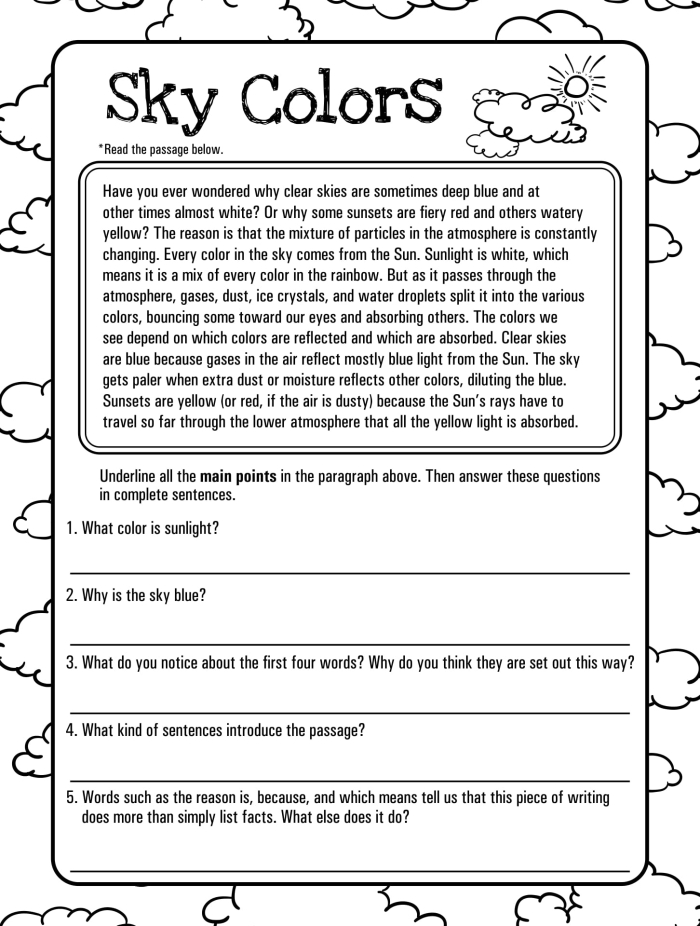
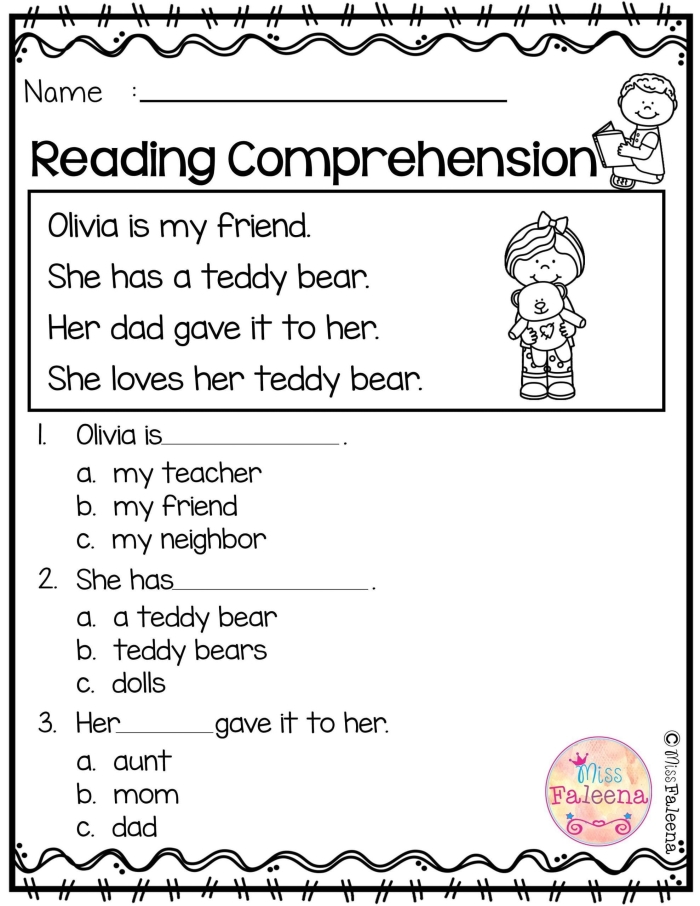
Reading a complete story and responding to comprehension questions forces students to slow down and actually process what they’re reading. This approach works because it mirrors how real reading happens: you encounter a narrative, absorb its details, and then reflect on what you’ve understood.
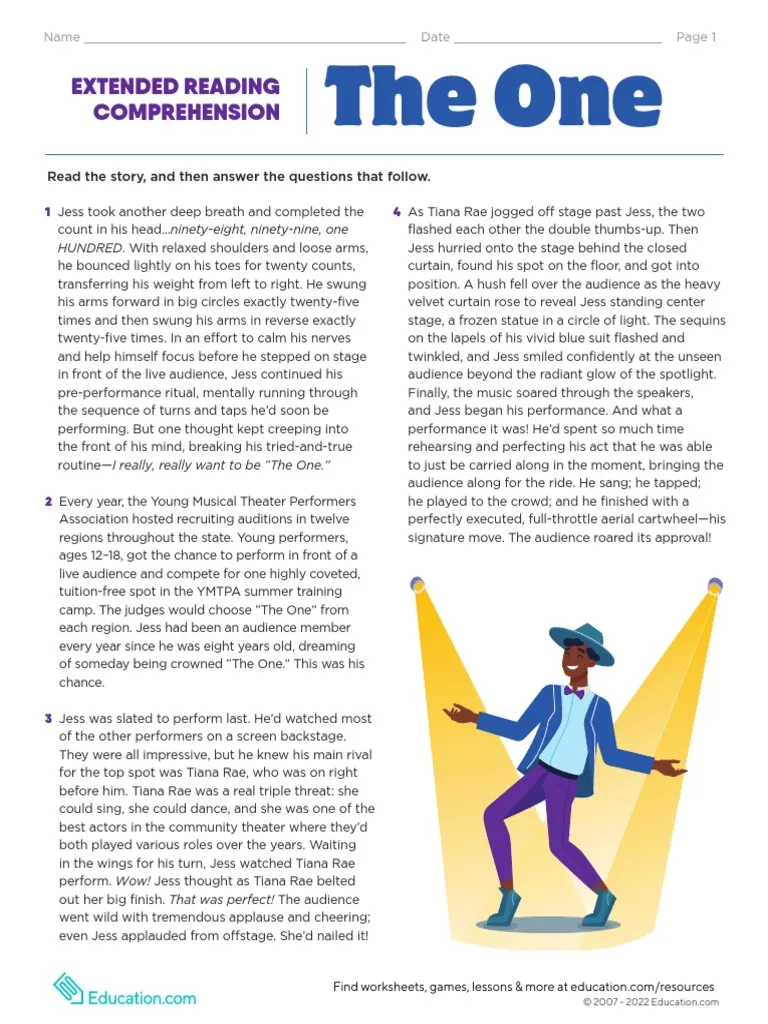
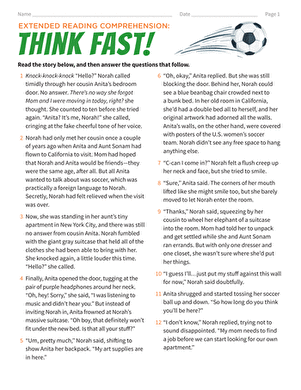
A two-page story provides the right length for sixth grade students. It’s long enough to contain meaningful plot development, character interactions, and themes worth discussing, but short enough to hold attention without overwhelming younger readers. The original format matters too. When students work with stories written specifically for comprehension practice, the content is designed with their reading level in mind, making vocabulary and sentence structure appropriately challenging without becoming frustrating.
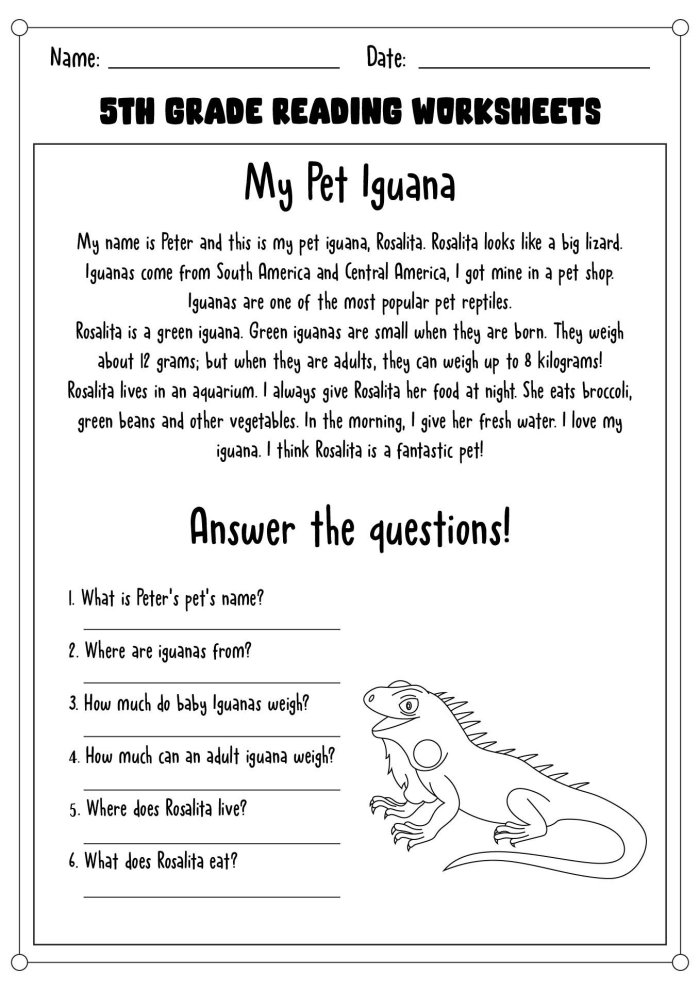
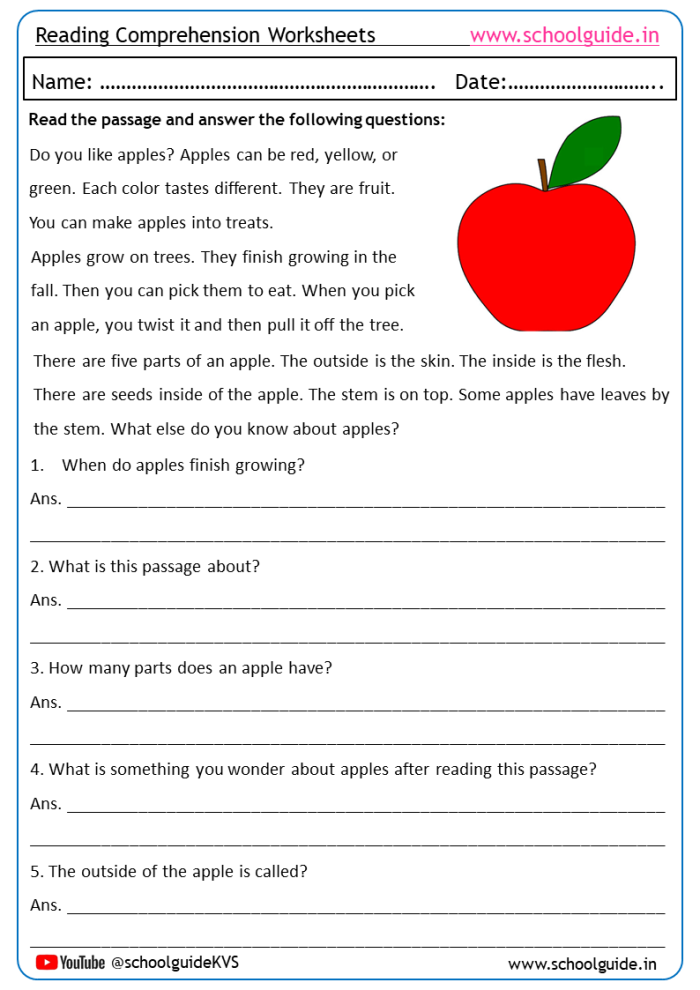
The questions that follow serve a specific purpose: they force students to identify key details, track character motivations, understand cause and effect, and make inferences. These aren’t just busywork. Research on reading instruction shows that answering comprehension questions immediately after reading strengthens memory retention and deepens understanding of the material.
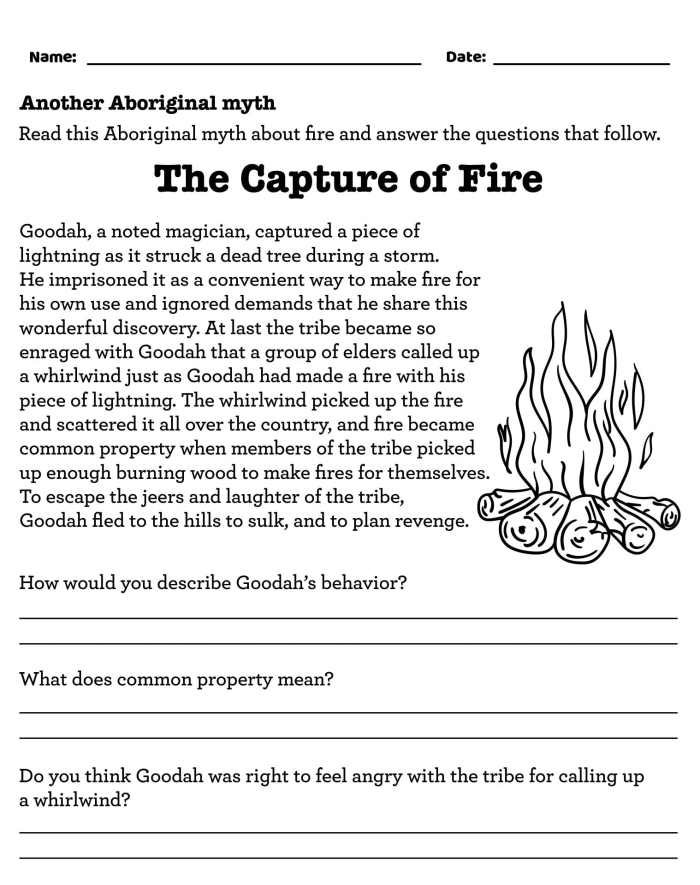
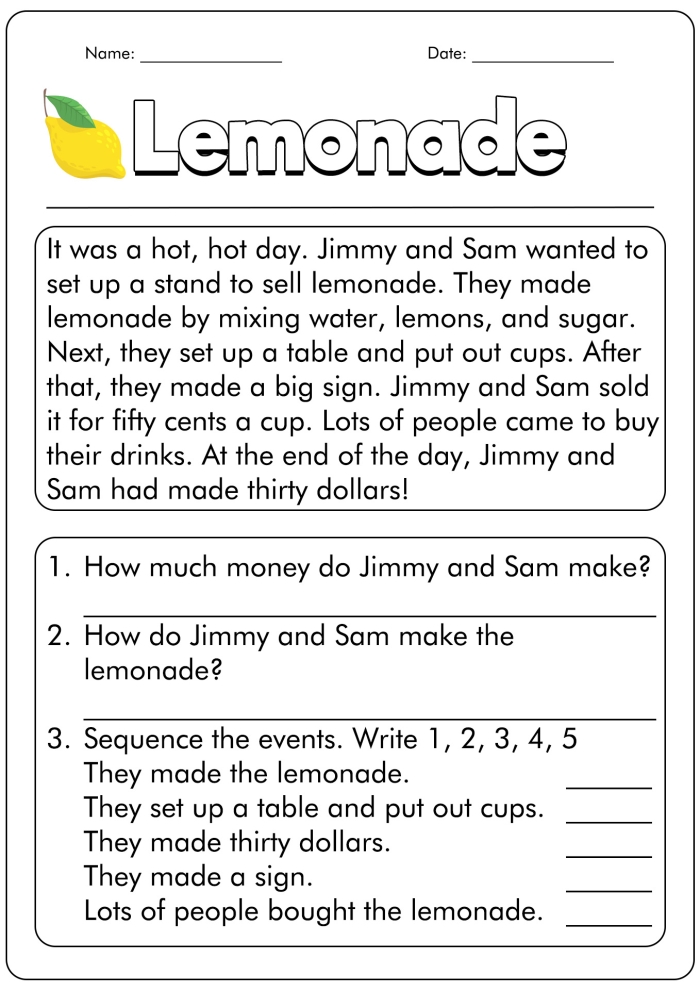
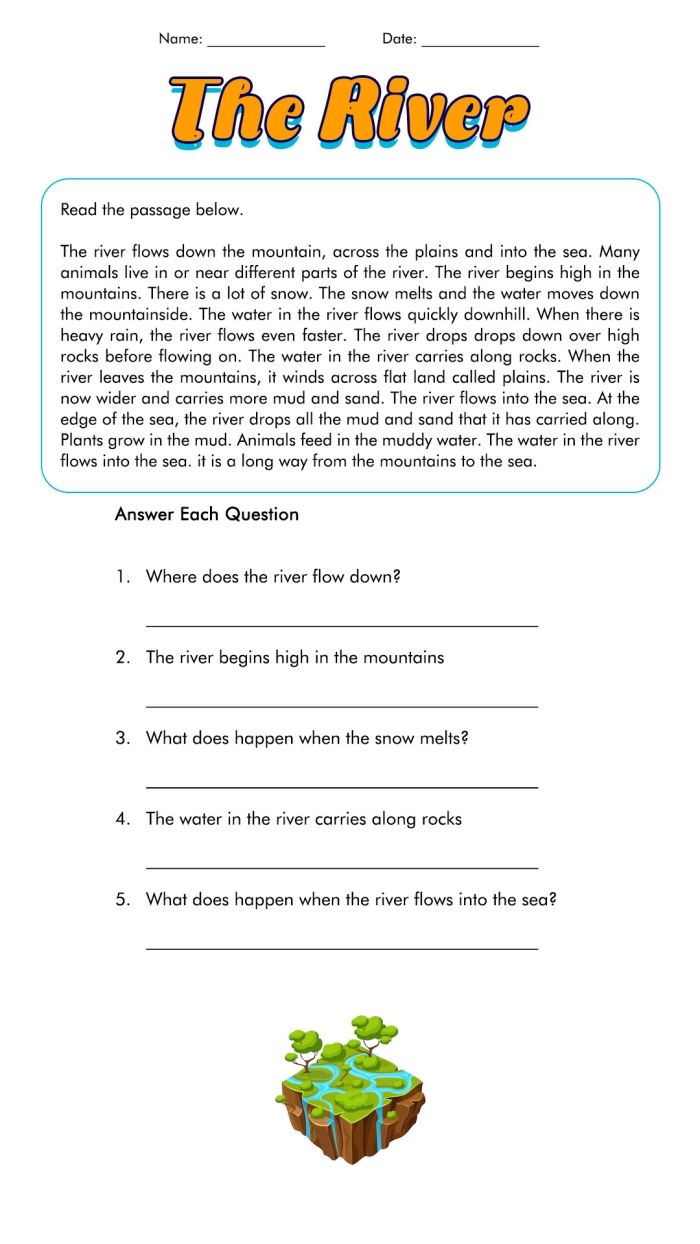
What makes this approach particularly effective is that it works across different subjects and skill levels. Whether you’re using a story about weather phenomena and natural disasters or incorporating classic narratives with sequencing activities, the core structure remains the same: read, then respond.
For sixth grade classrooms, this method builds confidence in students who struggle with reading while keeping stronger readers engaged through thoughtful question design. The two-page format also fits naturally into classroom schedules, allowing teachers to use these activities as warm-ups, independent practice, or assessment tools without requiring extensive class time.
Use These Worksheets Today