The ground beneath your feet is constantly shifting, breaking down, and moving in ways you might not notice. Over years and centuries, mountains crumble, valleys form, and entire landscapes transform. Two natural forces drive these changes: weathering and erosion. Understanding how these processes work helps us see the earth as a dynamic, living system rather than something fixed and permanent.
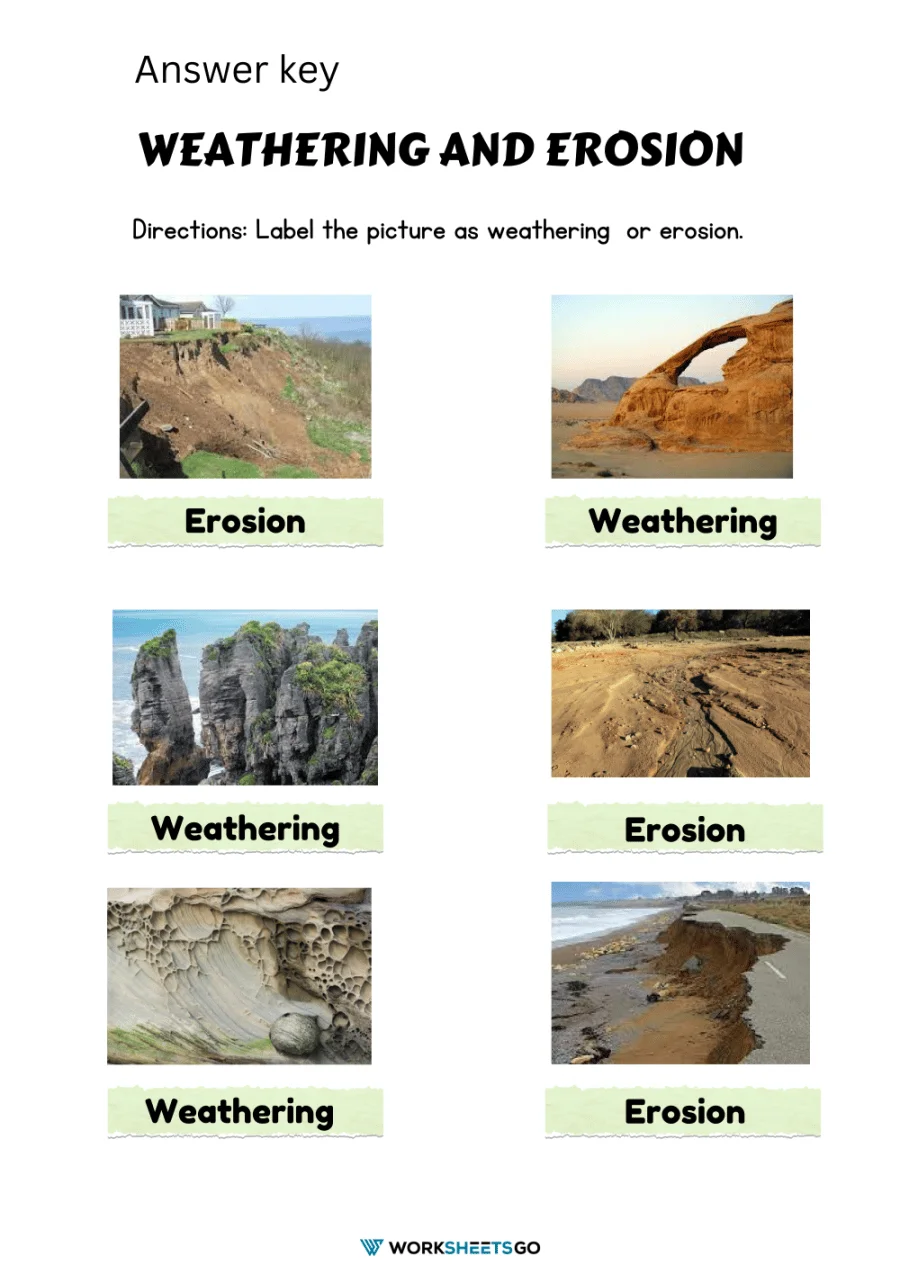
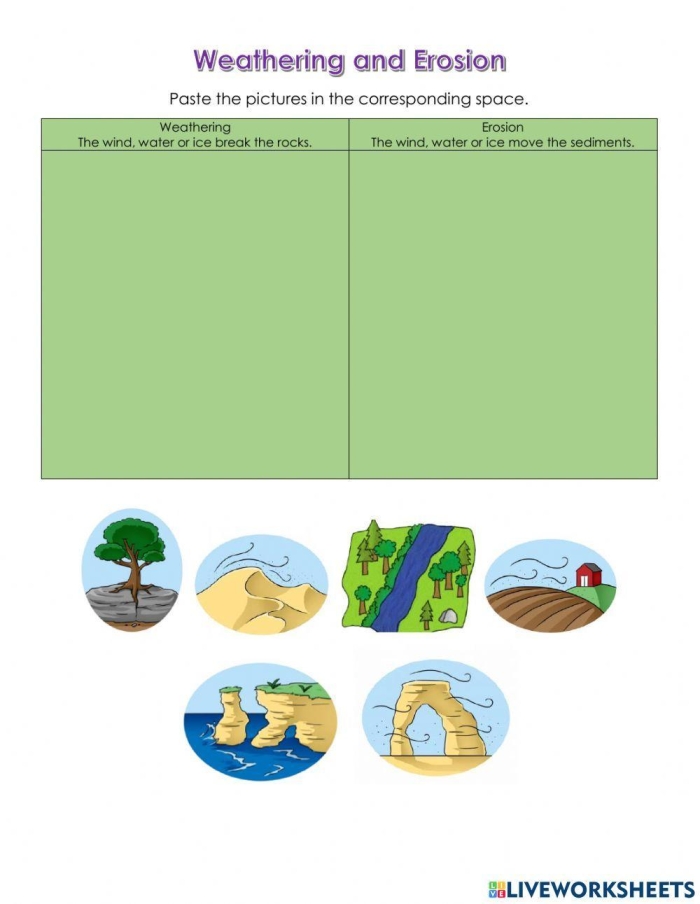
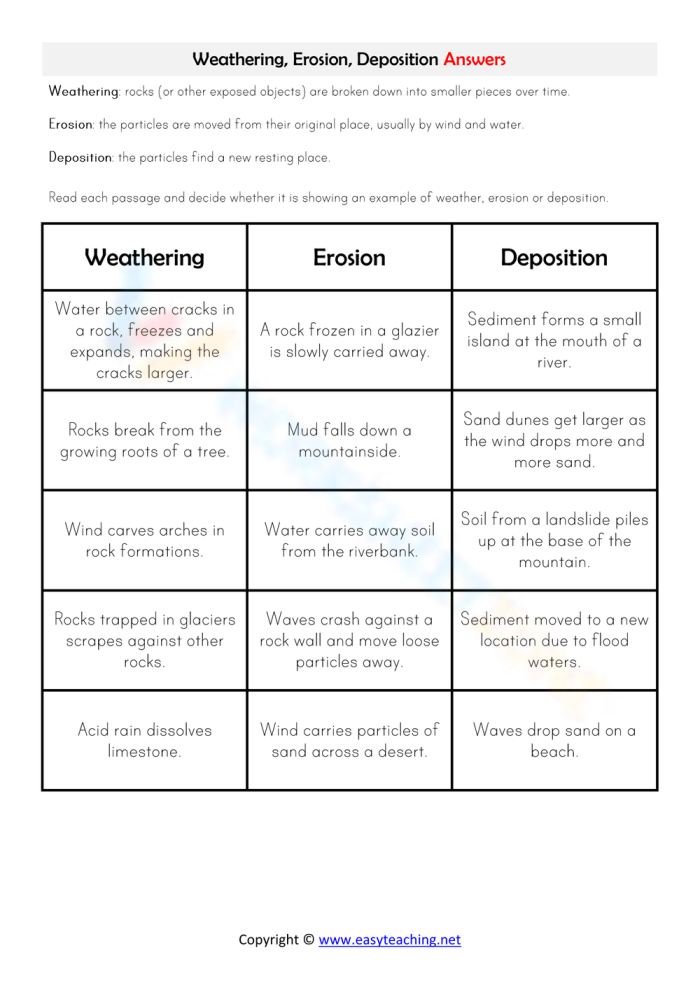
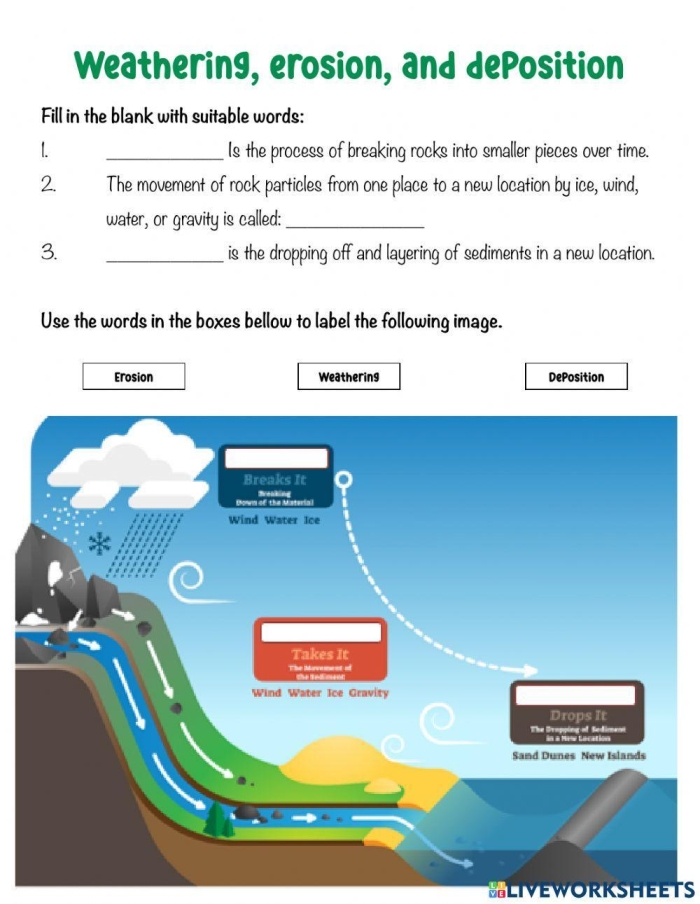
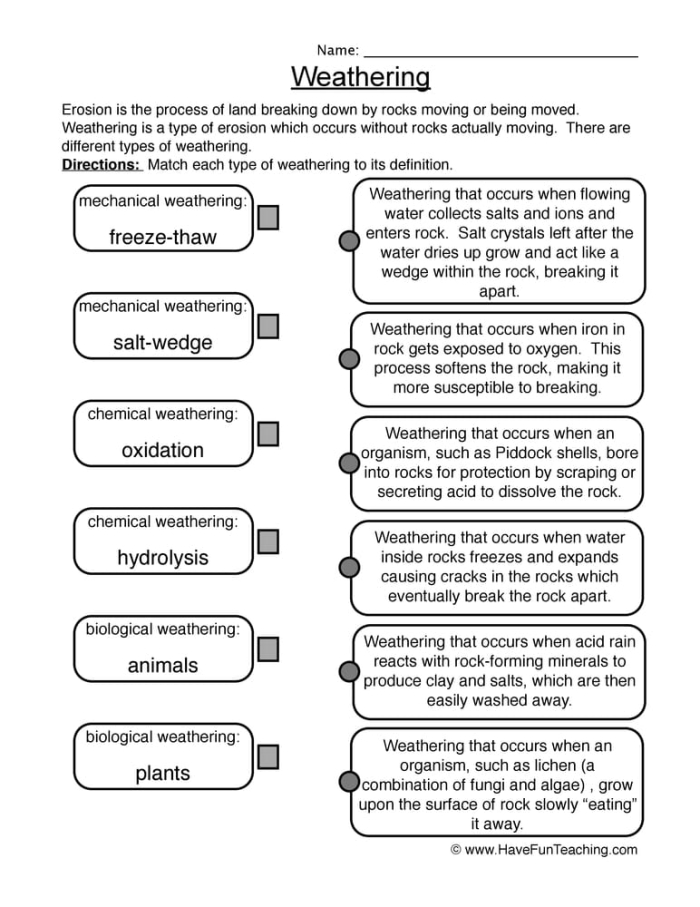
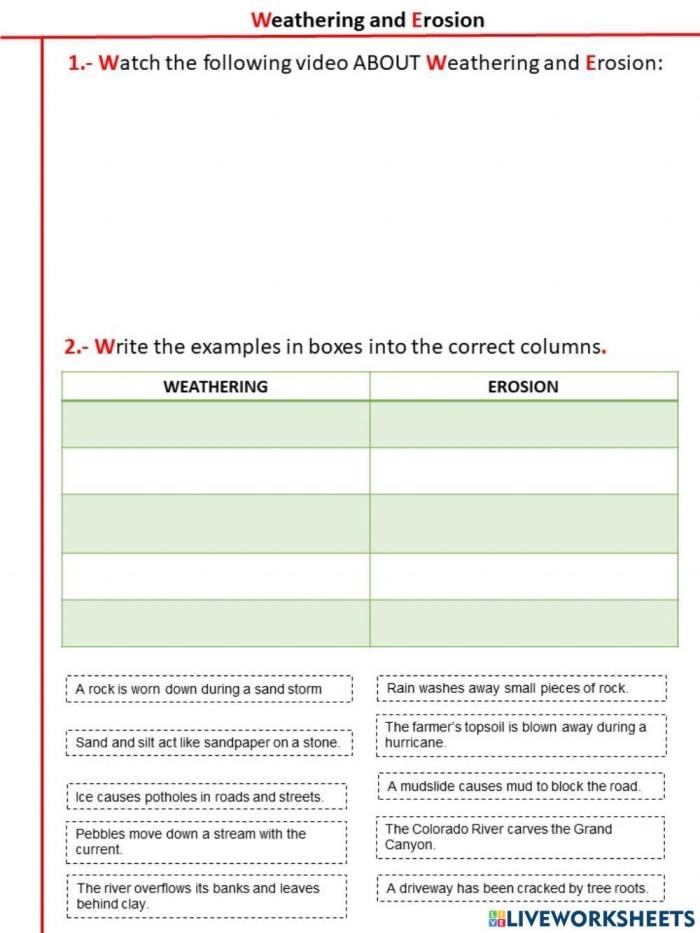
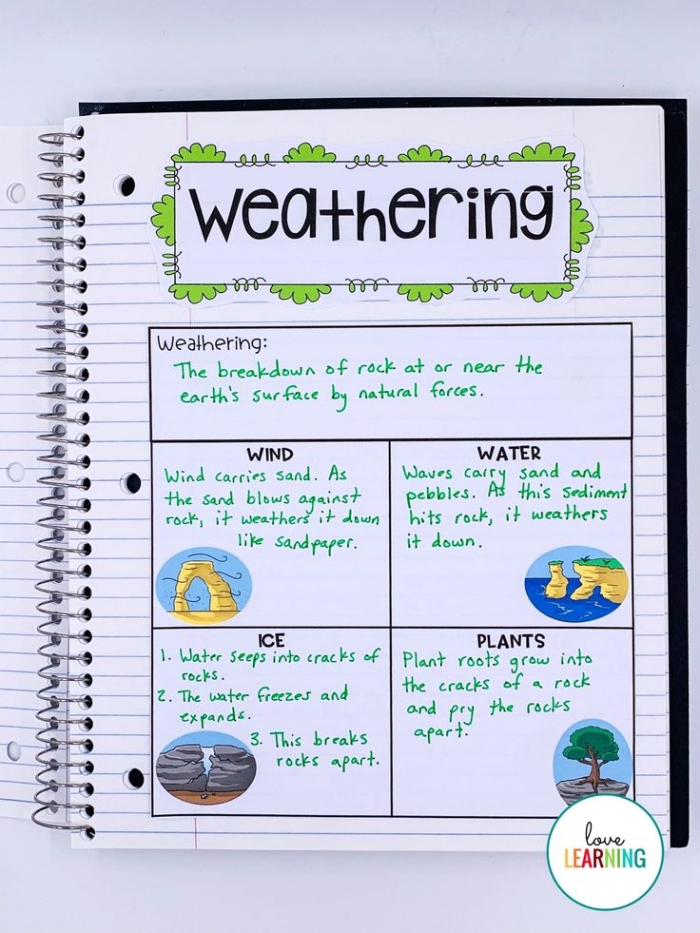
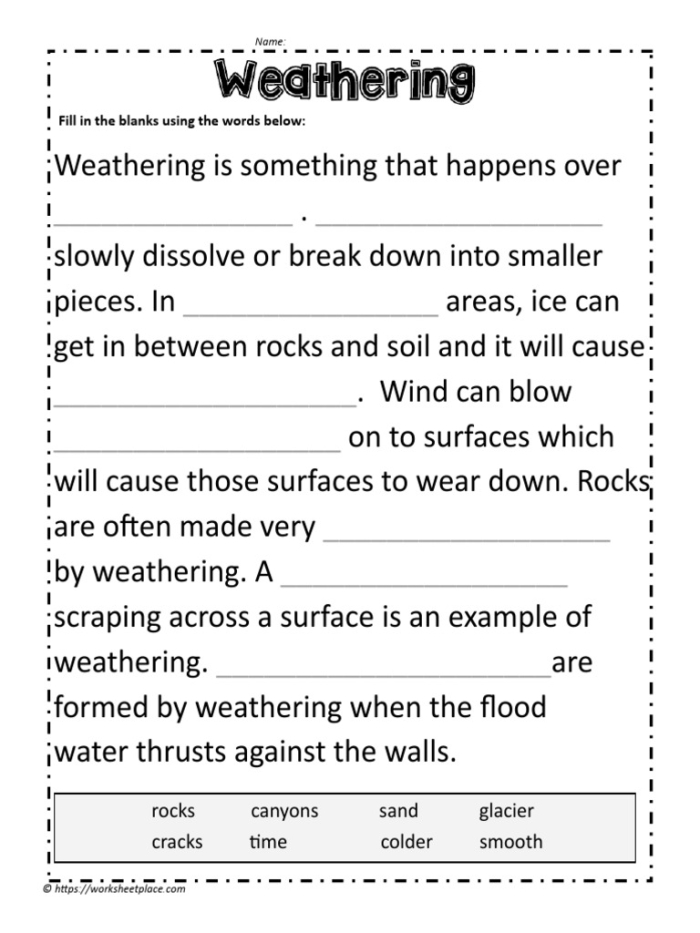
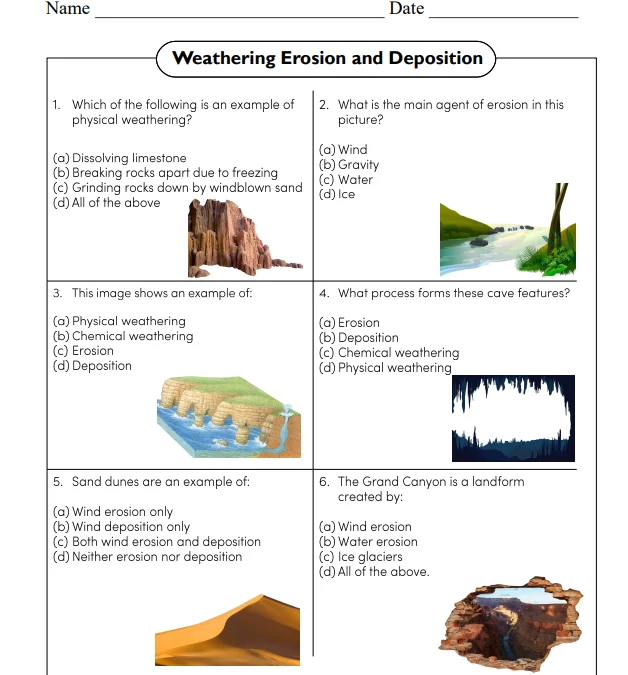
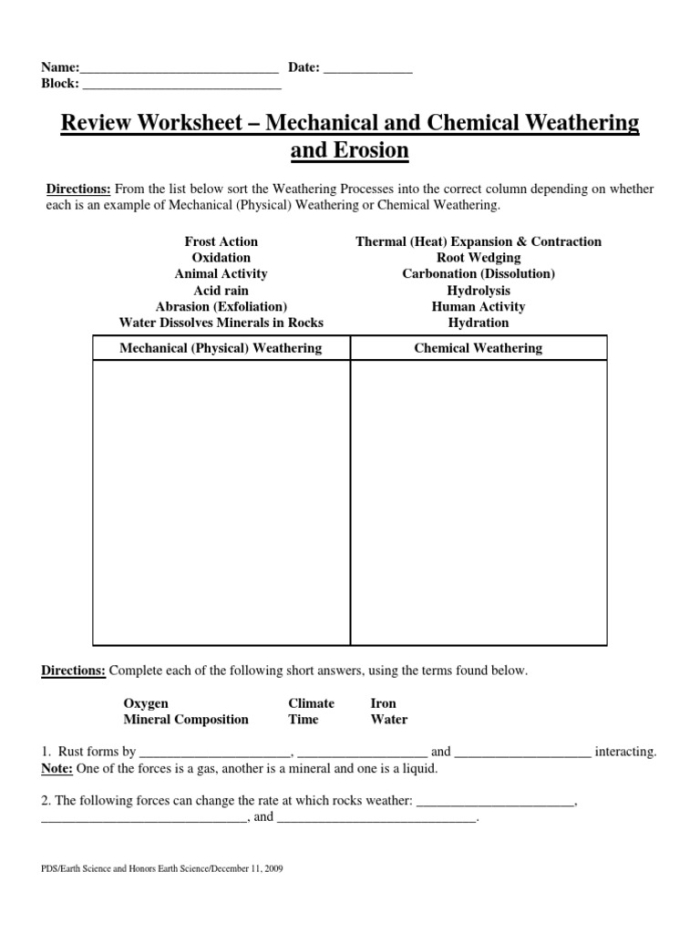
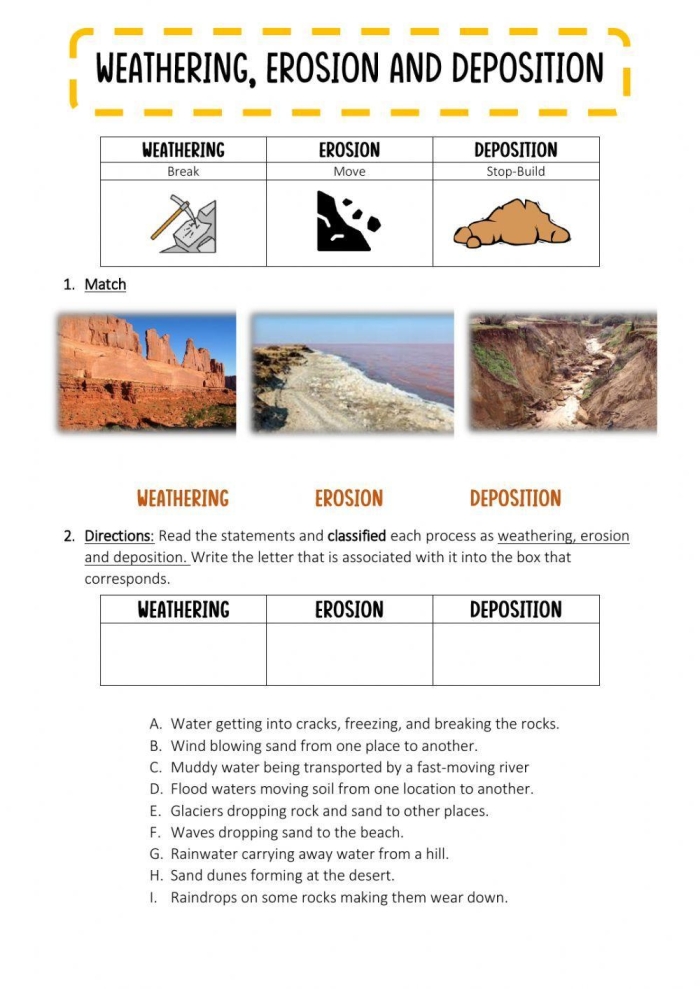
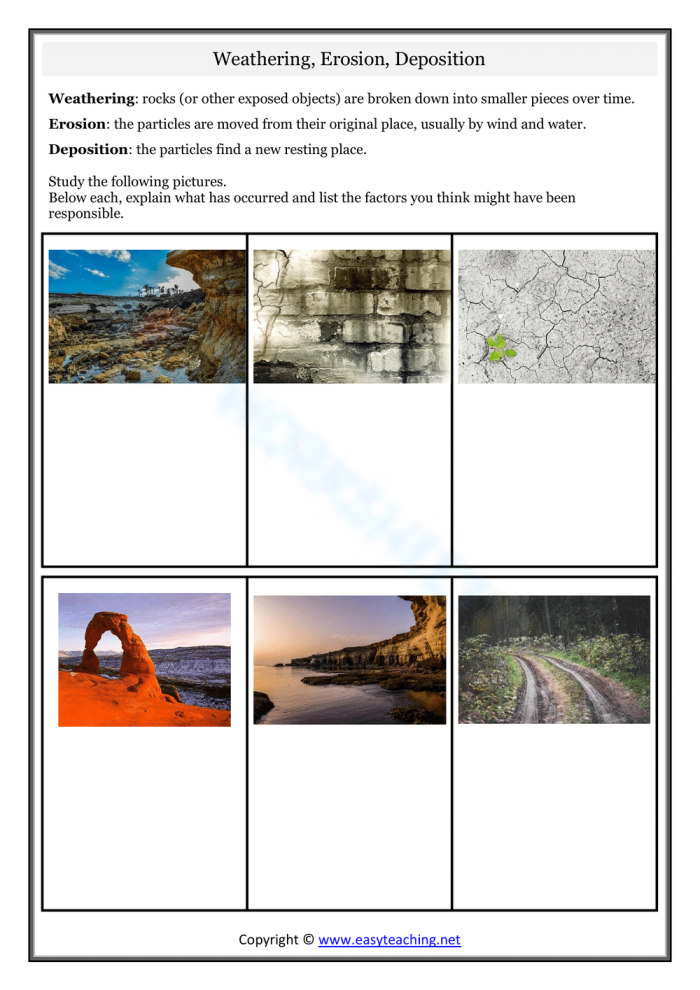
Weathering happens when rock and soil break apart through physical or chemical means. Rain seeps into cracks in stone, freezes during winter, and expands, splitting the rock further. Wind scours surfaces smooth. Plant roots push through soil and break apart minerals. This breakdown creates smaller pieces that are easier to move. Erosion comes next, when water, wind, or ice actually transports these broken pieces away from their original location. A river carries sediment downstream. Ocean waves wash away beach sand. Glaciers scrape rock across valleys. Together, these forces reshape continents over geological time.
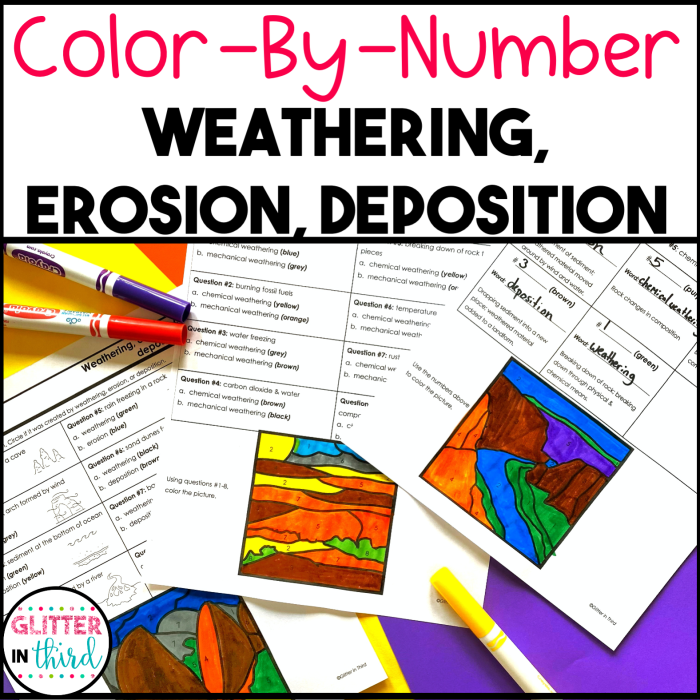
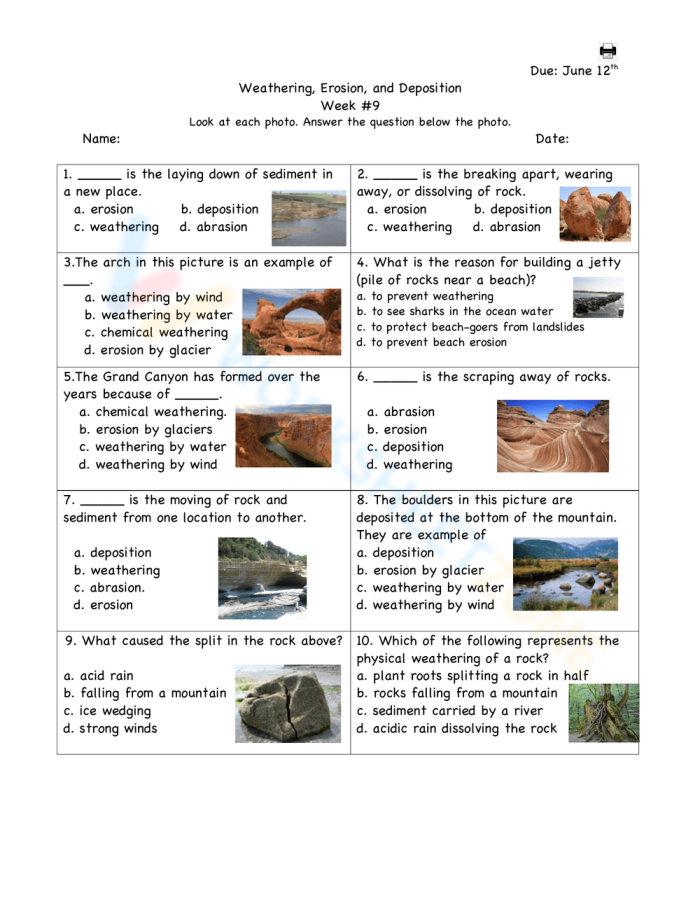
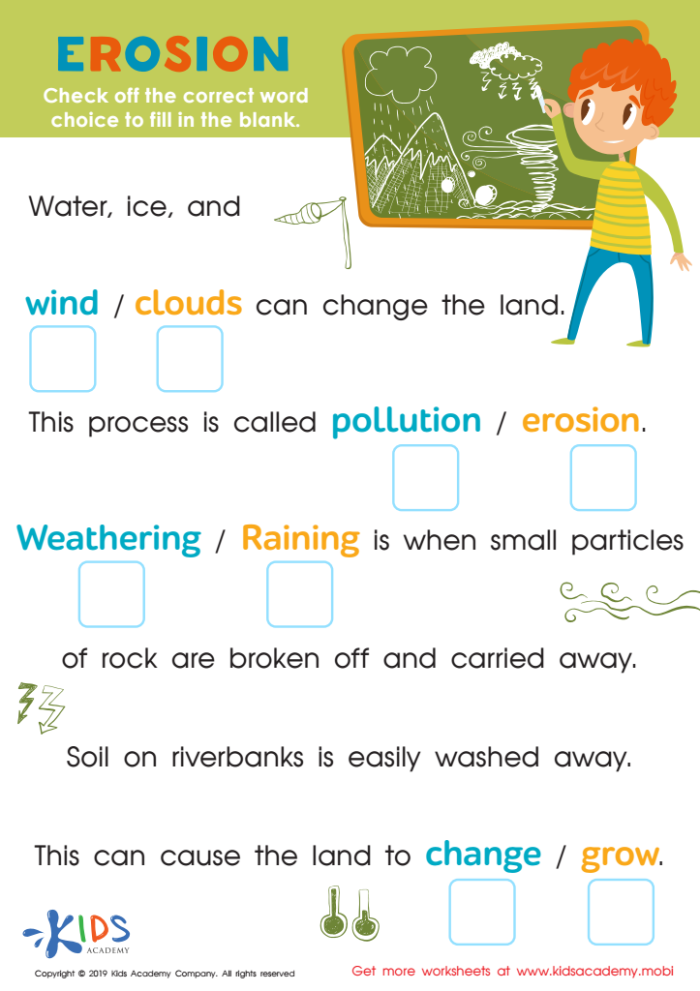
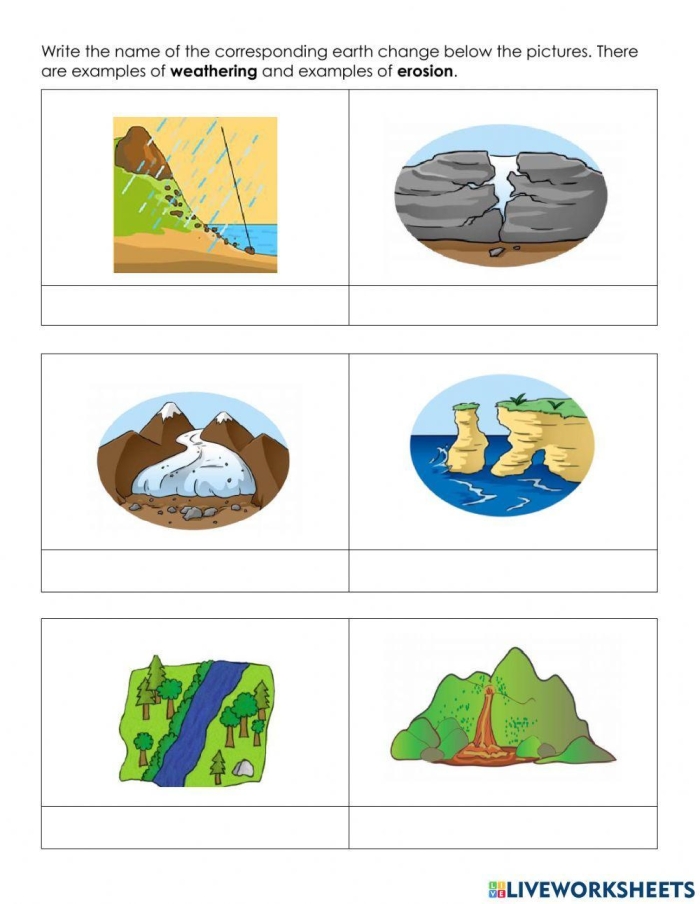
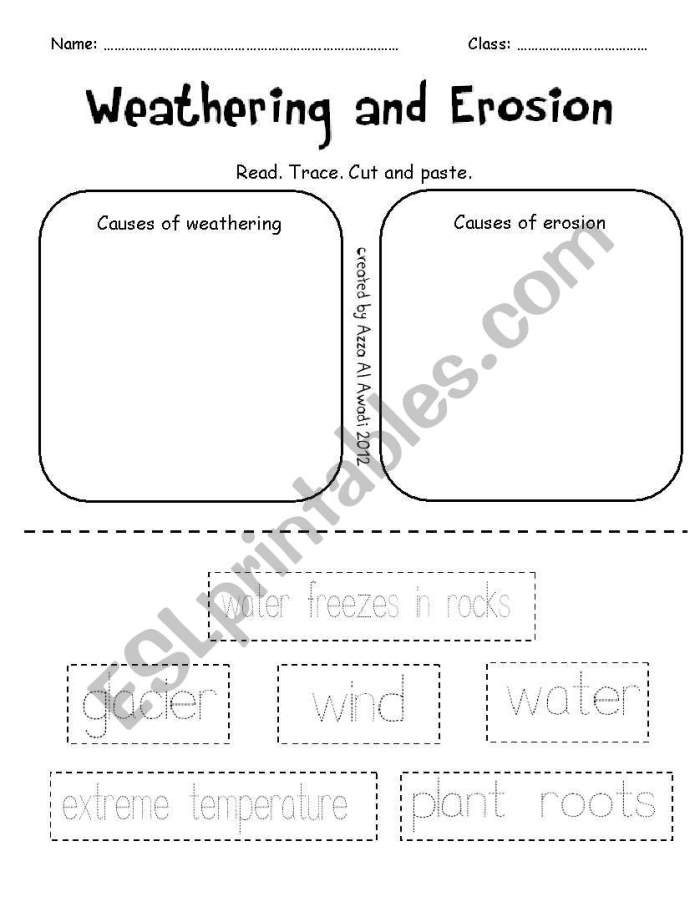
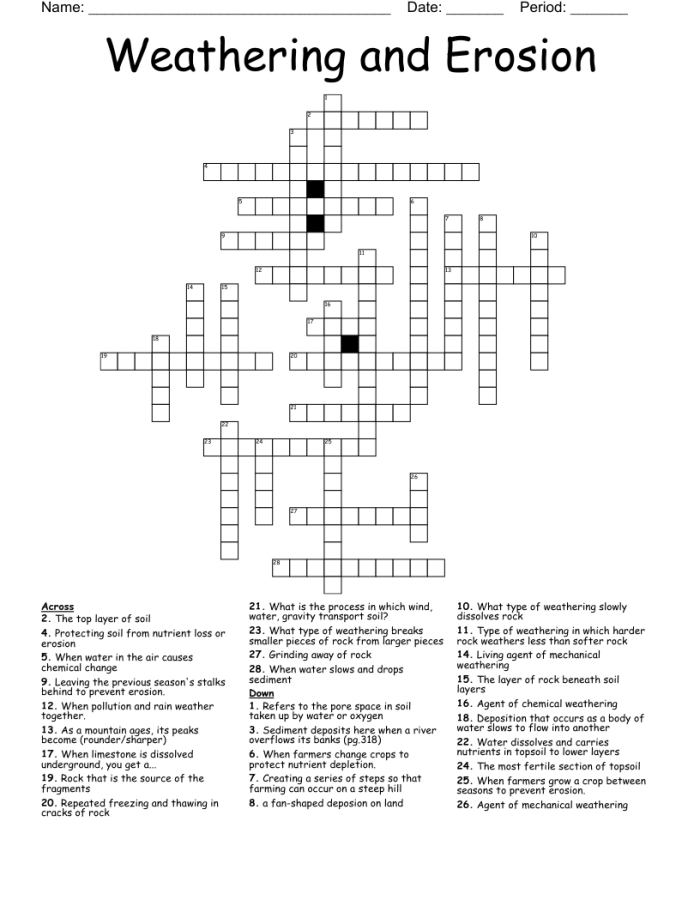
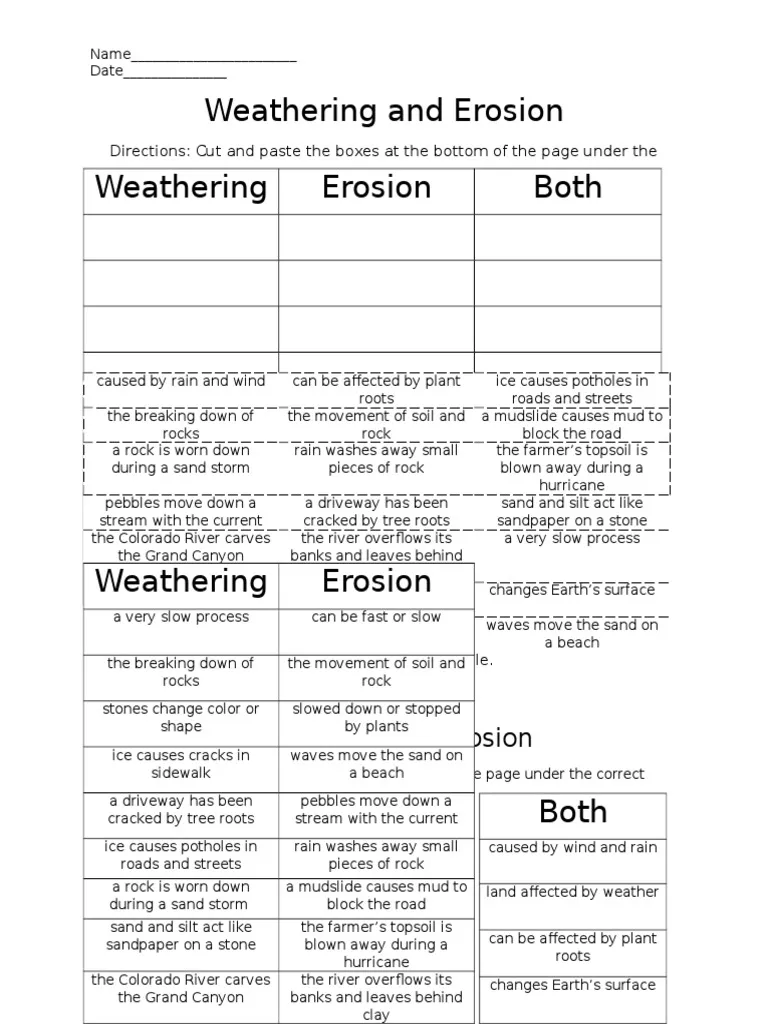
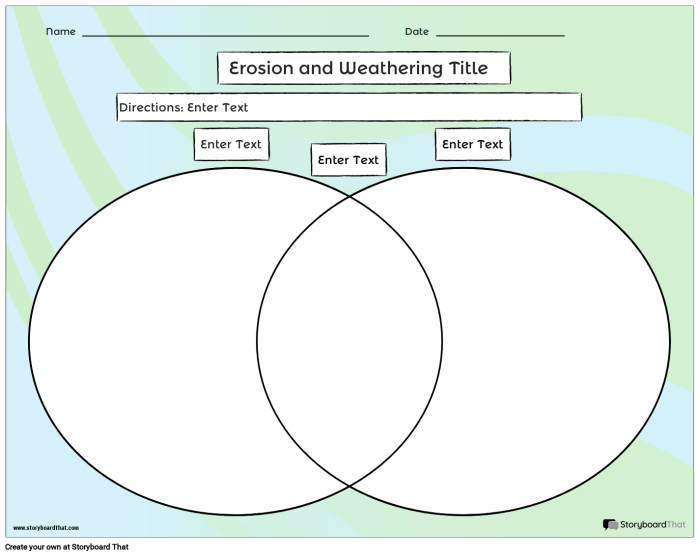
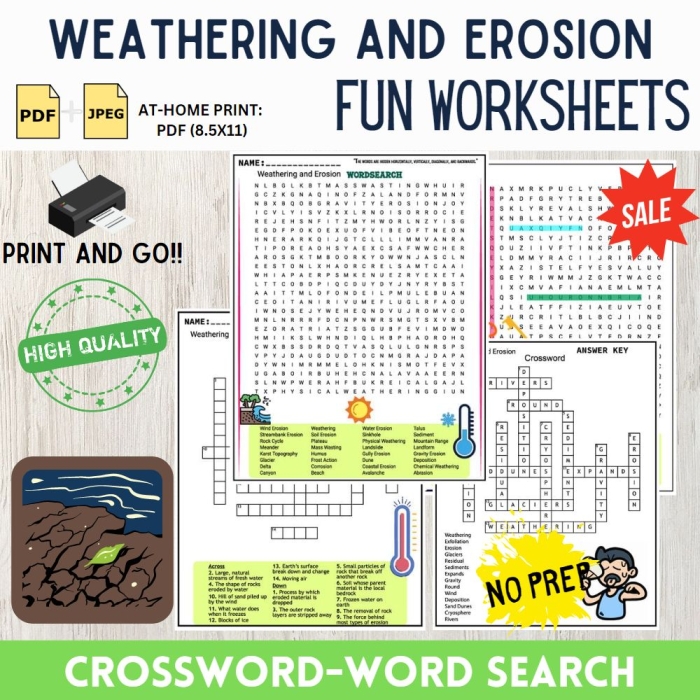
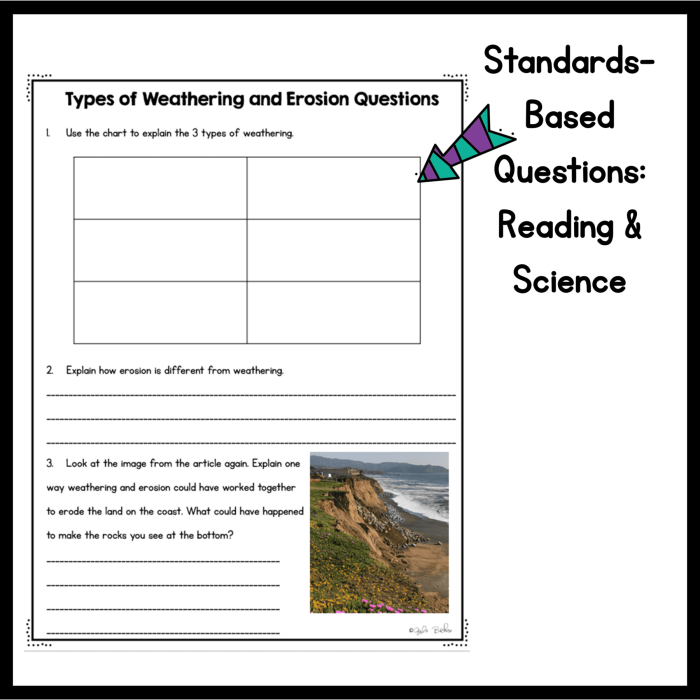
For second grade students learning about earth science, these concepts become clearer through hands-on exploration. A printable weathering and erosion worksheet lets young learners trace letters while studying how landscapes change. Worksheets make abstract geological processes concrete by combining visual learning with alphabet practice, reinforcing both literacy and science skills simultaneously.
Beyond worksheets, you can observe weathering and erosion yourself. Look at an old fence post worn smooth by wind and rain. Notice how a creek has carved a channel through soil. These everyday examples show that earth science is not confined to textbooks. The planet’s constant movement and change happen around us, visible to anyone paying attention. Starting with second grade alphabet activities builds foundational knowledge that grows into deeper understanding of how our world continues to transform.
Download These Worksheets for Practice