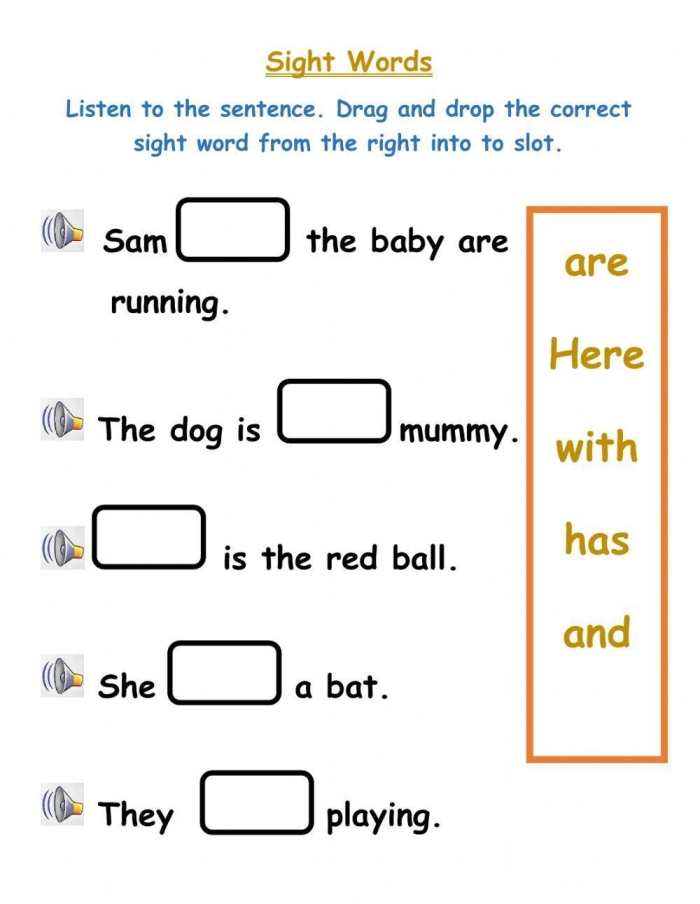
Your first grade students have been working through their reading lessons, and you’re wondering whether they’ve actually absorbed those sight words you’ve been drilling all semester. Rather than guessing based on classroom participation alone, a quick reading inventory gives you concrete data about where each child stands.
Sight words form the foundation of early literacy because they appear so frequently in texts that students encounter. Words like “the,” “and,” “to,” and “you” don’t follow typical phonetic patterns, so students need repeated exposure and recognition practice. A reading inventory helps you identify which students have mastered these essential words and which ones need additional support before moving forward.
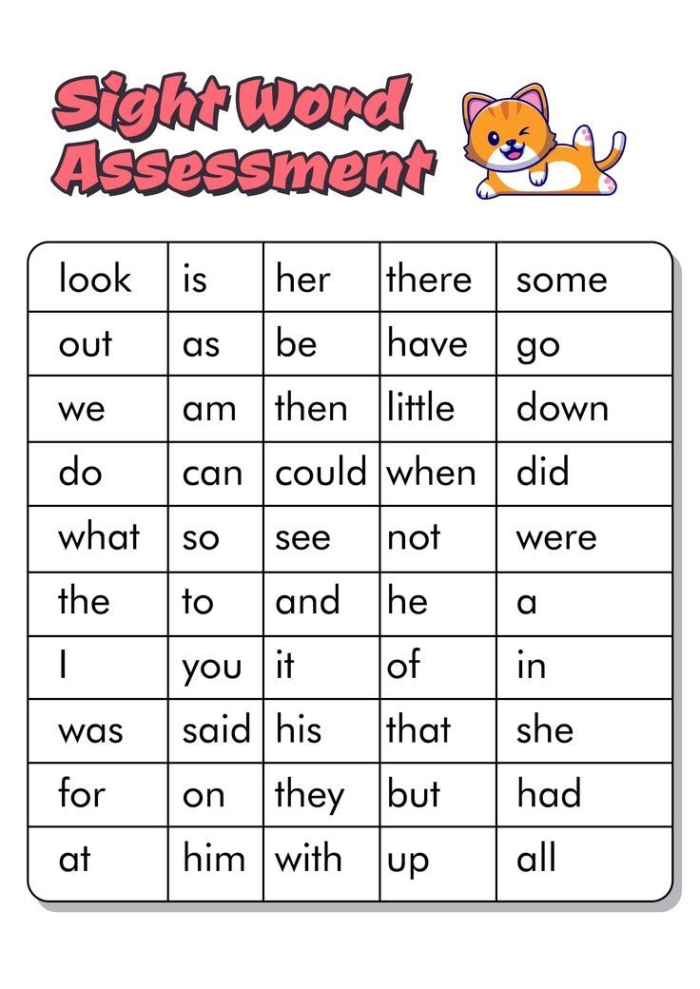
The beauty of a reading inventory is its simplicity. You’re not conducting lengthy one-on-one assessments that eat up your entire week. Instead, you present students with a focused list of grade-level words and observe their reading fluency and accuracy. This quick snapshot reveals patterns: some students might recognize words instantly, while others hesitate or misread them. A few might confuse similar-looking words consistently.
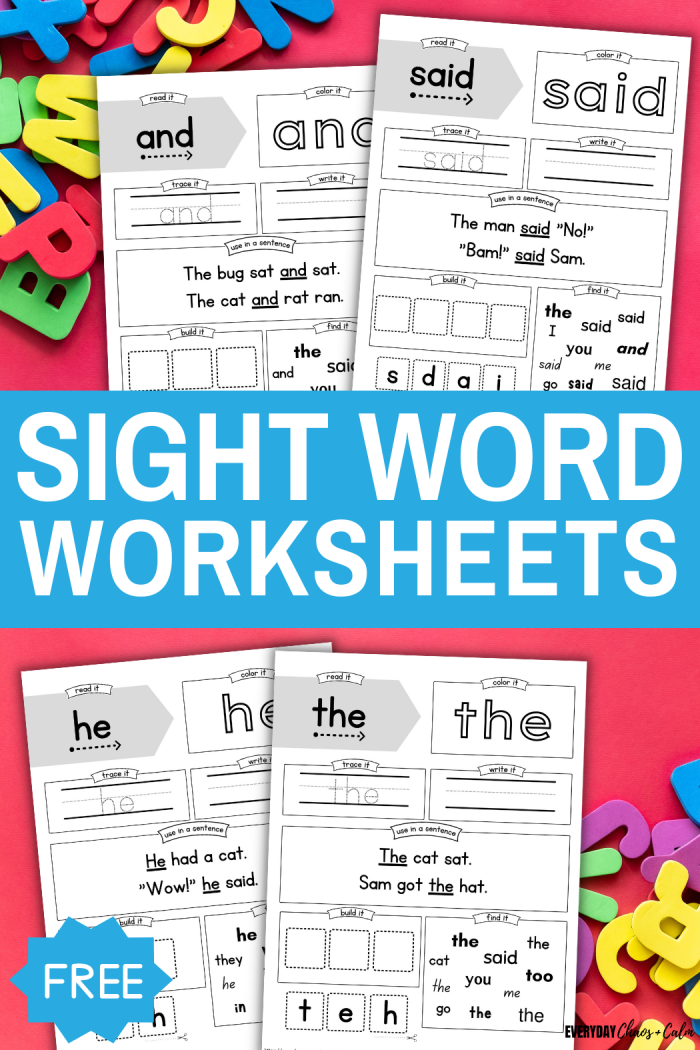
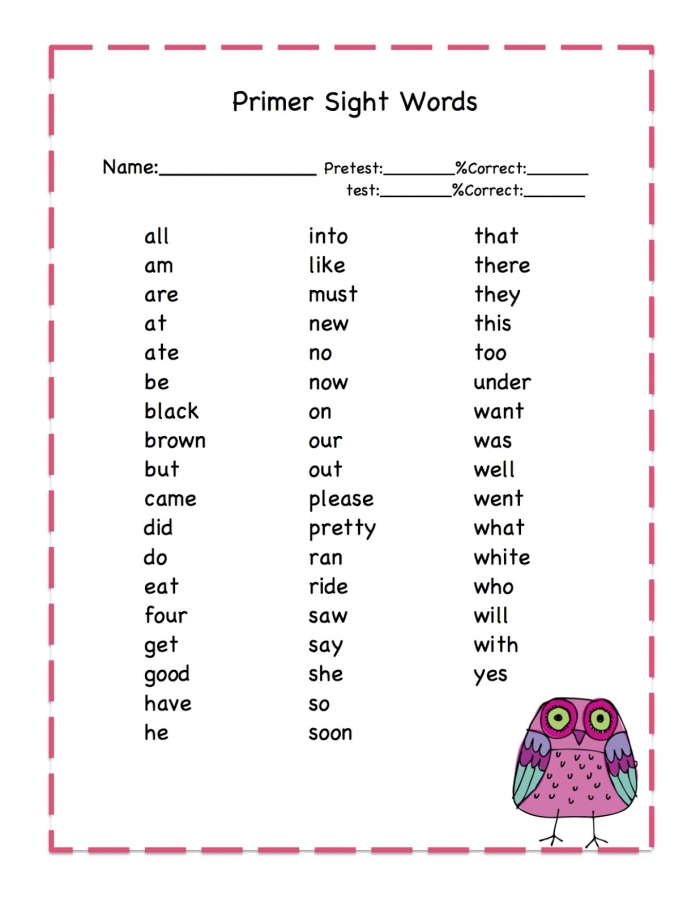
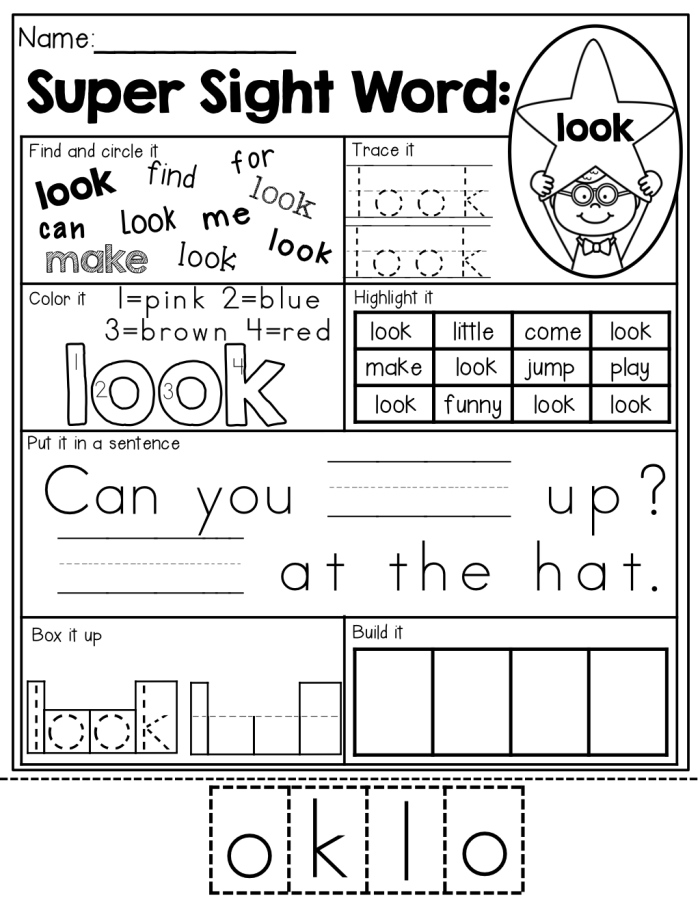
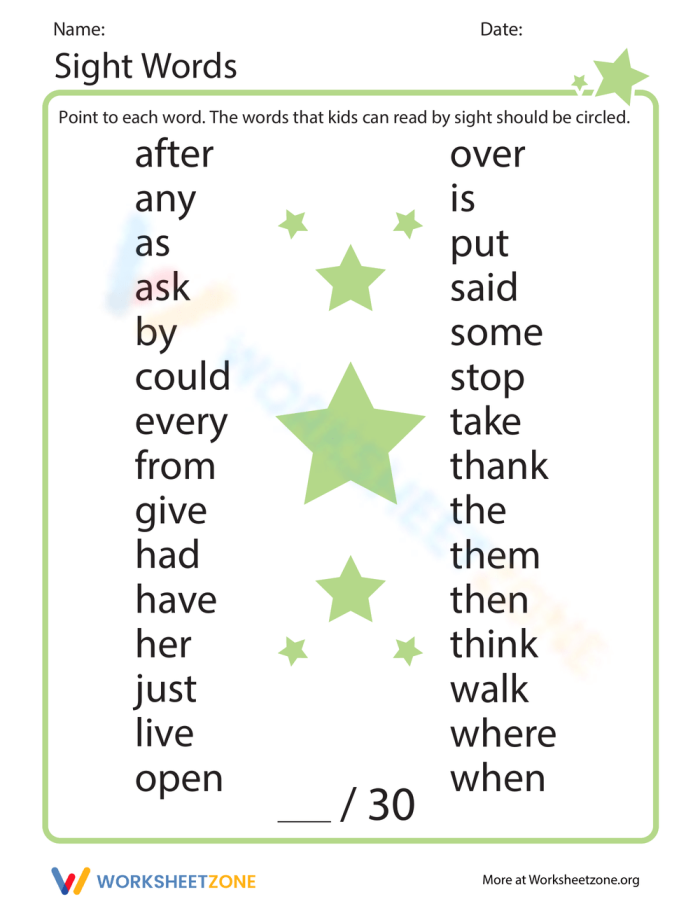
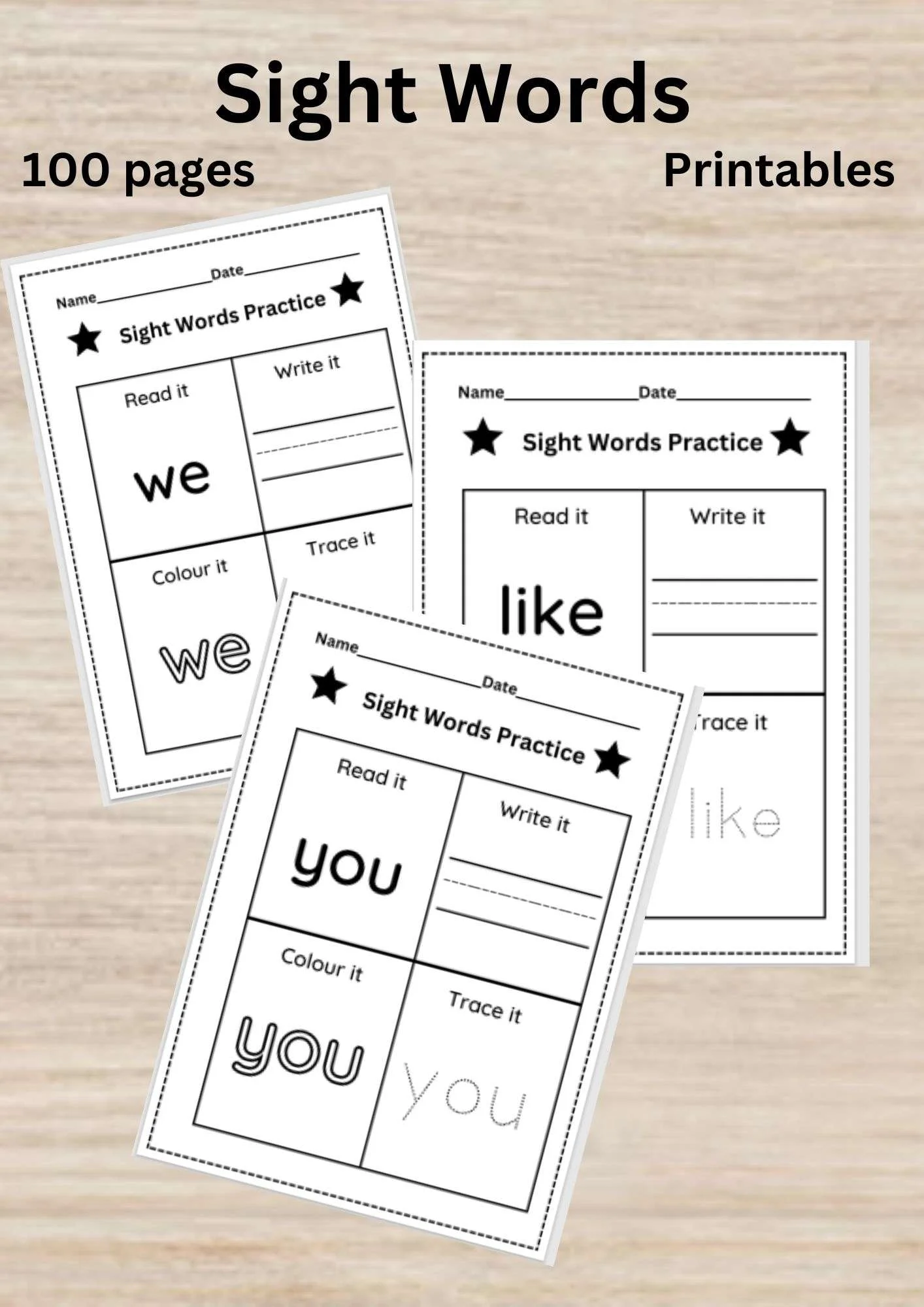
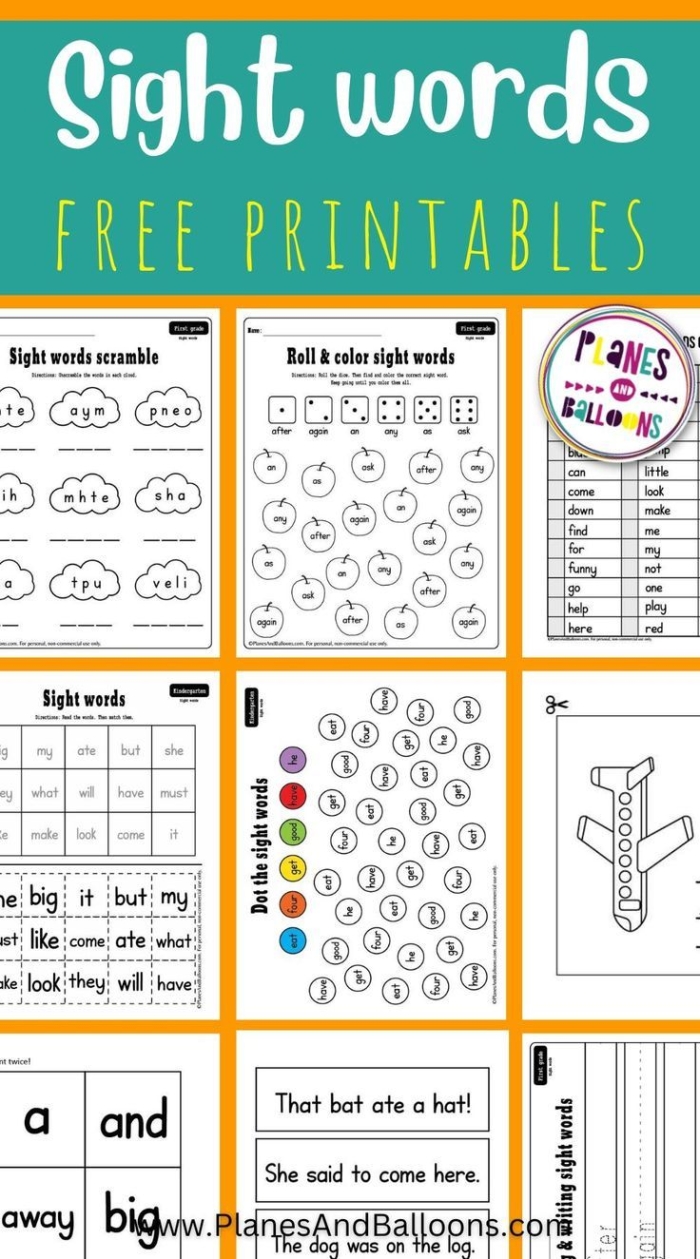
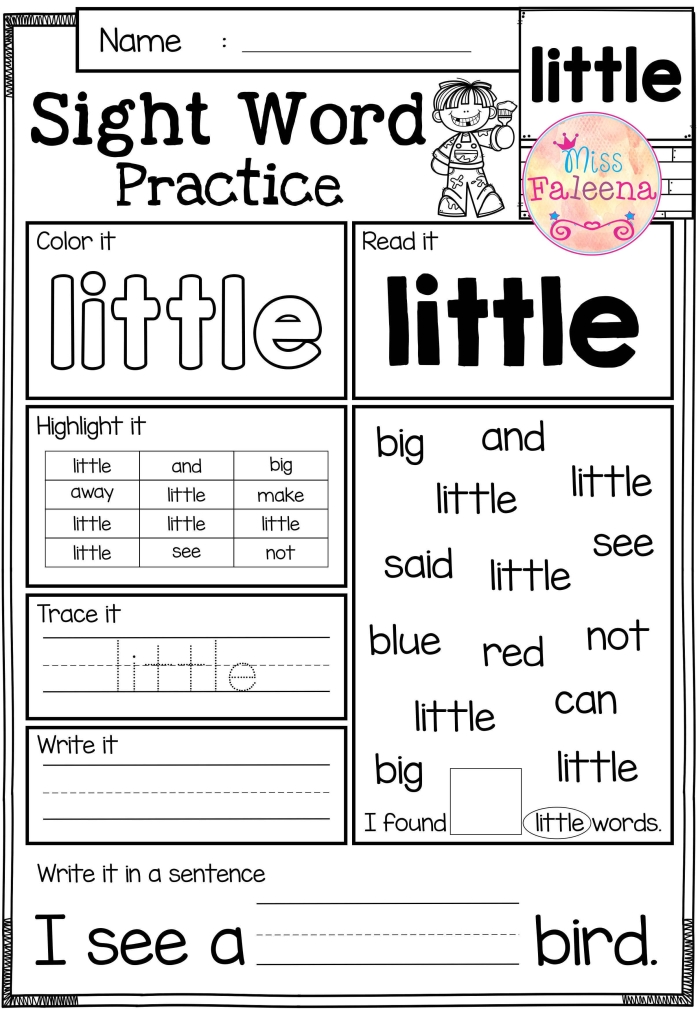
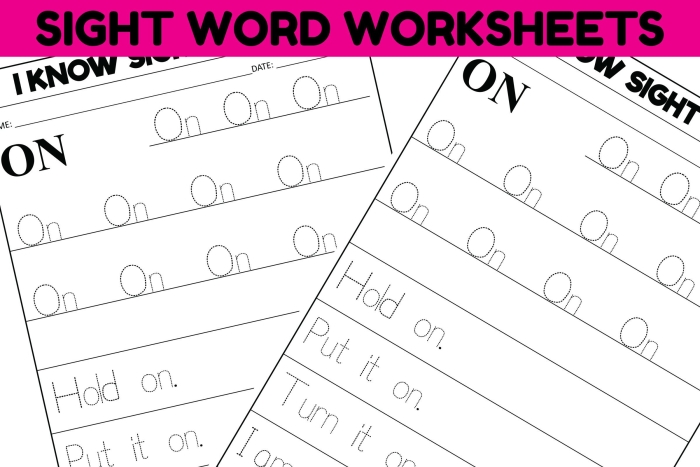
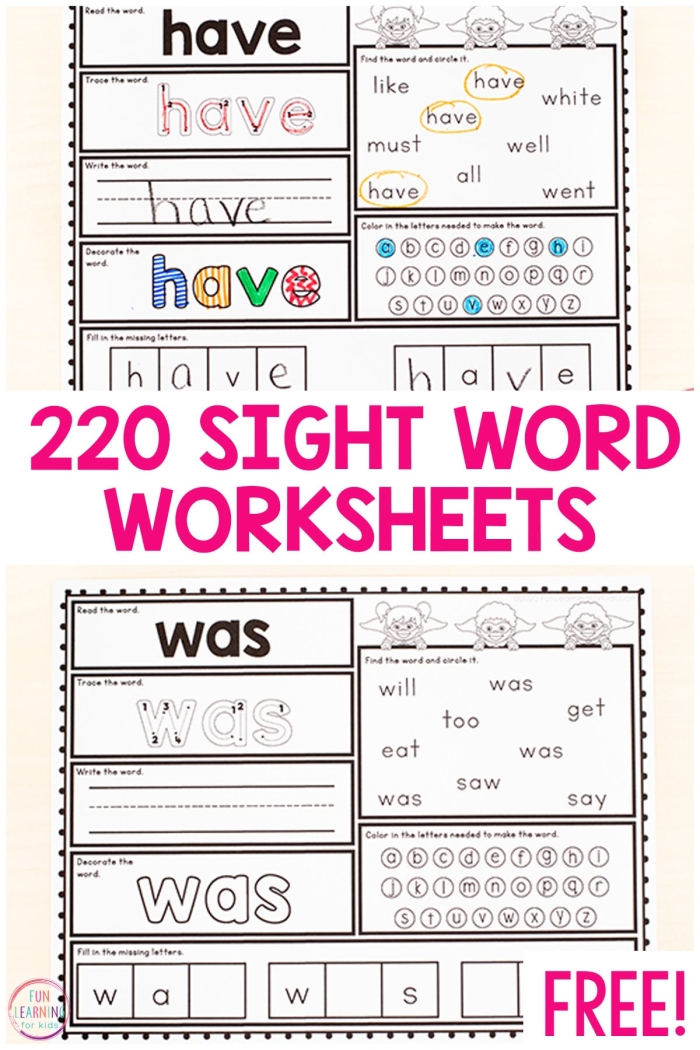
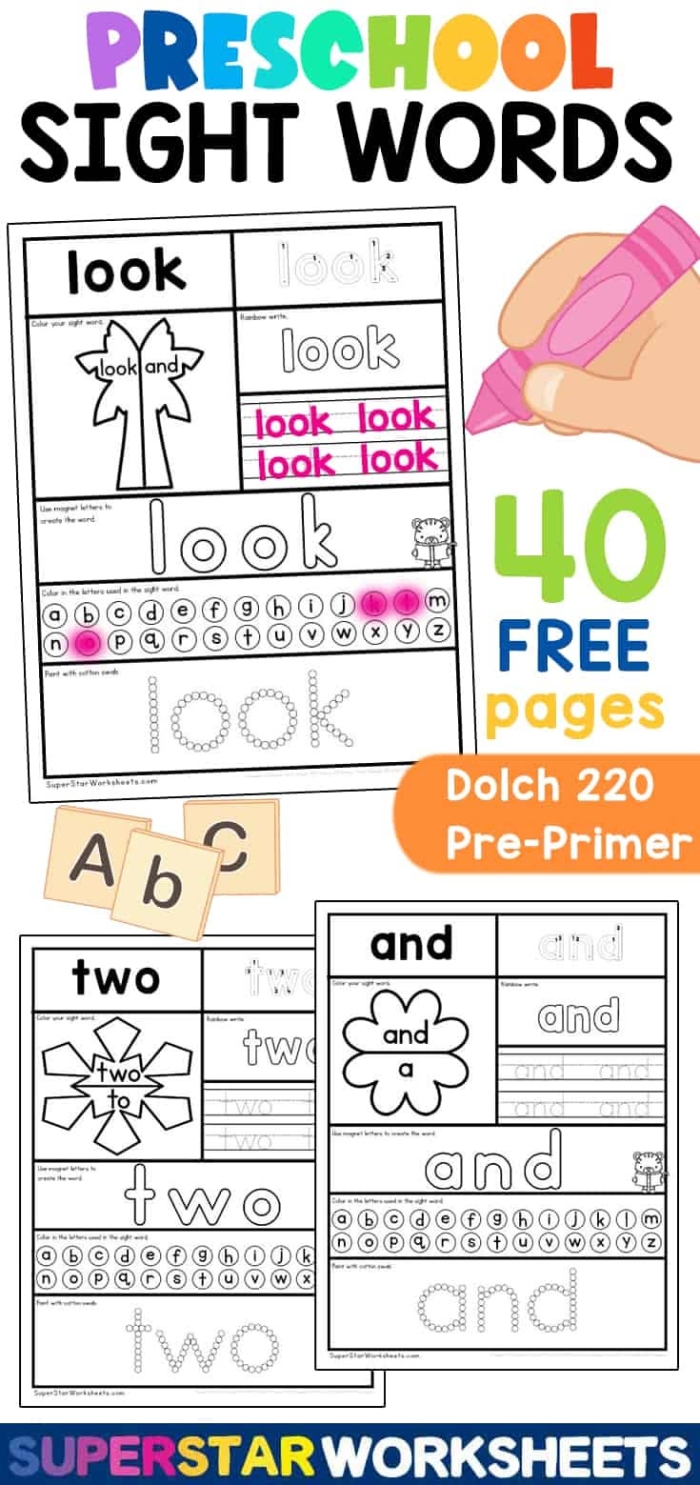
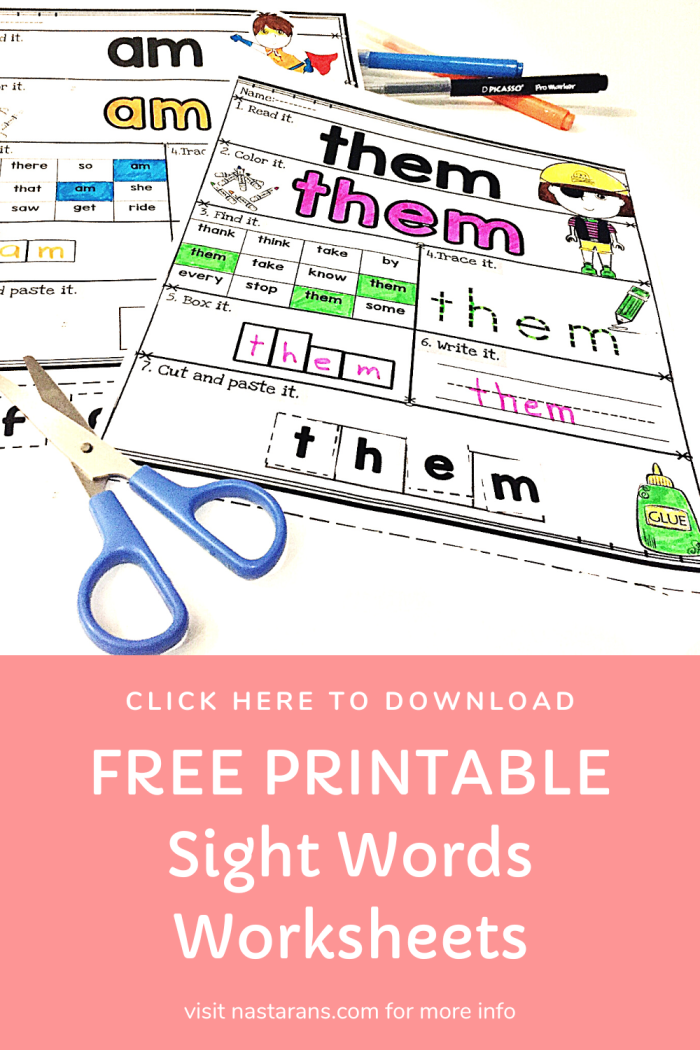
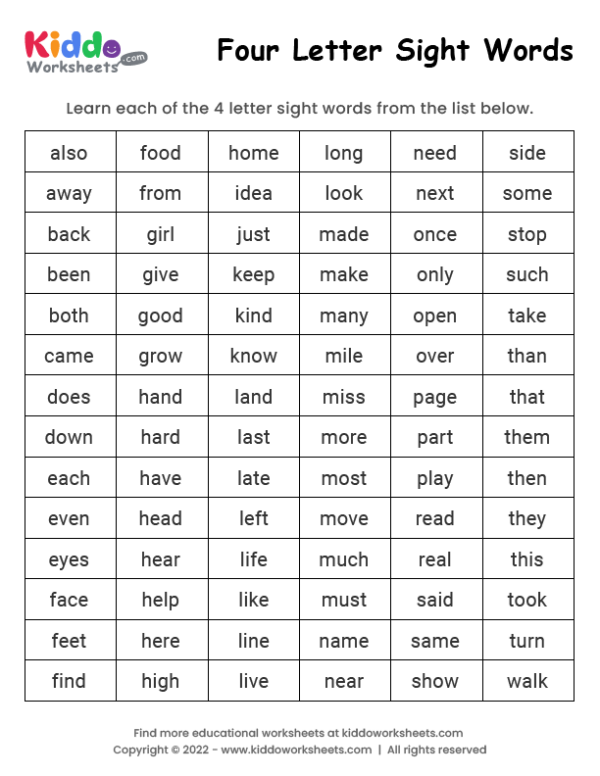
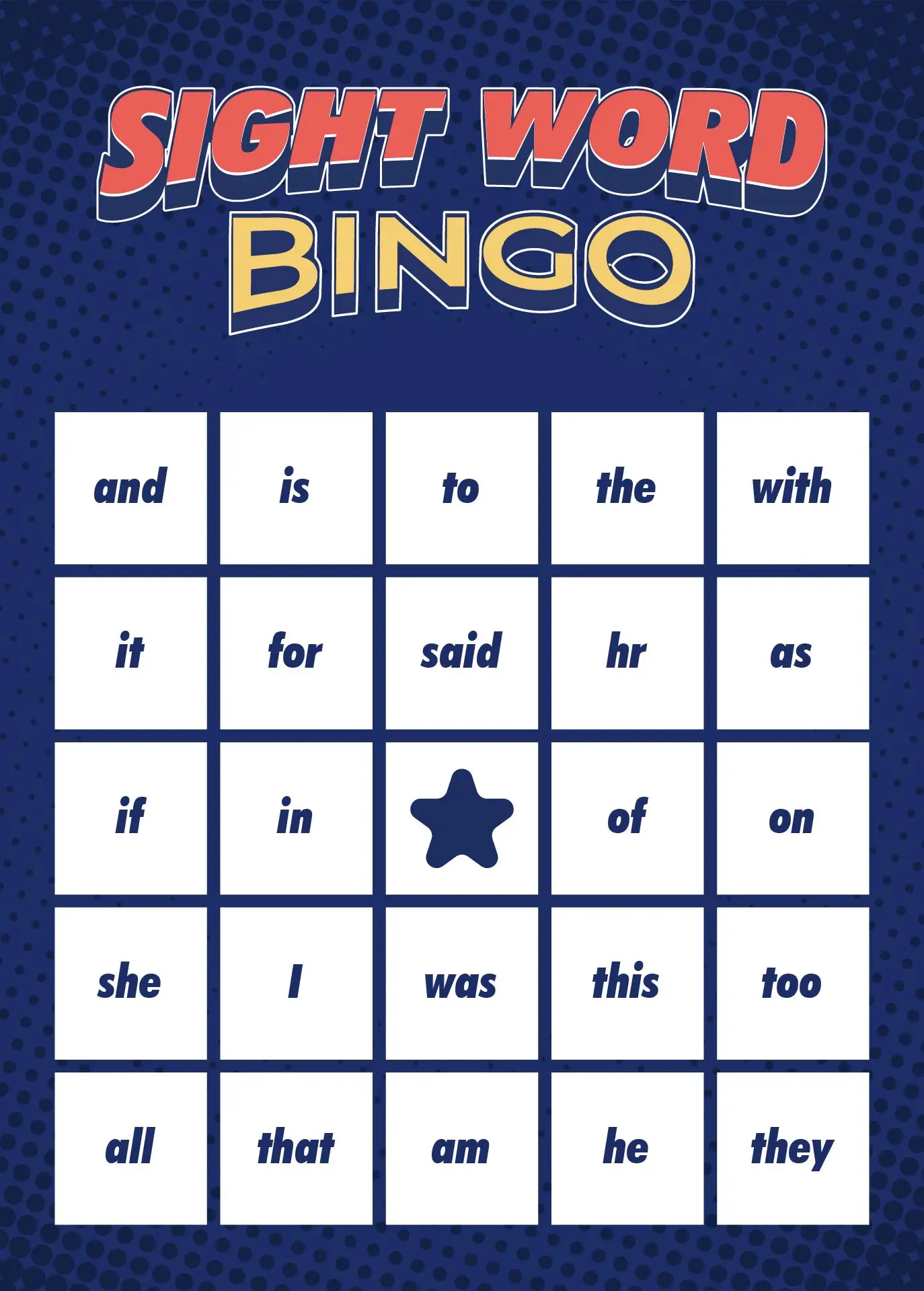
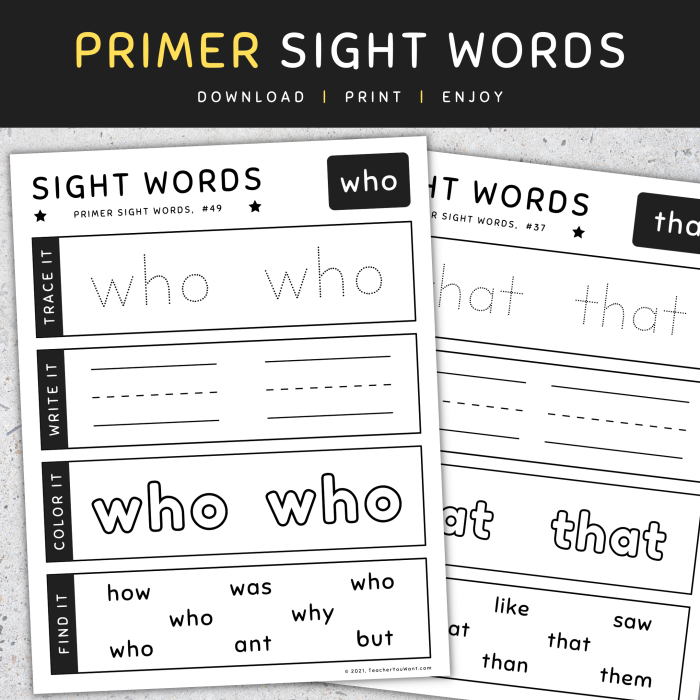
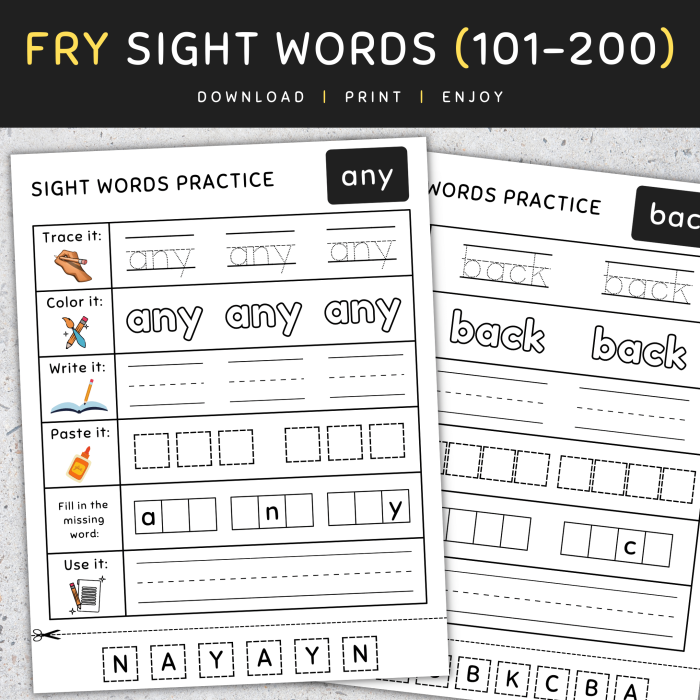
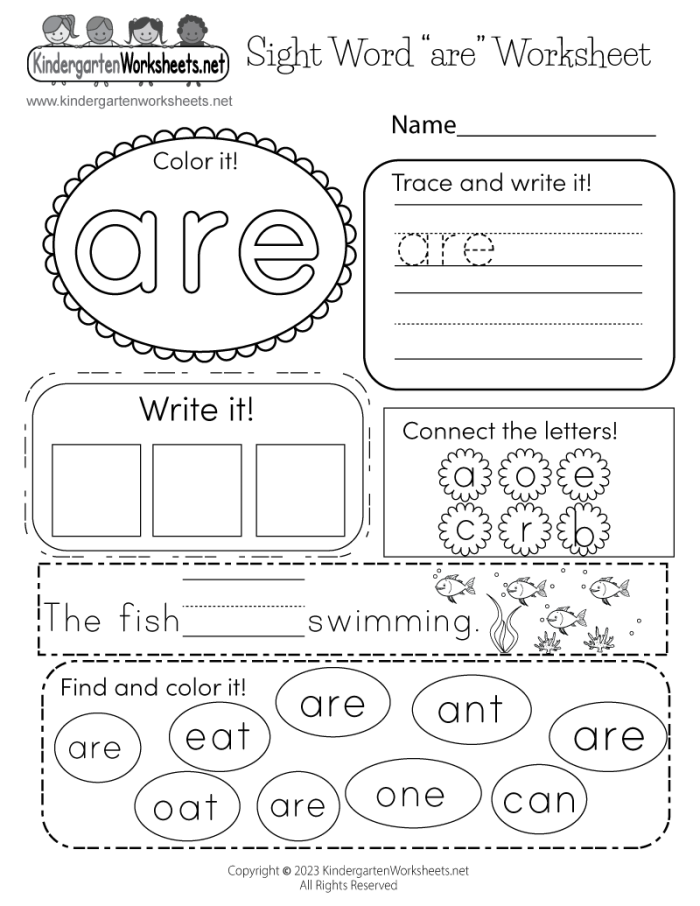
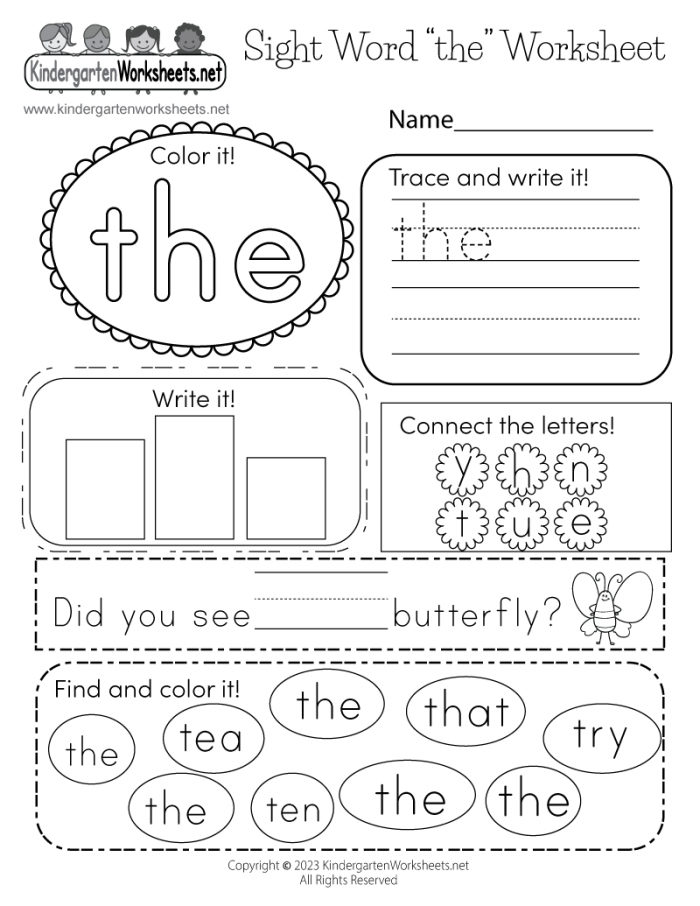
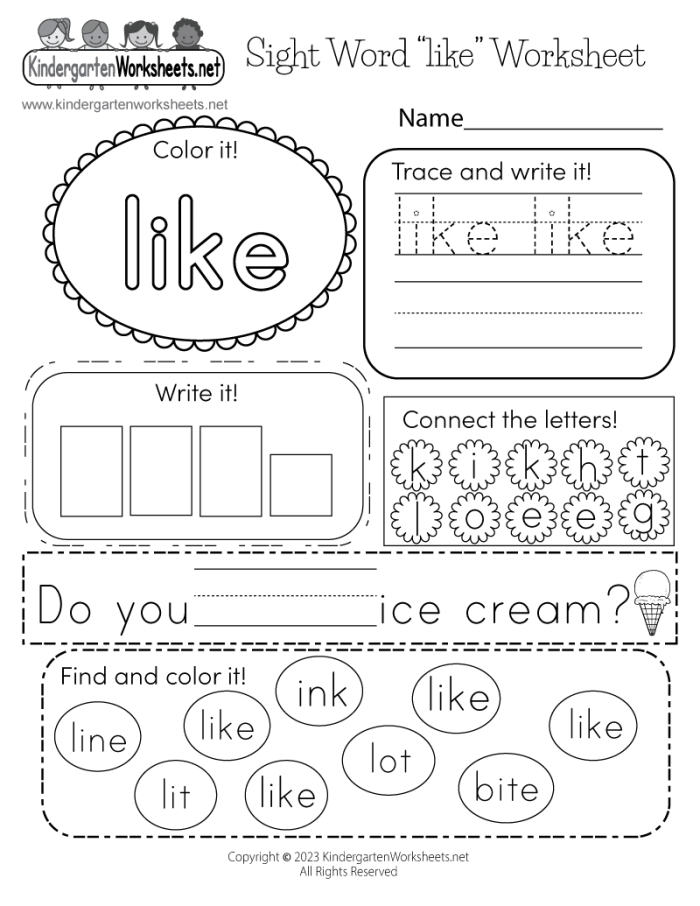
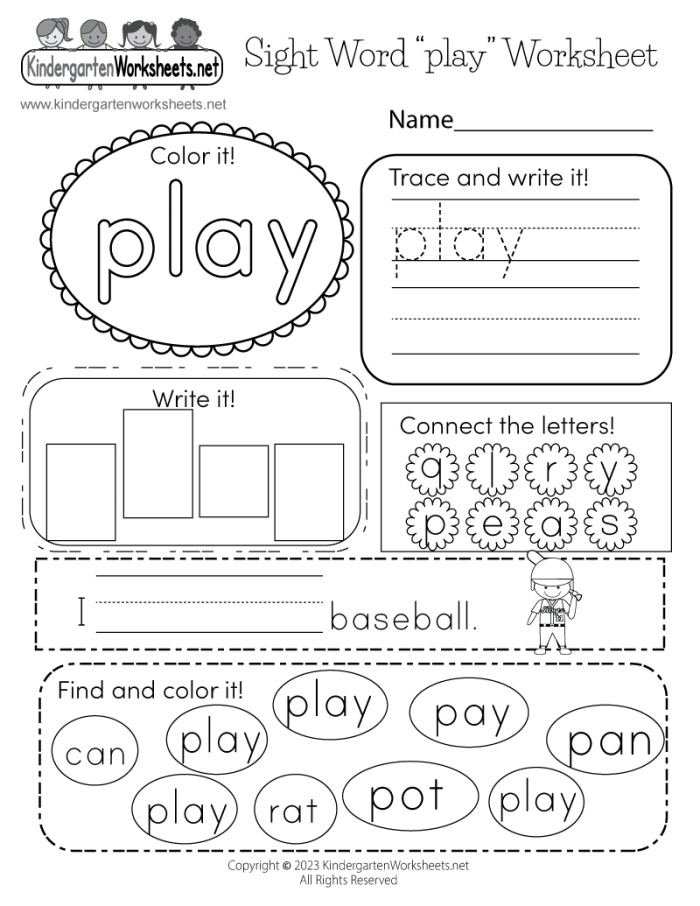
Using printable sight words inventory worksheets designed for first grade streamlines the process even further. These worksheets come ready to distribute, saving you preparation time while maintaining consistency across your classroom assessments.
Once you’ve completed your inventory, the real work begins. Students who struggle with certain words benefit from targeted practice, while those who’ve mastered the list can move toward more complex reading materials. This differentiation ensures you’re meeting students where they actually are, not where you assume they should be.
Schedule your reading check-in this week. The insights you gain will directly inform your instruction for the rest of the year.
Practice with These Worksheets