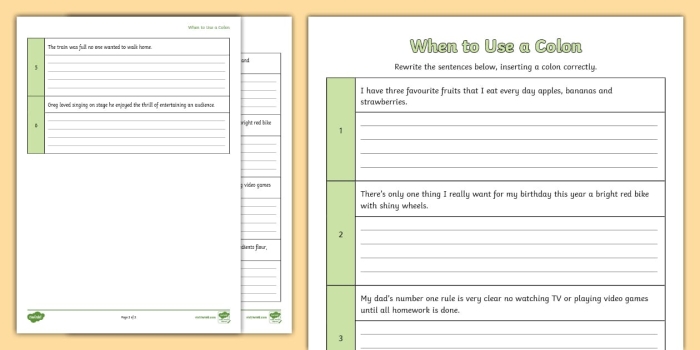
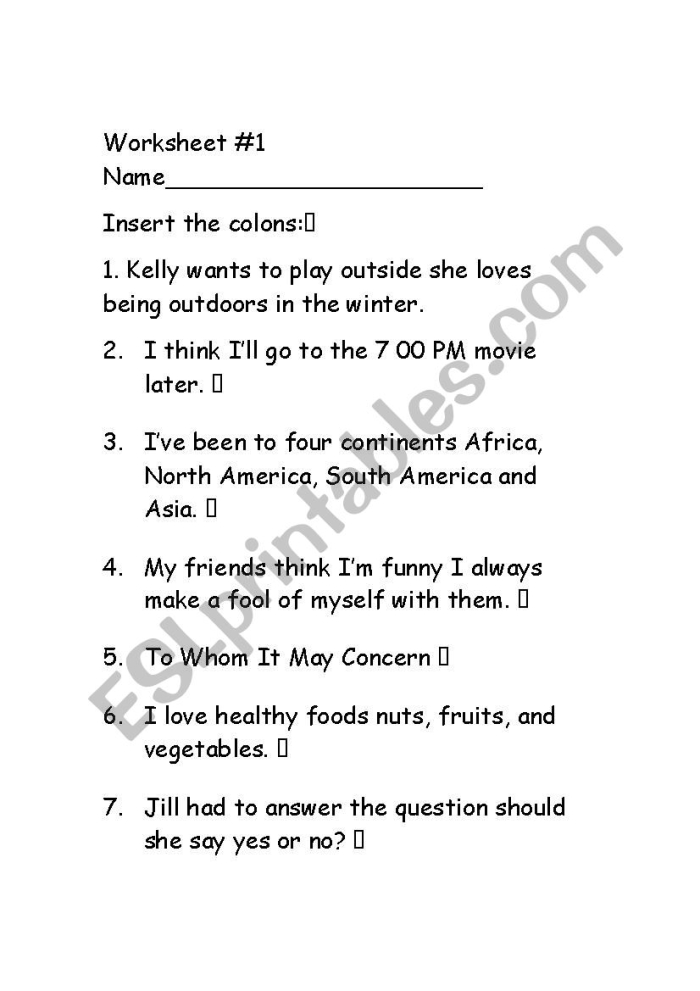
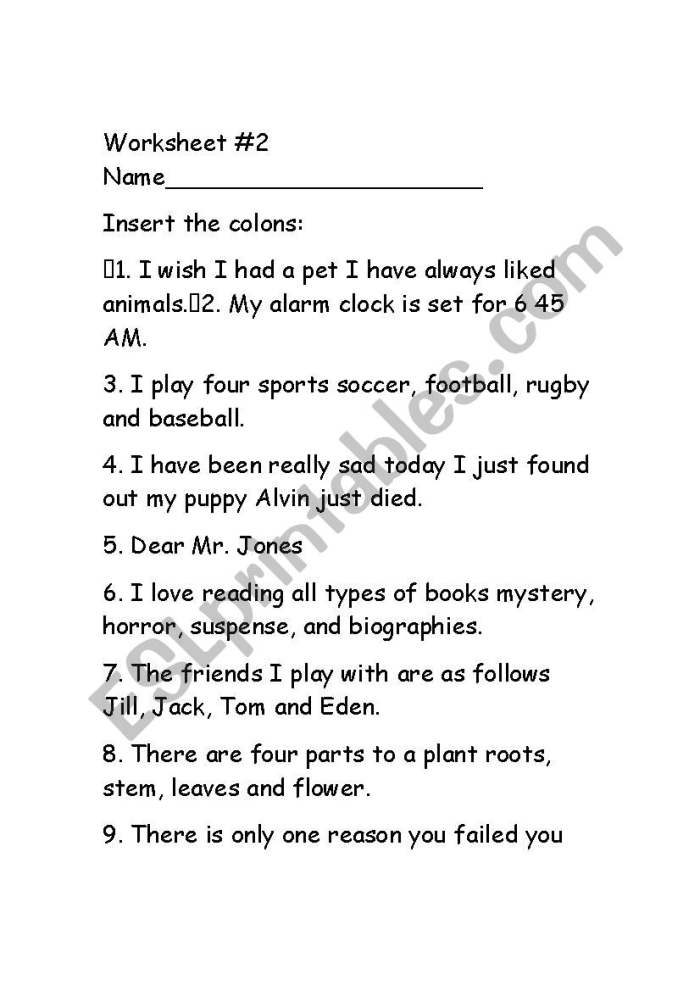
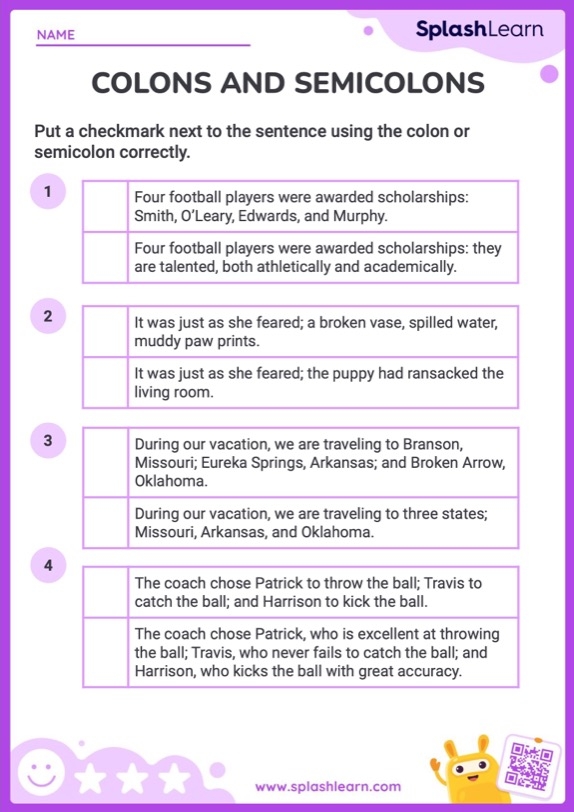
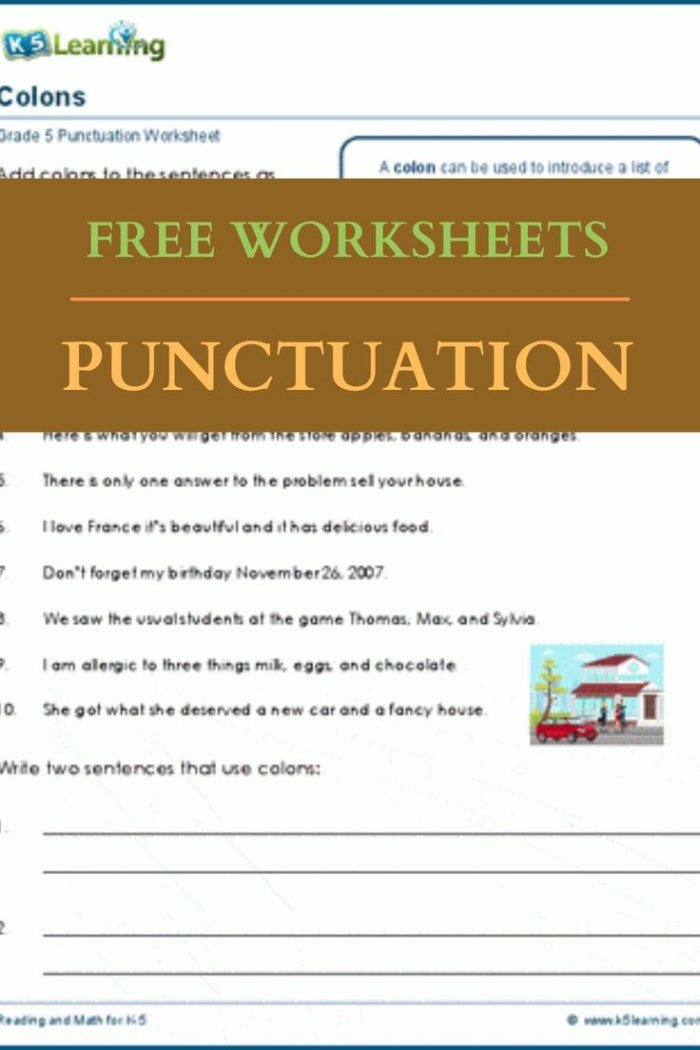
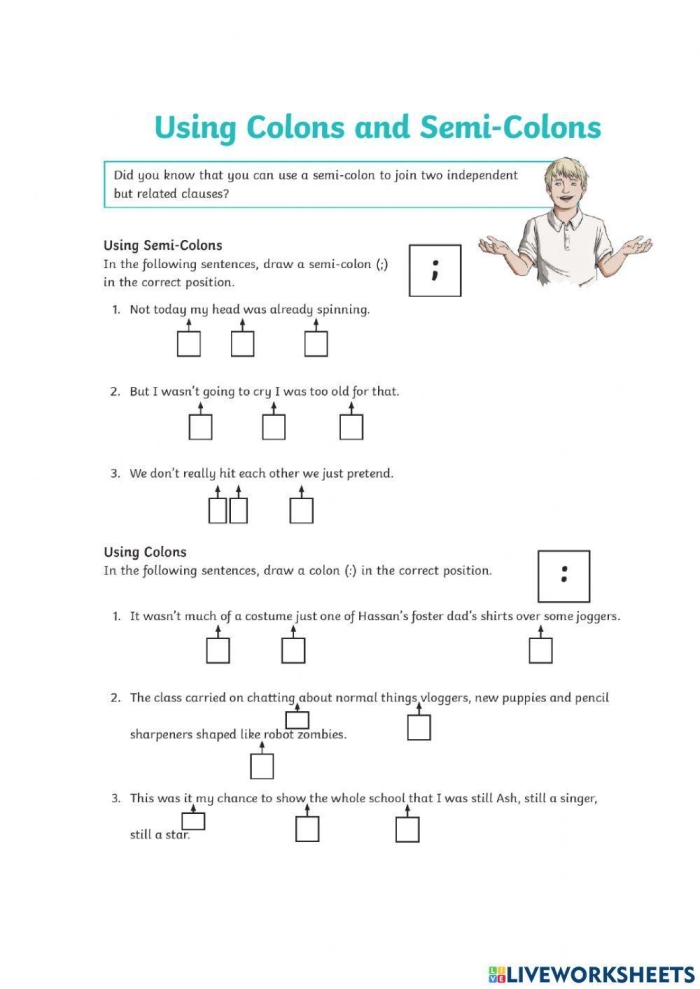
The colon might be one of the most misunderstood punctuation marks seventh grade writers encounter. Unlike the period, which simply stops a sentence, or the comma, which creates a pause, the colon does something more interesting: it announces what comes next. Once you understand its job, you’ll find yourself using it naturally in your writing.
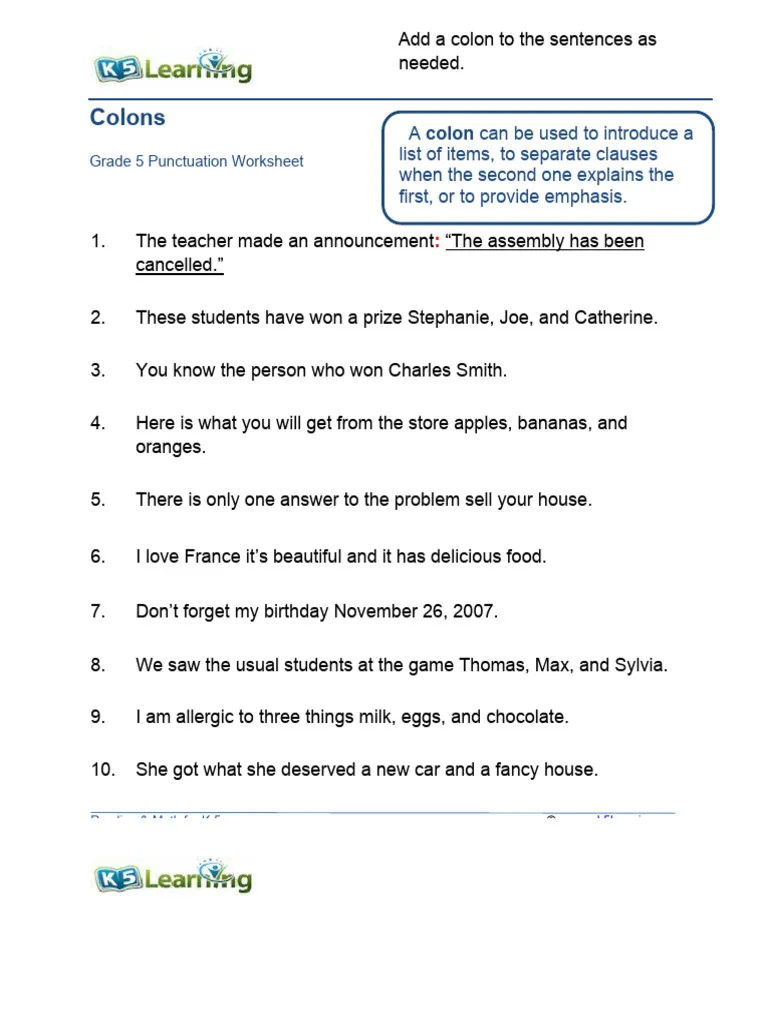
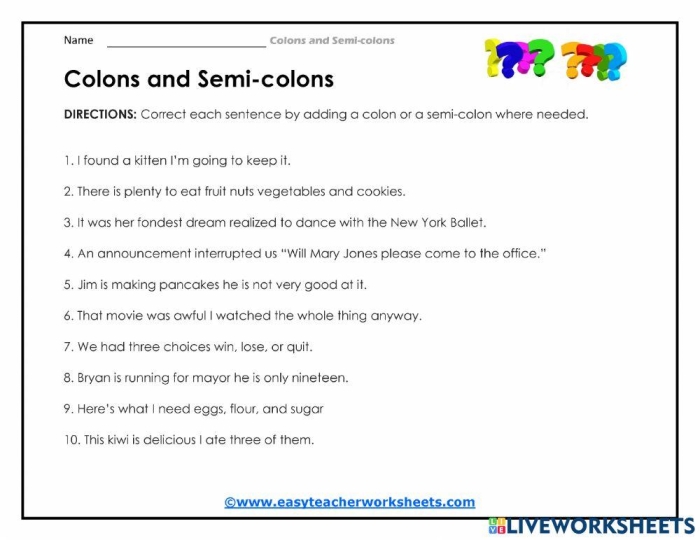
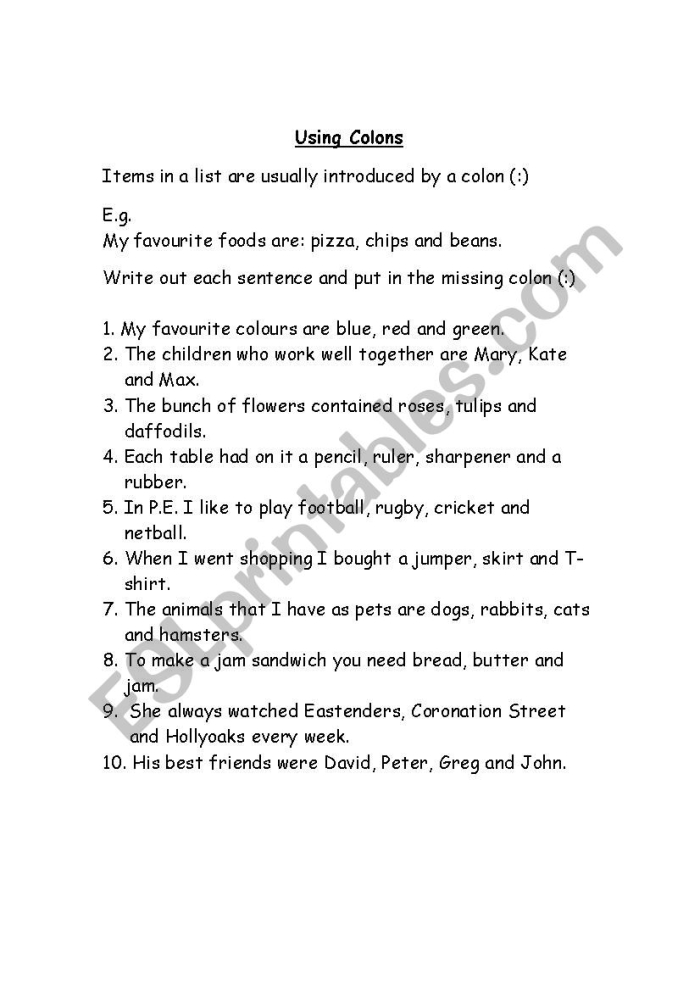
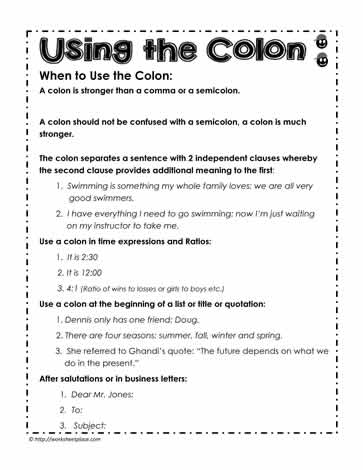
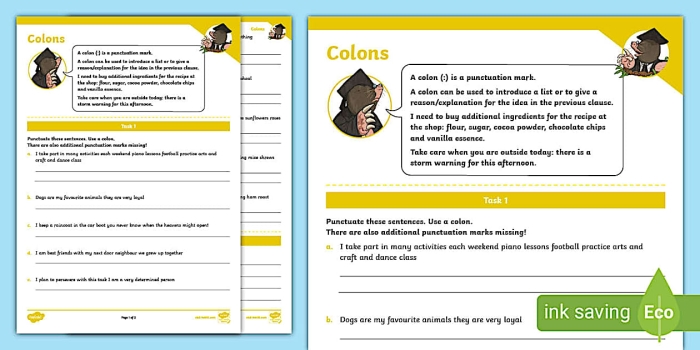
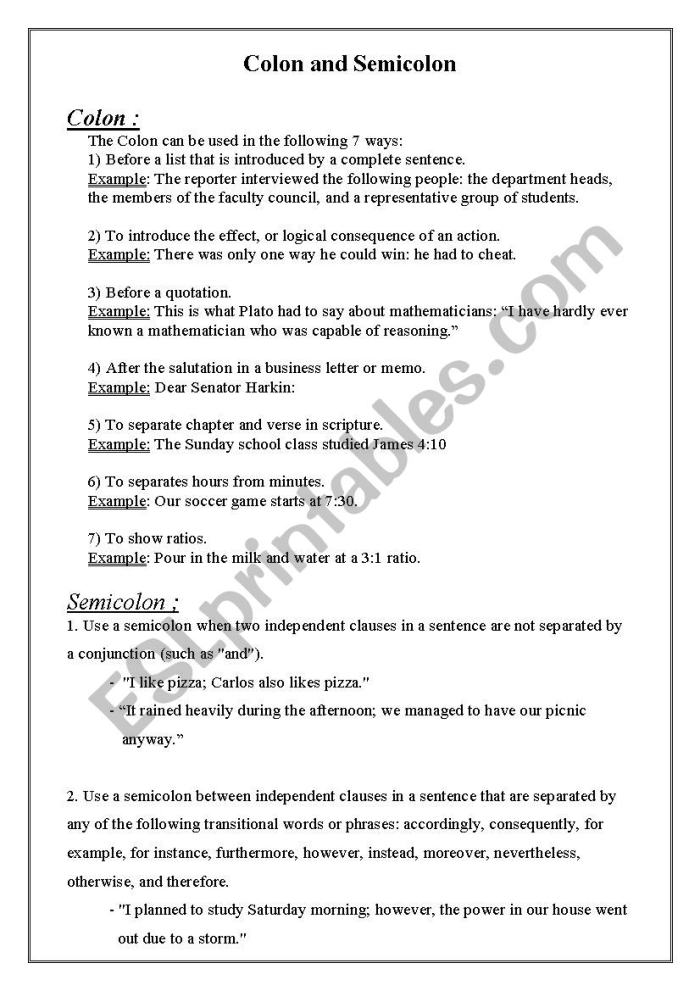
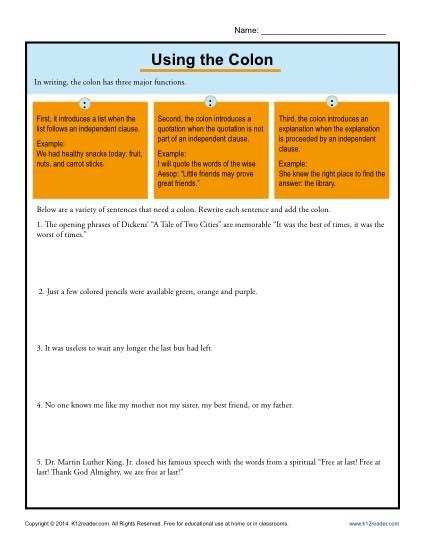
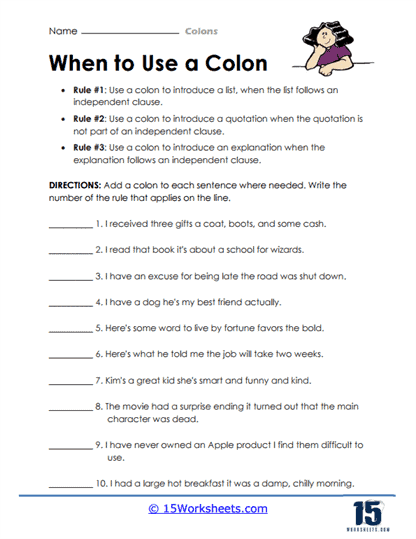
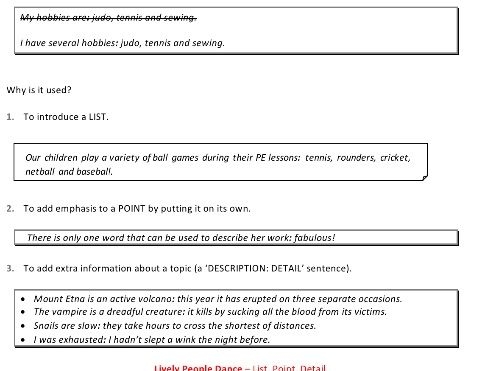
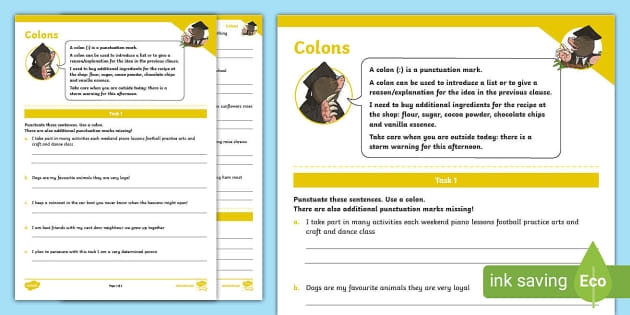
The most common use of the colon is introducing a list. When you want to present items that explain or expand on what you just said, the colon signals that expansion is coming. For example: “You’ll need three supplies for this project: pencils, paper, and erasers.” Notice how the colon prepares your reader for what follows. The words before the colon form a complete thought, which is the key rule many seventh grade students miss. You can’t use a colon after a fragment.
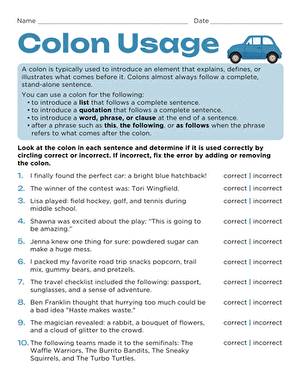
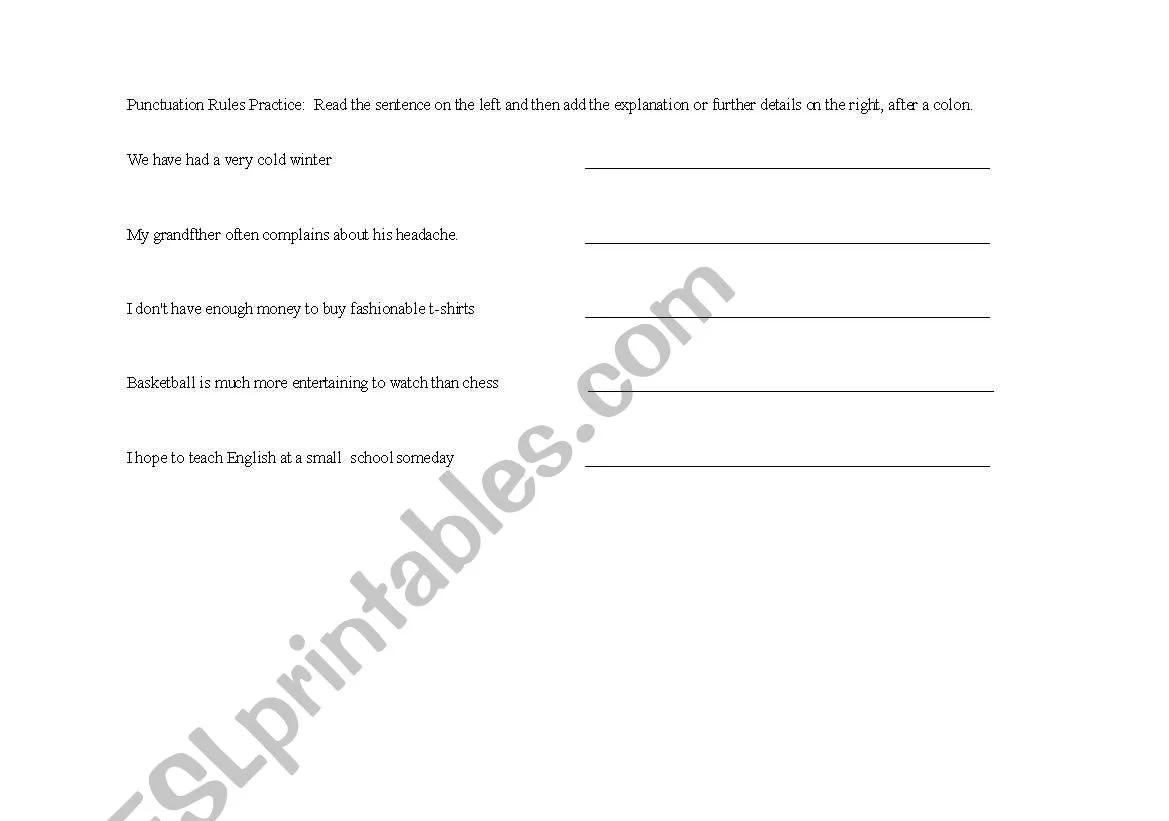
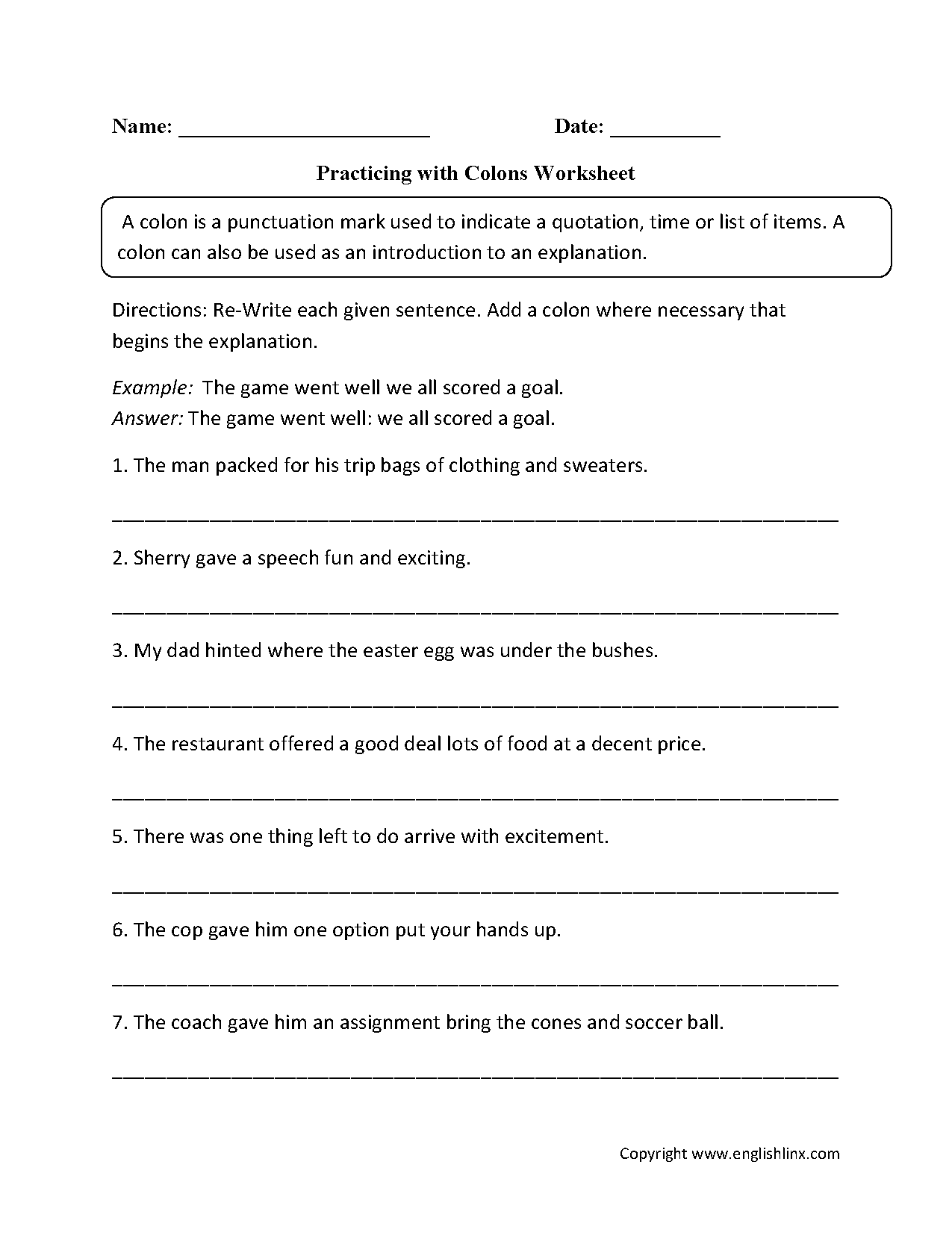
Beyond lists, colons introduce explanations and examples. If you write, “I finally understand the concept: the colon always announces something important,” you’re using the colon to clarify your main point. This works especially well when explaining mathematical concepts like place value, where precision matters. The colon lets you separate your main idea from the supporting detail.
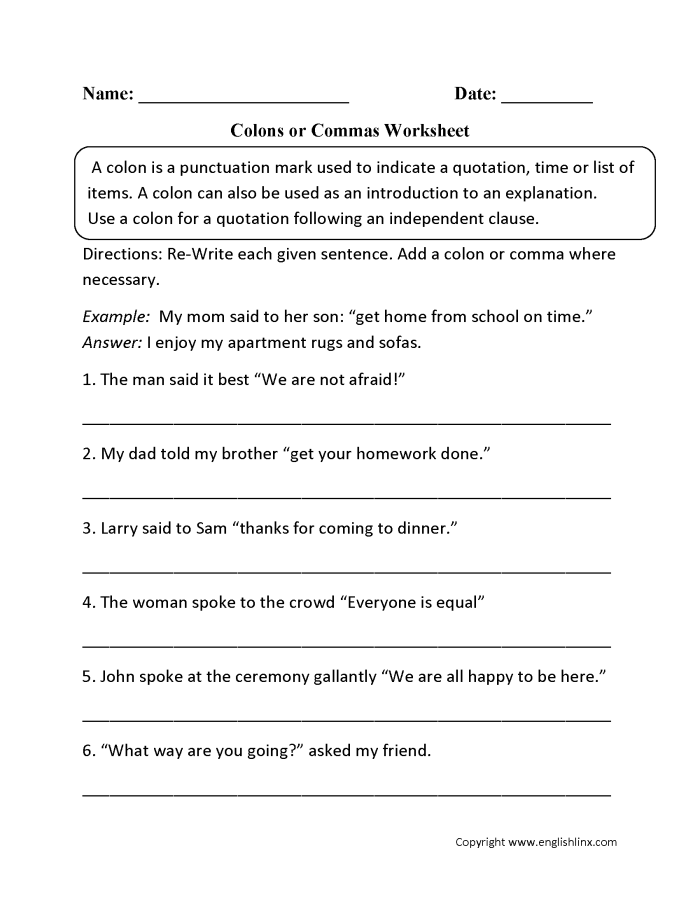
Many writers also use colons before quotations, particularly formal ones. “The teacher explained the assignment: ‘Complete the worksheet by Friday.'” This usage feels more formal than using a comma, which is why it appears more often in academic writing.
The trickiest part isn’t the mechanics, though. It’s recognizing when a colon actually improves your sentence. Not every list needs one, and not every explanation requires this punctuation. As you practice with language objectives and phonics worksheets, you’ll develop an instinct for when a colon strengthens your writing versus when it feels forced.
Start by identifying sentences where you’re introducing something new. That’s where your colon belongs. With regular practice, this tricky punctuation mark becomes a reliable tool in your writing toolkit.
Boost Skills with These Worksheets