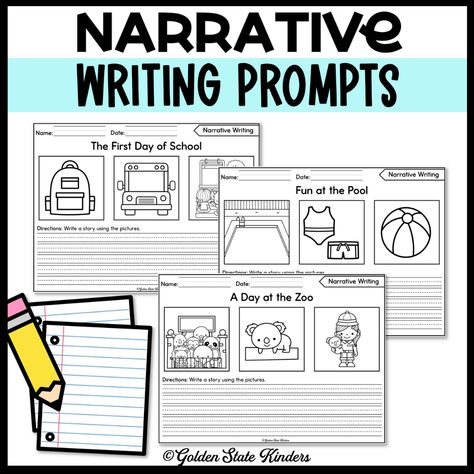
Personal narrative prompts help first grade students discover their own stories and put them on paper. When kids write about something that actually happened to them, the words come easier because they already know the details. They lived through it.
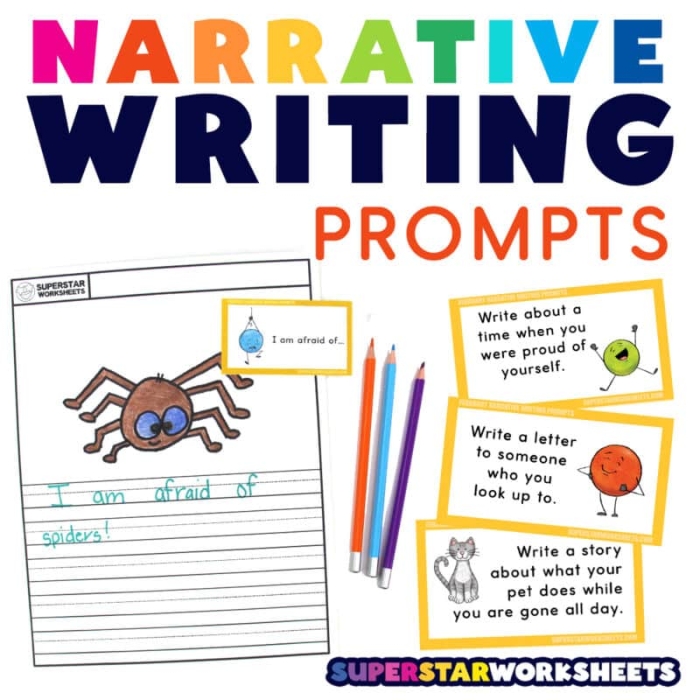
A strong narrative prompt gives children just enough direction without telling them exactly what to write. Instead of asking “What did you eat for lunch?” a better prompt might be “Tell about a time you tried something new.” This approach lets each child find their own angle. One student might write about tasting a strange fruit at the grocery store, while another describes their first time on a bike.
First grade writers benefit from prompts that connect to real experiences. Kids have plenty of material: a funny moment with a pet, a visit to grandma’s house, learning to tie their shoes, or playing with friends at recess. These everyday moments make perfect stories. When children write from personal knowledge, they feel like real authors rather than students doing an assignment.
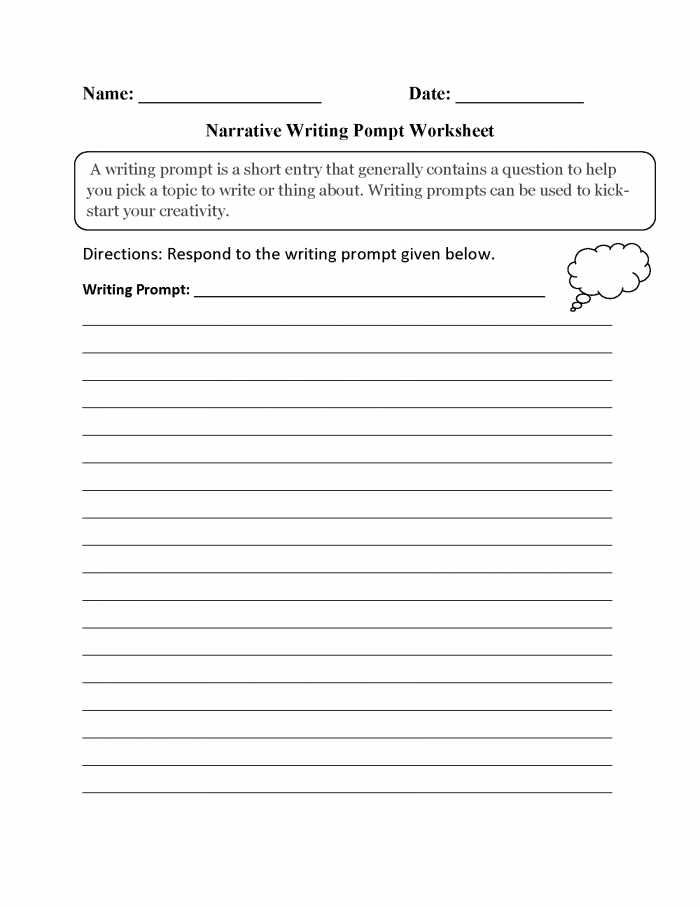
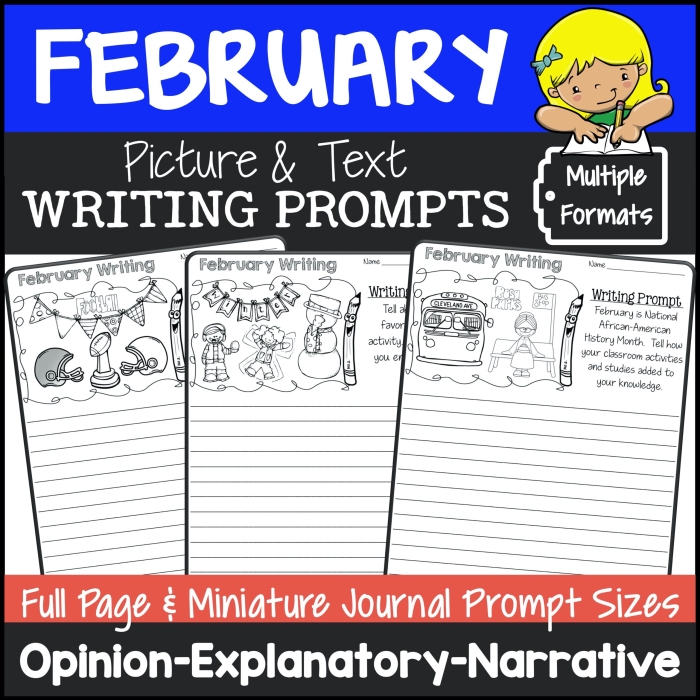
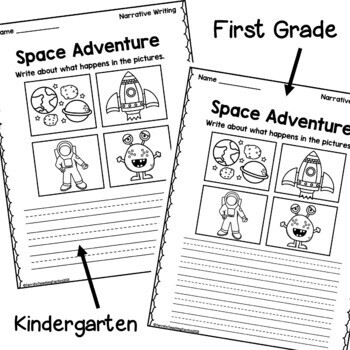
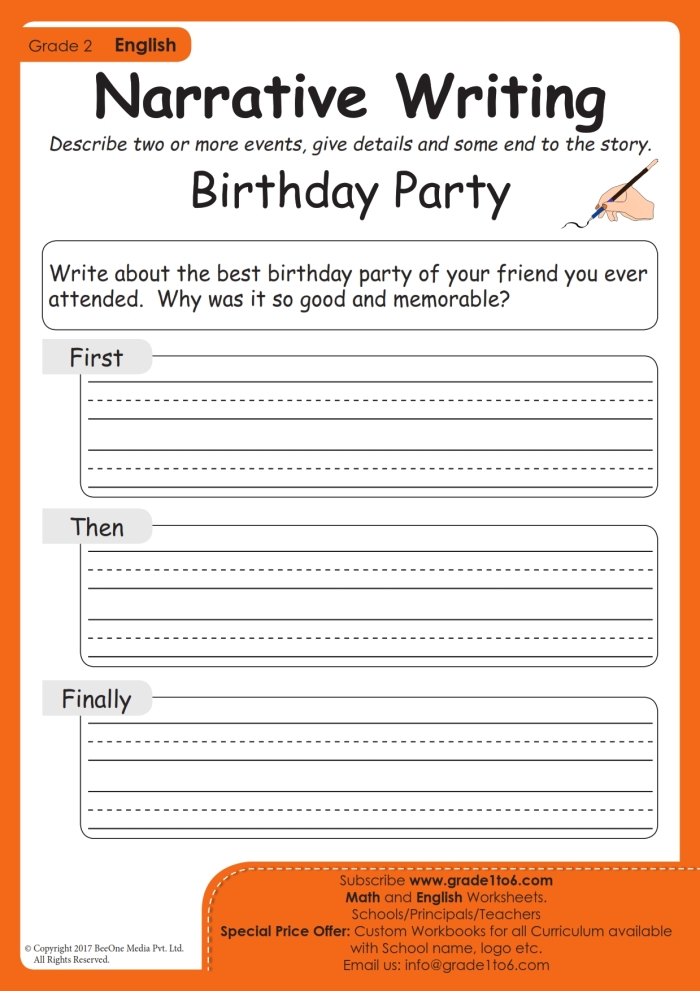
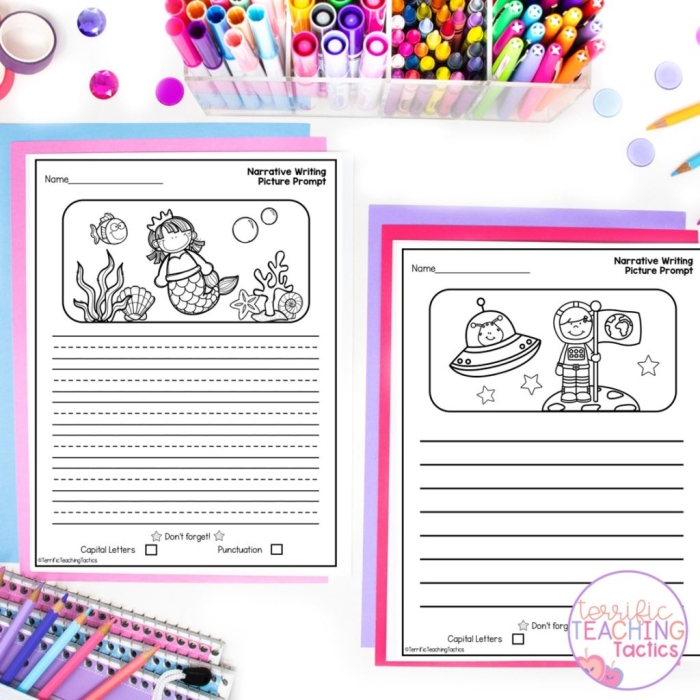
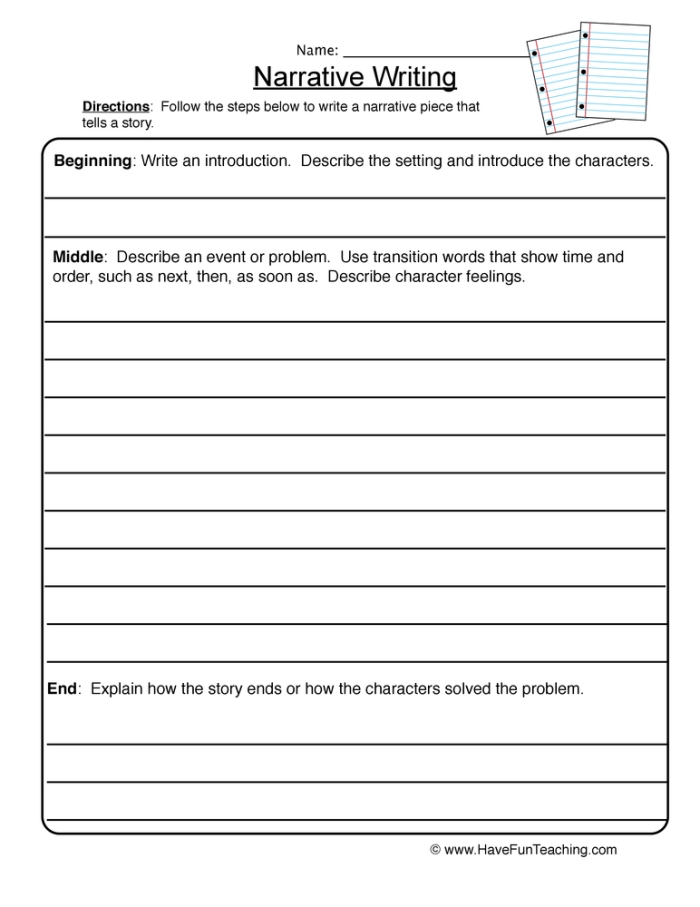
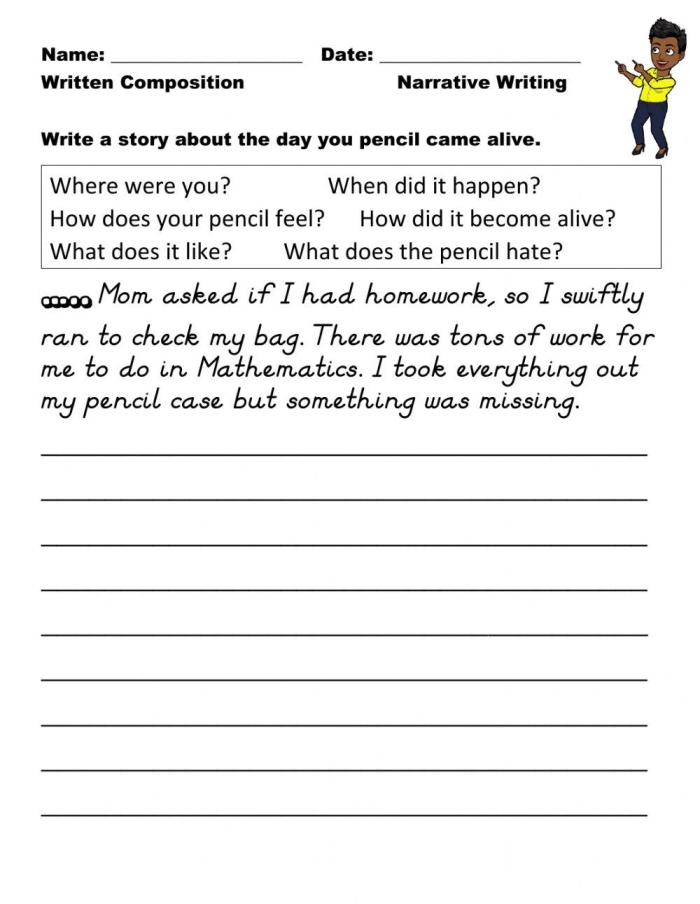
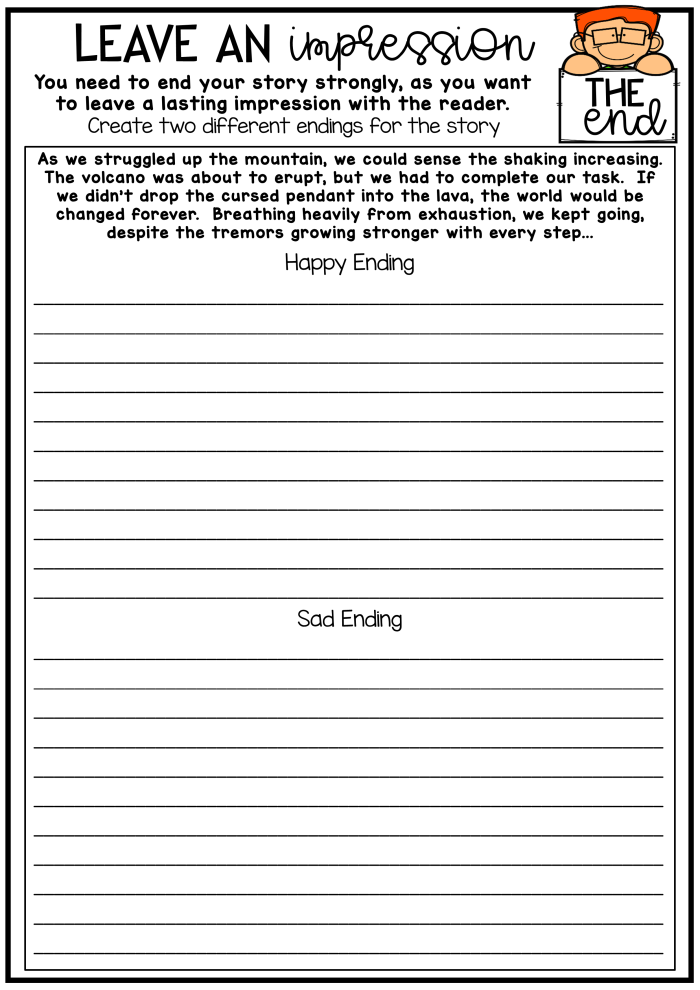
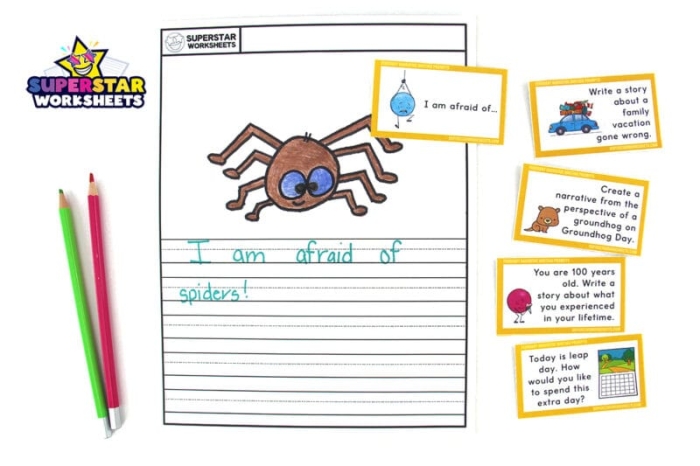
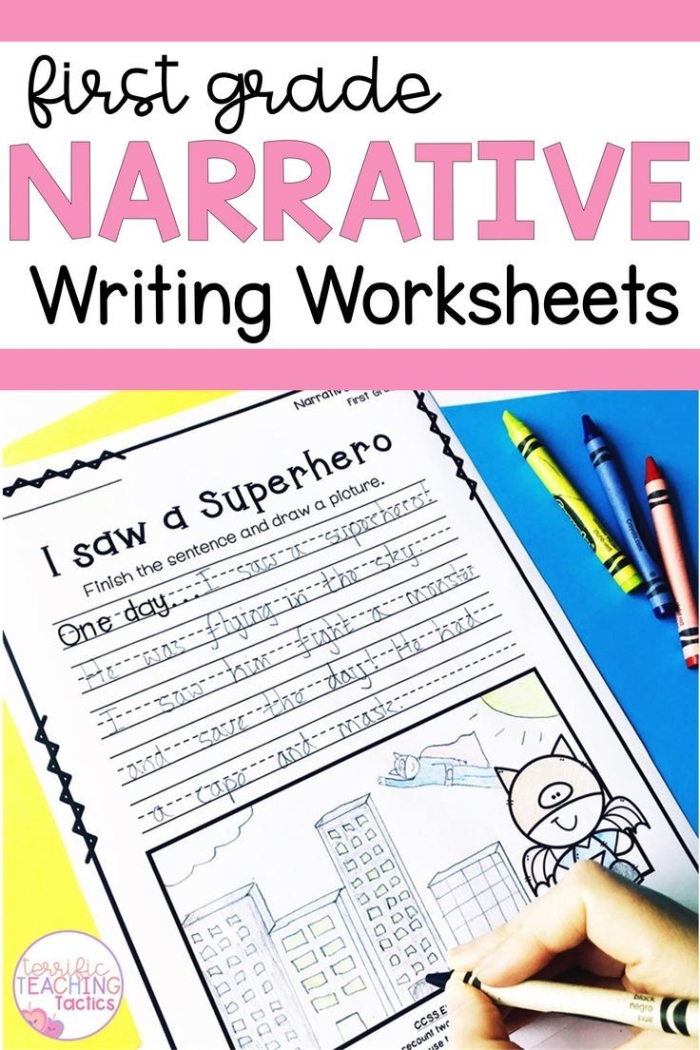
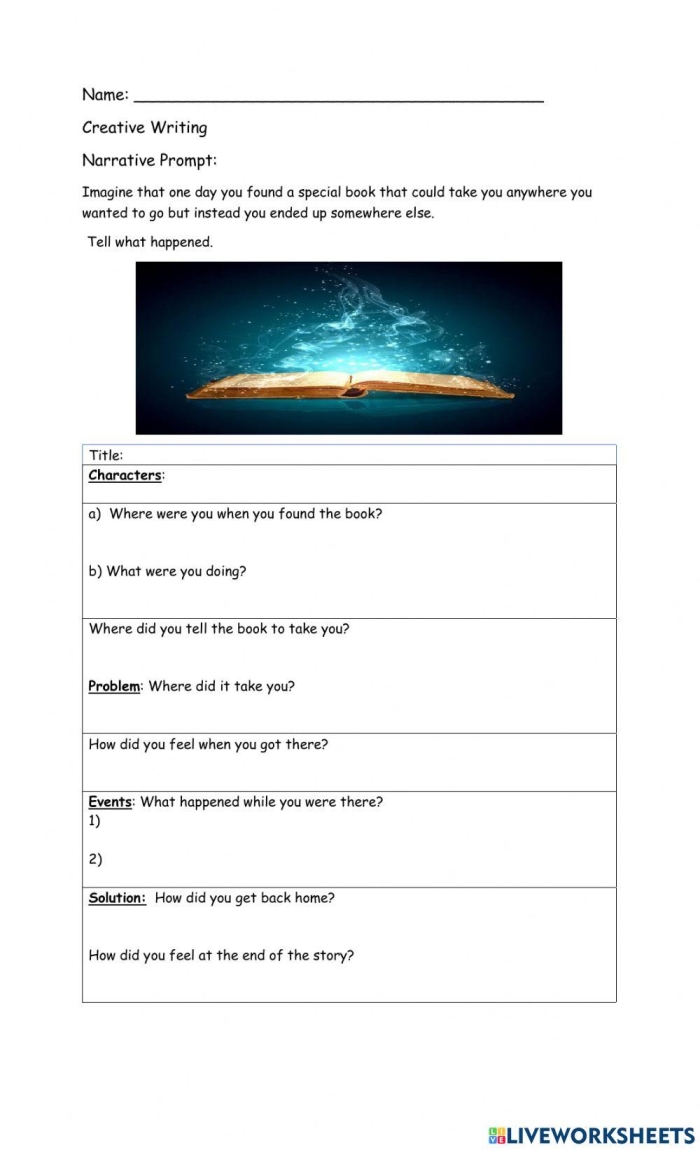
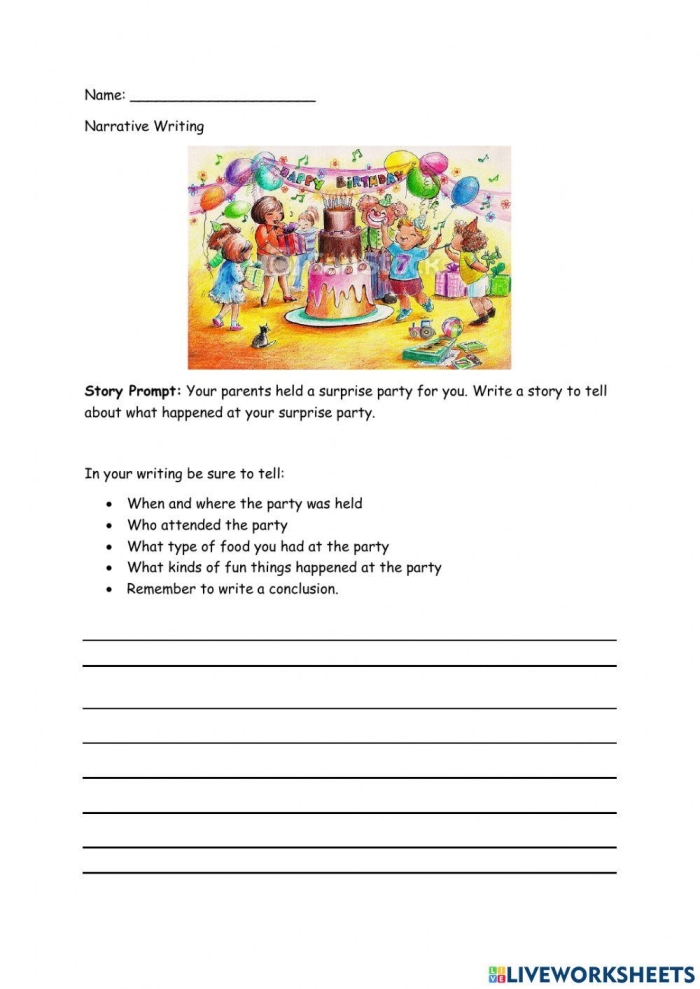
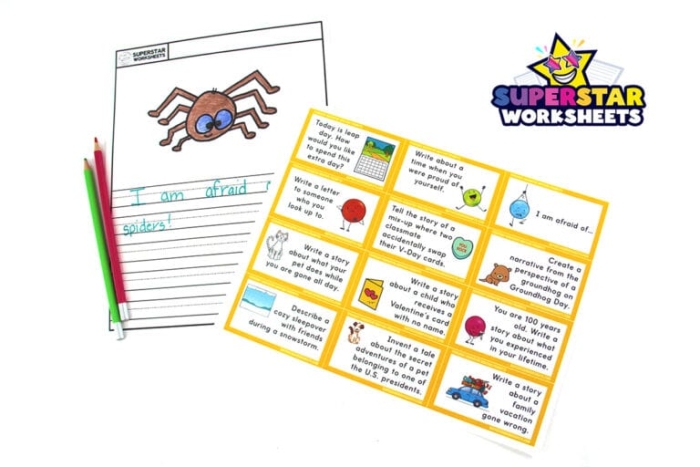
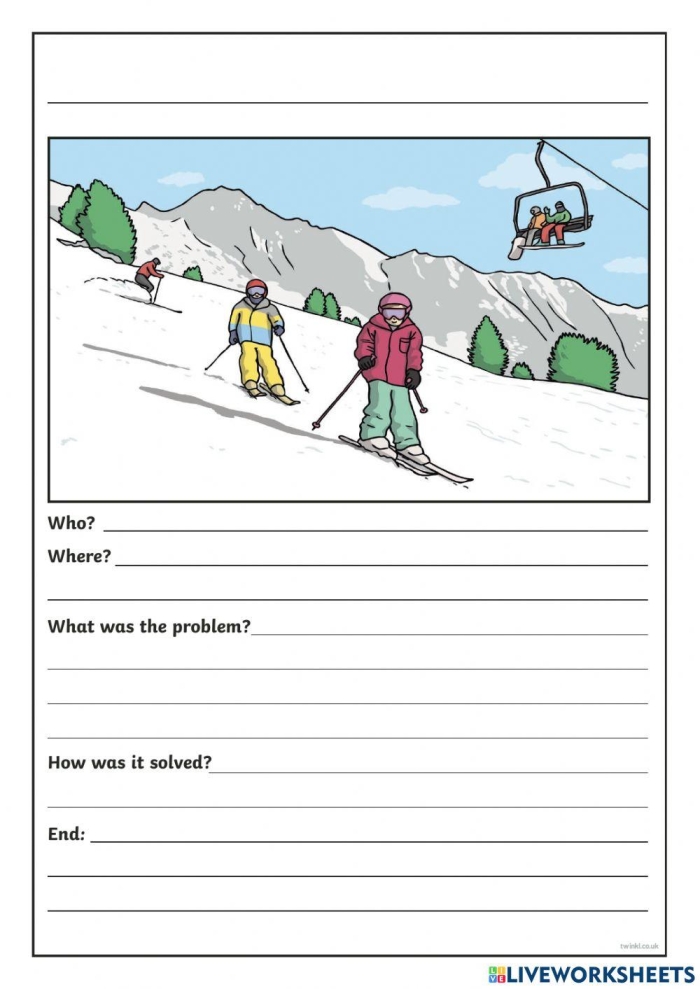
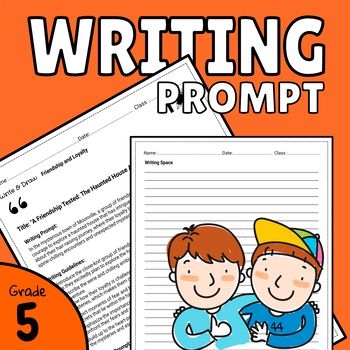
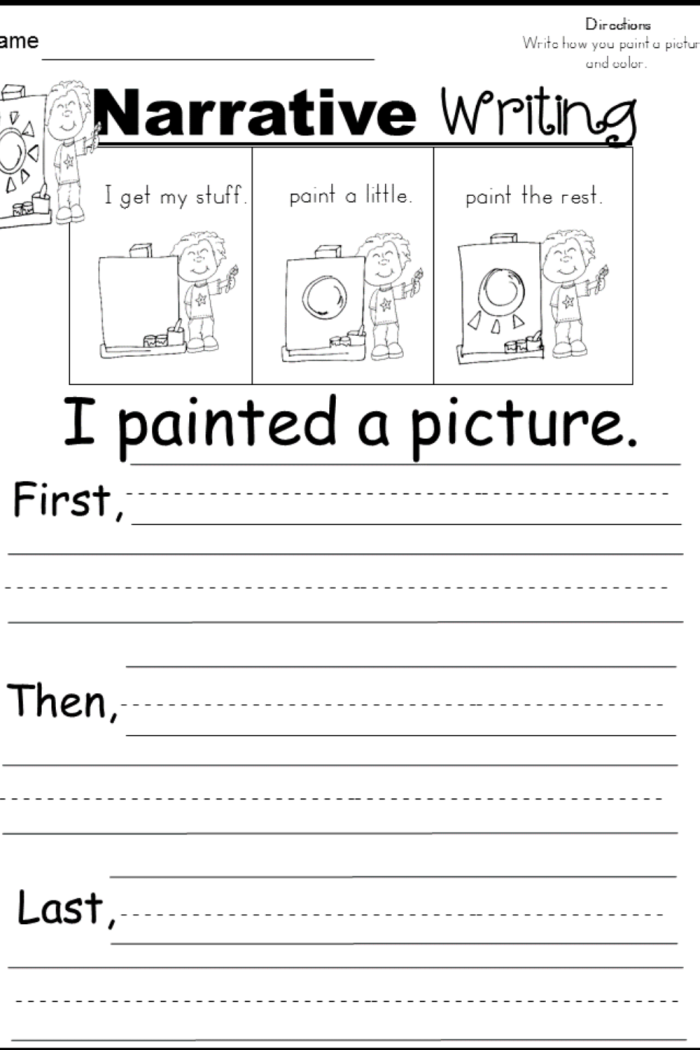
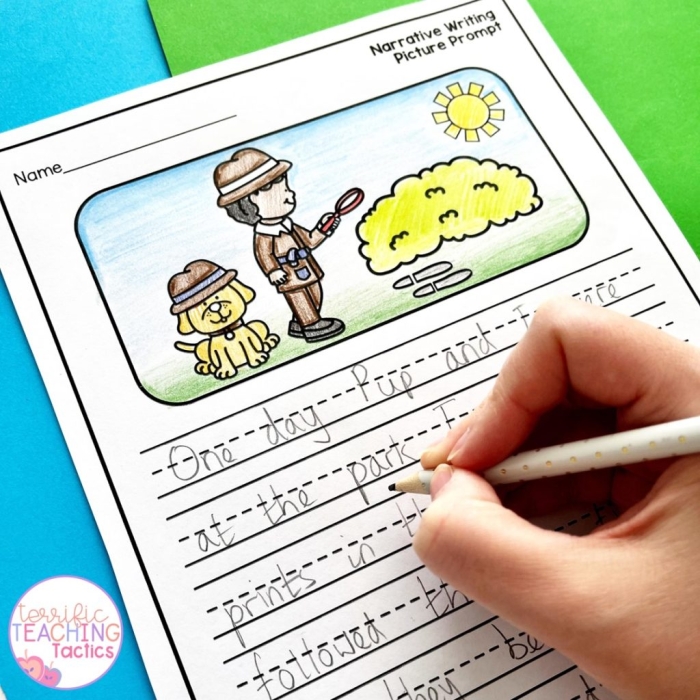
Teachers often pair narrative prompts with sentence frames or word banks to support emerging writers. Some classrooms use narrative writing prompt worksheets that provide structure while leaving room for creativity. Others combine personal prompts with editing practice using activities like fixing sentences about pets, which helps kids polish their work.
The key is making space for children’s voices. When a first grader writes “I went to the park and I saw a big dog and the dog was brown,” that’s a real narrative. It has a beginning, middle, and end. From there, teachers can guide revision and help students add more details naturally, without crushing their enthusiasm for writing.
Practice with These Worksheets