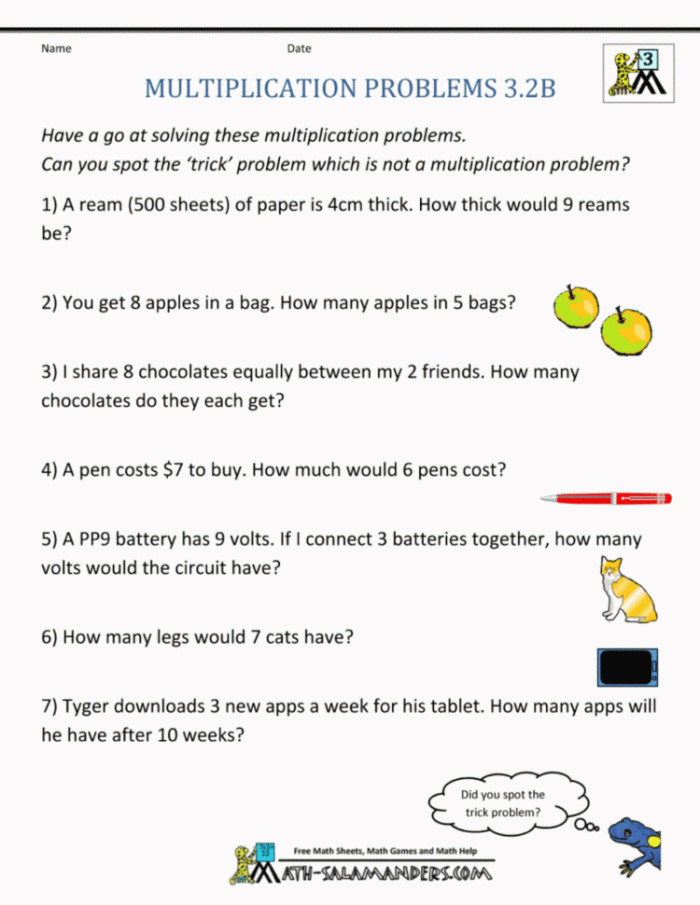
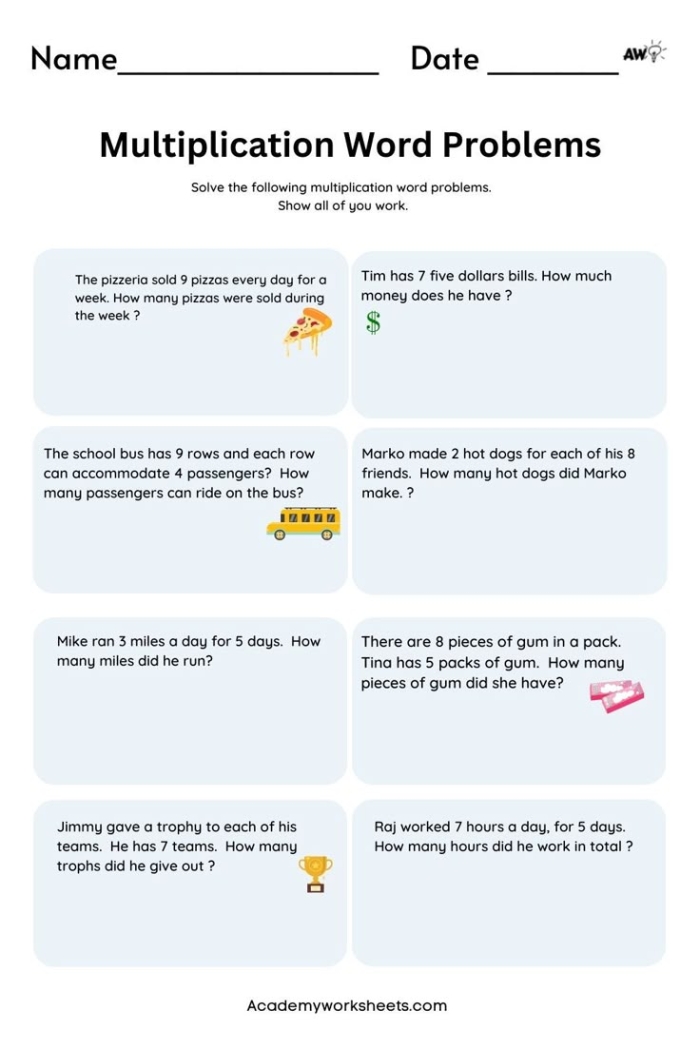
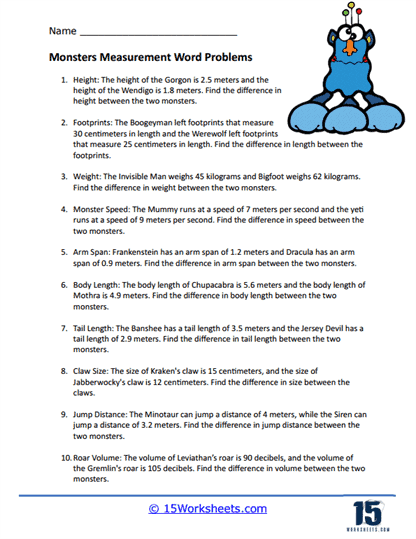
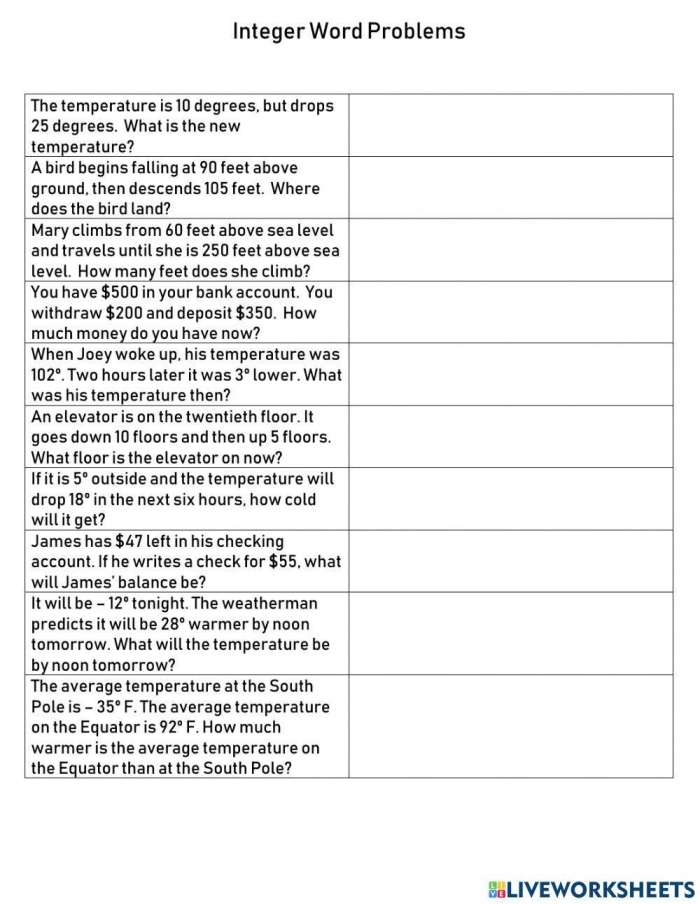
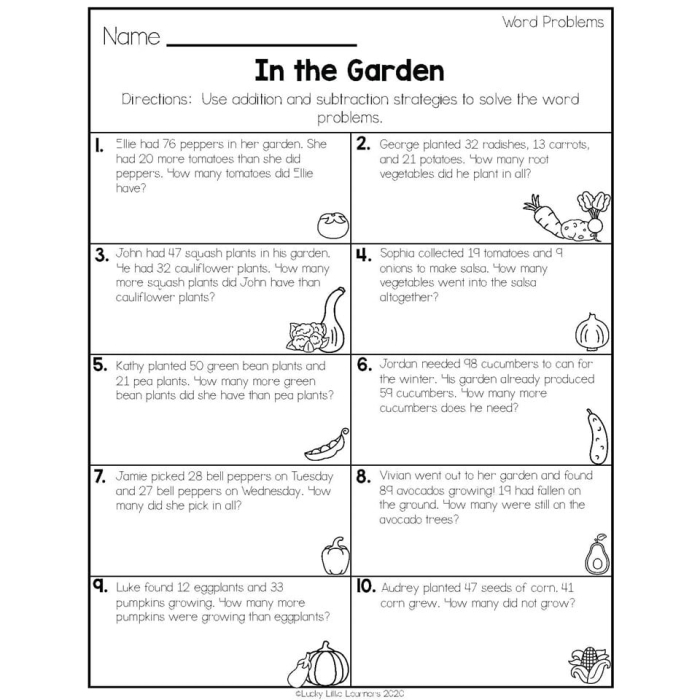
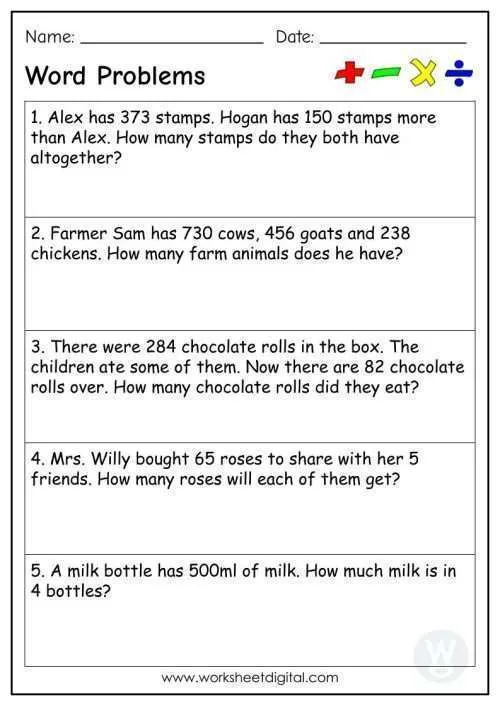
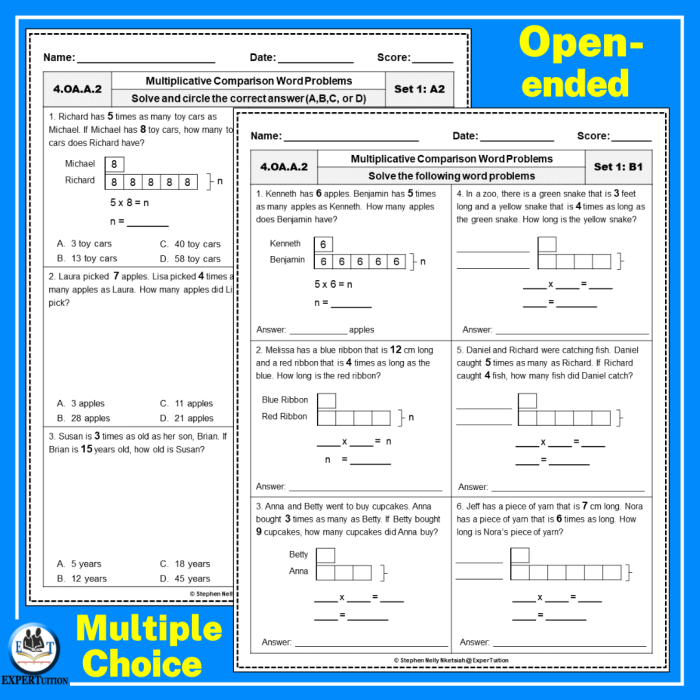
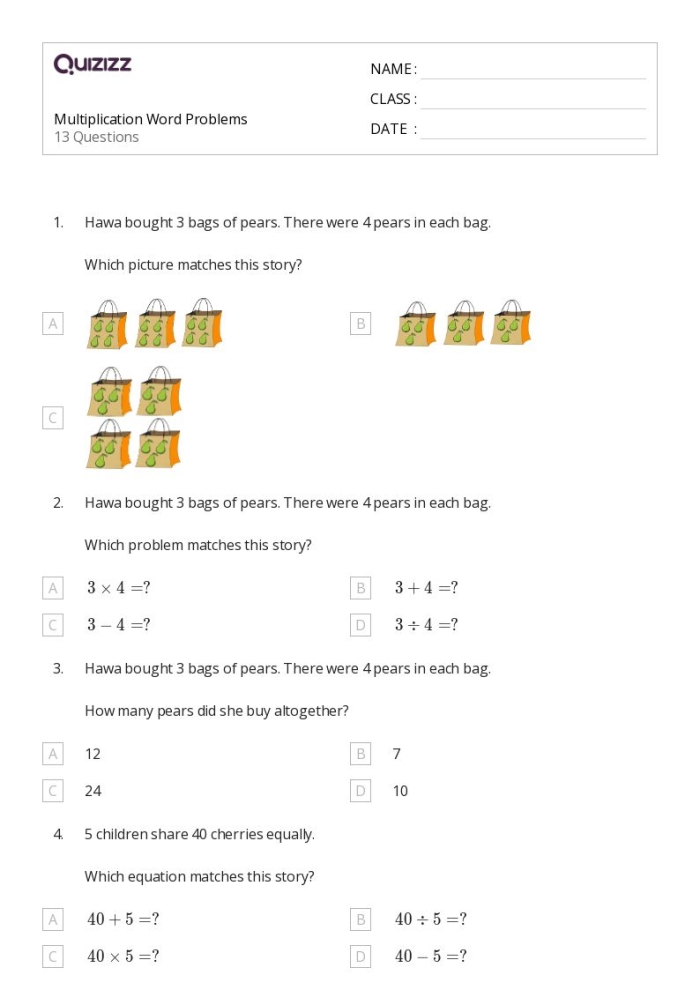
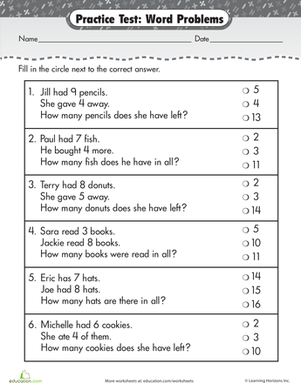
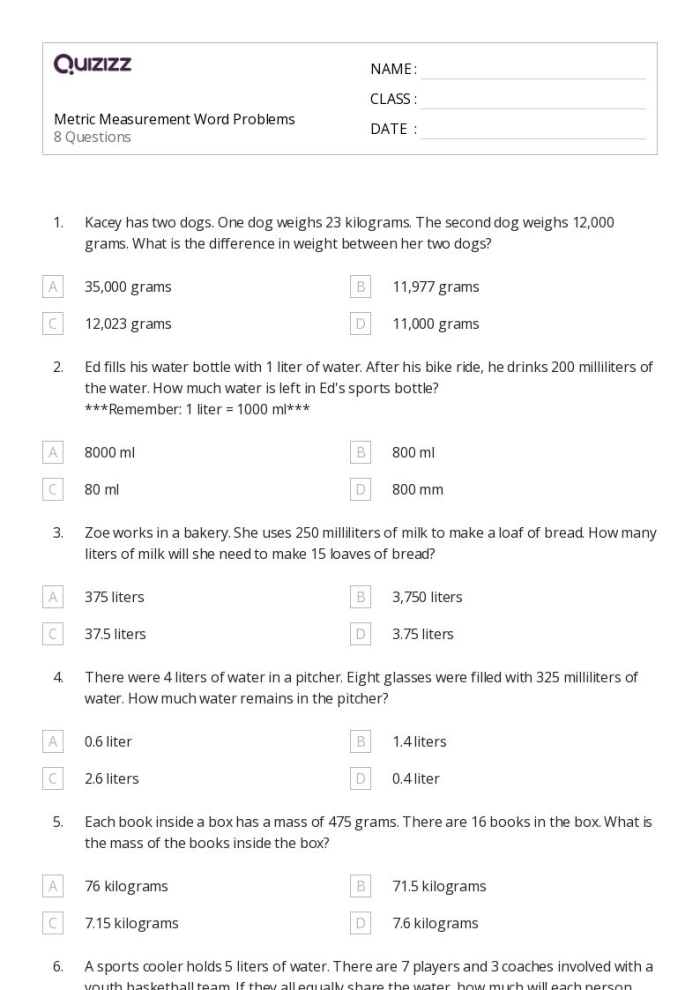
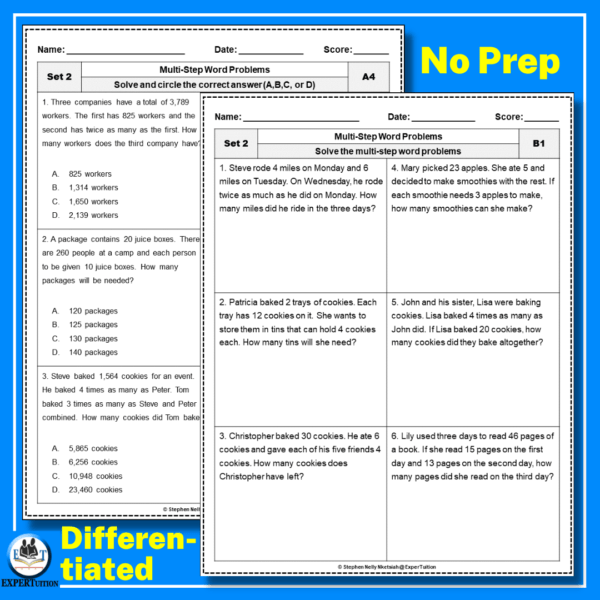
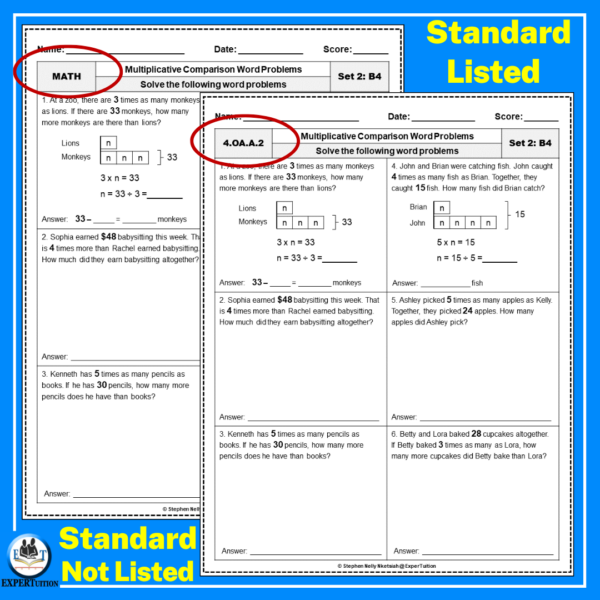
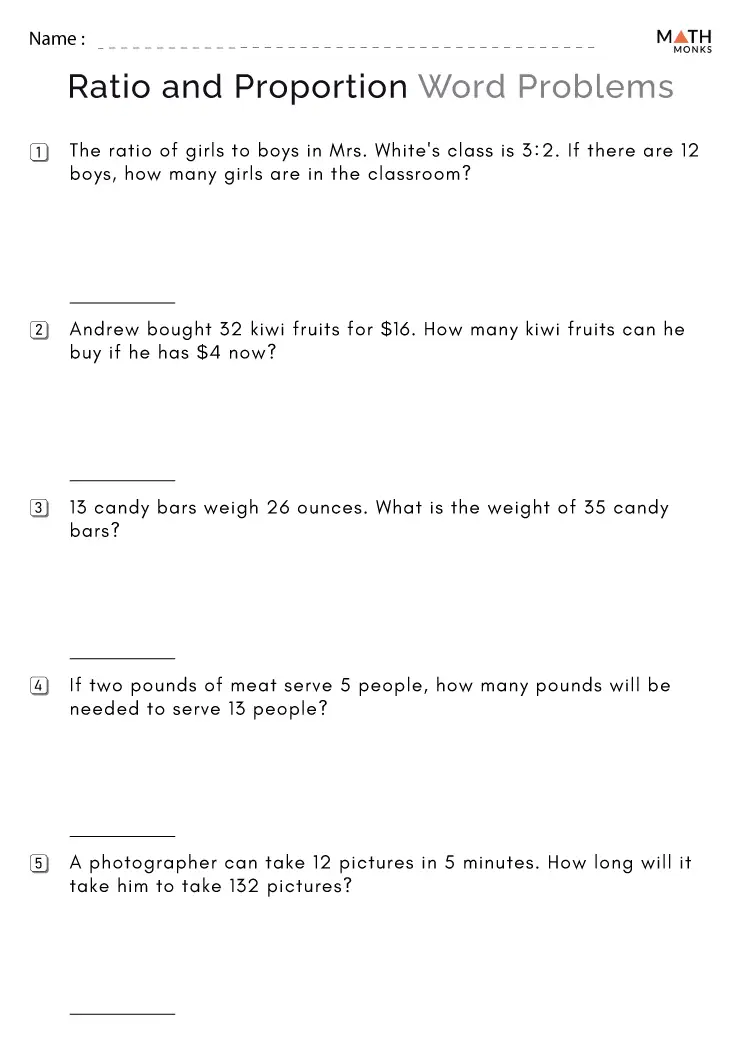
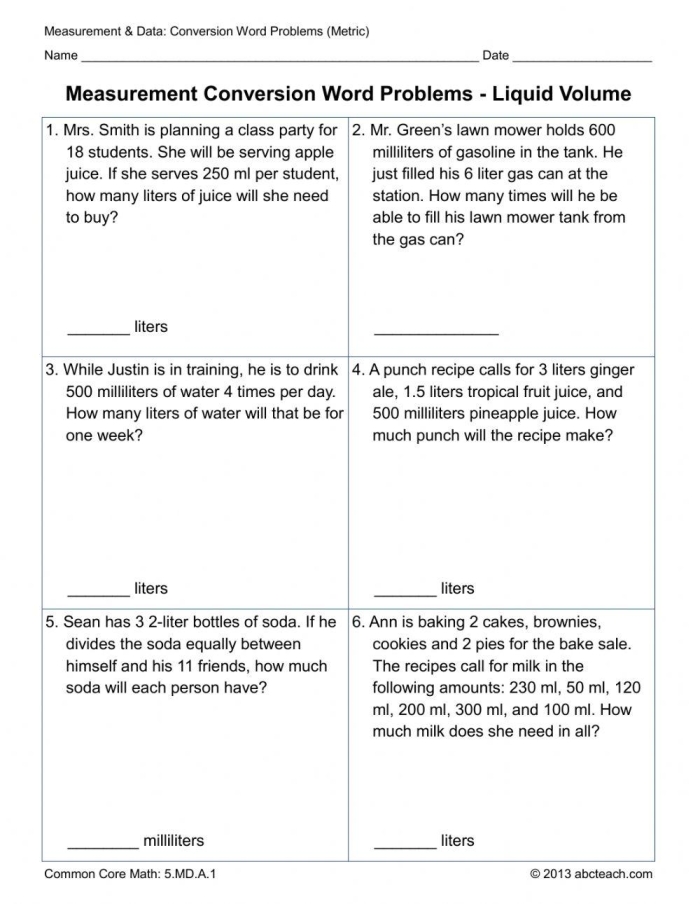
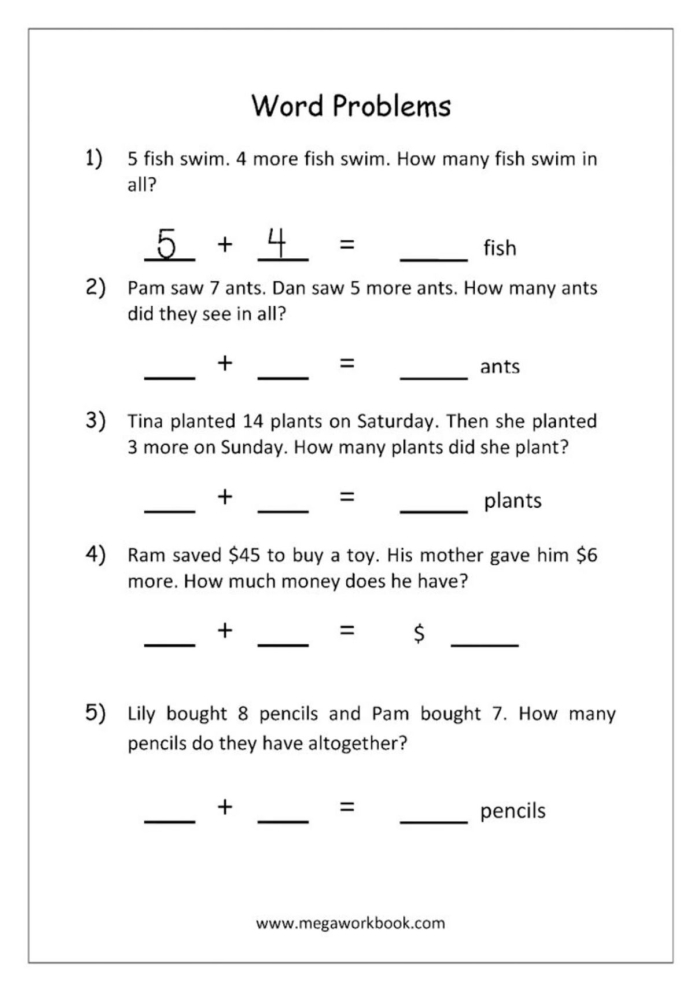
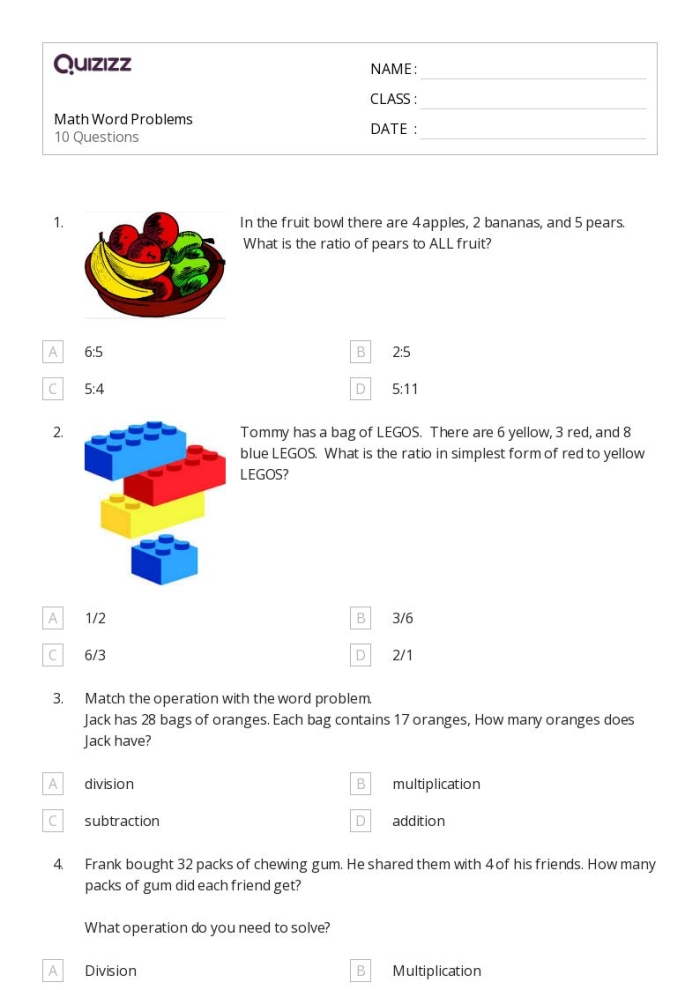
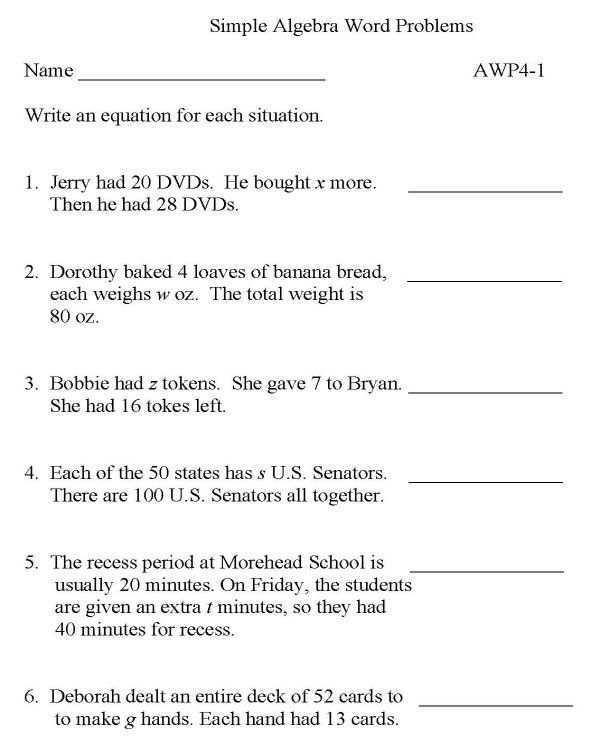
First graders often struggle with the bridge between basic math facts and real-world application. A quick practice test focused on word problems fills that gap by asking students to read a scenario, identify what operation they need, and solve it. This approach works because it mirrors how math actually shows up in daily life, not just as isolated equations on a page.
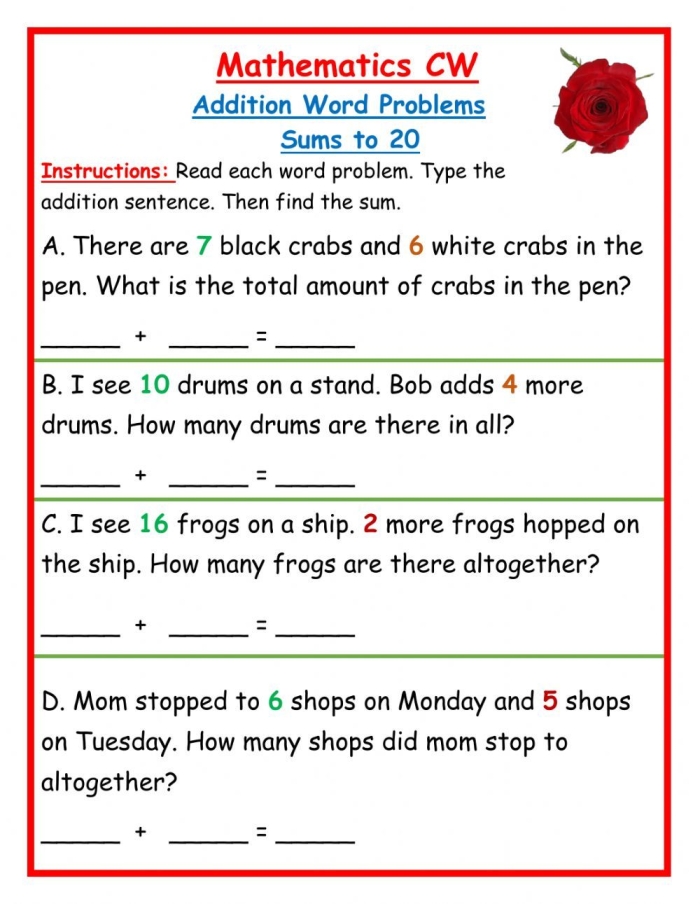
The beauty of simple addition and subtraction word problems for first grade lies in their scaffolding. A child might already know that 3 + 2 = 5, but when you ask “Maya has 3 apples and her friend gives her 2 more, how many does she have now?” something clicks differently in their brain. They’re connecting the abstract symbol to concrete meaning.
When you use a practice test format, you’re also giving your first grader a chance to review multiple problem types in one sitting. They encounter different contexts, different numbers, and different ways the same operation appears. One problem might involve addition with small numbers, another might use subtraction with objects, and a third might require them to think about taking away.
This kind of review works best when it’s low-pressure. A practice test shouldn’t feel like a formal exam. Instead, it’s a tool to see where your child feels confident and where they might need another explanation or a different approach. Some first graders breeze through addition but hesitate with subtraction, or vice versa.
Pairing word problem practice with other grammar and mechanics work rounds out your first grader’s skill development. Activities like color by addition facts keep math skills sharp while practice with ABC order supports literacy alongside numeracy. The combination helps children see that learning happens across different subjects, not in isolated silos.
Boost Skills with These Worksheets