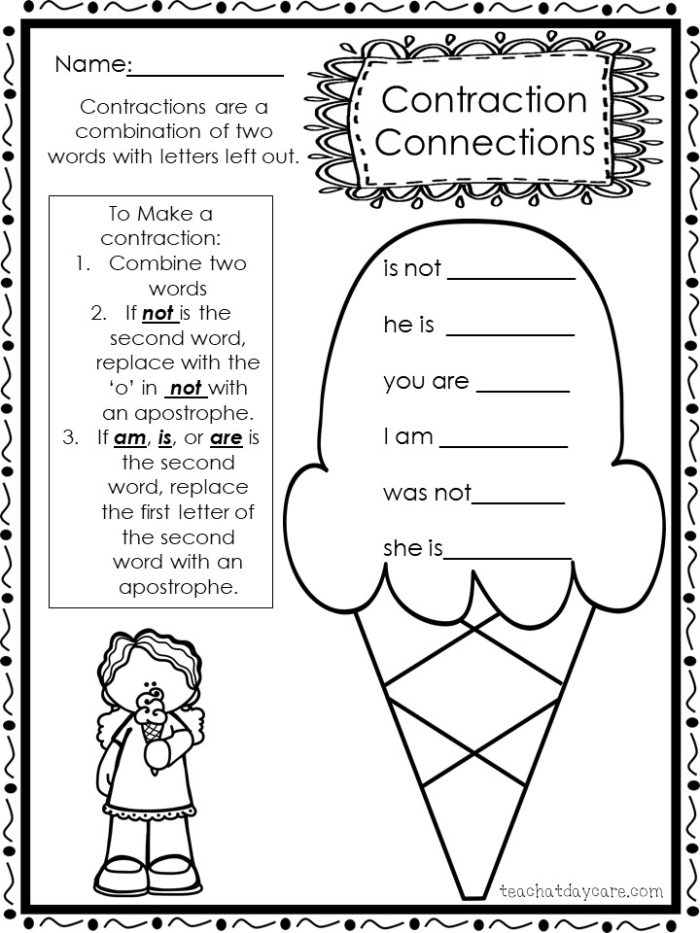
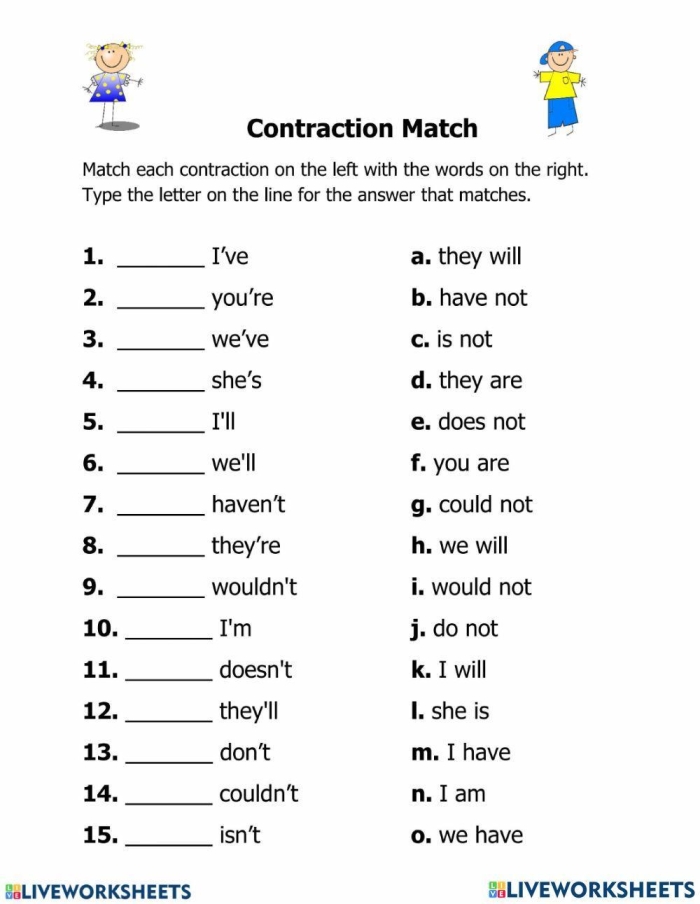
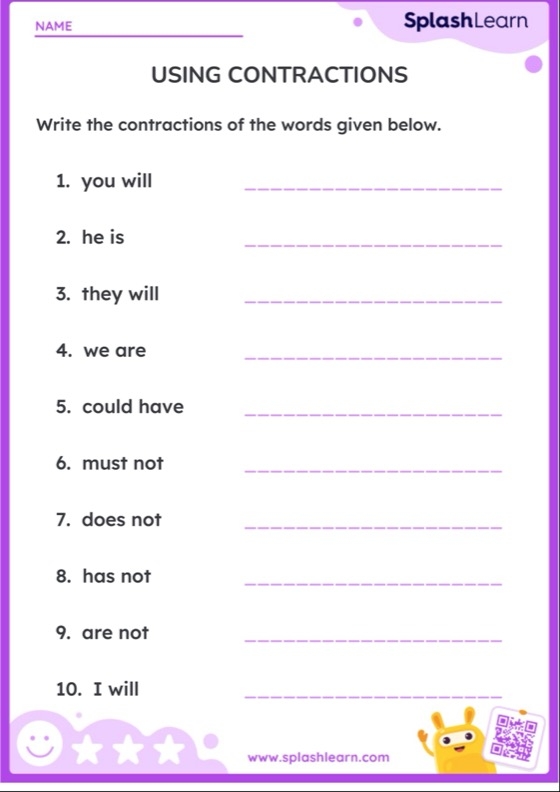
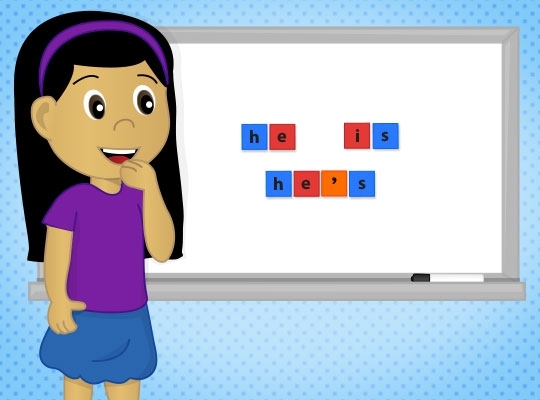
Teaching contractions to second graders requires more than just definitions and rules. Kids need hands-on practice that shows them how two words collapse into one, with an apostrophe filling the gap where letters disappear. A well-designed worksheet makes this concept stick by letting students actively work through examples rather than passively reading explanations.
Contractions appear constantly in everyday speech and writing. When children see “cannot” become “can’t” or “will not” become “won’t,” they’re learning a fundamental compression pattern in English. The challenge lies in making this abstract idea concrete. Second grade students benefit from worksheets that include visual cues, clear examples, and repetitive practice that builds confidence.
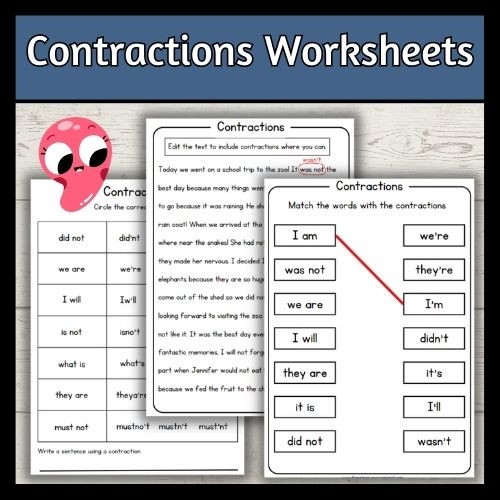
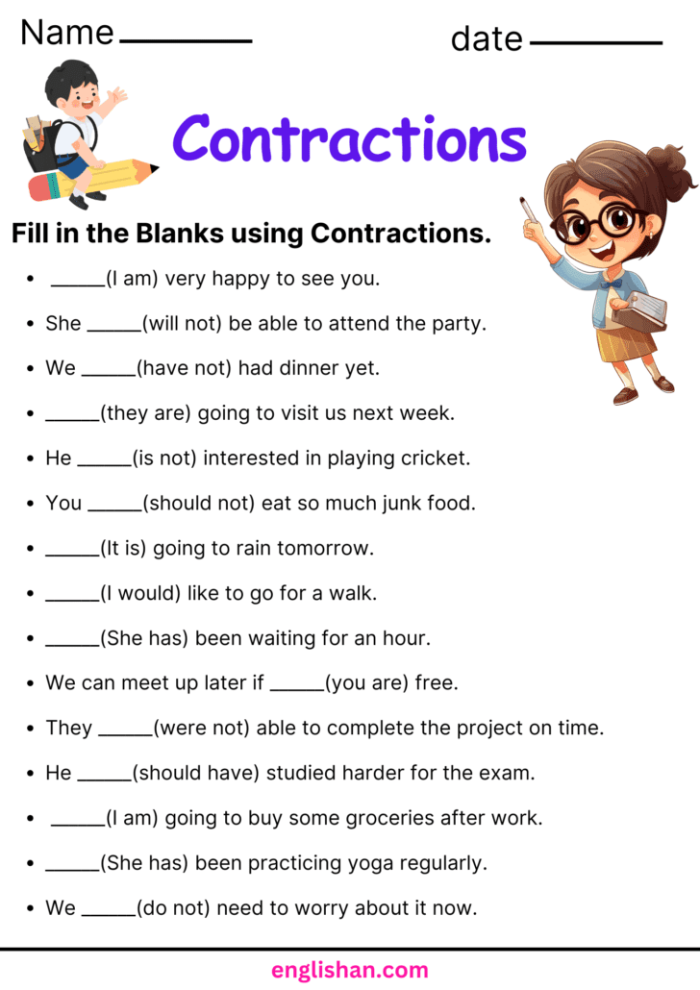
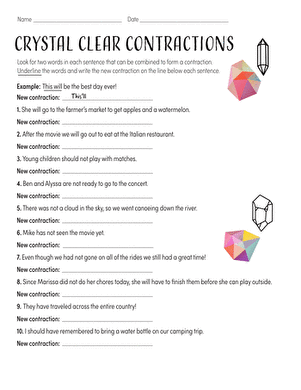
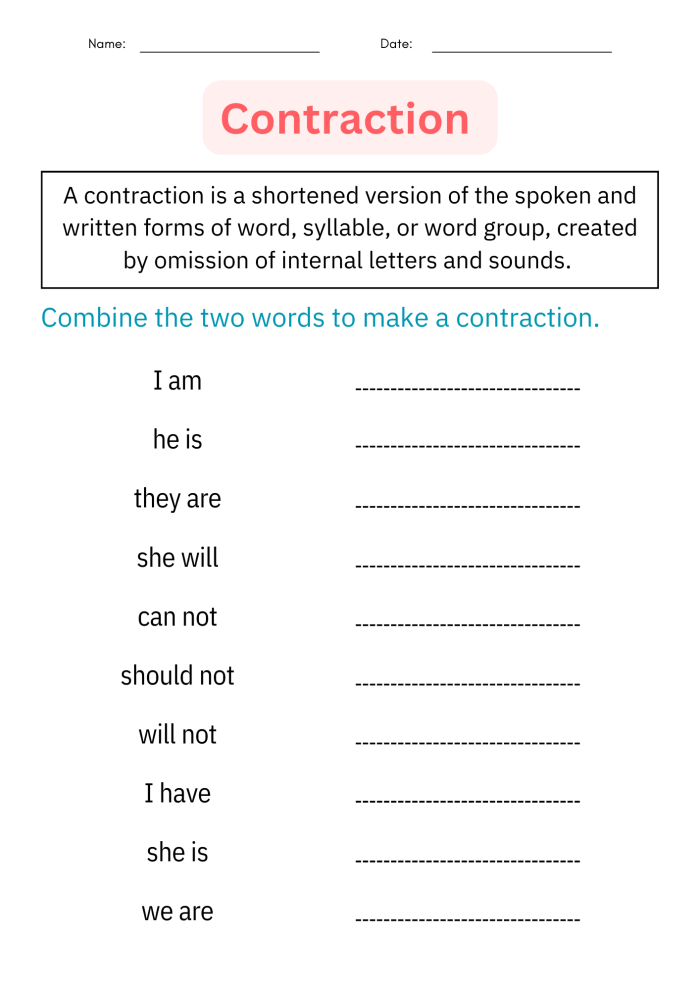
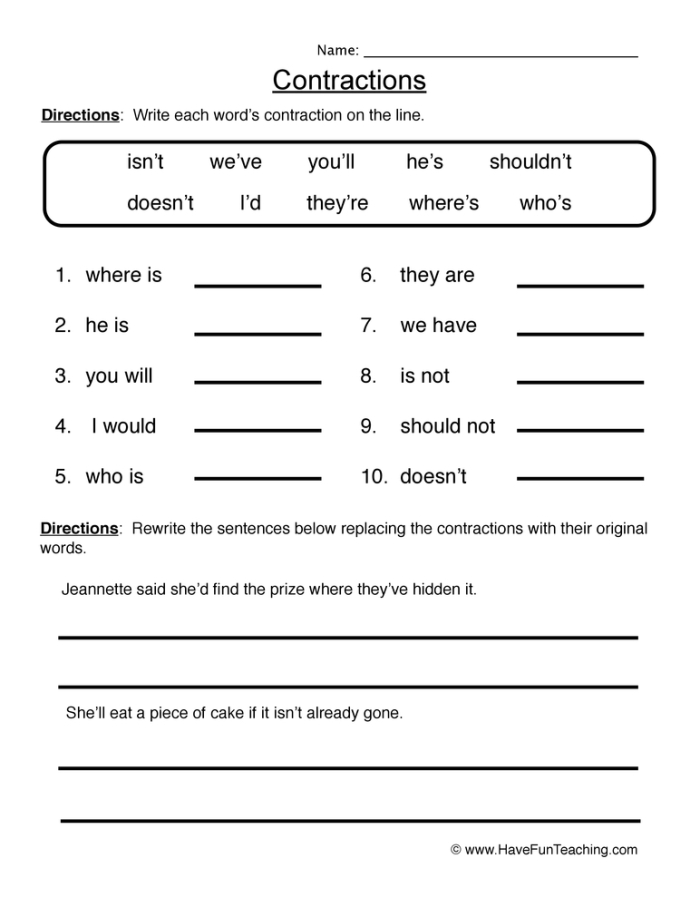
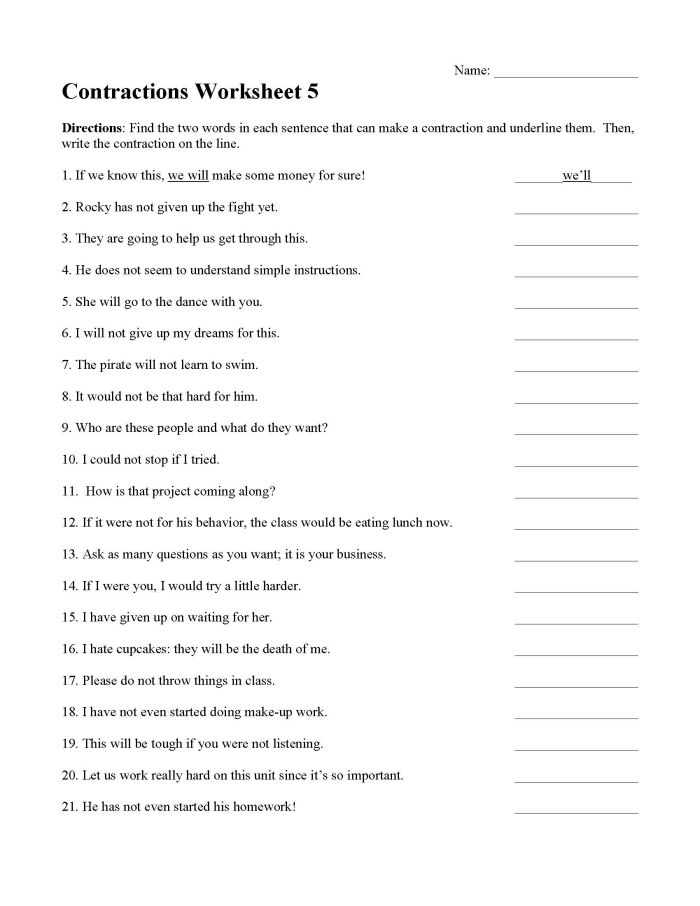
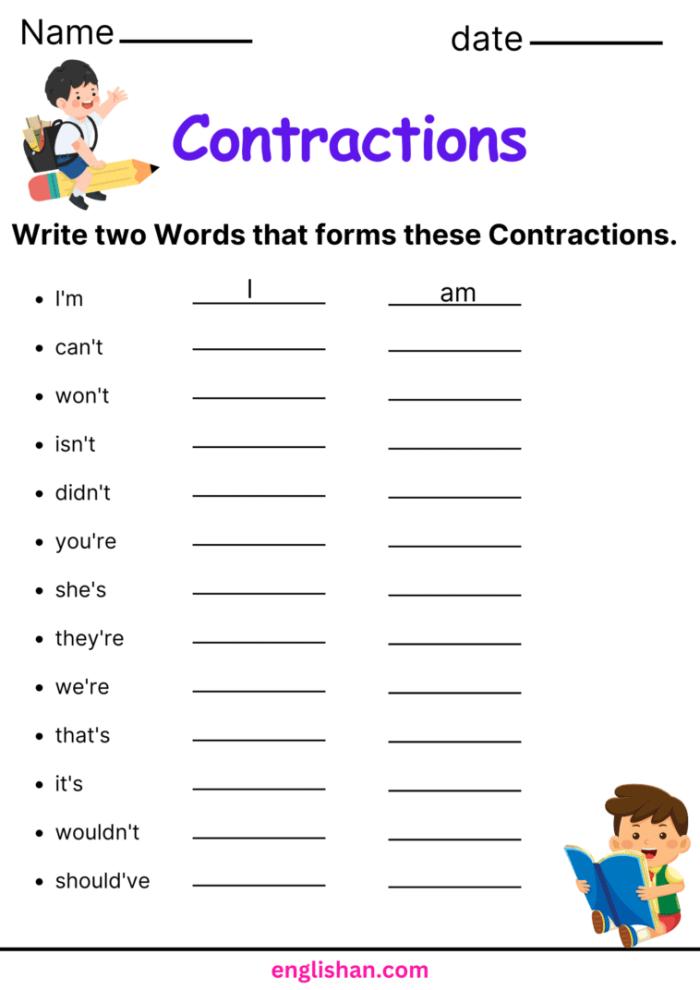
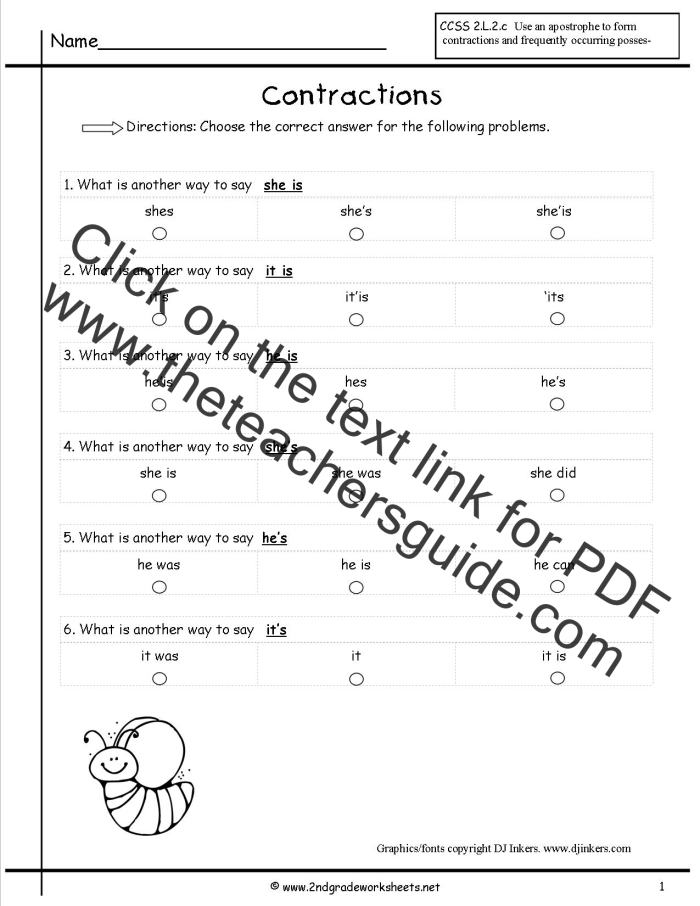
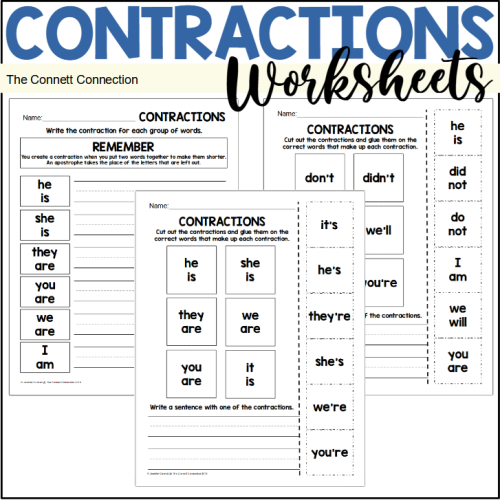
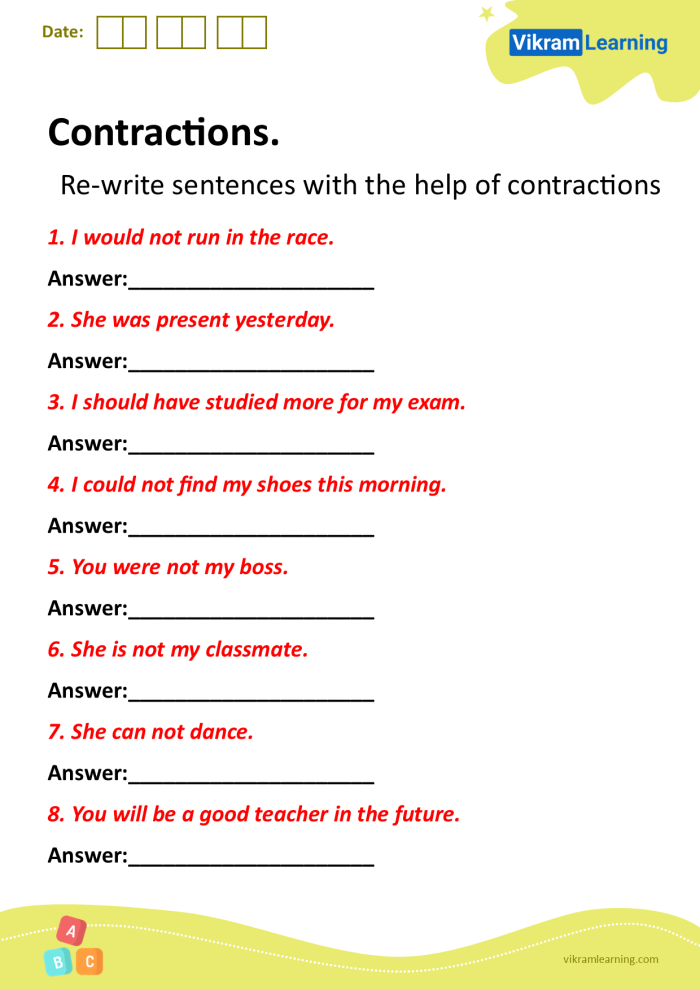
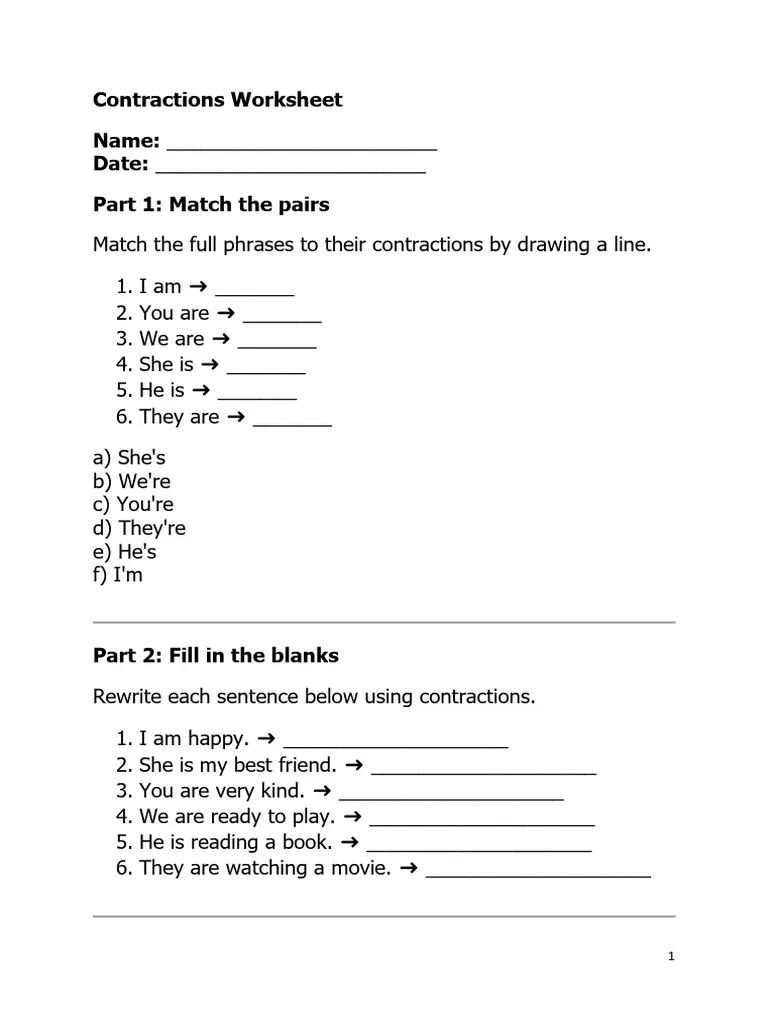
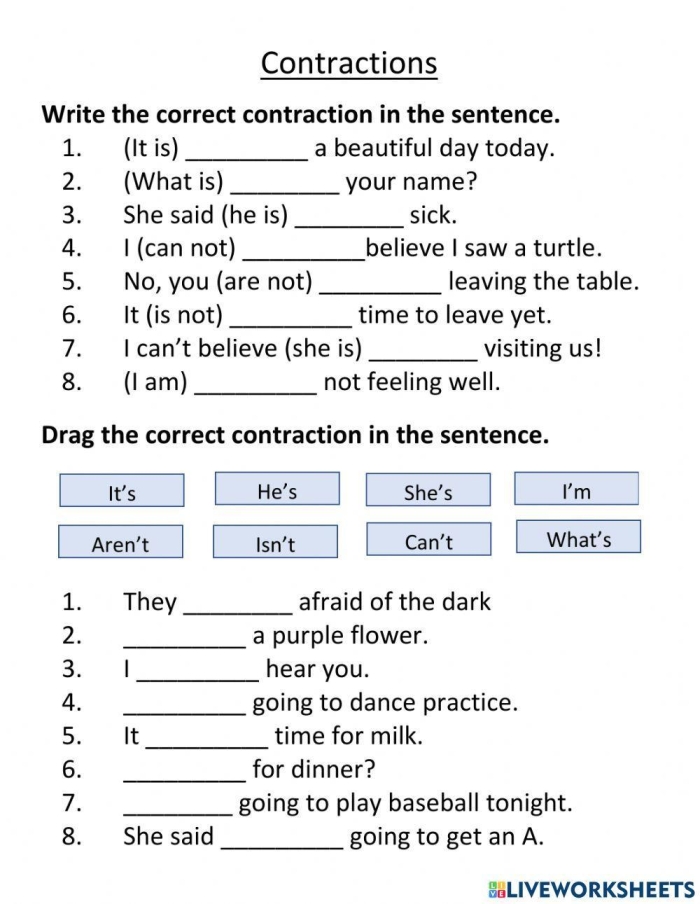
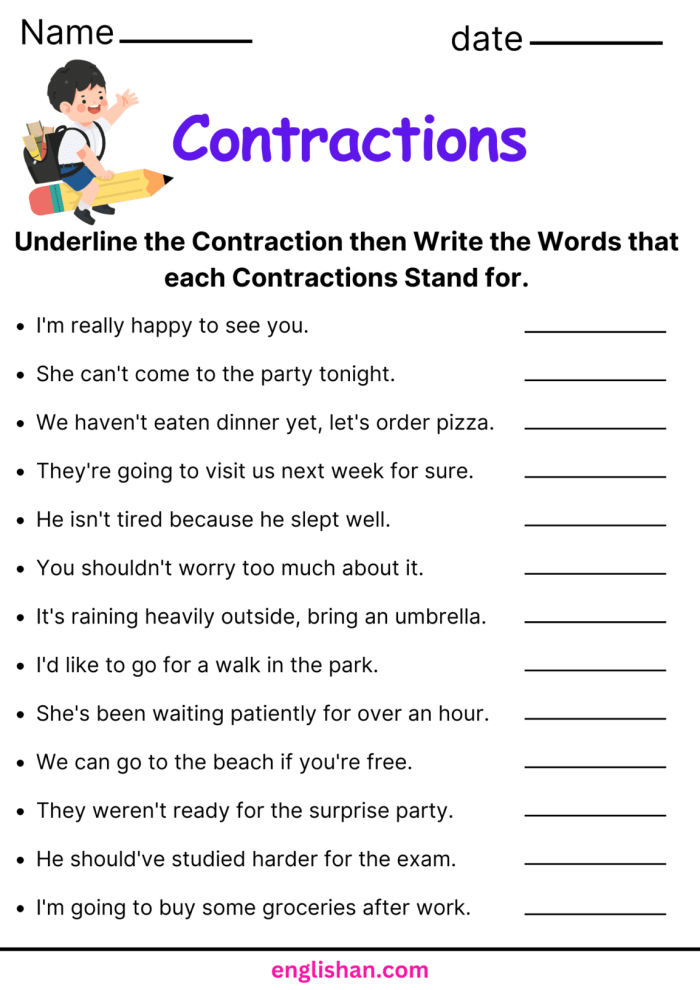
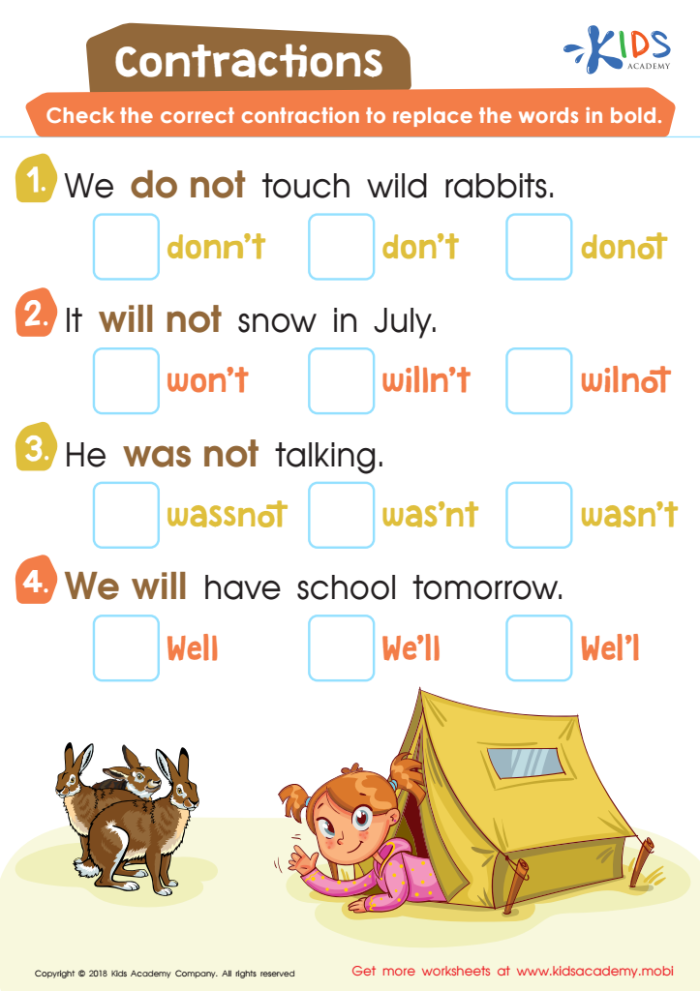
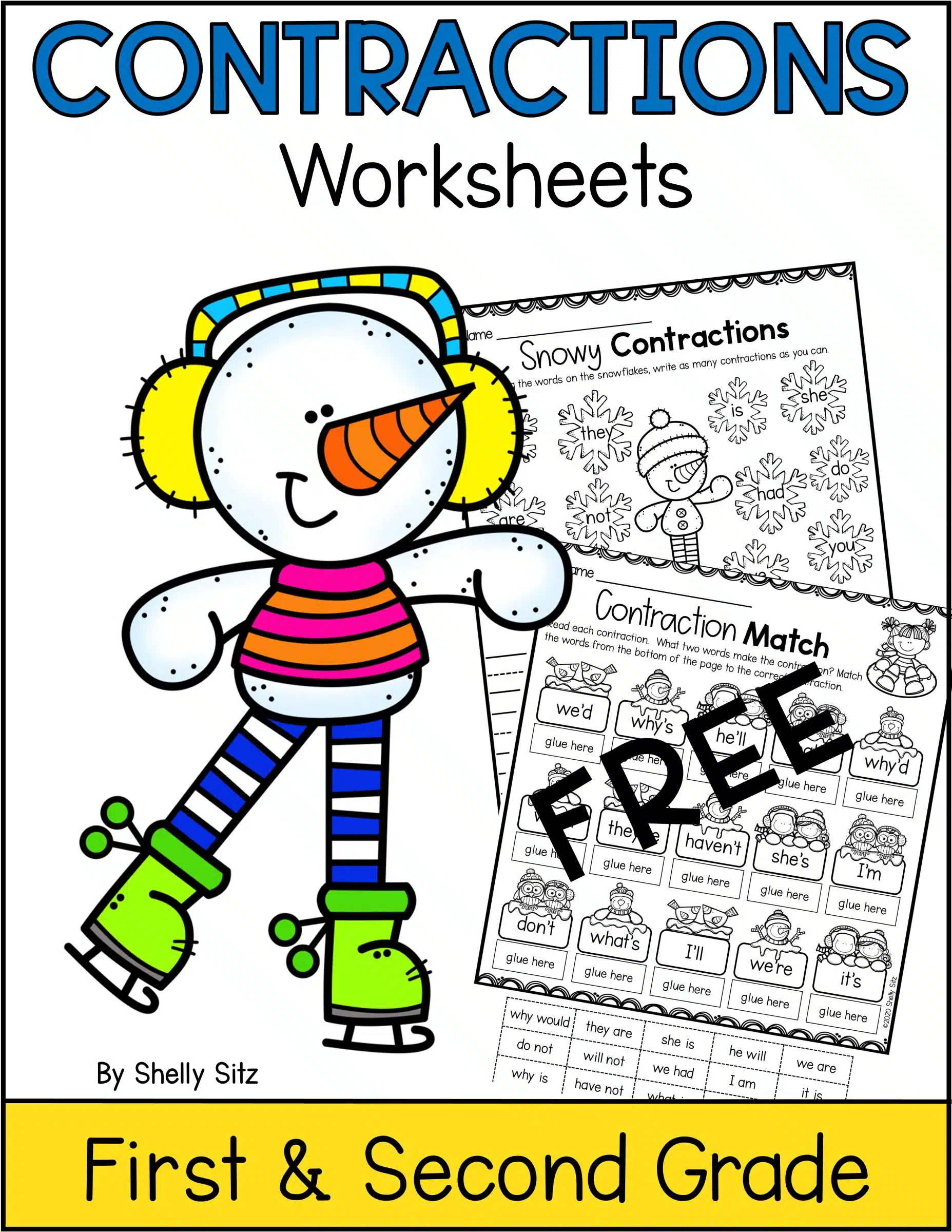
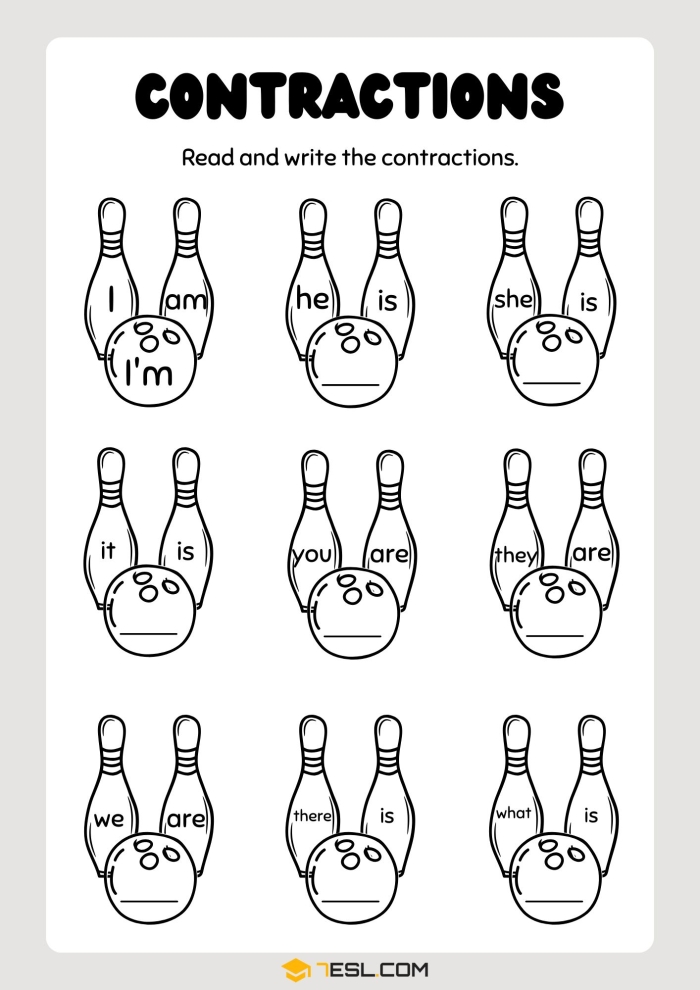
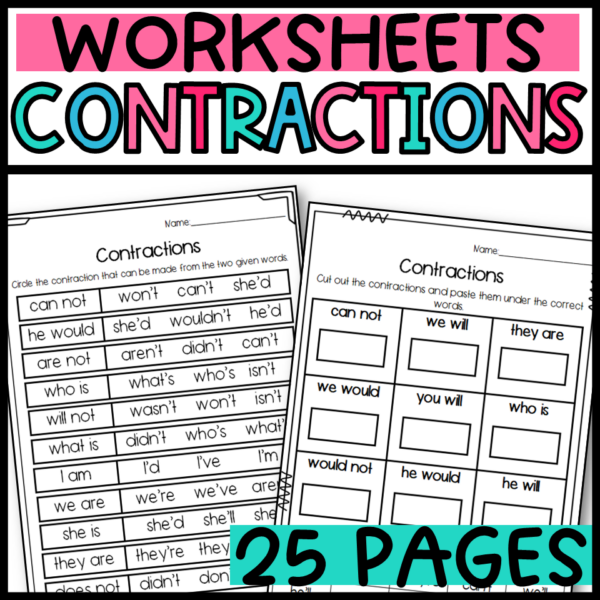
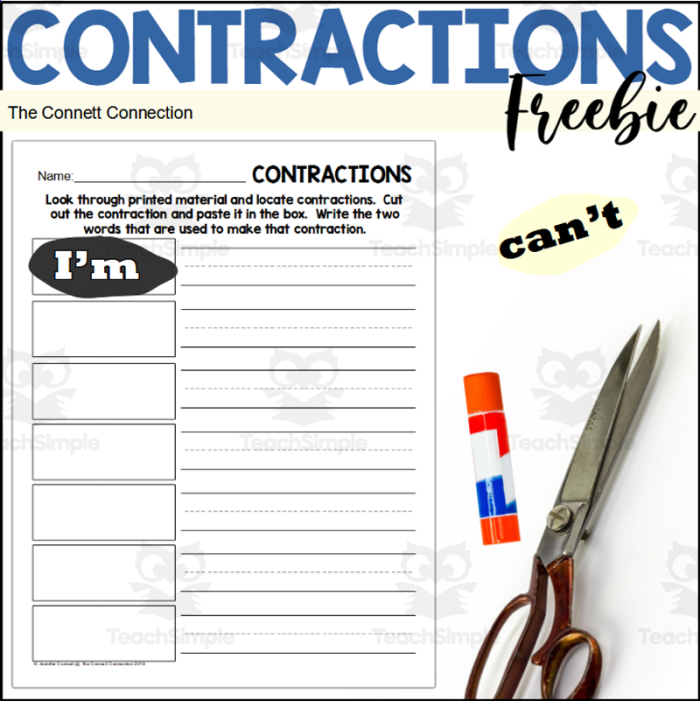
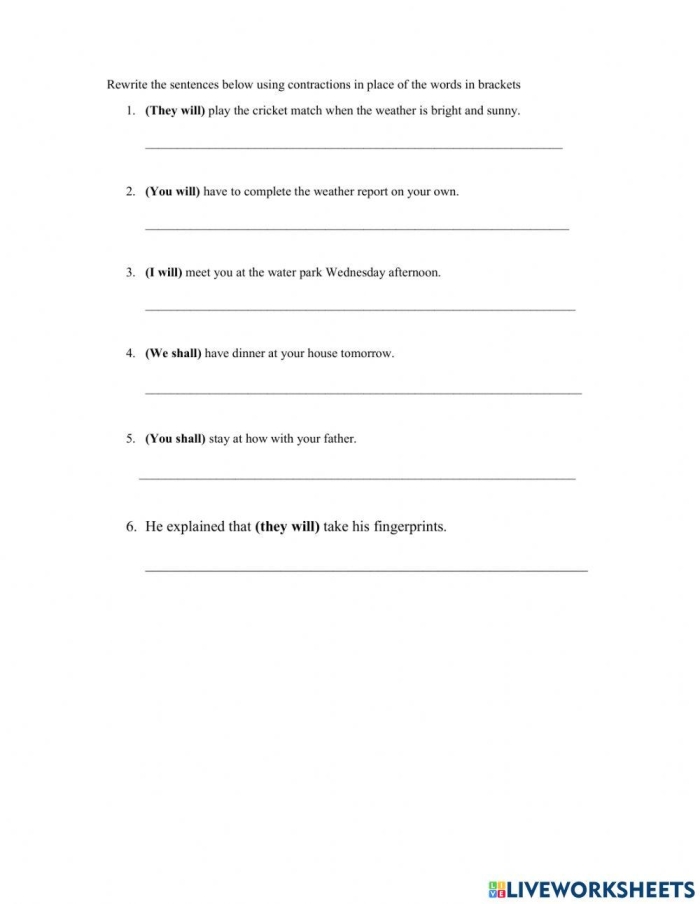
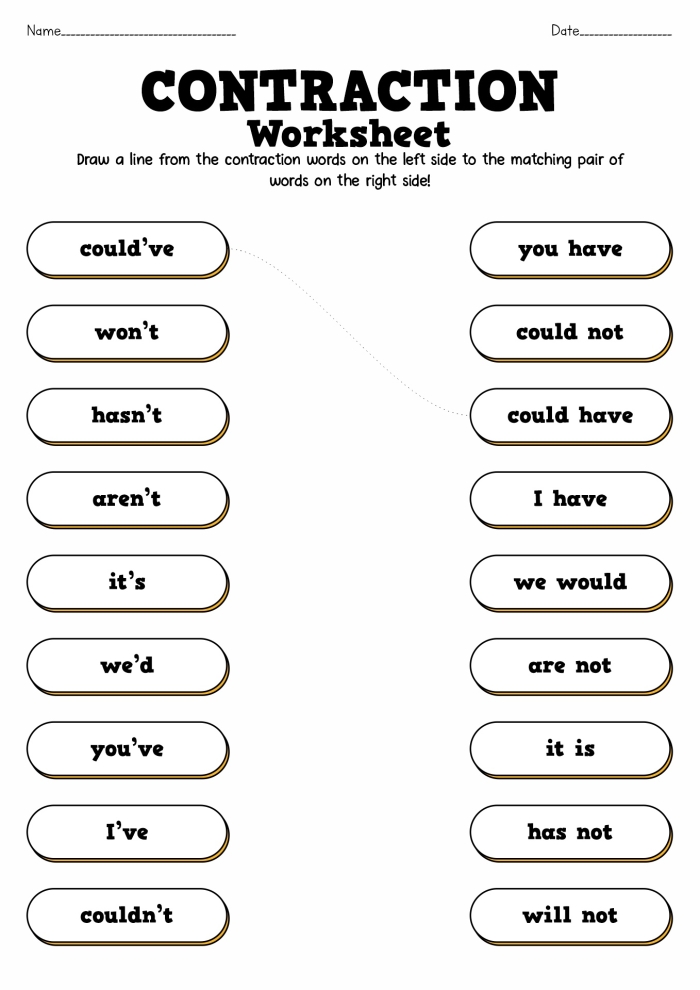
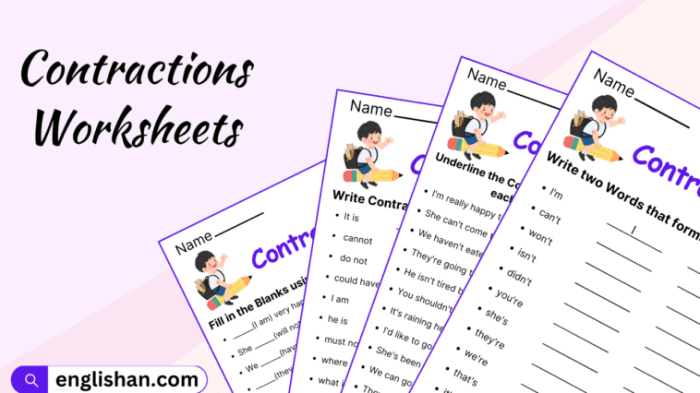
Effective contraction worksheets typically guide students through a progression. They might start by matching pairs of words to their contracted forms, then move toward filling in blanks or creating contractions from scratch. Some worksheets ask students to circle the words that can form contractions or rewrite sentences using contracted forms instead of the original two-word versions.
The geometry of how contractions work matters too. Students need to understand that the apostrophe always replaces specific letters, never random ones. This precision mirrors the kind of structured thinking that supports learning across subjects. When combined with other grammar practice like hundreds charts with missing numbers, students see grammar as part of a broader pattern-recognition skill set.
Second graders who practice creating contractions regularly develop stronger writing habits. They write more naturally, use appropriate punctuation, and understand how language compresses for efficiency. The engagement factor matters just as much as the content. Worksheets with varied activities, clear instructions, and achievable challenge levels keep students motivated to complete the work and retain what they’ve learned.
Download These Worksheets for Practice