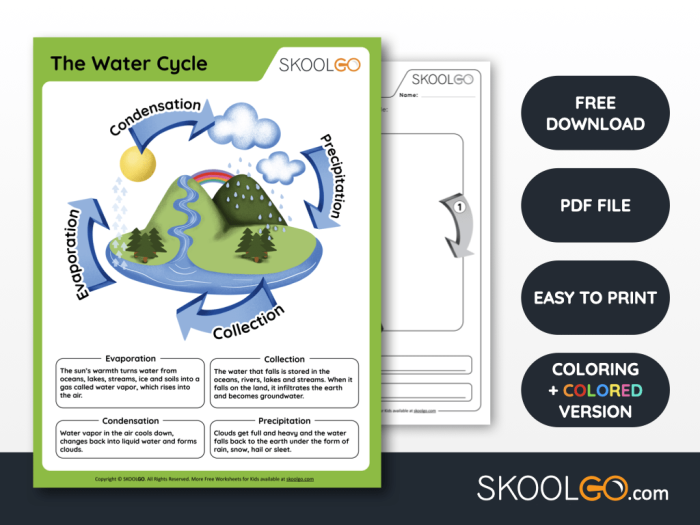
The water cycle is a fascinating and essential natural process that has been functioning for billions of years. It describes the continuous movement of water within the Earth and its atmosphere, illustrating how this vital resource is recycled endlessly. Understanding the water cycle is crucial, especially for fourth graders who are just beginning to explore the wonders of science and nature.
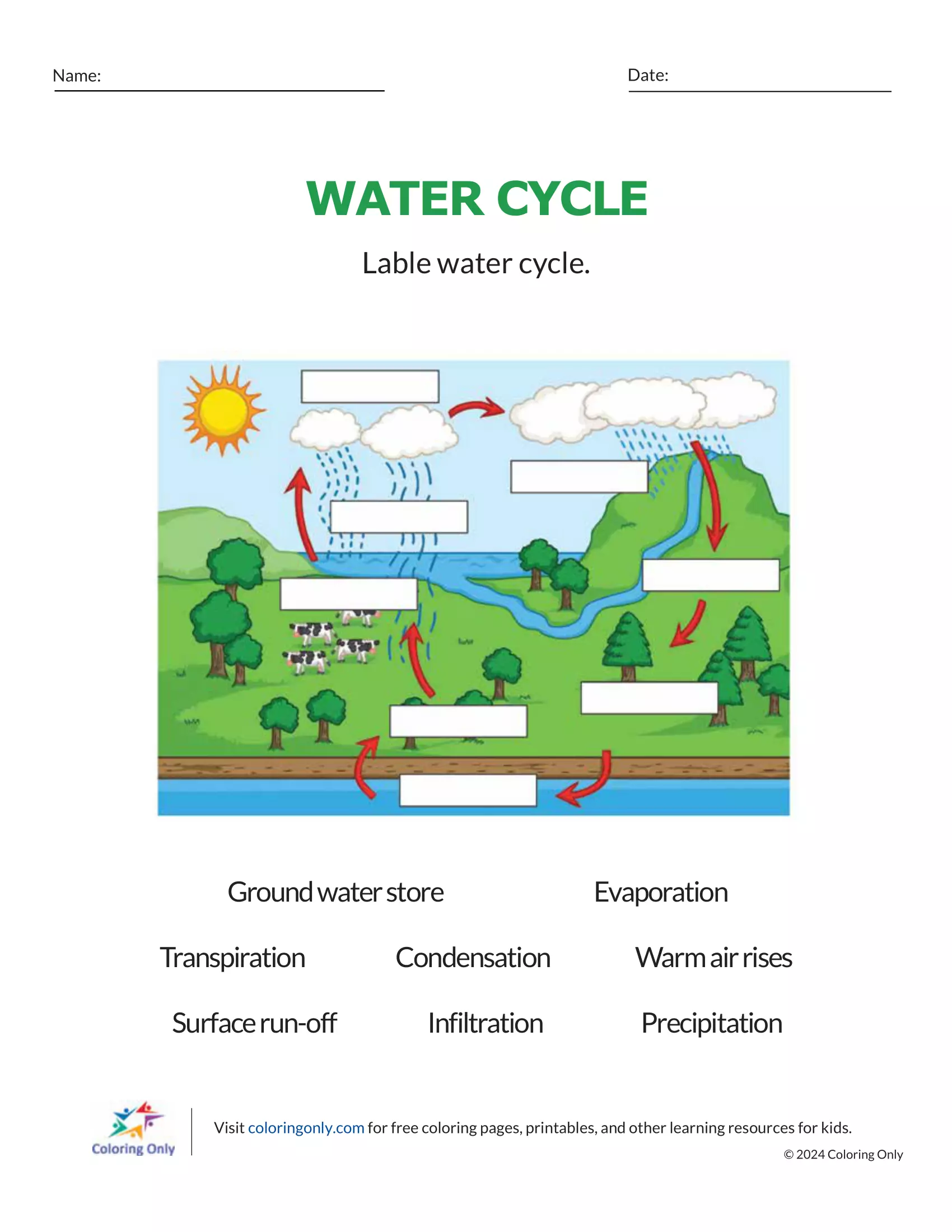
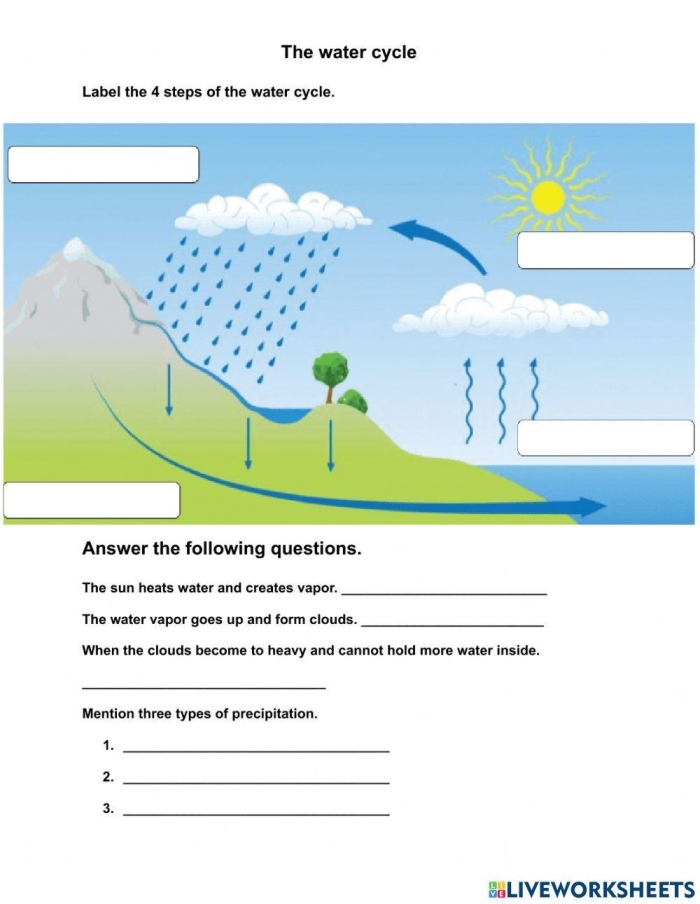
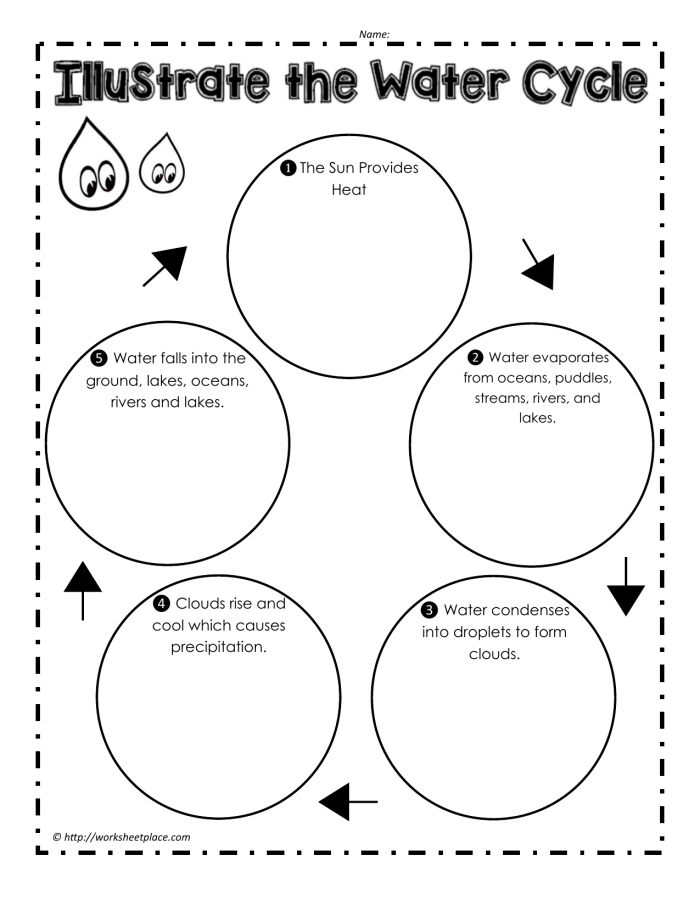
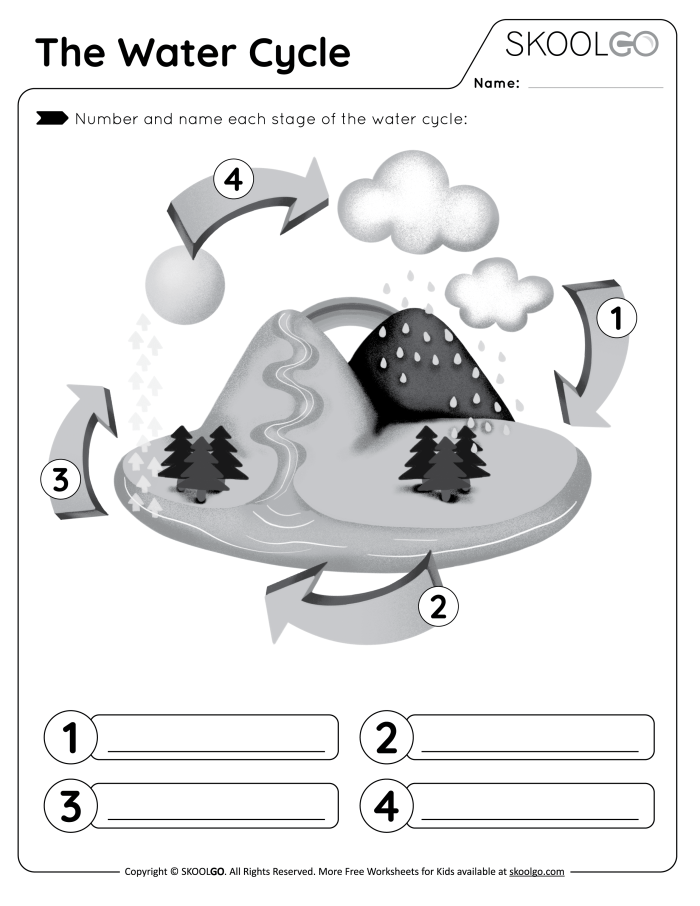
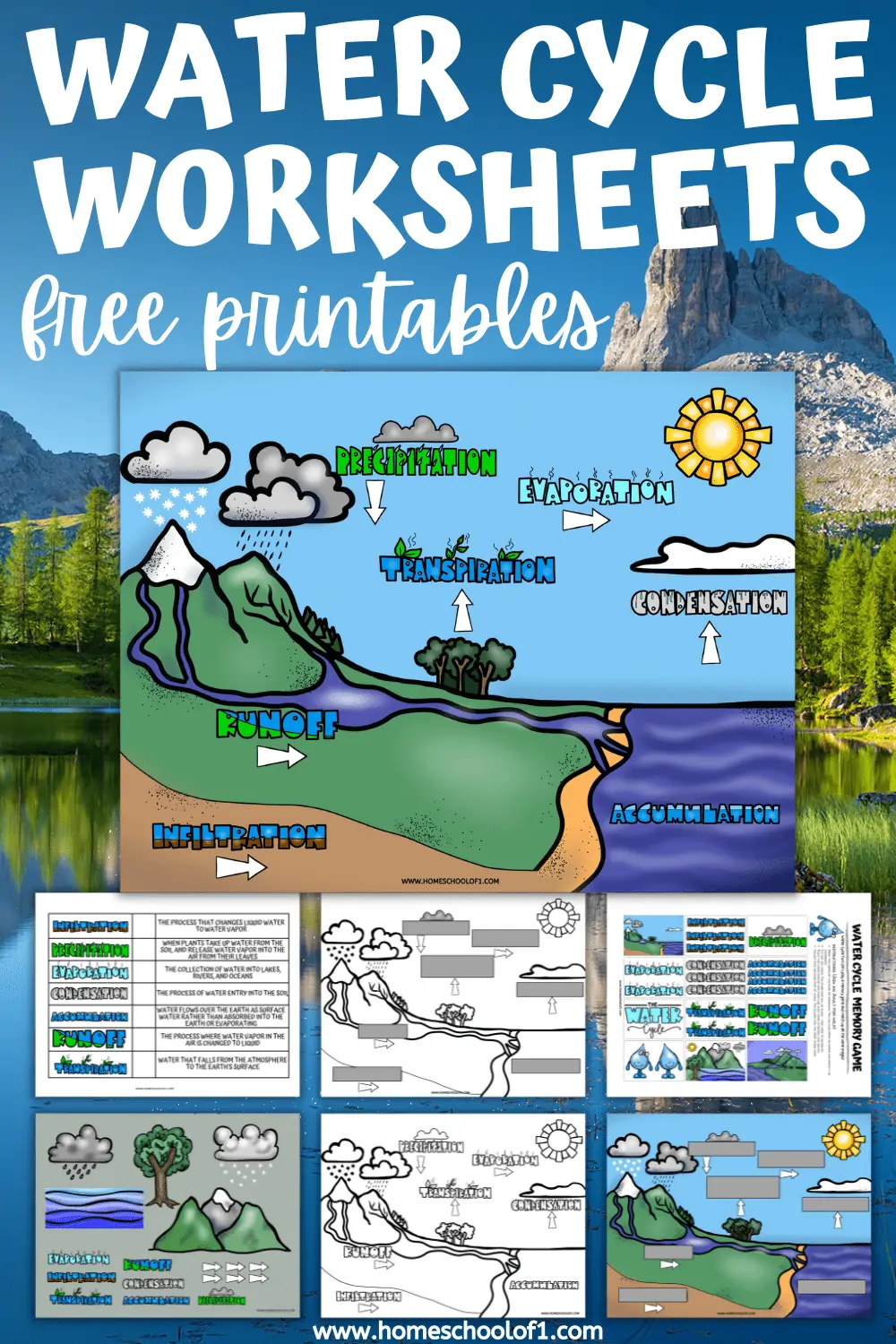
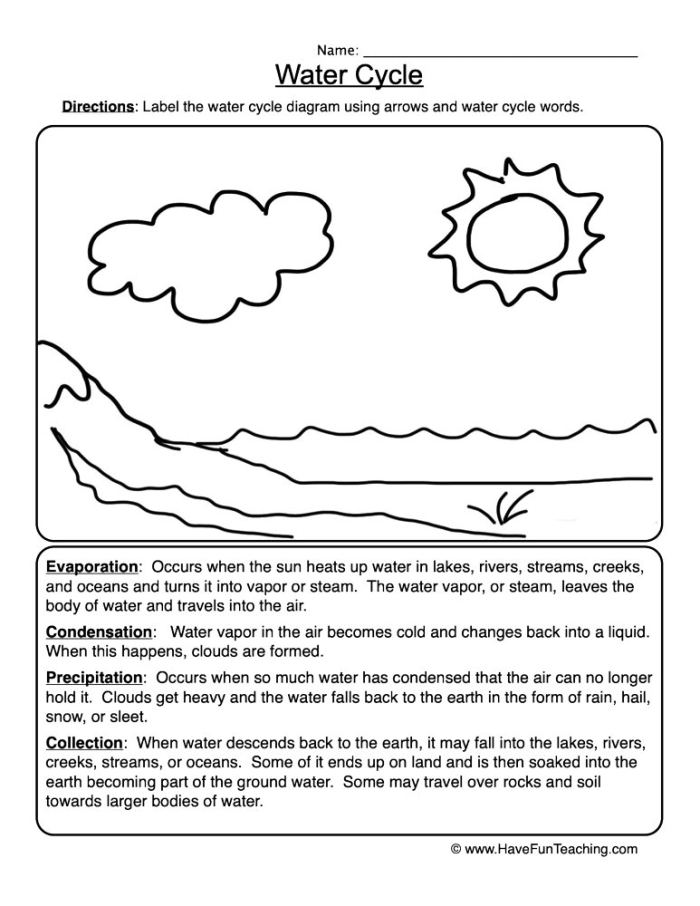
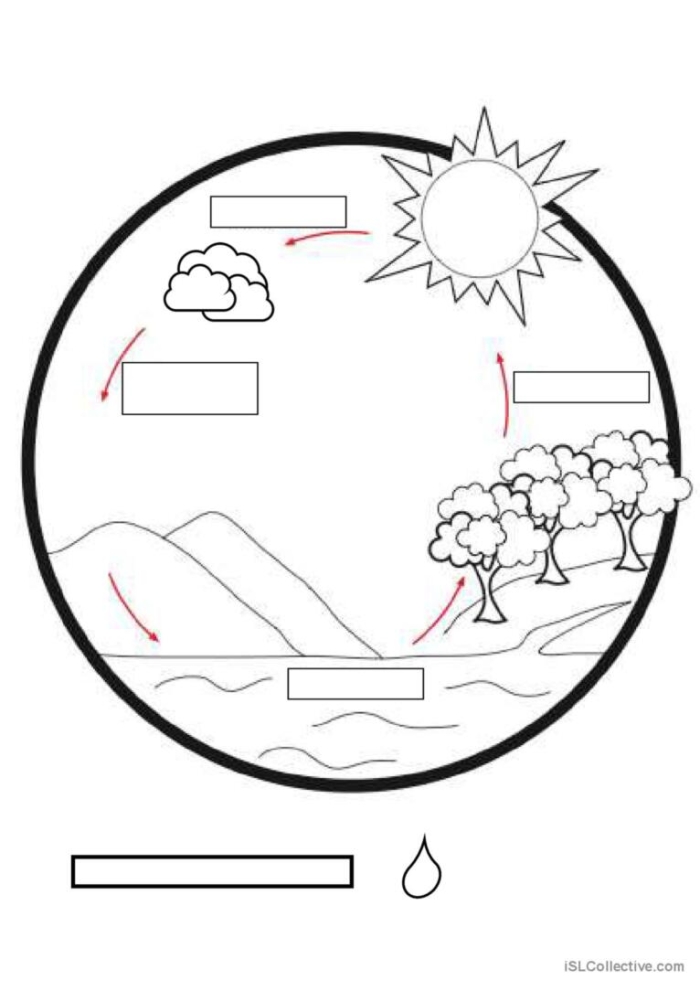
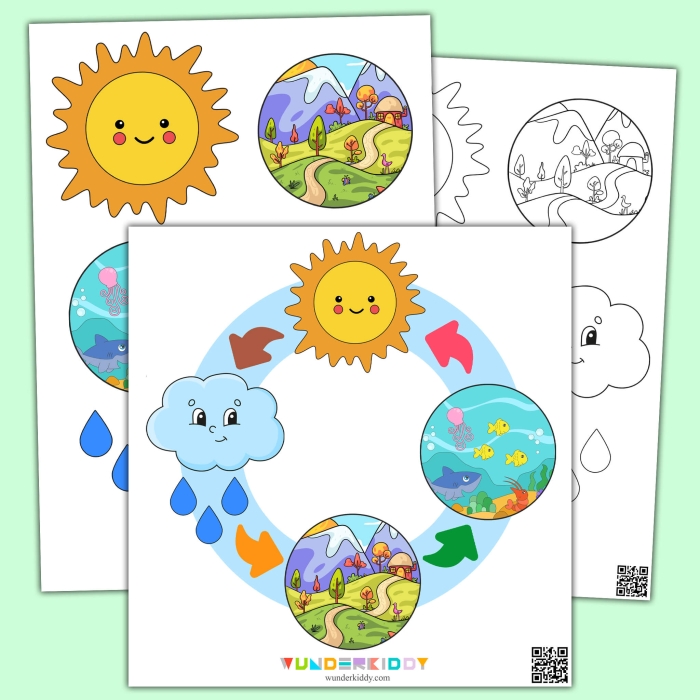
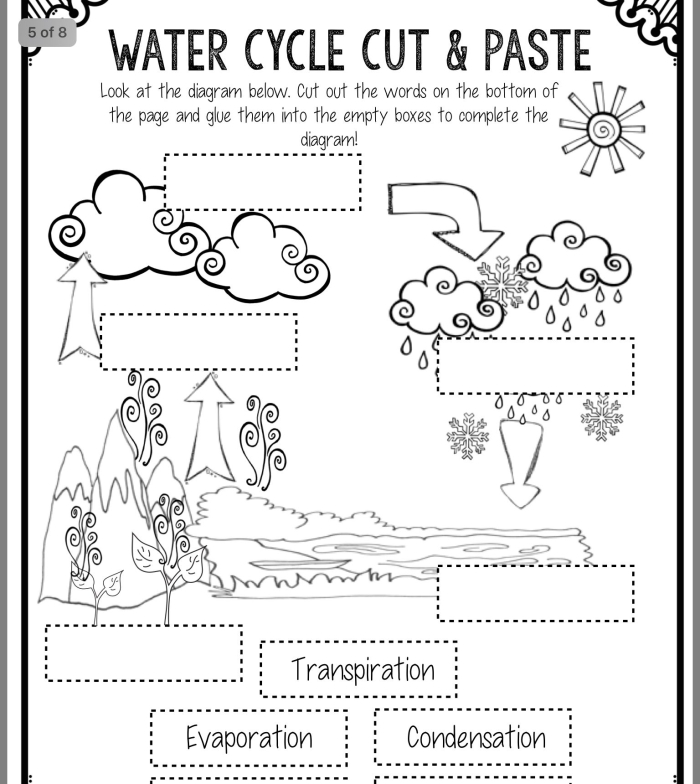
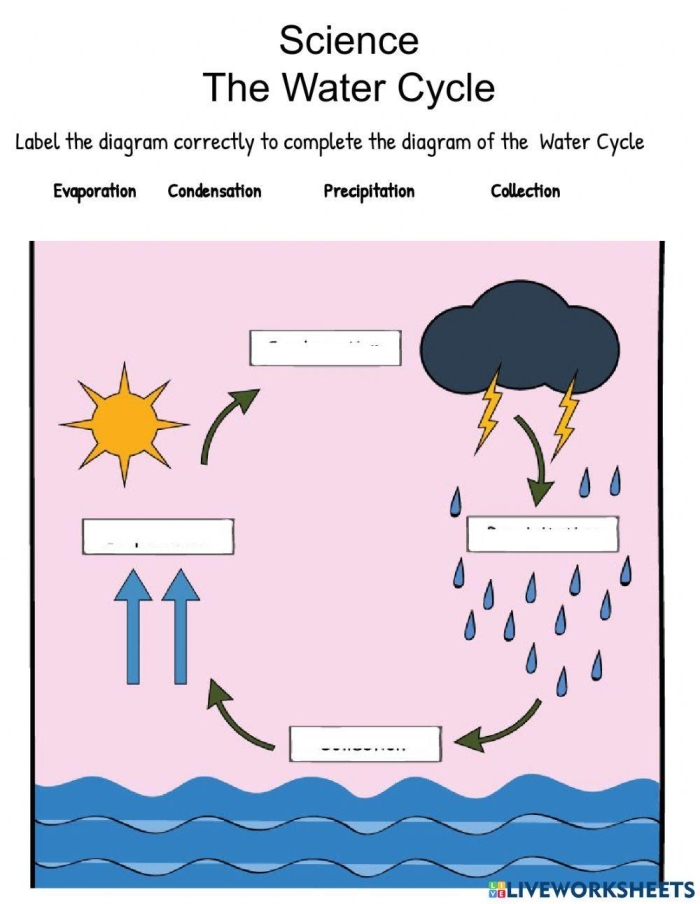
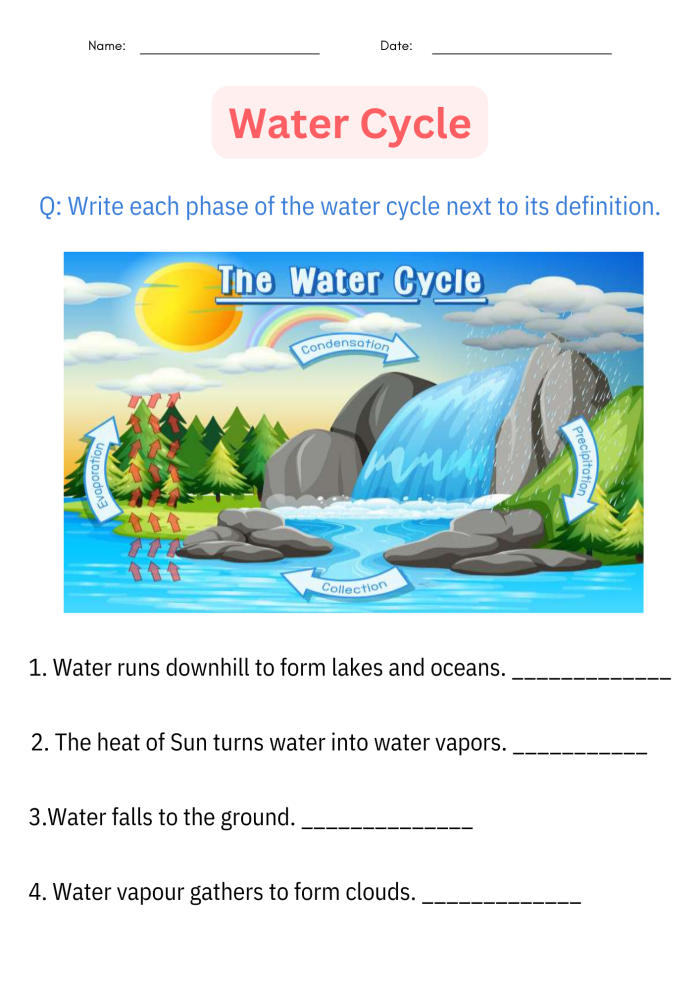
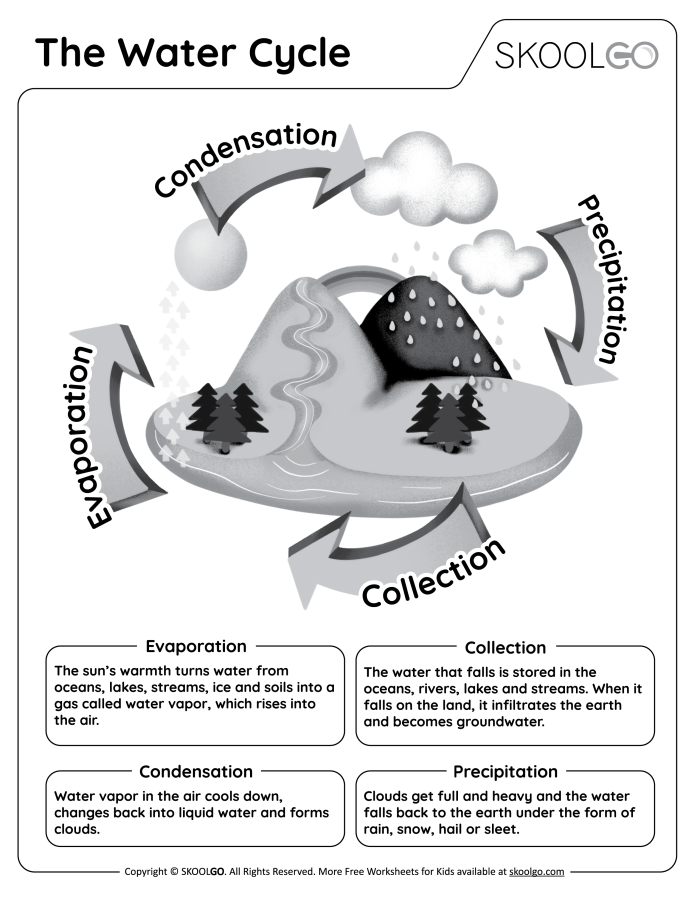
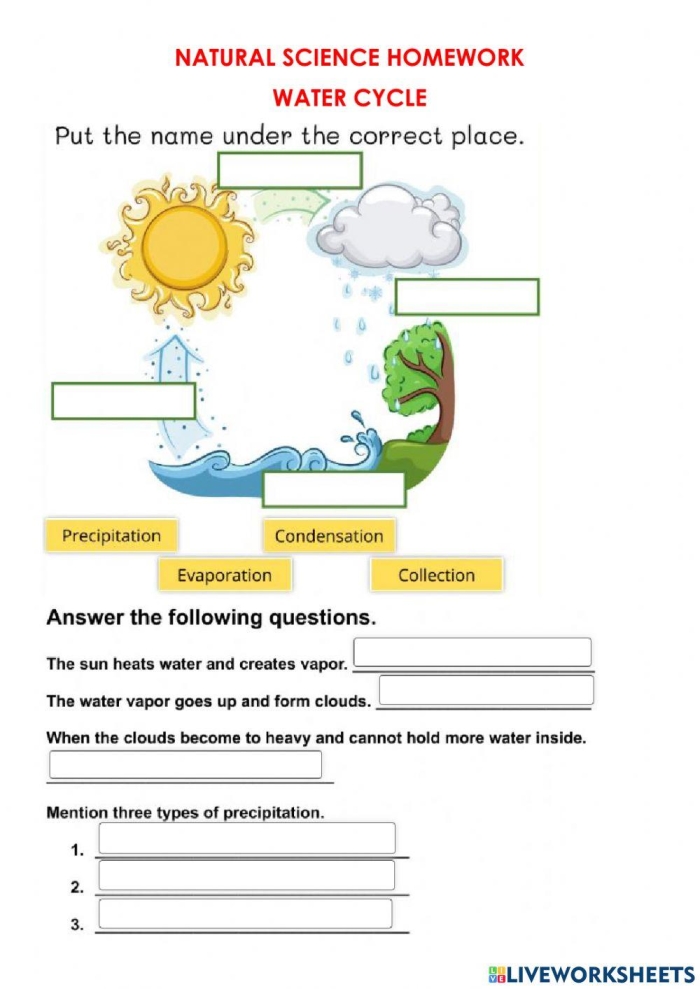
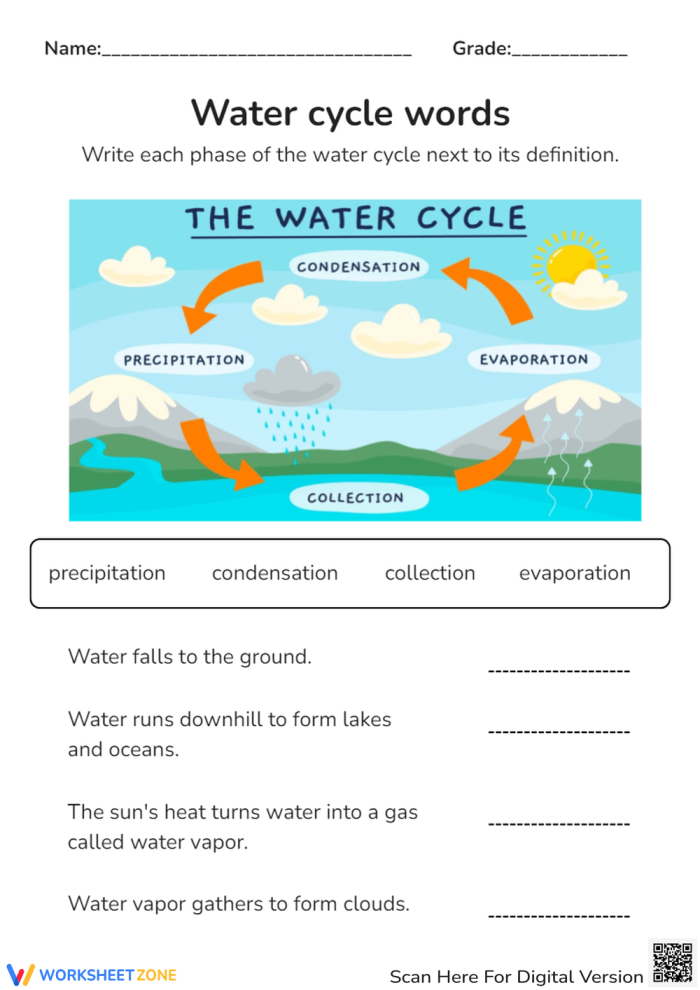
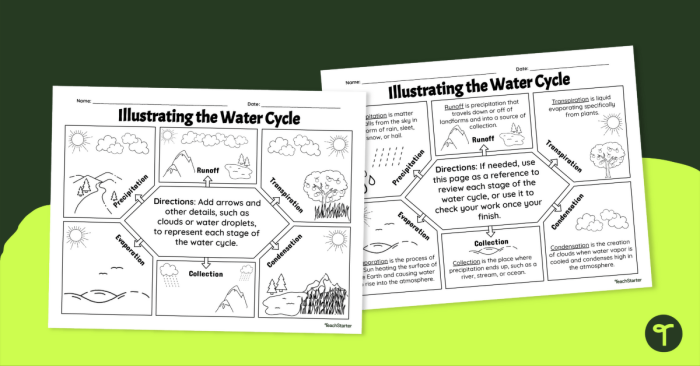
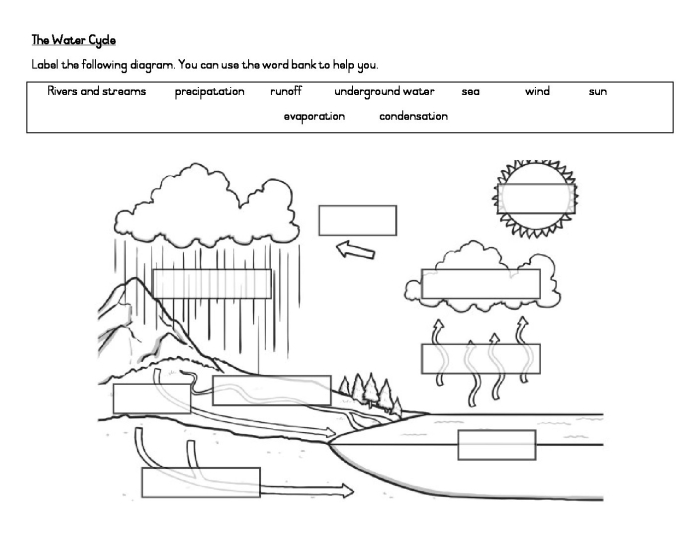
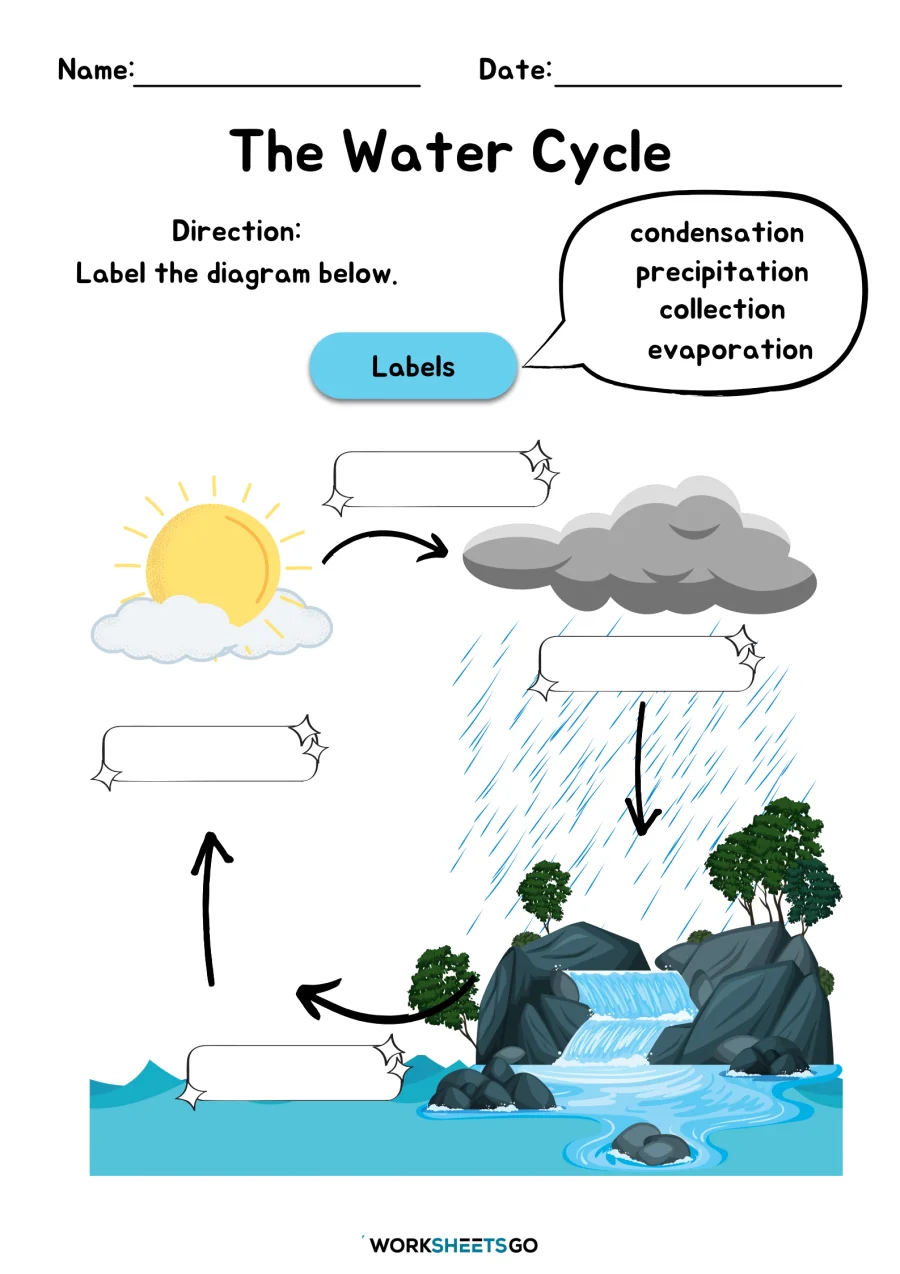
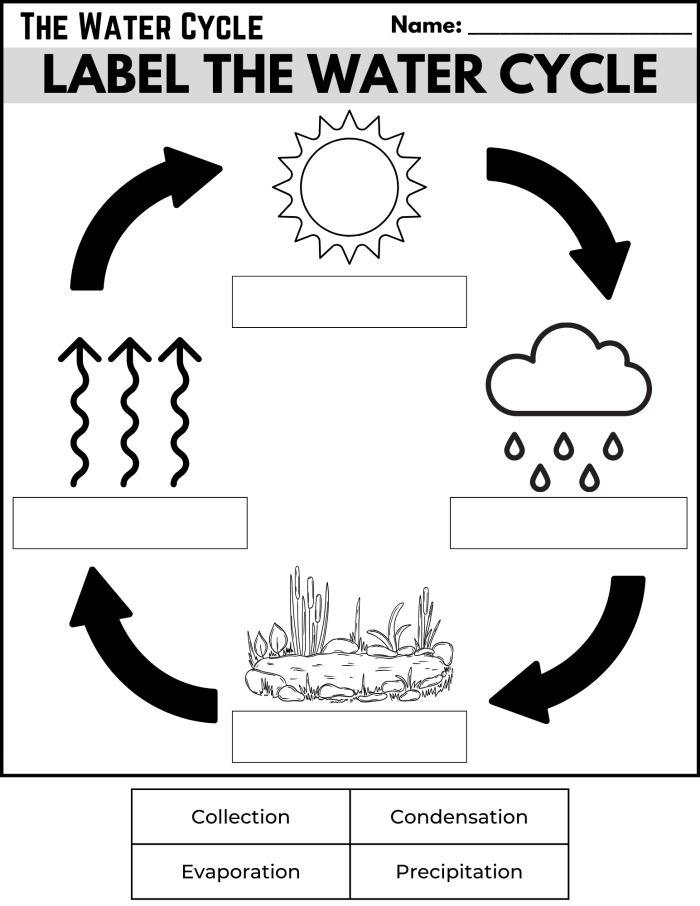
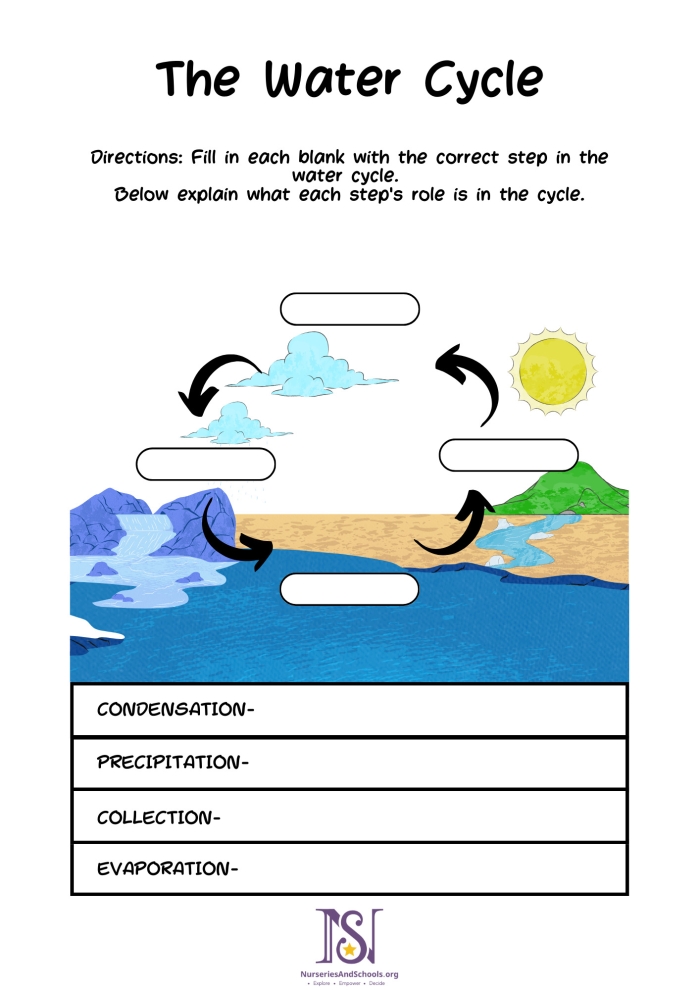
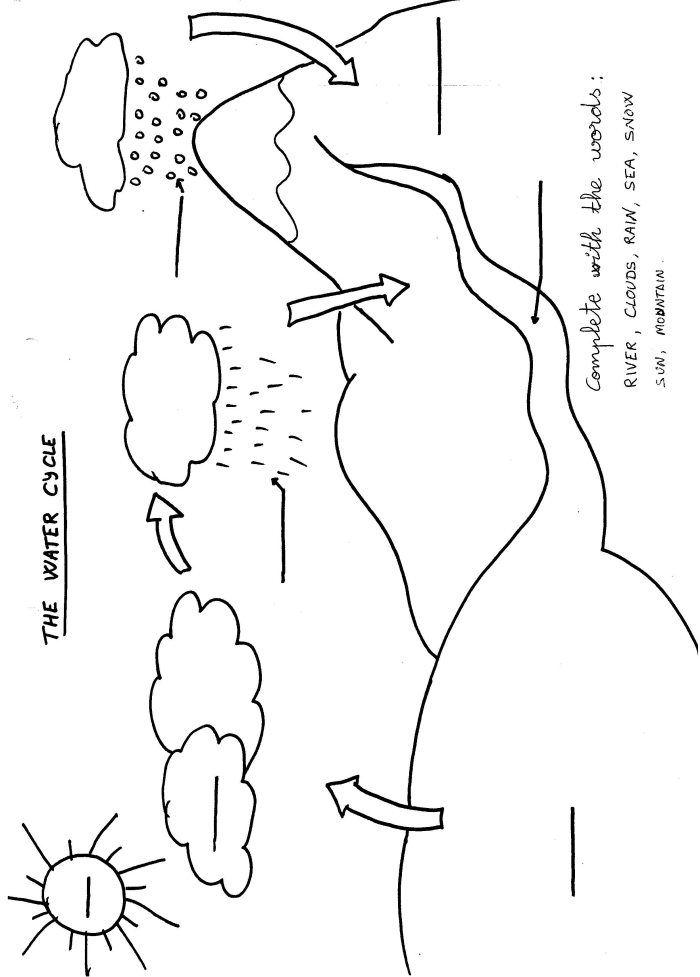
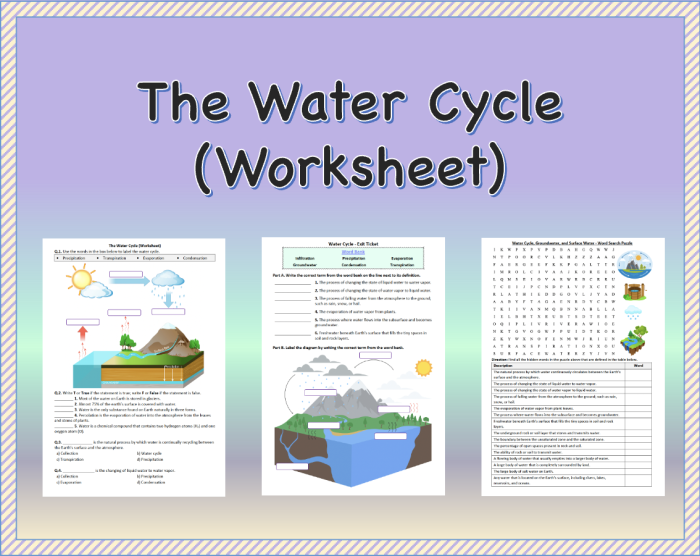
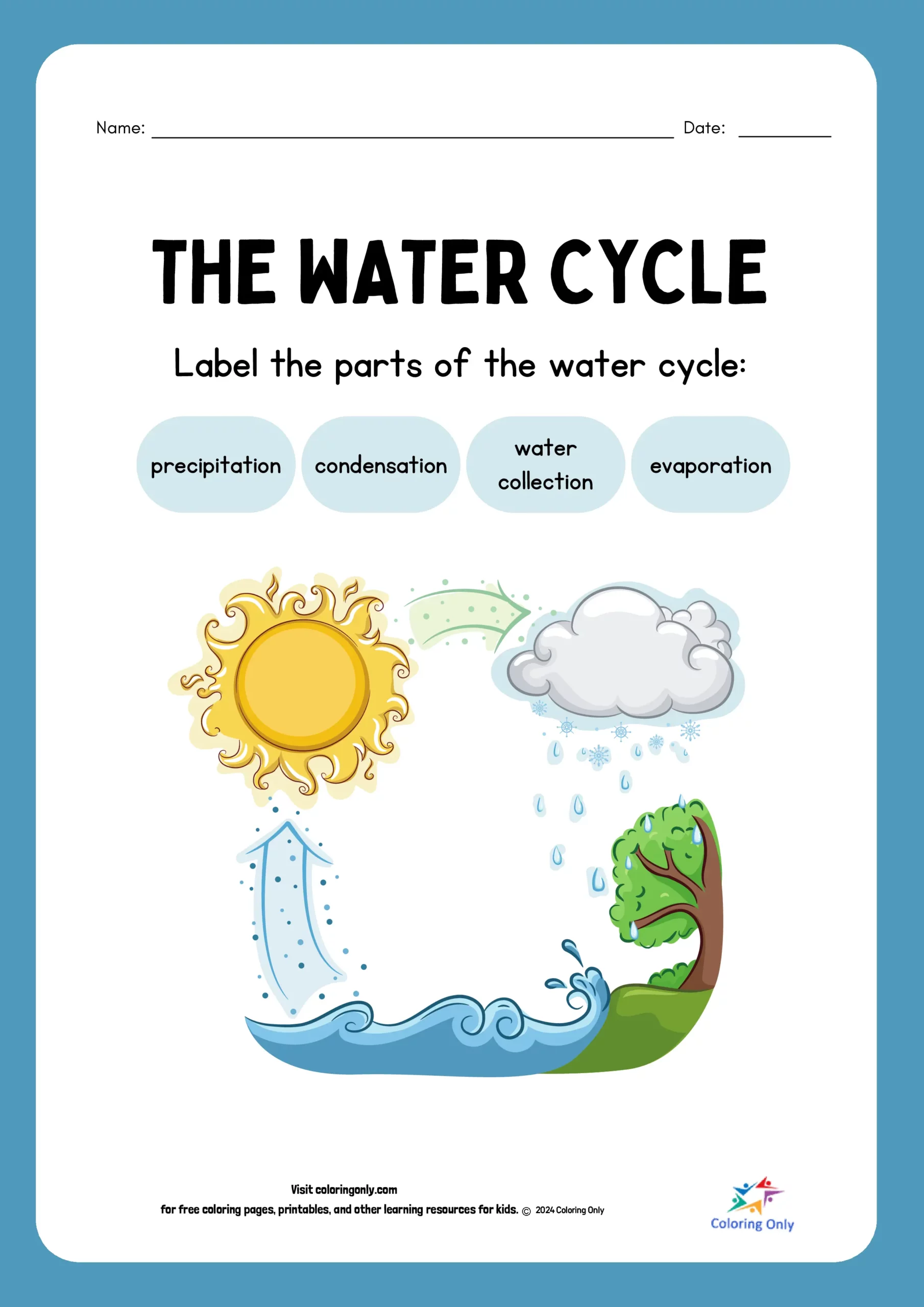
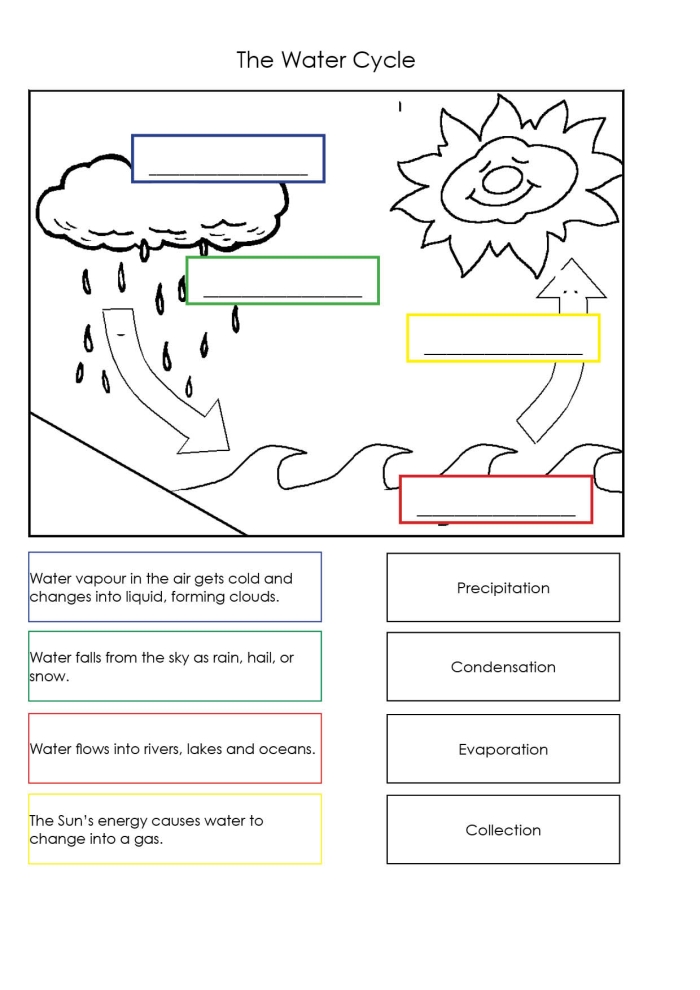
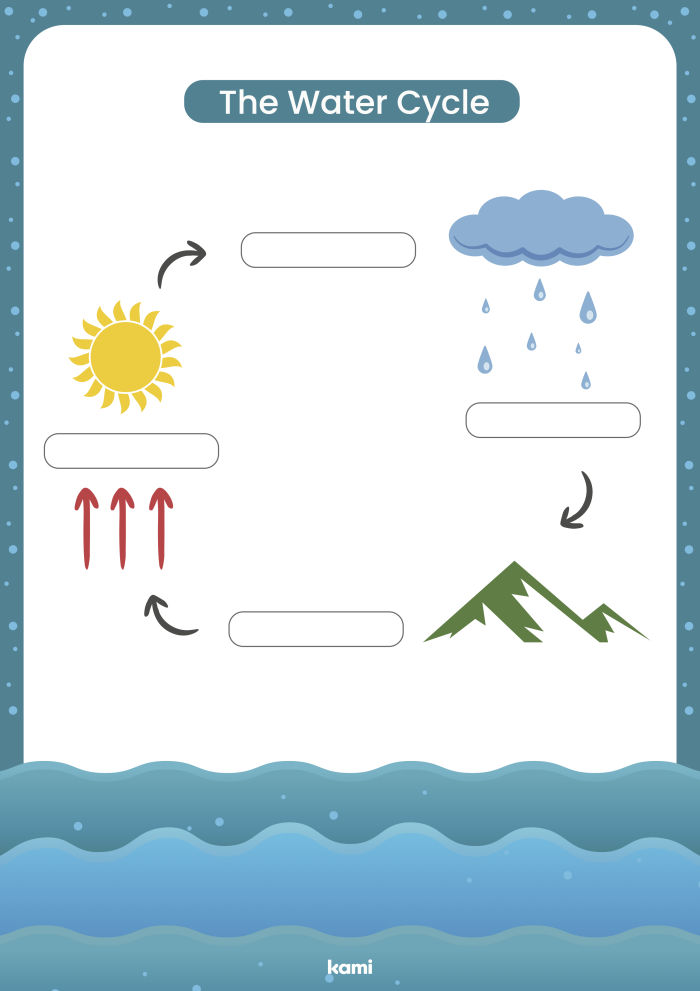
At its core, the water cycle consists of several key stages: evaporation, condensation, precipitation, and collection. It starts with evaporation, where sunlight heats up water in rivers, lakes, and oceans, transforming it into vapor. This vapor rises into the atmosphere and cools down, leading to condensation, where it forms clouds. Eventually, when the clouds become heavy with moisture, precipitation occurs, and water falls back to the Earth as rain, snow, or sleet.
This cycle doesn’t stop there. Once the water reaches the ground, it collects in bodies of water like rivers and lakes or seeps into the soil, replenishing groundwater supplies. This water then returns to the atmosphere again through evaporation, completing the cycle. It’s a remarkable system that ensures a constant supply of fresh water, vital for all living things.
For fourth graders eager to learn more about the water cycle, there are plenty of engaging resources available. Printable worksheets can provide fun activities that illustrate the stages of the cycle and help reinforce what they’ve learned. For example, students can explore how dust storms affect the water cycle or delve into mathematical concepts like finding area. Activities like these not only make learning enjoyable but also help students connect different subjects, such as science and math.
By understanding the water cycle, students gain valuable insights into environmental processes that affect their daily lives. This knowledge fosters a deeper appreciation for nature and encourages responsible stewardship of water resources, ensuring that this incredible natural system continues to thrive for generations to come.
Boost Skills with These Worksheets