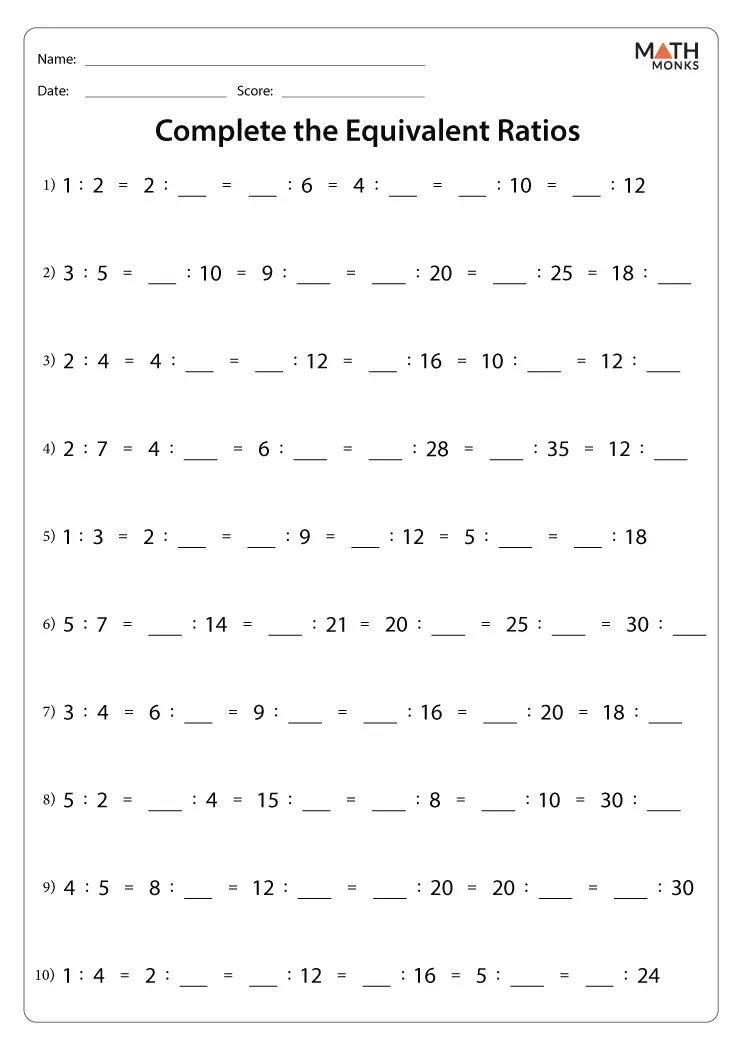
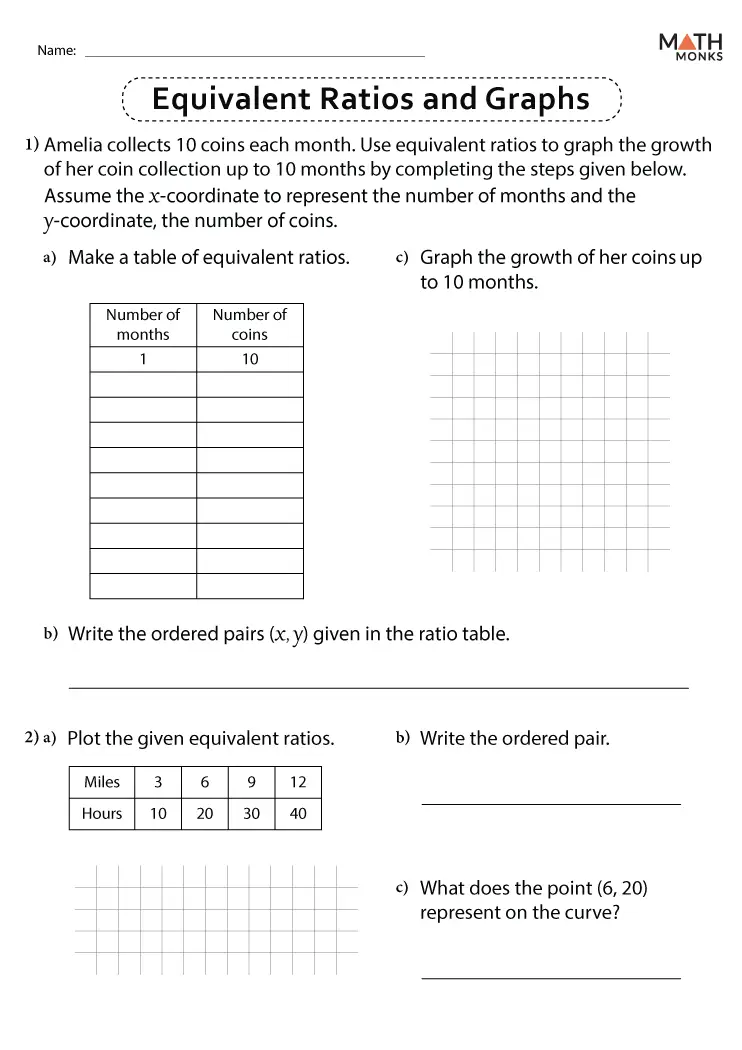
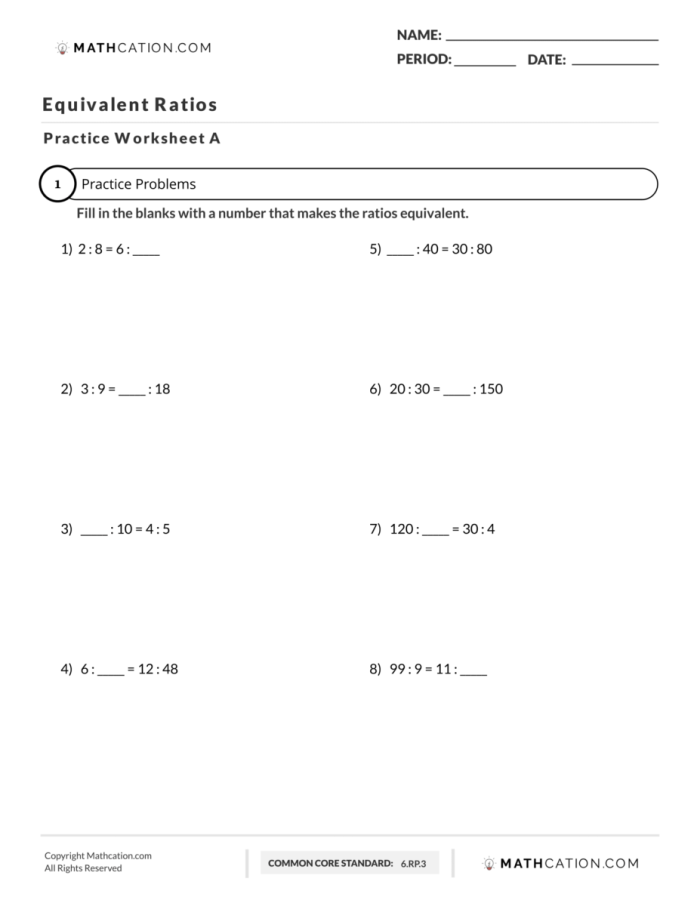
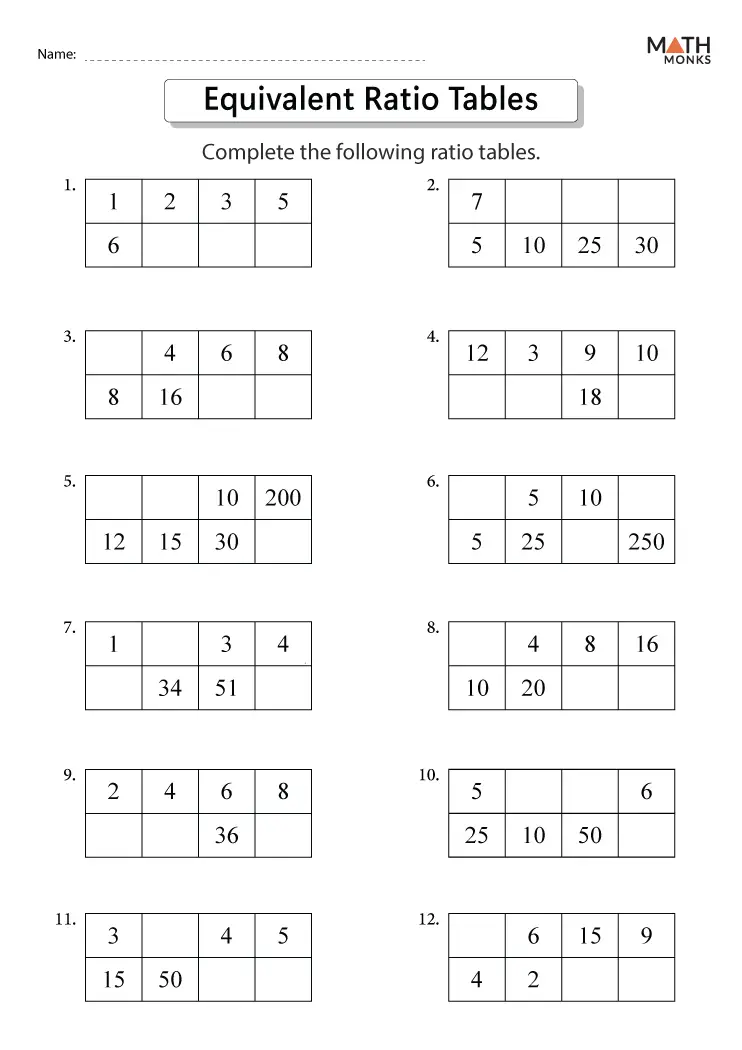
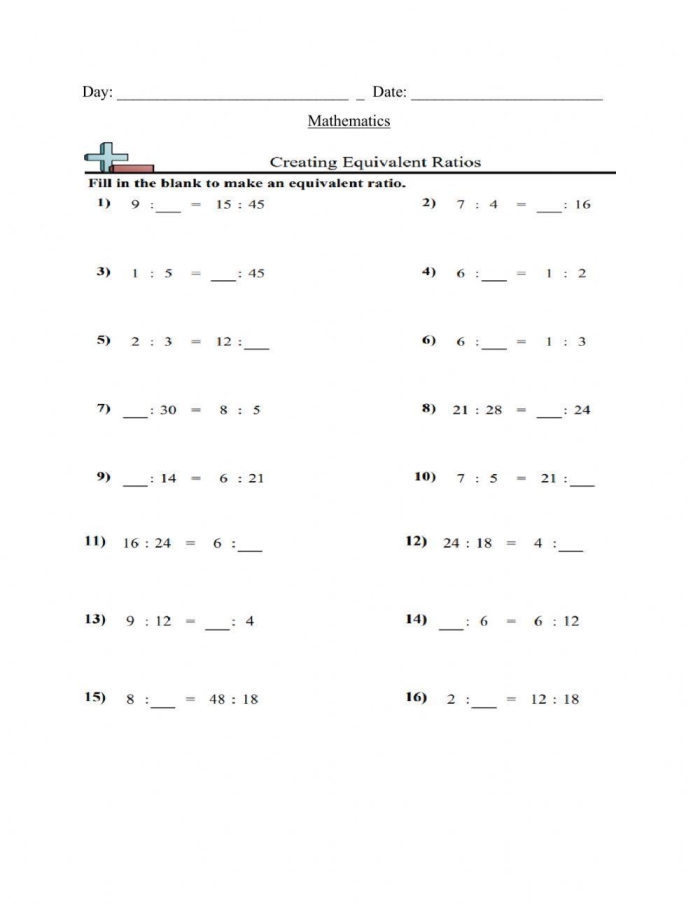
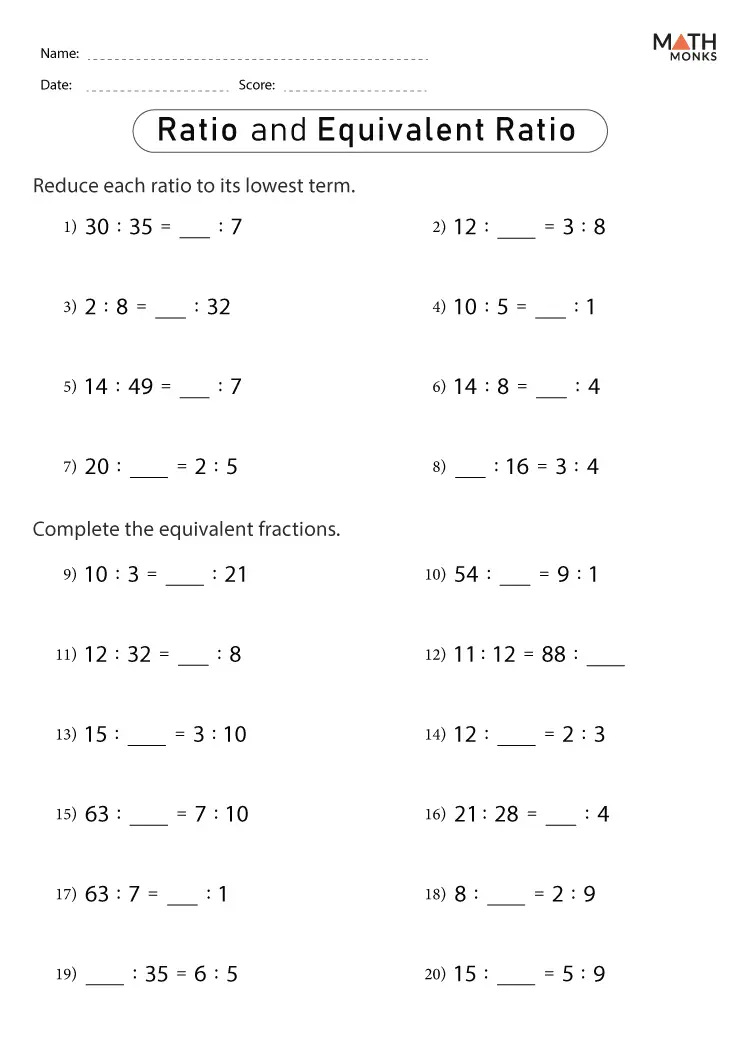
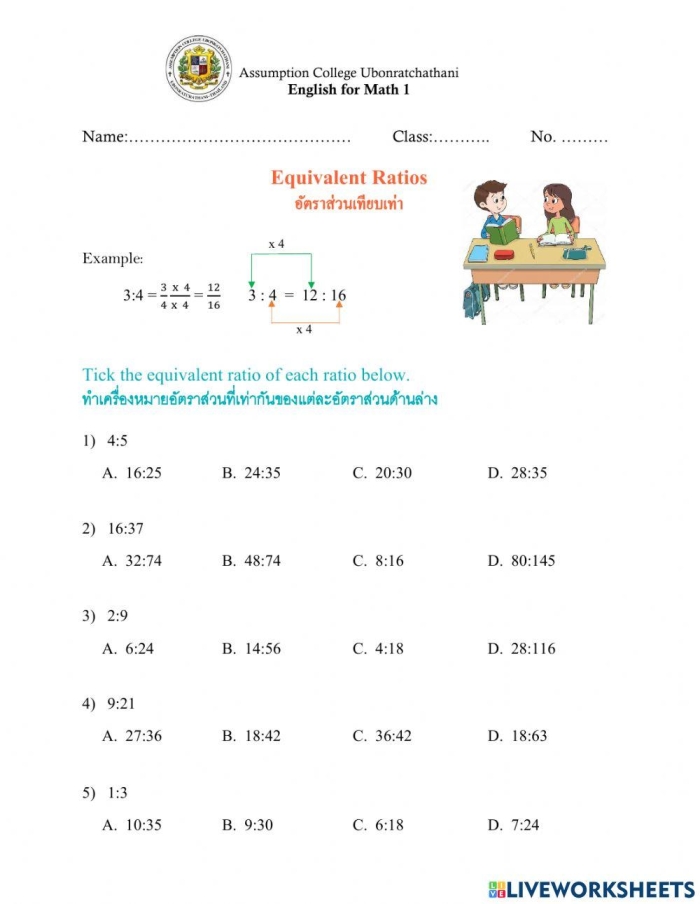
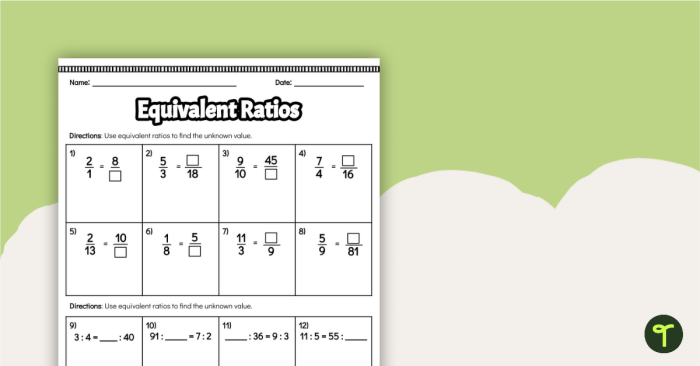
Understanding equivalent ratios is a crucial skill for sixth graders as they build their math foundation. When students can identify and create these ratios, they unlock a powerful tool for solving various real-world problems. For instance, if a recipe calls for a ratio of 2 cups of sugar to 3 cups of flour, students can easily find equivalent ratios like 4 cups of sugar to 6 cups of flour or 6 cups of sugar to 9 cups of flour. This skill not only helps in math class but also in practical situations like cooking or budgeting.
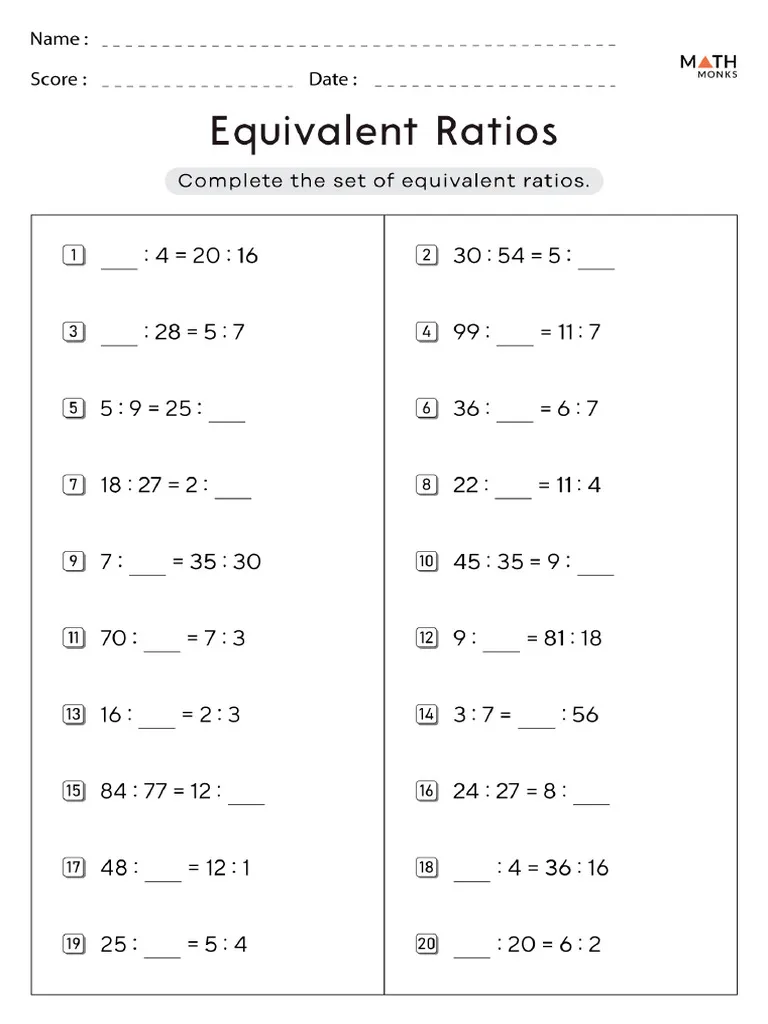
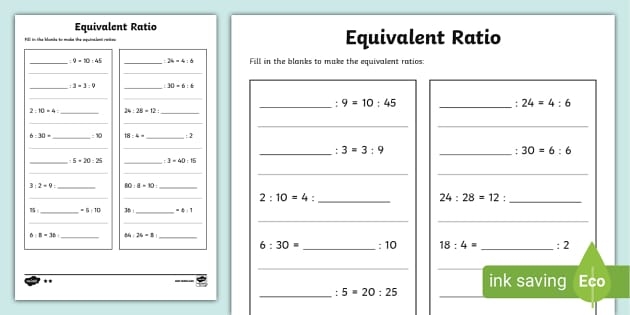
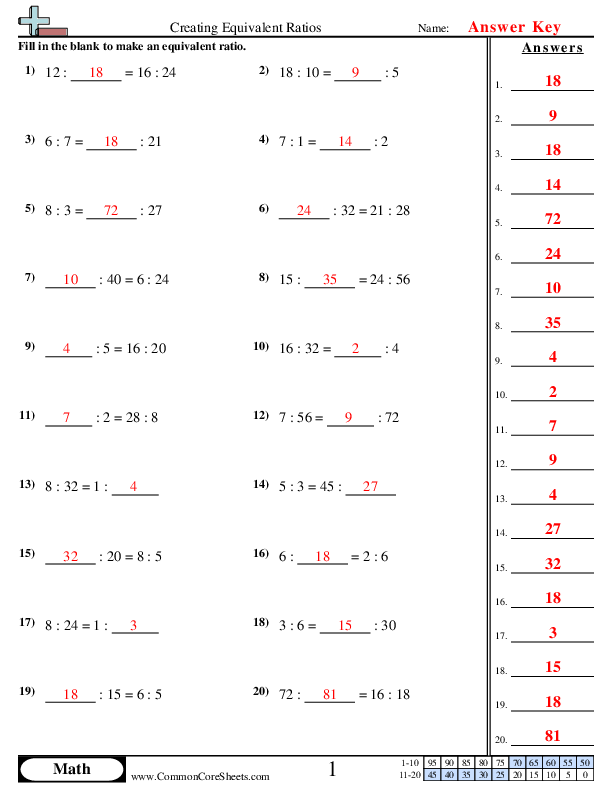
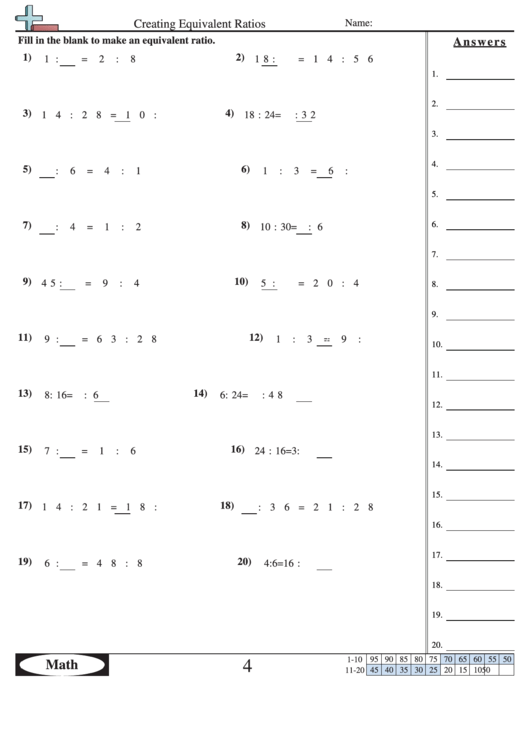
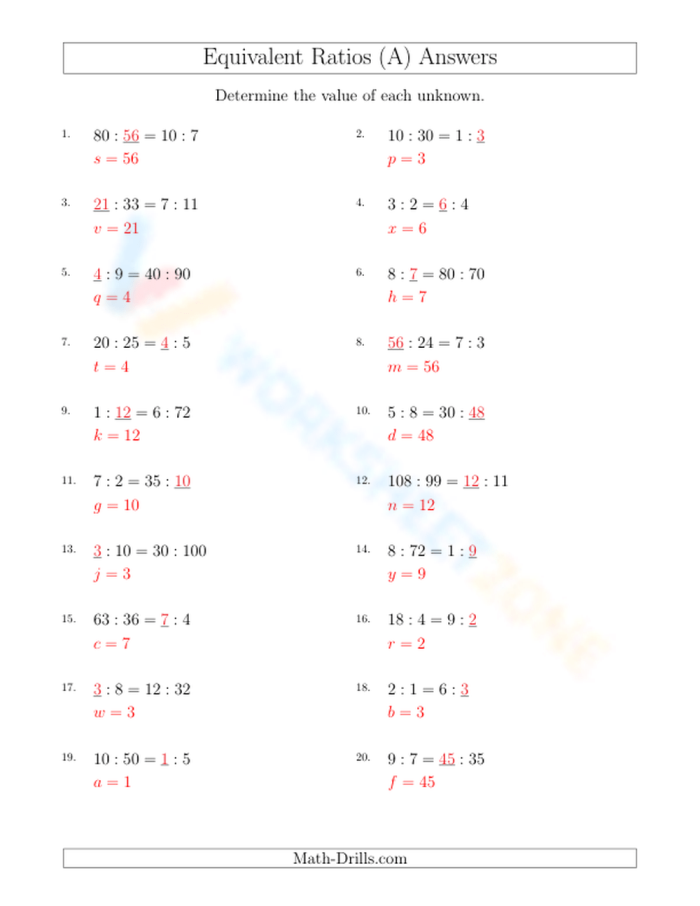
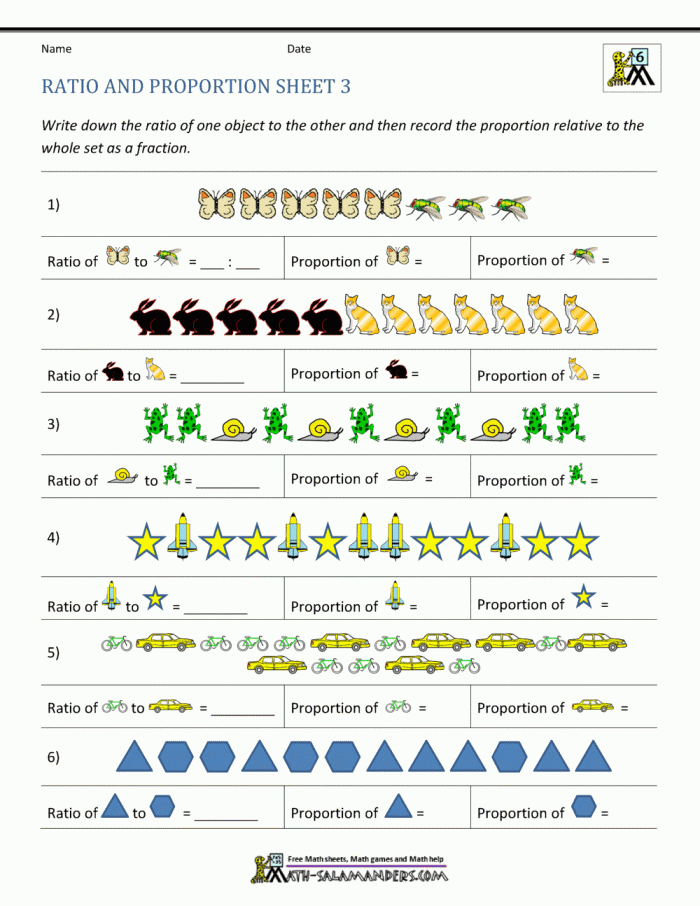
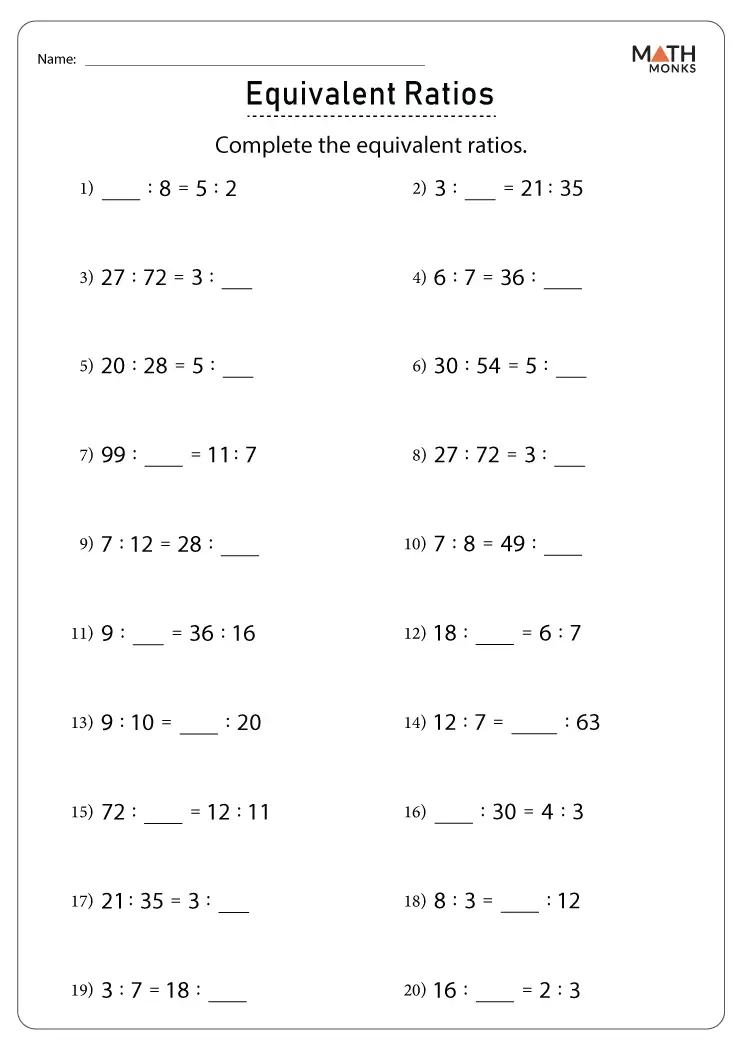
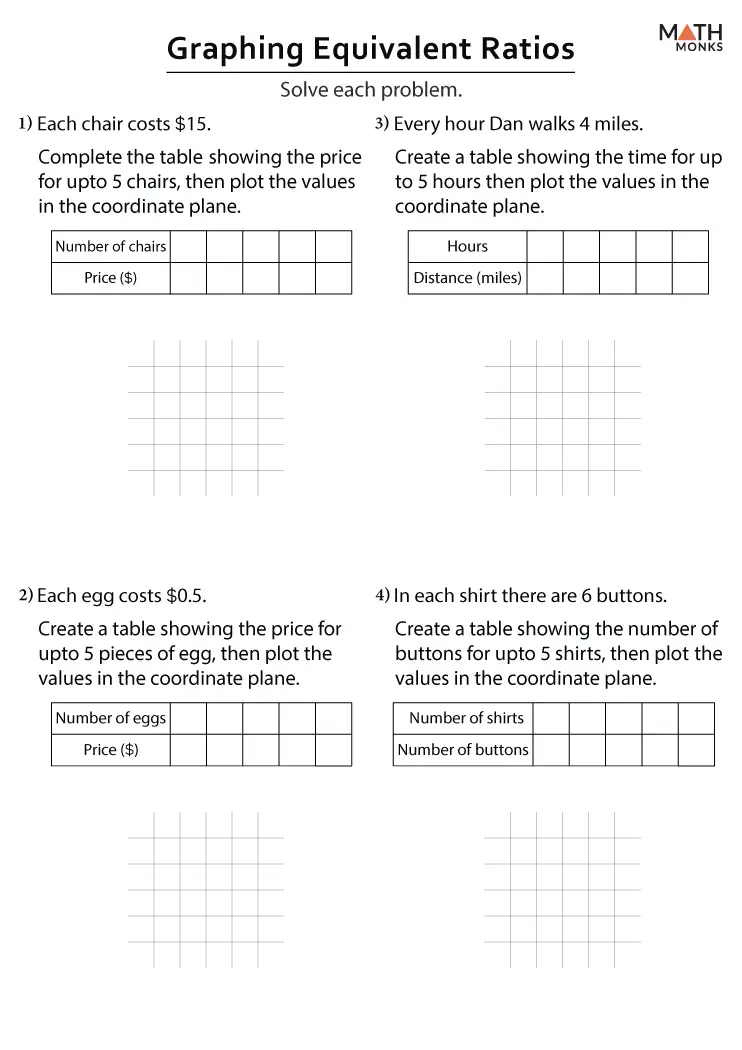
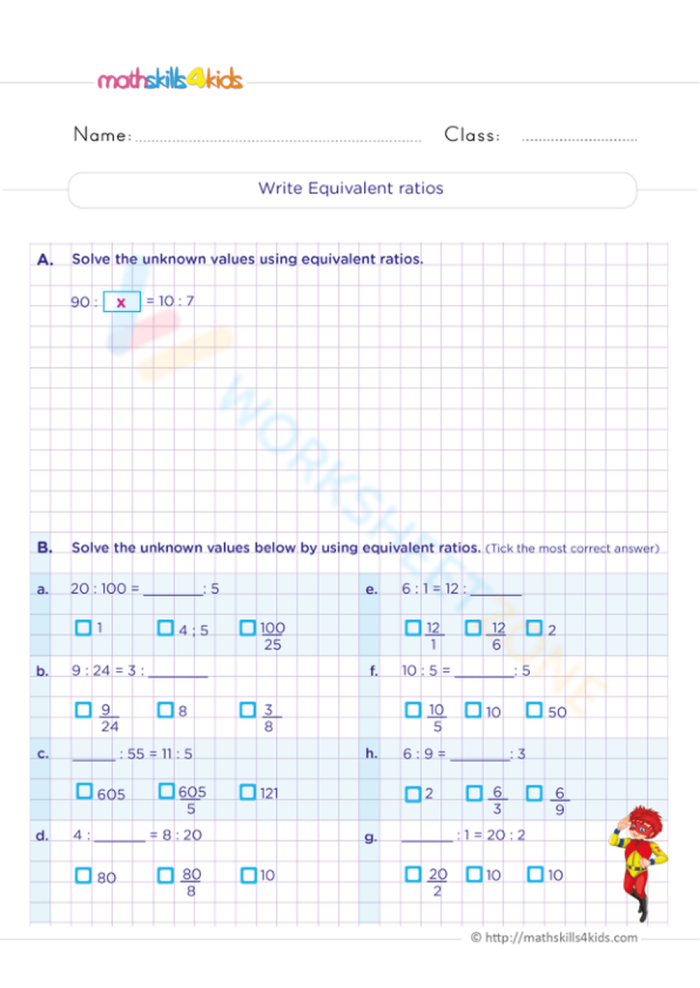
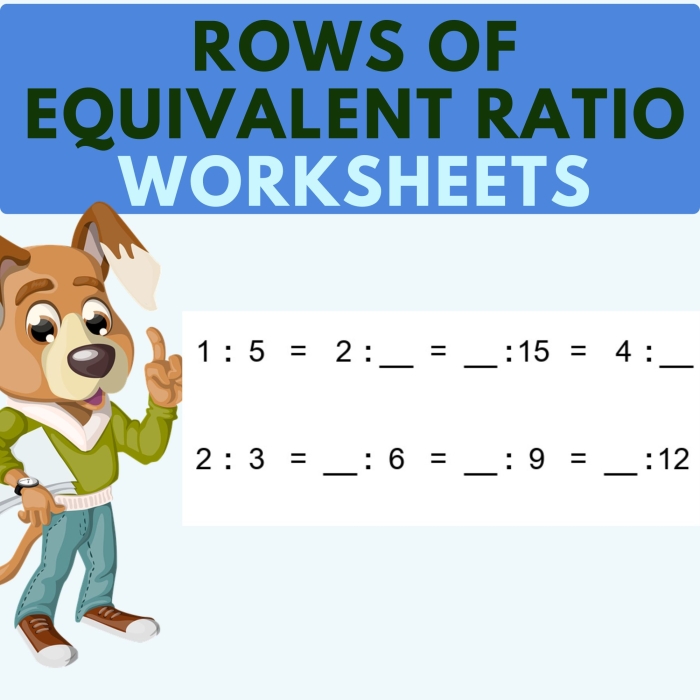
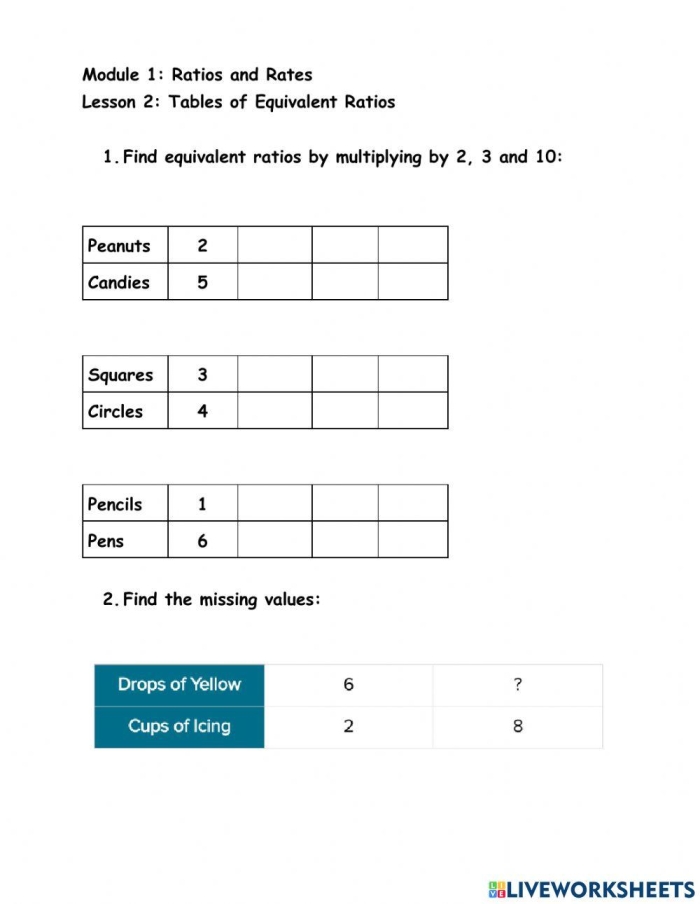
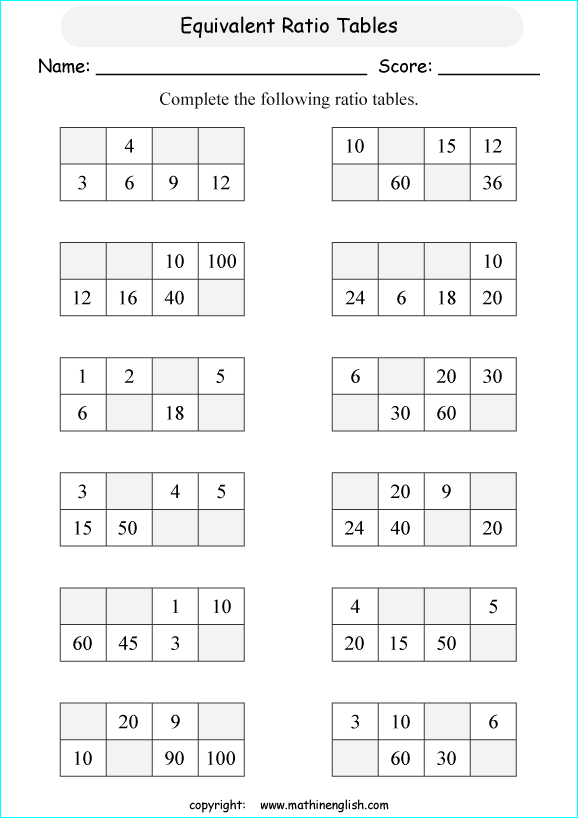
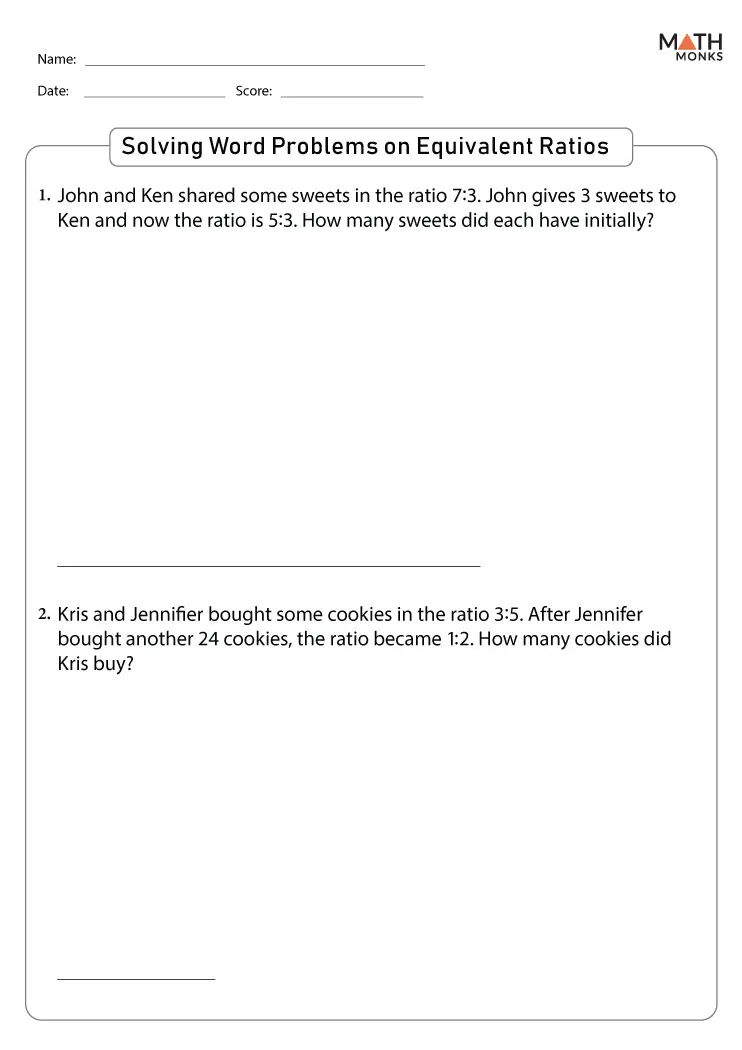
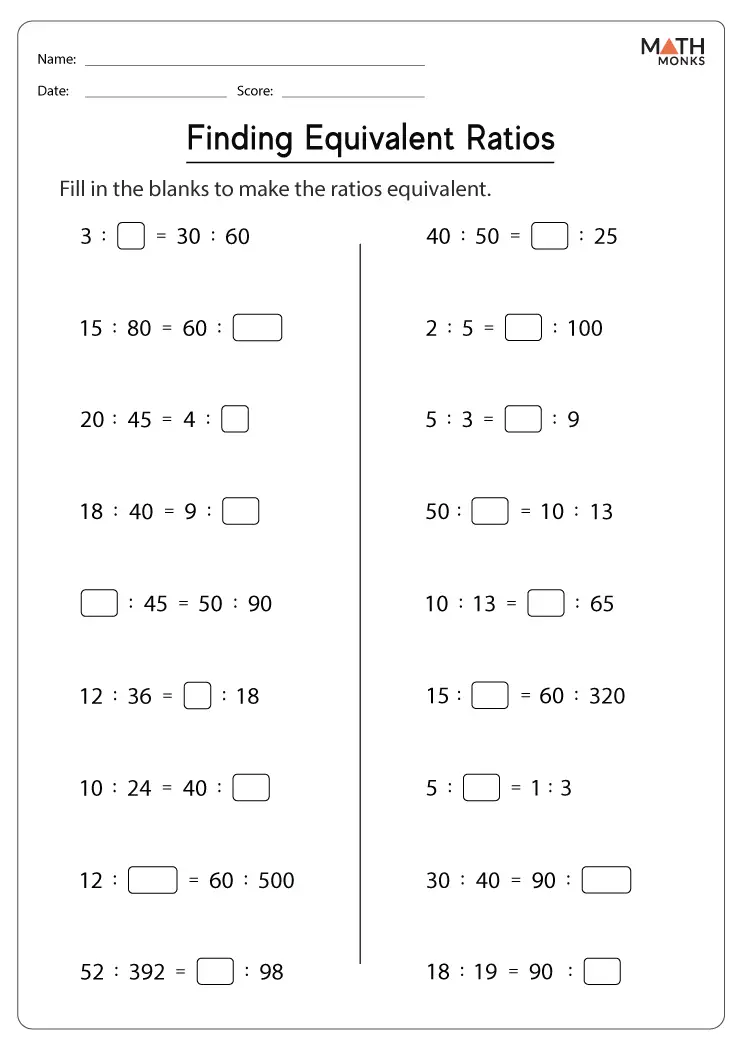
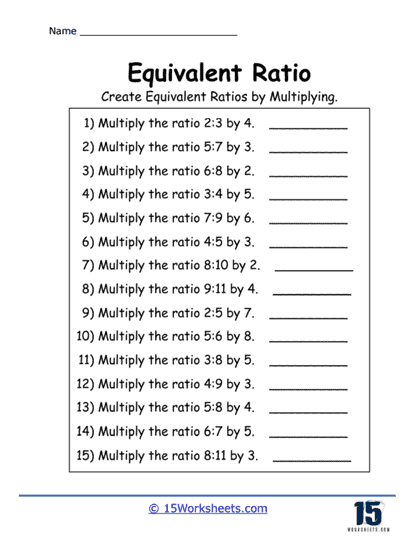
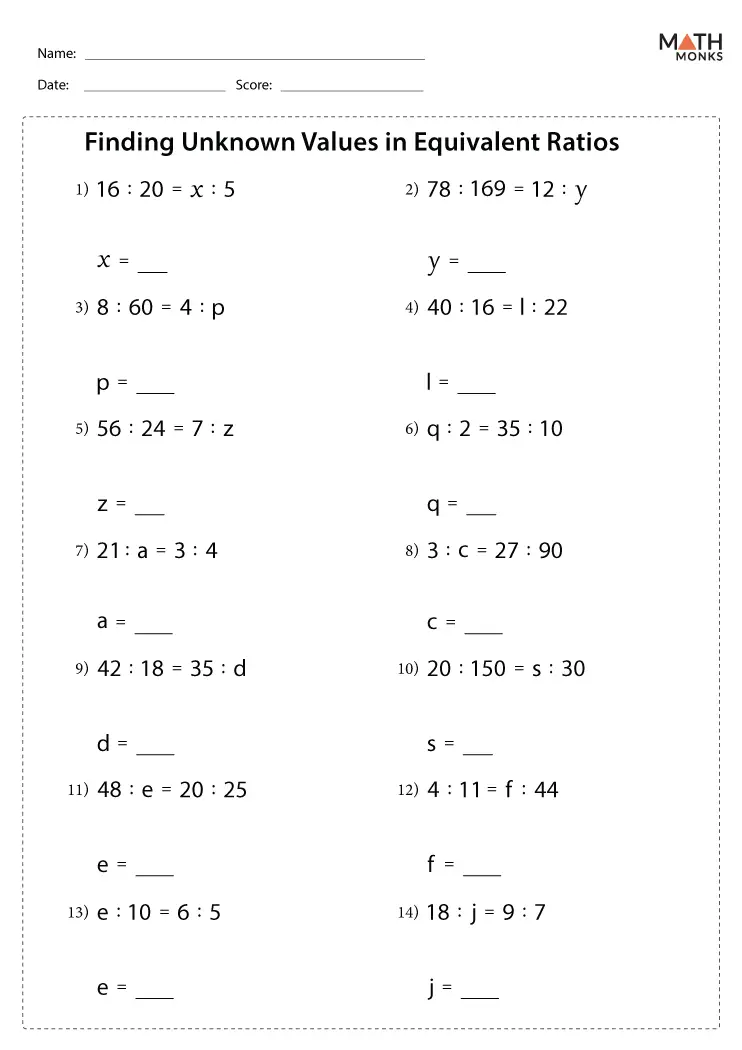
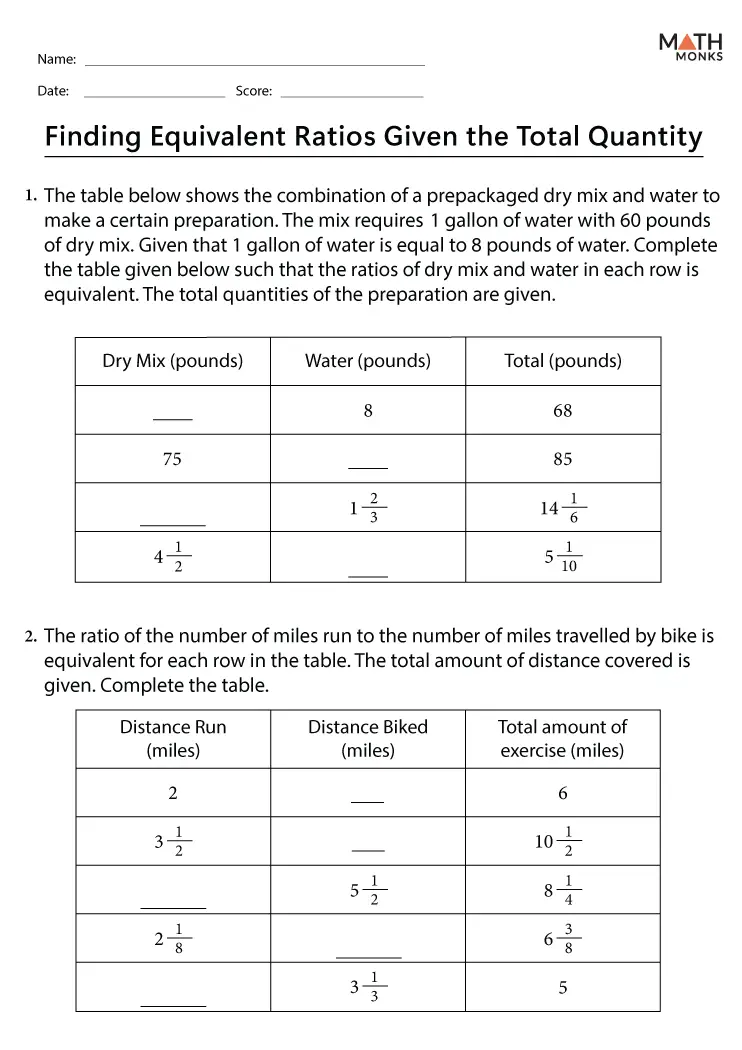
Using a sixth-grade math worksheet focused on equivalent ratios can significantly enhance learning. These worksheets typically include a variety of problems where students practice both identifying existing ratios and creating new ones. For example, a worksheet might present a scenario with apples and oranges, asking students to express the relationship between the two fruits in different equivalent forms. This hands-on practice reinforces their understanding and boosts their confidence in working with ratios.
Moreover, practicing with equivalent ratios prepares students for more complex concepts in future grades. For instance, once they master ratios, they can transition into learning about rates and proportions. This progression is vital as it lays the groundwork for algebra and other advanced mathematical concepts. To further strengthen their skills, students can also explore related worksheets, such as those that focus on variable expressions or unit prices, which can be found on various educational sites like this one.
Incorporating these worksheets into regular study routines can make a significant difference. As students engage with the material, they develop critical thinking skills needed for problem-solving. By practicing identifying and creating equivalent ratios, sixth graders not only master a key math concept but also prepare themselves for future academic challenges.
Hands-On Worksheet Activities