Understanding the universe is a fascinating journey, especially when it comes to the celestial bodies that orbit our sun. Comets and asteroids, while both part of our solar system, have distinct characteristics that set them apart. This difference is not only intriguing but also essential for fifth-grade students diving into earth and space science.
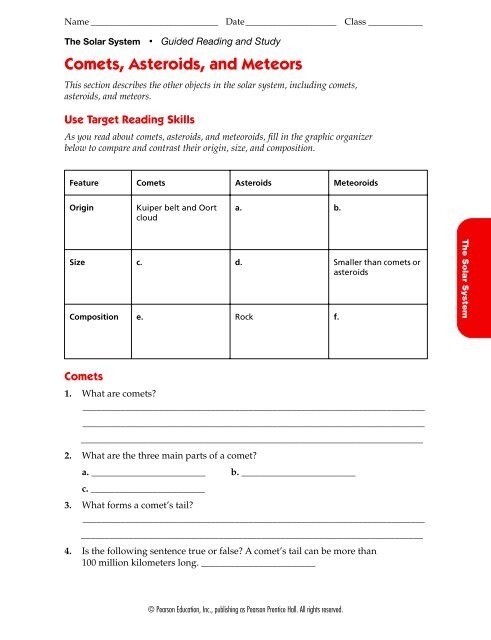
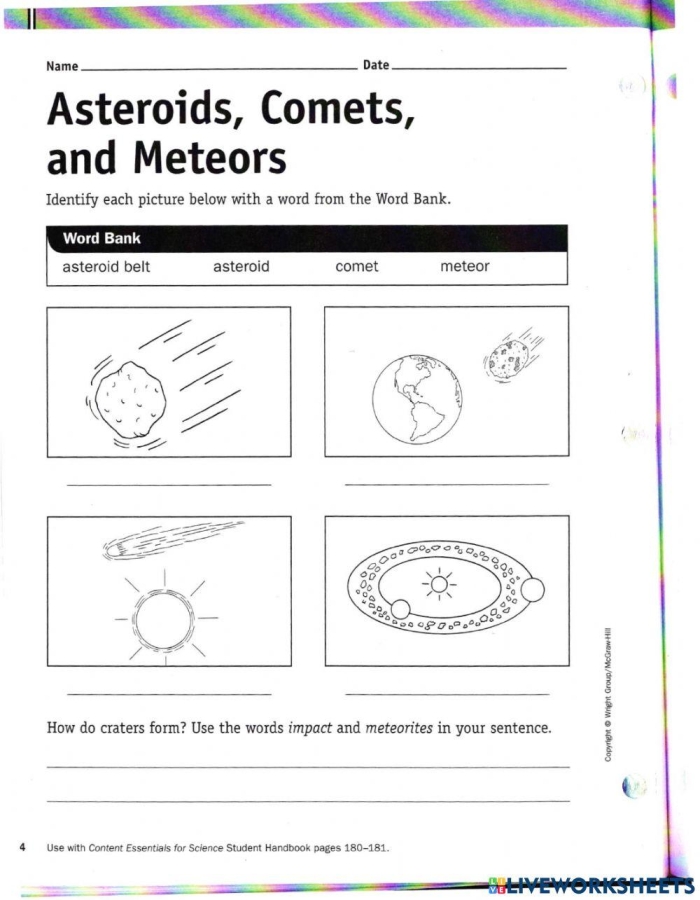
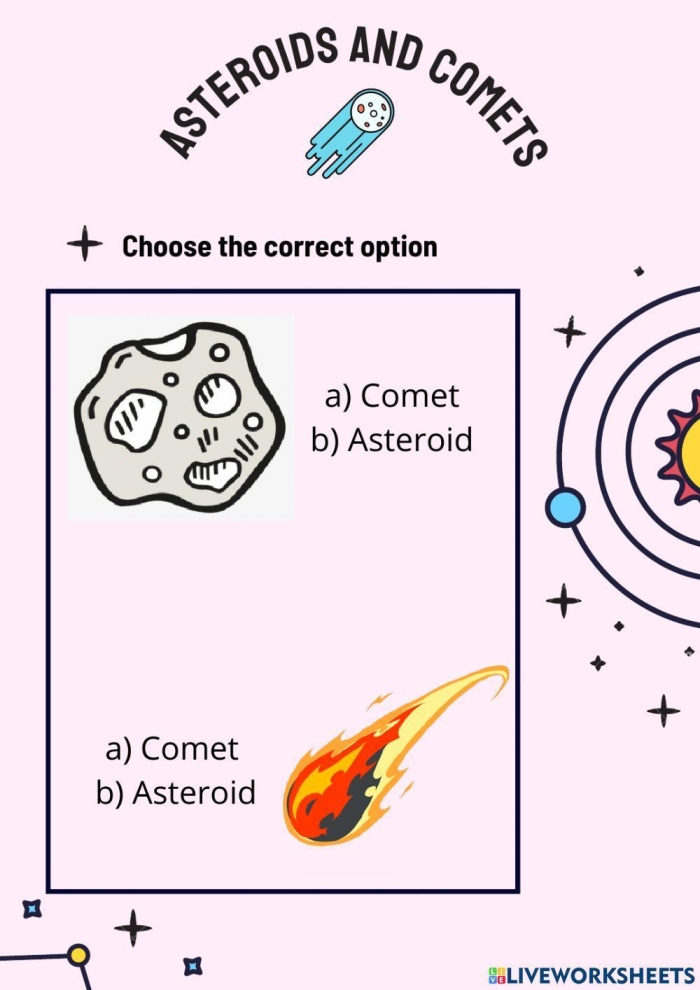
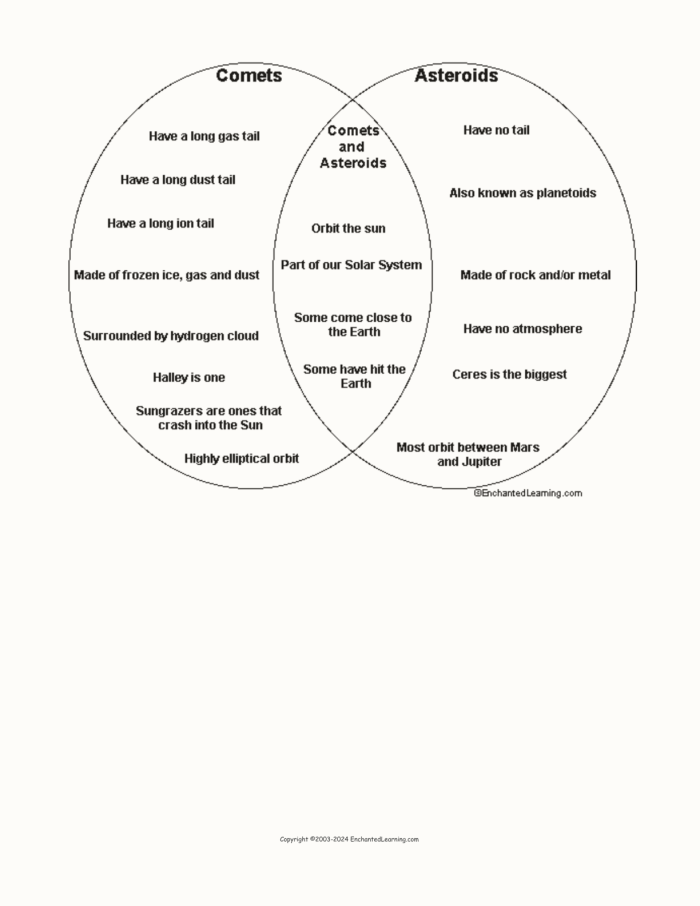
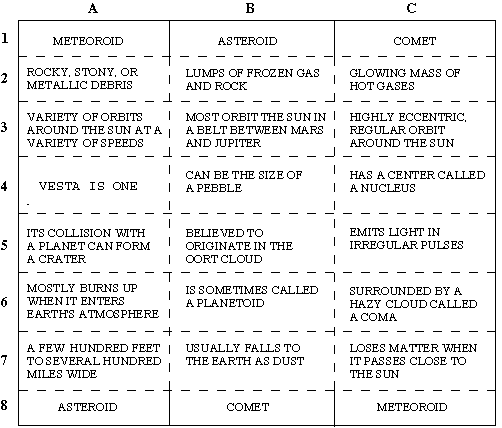
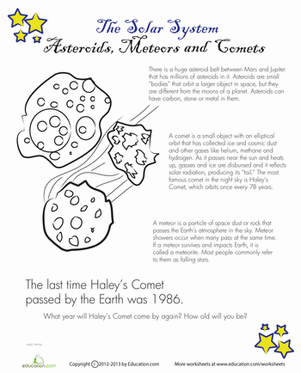
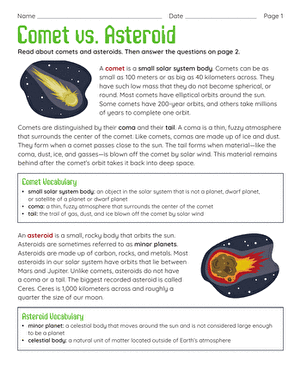
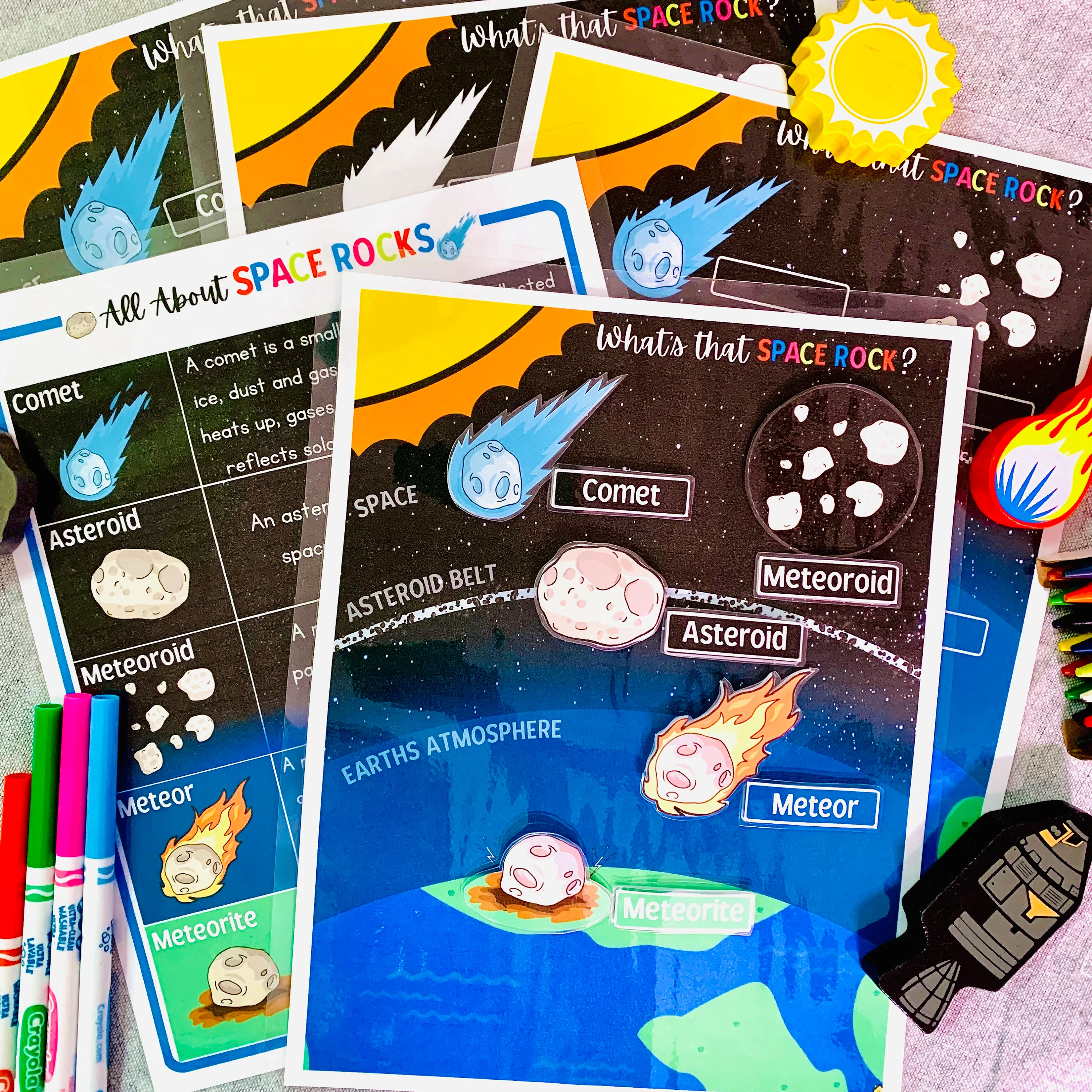
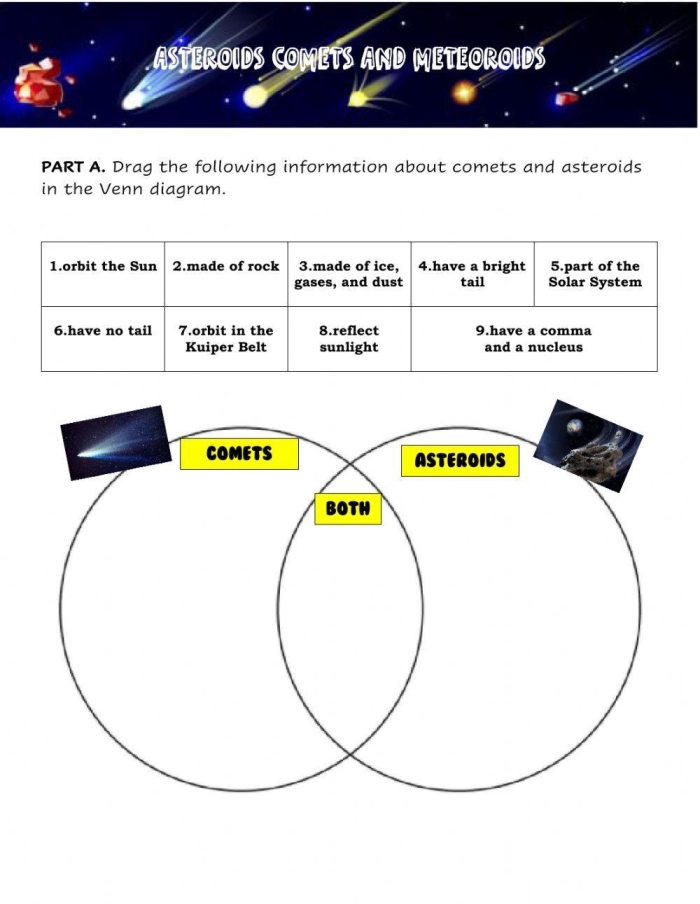
Comets are often described as “dirty snowballs” because they are composed of ice, dust, and rocky material. When they approach the sun, the heat causes the ice to vaporize, creating a glowing coma and sometimes a tail that stretches millions of kilometers away. This dramatic transformation is what makes comets so visually stunning when they pass close to Earth. For instance, Halley’s Comet, which appears every 76 years, is a perfect example of this phenomenon.
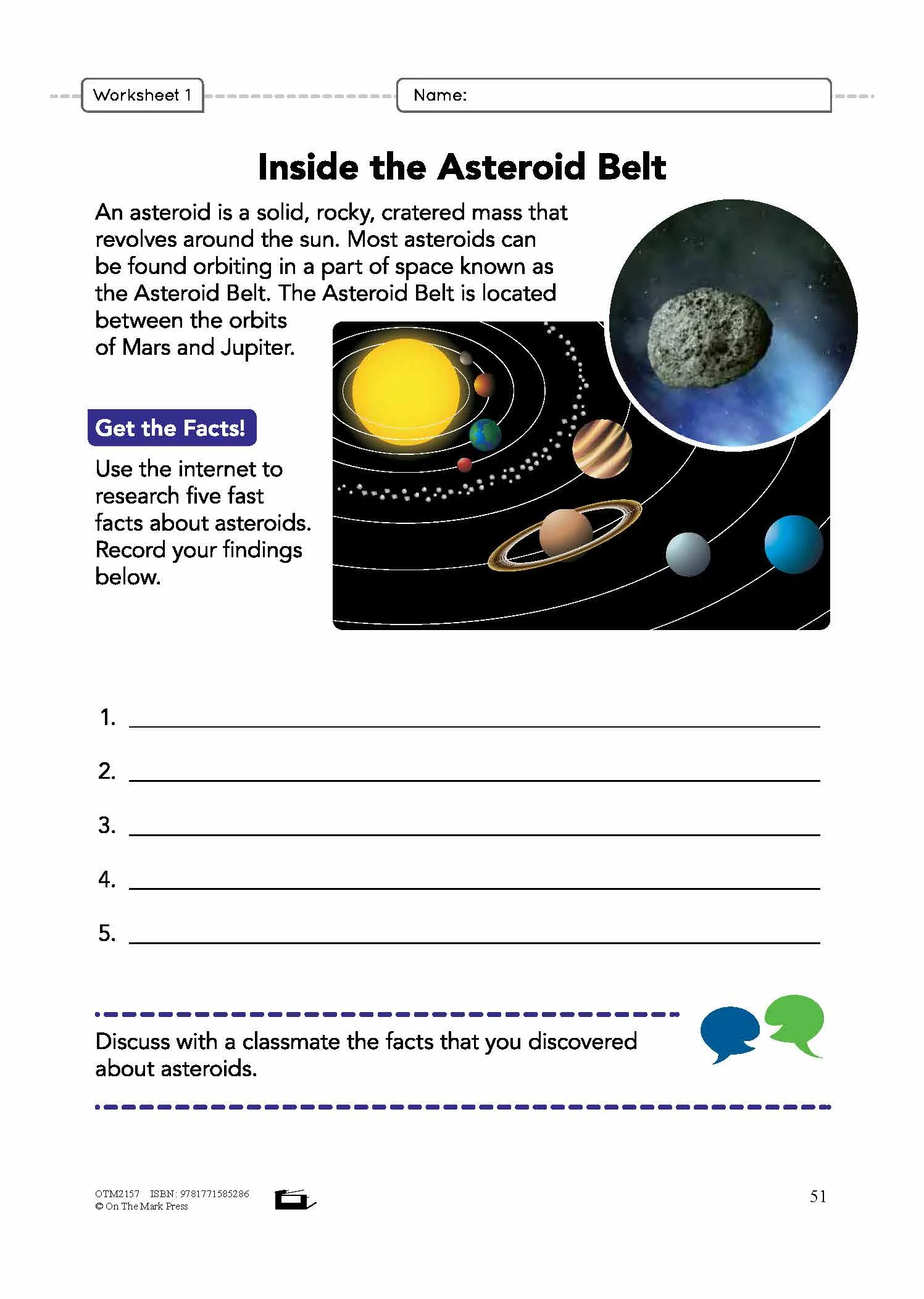
On the other hand, asteroids are primarily made of rock and metal, lacking the icy components that characterize comets. Most of these space rocks reside in the asteroid belt between Mars and Jupiter. They can vary greatly in size, from small boulders to objects hundreds of kilometers wide. A well-known asteroid, Ceres, is unique because it’s also classified as a dwarf planet due to its size and spherical shape.
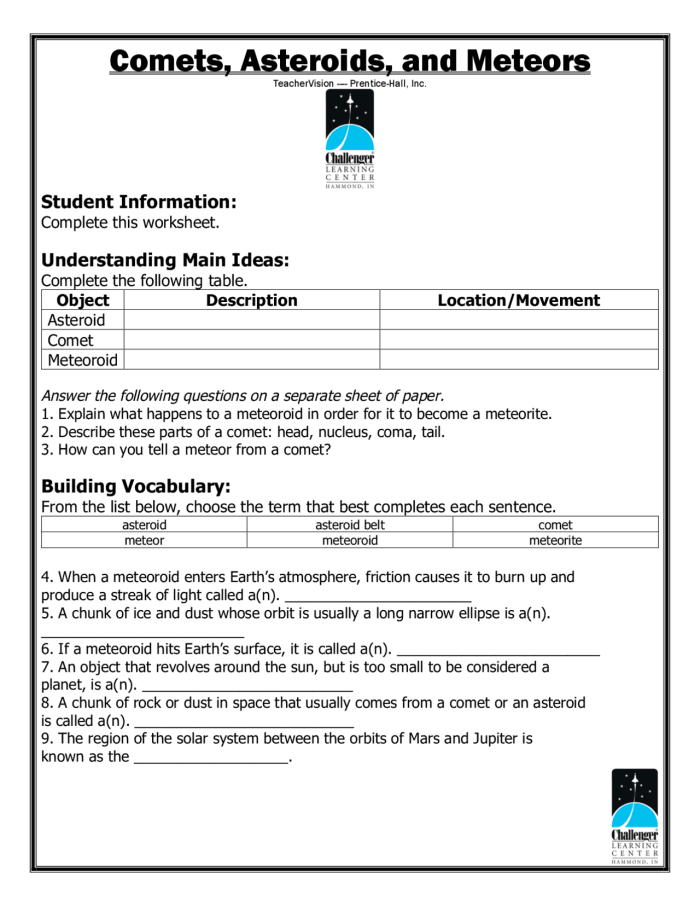
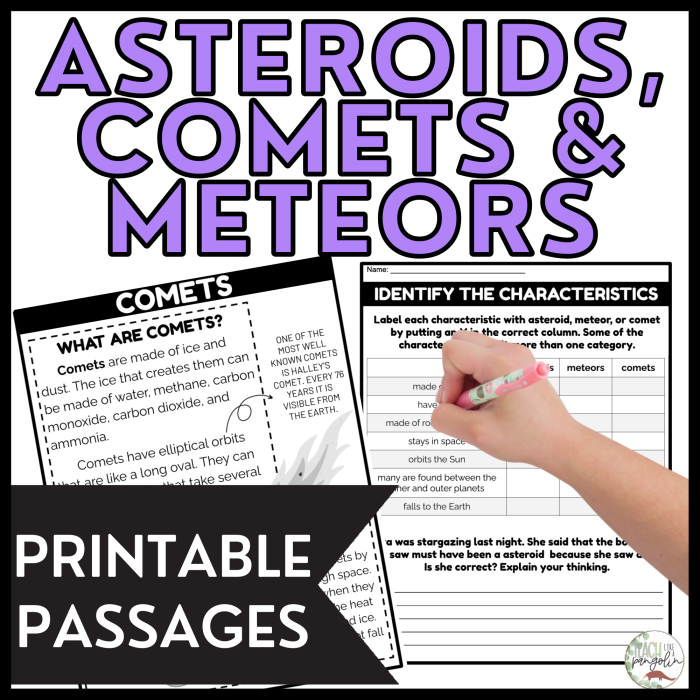
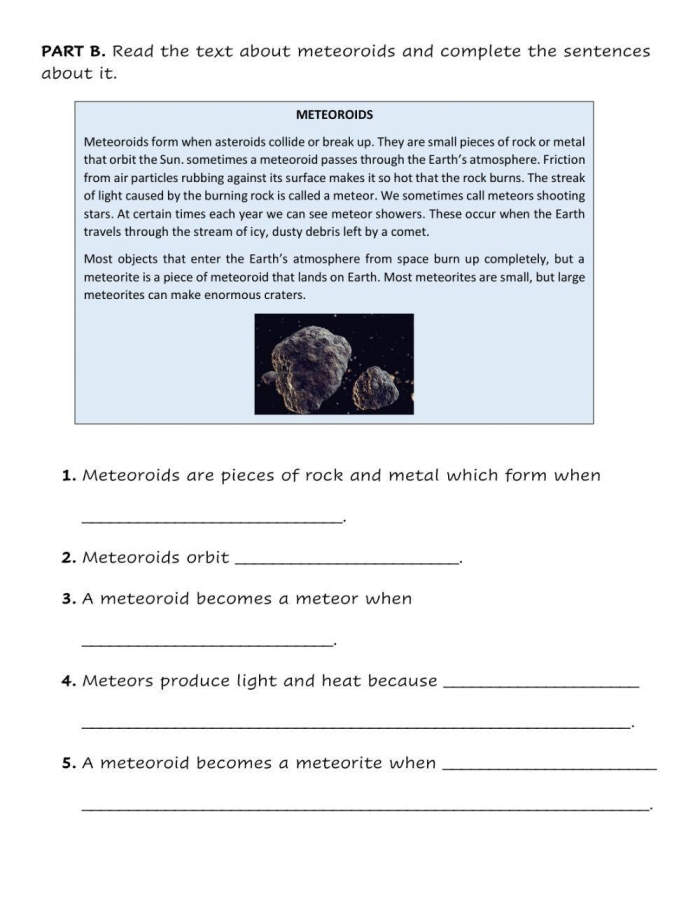
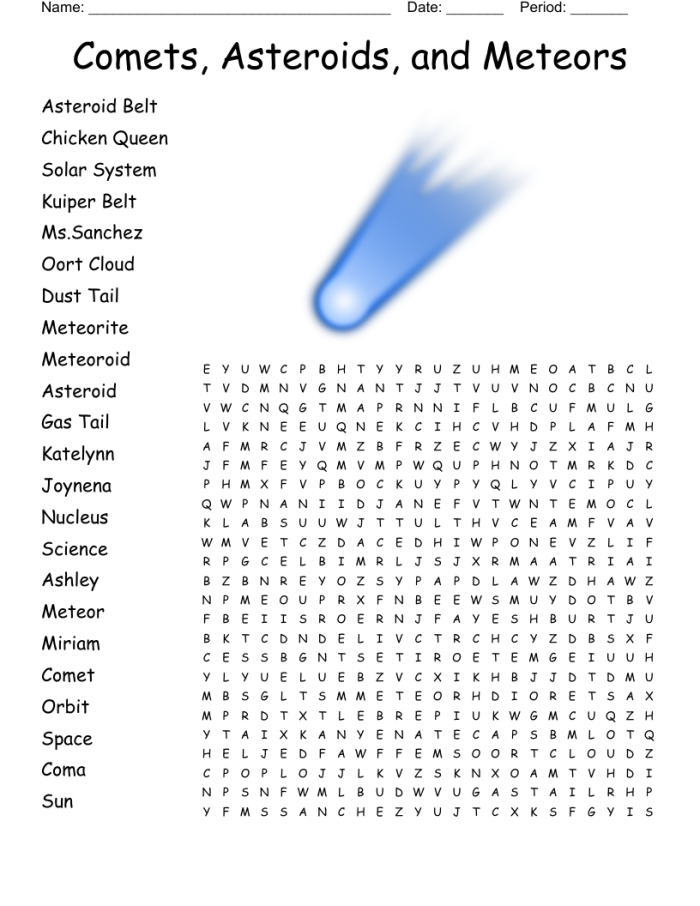
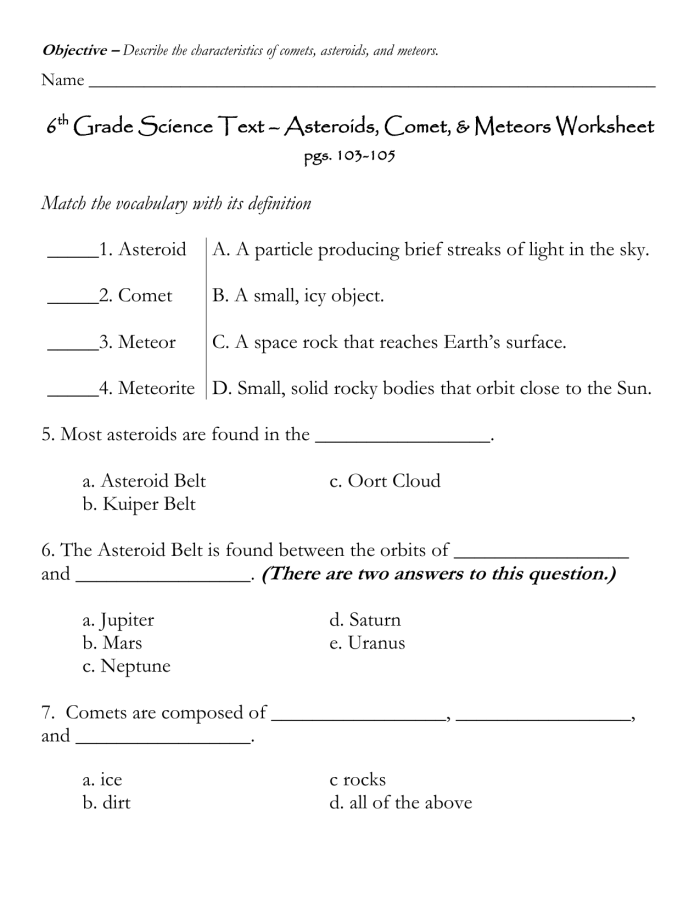
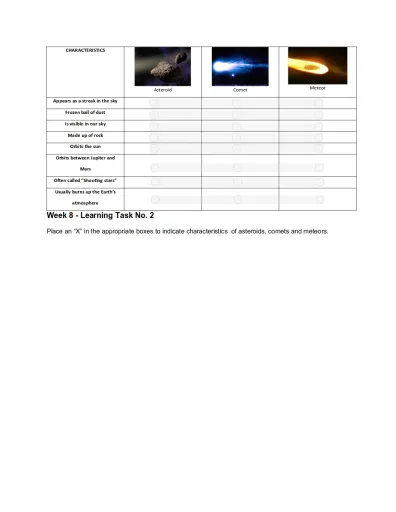
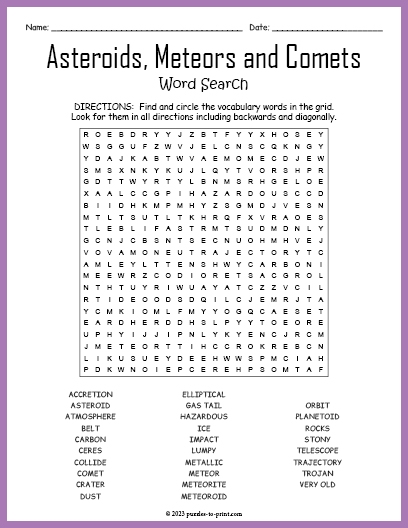
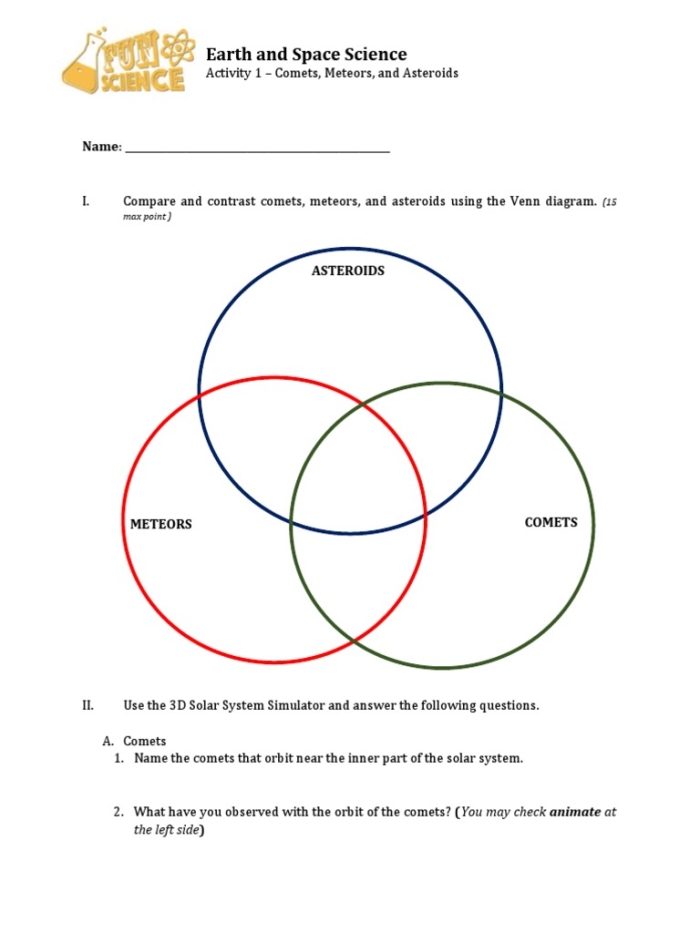
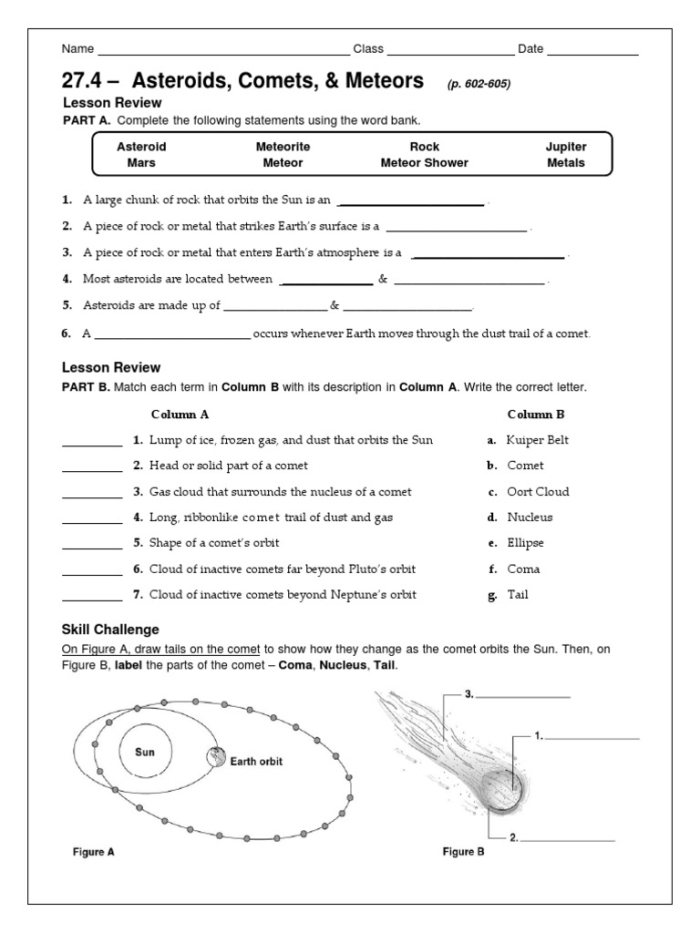
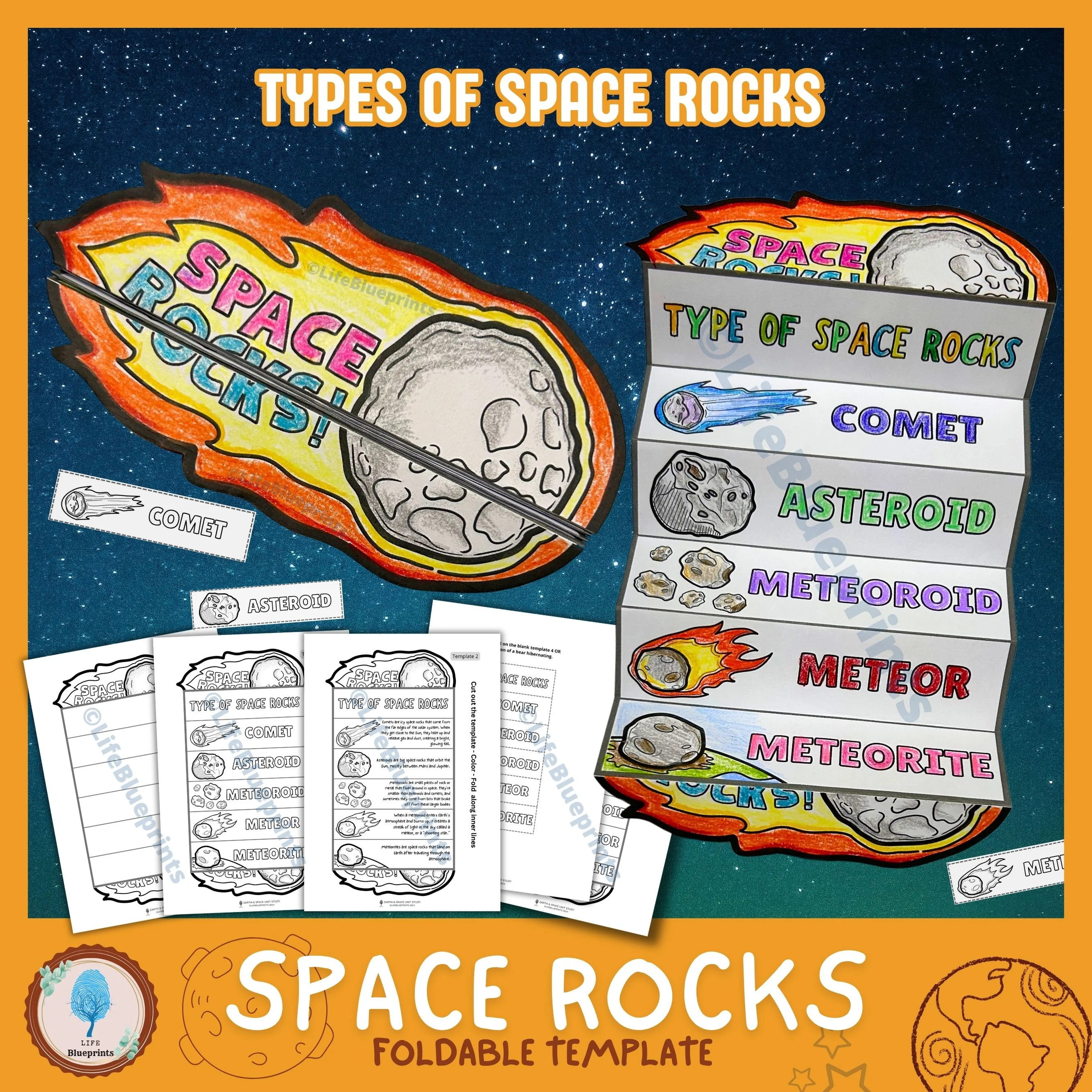
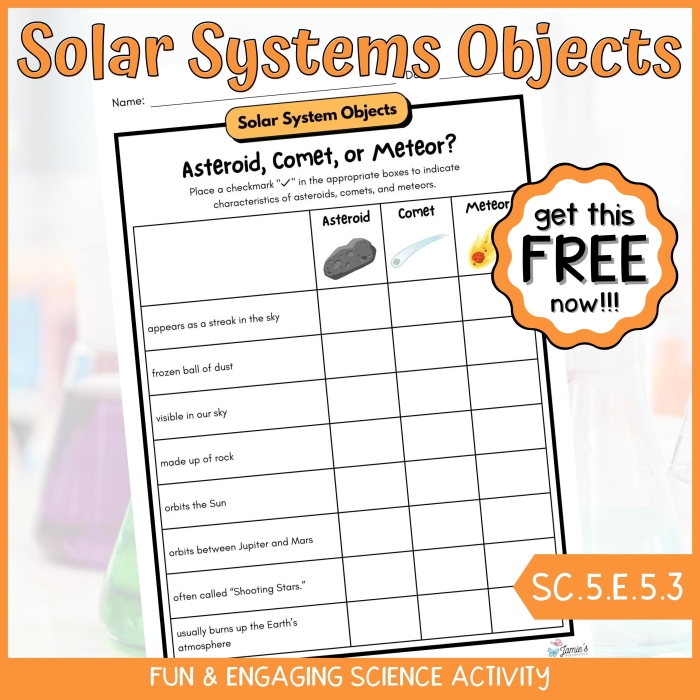
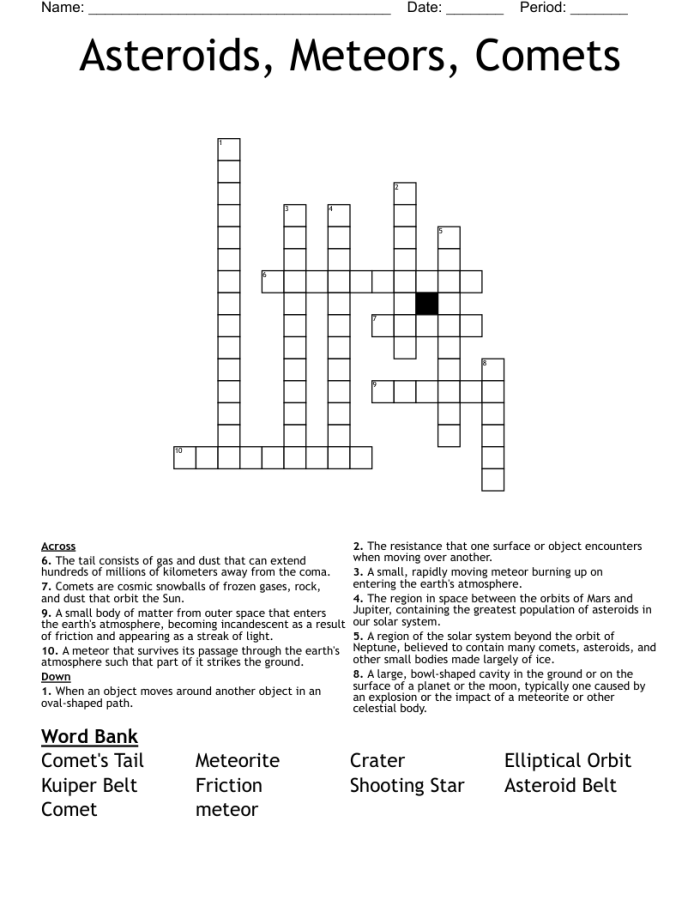
For fifth graders, exploring the differences between comets and asteroids can be both educational and fun. Engaging worksheets designed for this age group can enhance vocabulary while fostering a deeper understanding of these celestial objects. Printable comets and asteroids worksheets can serve as excellent resources for students to practice and apply what they learn in a structured way.
By recognizing the unique attributes of comets and asteroids, students can better appreciate the complexity of our solar system. Such knowledge not only enriches their vocabulary but also ignites curiosity about the cosmos, encouraging further exploration and understanding of space science.
Start Practicing with These Worksheets