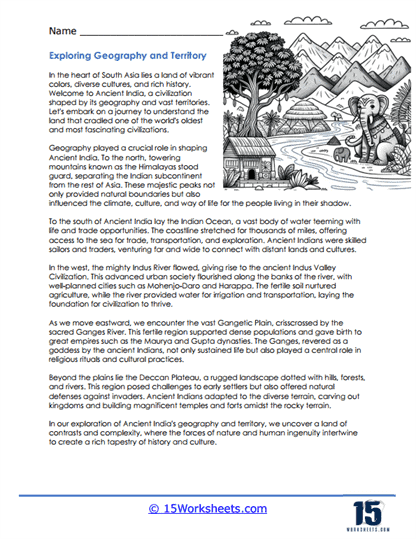
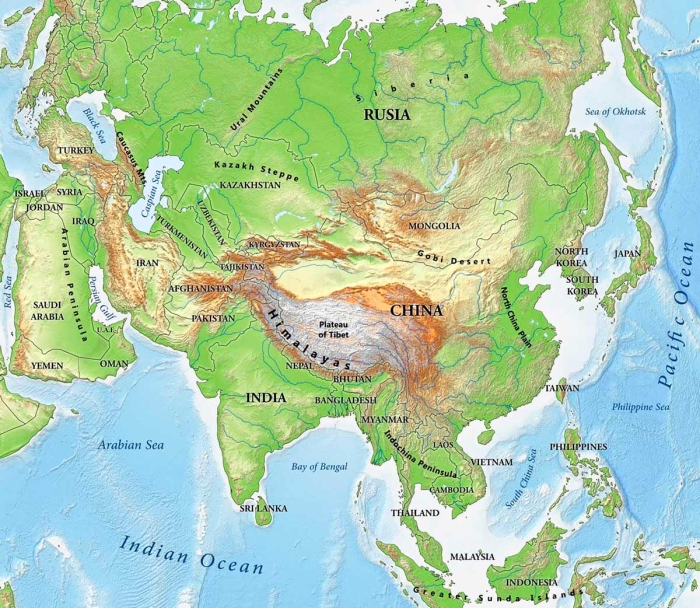
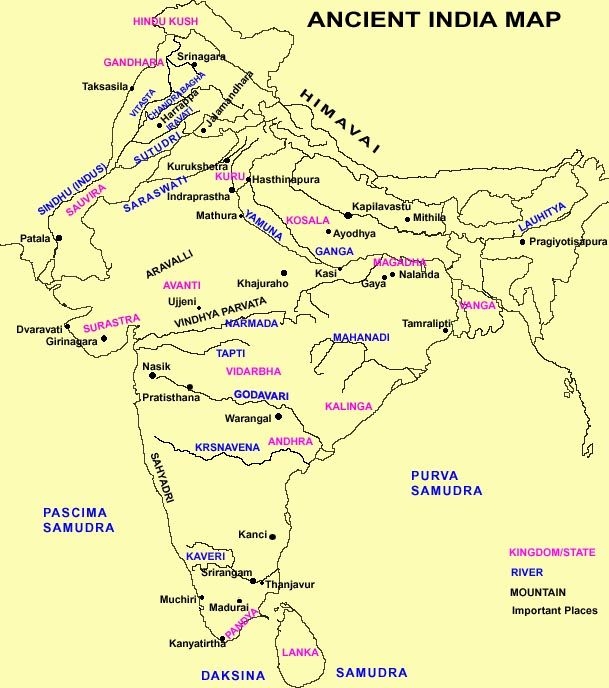
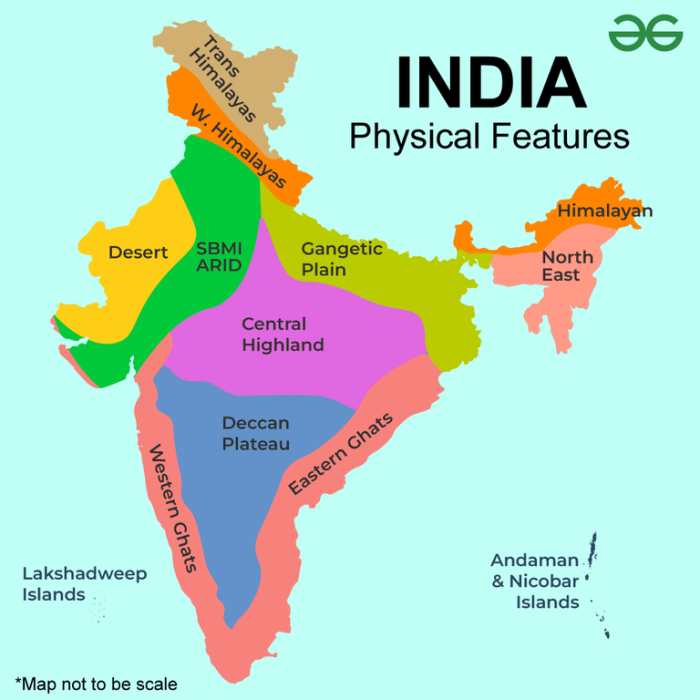
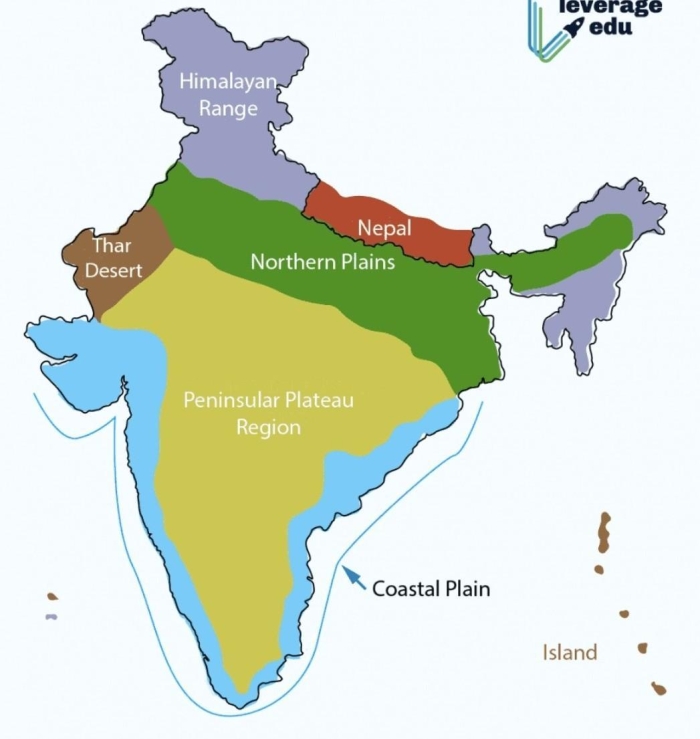
The geographic diversity of ancient India significantly influenced the development of its early civilizations. From the towering Himalayas in the north to the vast deserts of Rajasthan, the varied landscapes offered both challenges and opportunities that shaped the cultures and societies of the time.
The northern region, dominated by the Himalayas, provided natural barriers that protected early settlements from invasions. This isolation fostered unique cultural practices and innovations, such as advanced agricultural techniques that utilized the fertile plains of the Indus River. The river, along with its tributaries, was crucial for irrigation, allowing populations to thrive. Evidence from archaeological sites like Harappa and Mohenjo-Daro indicates sophisticated urban planning and a strong emphasis on trade, facilitated by the river systems.
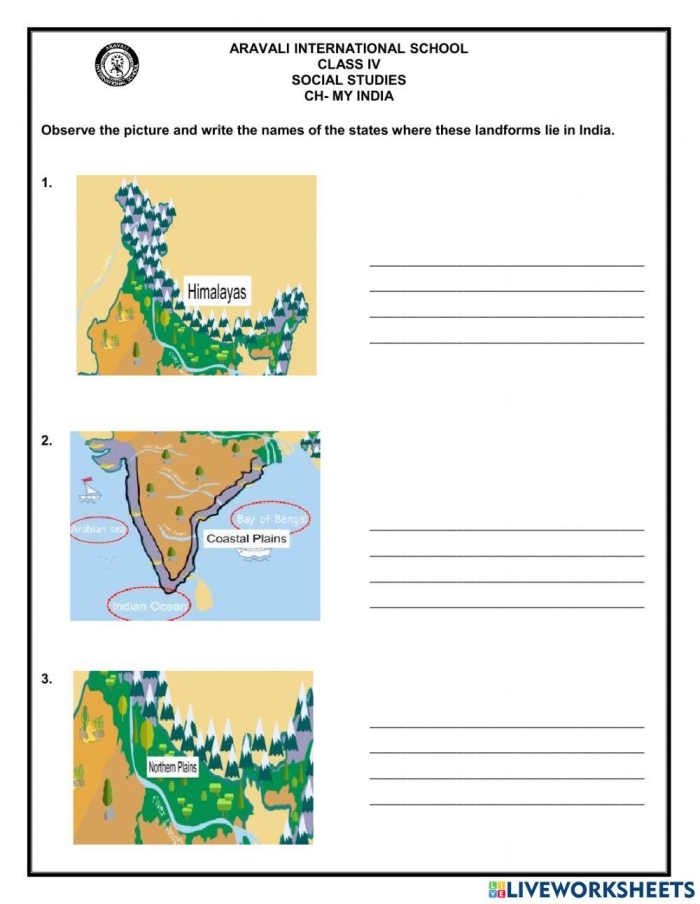
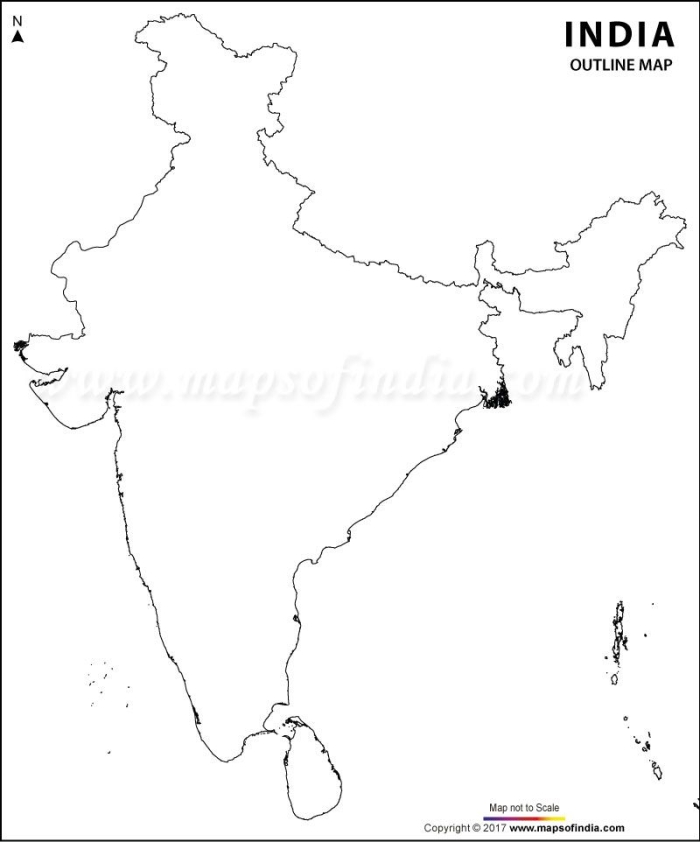
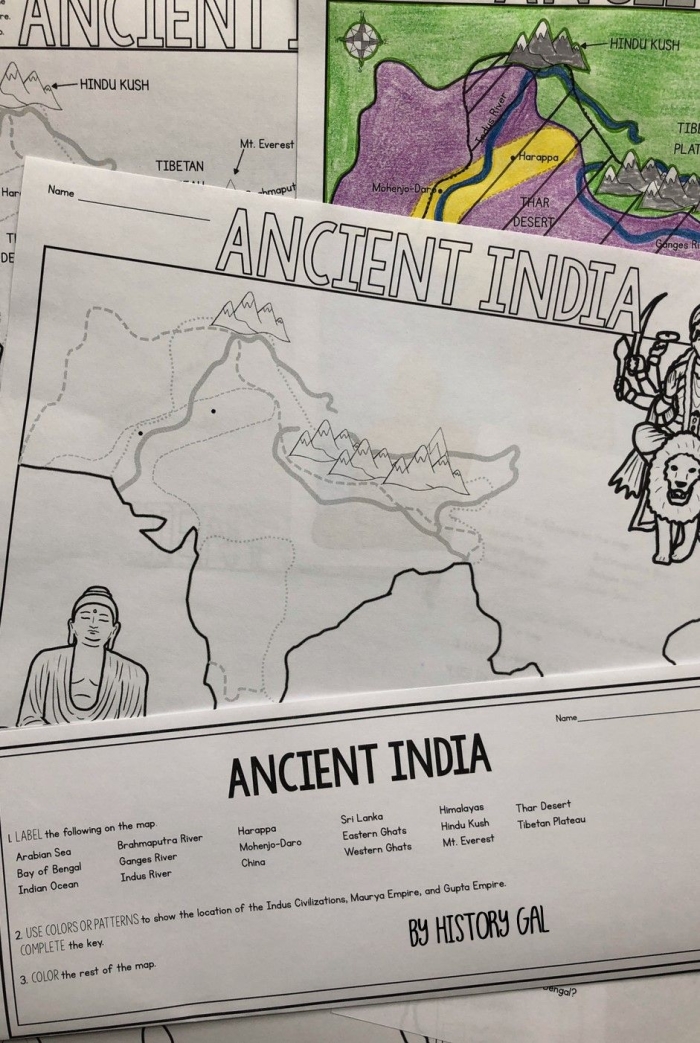
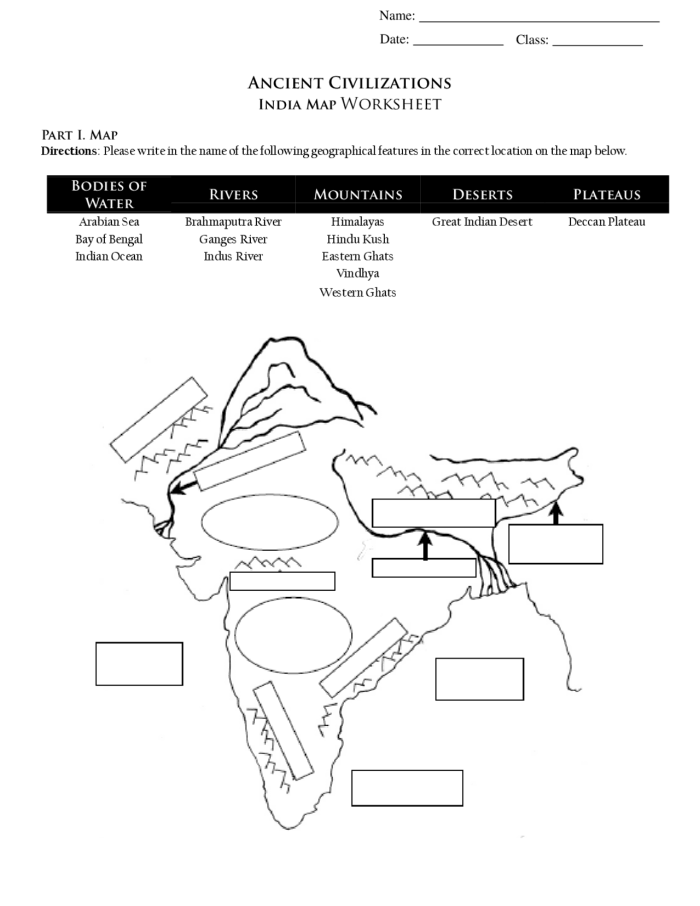
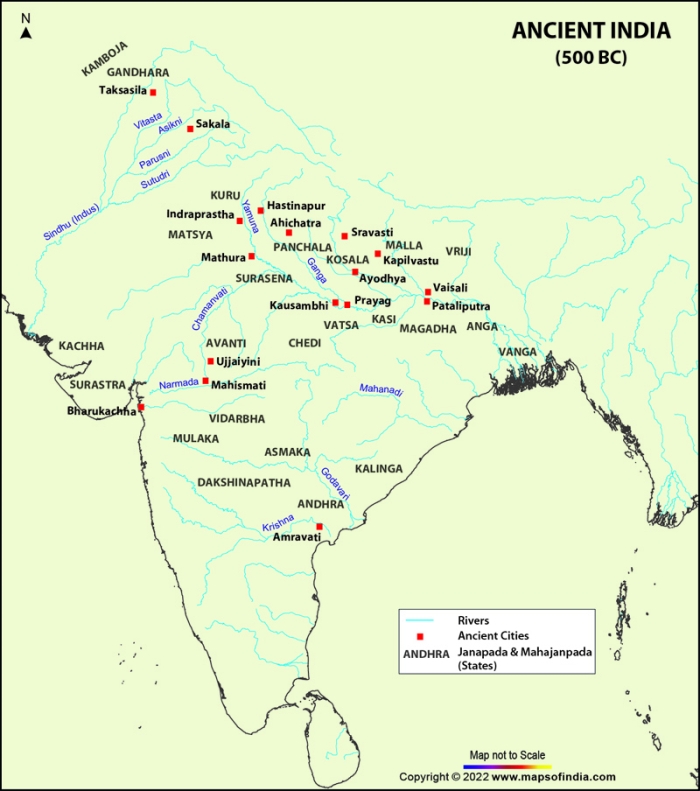
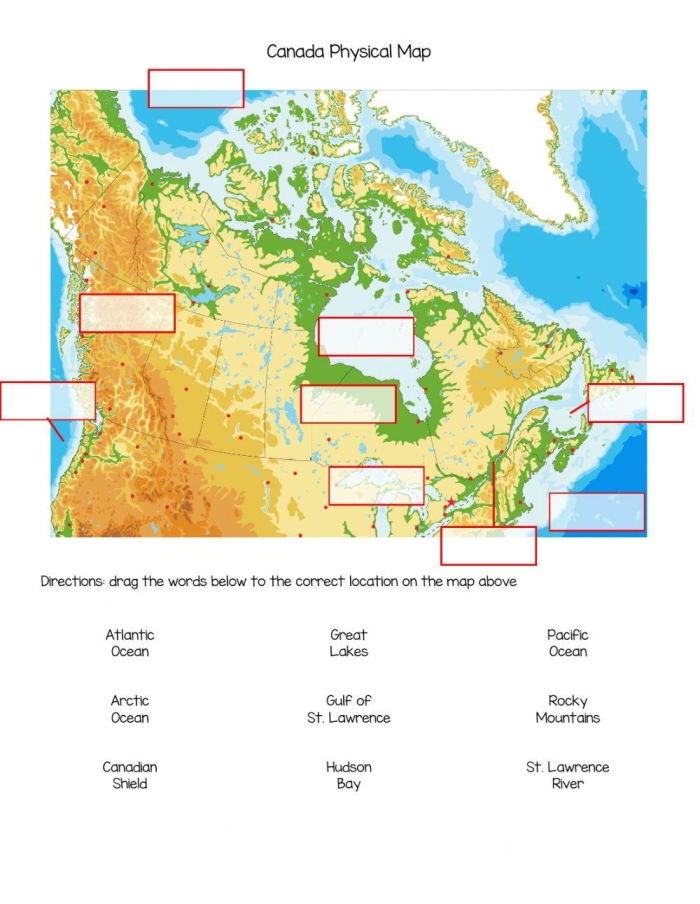
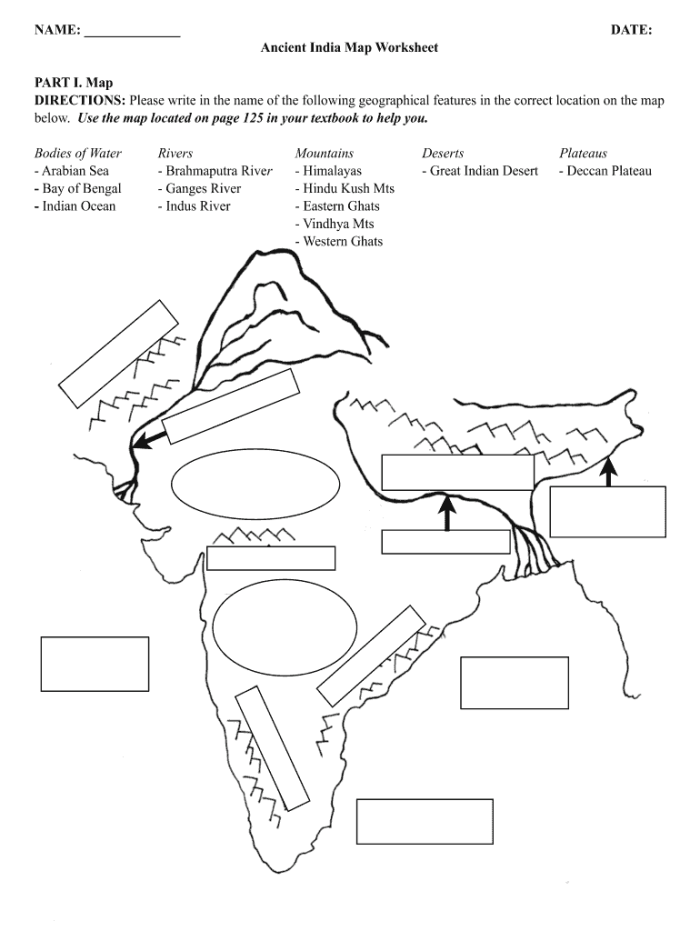
Moving south, the Deccan Plateau presents a different landscape. Its rocky terrain and volcanic soil were well-suited for the cultivation of millet and other hardy crops. The plateau’s strategic location allowed for the exchange of goods and ideas between north and south India. This interaction led to the emergence of vibrant trade routes, which were essential for the economic and cultural development of the region. As students explore an Ancient India Map to label physical features, they can see how geographic elements influenced where civilizations chose to settle.
In addition, the coastal regions encouraged maritime trade, connecting India to distant lands. The monsoon winds played a vital role in this trade, allowing sailors to navigate effectively across the Indian Ocean. This maritime activity not only enriched local economies but also facilitated cultural exchanges with other civilizations, such as those in Southeast Asia and Africa.
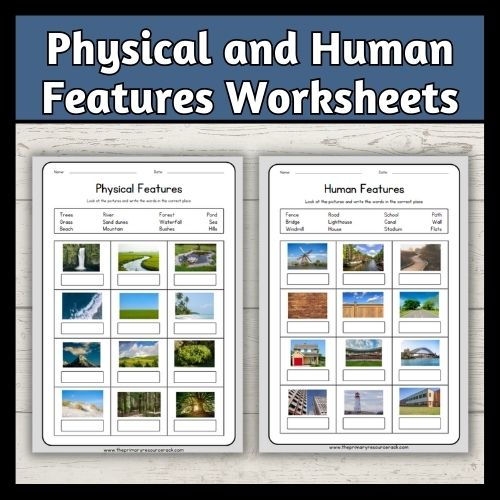
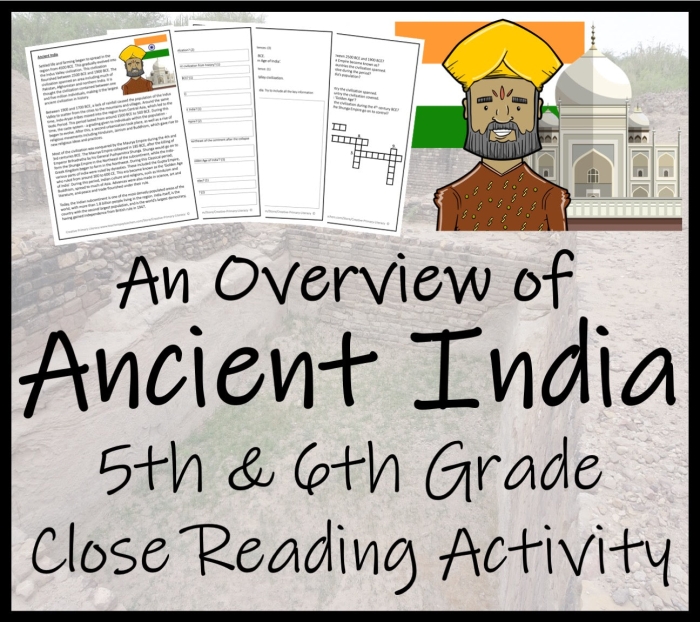
Understanding the geographic diversity of ancient India helps illuminate how these early civilizations adapted to their environments. For sixth graders studying multiplication, drawing connections between geography and history can enhance their learning experience. Engaging with resources like Printable Ancient India Map Worksheets can provide both a visual and practical approach to this fascinating topic.
Practice with These Worksheets