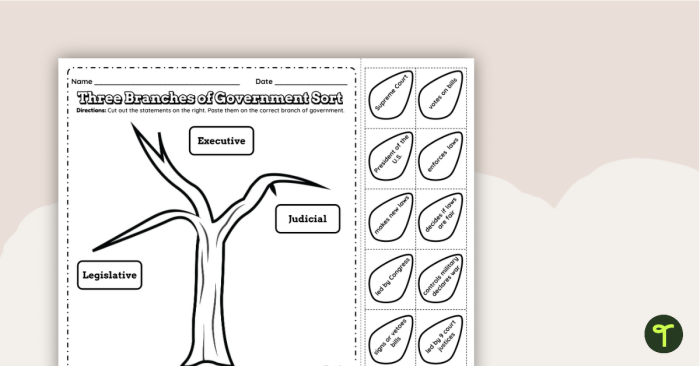
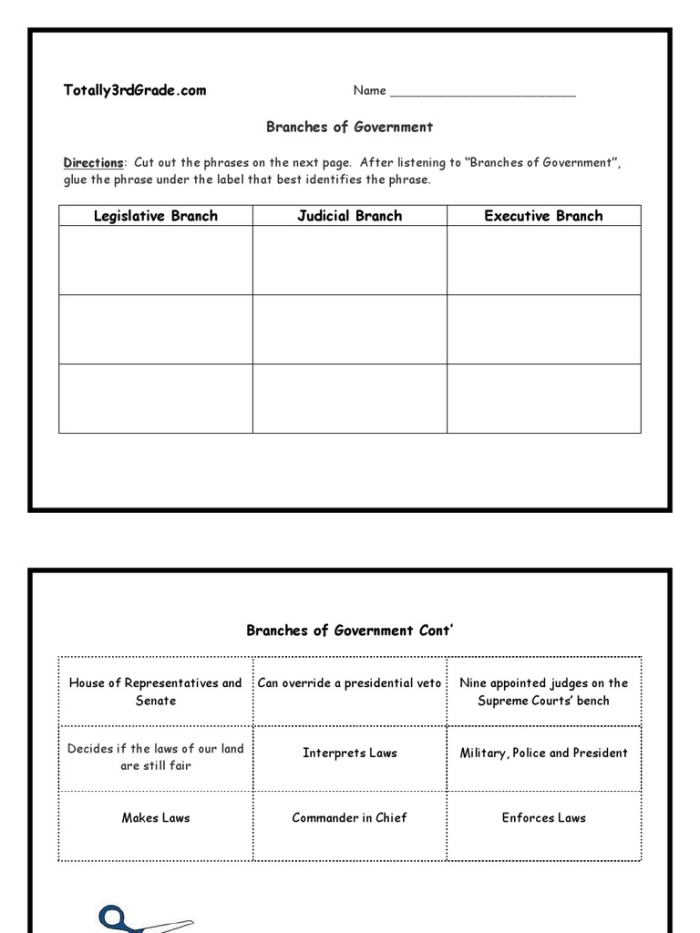
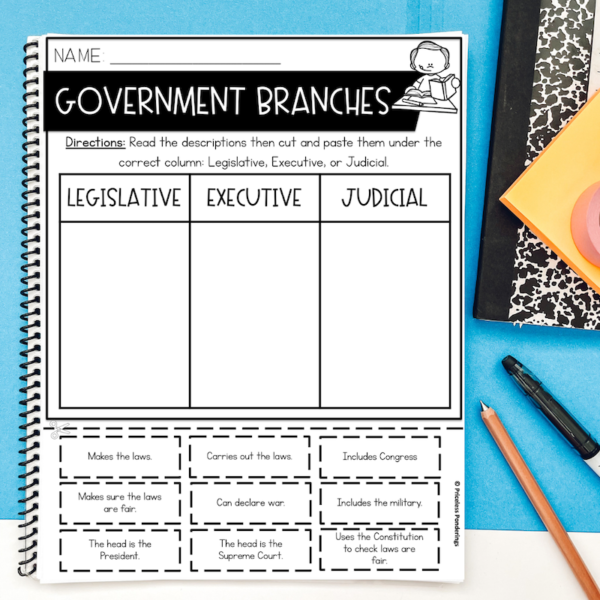
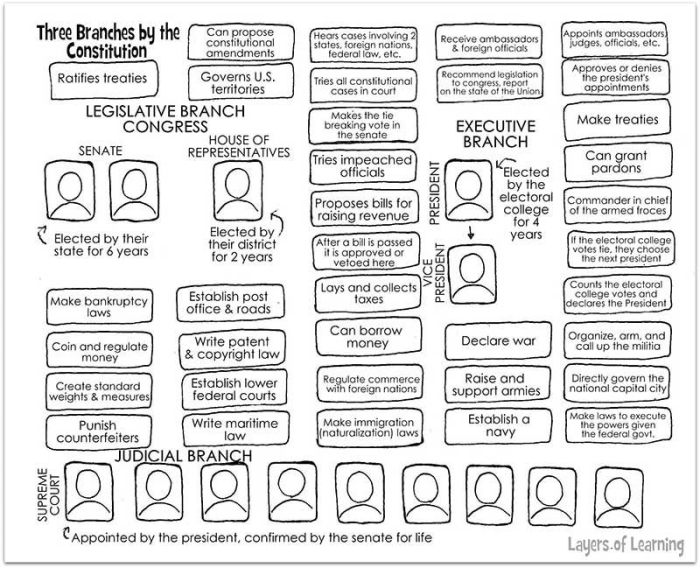
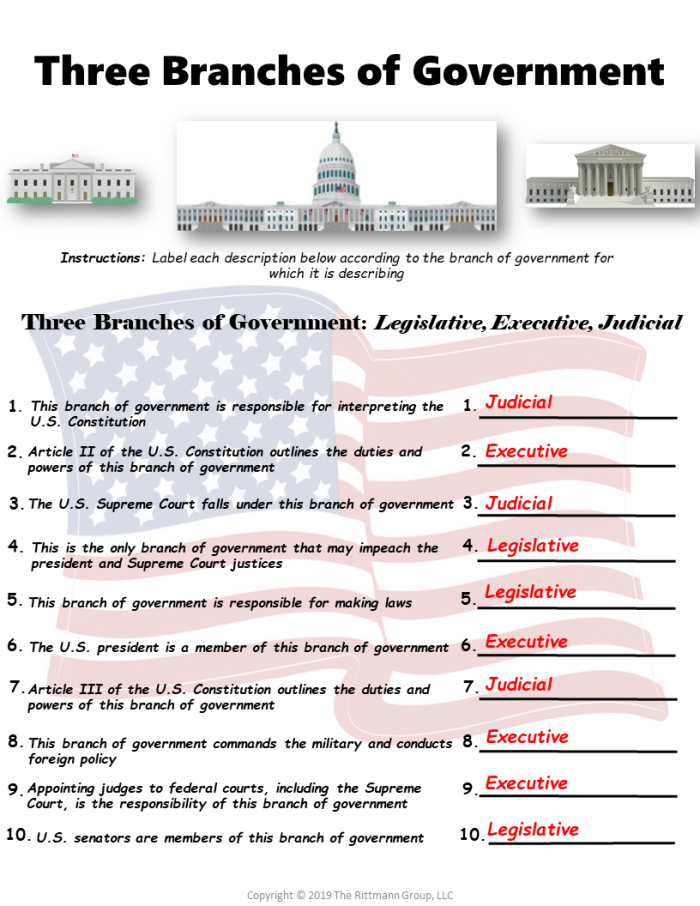
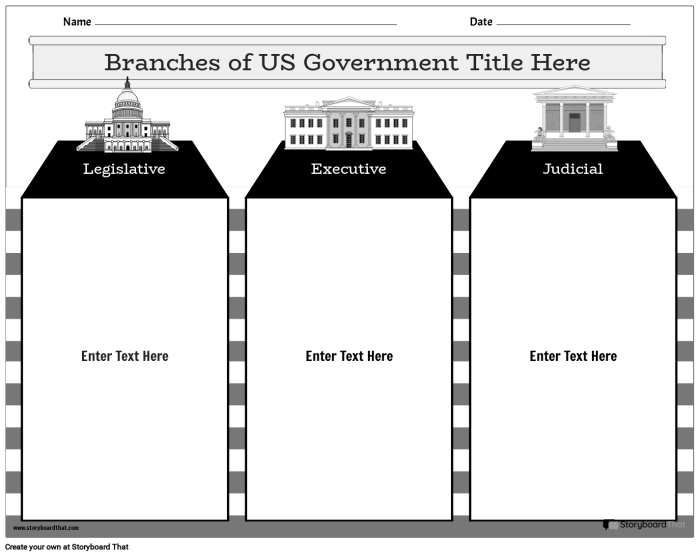
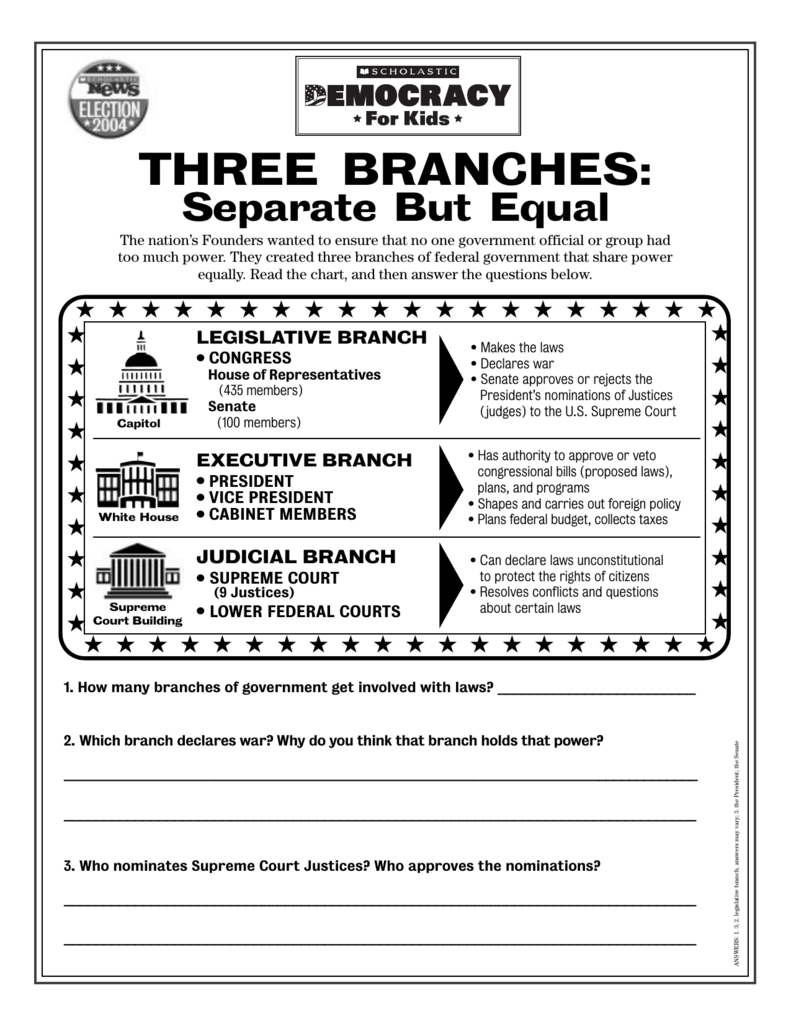
The United States government operates through three distinct branches: the Legislative, the Executive, and the Judicial. Each branch has its own responsibilities, powers, and location, contributing to the principle of checks and balances that is fundamental to the nation’s democratic system.
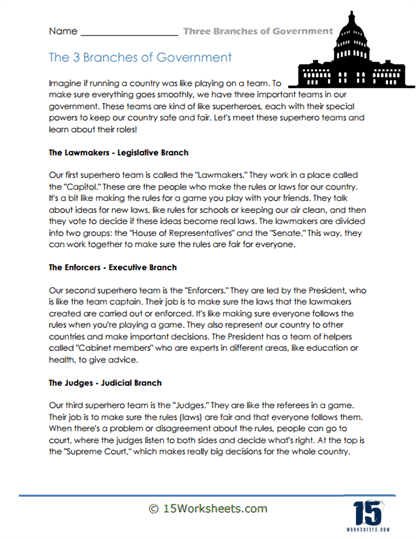
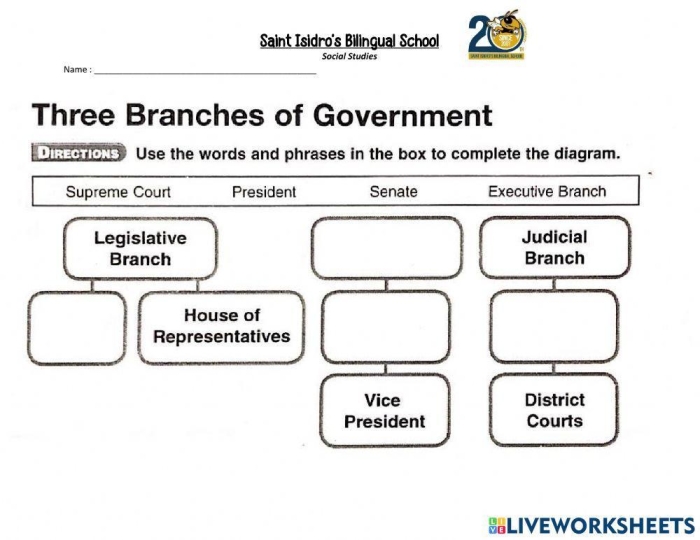
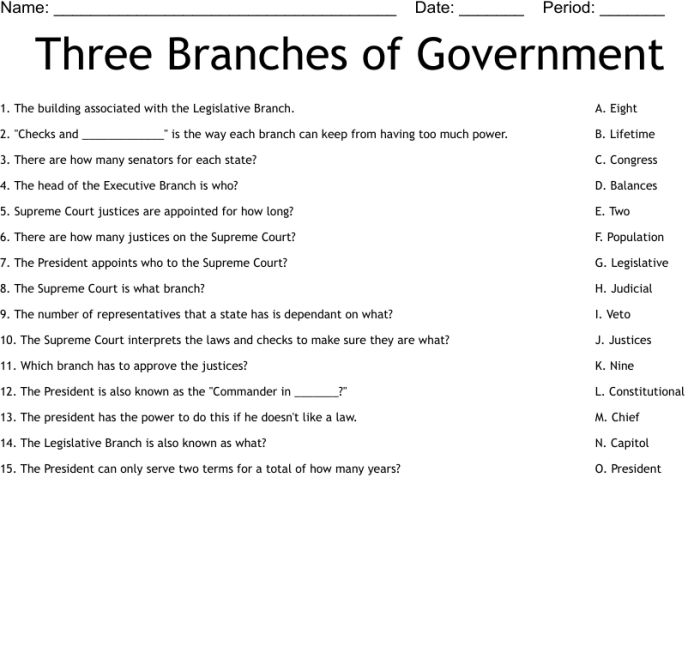
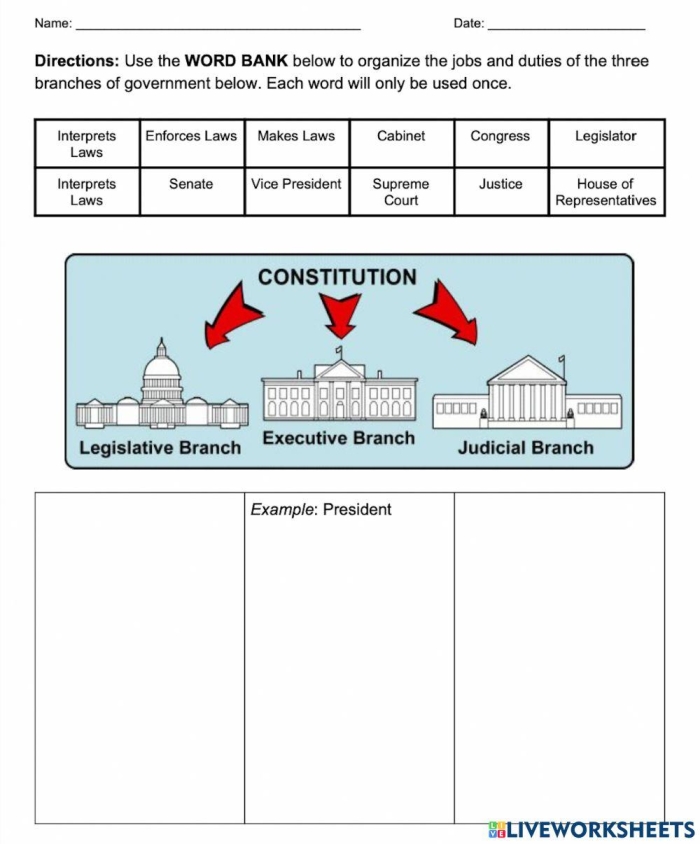
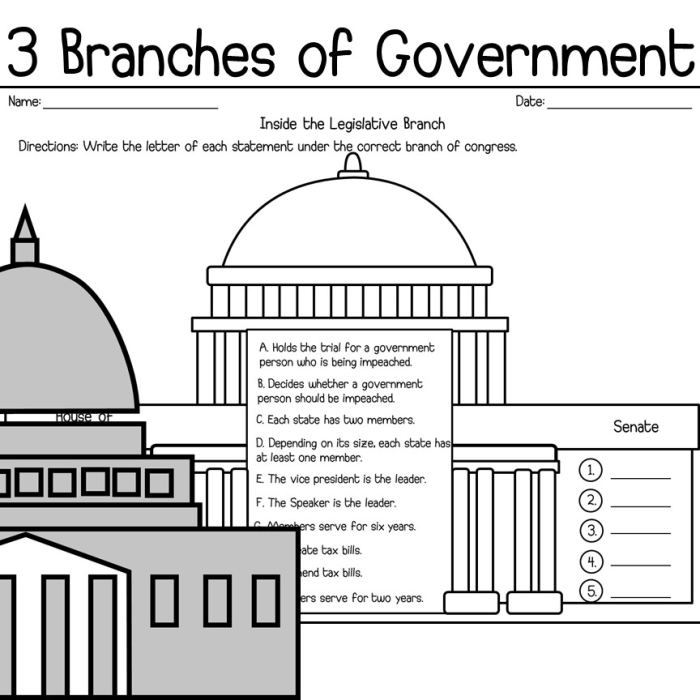
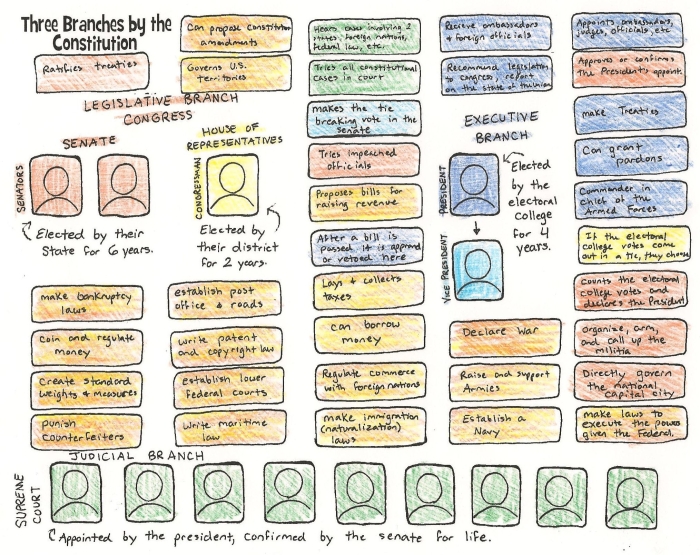
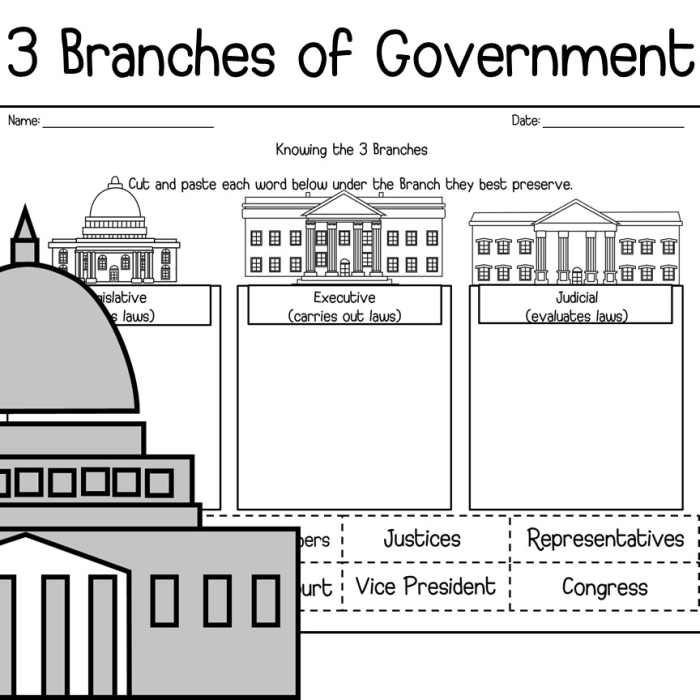
The Legislative Branch, primarily responsible for making laws, is housed in the Capitol Building in Washington, D.C. This branch is made up of two houses: the Senate and the House of Representatives. Senators, who serve six-year terms, represent entire states, while Representatives serve two-year terms and represent smaller districts within states. Together, they draft and vote on legislation, playing a crucial role in shaping national policy.
Next is the Executive Branch, led by the President, who resides in the White House. This branch is responsible for enforcing laws passed by Congress. The President, elected to a four-year term, works closely with a team of advisors and various departments, like the Department of Education and the Department of Defense, to implement policies and manage day-to-day governance. Understanding the Executive Branch is essential for students, especially those in second grade, as it directly impacts their daily lives through decisions made on education, healthcare, and public safety.
Finally, the Judicial Branch, located in the Supreme Court building, interprets laws and ensures justice. This branch is made up of the Supreme Court and lower courts, with justices serving lifetime appointments. They review cases that challenge the Constitution or federal laws, making their decisions critical for upholding citizens’ rights.
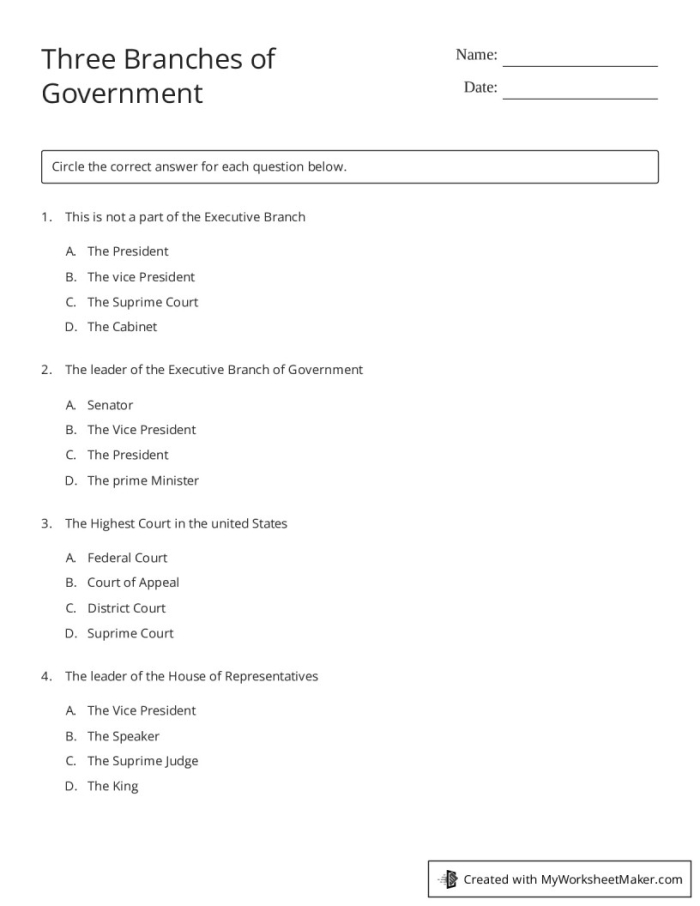
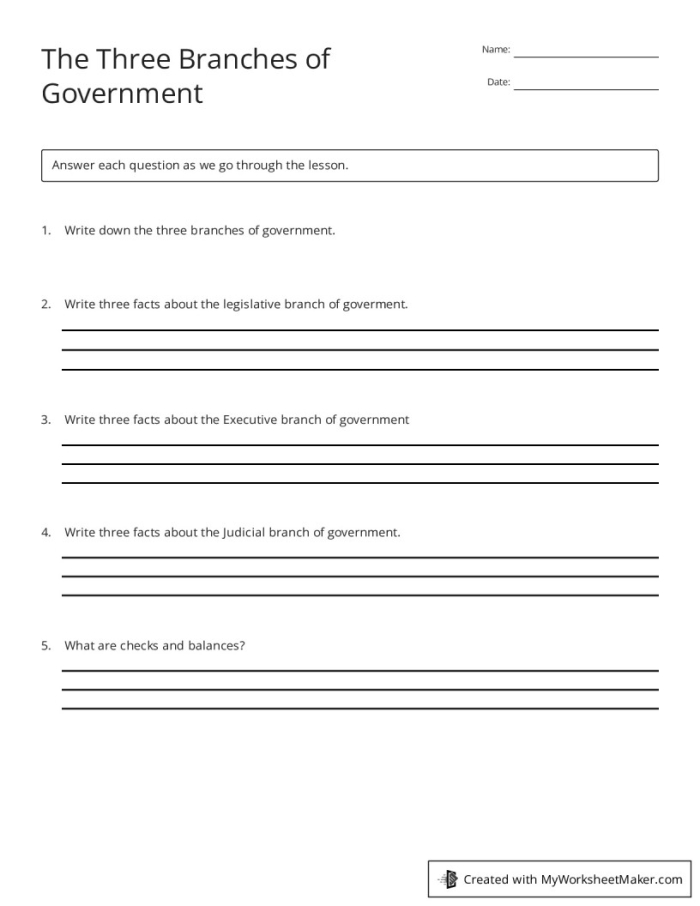
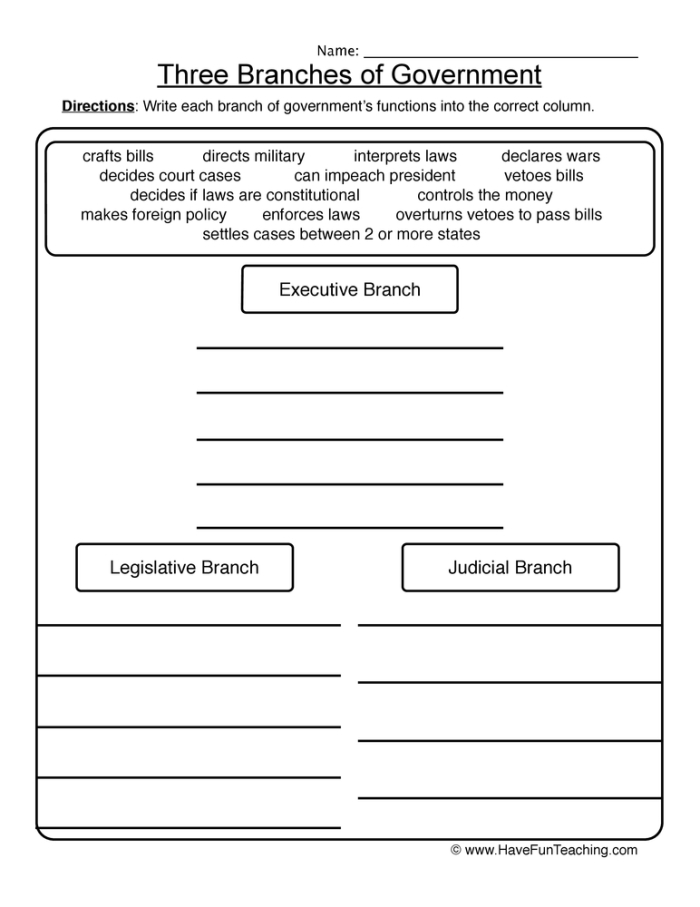
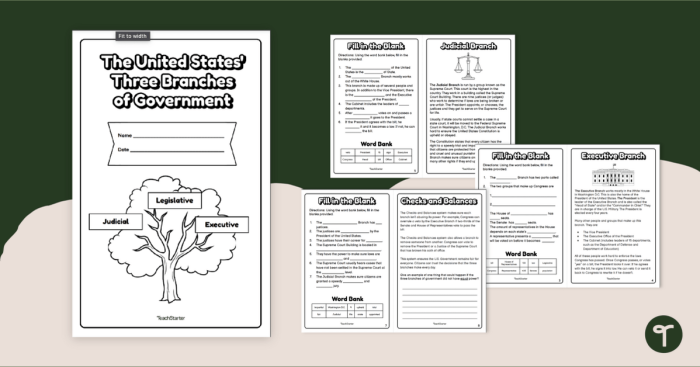
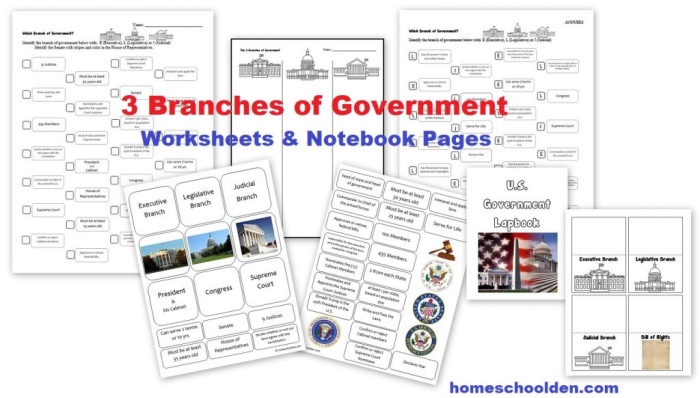
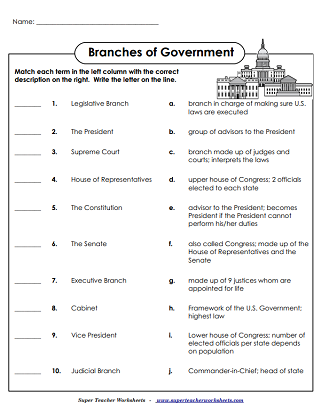
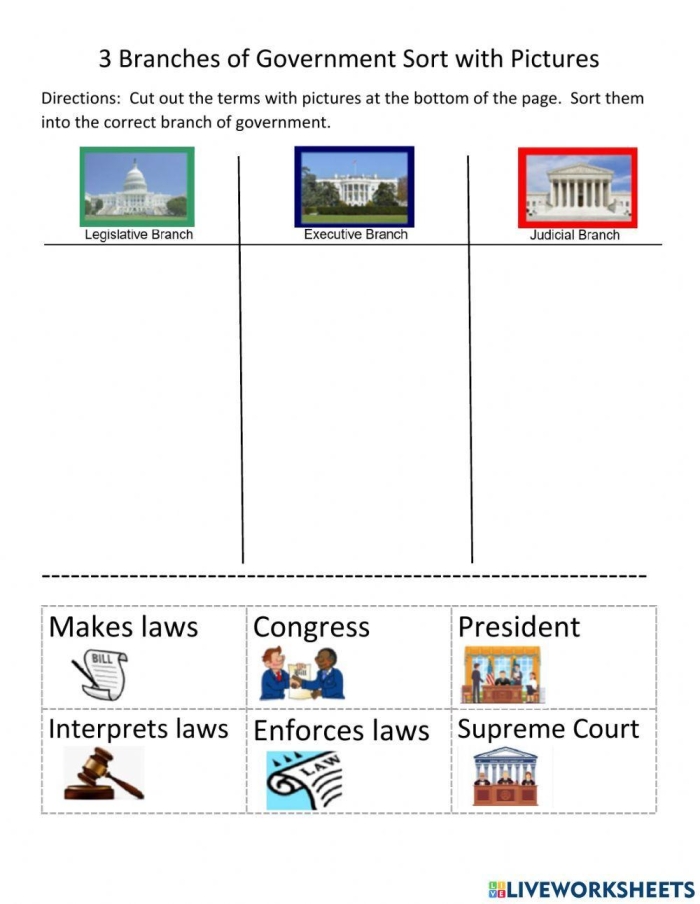
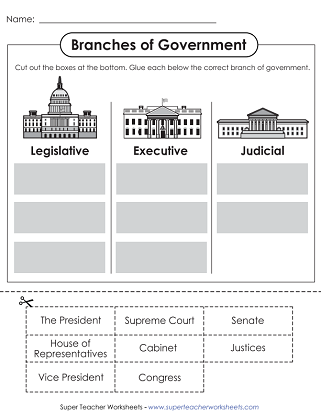
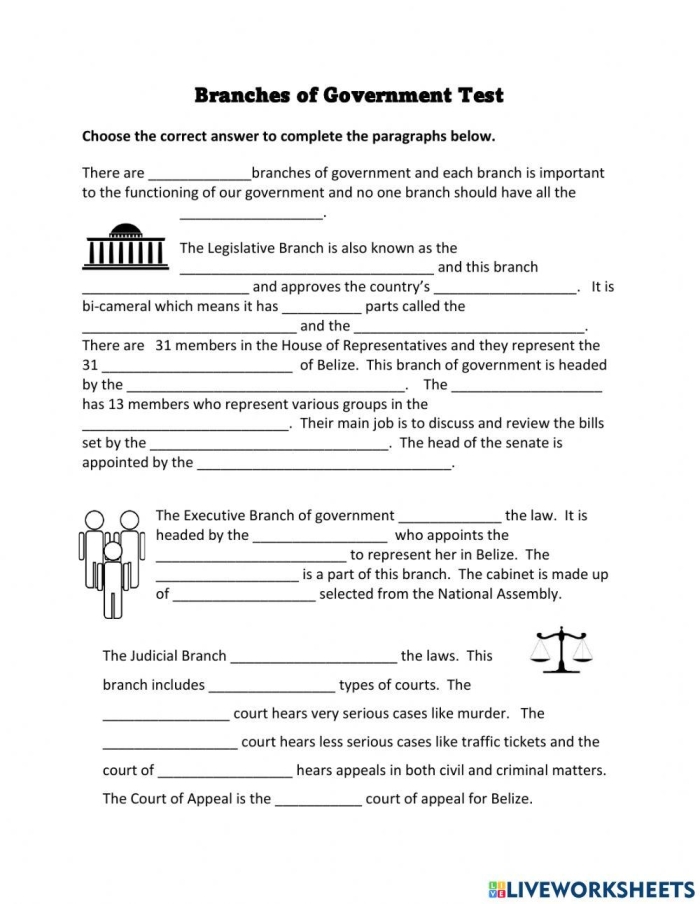
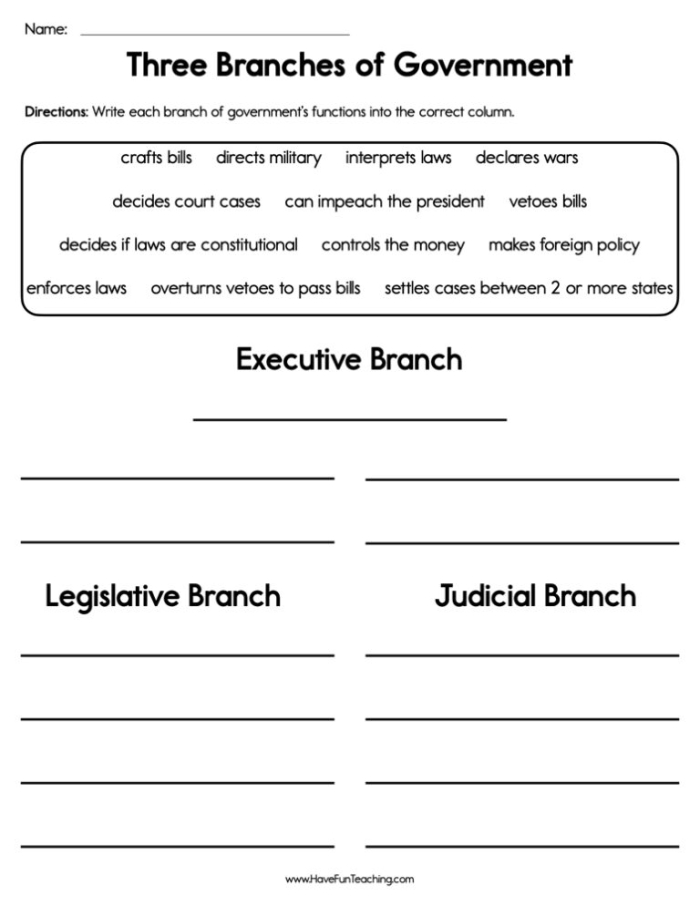
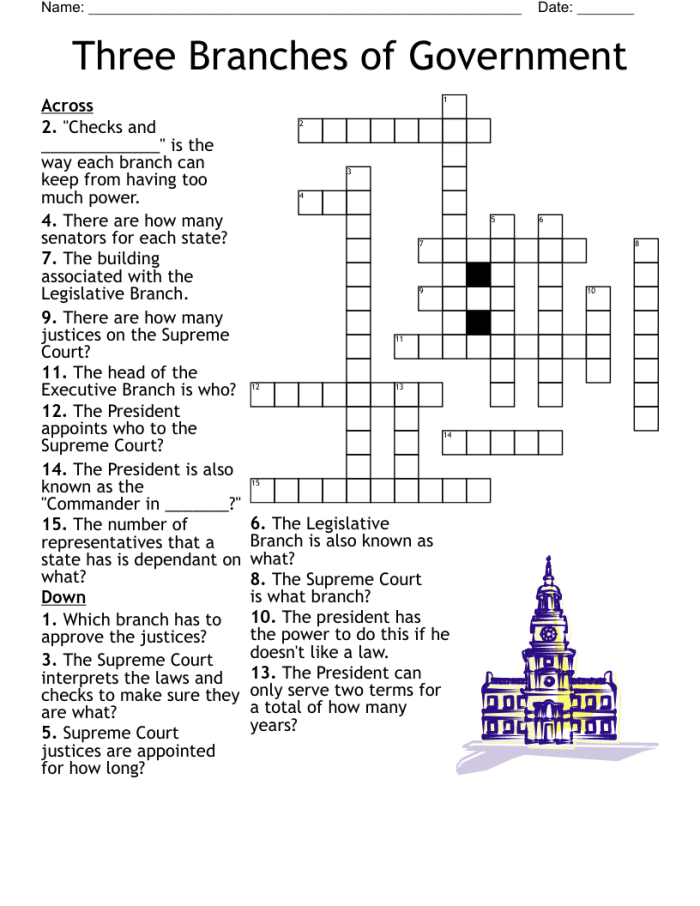
For young learners, exploring the three branches of government can be both engaging and educational. Printable worksheets about the branches, such as those focusing on sight words, can help second graders grasp these concepts effectively. Engaging resources are available for those looking to enhance their understanding of governance, including worksheets on topics like types of soil or the roles of producers and consumers. These materials not only support learning about government but also foster critical thinking skills essential for civic engagement.
Try These Printable Worksheets