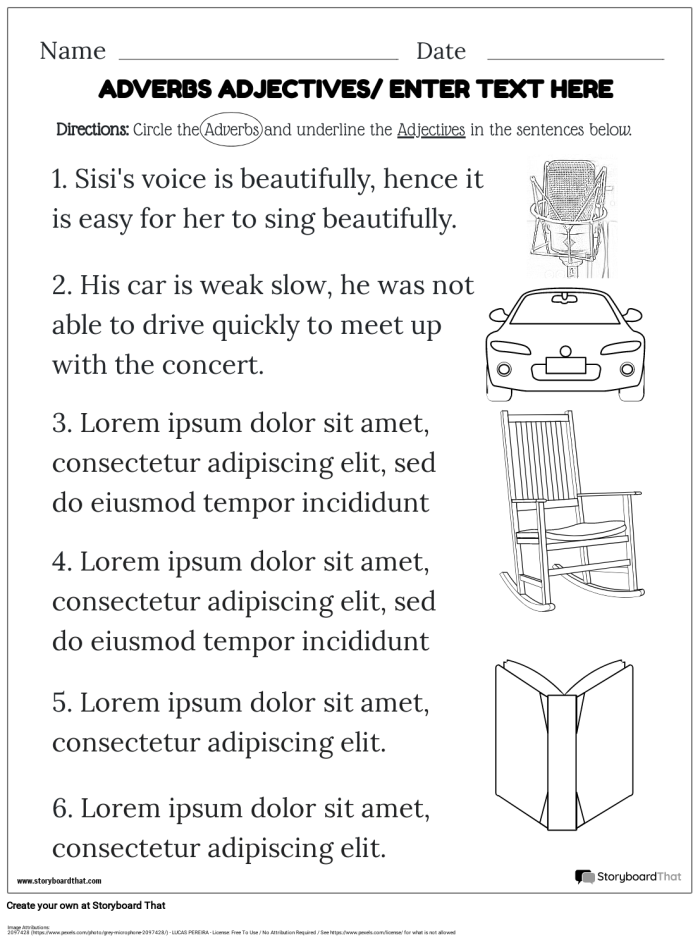
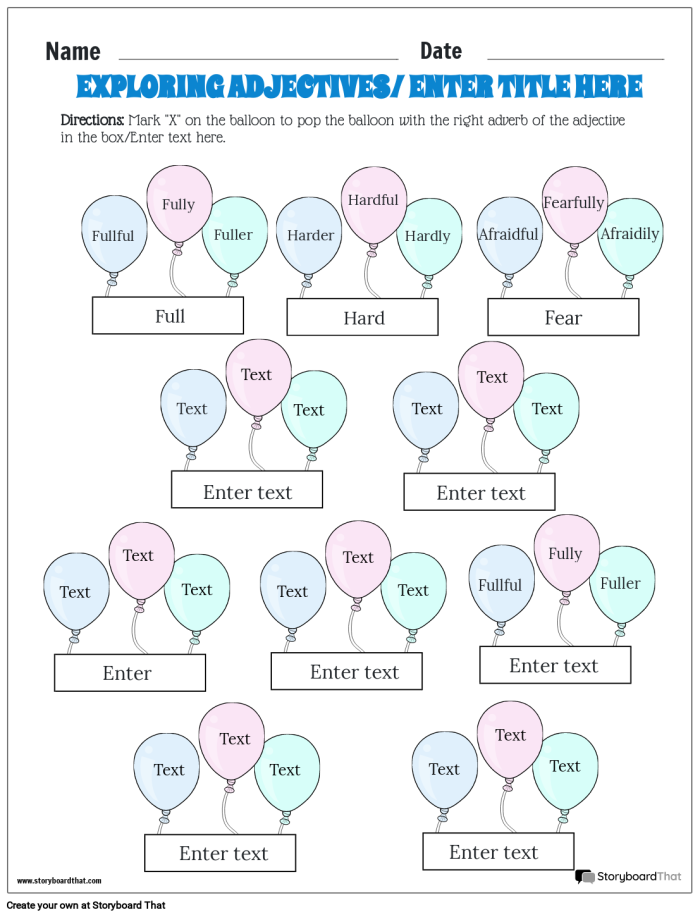
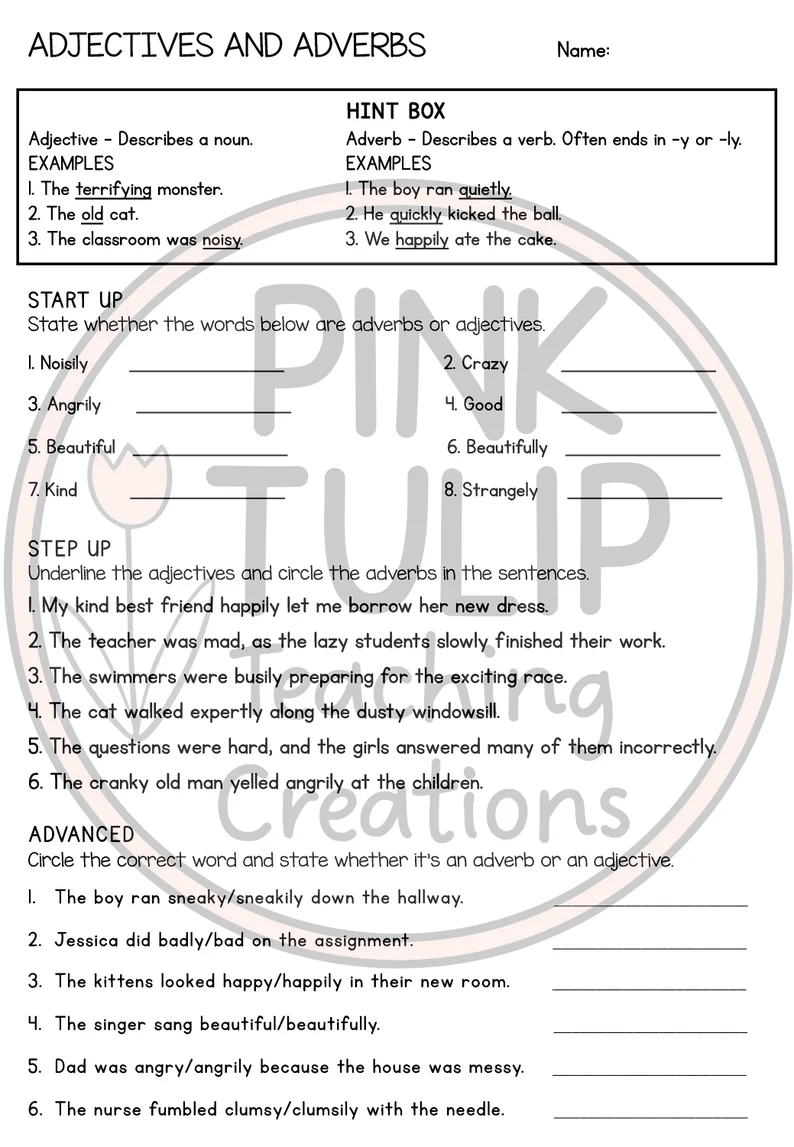
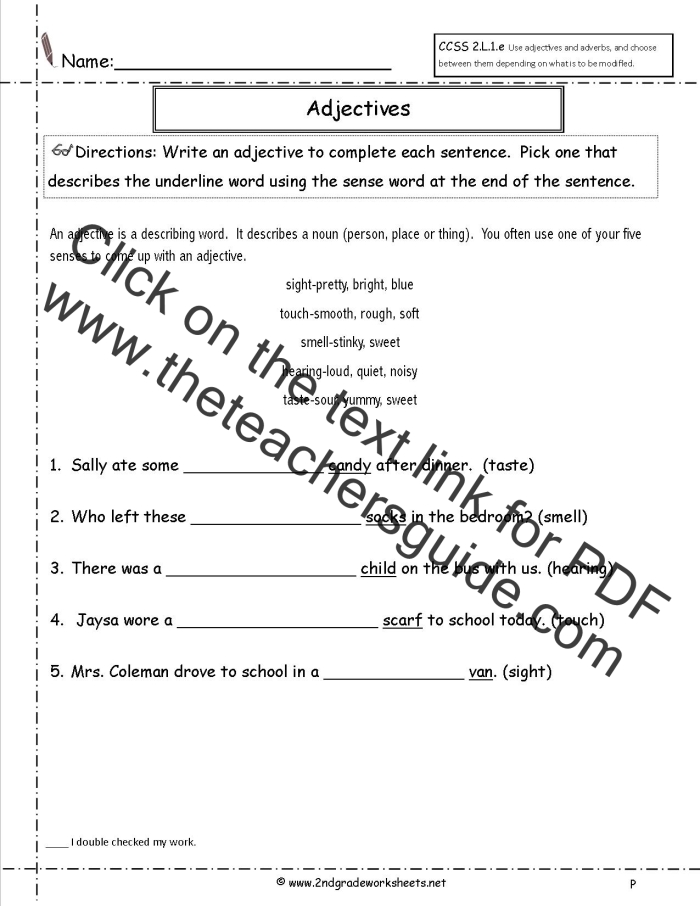
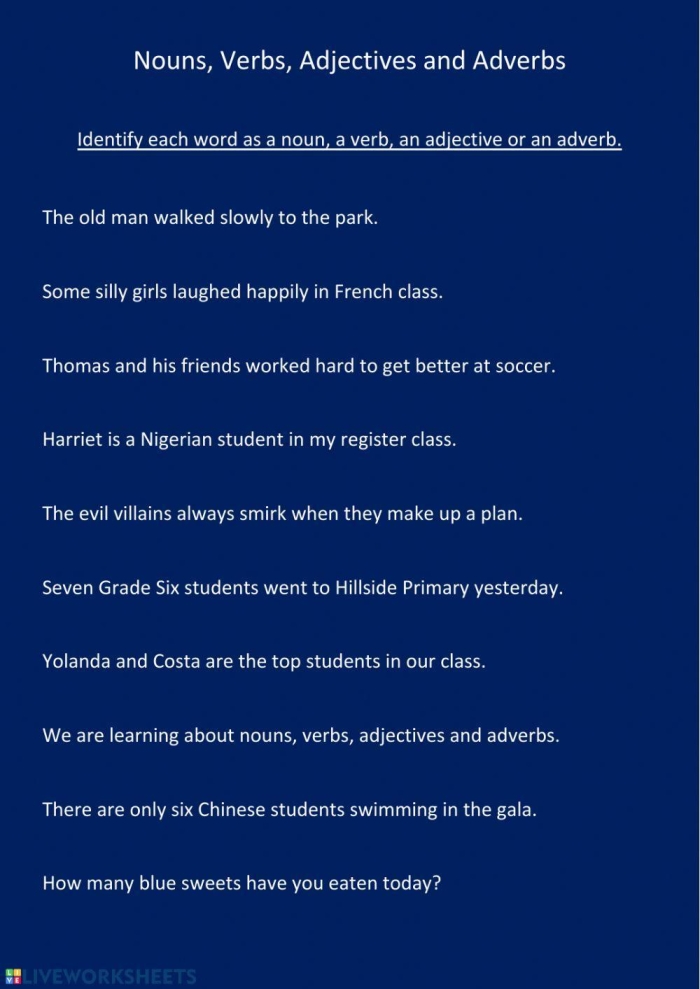
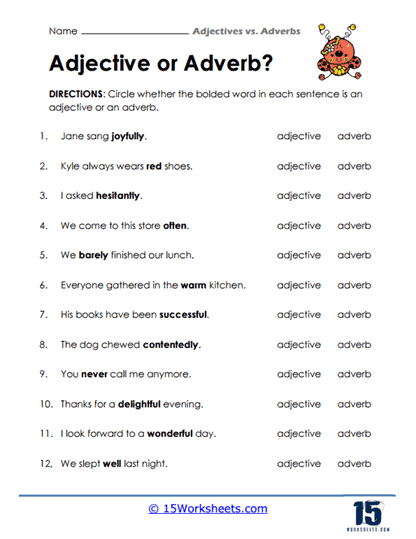
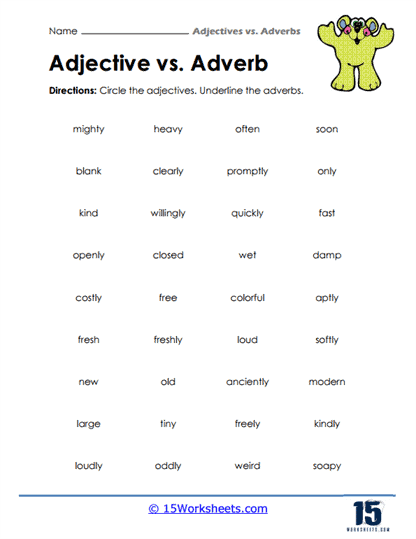
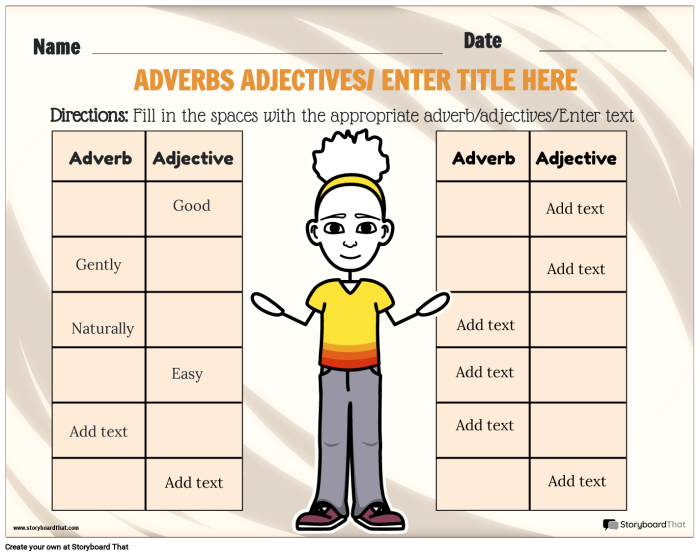
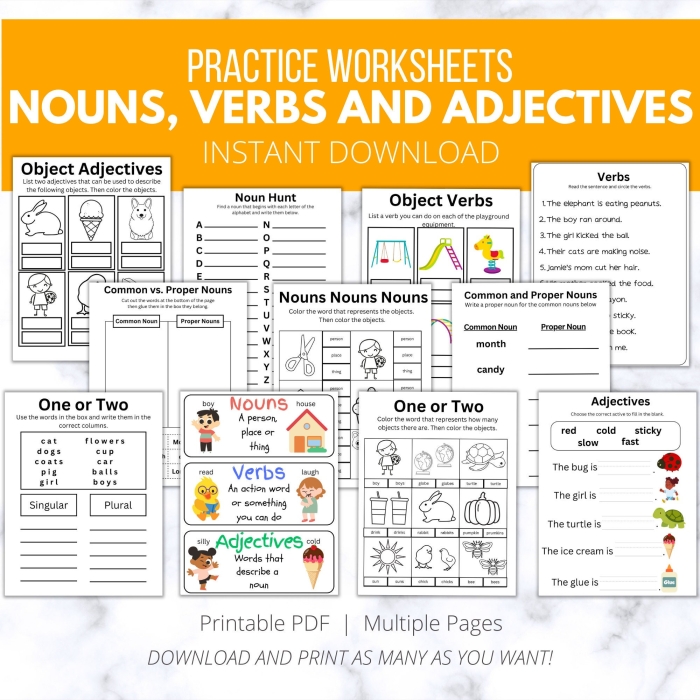
Teaching third graders about parts of speech can be a rewarding experience, especially when it comes to identifying adjectives, adverbs, and verbs. Using engaging resources to practice categorizing these words is essential for developing their understanding of language and enhancing their spelling skills. This particular activity focuses on helping students recognize how these parts of speech function within sentences.
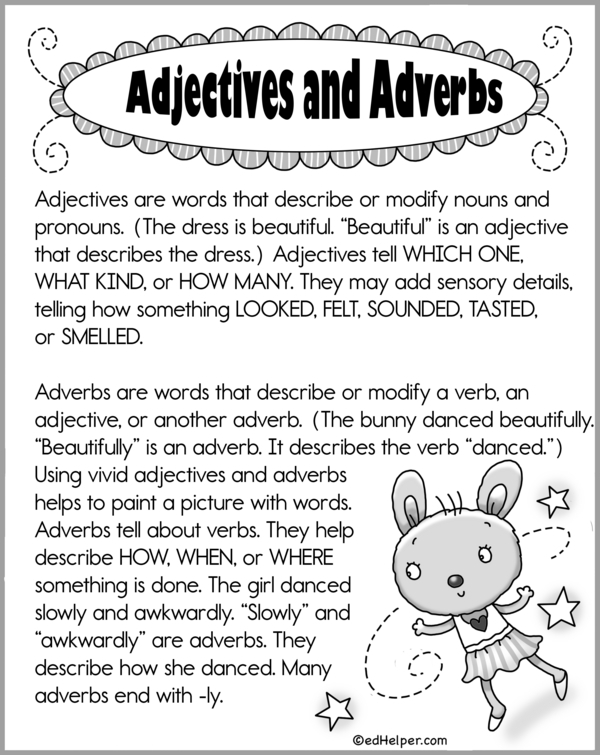
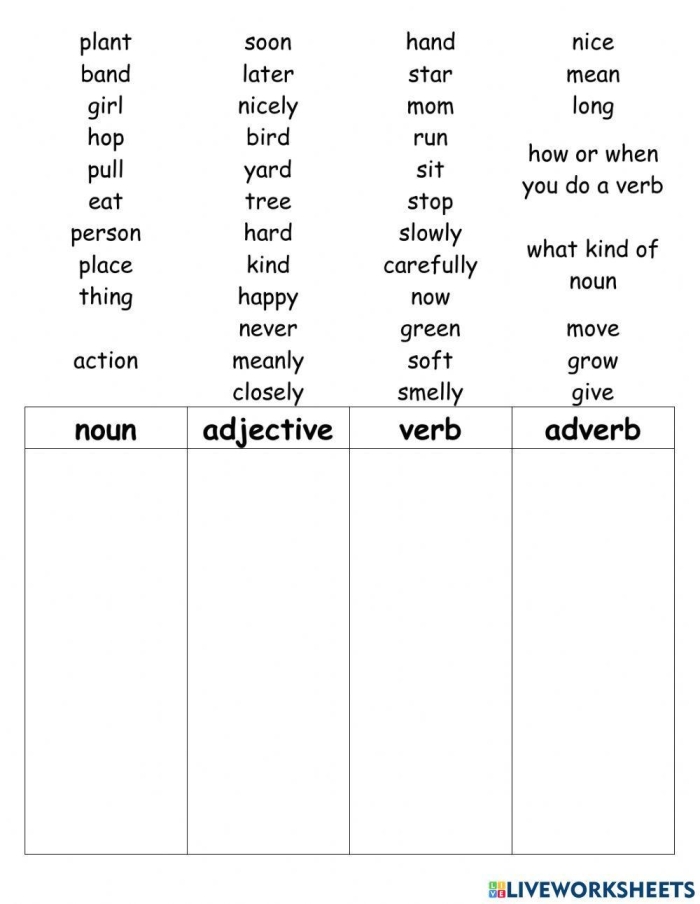
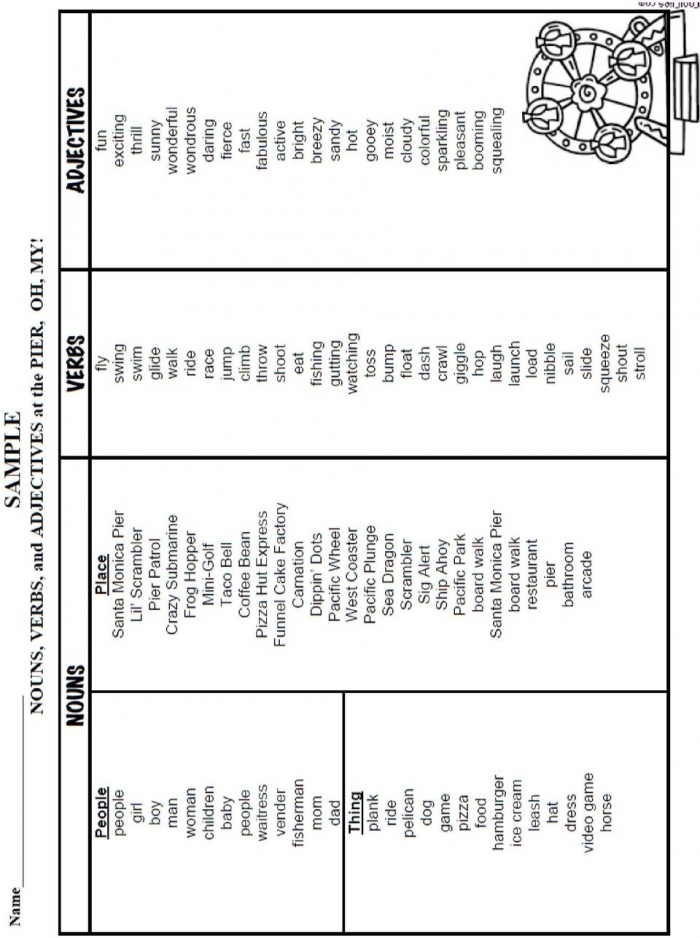
When students categorize words, they learn to differentiate between adjectives, which describe nouns; adverbs, which modify verbs, adjectives, or other adverbs; and verbs, which represent actions or states of being. For example, consider the sentence: “The quick fox jumps swiftly.” Here, “quick” is an adjective describing the noun “fox,” while “swiftly” is an adverb modifying the verb “jumps.” Such examples can help solidify their understanding.
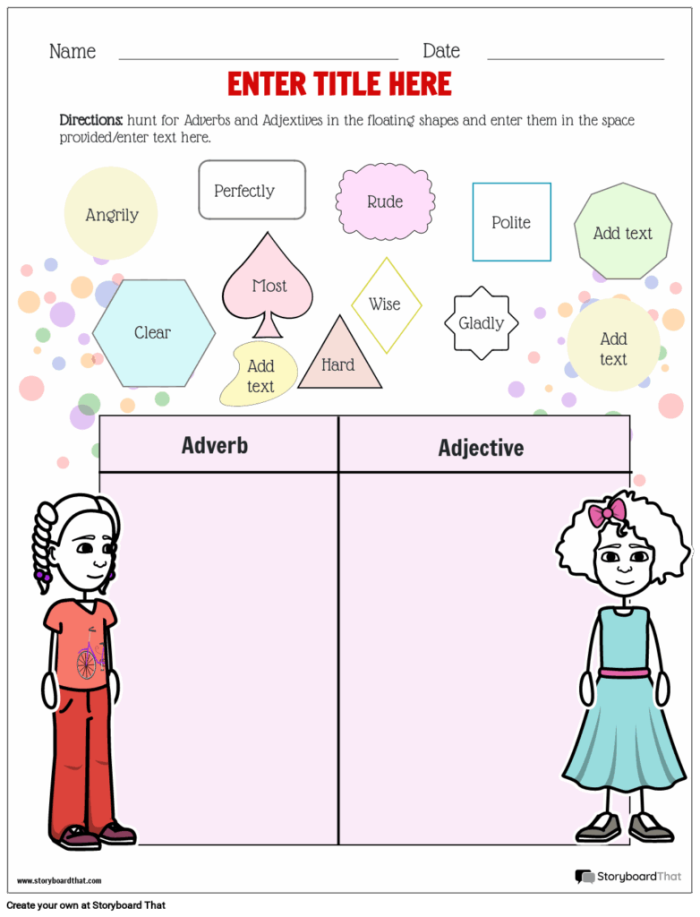
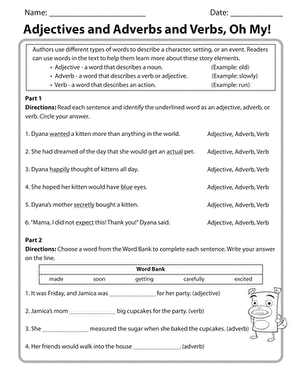
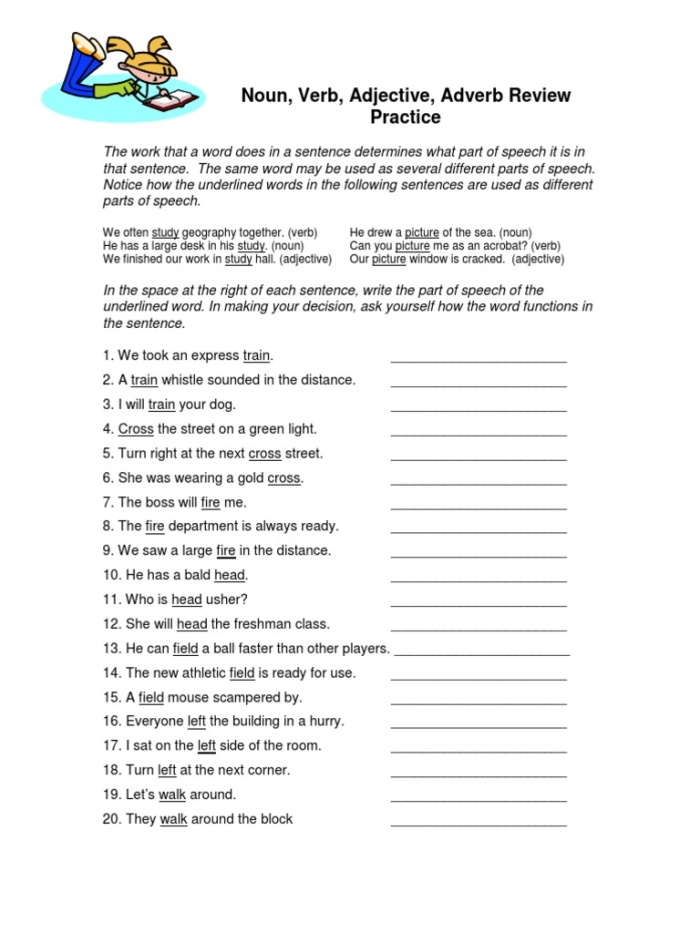
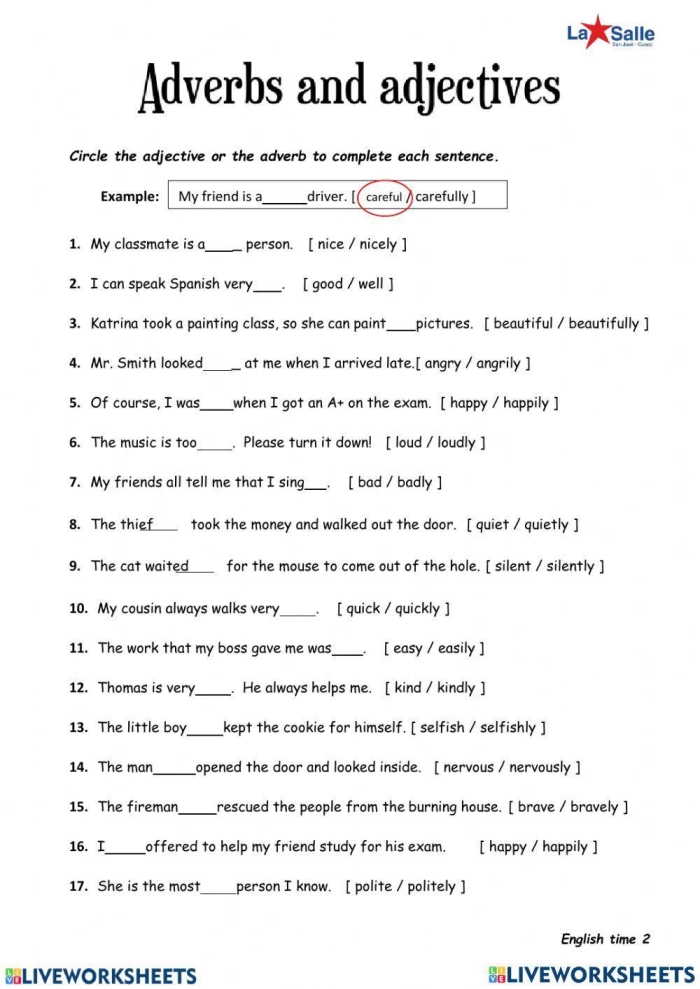
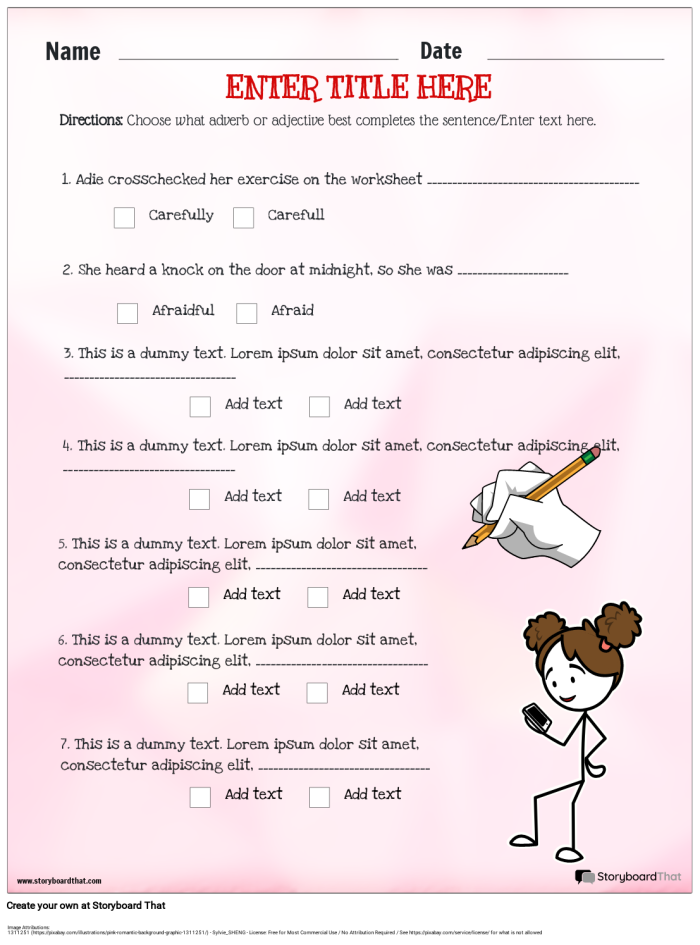
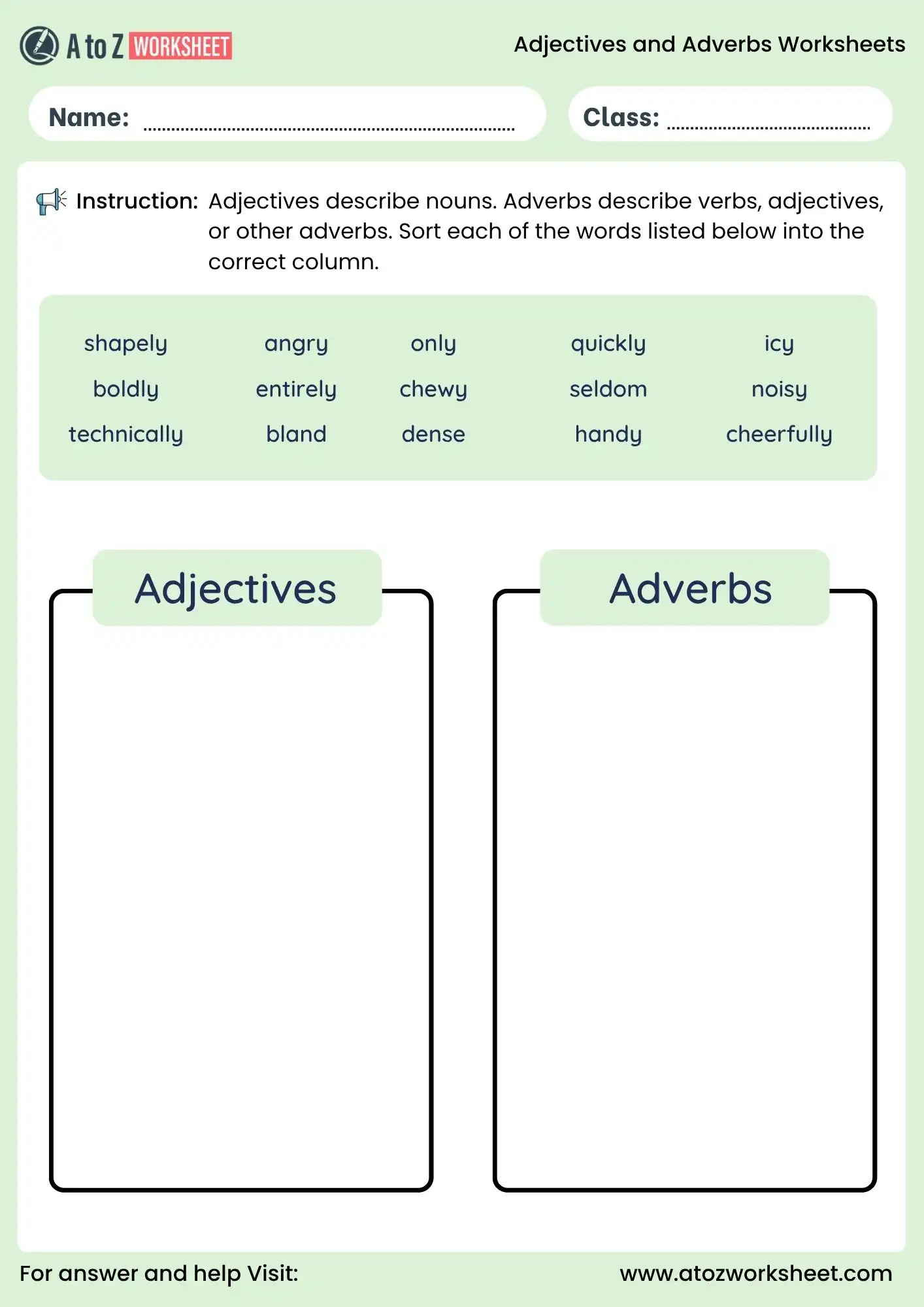
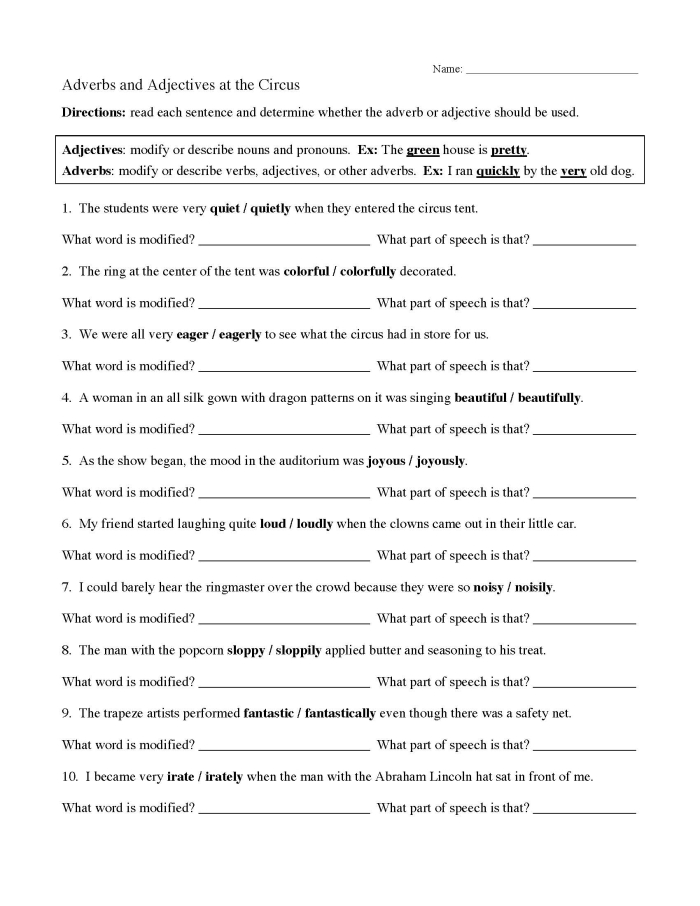
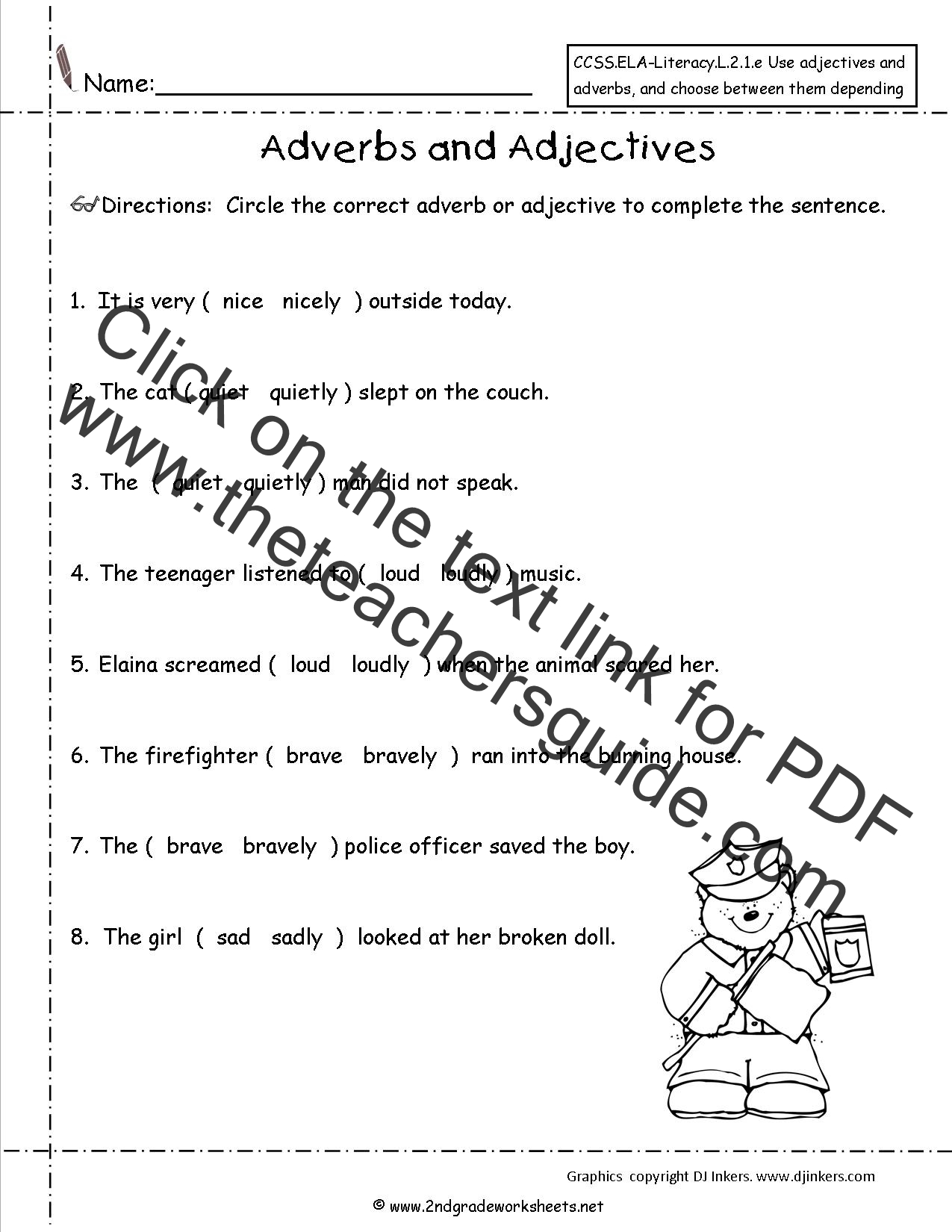
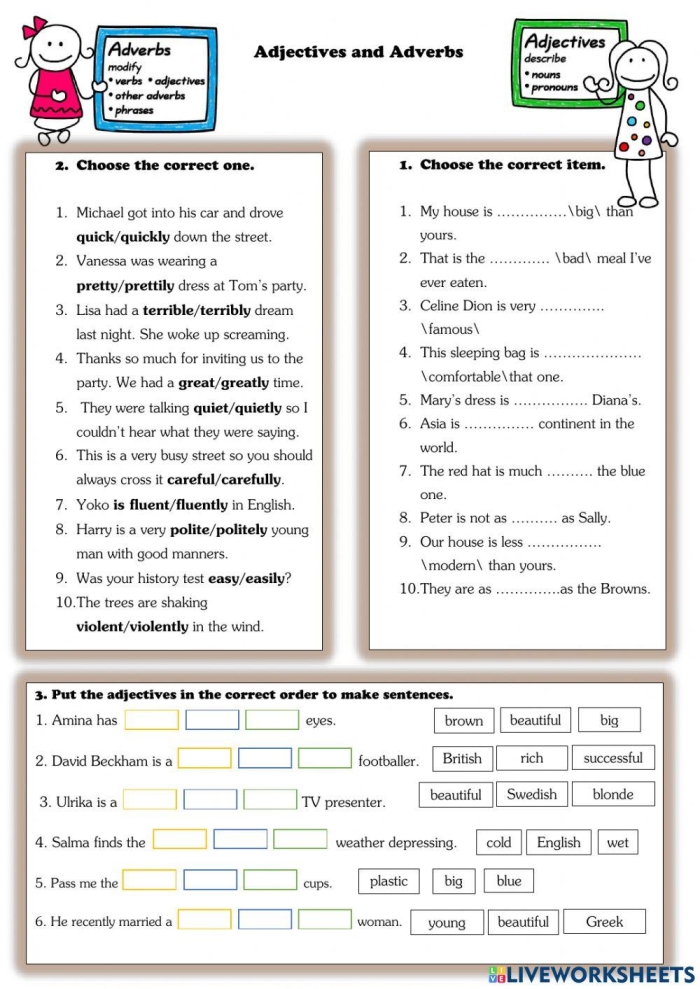
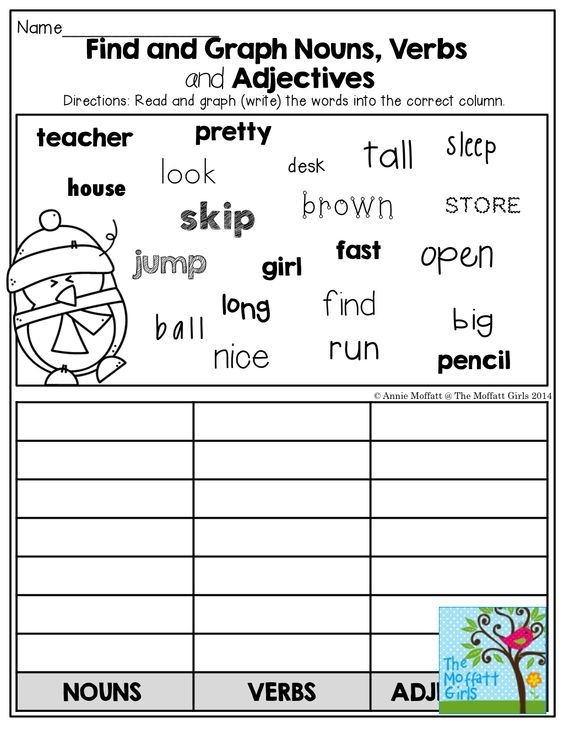
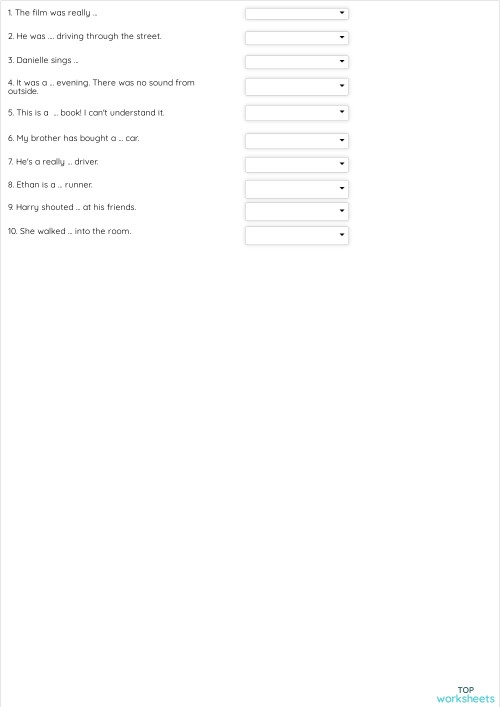
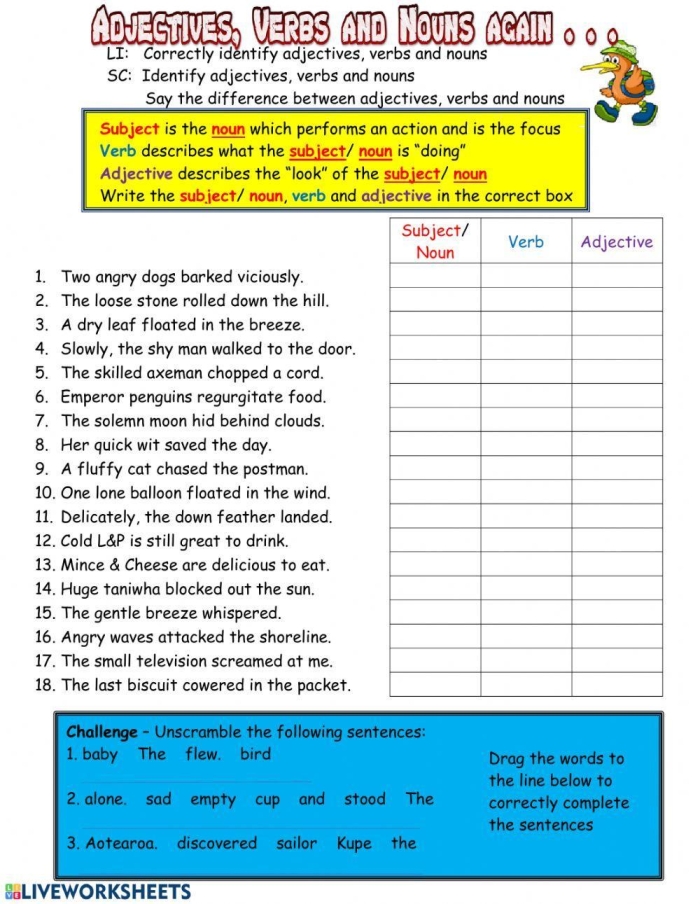
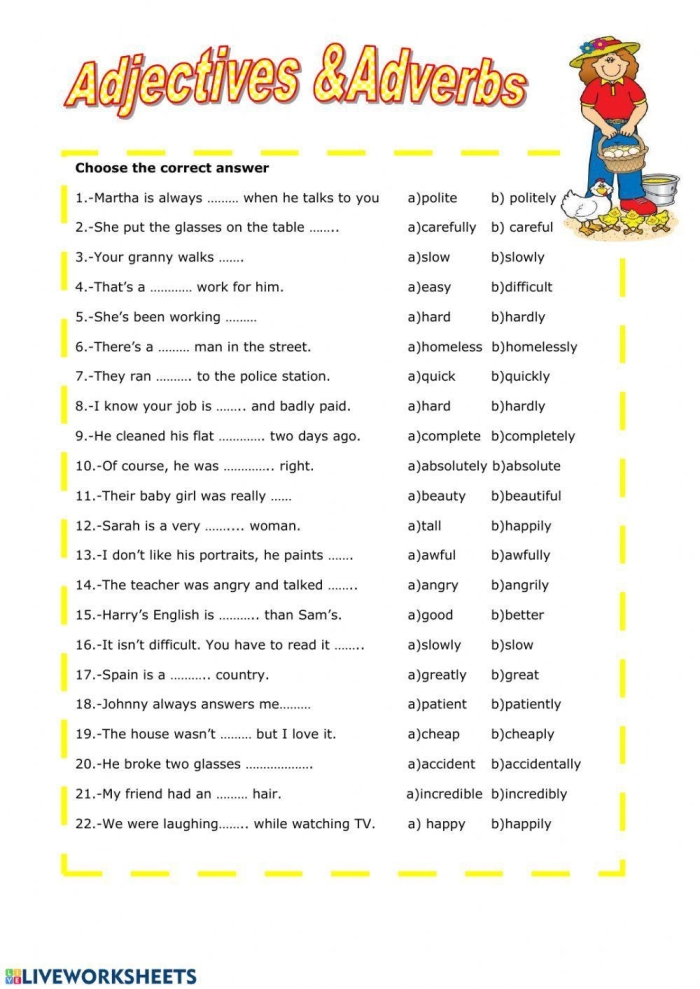
To implement this in your classroom, you might consider using printable worksheets that specifically target adjectives, adverbs, and verbs. Engaging activities, such as matching words to their correct categories or filling in the blanks in sentences, can make learning interactive. Students can practice by identifying words in short passages or sentences, allowing them to apply their knowledge in context. You can find useful resources, such as the It’s Grammar Time: Adjectives worksheet, which provides a structured way for students to explore these concepts.
Incorporating these practices not only enhances language skills but also builds confidence in their writing and speaking abilities. Moreover, recognizing the different parts of speech is foundational for effective communication, setting students up for success in their future studies. As they progress, you might also introduce more complex concepts, such as verb endings or expanding sentences with coordinating conjunctions, to further enrich their learning experience. For example, the Verb Endings worksheet can be a great follow-up activity.
By creating a supportive environment where students can explore adjectives, adverbs, and verbs, you empower them to become more adept at understanding language nuances. This foundational knowledge will serve them well as they advance in their educational journey.
Practice with These Worksheets