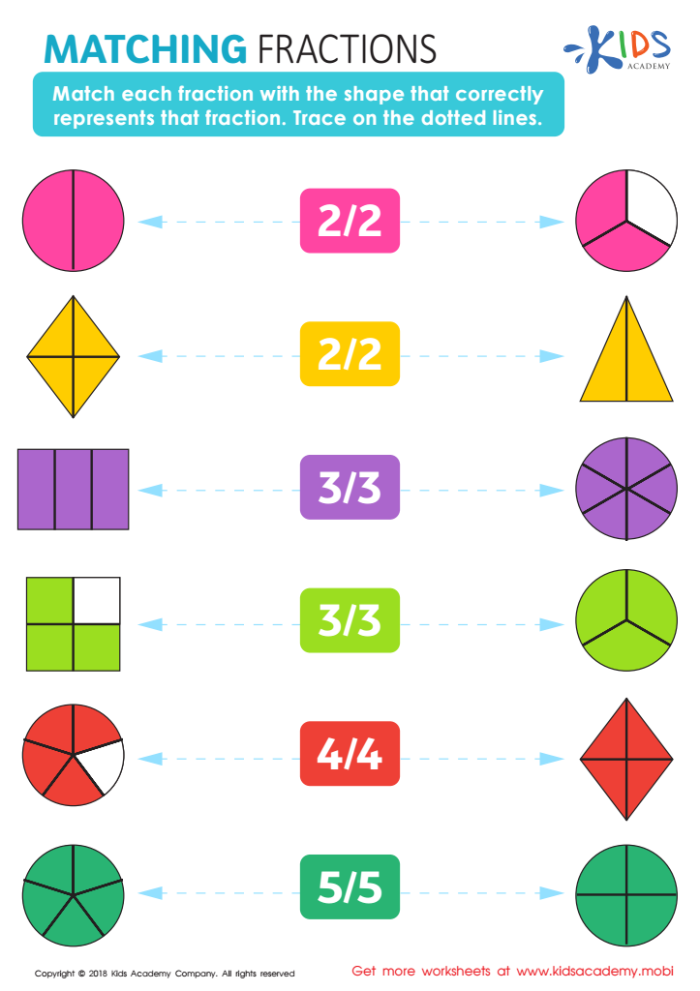
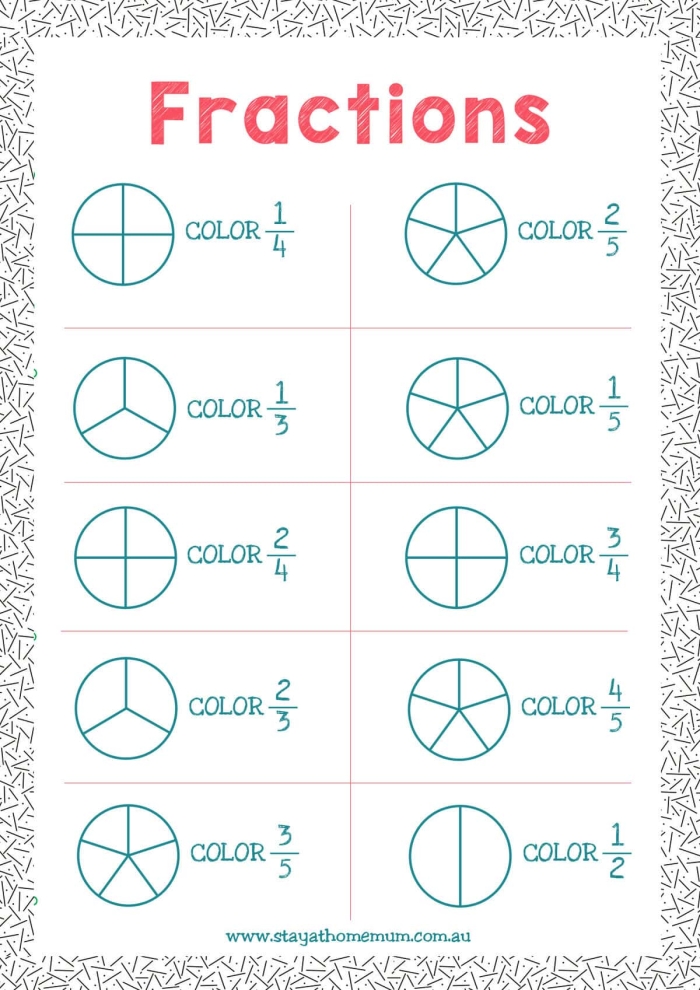
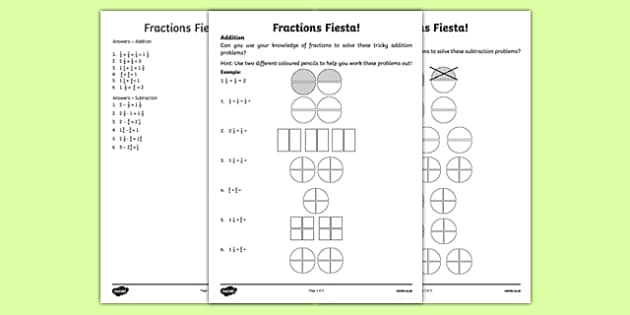
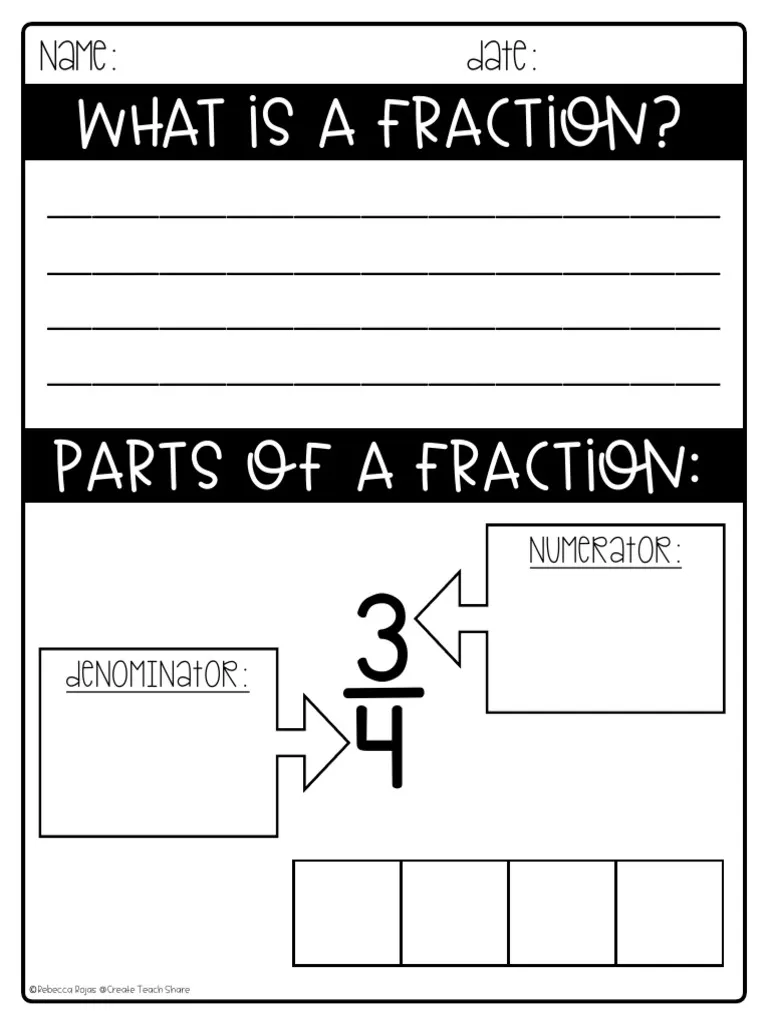
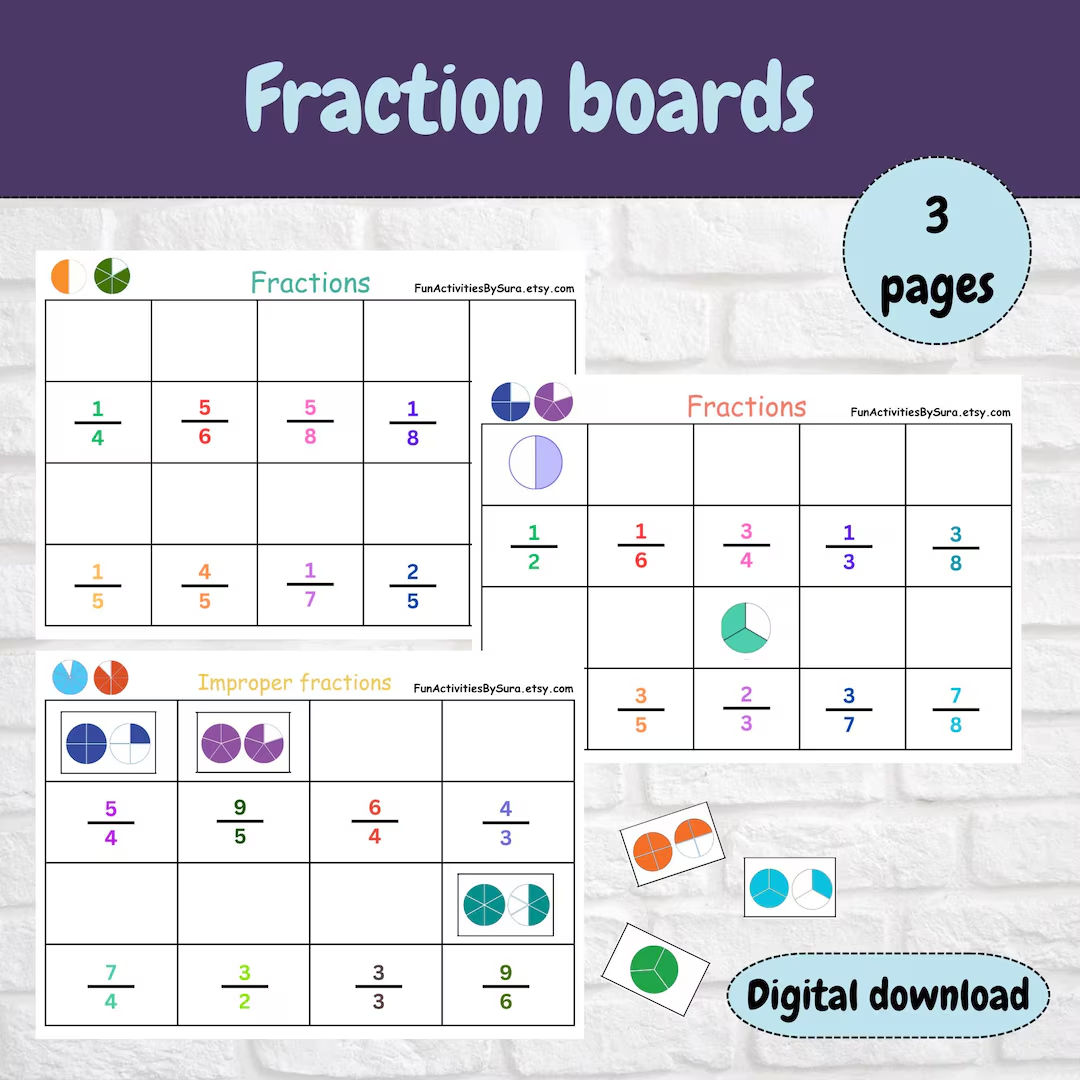
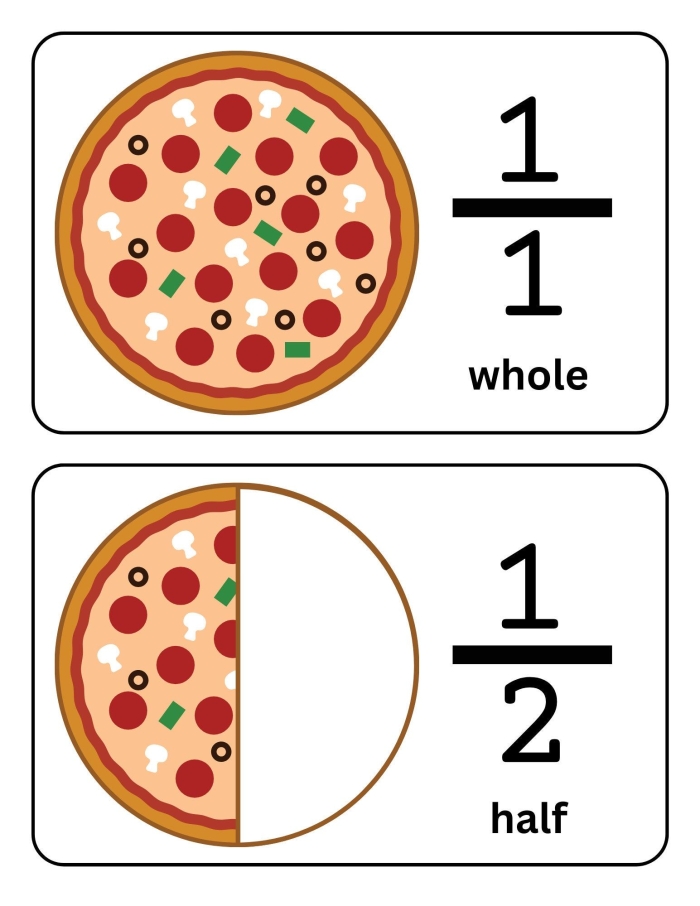
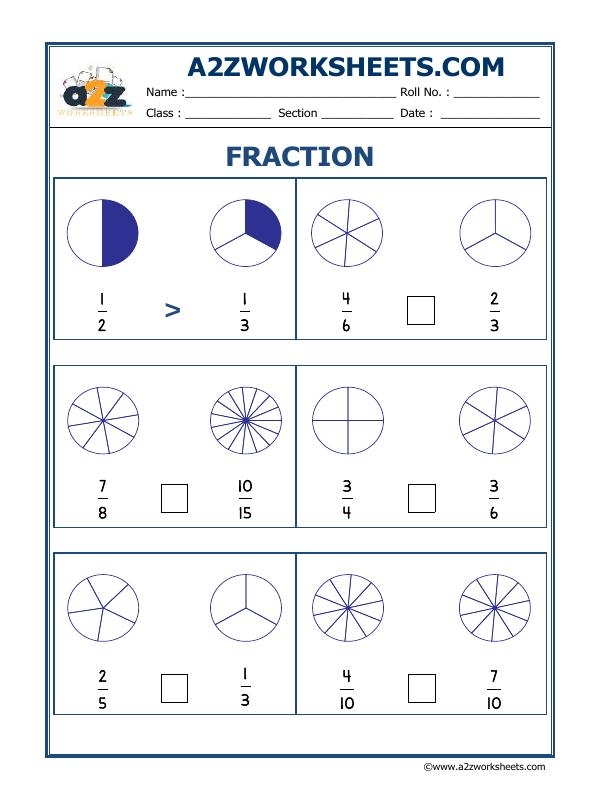
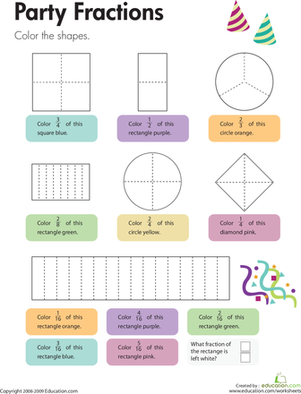
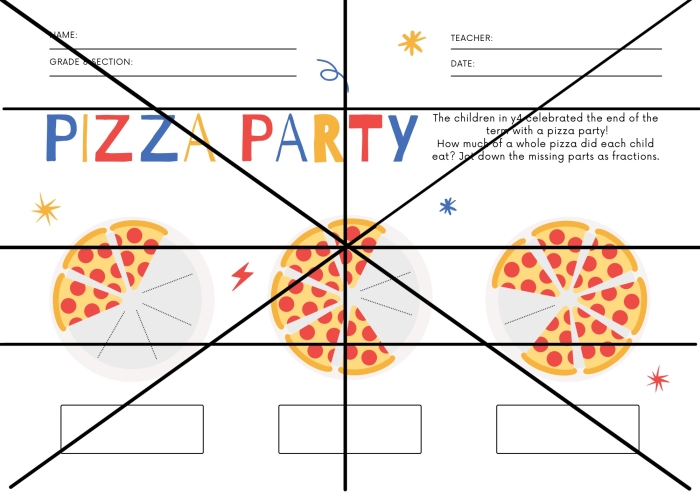
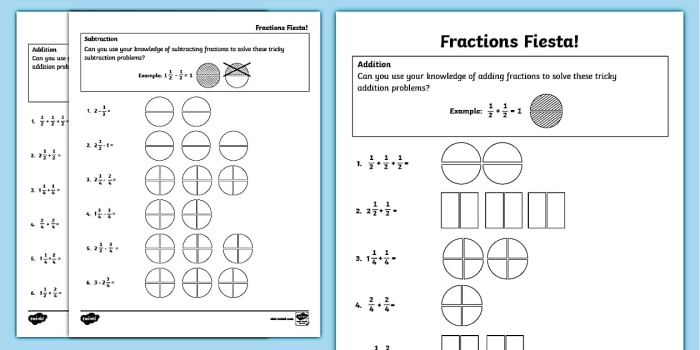
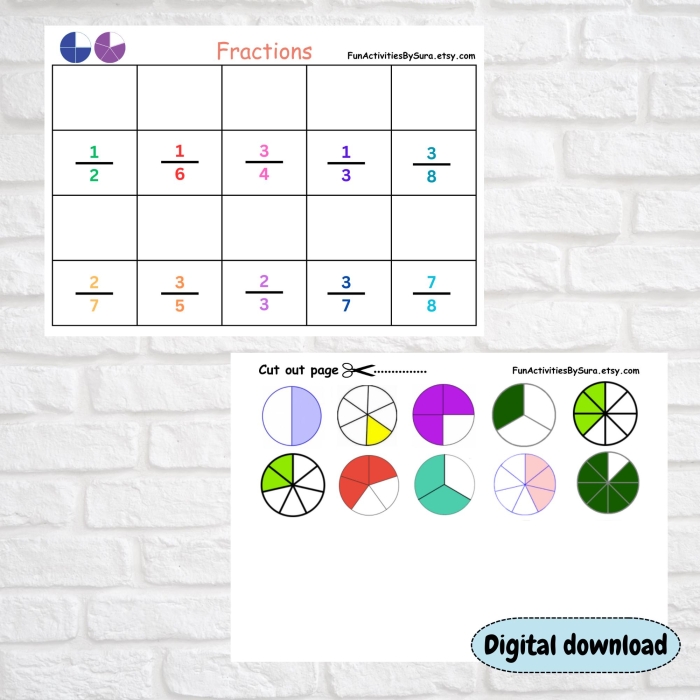
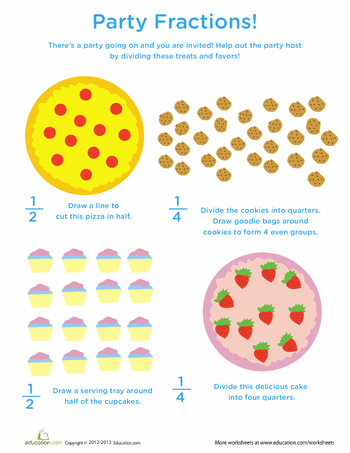
Understanding fractions can be an exciting adventure for third graders, especially when it involves coloring geometric shapes. On a typical math worksheet, each shape is divided into equal parts, providing a clear visual representation of fractions. This approach not only engages young learners but also helps them grasp the concept of parts of a whole.
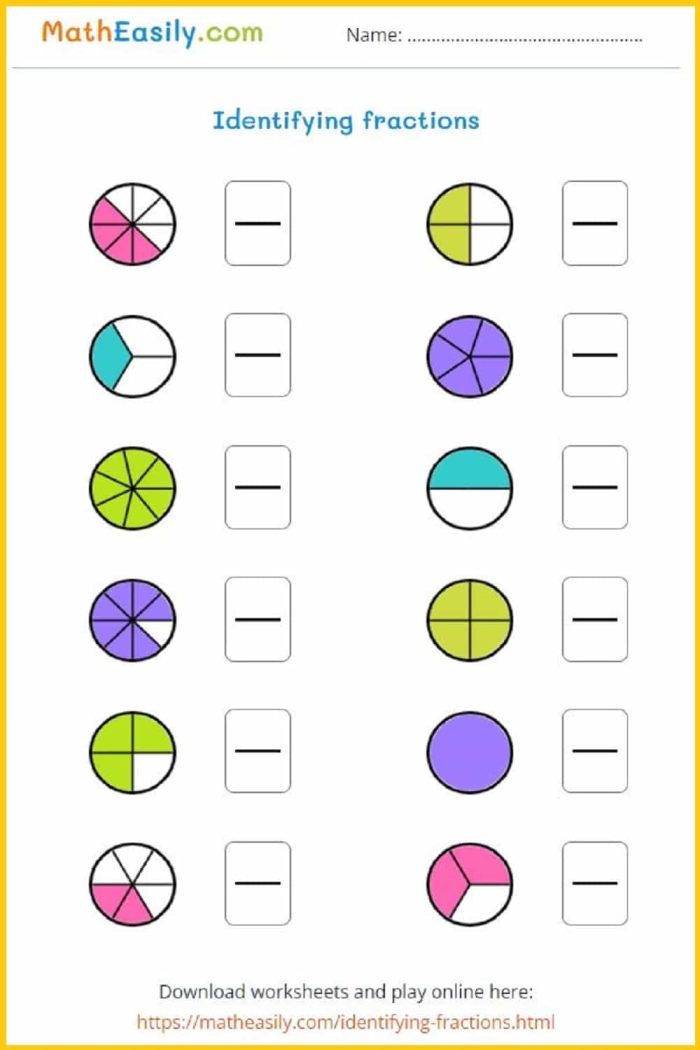
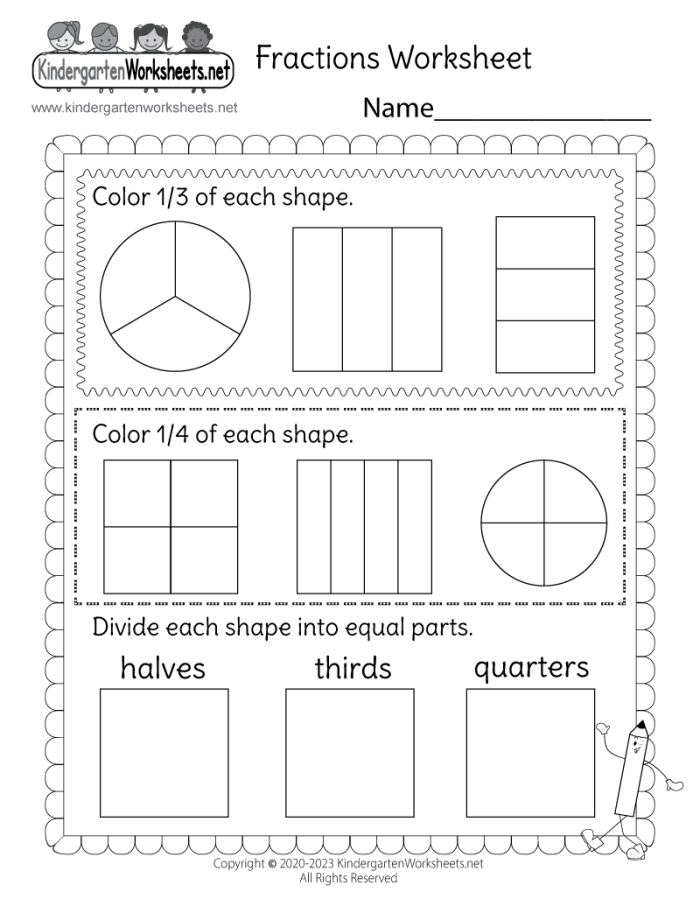
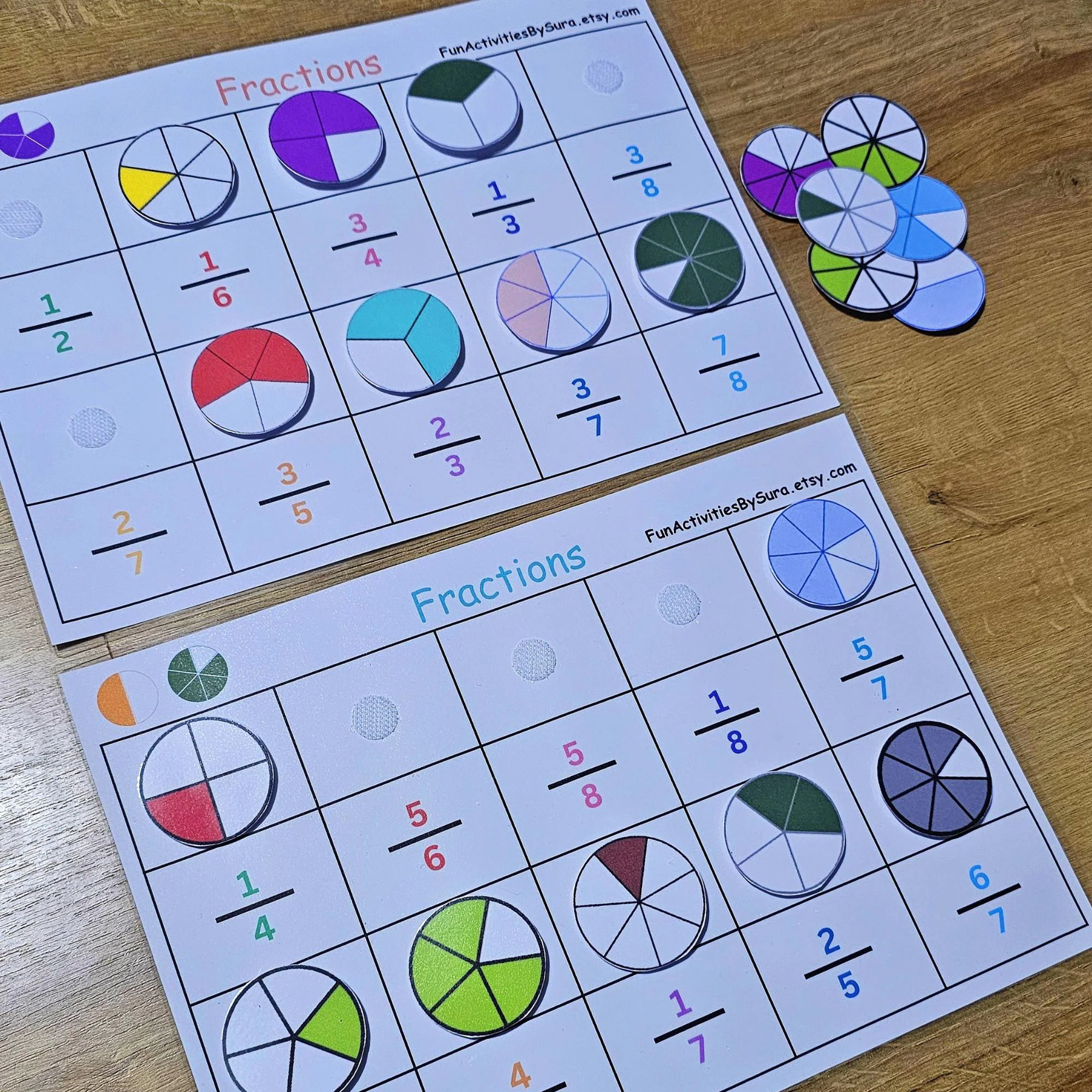
As students color each section of a shape, they learn to associate colors with specific fractions. For instance, if a circle is divided into four equal parts and the students color in one part, they are effectively illustrating the fraction 1/4. This hands-on activity reinforces their understanding of how fractions represent portions of a whole. It’s a simple yet effective way to make abstract concepts more tangible.
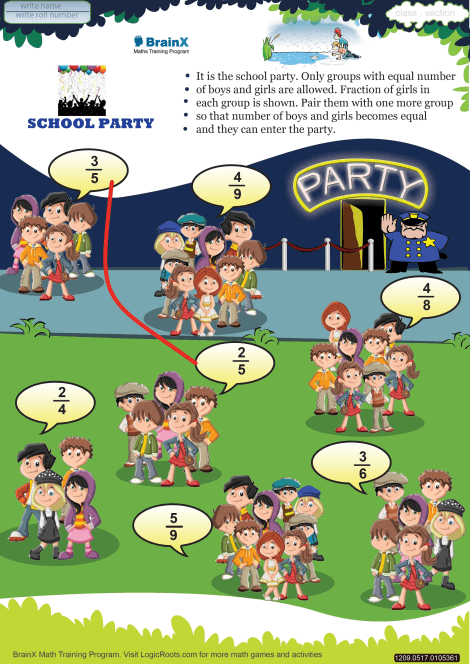
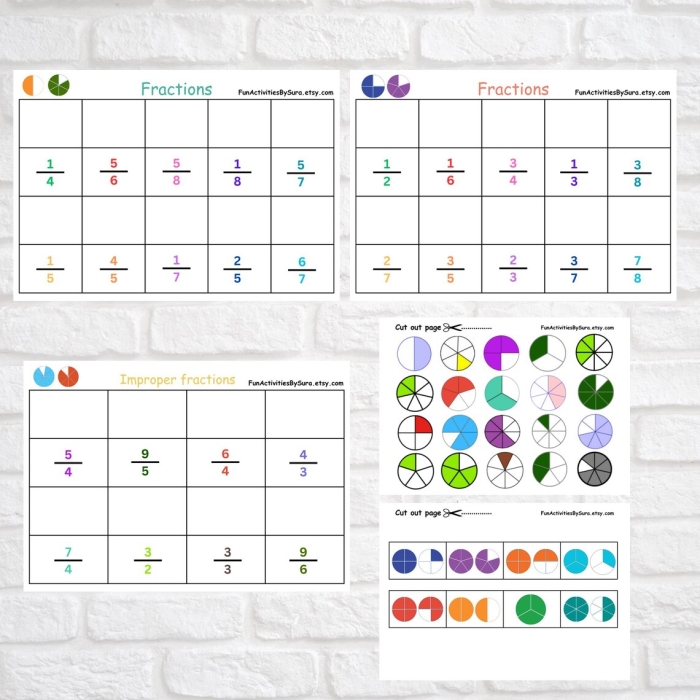
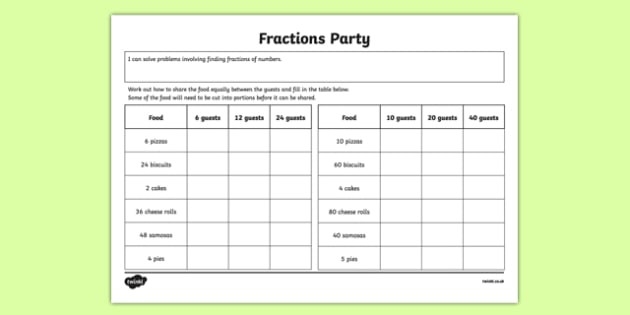
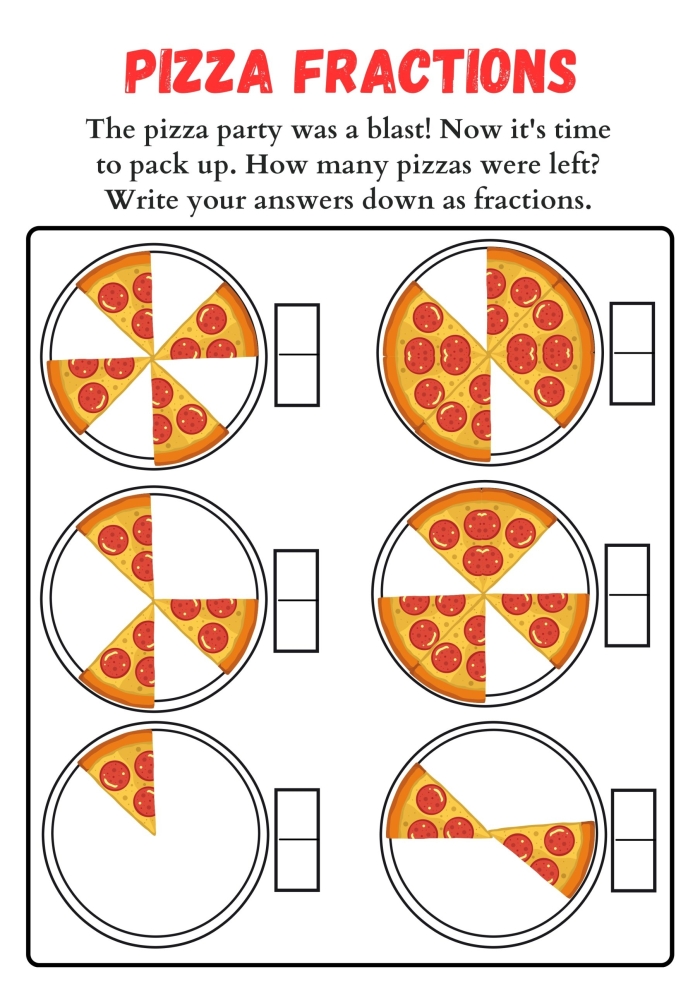
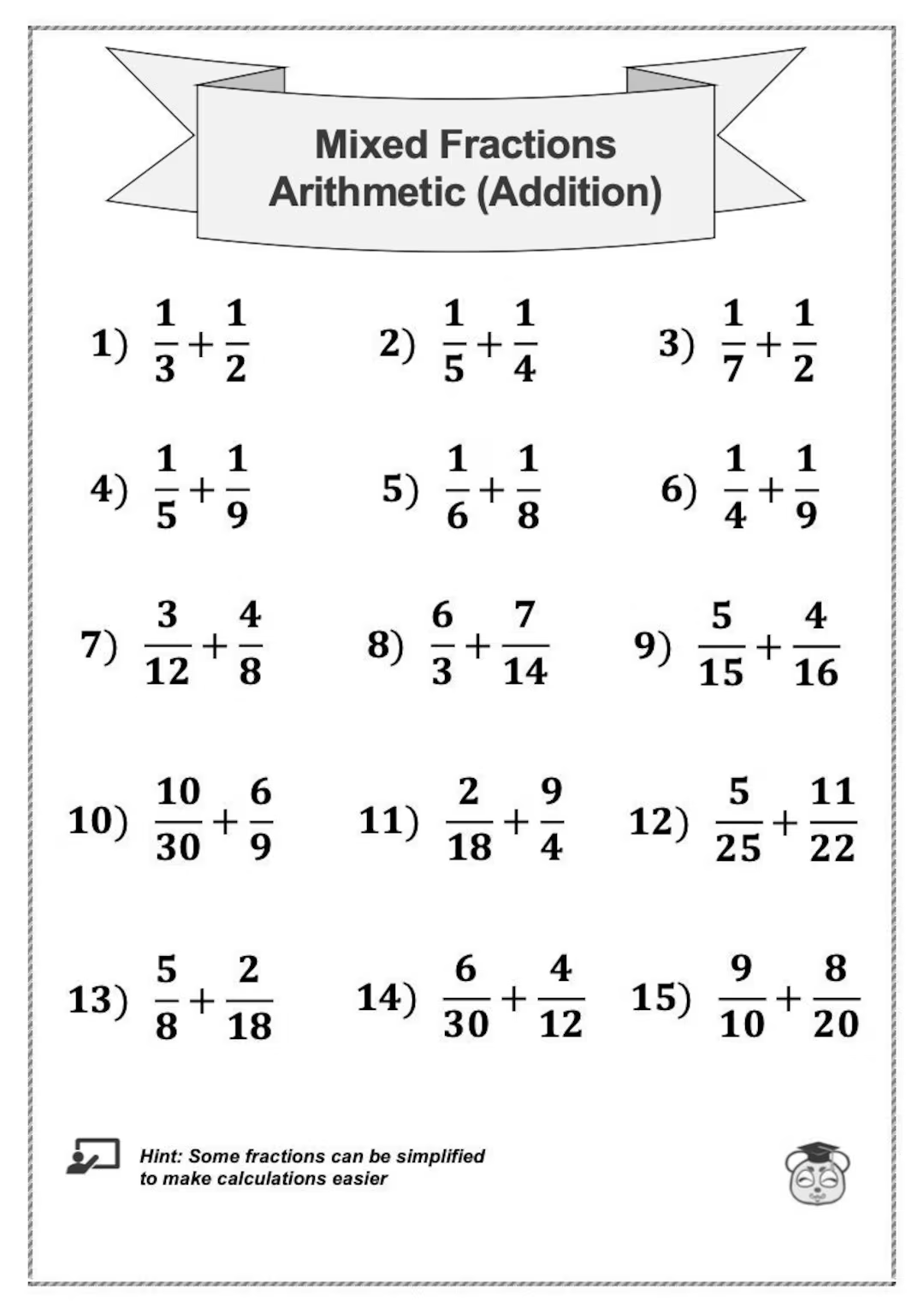
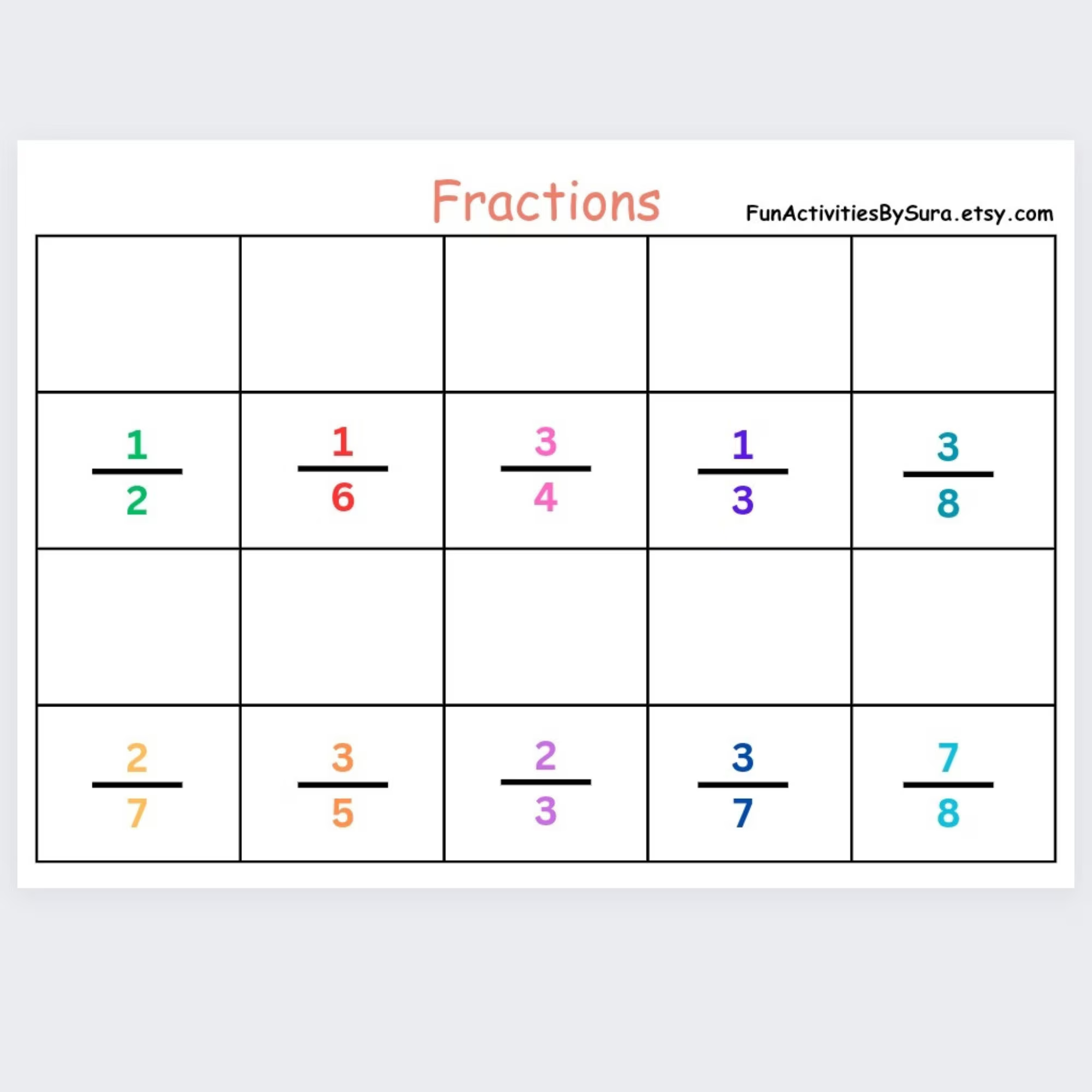
Worksheets focusing on these activities can be found on various educational platforms, such as those offering Party Fractions. These resources provide colorful, engaging materials that encourage third graders to practice their fraction skills in a fun setting. As they color, they can also engage in discussions about how many parts are colored and what that means in terms of fractions. This not only solidifies their mathematical understanding but also fosters communication skills.
Additionally, teachers can facilitate group activities where students share their colored shapes and explain their fractions to classmates. This interaction helps reinforce their learning and allows them to see different interpretations of the same concept. The combination of art and math promotes a positive learning environment, making fractions less intimidating.
For anyone looking for more ways to enhance learning, resources such as worksheets on writing complex sentences or reading bar graphs can complement the understanding of fractions by integrating literacy skills with mathematical concepts.
Ultimately, using visual aids like colored shapes is an effective method to teach third graders about fractions. It turns a potentially dry subject into a lively and enjoyable learning experience.
Hands-On Worksheet Activities