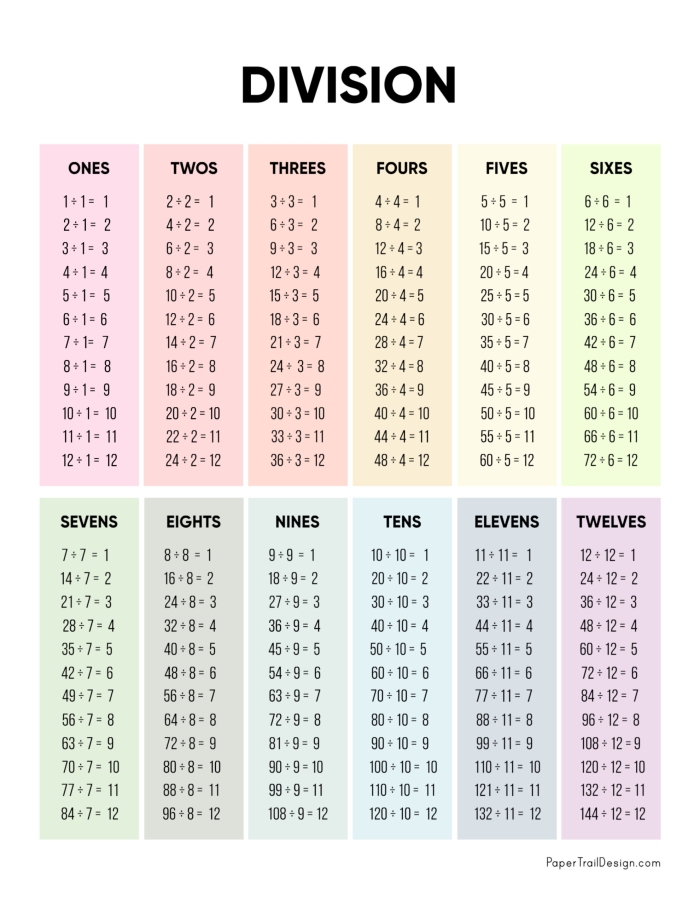
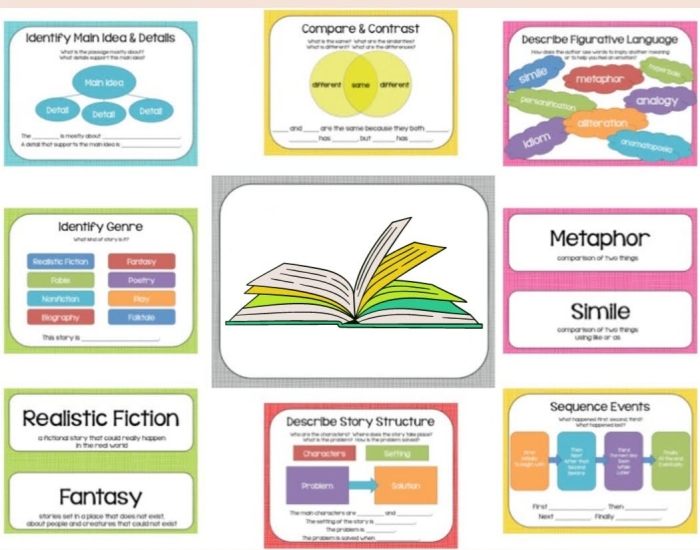
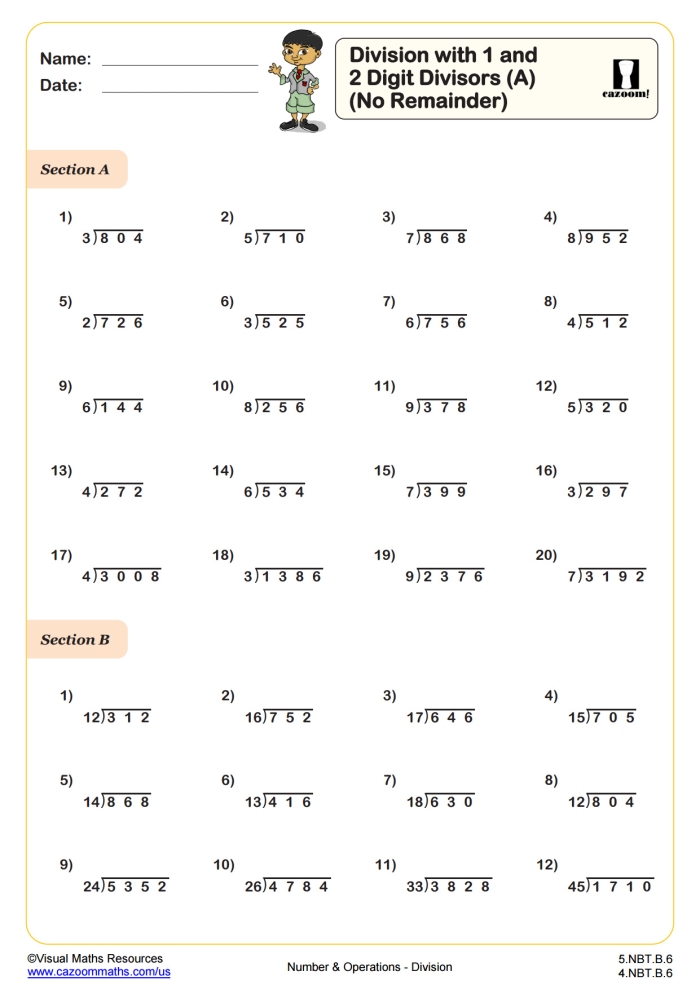
Solving division problems can sometimes feel overwhelming, especially for third graders just beginning to grasp the concept. However, using a mini-poster as a guide can simplify the process significantly. This visual tool is not just a piece of paper; it serves as a reference point that students can turn to when they encounter division challenges.
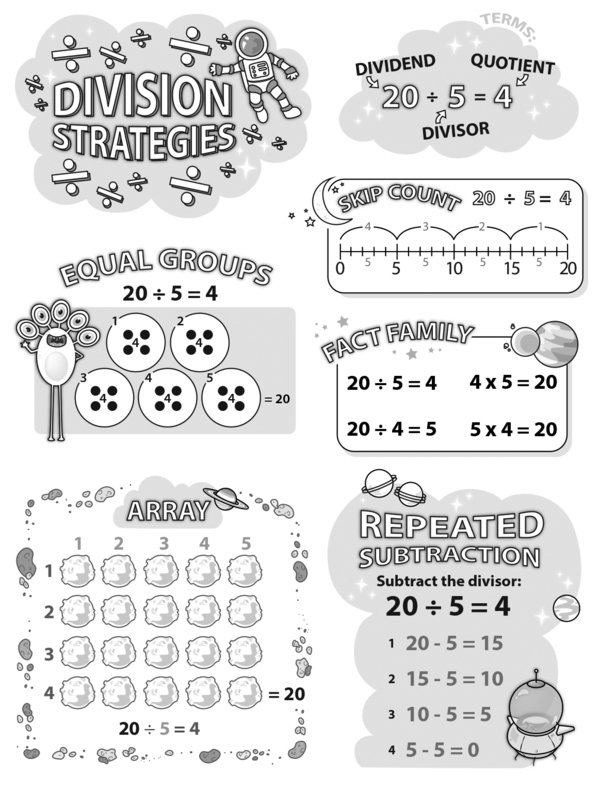
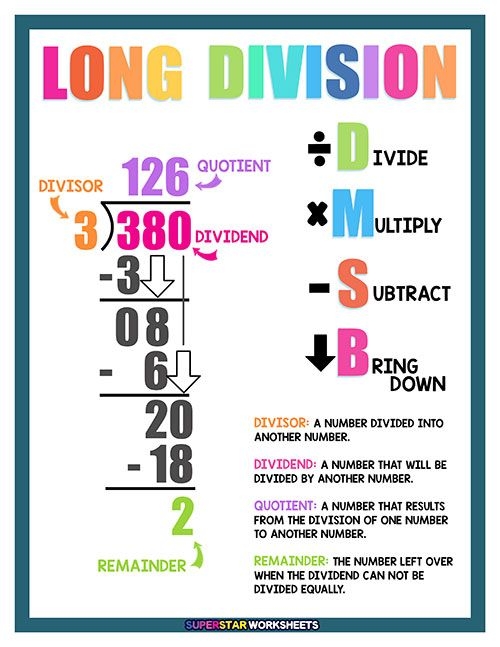
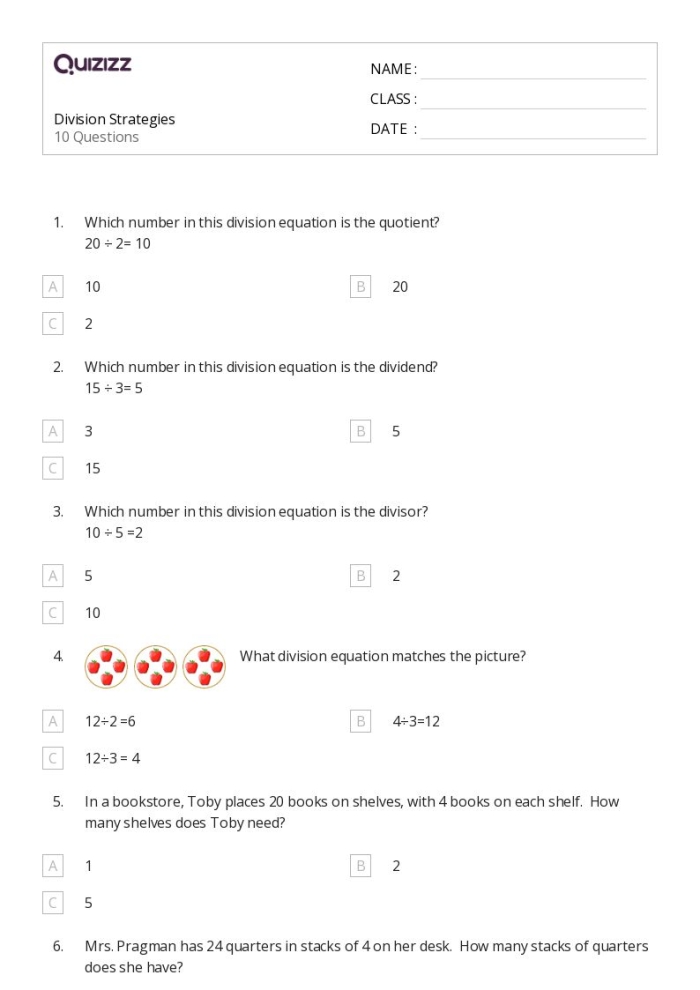
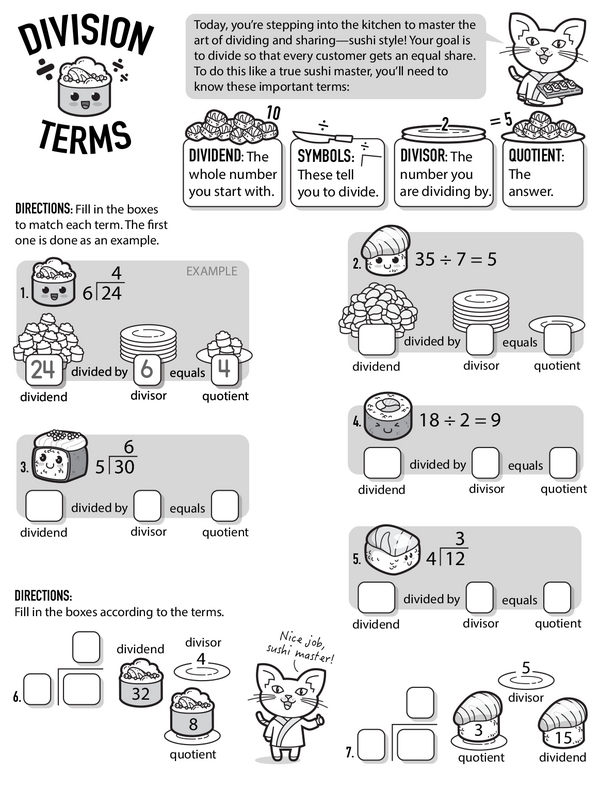
The mini-poster typically outlines key terms and strategies that are essential in division. For instance, it may include definitions of terms like dividend, divisor, and quotient, breaking them down into easily digestible phrases. This clarity not only helps in understanding the language of division but also builds a solid foundation for solving problems.
One effective strategy often highlighted in these posters is the use of visual aids, such as grouping objects or drawing pictures. For example, if a student needs to divide 12 apples among 4 friends, they can visualize this by grouping the apples into sets of 4. This method not only makes the division process tangible but also engages students in a fun way, making learning enjoyable.
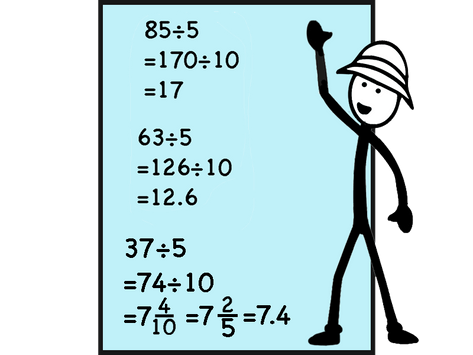
Additionally, these mini-posters can include worked examples that guide students step-by-step through the division process. By seeing how a problem is solved, students can replicate the steps when faced with similar challenges. This practice can boost their confidence and reinforce their understanding of division.
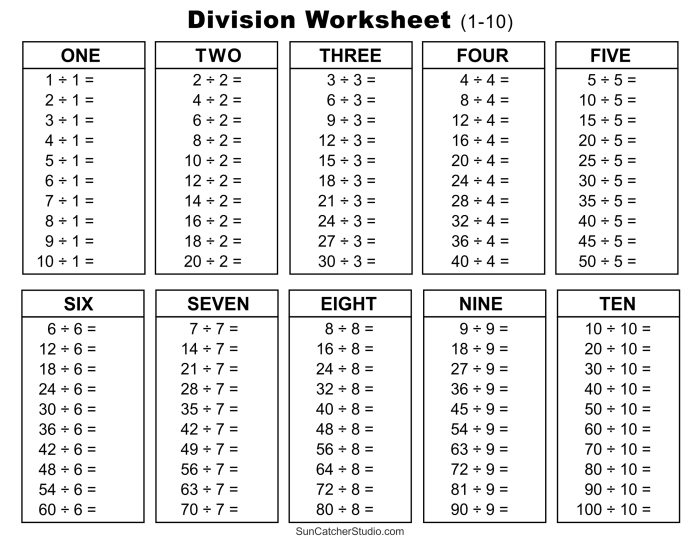
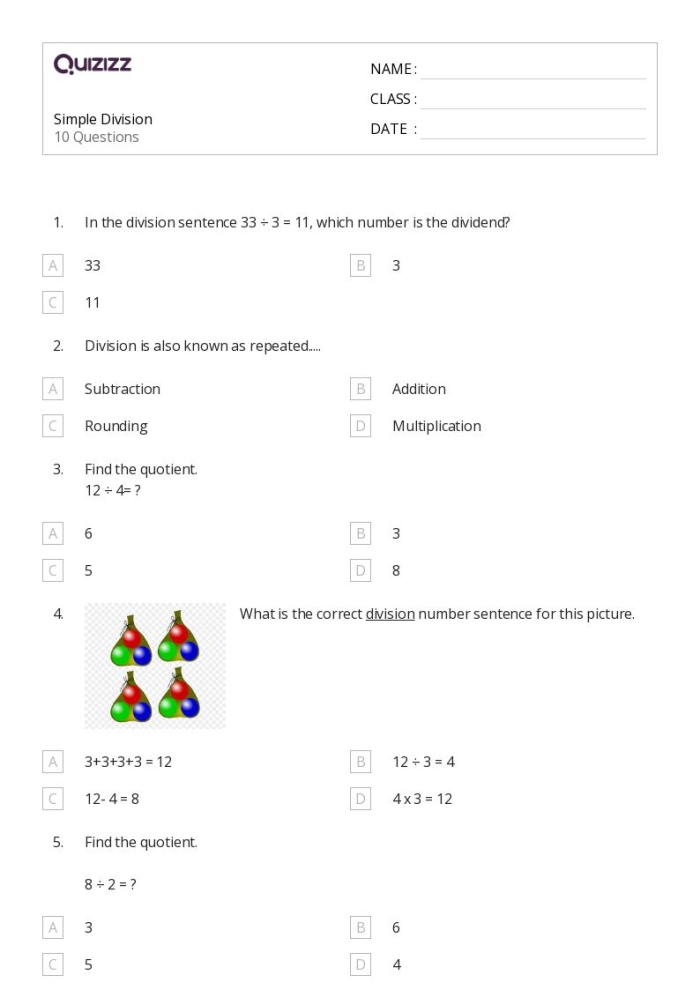
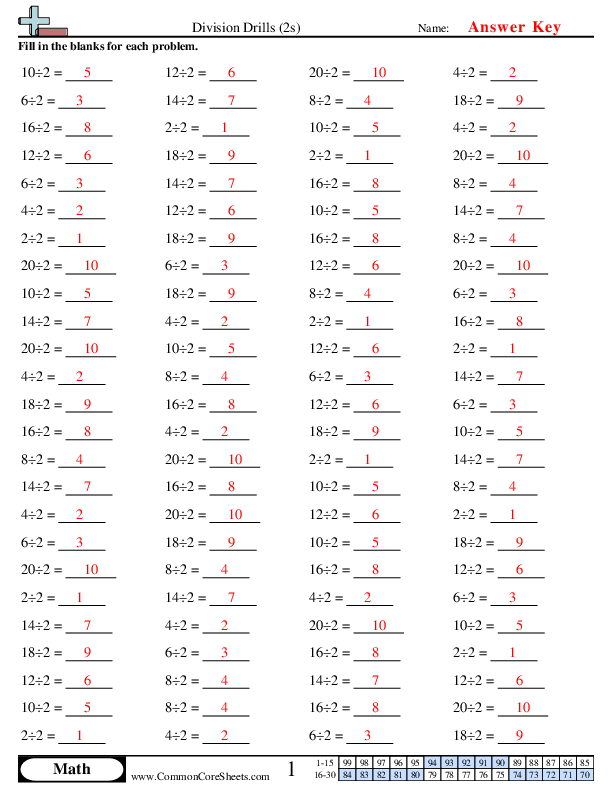
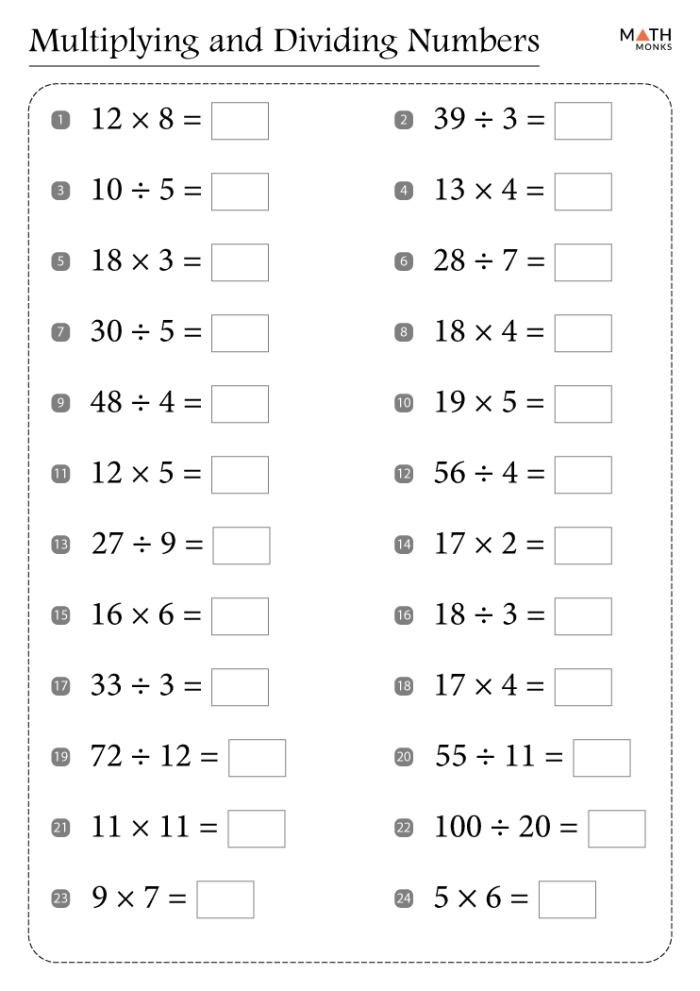
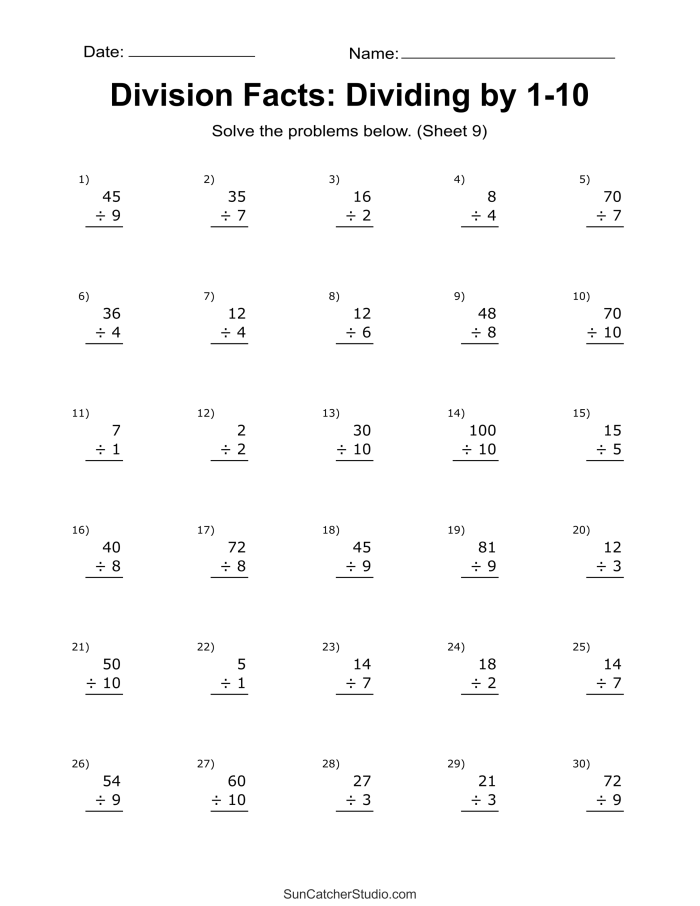
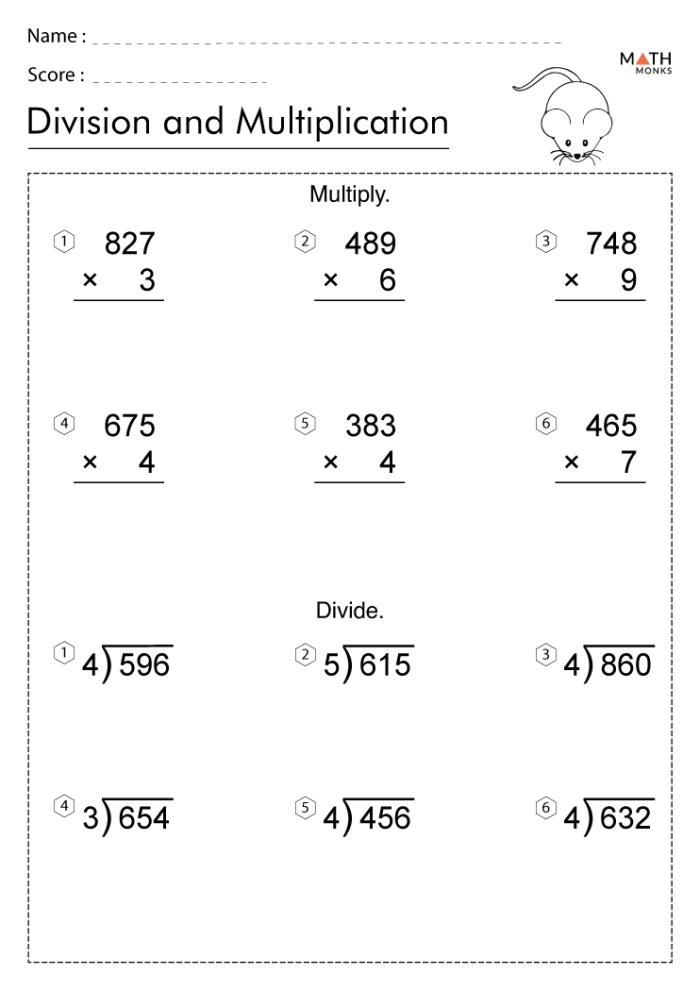
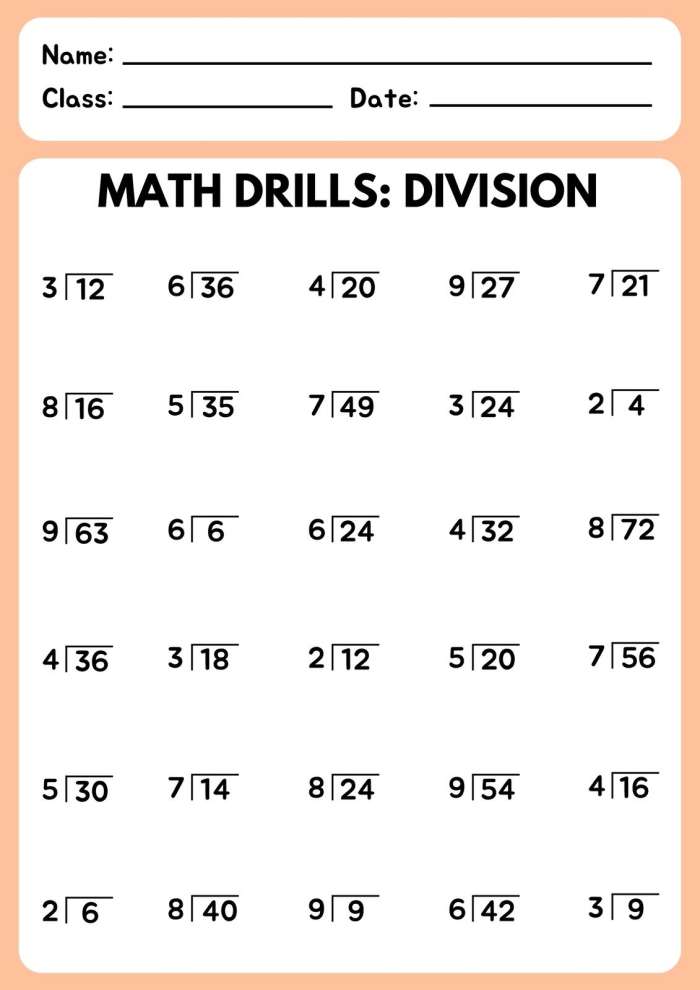
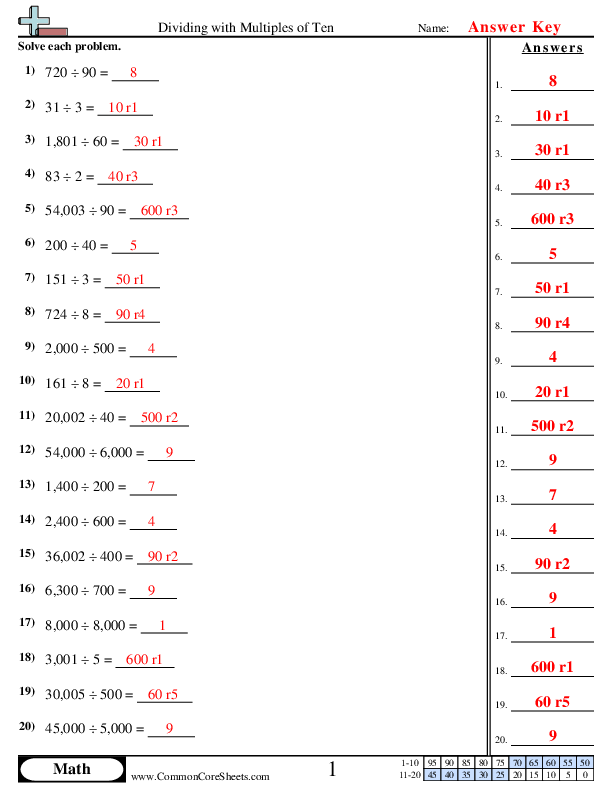
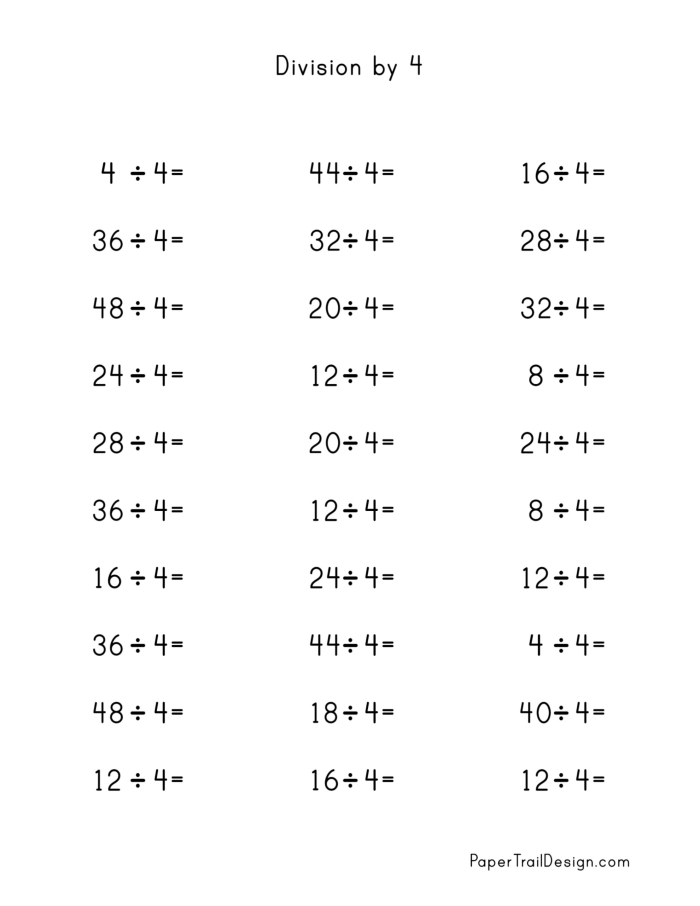
For those looking to expand their learning resources, consider checking out some printable division worksheets. They can provide further practice and reinforce the skills learned from the mini-poster. Engaging with materials like Printable Division: Key Terms and Strategies Worksheets can enhance understanding and provide additional fun in learning.
Overall, a mini-poster is an excellent tool for third graders tackling division. It breaks down concepts, offers visual support, and provides clear examples. With this aid, students can approach their division problems with greater ease and confidence.
Printable Worksheets for Practice