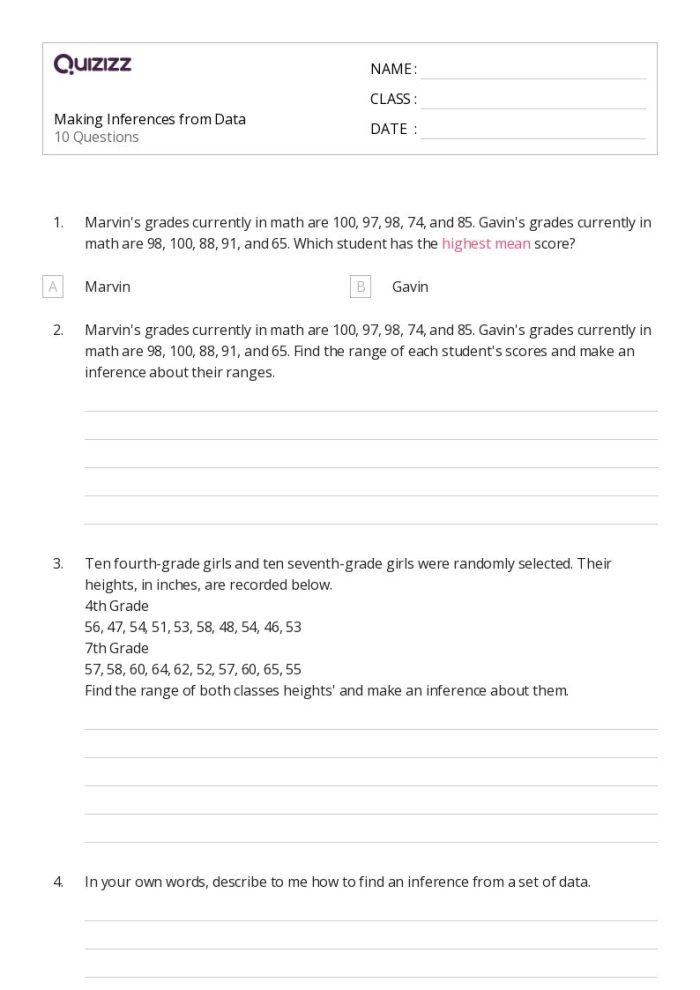
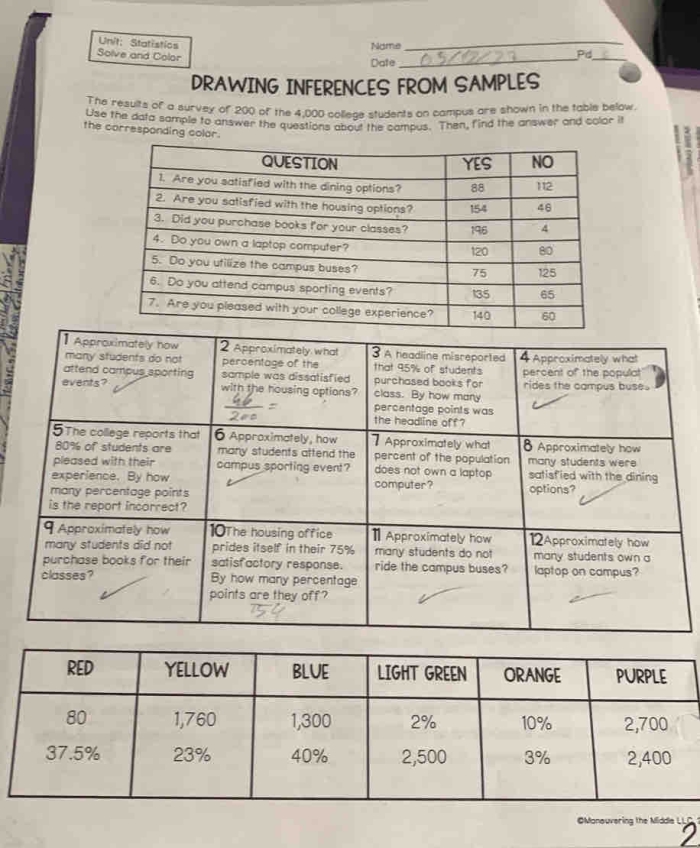
Understanding data collection methods is crucial for students, especially in seventh grade when they start exploring more complex mathematical concepts. One effective way to engage students is through a practical worksheet that focuses on comparing different survey methods. This approach not only enhances their analytical skills but also allows them to make informed inferences about real-world scenarios.
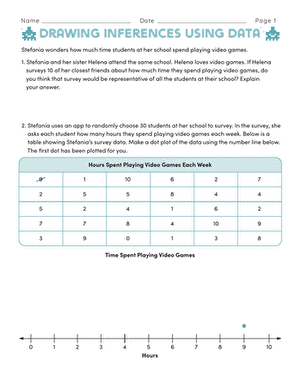
In the context of a recent math assignment, students were tasked with investigating how much time their peers spend playing video games. This topic resonates well with seventh graders, as gaming is a significant part of many of their lives. The worksheet encouraged them to use various survey techniques, such as questionnaires and interviews, to gather data. By comparing these methods, students learned that the way questions are asked can greatly influence the responses received. For instance, a face-to-face interview might yield more honest answers compared to an anonymous online survey.
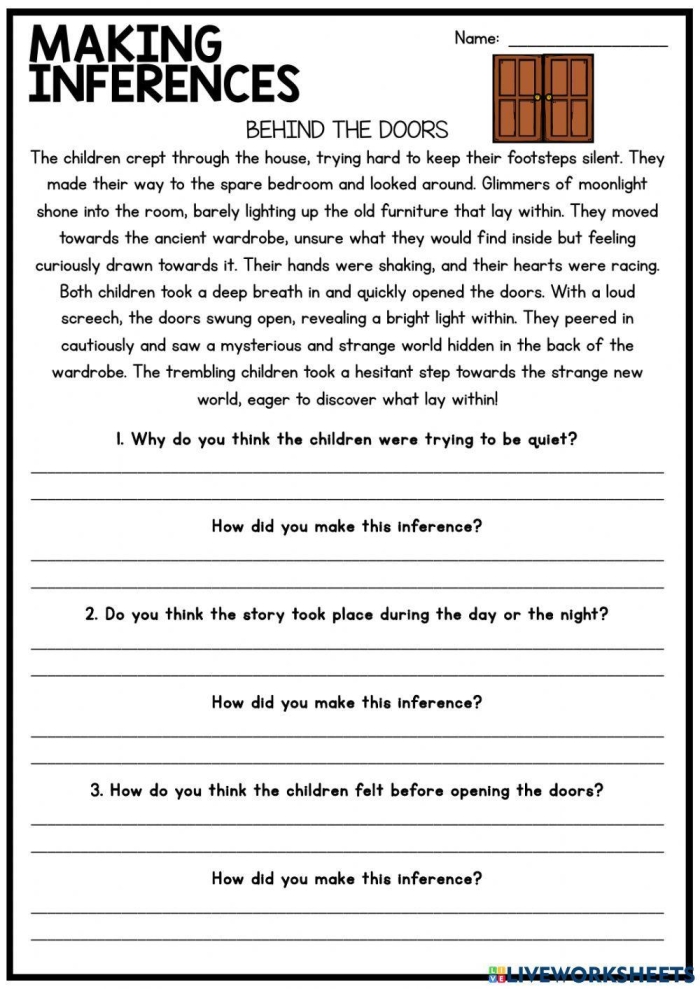
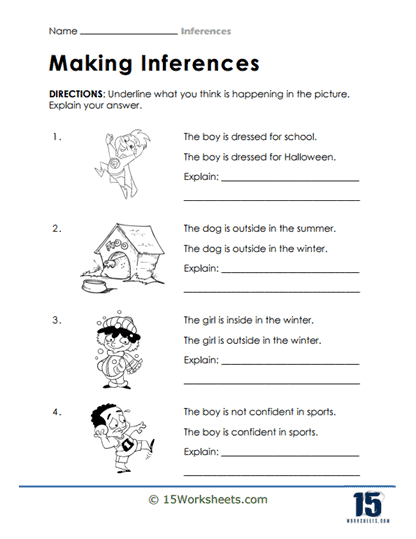
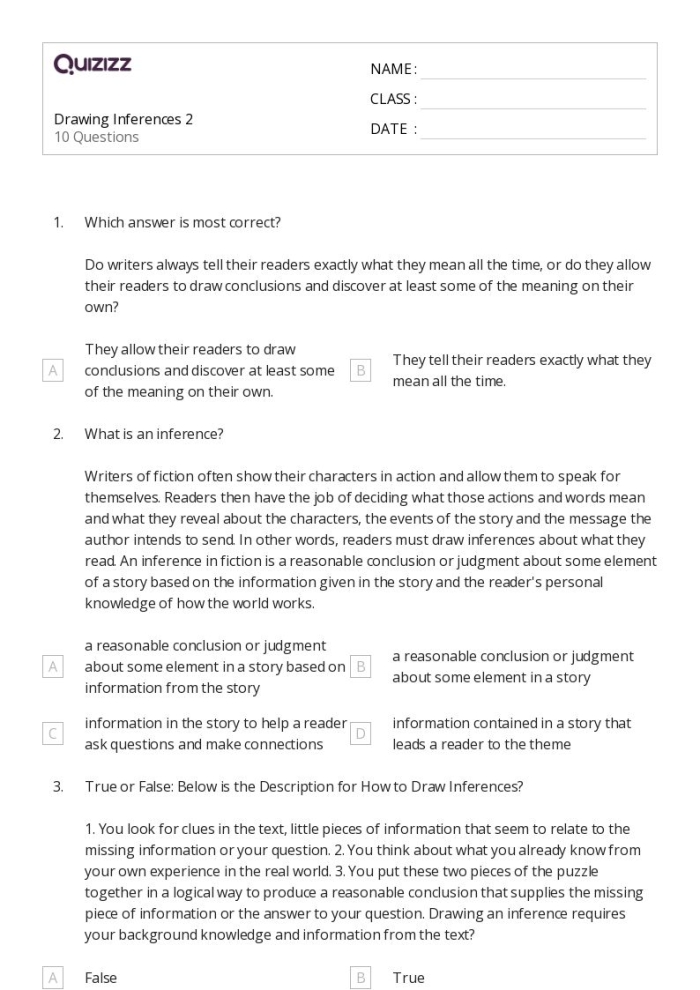
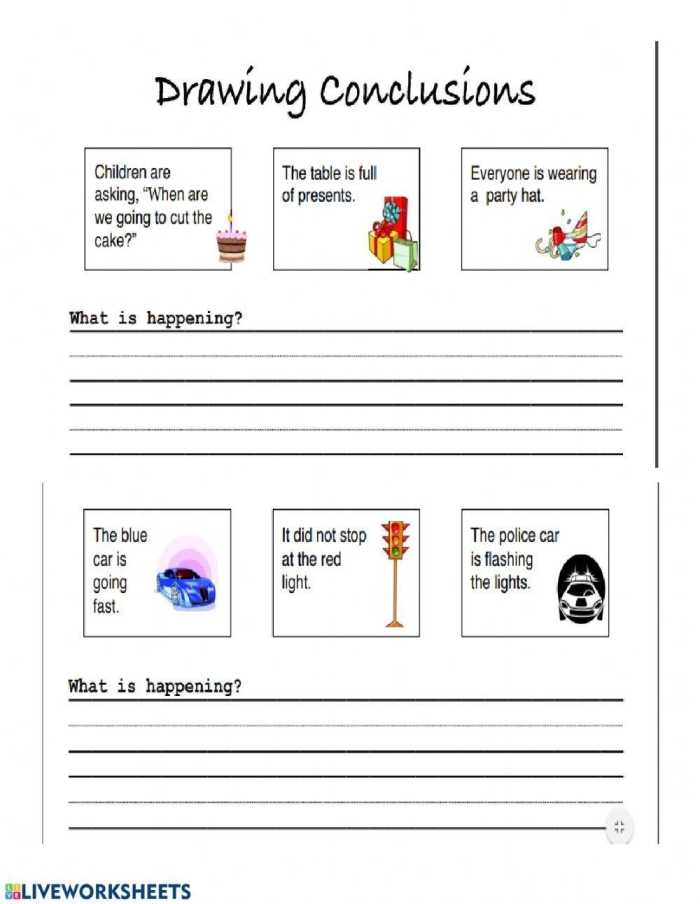
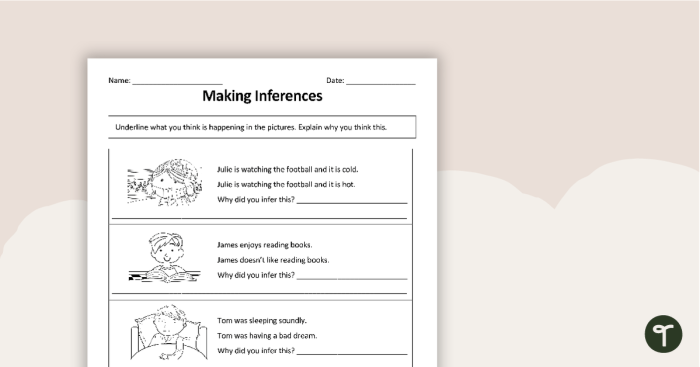
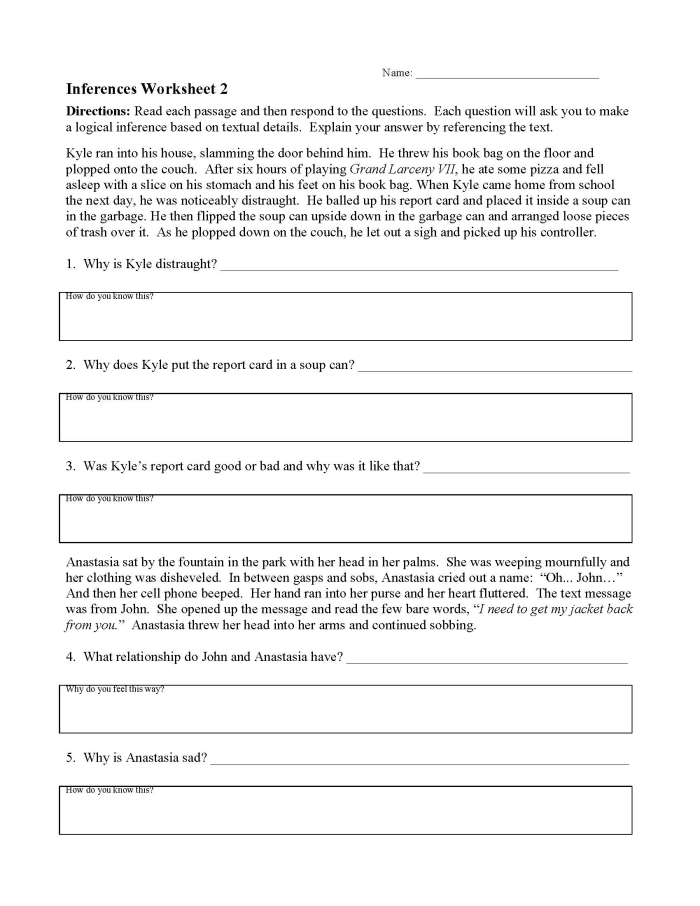
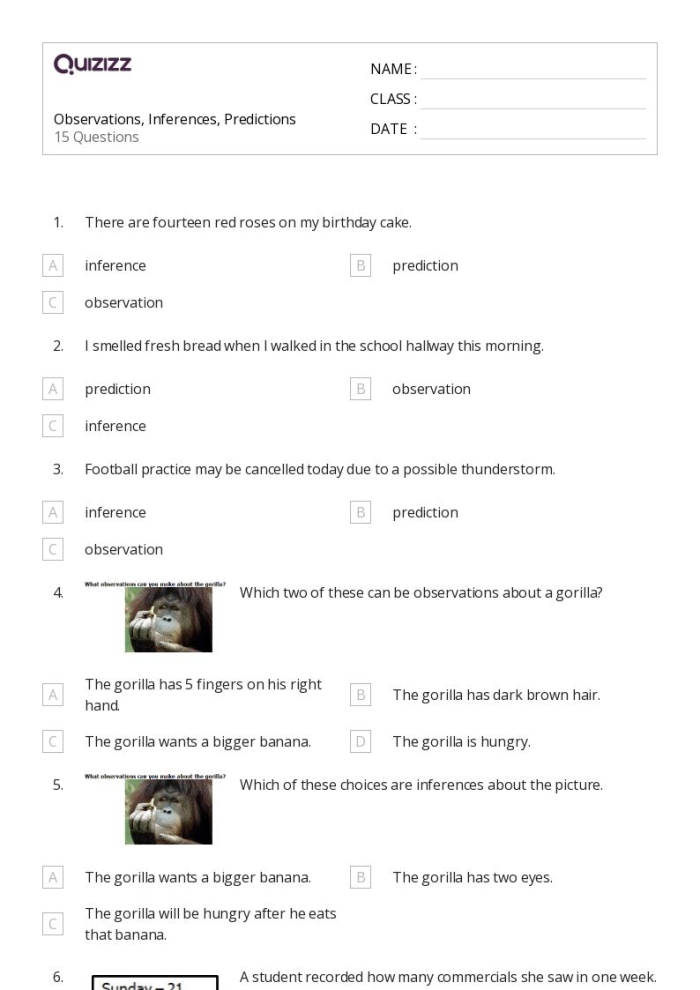
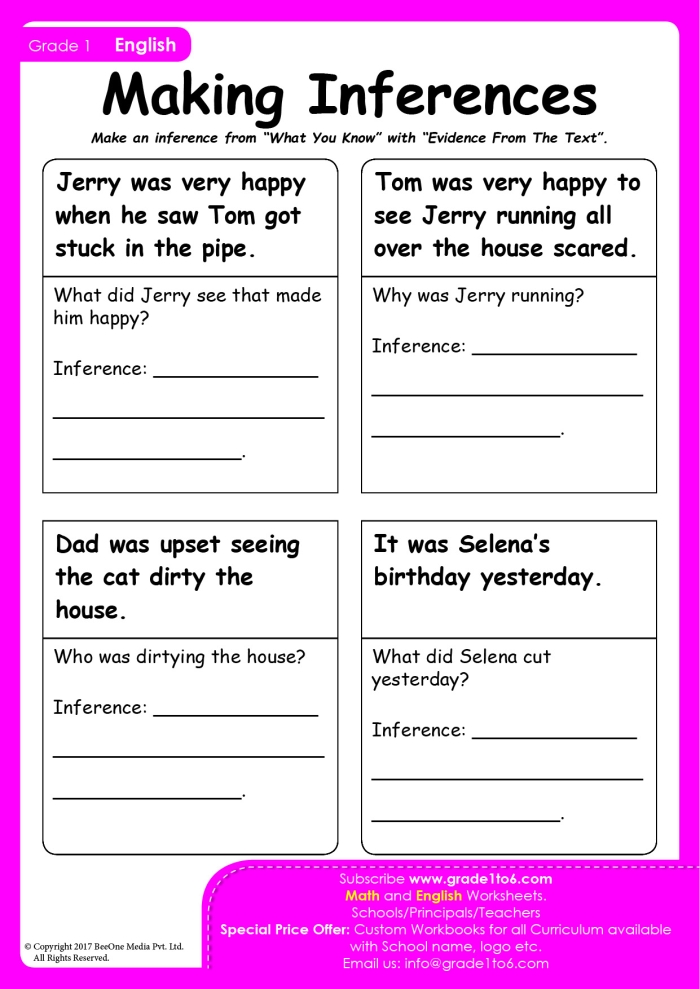
Through this exercise, students not only practiced their math skills but also developed critical thinking abilities. They had to analyze the data collected, looking for patterns and drawing conclusions based on their findings. This hands-on experience with drawing inferences using data is invaluable, as it mirrors real-life decision-making processes. Moreover, it prepares them for future academic challenges where data interpretation is essential.
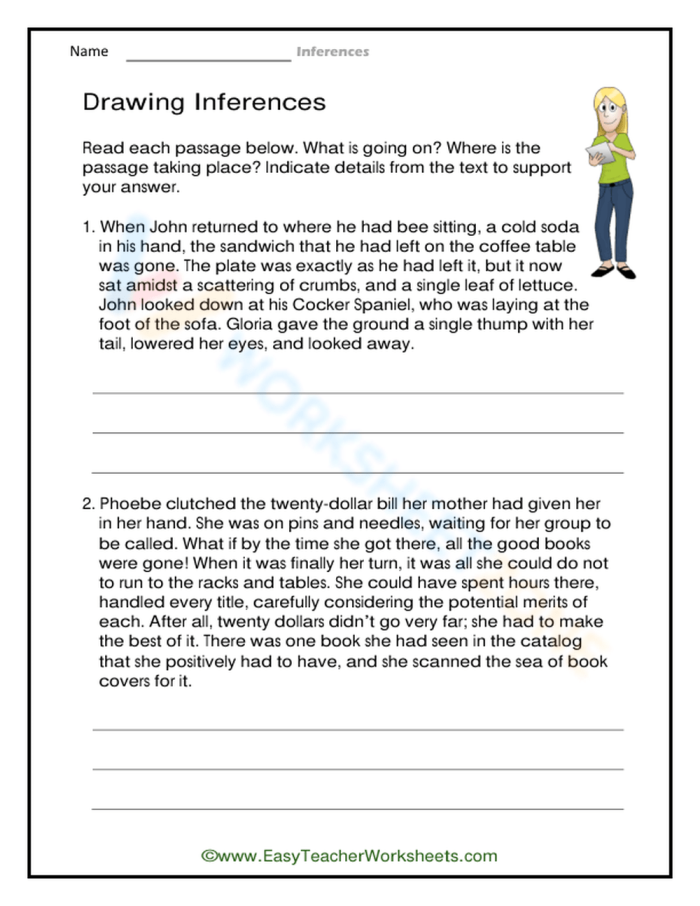
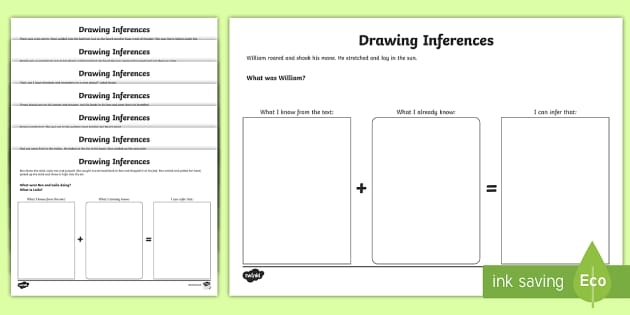
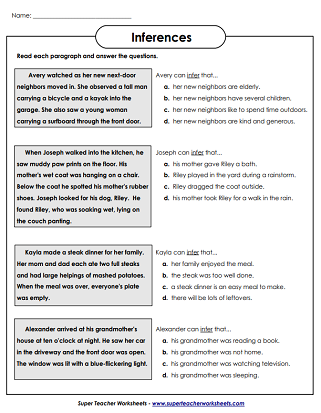
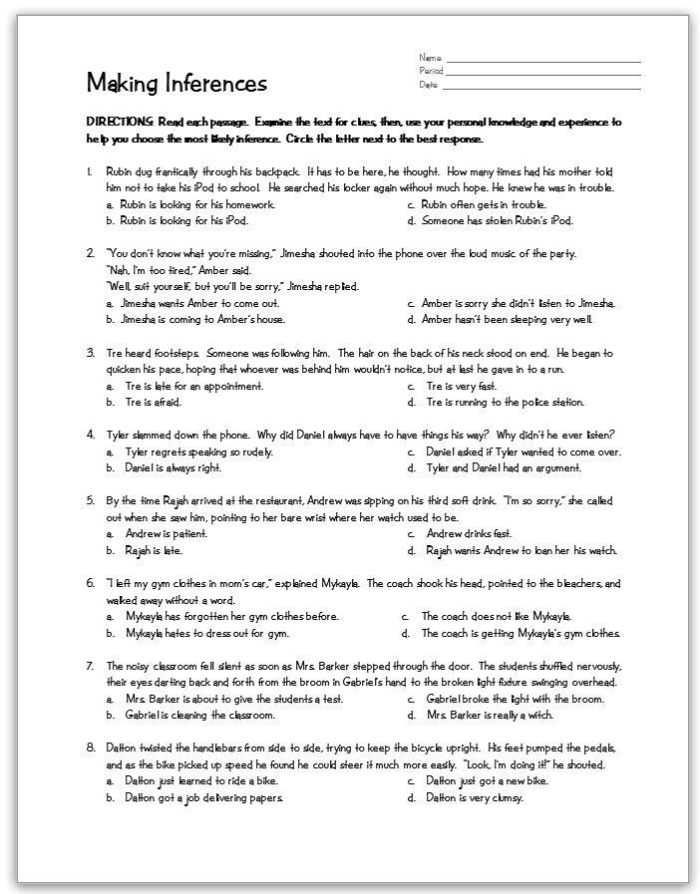
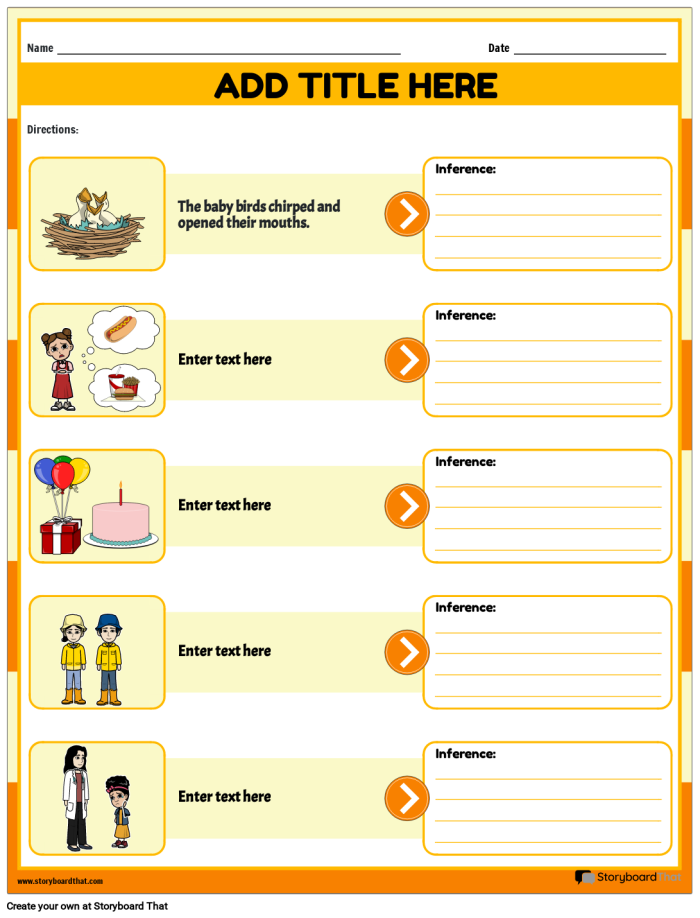
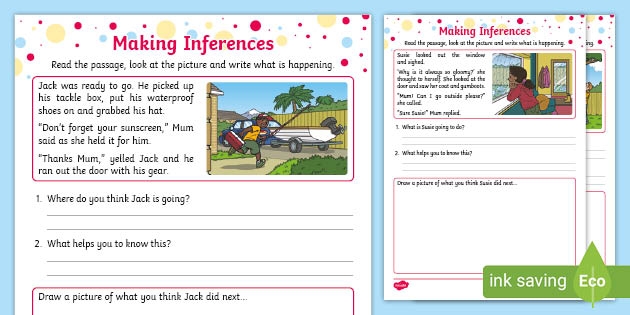
Incorporating these practical tasks into the curriculum helps students see the relevance of math in everyday life. As they navigate through the world of numbers and counting, activities like this one can spark interest in statistics and data science. For those looking for additional resources, there are excellent printable drawing inferences using data worksheets that further enhance learning opportunities.
Use These Worksheets Today