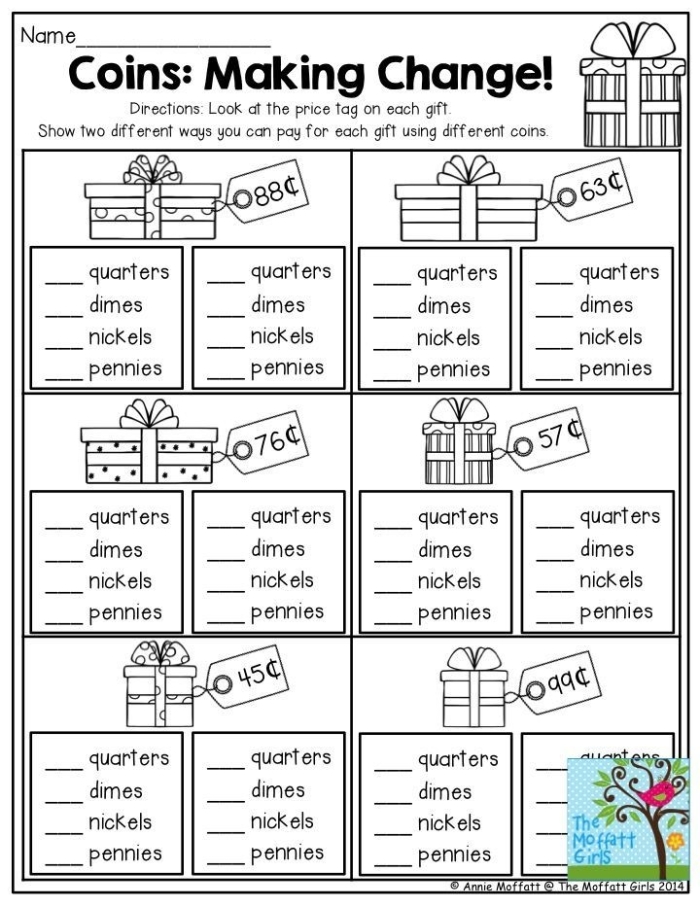
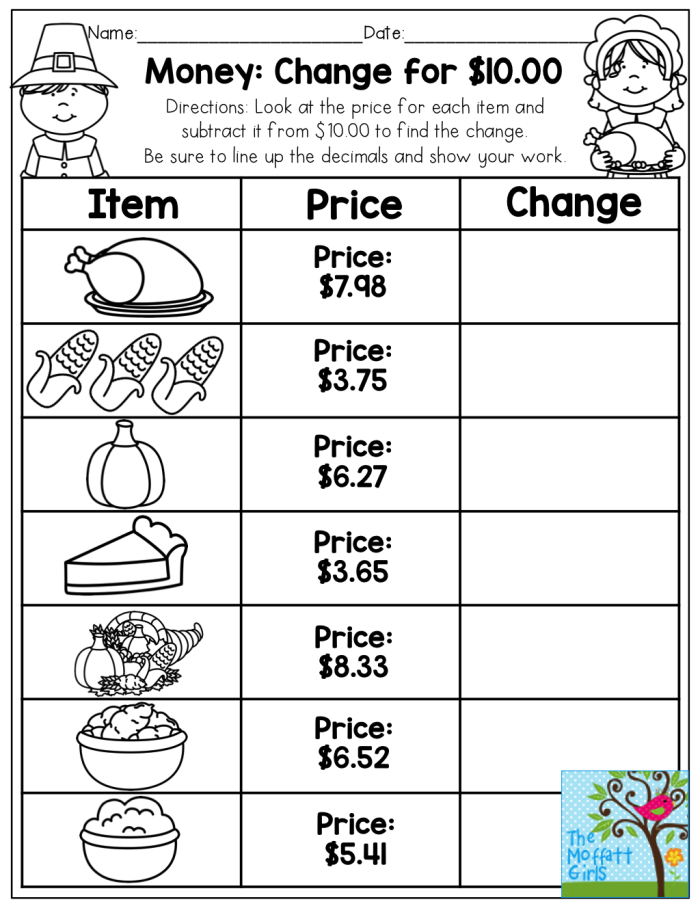
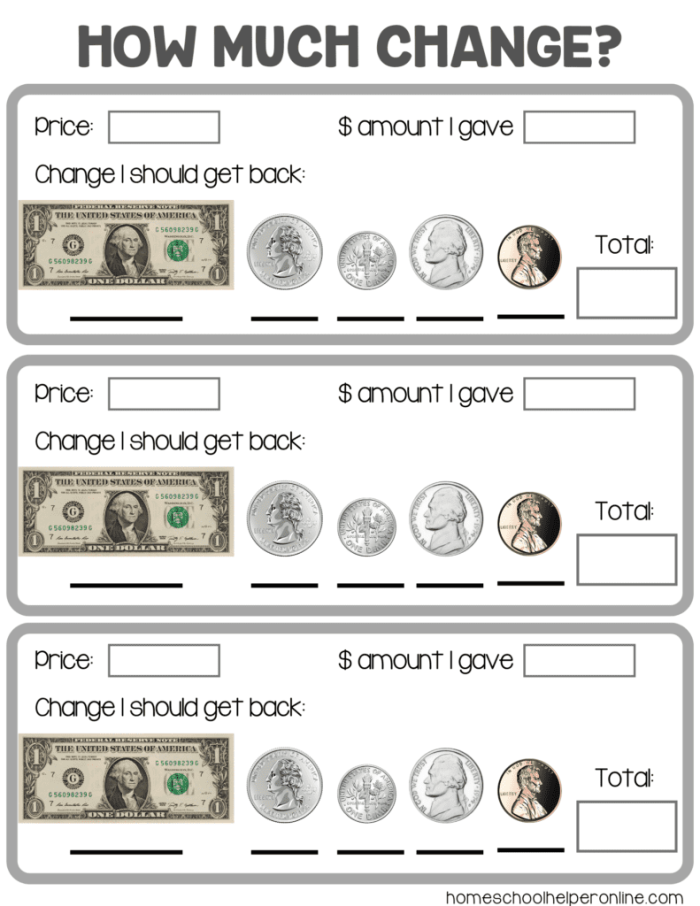
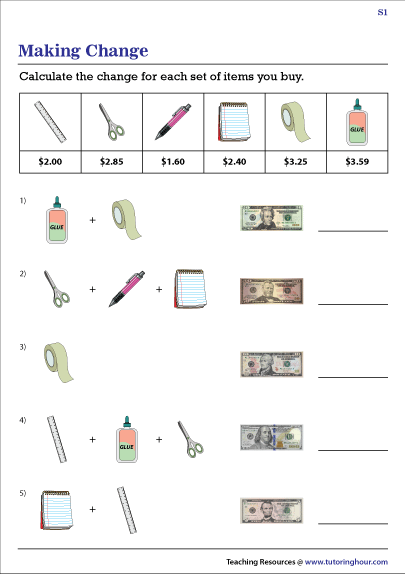
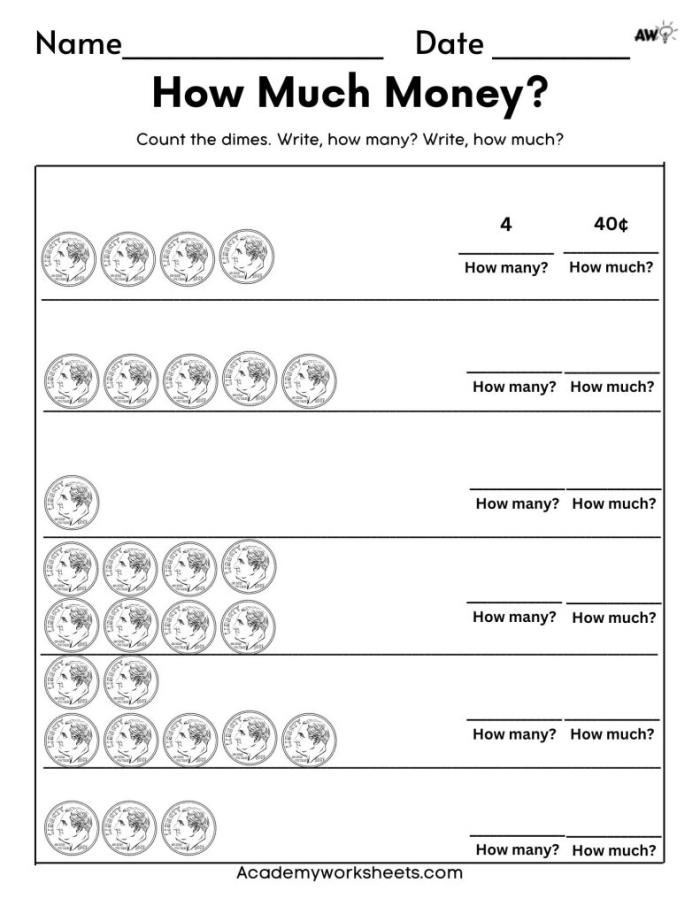
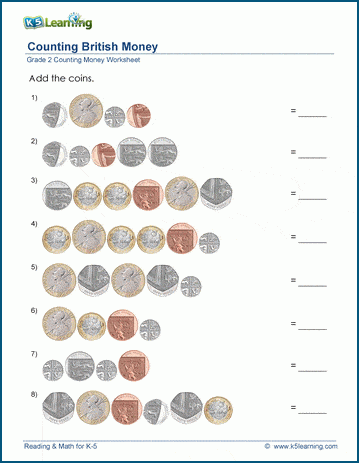
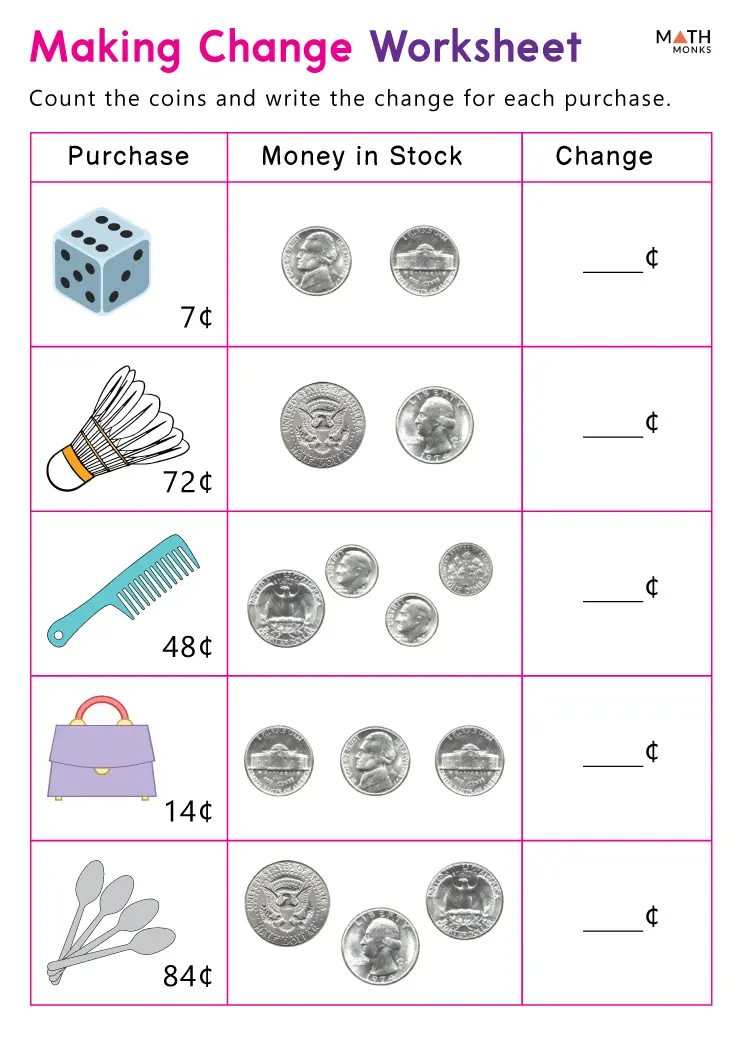
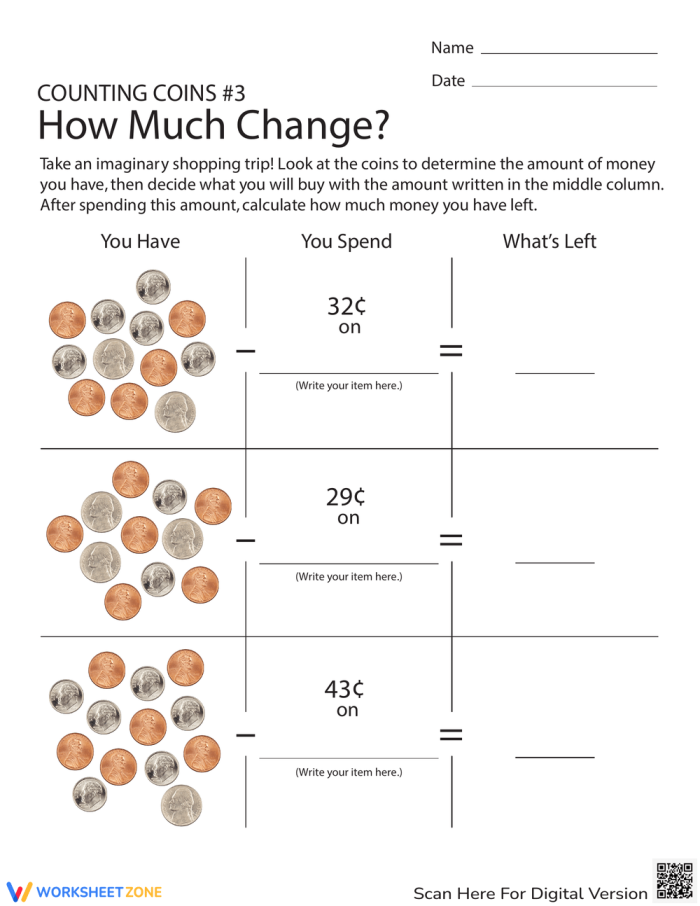
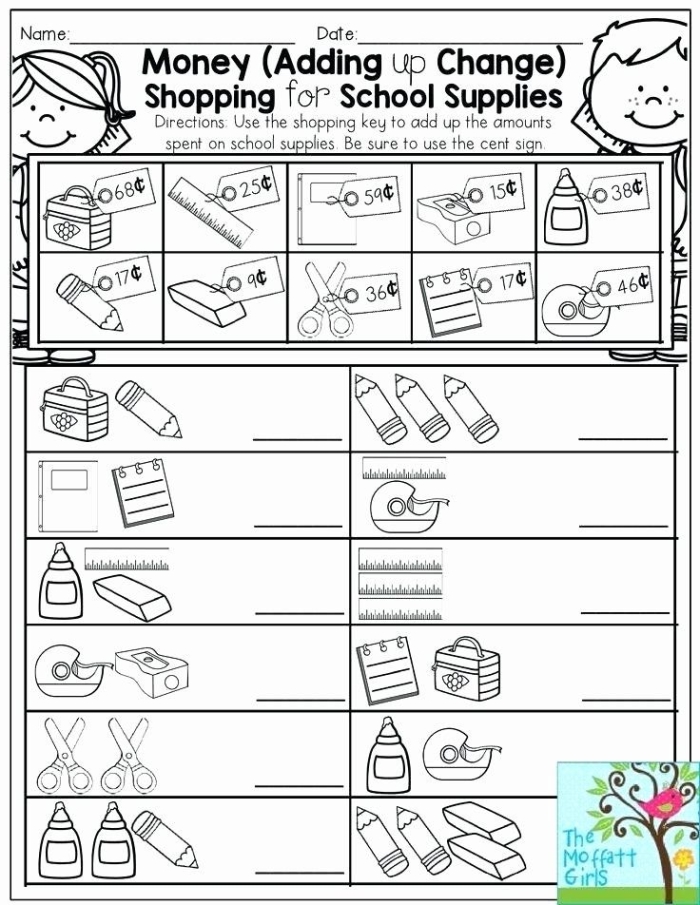
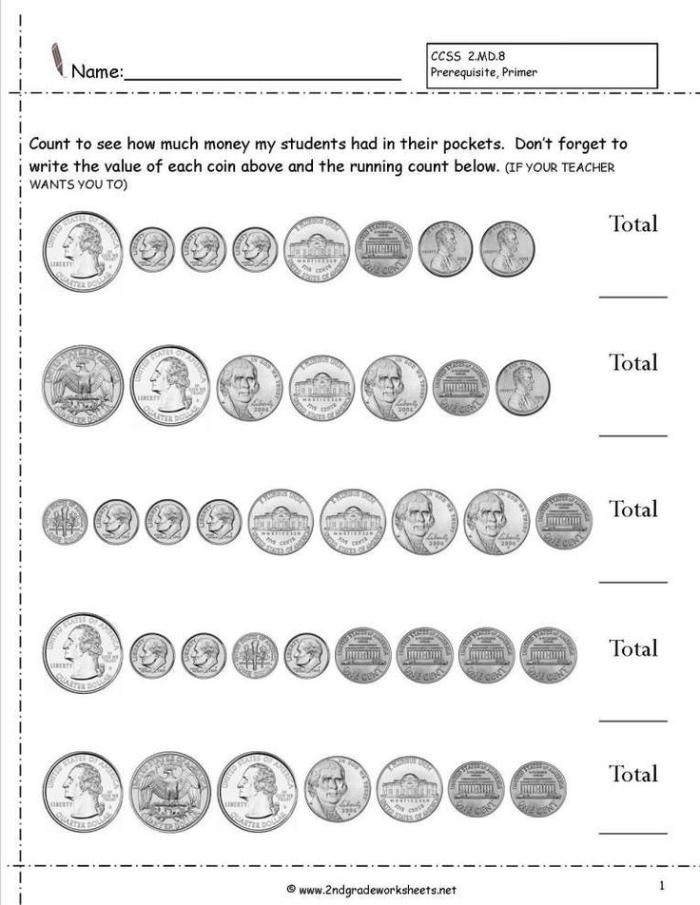
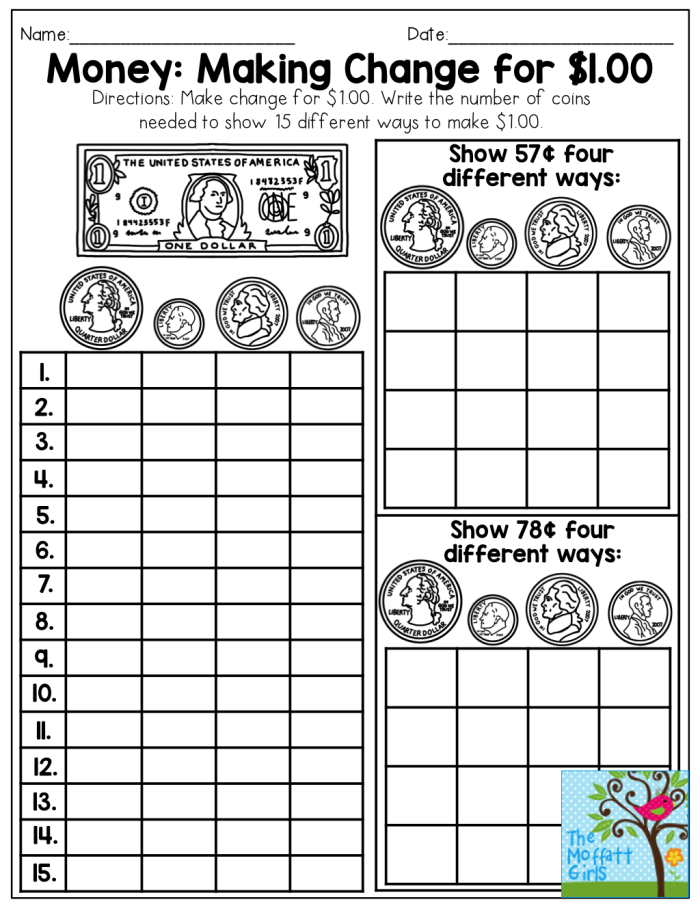
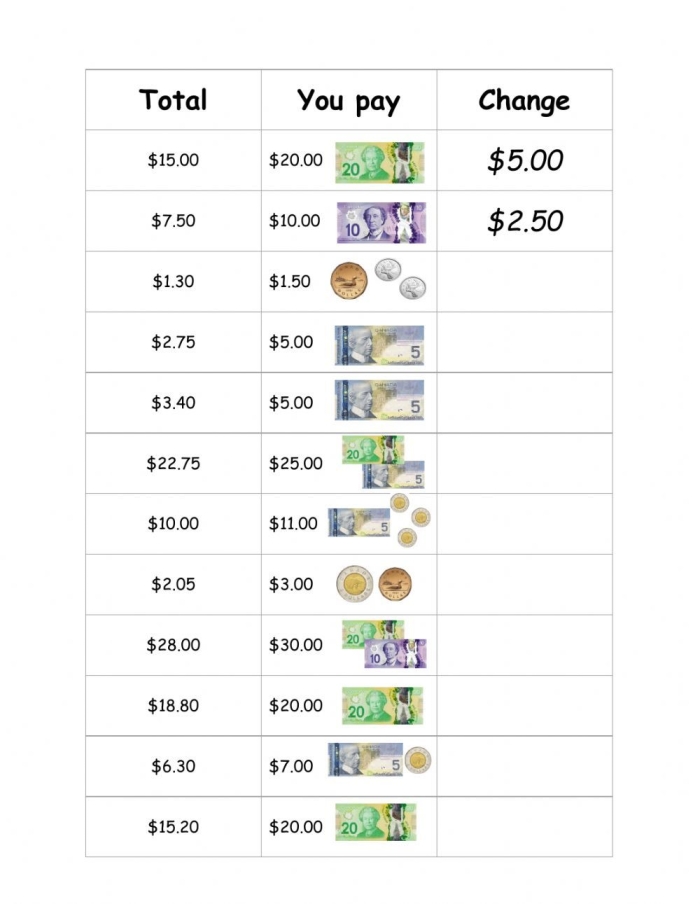
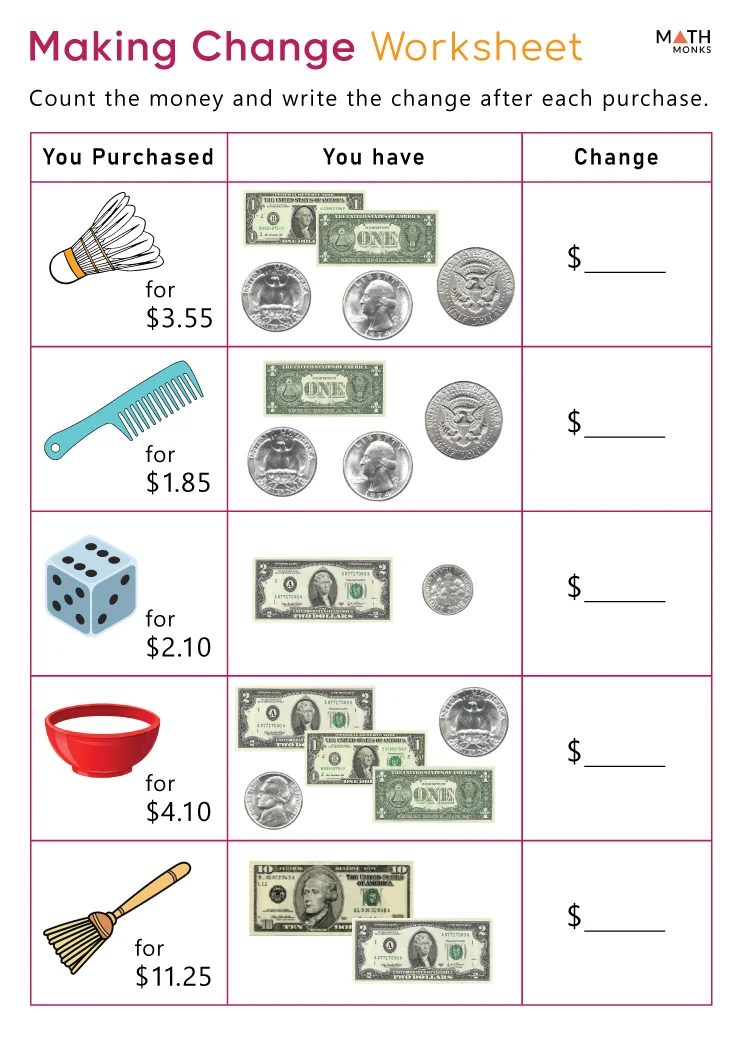
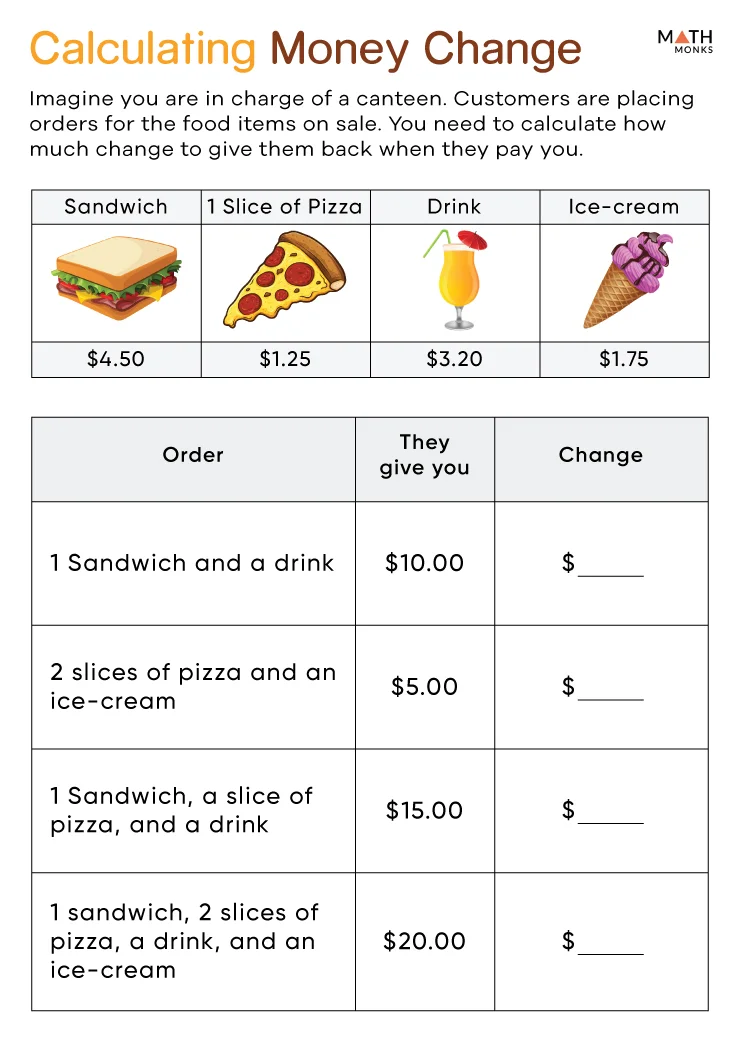
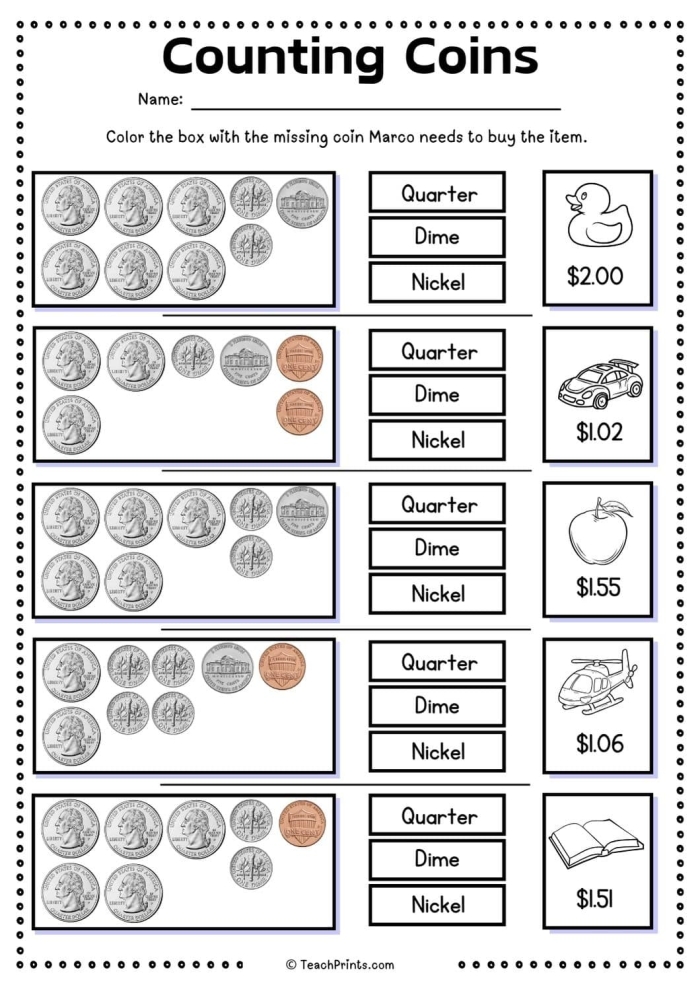
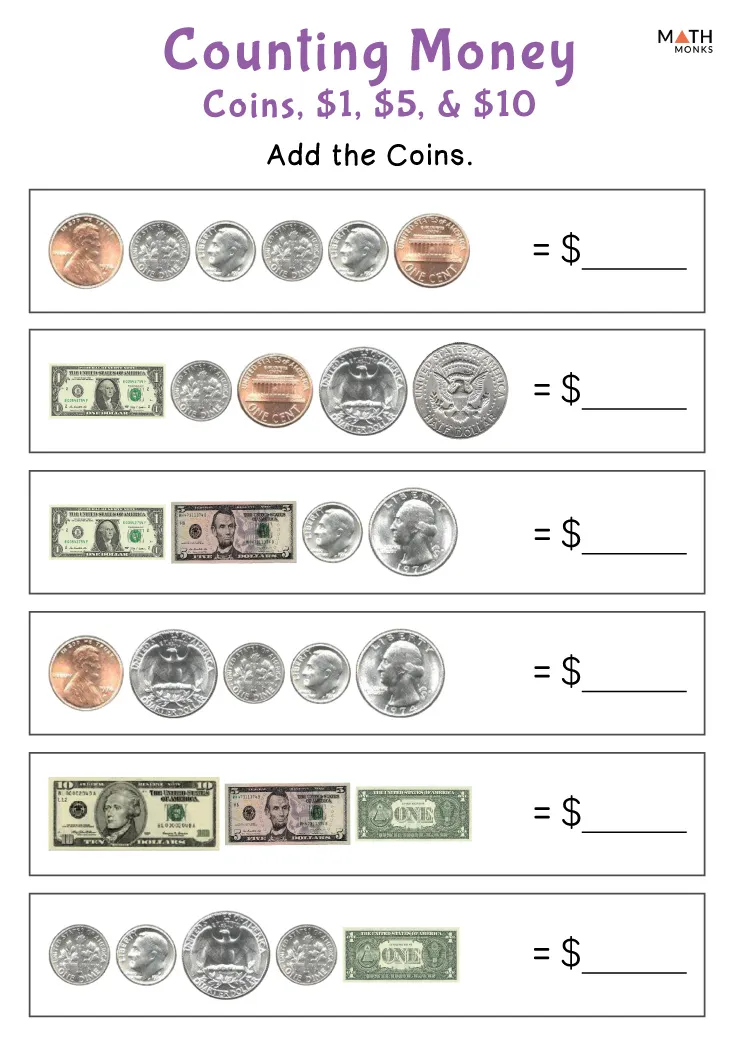
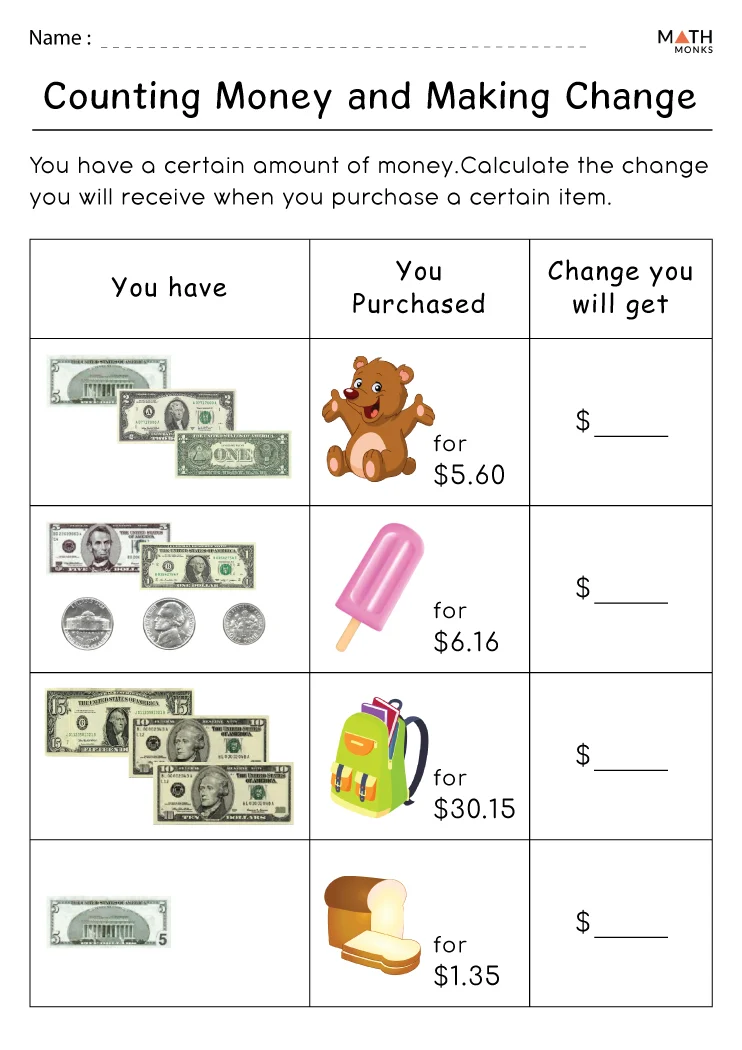
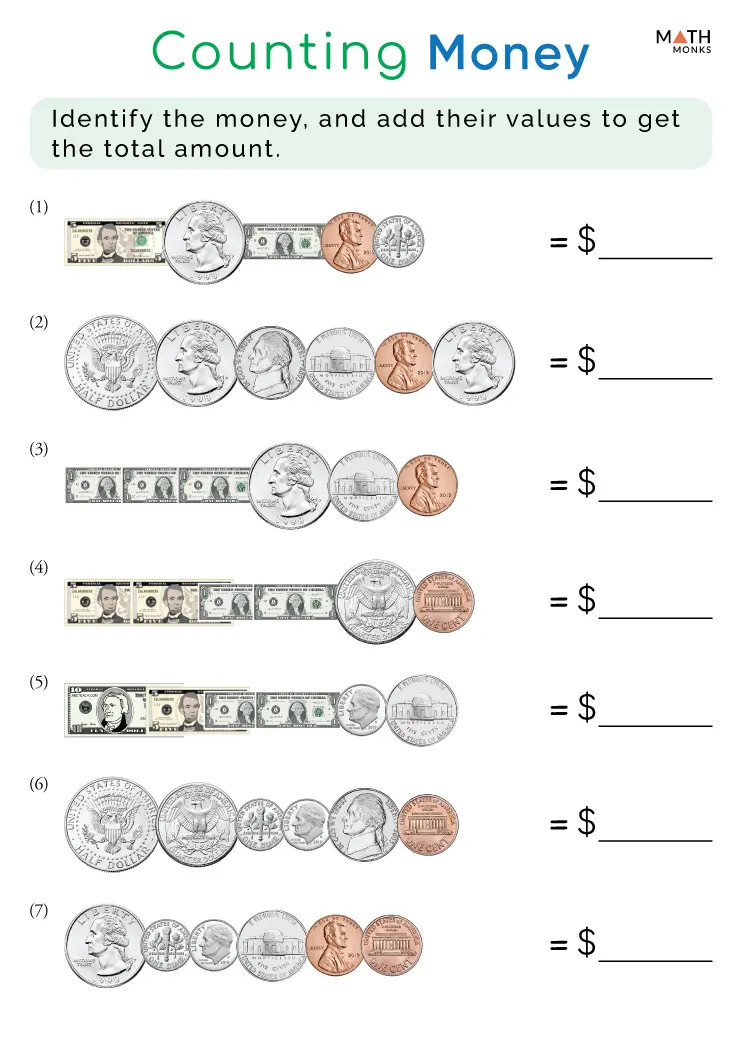
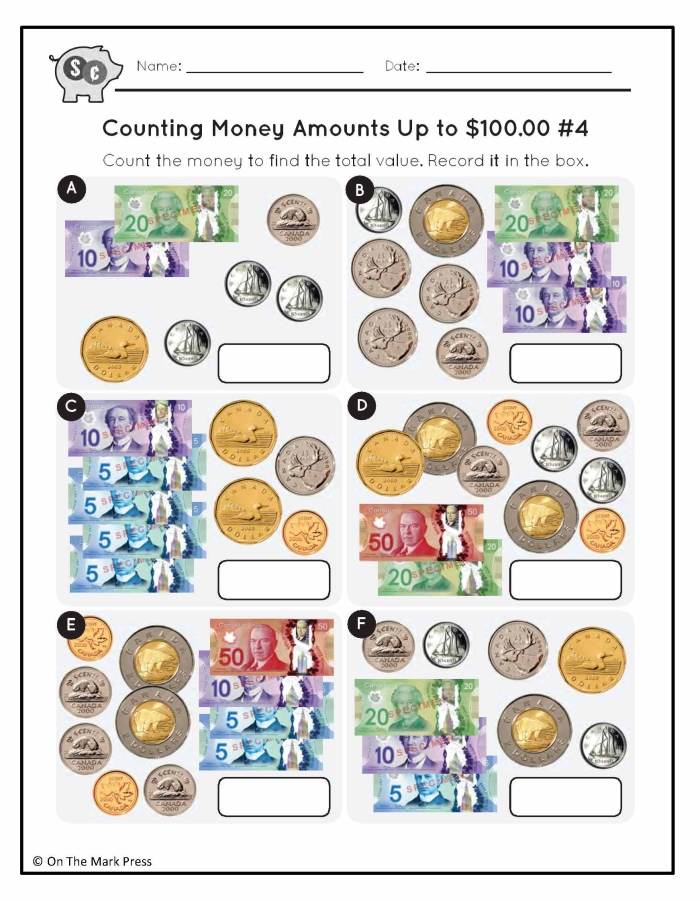
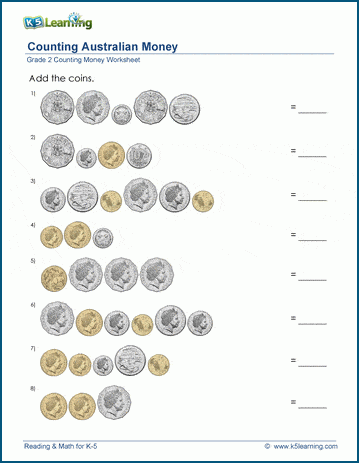
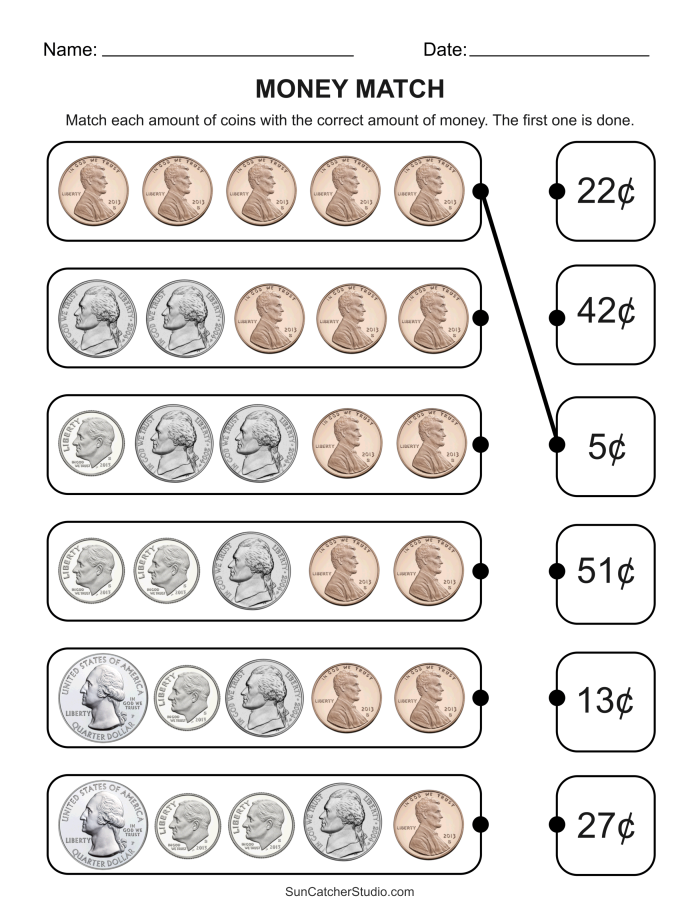
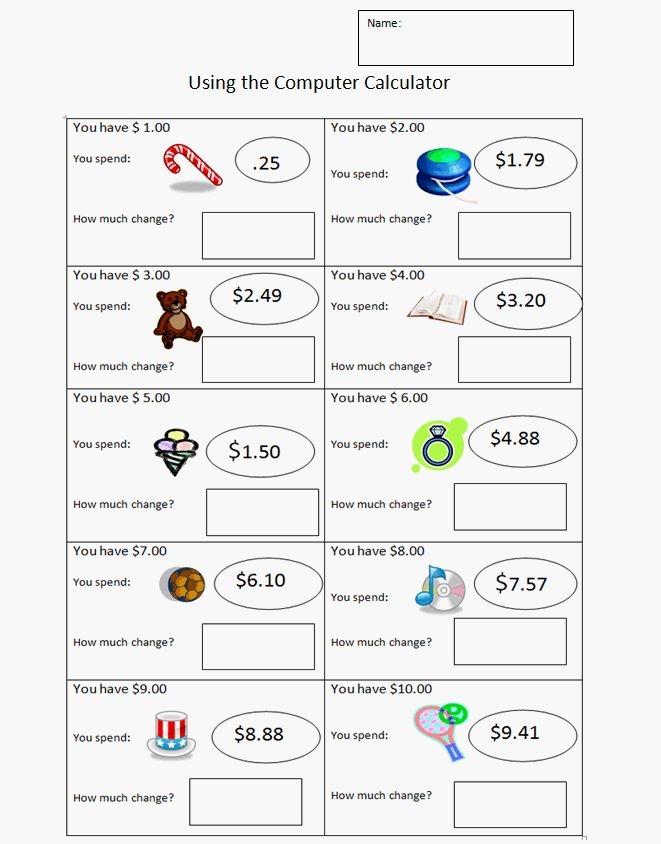
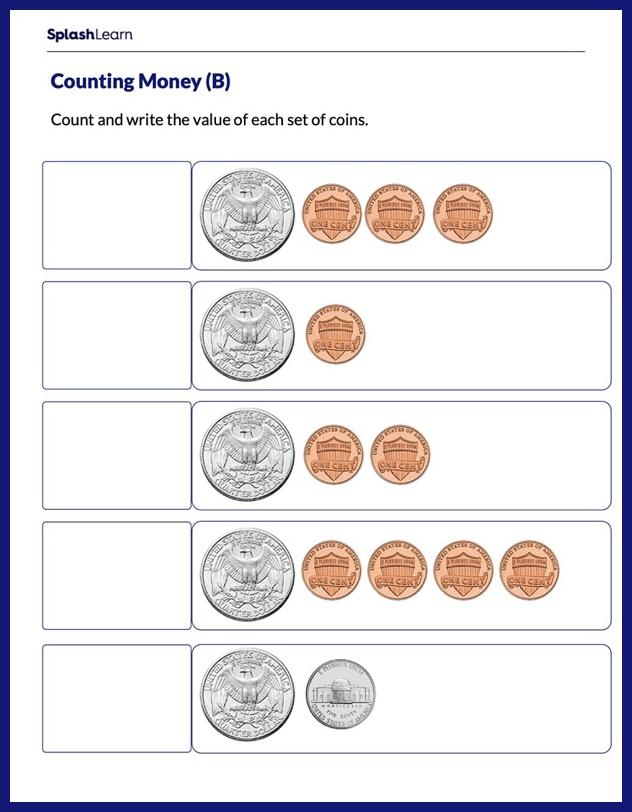
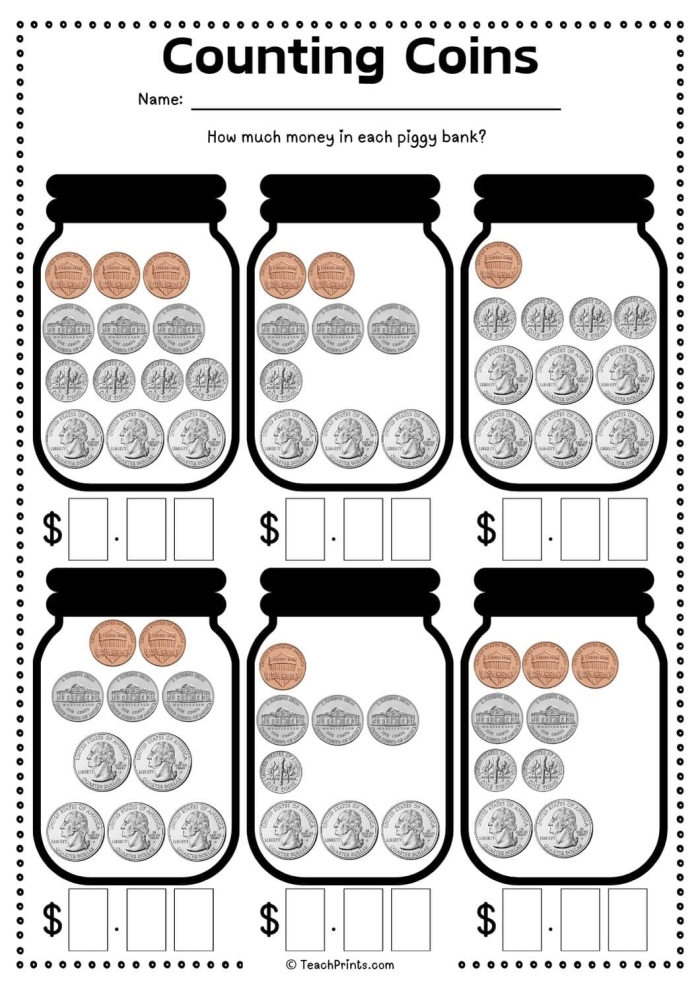
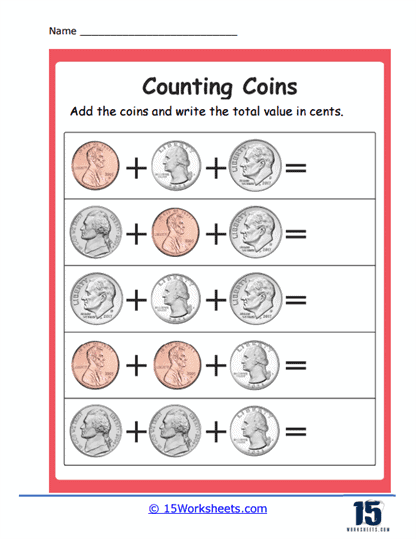
Counting coins is a fundamental skill that not only helps children grasp basic math concepts but also prepares them for real-life financial situations. In second grade, students often engage in activities where they count up coins and then circle the correct amount. This hands-on approach makes learning about money both fun and practical.
When kids count coins, they learn to recognize different denominations, understand their values, and practice addition. For example, if a child has a set of coins laid out—two quarters, one dime, and three nickels—they can begin by identifying each type of coin. Then, they add up the values: two quarters equal fifty cents, one dime is ten cents, and three nickels make fifteen cents. By totaling these amounts, they can arrive at the correct sum of seventy-five cents.
This process not only reinforces addition skills but also enhances their ability to make quick calculations mentally. It’s essential for second graders to practice these skills regularly, as they build a foundation for more complex math operations in the future. Using resources like coin and dollar addition worksheets helps children practice in an interactive way, making the learning experience enjoyable.
After counting, children circle the correct amount, which reinforces their understanding of value recognition. This activity encourages attention to detail, as they must match their calculated total with the options provided. Engaging in such exercises can significantly enhance their confidence in handling money.
Additionally, incorporating games and real-life scenarios can further enrich their learning experience. For instance, setting up a small store at home where children can use play money to buy items encourages them to apply their counting skills in a fun setting. Utilizing interactive worksheets can also provide varied practice opportunities that keep students interested and motivated.
In this way, counting coins becomes more than just a math exercise; it evolves into a vital life skill, preparing kids for future financial literacy. Through consistent practice and engaging activities, second graders can become adept at managing money, setting the stage for responsible financial habits as they grow.
Practice with These Worksheets