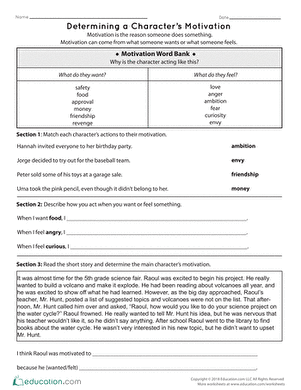
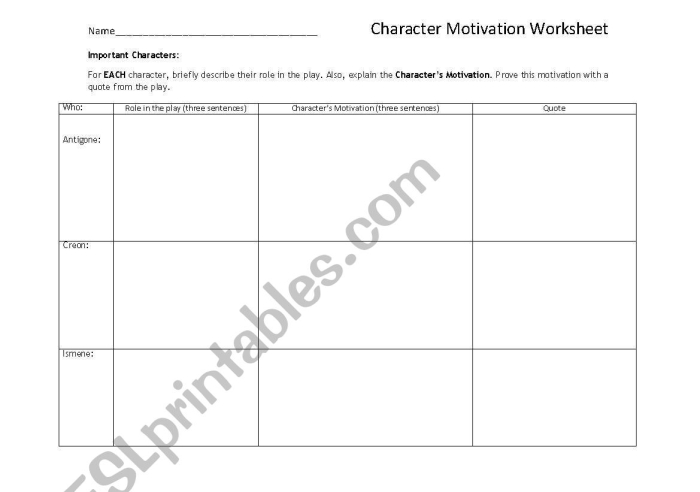
Understanding what motivates people can be a fascinating exploration for fifth graders. By using a word bank and sentence frames, students can engage with this topic in a structured way that encourages critical thinking and creativity. This approach not only helps in identifying motivations but also enhances their vocabulary and writing skills.
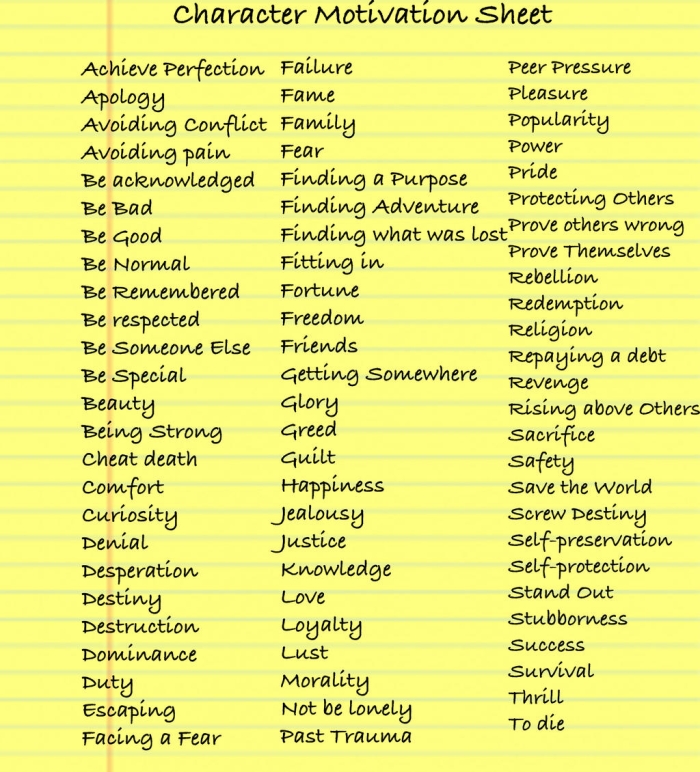
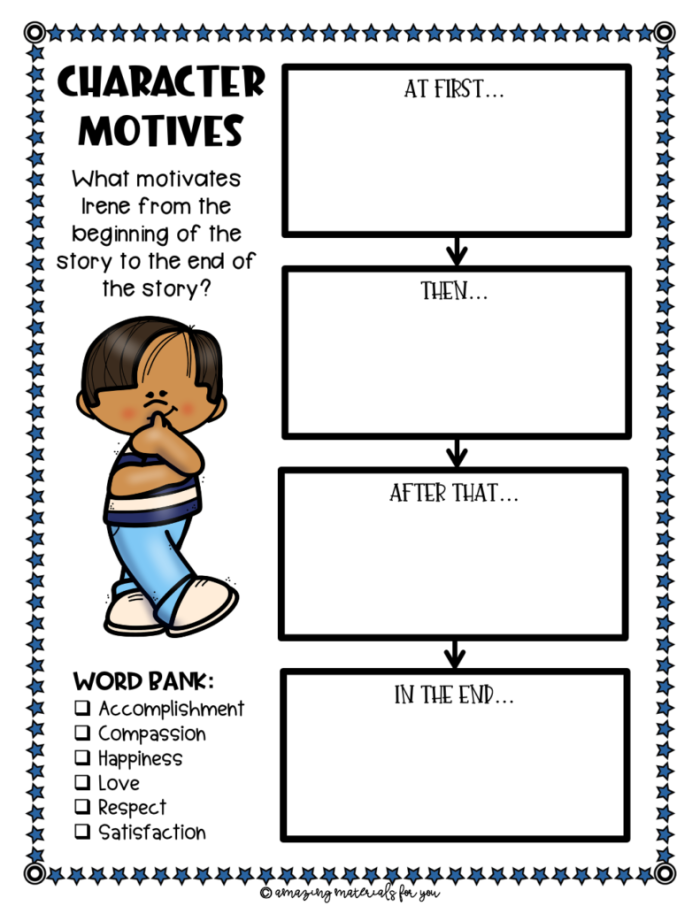
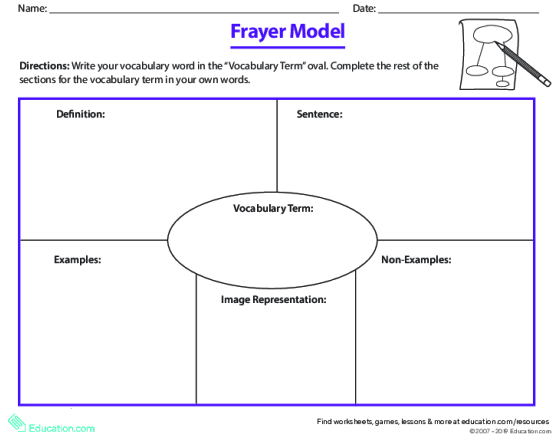
When students begin to think about motivation, they can draw on a variety of factors. For example, they might consider intrinsic motivators, like personal satisfaction or the joy of learning, alongside extrinsic motivators, such as rewards or recognition. Using a word bank allows them to select precise terms that resonate with their understanding of what drives individuals. This exercise becomes even more engaging with sentence frames that guide their thoughts and prompt deeper analysis.
For instance, a sentence frame like “People are motivated by _____ because _____” encourages students to articulate their ideas clearly. They might fill in the blanks with words like “curiosity” or “fear of failure,” providing a basis for discussion and further exploration. This method not only supports students in articulating their thoughts but also fosters collaboration as they share their insights with peers.
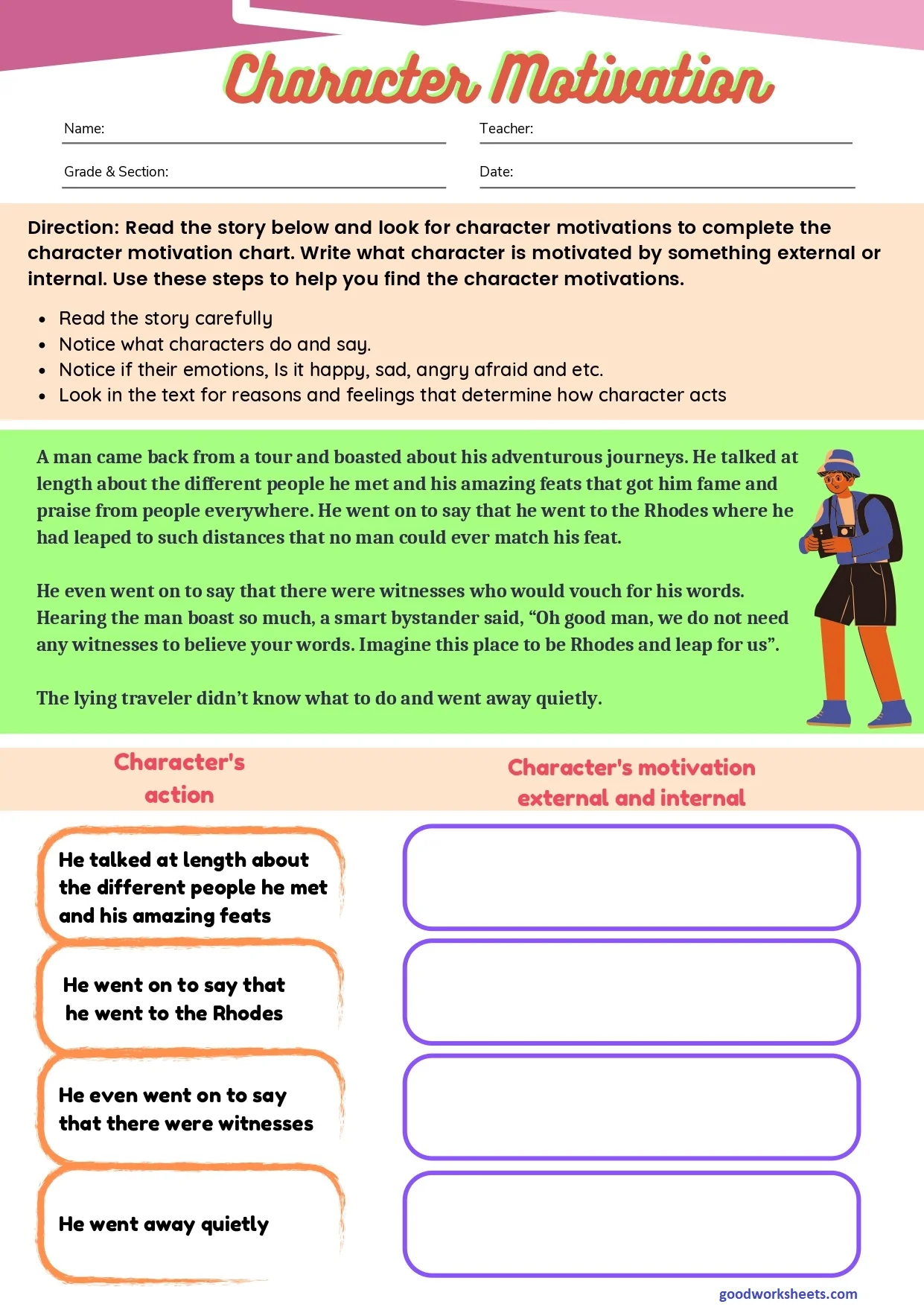
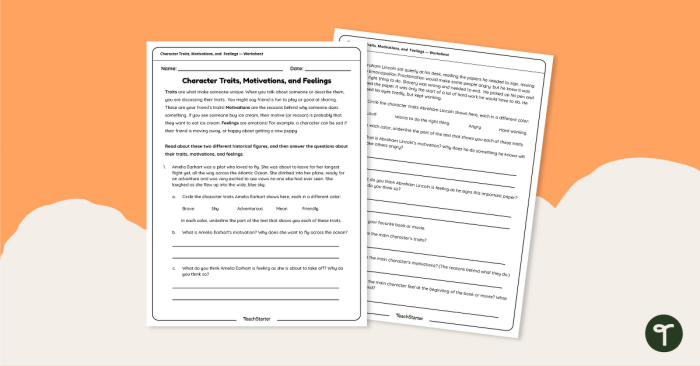
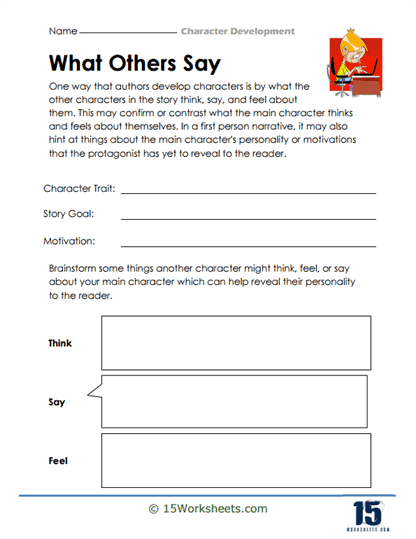
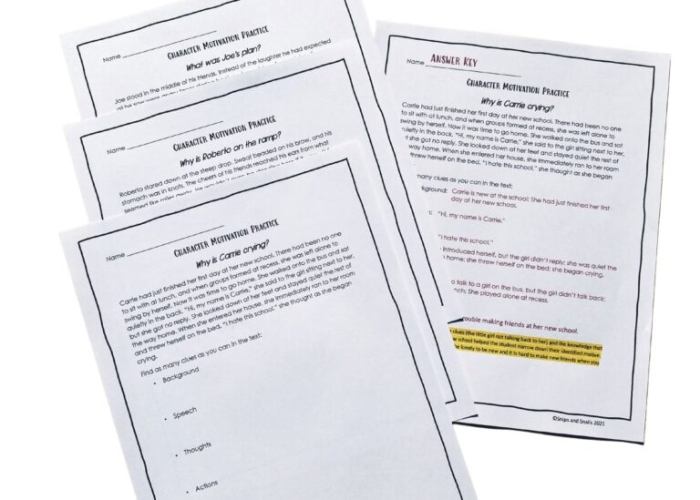
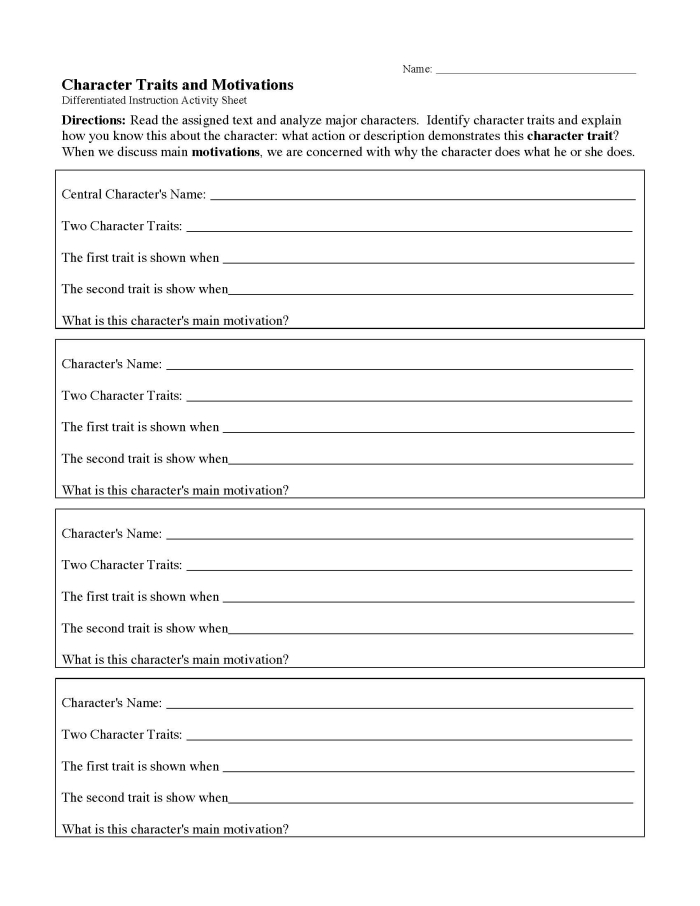
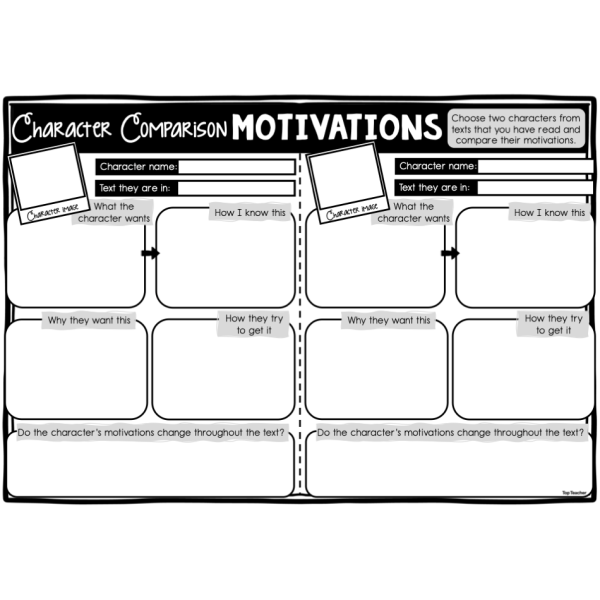
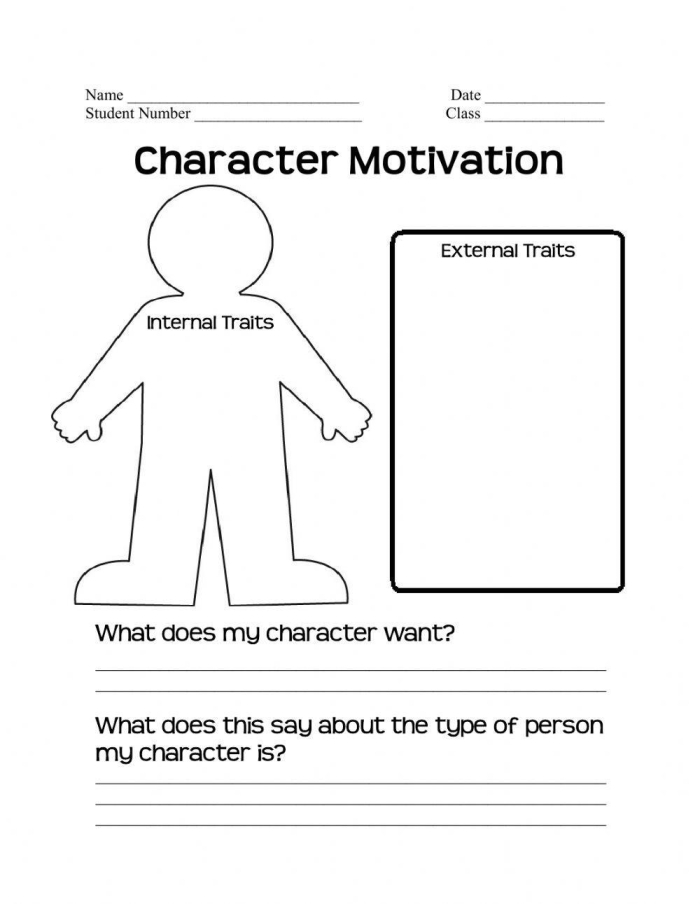
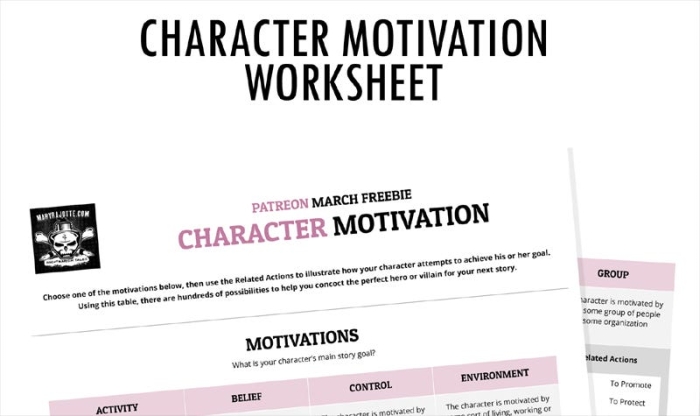
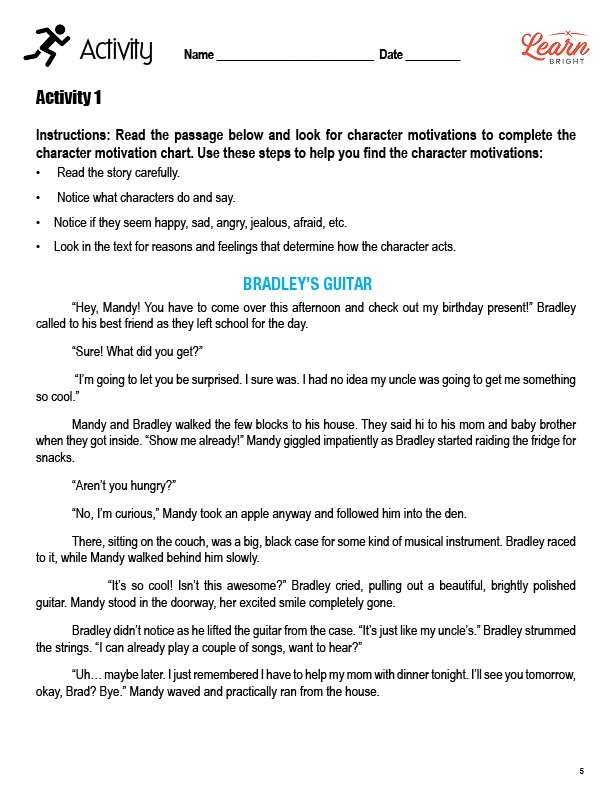
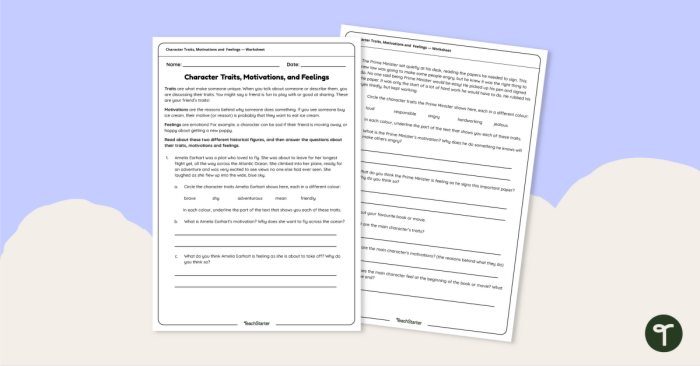
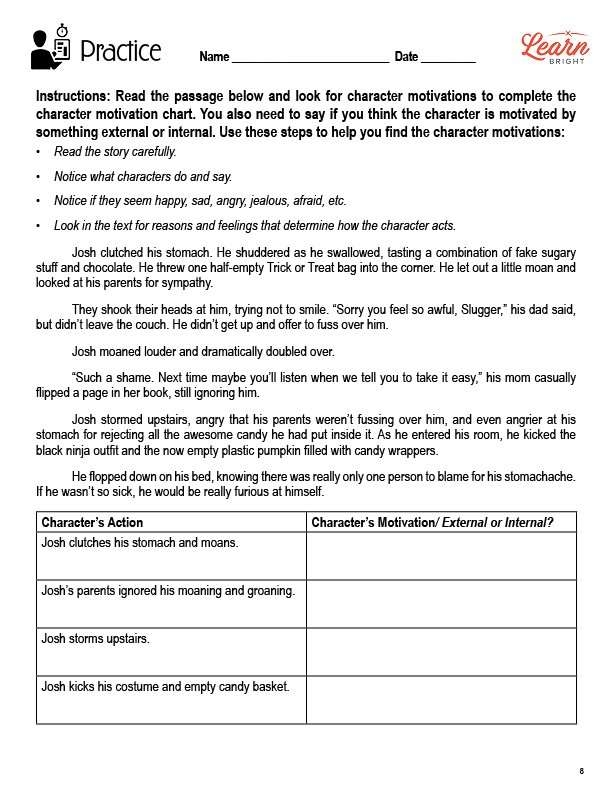
Additionally, the activity can be tied into other subjects, making it interdisciplinary. For example, while discussing motives in literature, students can reference characters in stories they read, which aligns well with printable worksheets on determining a character’s motivation. This integration enriches their learning experience, allowing them to see connections across different contexts, whether it’s in decimals or interpreting bar charts.
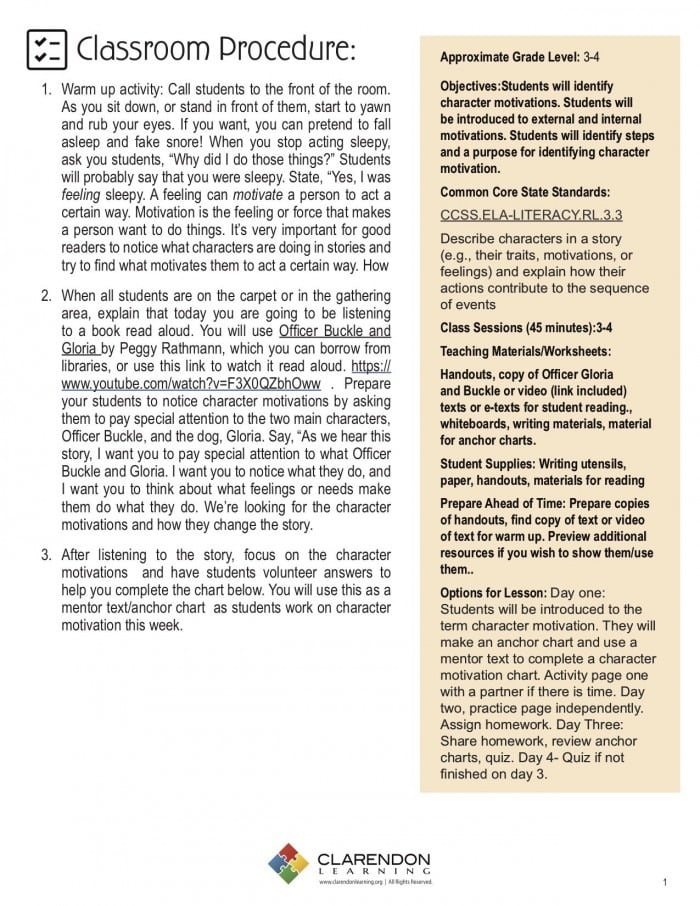
Incorporating these tools in the classroom not only makes learning more interactive but also equips students with essential skills. By thinking critically about what motivates people, fifth graders develop a greater understanding of human behavior, preparing them for future interactions and discussions in various aspects of their lives.
Worksheet Practice Section