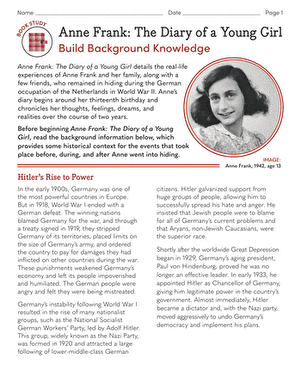
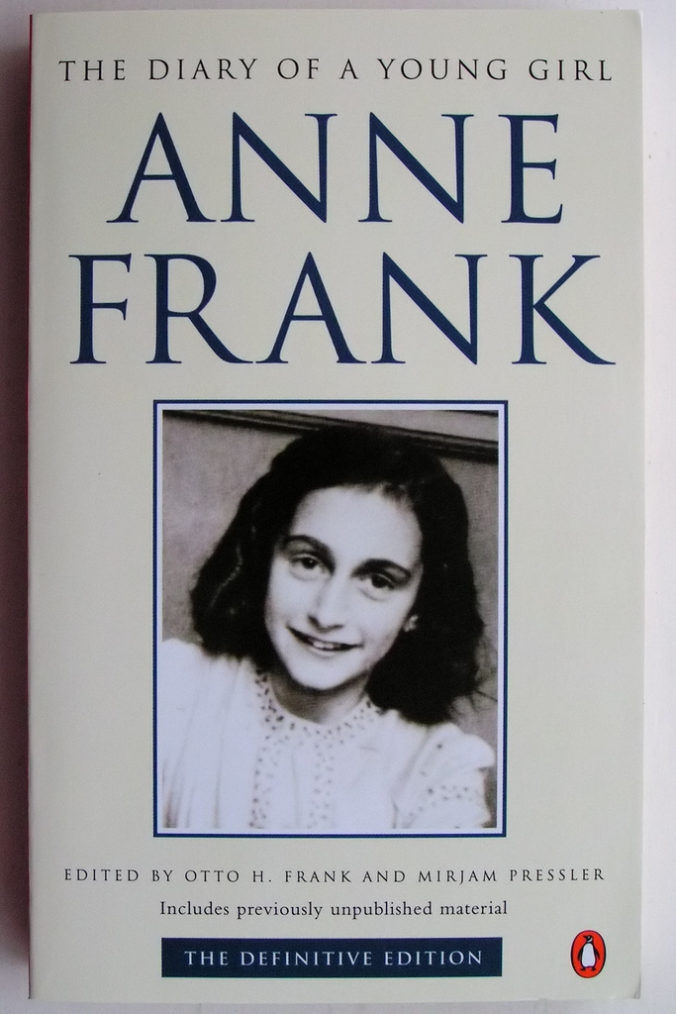
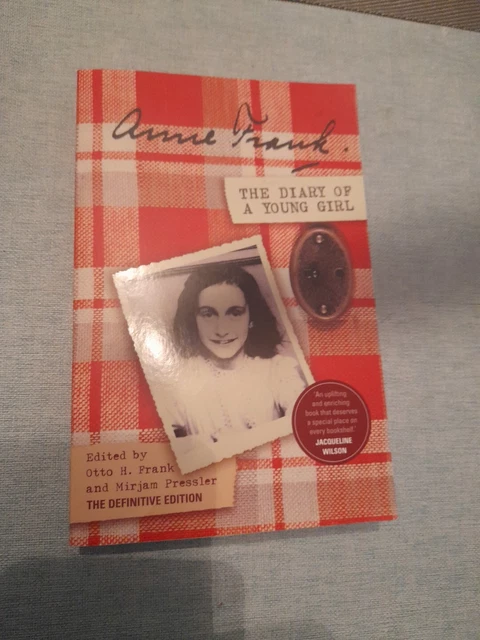
Understanding the context of Anne Frank’s life is crucial for any student preparing to read her diary. The rise of Hitler in Germany after World War I is not just a backdrop; it is the very force that reshaped the lives of millions, including Anne and her family. To help seventh graders fully grasp the significance of Frank’s experiences, educators should focus on building their background knowledge about this critical period in history.
After World War I, Germany faced severe economic hardship, political instability, and social unrest. The Treaty of Versailles, signed in 1919, placed heavy reparations on Germany, creating widespread resentment. This atmosphere of discontent allowed extremist ideologies, including those of Adolf Hitler, to gain traction. By the early 1930s, the Nazi Party had exploited the nation’s vulnerabilities, promising to restore Germany to its former glory. Educators can highlight specific events, such as the 1933 Reichstag Fire, to illustrate how quickly democracy unraveled under Hitler’s regime.
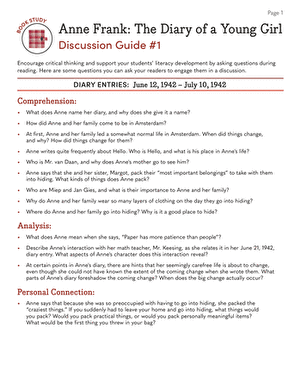
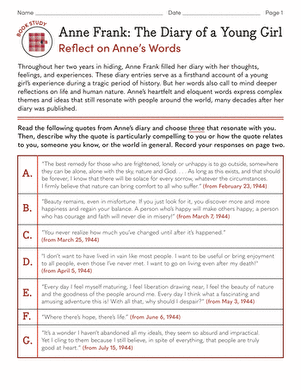
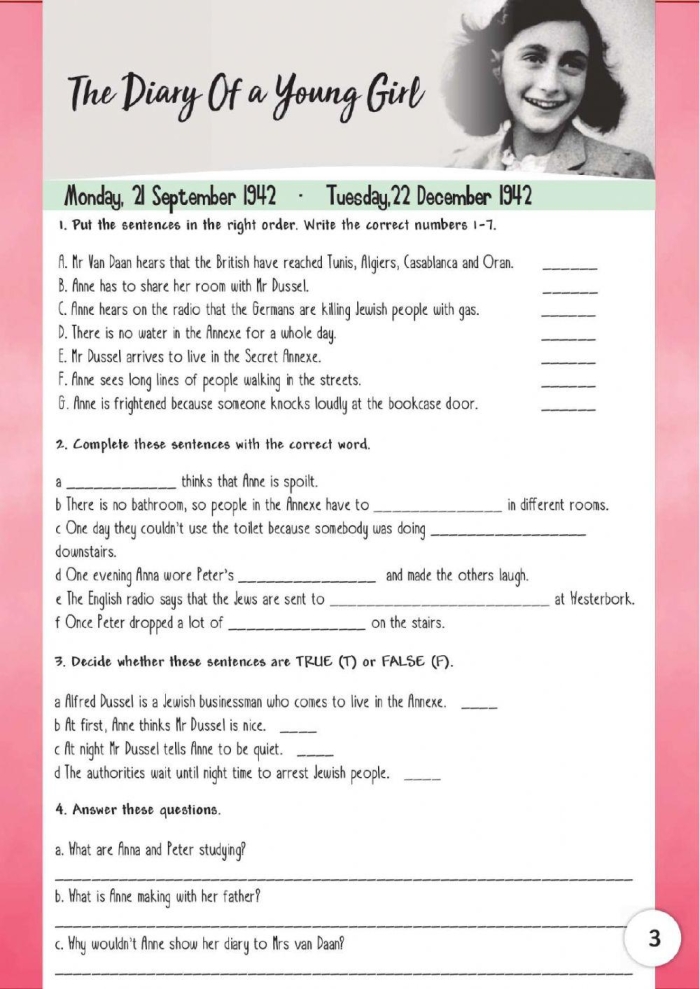
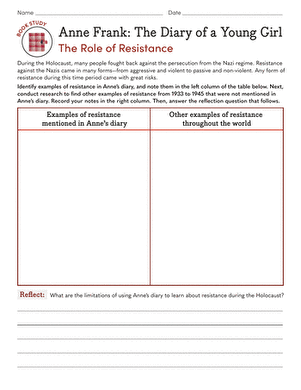
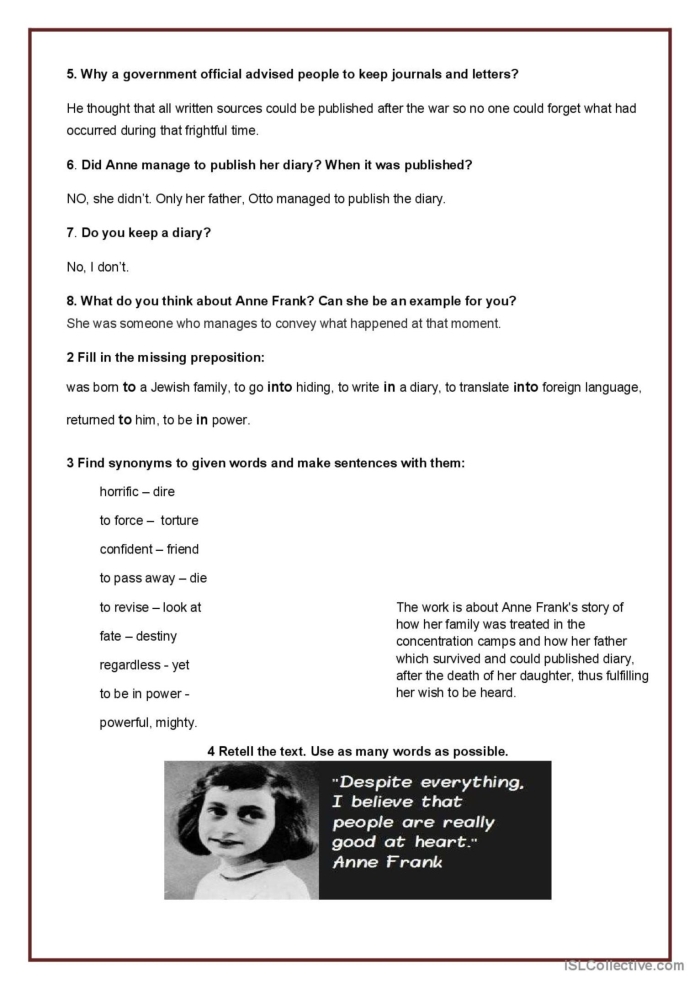
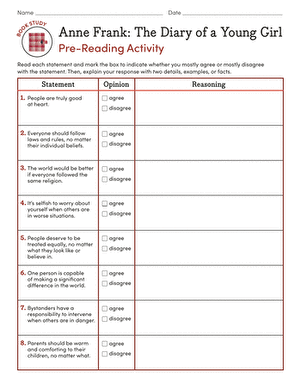
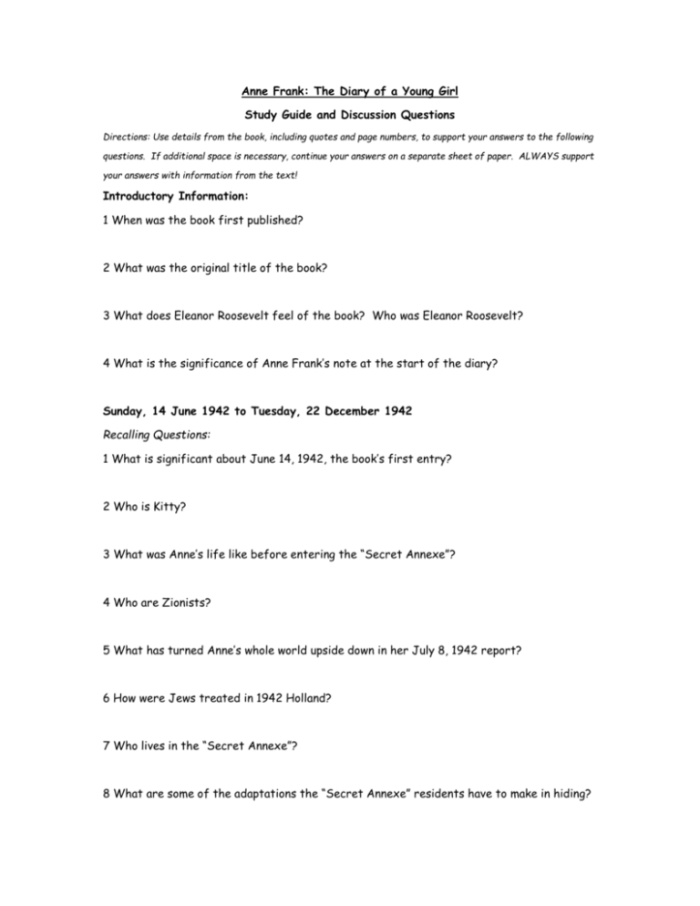
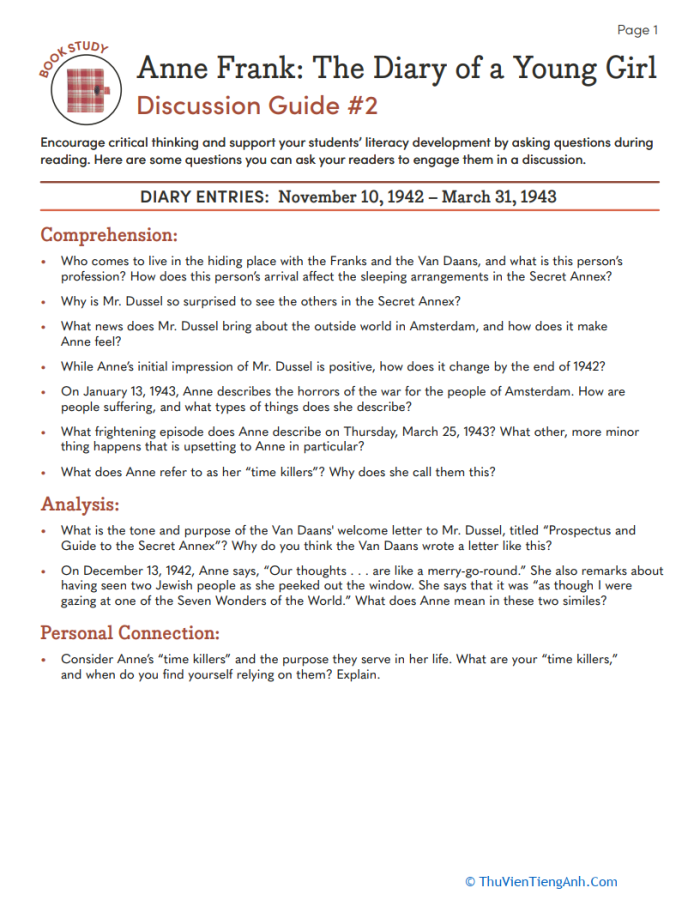
To further engage students, consider incorporating interactive activities that connect historical events to Anne’s diary. For instance, using resources like printable worksheets can facilitate discussions on the impact of propaganda and the role of youth in Nazi Germany. This connection can make the history feel more relevant and urgent. Students can also benefit from exploring how the rise of authoritarianism parallels modern issues, fostering a deeper understanding of the themes in Anne’s writing.
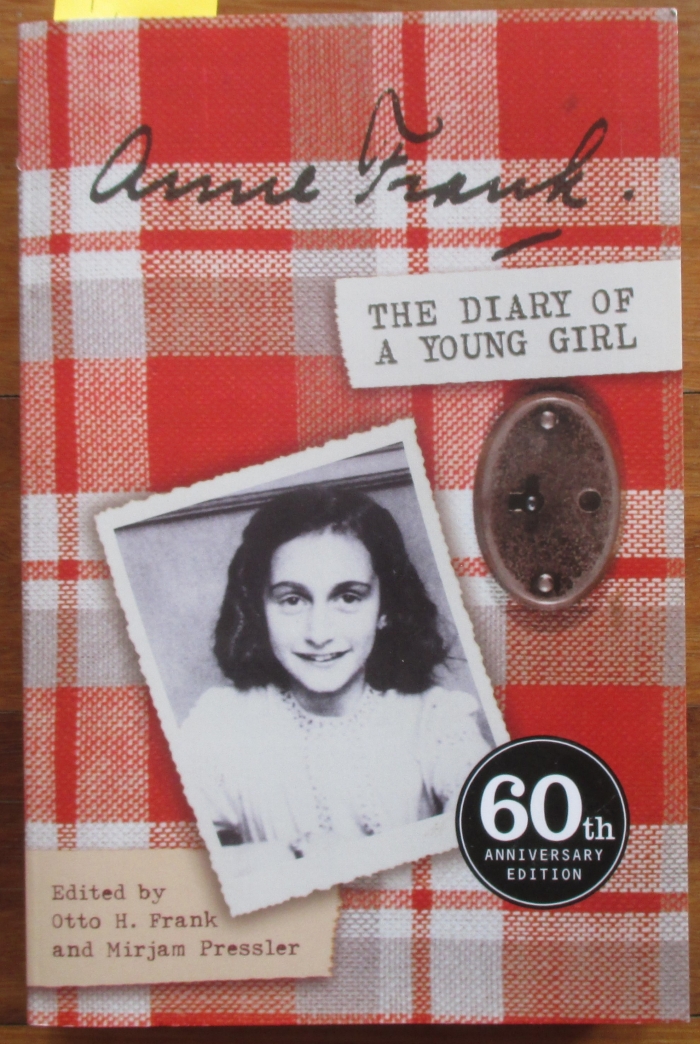
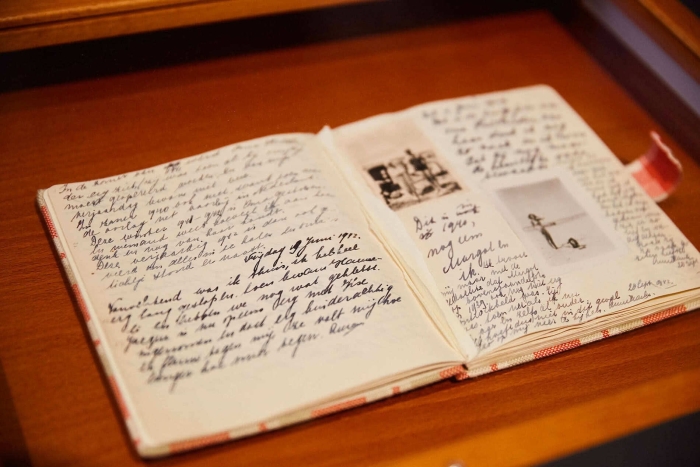
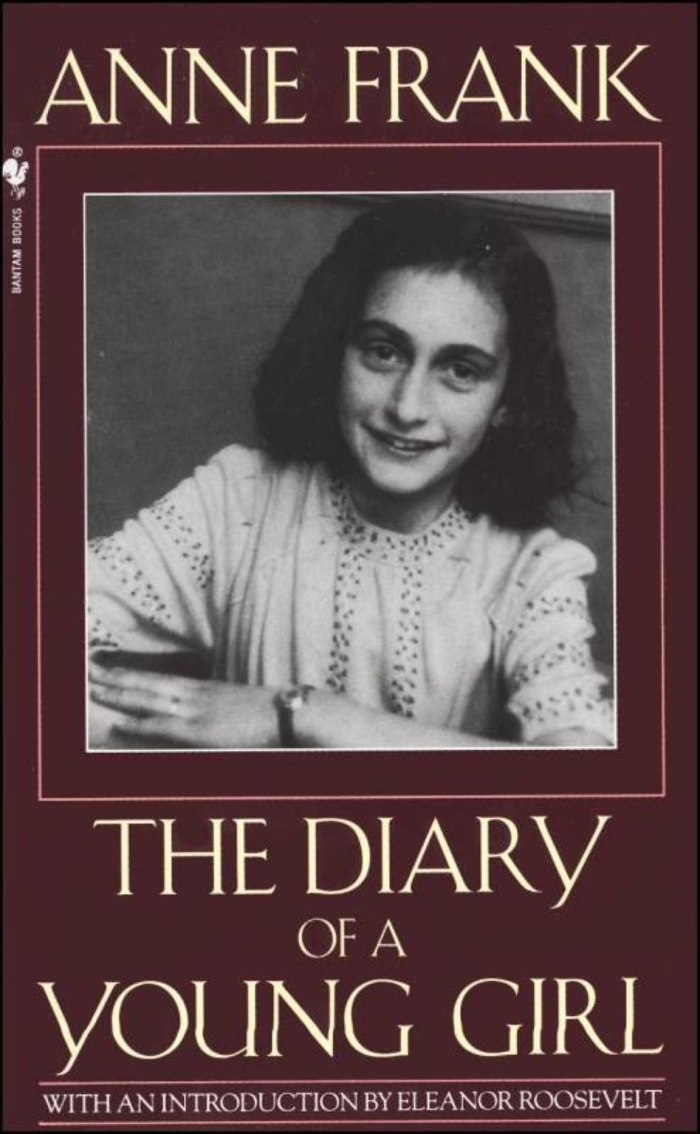
By grounding their reading of Anne Frank: The Diary of a Young Girl in the realities of Hitler’s ascent, students will not only appreciate the emotional weight of her words but also recognize the broader implications of history. This approach not only enhances their reading comprehension but also equips them with critical thinking skills essential for navigating complex social issues today. For additional resources, educators might find it useful to explore materials on topics like complementary angles and equivalent expressions, which can be integrated into discussions about historical timelines and the mathematical aspects of history.
Practice with These Worksheets