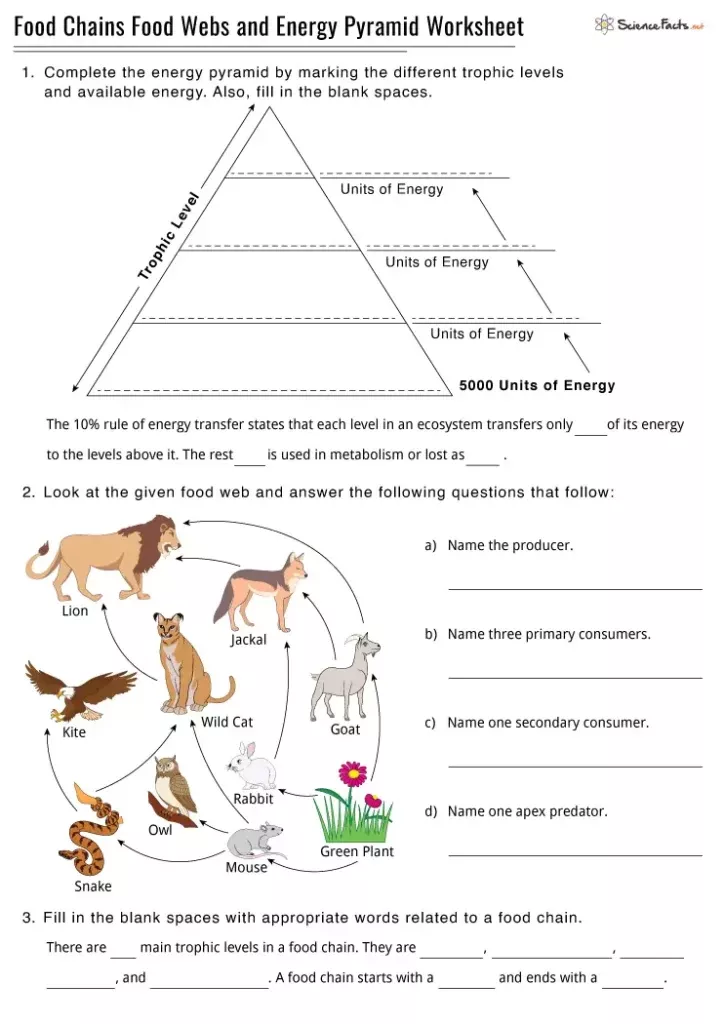
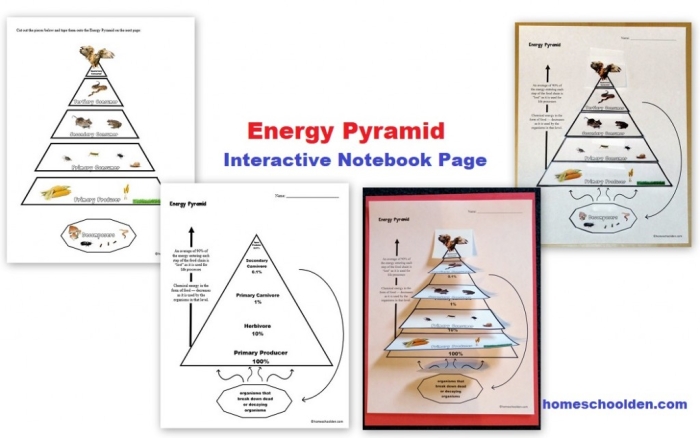
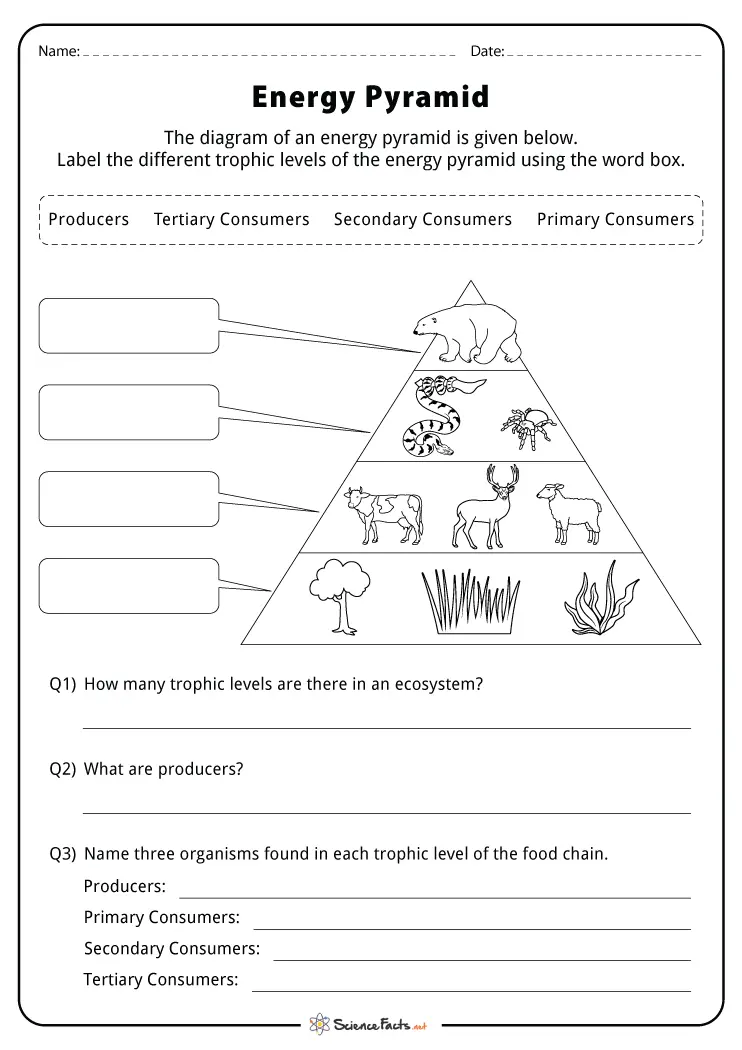
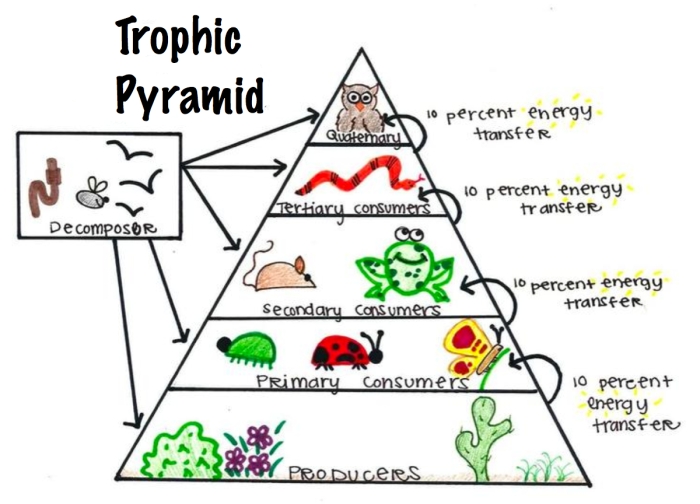
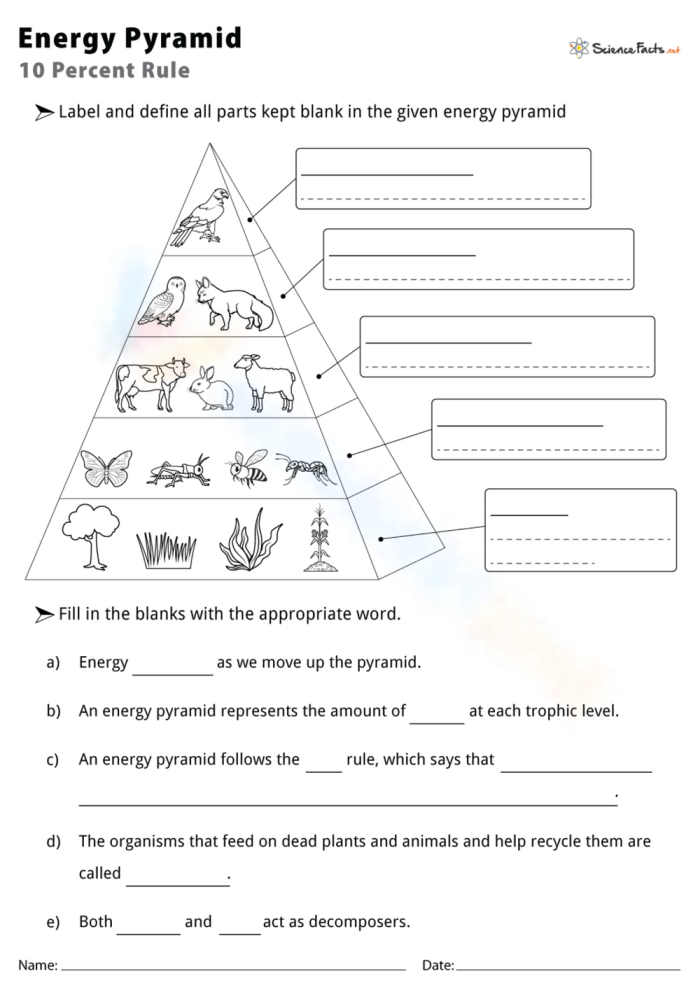
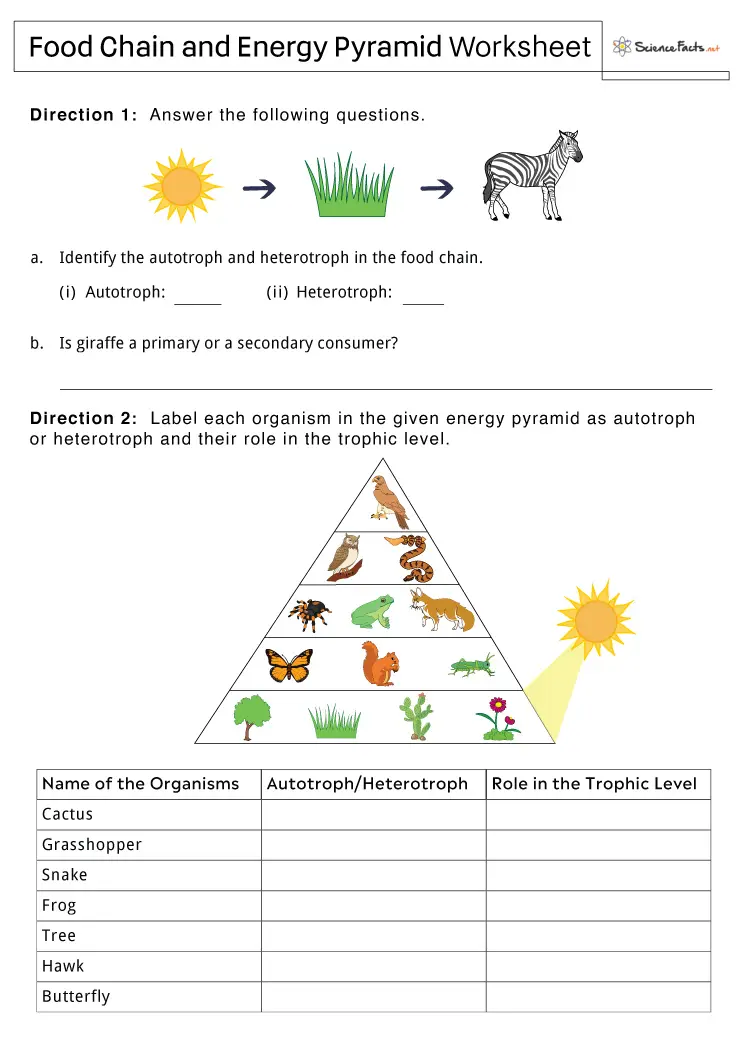
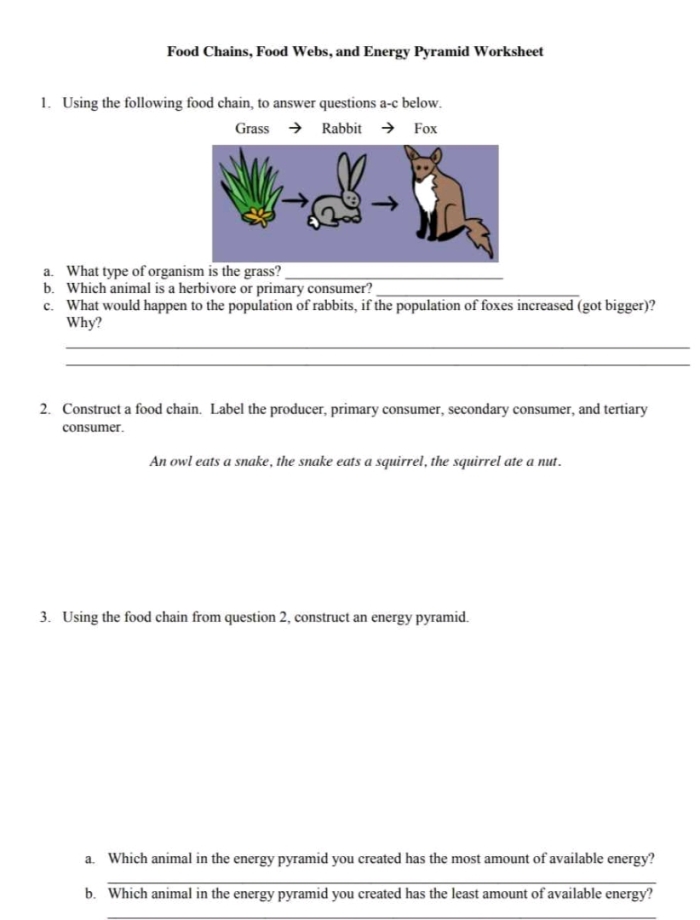
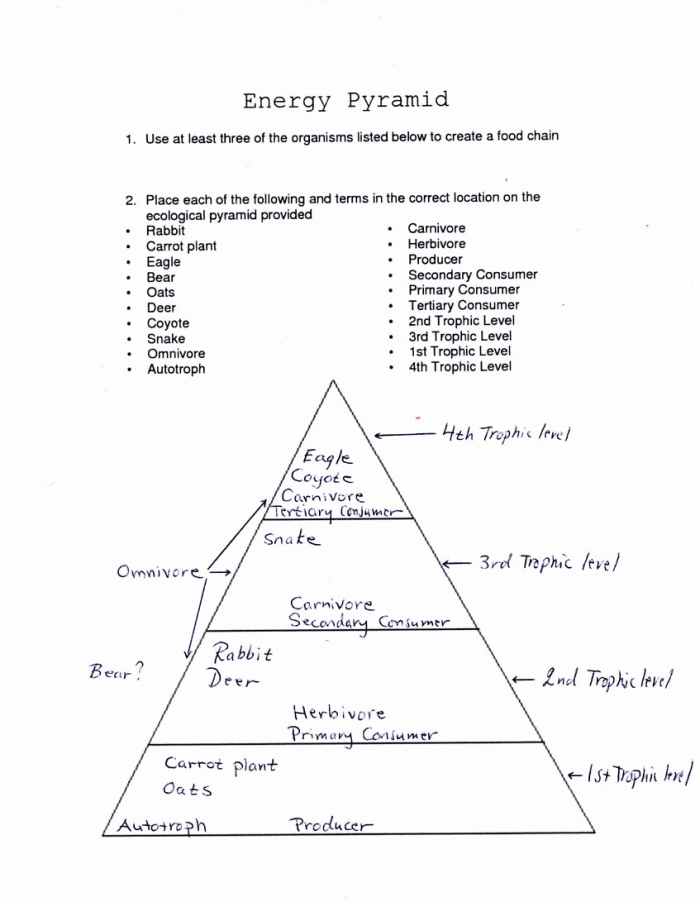
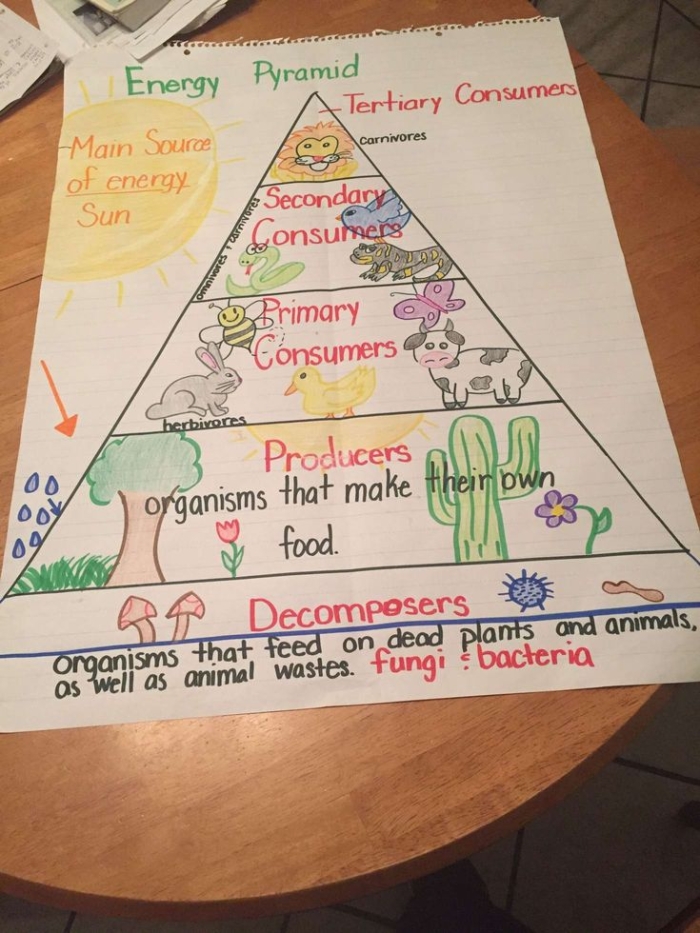
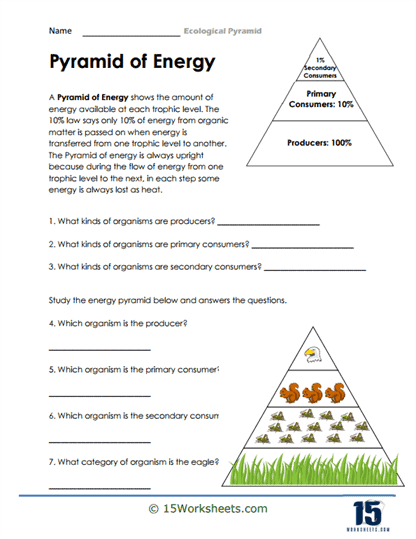
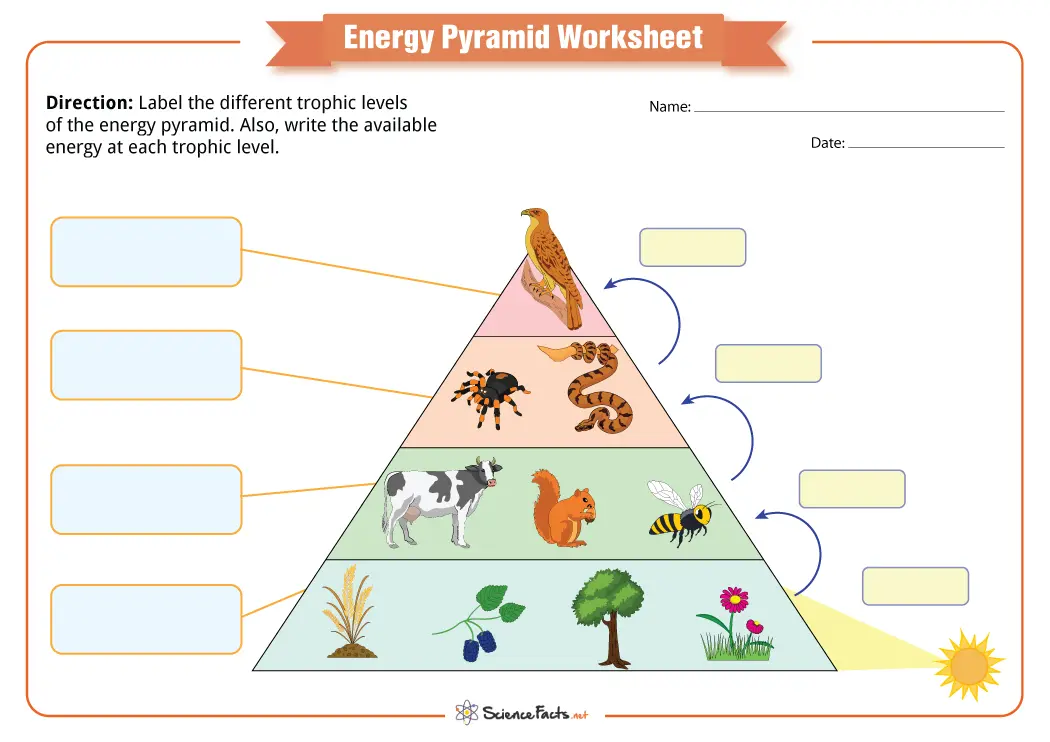
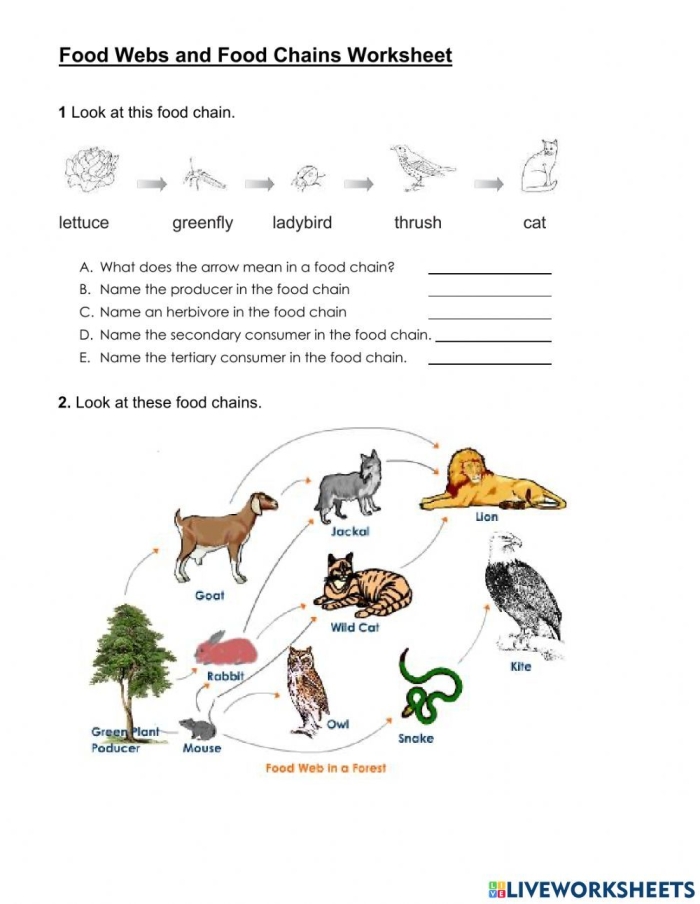
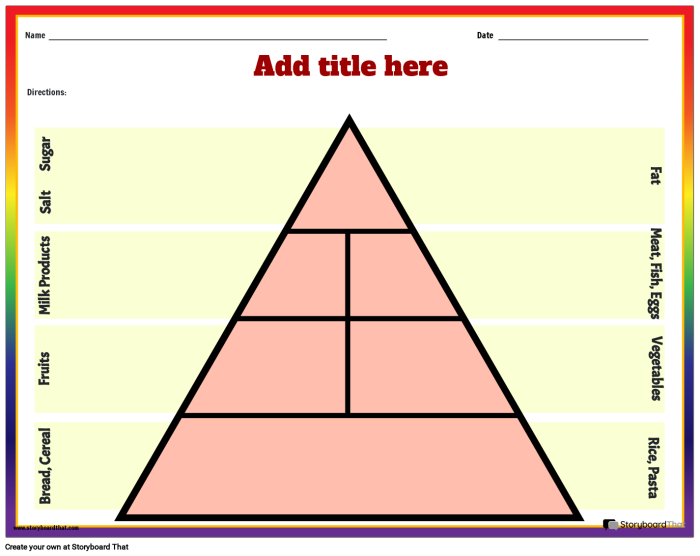
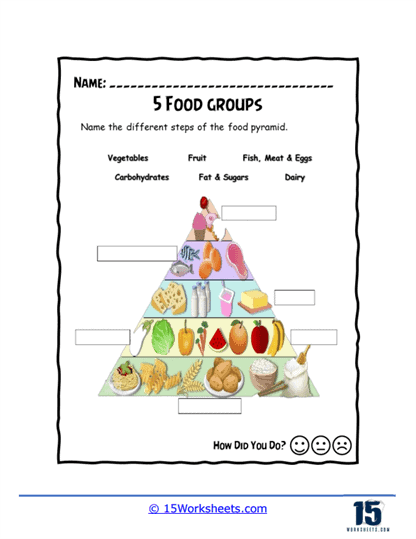
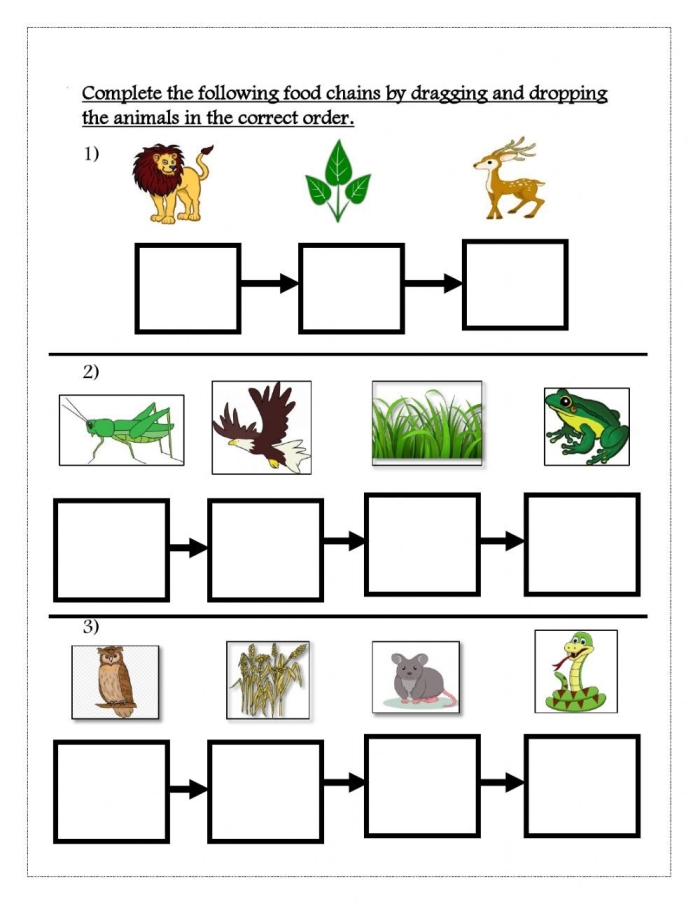
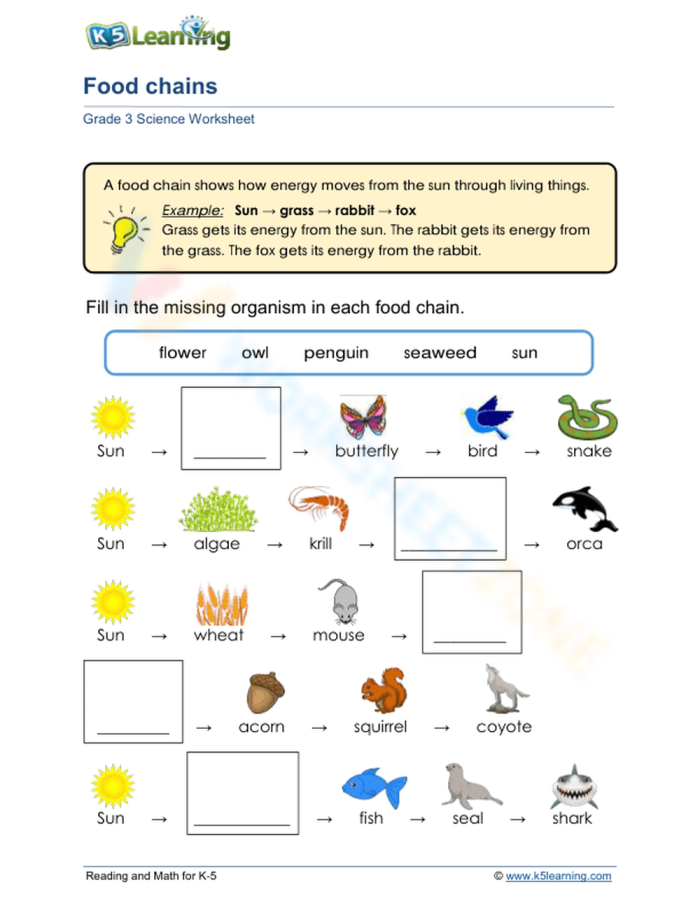
Understanding the food chain pyramid is essential for grasping how ecosystems function. This pyramid illustrates the relationships between different groups of organisms, showing how energy flows from one level to another. At the base of the pyramid, we find producers, such as plants, that harness energy from the sun through photosynthesis. These organisms are crucial as they provide food for the entire ecosystem.
Next, we move up to herbivores, or primary consumers, which rely on producers for their nutrition. For example, rabbits and deer eat grass and leaves, playing a vital role in transferring energy from plants to higher trophic levels. Then come the carnivores, or secondary consumers, which feed on herbivores. Animals like foxes and hawks exemplify this group, taking advantage of herbivores to sustain themselves and continue the energy flow.
However, the food chain pyramid does not end with carnivores. At the top are apex predators, which have few or no natural enemies. They help maintain the balance within ecosystems by controlling herbivore populations. This delicate balance is critical; if one group becomes too dominant, it can disrupt the entire food chain.
Lastly, decomposers, such as fungi and bacteria, break down dead organic matter, returning nutrients to the soil and completing the cycle. Without decomposers, ecosystems would be overwhelmed with waste, and nutrient recycling would cease. This intricate system highlights the importance of each group within the food chain pyramid.
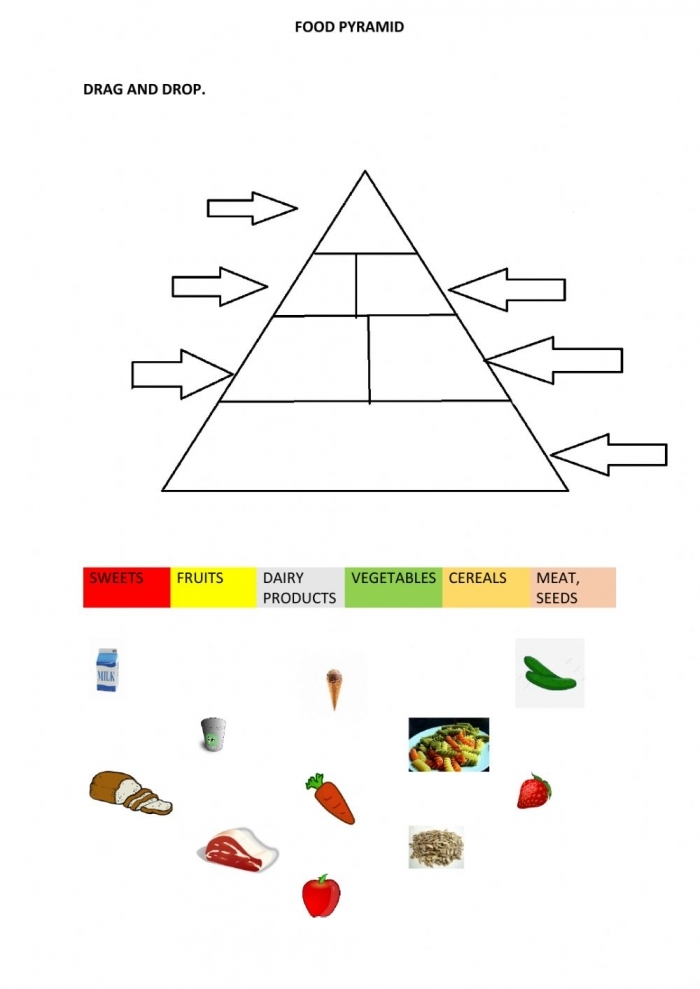
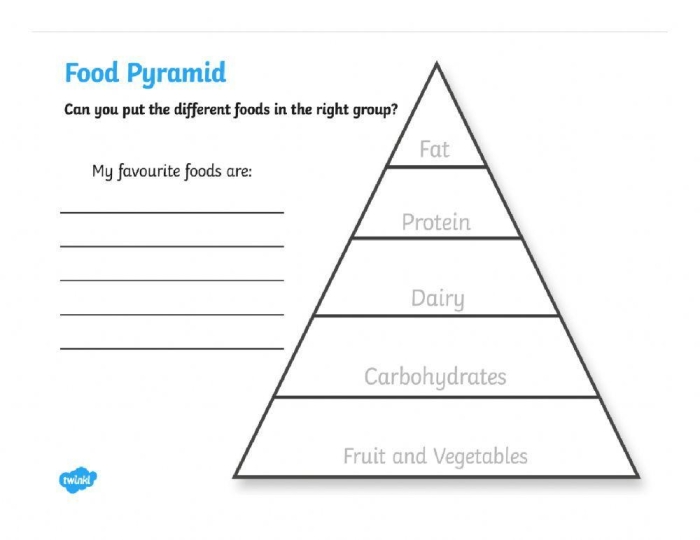
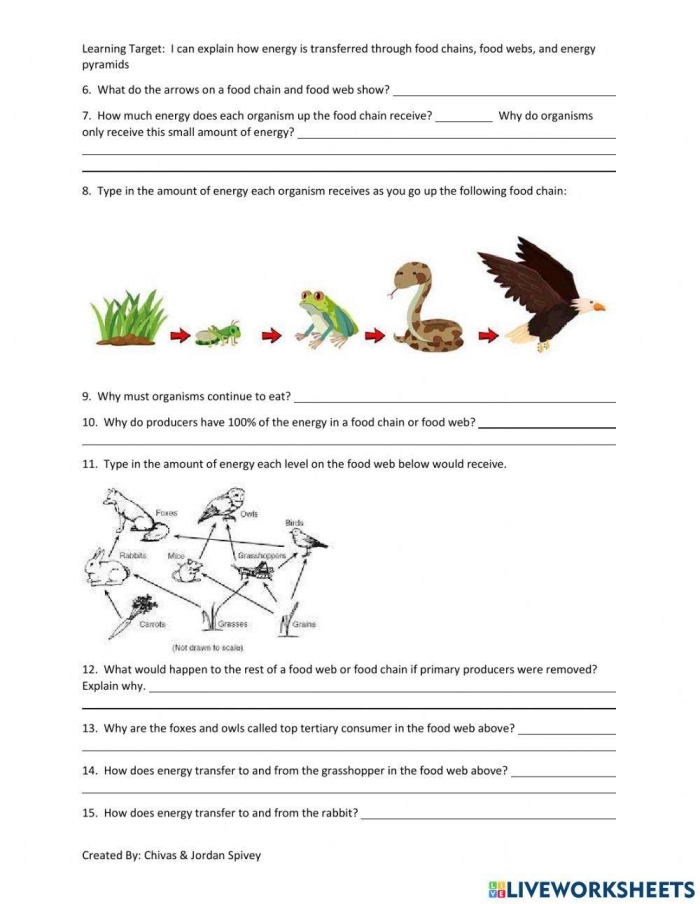
For fourth graders eager to learn more about this topic, printable food chain pyramid worksheets can be a helpful resource. These worksheets not only reinforce reading skills but also deepen understanding of ecosystems and their interconnectedness. Exploring the roles of producers, herbivores, carnivores, and decomposers can spark interest in biology and environmental science.
For additional educational materials, check out more resources like the water cycle worksheets or the writing practice worksheets.
Start Practicing with These Worksheets